A well-kept lawn is more than just a patch of grass: it’s an extension of your home. Whether you’re firing up the grill for a summer barbecue, setting up a backyard game for the kids, or enjoying a quiet moment under the sun, cutting grass to keep it lush and green is essential.
To make the most of your outdoor space, you need to maintain it by mowing, watering, fertilizing, controlling weeds, and dethatching. While most people understand the importance of mowing, many struggle to find the best schedule to help their lawn stay healthy, look gorgeous, and resist problems like pests and weed invasion.
What Affects How Often You Mow?
Ideally, mow about once a week during the growing season and every two weeks during slower growth periods, but it depends on several factors, including the season, type of grass, local weather, and aesthetic goal. In America, mow more often in spring and fall when grass tends to grow faster, and cut back during slower growth periods.
How quickly your plant grows directly affects mowing frequency, and its development is influenced by air and soil temperatures, soil moisture, sunlight, rainfall, and nutrient availability. Cool air or soil slows progress as plants conserve energy, while warmth and consistent rain encourage rapid root and blade formation.
Adequate moisture and rich soil support vigorous turf, whereas drought or poor fertility limit it. Plus, sunlight drives photosynthesis; yet excessive or insufficient light can hinder metabolism.By tracking these conditions, you can fine-tune your mowing routine to keep your lawn healthy.
Mowing Frequency by Season
Seasons have a big impact on how quickly your grass grows.
- Spring: Trim once a week as the grass greens up.
- Summer: Trim every two weeks, especially over dry periods.
- Fall: Trim once a week until the grass starts to lose color.
- Winter: Mowing is rarely needed unless the grass keeps growing.
This guideline can vary depending on your region: what works in Florida may not apply in Alaska. For instance, winter in Miami, Florida never snows and averages 68.6 °F, so grass still grows and needs trimming once every week; meanwhile, the first snow can arrive in Anchorage, Alaska as early as October, thus you may need to prepare the final cut in fall. Some gardeners also adopt the “No Mow May” practice to help wildflowers and pollinators thrive.
Mowing Frequency by Grass Type
Not all grass grows the same, and different turf types have their own grooming cycles.
The suggested cutting heights for common grasses seen in the US are:
|
Grass Type |
Suggested Cutting Height |
|
Bermuda |
1.2 inches |
|
Fescue |
3.5 inches |
|
Kentucky 31 |
2.4 to 3.1 inches |
|
Kentucky bluegrass |
1.6 to 2 inches |
|
Ryegrass |
2.4 to 3.1 inches |
|
St. Augustine |
3.5 inches |
|
Zoysia |
1.2 inches |
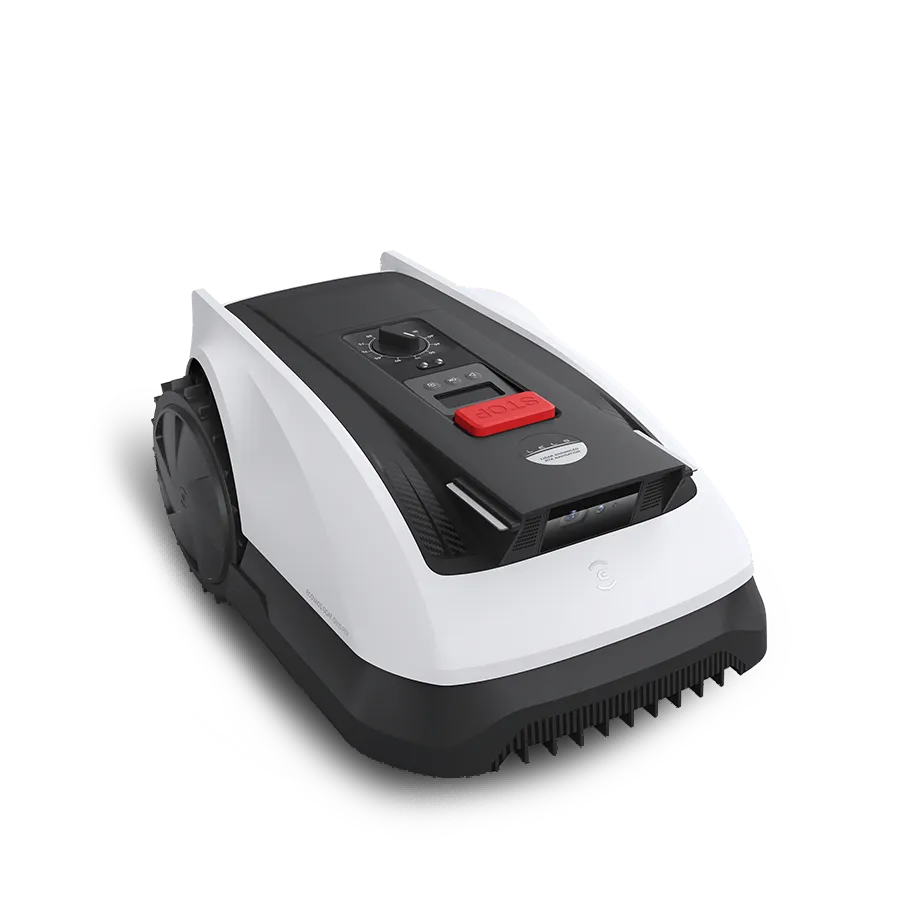
To help manage different mowing schedules, choose a smart model like GOAT robot lawn mowers let you assign zones by grass species and customize the schedule in the ECOVACS HOME app.
Cool-season grasses
Cool-season grasses like fescue, ryegrass, and bluegrass grow actively in early spring and fall and may need cutting every 5 to 7 days during these times. In contrast, they may go dormant under the summer heat, so it’s best to let them grow taller to insulate the plant crowns and limit moisture loss from the soil.
Warm-season grasses
From Bermuda to zoysia and buffalo grass, warm-season grasses work the other way around. They thrive in spring and summer and may need trimming every 7 to 10 days, depending on conditions. When fall arrives, raise the cutting height to help insulate their roots against cold weather.
Other factors to consider include whether it’s a new lawn or if it’s shaded.
- New lawn: allow it to establish before cutting.
- Shaded areas: trim every 10-14 days depending on the growth
As a rule of thumb, follow the “one-third rule” when trimming and never remove more than one-third of the blade at once, preventing shock and supporting healthy growth.
Mowing Frequency by Weather Conditions
Weather directly affects mowing needs, since temperature, rainfall, and sunlight all play a role in how quickly grass grows.
- Cool and dry: Mow every 14 to 21 days to let roots store energy and retain nutrients.
- Cool and moist: Mow every 7 to 10 days to control fast plant growth.
- Hot and humid: Mow every 10 to 14 days, as high humidity hinders transpiration.
- Hot and dry: Mow every 10 to 14 days to let grass grow taller to insulate the plant crowns.
Mowing Frequency by Aesthetic
You can also set the mowing routine based on how you want your yard to look.
- A formal, polished look: Cut the grass once a week to keep the tight, uniform turf.
- A natural or wild look: Cut the grass once every 7-10 days and let the grass grow slightly longer.
Mistakes To Avoid When Cutting Grass
When cutting grass in your yard, watch out for common mistakes like cutting it too short. Cutting grass too short reduces the leaf surface needed for photosynthesis and exposes roots to heat stress.
Sticking to one mowing direction encourages blades to lean instead of standing upright. Meanwhile, long gaps between cuts force you to remove too much at once, shocking the plant and making it more prone to disease.
Mowing wet grass can also cause uneven cuts and turf damage. Wet grass clumps together after rain, making it harder to get a clean cut, clogging the mower, and increasing the risk of slips.
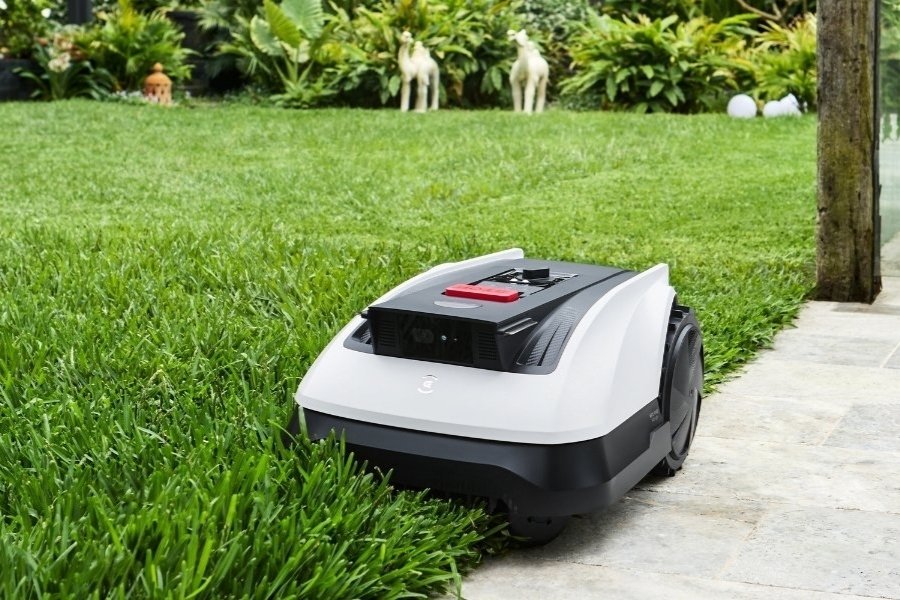
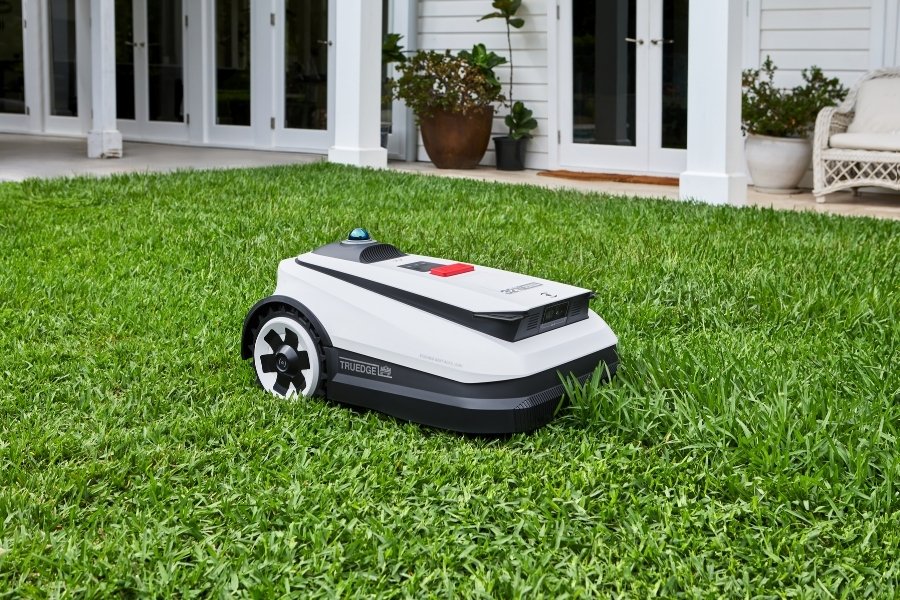
To save time and effort, find the right robotic mower like the GOAT A3000 LiDAR. Trimming small amounts regularly prevents grass from becoming too short or overgrown.
You can easily set the schedule and adjust the mowing height from 1.18 to 3.54 inches, with increments of about 0.39 inches, as well as define no-go zones in the ECOVACS HOME app. Its IPX6 waterproof design and built-in rain sensor automatically pause mowing during showers, while the 32V energy platform supports slope climbing up to 27°, ensuring safe travels when it’s humid.
FAQ
Can you be fined for letting your grass grow too long?
Yes, many local ordinances in the US include lawn height as part of property maintenance rules, and violations can lead to fines. For example, Greensboro’s ordinance specifies that any dense vegetation exceeding twelve inches in height can result in penalties starting at around $300.
What time of day is best to mow without disturbing neighbors?
The best time to mow your lawn is typically mid-morning, say between 8 am and 10 am, when the grass is dry and temperatures are mild, and there is plenty of daylight for recovery.
Can mowing too frequently damage my grass?
Mowing too frequently can damage your lawn if you're removing too much of the grass blade at once. Over-trimming can make it harder for the plant to retain moisture and nutrients, which weakens photosynthesis and slows recovery.