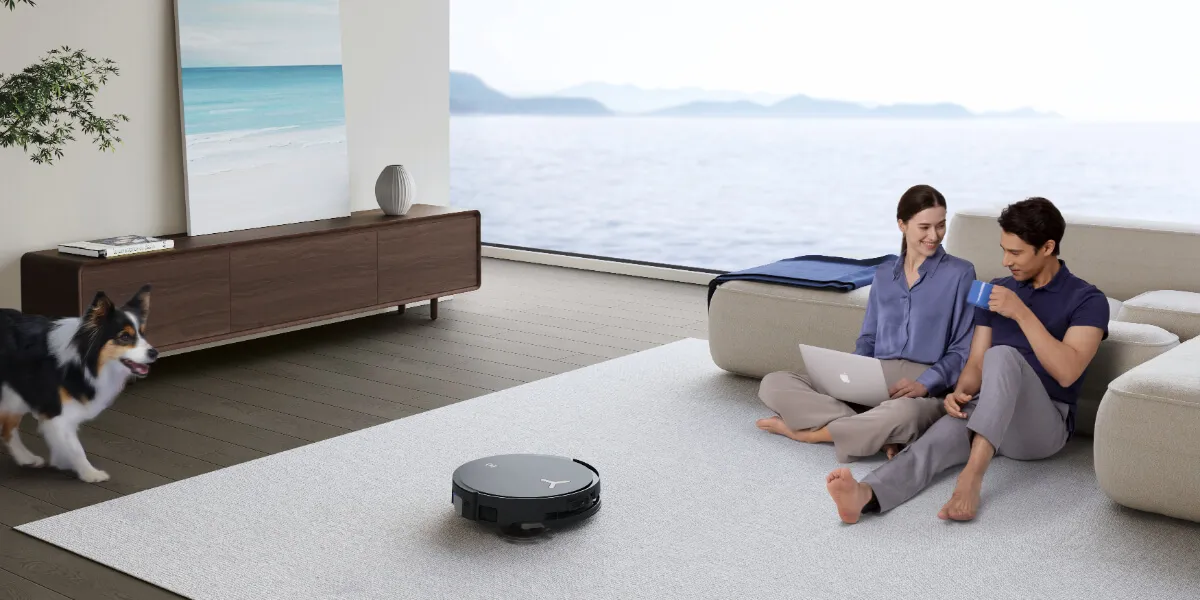

Nearly one in six American respondents in an ECOVACS survey said they don’t have enough time for household cleaning, while one-third cited low motivation and energy as their biggest obstacle.
That’s why many people are upgrading to robot vacuums for everyday floor care. Using sensors and mapping, they plan efficient routes, then combine suction and, on some models, mopping to pick up debris. When needed, they return to the dock to recharge and may resume cleaning afterward.
This guide breaks down how robot vacuums navigate your home, clean, recharge, and which features impact real-world performance.
What is a Robot Vacuum Cleaner
A robot vacuum cleaner is a compact electronic device that cleans floors with minimal manual effort. After it maps your rooms, it can clean based on your preset settings and schedule while avoiding obstacles to prevent damage. When it’s finished or the battery runs low, it returns to its dock to recharge.
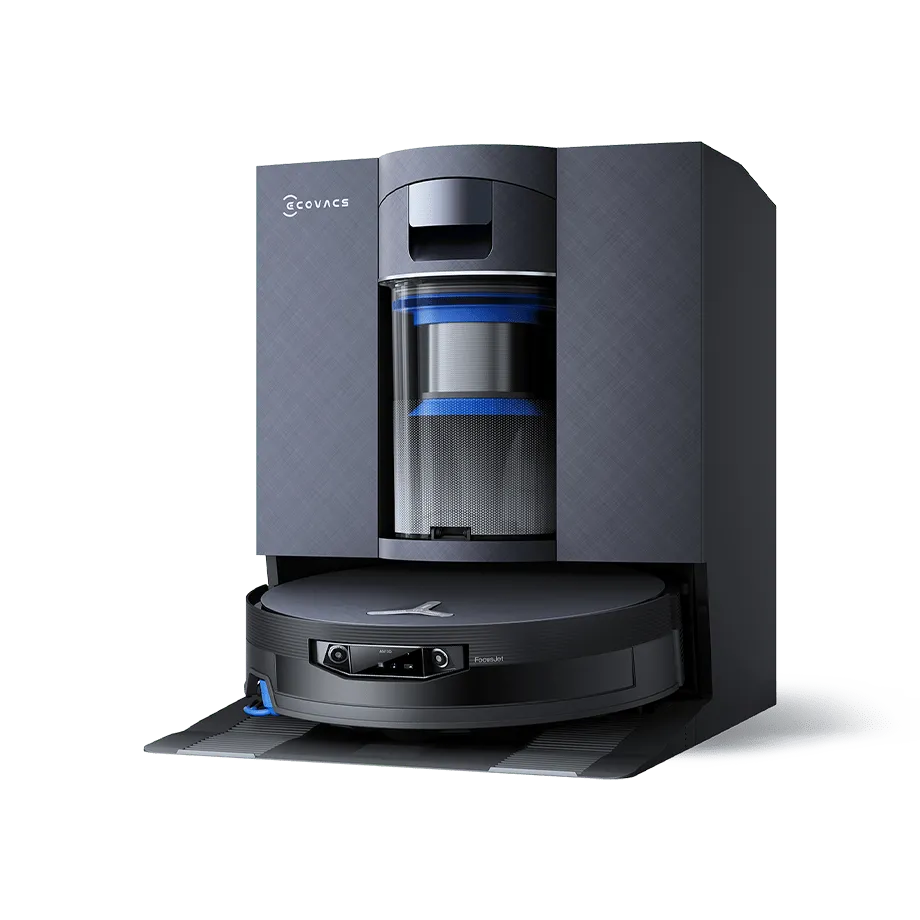
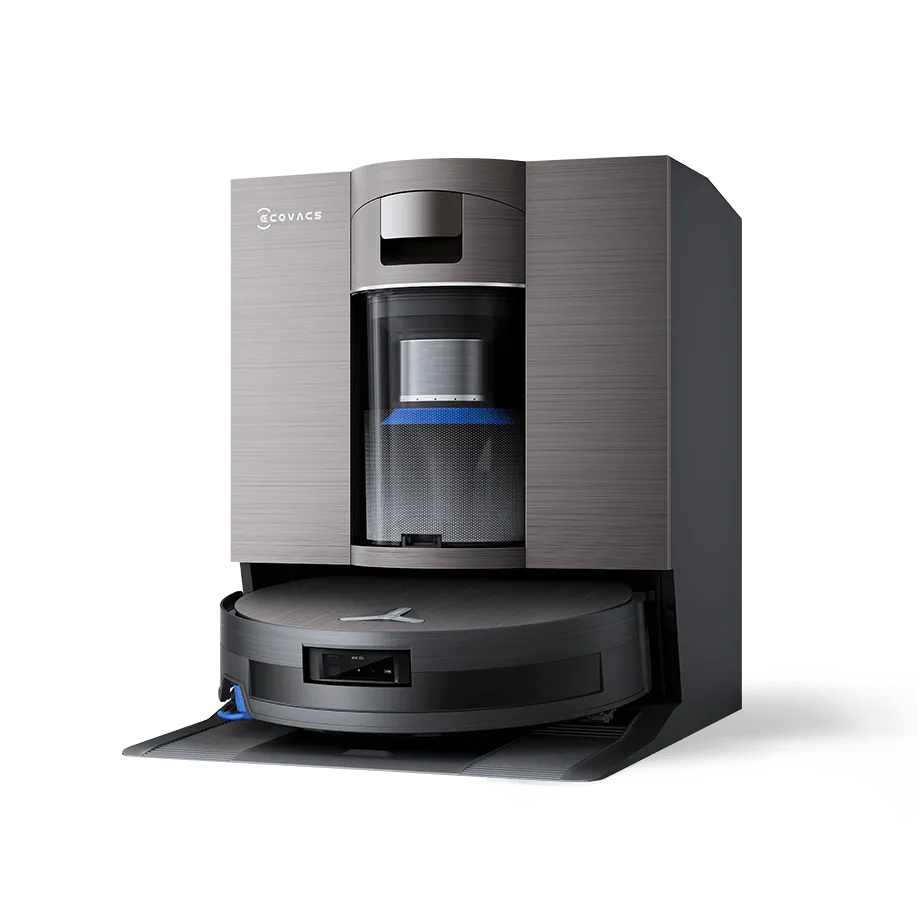
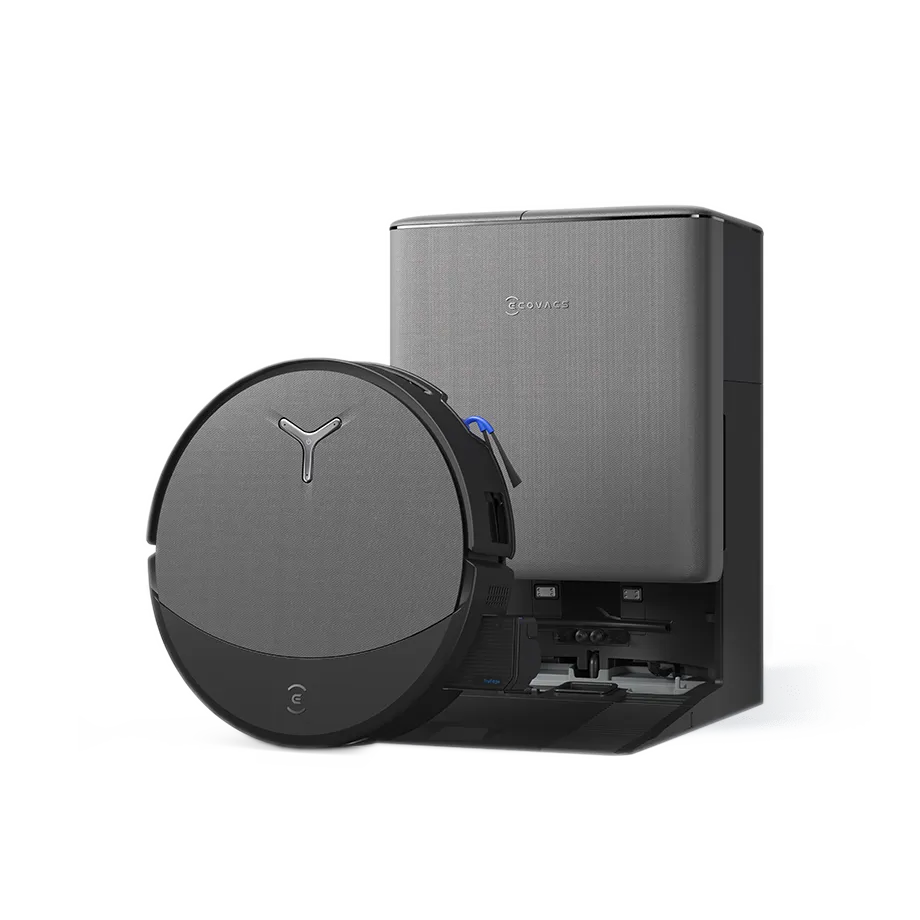
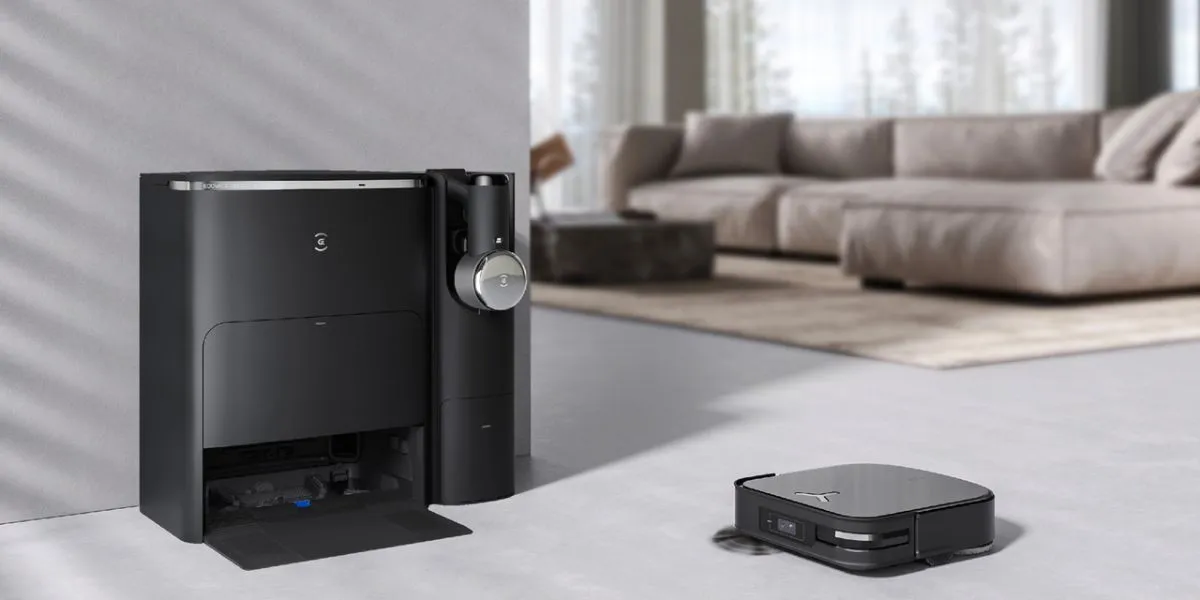
A robot vacuum and mop combines vacuuming and mopping in one unit, with advanced versions adding self-emptying docks and mop care.
When looking at vacuum cleaner history, early concepts of robotic vacuums appeared decades ago, with the first commercial models arriving in the 1990s. Since the 2000s, smarter navigation and automation have brought these devices into everyday homes.
How Do Robot Vacuums Work
Robot vacuums clean floors automatically using sensors such as cameras or LiDAR to navigate and map your home. As they move, side brushes sweep debris inward while the main brush and suction pull dirt into the bin. Some models can mop simultaneously. It docks to recharge when the battery is low, and premium models provide self-emptying and maintenance features.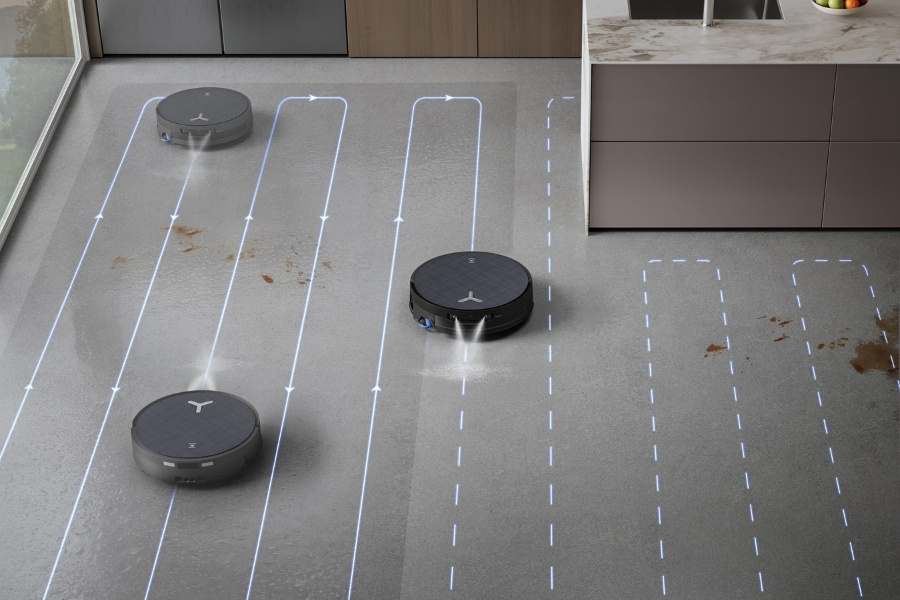
1. Navigation Systems
Robot vacuums utilize different navigation technologies, sophisticated sensors and algorithms to create efficient cleaning paths, instead of random navigation that bumps into objects and leaves missing spots.
- Navigation sensors: Infrared, lasers, and cameras help the robot detect walls, objects, and room boundaries. Some robotic vacuums are equipped with LiDAR for extra accuracy.
- Gyroscope or IMU navigation: Tracks direction and distance to build a simpler map and stay oriented. It’s often seen in basic models and can be less precise than lasers or cameras.
- Mapping: Robot vacuums with mapping collect sensor data and build a virtual map to plan routes, reduce repeat passes, and set no-go zones.
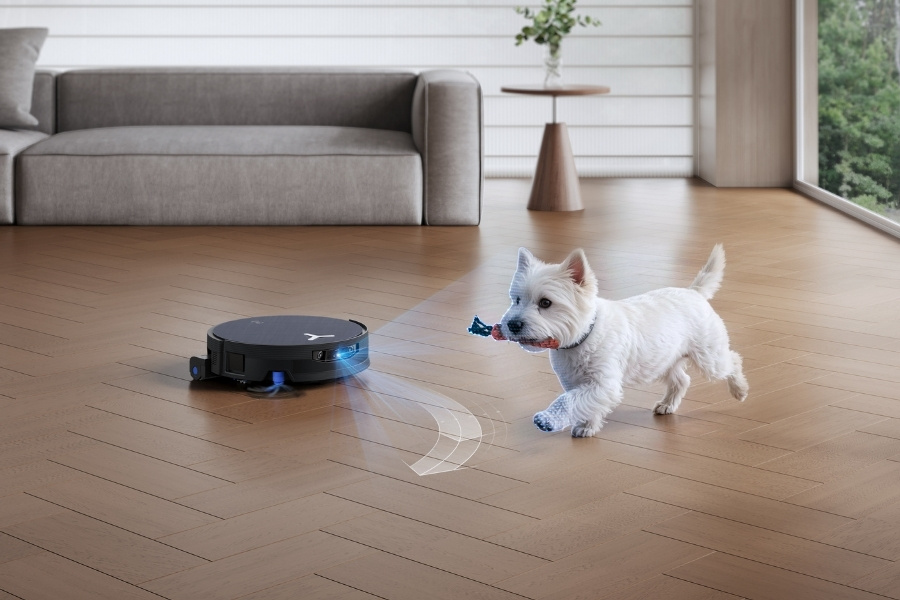
- Obstacle avoidance: Robotic vacuums with obstacle avoidance scan objects ahead and reroute around them. This is how smart vacuums avoid cords and steer around shoes and pet bowls.
- Cliff/anti-drop sensors: Downward-facing sensors detect drop-offs at stairs and ledges, so the device stops, turns away, and prevents falls during operation.
2. Cleaning Mechanism
The cleaning performance of a smart vacuum relies on suction mechanisms and brushes, mopping capability, and how well the robot covers edges and corners.
- Suction power: Suction power in robotic vacuums works with airflow to pull dust, crumbs, and debris into the bin, and advanced models can increase on carpets and decrease on hard floors.
- Brushes: The main roller brush agitates dirt and lifts hair from carpets and cracks, while side brushes extend outward to sweep debris inward so the robot vacuum cleans corners more efficiently.
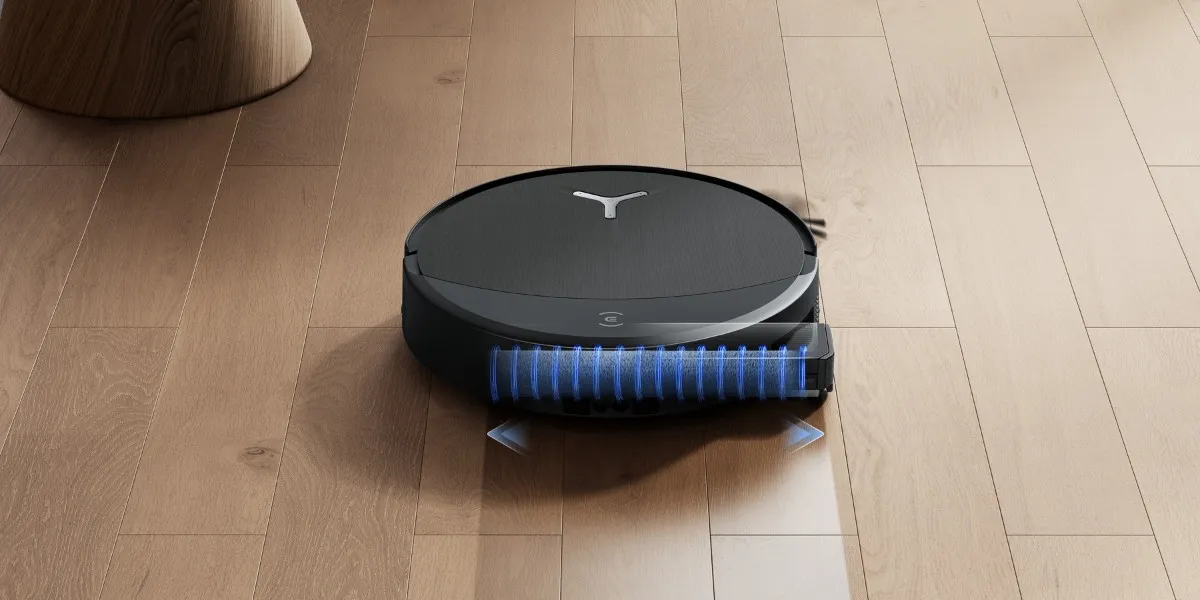
- Mopping: Robot vacuums with roller mop add a mopping function to pick up fine dust and dried stains that vacuuming alone can miss.
3. Smart Features
Robotic vacuum cleaners have user-friendly smart features, including remote control, scheduling and customization, smart home integration, and hands-free dock functions.
- Remote control: Use the app to remote control your robot vacuum, start or stop cleaning, and send it to a specific room or zone while you’re away.
- No-go zones: Robot vacuum cleaners with no-go zones let you set virtual boundaries in the app to block the robotic vacuum from cluttered or hazardous areas.
- Scheduling: Build a robot vacuum schedule by day, time, and room through the app to keep your floors consistently clean.
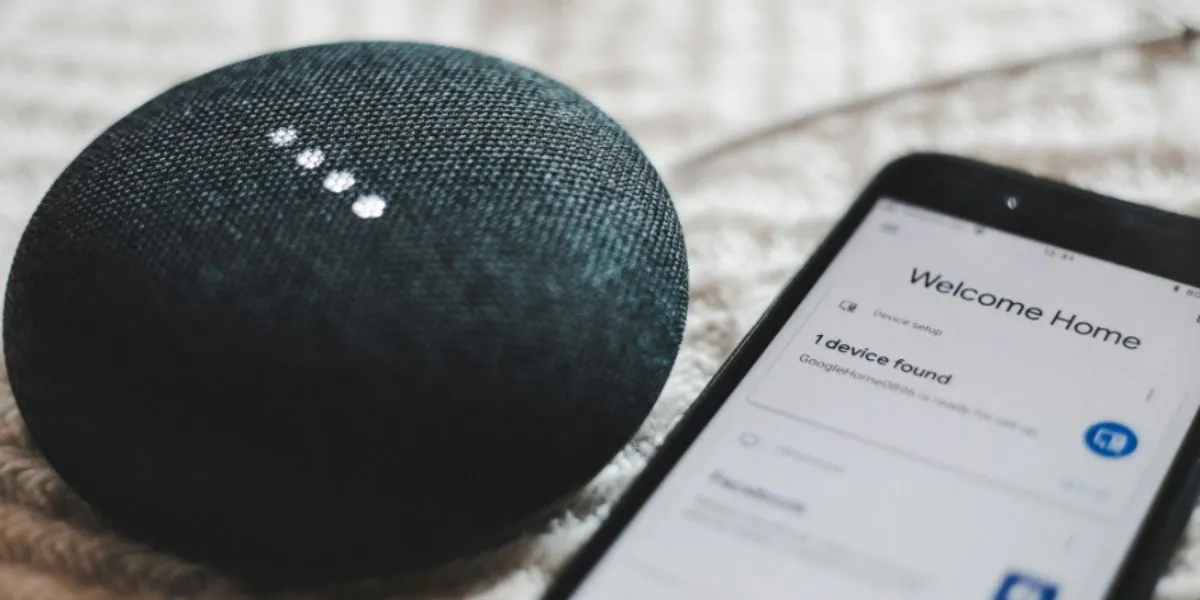
- Smart Home integration: Many robot vacuums work with Alexa and other smart home systems for voice control and automated actions through routines or scenes.
- Artificial Intelligence (AI): Premium robot vacuum cleaner using AI to improve routing, detection, and real-time decisions, and may use deep learning to learn user habits and suggest cleaning routines.
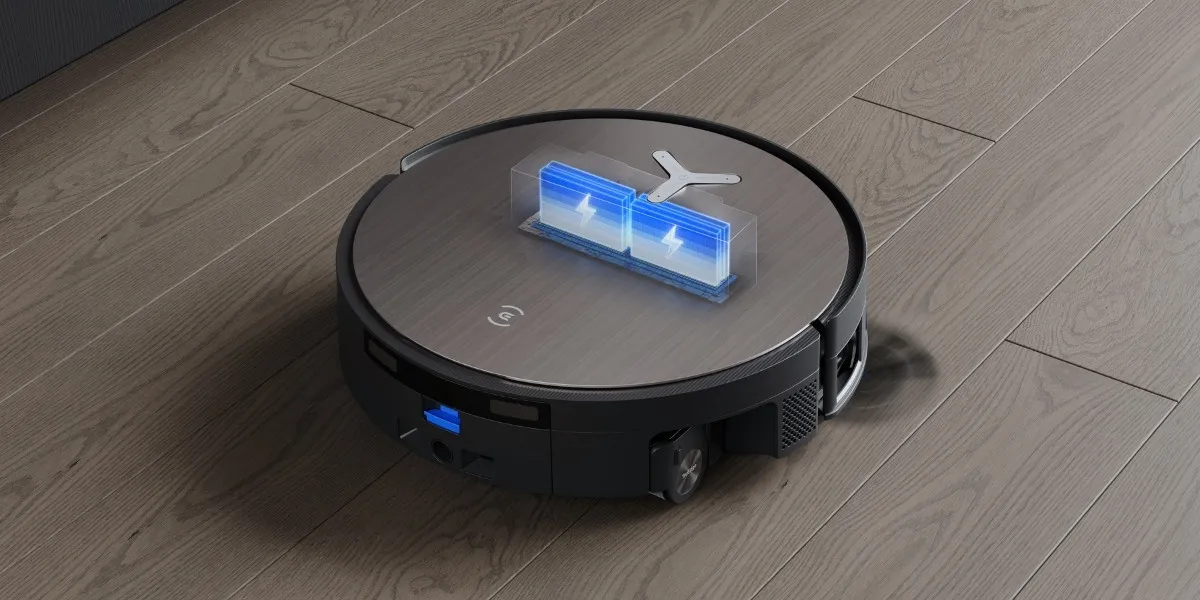
- Battery management: Robots monitor battery level to decide when to recharge, and some resume where they stopped so larger homes get fully cleaned without duplicate passes.
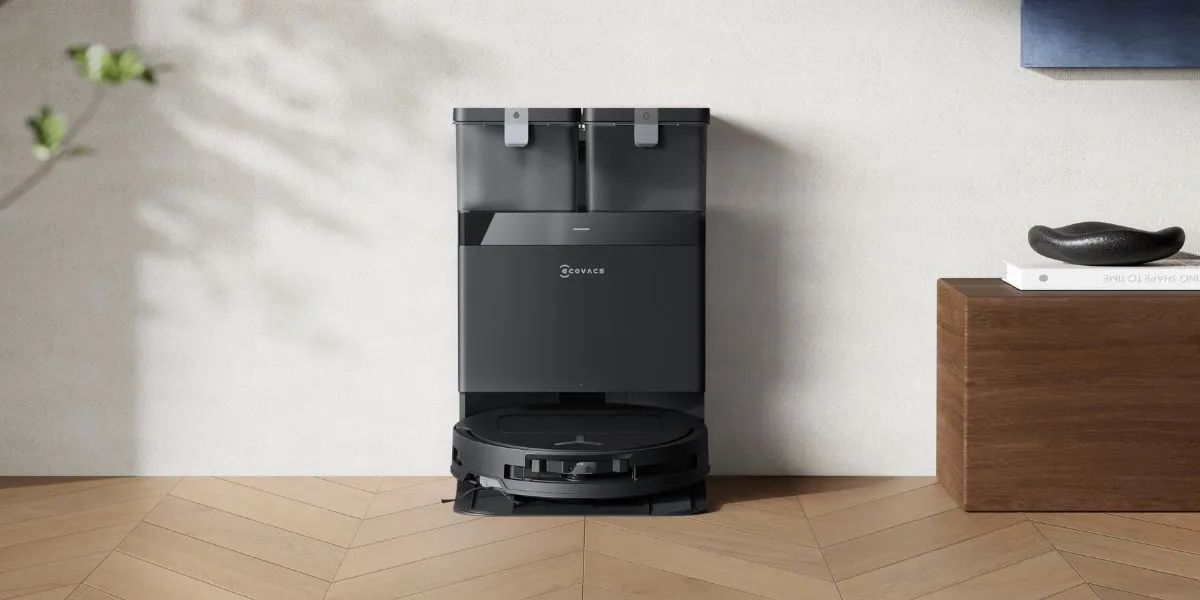
- Self-emptying station: Self-emptying robot vacuums transfer debris into a larger dock bin and may also clean mop pads, reducing how often you need to empty and maintain the unit.
- Quiet mode: Put a smart vacuum in quiet mode to reduce disruption during work calls, naps, or at night, and to help minimize stress for pets.
What Does a Robot Vacuum Do During a Cleaning Cycle
A typical robot vacuum cleaning cycle follows the same pattern: it maps your space, cleans along a planned route, then returns to the dock to recharge and may resume if needed.
- Step 1 - Mapping: As the first step in setting up a robot vacuum cleaner, it starts a run to locate itself, scan the room, and create or update a map for better positioning and coverage.
- Step 2 - Route planning: The robot plans an efficient path using algorithms and sensors. During its run, it detects obstacles, stairs, and moving objects in real time for safety.
- Step 3 - Cleaning: Then, the smart device uses side brushes to sweep debris inward, the main brush to agitate dirt, and suction to pull everything into the bin; if equipped, the mop runs to wipe fine dust and light spills.
- Step 4 - Auto adjustment: Some models automatically boost suction, adjust water flow, and even lift mop pads when they detect carpet, then return to normal on hard floors.
- Step 5 - Return to dock: When it’s time to charge your robotic vacuum, it navigates back to the dock, recharges, and may resume where it stopped; supported docks can also self-empty and clean.
To keep performance consistent, create a robot vacuum maintenance routine and follow official guidance to turn off the smart vacuum or reset your robot vacuum when troubleshooting.
FAQ
How do robot vacuums know where to go?
Robot vacuums figure out where to go by using sensors, cameras or LiDAR to understand the space around them. They scan and build a map to track movement as they clean, while using the algorithms to plan systematic routes and avoid obstacles. The map also helps them return to the dock and target specific areas.
How does a robot vacuum know when it’s done?
A robot vacuum knows it’s done when it finishes the assigned area based on its map or cleaning mode. It may also stop when it reaches a set runtime, completes all scheduled rooms, or detects that the battery is running low. After finishing, or when it needs power, it returns to the docking station to recharge, then resumes cleaning where it left off if needed.
How long does it take a robot vacuum to clean a room?
A robot vacuum cleaner, on average, can clean a standard room of around 250 sq ft in 30 to 45 minutes, depending on the room size, layout, floor type, and cleaning mode. Clutter, rugs, and obstacle avoidance can increase cleaning time, as can high-suction or mopping modes. If the battery runs low, the robot may dock, recharge, and finish later.
Related Products