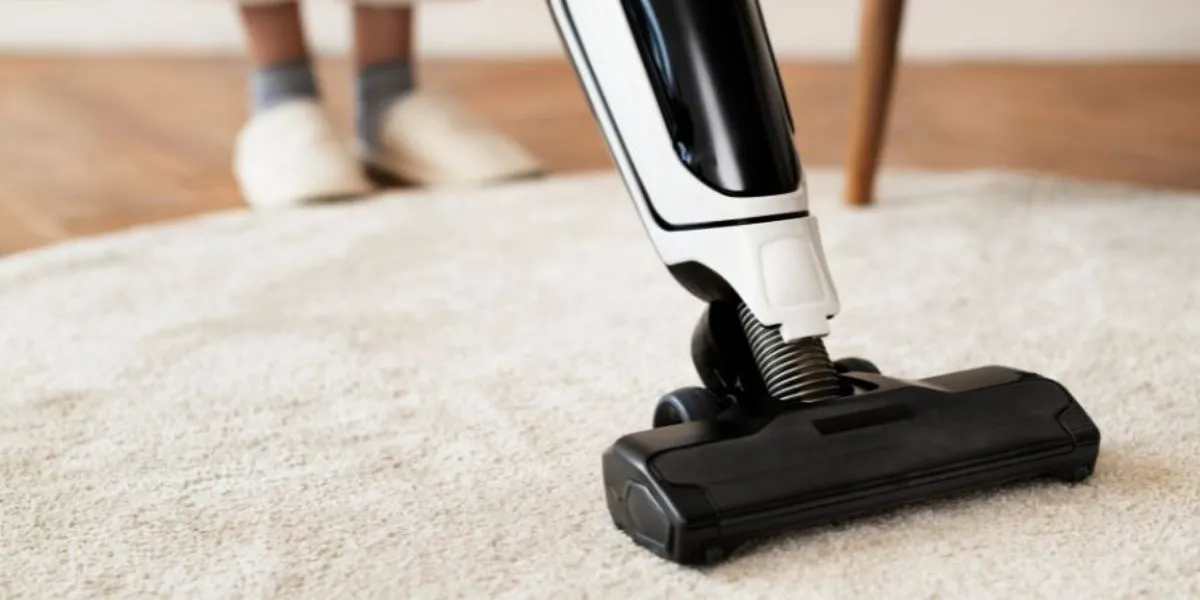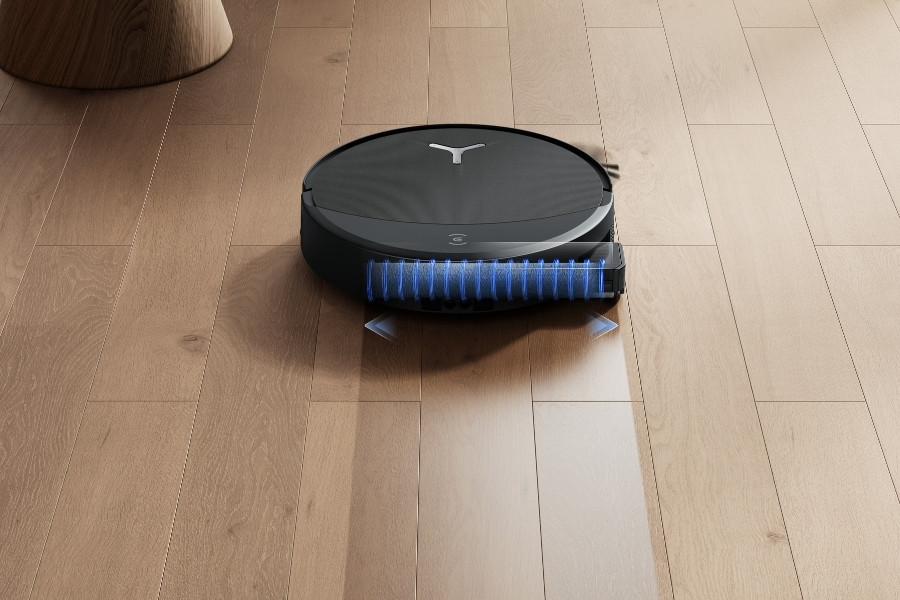
Vacuum brush rolls help lift and sweep dirt and hair into the suction path, especially on carpets and rugs. When the brush stops spinning, you may notice debris getting left behind, the head dragging on carpet, or a reduced pickup rate, even when the vacuum still has suction.
This problem is common and usually comes down to a simple cause like tangled hair, a worn belt, the wrong setting, or a blockage that’s triggering a safety shutoff.
Below, you’ll find the most common reasons a vacuum brush won’t spin and clear, as well as step-by-step fixes to get it working again.
Why Isn’t My Vacuum Spinning
When the brush roll or beater bar in your vacuum cleaner stops spinning, the most common causes are a drive belt that’s broken, stretched, or misaligned, or debris jamming the brush. It can also be caused by a failing brush motor, the vacuum being locked in the upright position, the brush switch being off, or a tripped overload safety shutoff.
These issues can affect both standard vacuums and a robot vacuum and mop. Inspect these common root causes before troubleshooting vacuum cleaner issues:
- Broken belt: A worn, stretched, or slipped belt can’t transfer power from the motor to the brush, so the brush stops even while the vacuum cleaner works normally otherwise.
- Clogged brush roll: Hair, string, and debris can wrap around the bristles and ends, creating resistance that prevents the brush from rotating.
- Stuck brush roll: The brush roll may be misaligned or jammed at the end caps, often causing a burning smell in your vacuum cleaner when it tries to spin under load.
- Motor problems: A failing brush motor, loose wiring, or a tripped breaker can cut power to the brush even when the vacuum still turns on.
- Incorrect setting: The vacuum may be locked upright, set to suction-only, or running a mode that disables the brush, common for beginners still learning how to use a vacuum cleaner.
- Brush roll switch or safety shutoff: Some models stop the brush if the head is jammed, overheated, or not fully seated, triggering an overload reset or safety protection.
- Inappropriate pile height: If the height is too low for thick carpet or too high for low pile, the brush can bind or lose contact and stop rotating consistently.
- Overstuffed dust bins: A full bin or bag can restrict airflow, causing the brush to slow down or stop and the vacuum to lose suction power.
- Loose seals and connections: On stick vacuums, the head may not “click” in fully; on motorized heads, dirty pins or a faulty switch can prevent power from reaching the brush and may even cause a robot vacuum to keep stopping.
How to Fix Vacuum Brush Not Spinning Issues
To fix a vacuum brush not spinning, turn the vacuum off and unplug it before inspection. Remove the brush roll to cut away tangled debris, then check the end caps and bearings for buildup. Replace a worn belt and confirm the motor is engaged. Also, check for a safety shutoff and clear blockages that can stop the brush.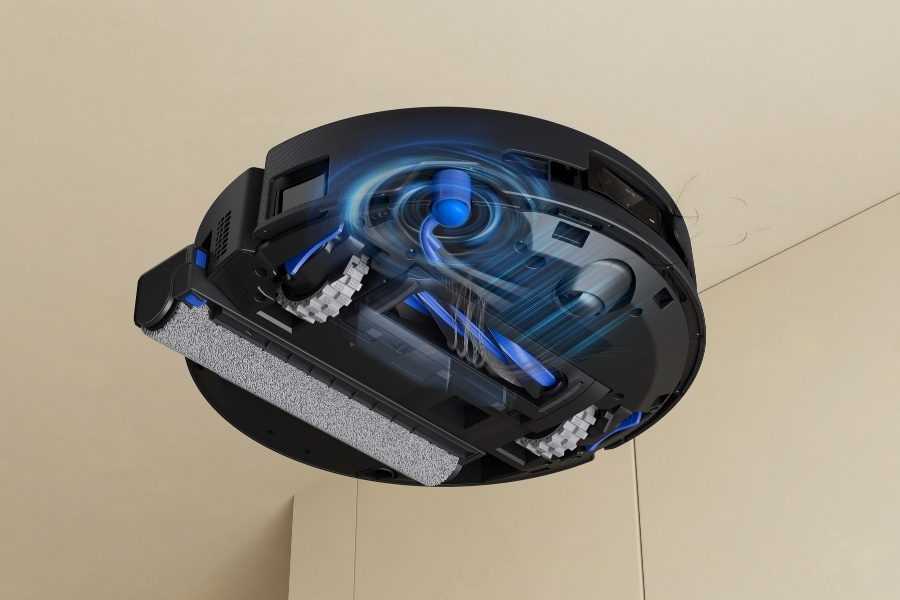
Fixes #1: Replace a broken or stretched belt
Inspect the belt for cracking, stretching, or slipping off the track. If you smell burning rubber or the brush stops under load, the belt is slipping and needs replacement. Always follow your manual for belt type and installation steps, or contact the manufacturer for support.
Fixes #2: Untangle the brush roll
Cut away wrapped hair from the brush roll using scissors or a seam ripper. Then clear strings and fibers around the bristles, as well as the end caps or bearings, where hair commonly packs in and prevents the brush from turning smoothly.
Fixes #3: Fix a stuck brush roll
If the brush roll is misaligned, reinstall it and make sure it spins freely by hand before closing the cover. Reseat the brush cover until it clicks into place, and check that the end caps aren’t jammed. A stuck brush roll often shows up as dragging on the carpet.
Fixes #4: Check for overheating or power issues
Overheating, loose wiring, or a power interruption can cause a brush roll to stop spinning. Stop using it if the motor is hot, smells burnt, or makes grinding noises. After it cools, try again and check for error lights.
Fixes #5: Turn hard floor mode off
Switch off the hard floor setting or suction-only mode in your vacuum cleaner when cleaning rugs or carpets so the brush can engage and agitate debris properly.
Fixes #6: Reset the brush roll shutoff
Check whether there’s a dedicated brush switch and make sure it’s turned on. Confirm the floor head is fully seated and clicked in, then clear any jams that could trigger a safety stop. If the vacuum overheats, let it cool down and restart it to reset the overload protection.
Fixes #7: Adjust the brush roll height
Set the height based on the surface, for example, higher on thick carpet and lower on low-pile rugs to maintain contact. Adjust until the head glides smoothly while still lifting debris.
Fixes #8: Empty the dustbin
Create a vacuum cleaner maintenance schedule: empty the dustbin or change the vacuum bag to restore airflow and prevent the brush from slowing down. Check the nozzle and hose for blockages, and regularly change the vacuum filter.
Fixes #9: Tighten loose seals and connections
Reinstall any detachable parts to eliminate gaps. On stick vacuums, the head may not be fully seated; on motorized heads, dirty electrical pins or a faulty switch can stop power from reaching the brush.
How Does a Robot Vacuum Prevent Brush Spinning Issues
While traditional troubleshooting keeps your vacuum running, modern robotic technology aims to prevent these brush issues from happening in the first place.
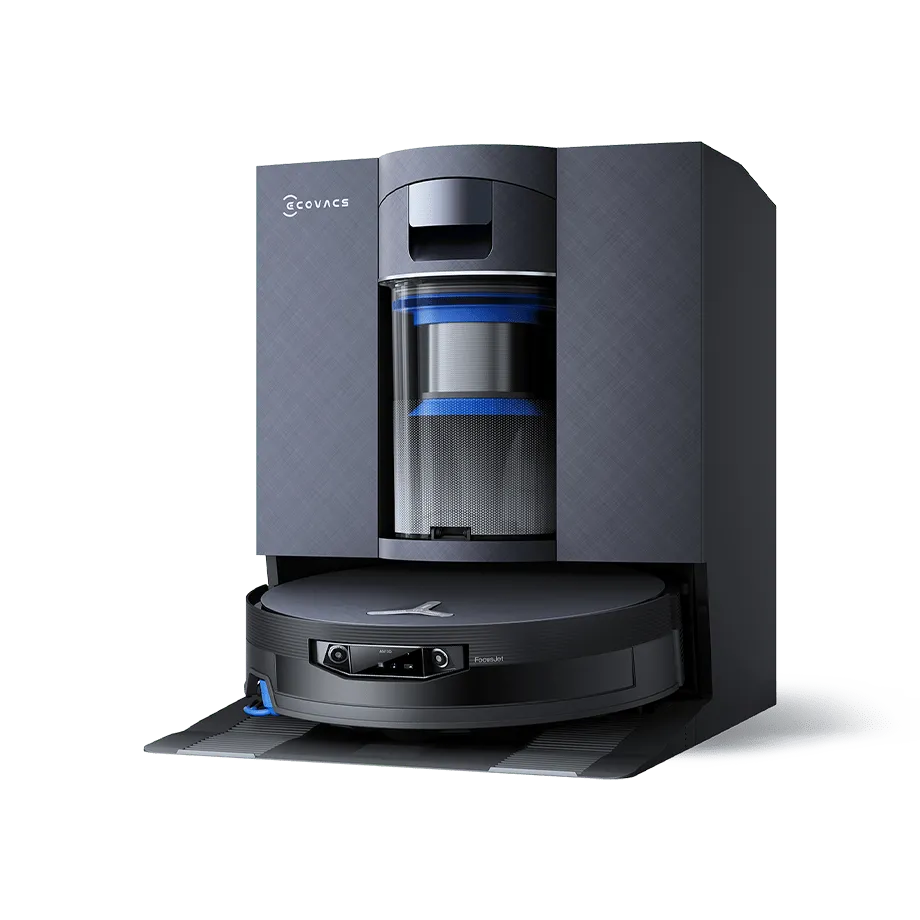
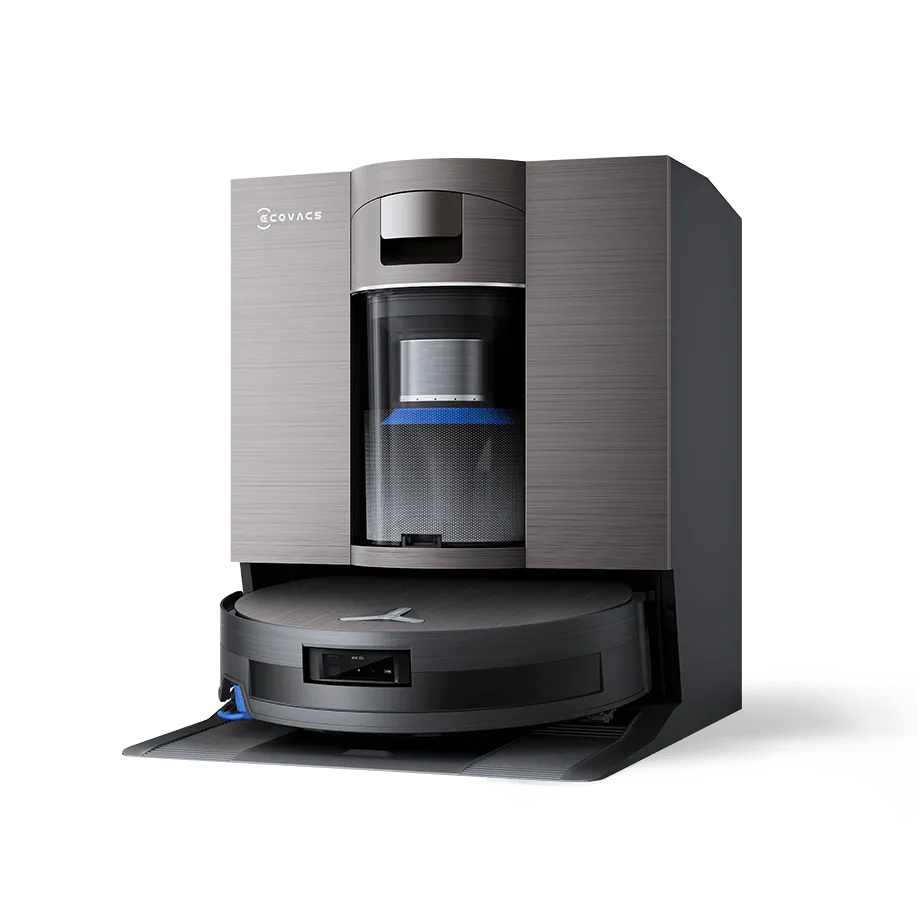
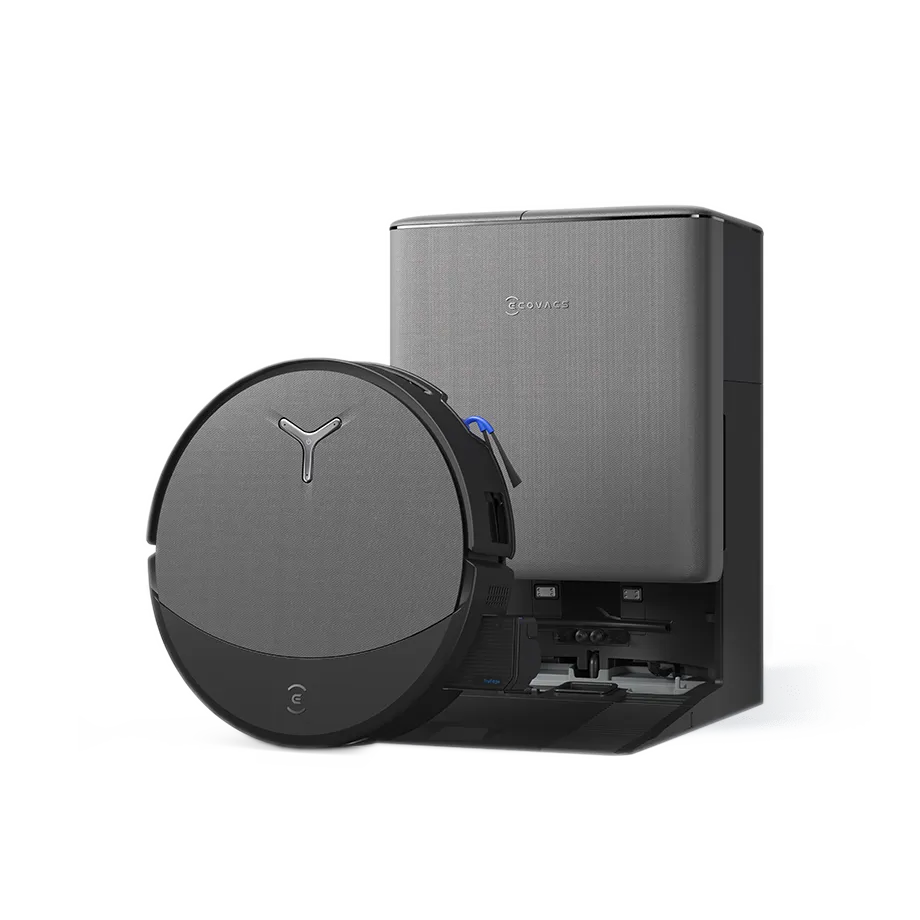
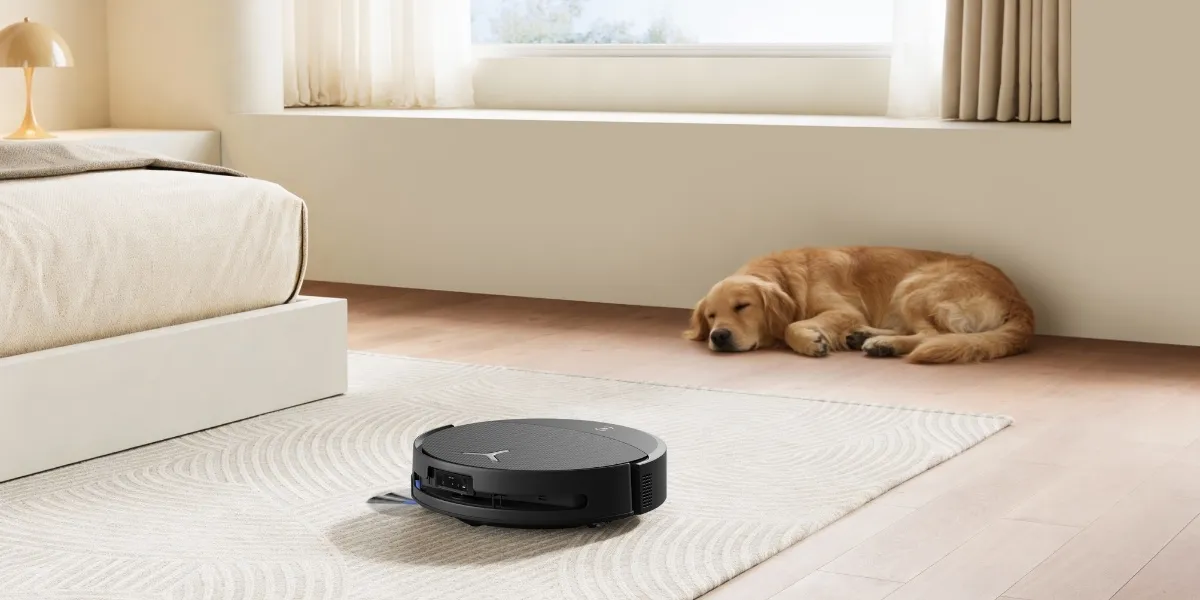
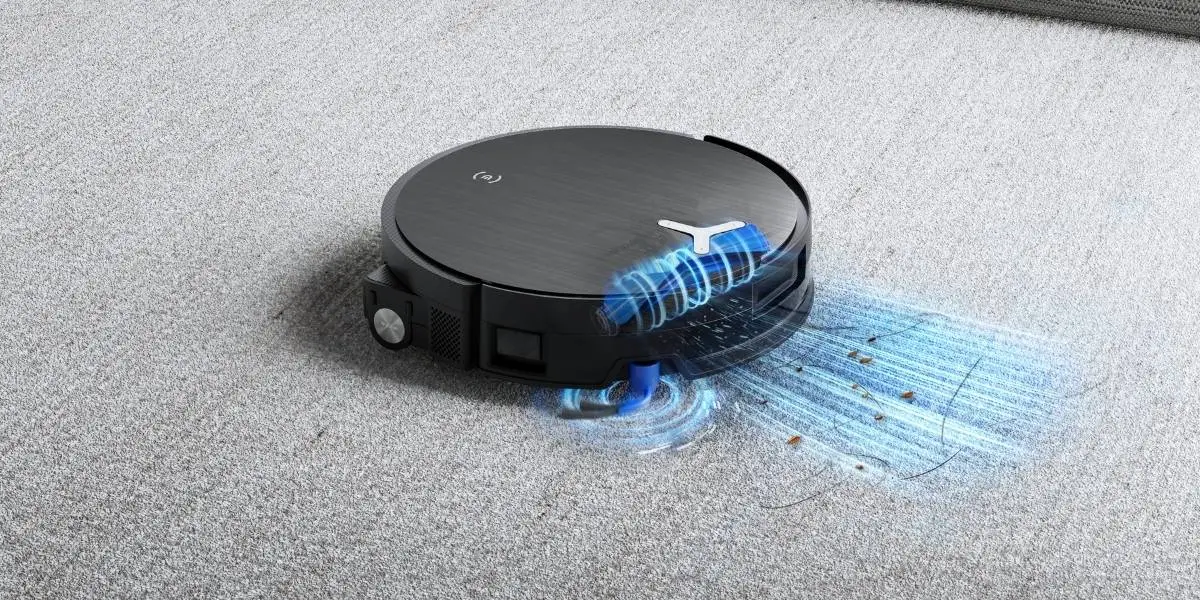
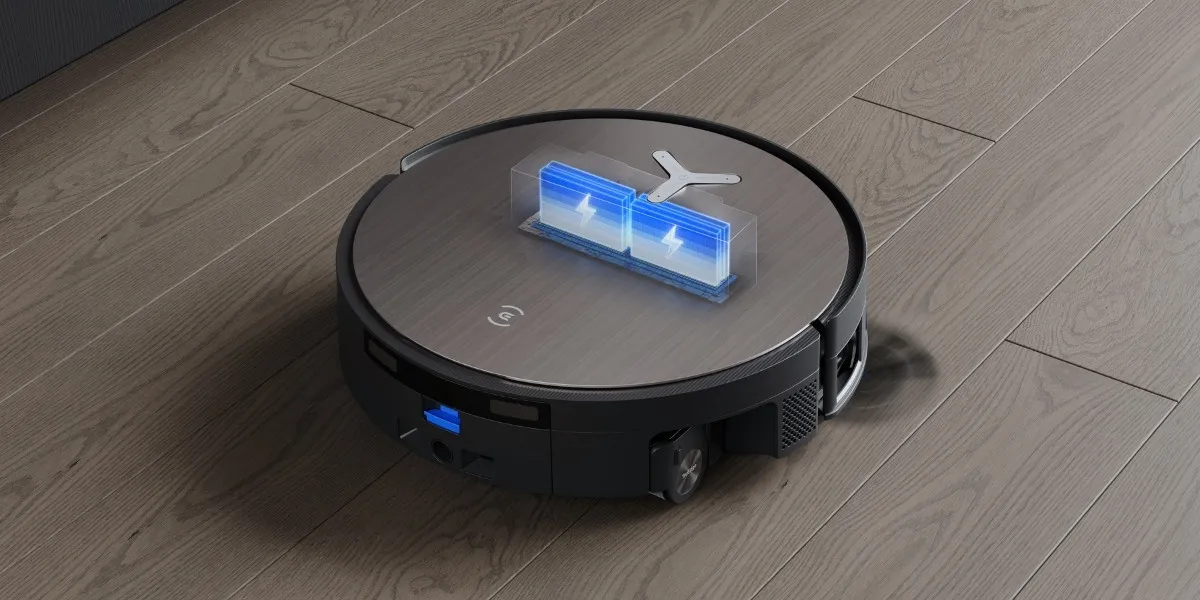
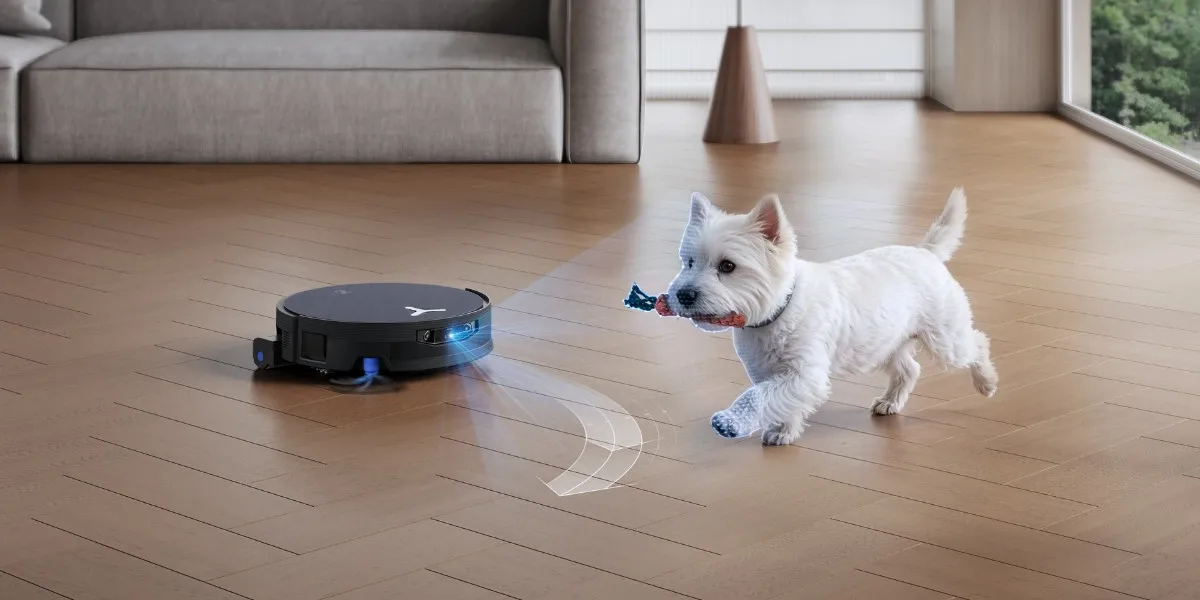
Robotic vacuums help prevent brush-spinning issues with smart features like intelligent navigation. For example, a robot vacuum for carpets can detect carpeted floors and automatically adjust cleaning modes. Smart vacuums with obstacle avoidance also scan objects on the route and can distinguish hair from cables, avoiding the cords instead of lifting them up.
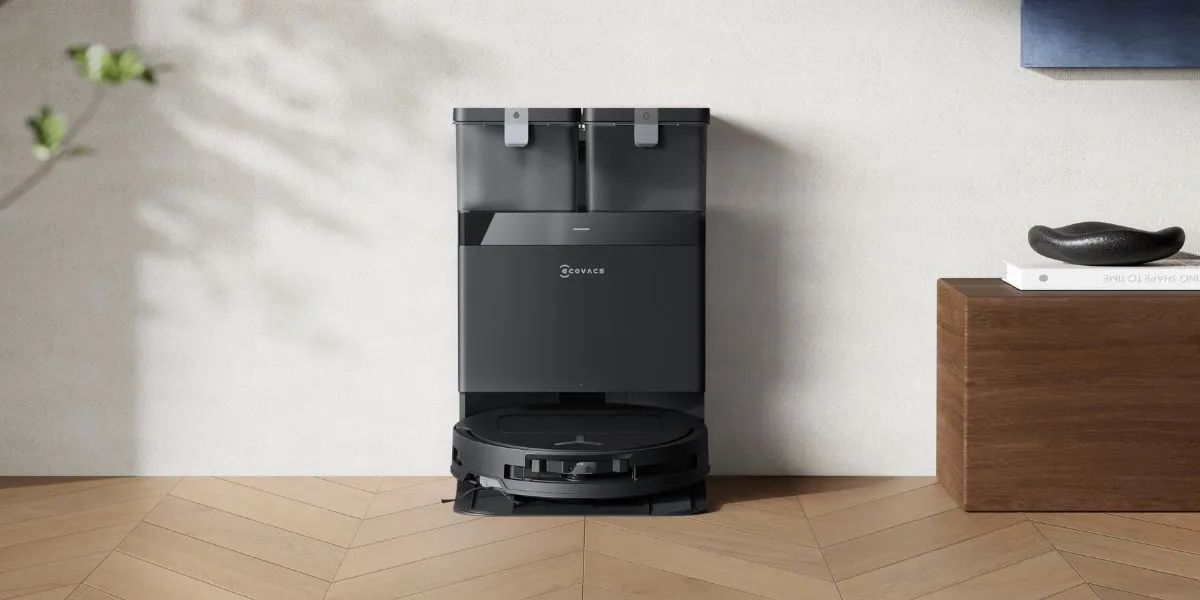
To keep the robot away from risky areas, use a robotic vacuum with no-go zones to block access. Many models also use an anti-tangle brush design to reduce hair wrap, and smart vacuums have auto-empty features to prevent airflow loss from full bins.
FAQ
Why is my vacuum brush not spinning but suction works?
This usually means the vacuum’s airflow is fine, but the brush drive system isn’t. Common causes include a broken or stretched belt, debris jamming the brush roll or end caps, the brush switch being off, hard floor mode enabled, or a tripped brush roll safety shutoff.
How to test if a vacuum brush roll motor is failing?
Unplug the vacuum first. Remove the brush roll and clear all hair from the ends, then reinstall and test on carpet with the brush switch on. If the brush stops under a light load, makes grinding noises, smells burnt, or the head gets hot quickly, the brush motor is likely failing.
How often should I clean the brush roll to prevent it from getting stuck?
Clean the vacuum brush every 2 to 4 weeks, depending on whether you have pets, long hair, or poorer air quality. Carefully cut away wrapped hair from the bristles and the end caps or bearings. Do a quick check anytime you notice strange noises, drag, or reduced pickup.
Related Products