
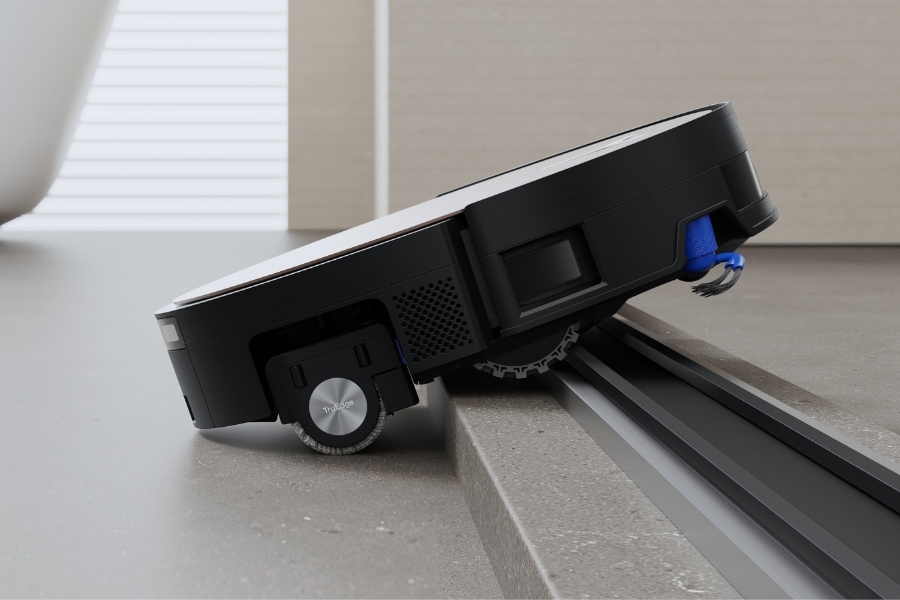
A seemingly small design detail, thresholds serve a couple of practical and aesthetic purposes in our homes. Entry door thresholds, for example, are found at front, side, and back doors, and they are typically higher to prevent water from leaking into your home during a flood, which is common in low-lying areas like New Orleans, Houston, and Miami.
Door thresholds, also called “door bars”, serve as visual transitions between different floor types, while also stopping cold or hot air from entering a room through door gaps and lowering the risk of slipping.
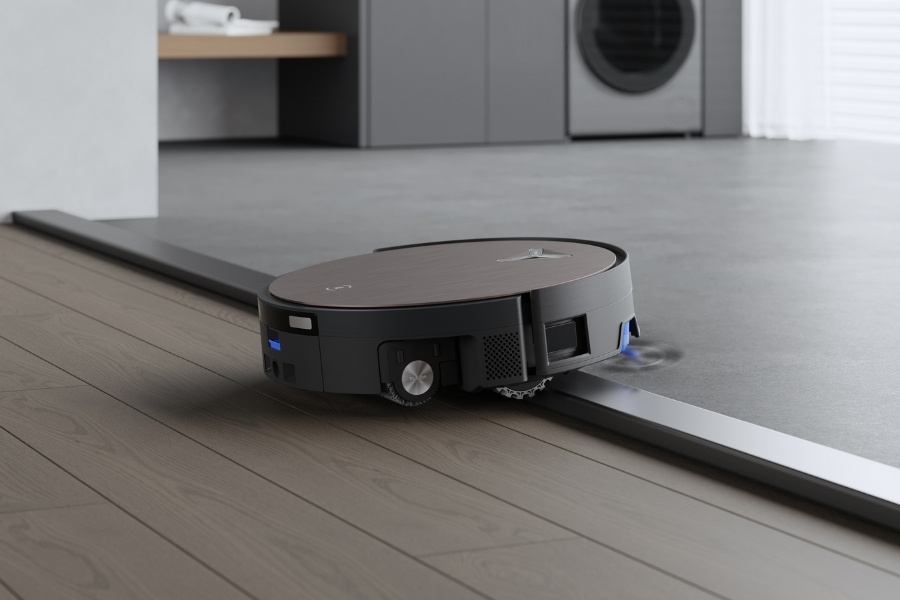
This guide explains what features help a robot cross them, the best DEEBOT models are built to handle high transitions, and how to choose one that suits your needs.
Can Robot Vacuums Go Over High Thresholds?
Yes, most robot vacuums can go over thresholds, and advanced models can usually handle higher, steeper, or more uneven barriers than standard ones. On average, a standard robot vacuum can climb around 0.8 inches, which is enough for most residential thresholds, medium-pile carpet edges, single-step transitions, sliding door tracks, and the obstacle height wheelchairs can manage.
To decide whether a robot vacuum can cross a barrier, consider these key factors:
- Threshold height: measure the tallest point in inches.
- Barrier type: beveled edges are easier than square edges.
- Angle of approach: straight-on crossings work better than diagonal.
- Navigation behavior: dark or high-contrast strips can be misread as cliffs.
Some robot vacuums and mops can still struggle with higher thresholds due to a slim body that reduces clearance, limited wheel traction that causes spinning, sensors that fail to detect narrow lips, or a motor that lacks the torque to climb the elevation.
Your robot vacuum’s navigation system also matters, since some models may misread an edge as a drop-off and suddenly stop mid-clean.
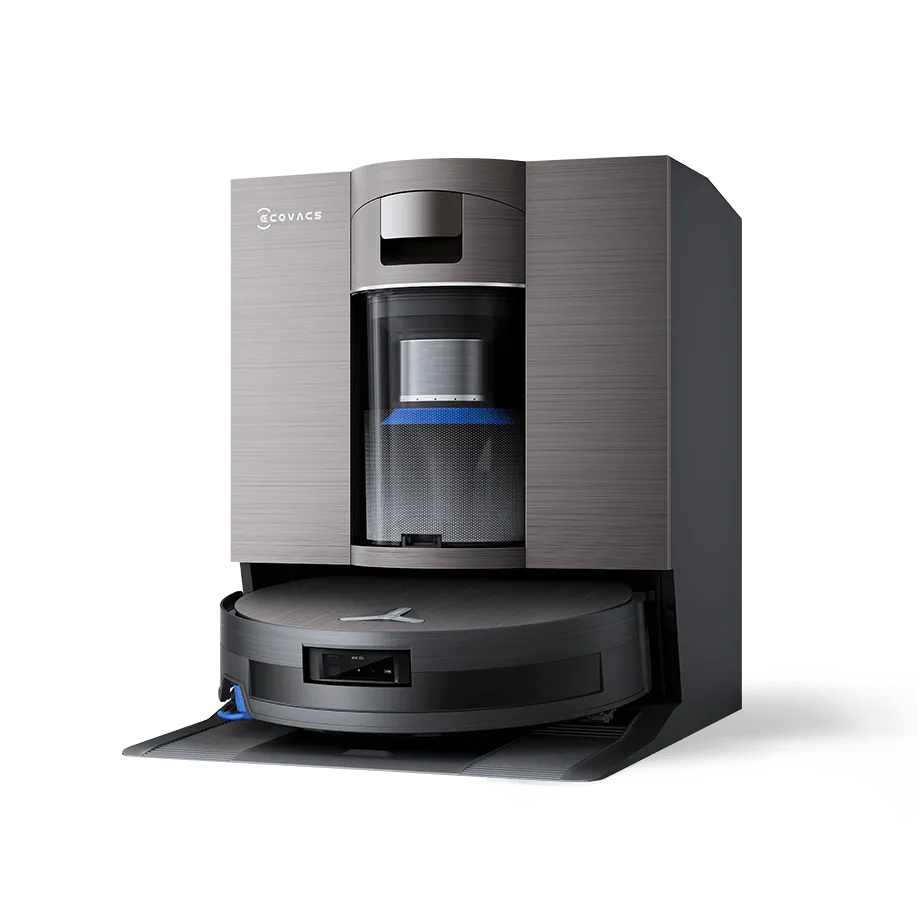
In comparison, high-end models such as the DEEBOT X11 OmniCyclone are powered by the TruePass Adaptive 4-Wheel Drive Climbing System and can pass over single thresholds up to 0.94 inches, as well as various thresholds and sliding door tracks up to 1.57 inches high1.
Best DEEBOT Robot Vacuums That Can Go Over Thresholds
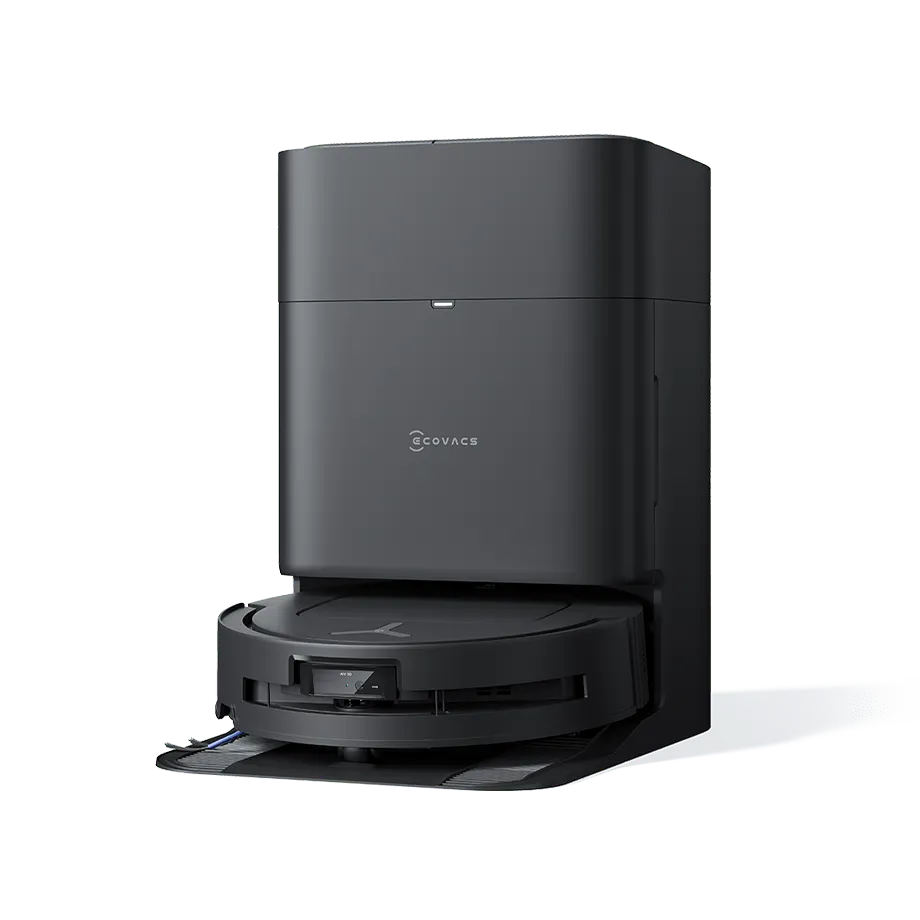
In 2026, the best robot vacuums for high thresholds feature specialized lifting designs, such as the DEEBOT X11 OmniCyclone with a 4-wheel-drive climbing system that handles up to 1.57 inches, plus the DEEBOT X9 PRO OMNI and DEEBOT T80 OMNI with Carpet First features for rugs.
DEEBOT X11 OmniCyclone
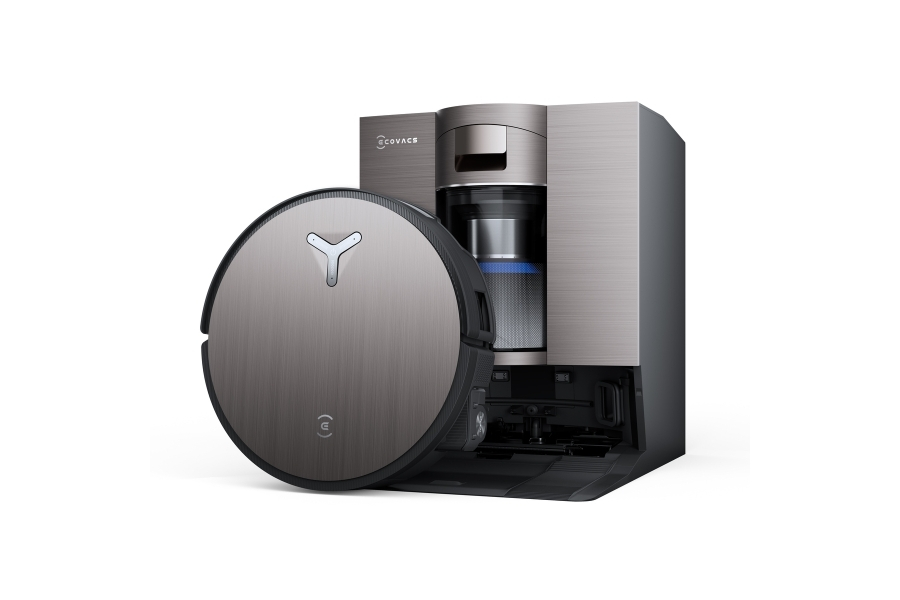
DEEBOT X11 OmniCyclone features TruePass Adaptive 4-Wheel Drive Climbing System, which instantly deploys two auxiliary levering wheels when it encounters an obstacle. Meanwhile, soft rubber gripping teeth latch onto the surface and improve climbing performance for continuous stages up to 1.57 inches. The mechanism activates immediately upon contact, reducing missed or failed attempts that can occur with vision-based systems.
Shop DEEBOT X11 OmniCyclone NowDEEBOT X9 PRO OMNI
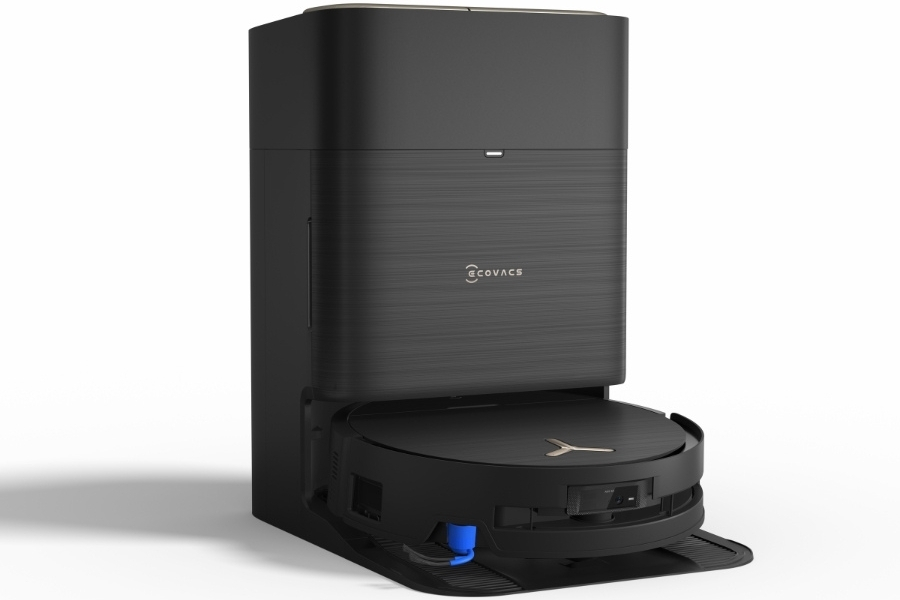
The DEEBOT X9 PRO OMNI can overcome obstacles up to 0.79 inches high2, ensuring seamless navigation across thresholds and sliding door slides, resulting in uninterrupted cleaning sessions. When using robot vacuums on rugs, the Carpet First feature helps by vacuuming carpets first, keeping the mop dry to prevent wetting. It also uses real-time path planning to swiftly adapt to evolving surroundings, as well as the cutting-edge YIKO-GPT smart assistant for hands-free control with natural language voice instructions.
Shop DEEBOT X9 PRO OMNI NowDEEBOT T80 OMNI
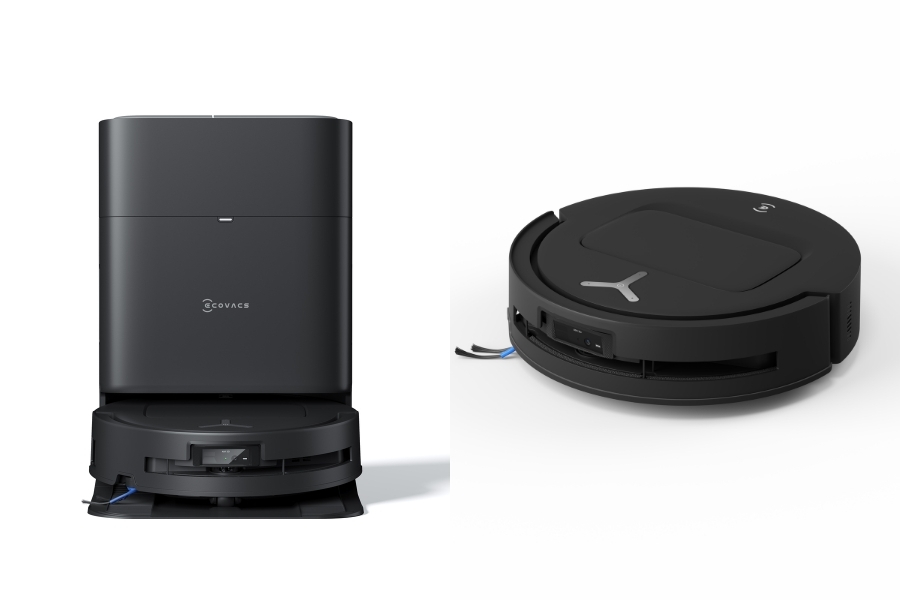
With a body of just 3.86 inches high, the slim robot vacuum DEEBOT T80 OMNI can cross thresholds up to 0.8 inches3 in both dry and wet conditions, helping it move smoothly between rooms when the 18,000 Pa tangle-free suction and the OZMO ROLLER Mopping Technology pick up dust, hair, and larger debris from the surface. Plus, its Carpet First feature automatically switches to carpets and cleans them first without dragging moisture.
Shop DEEBOT T80 OMNI NowHow to Choose a Robot Vacuum for High Thresholds?
To handle high thresholds, you need to check how well a robot vacuum detects edges and changes in height, then look at its wheels, motor, and body design for climbing. Consider also the front bumper shape, brush clearance, and any smart features for barrier crossing. Finally, factor in the mop lift function, since it can affect clearance on taller transitions.
Sensor Sensitivity
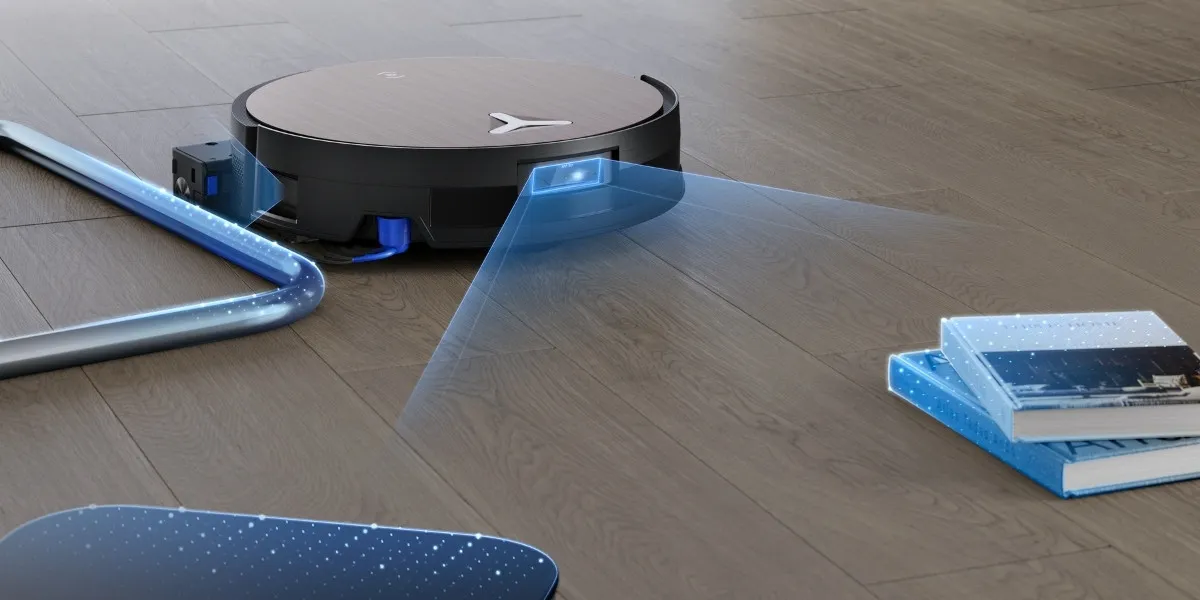
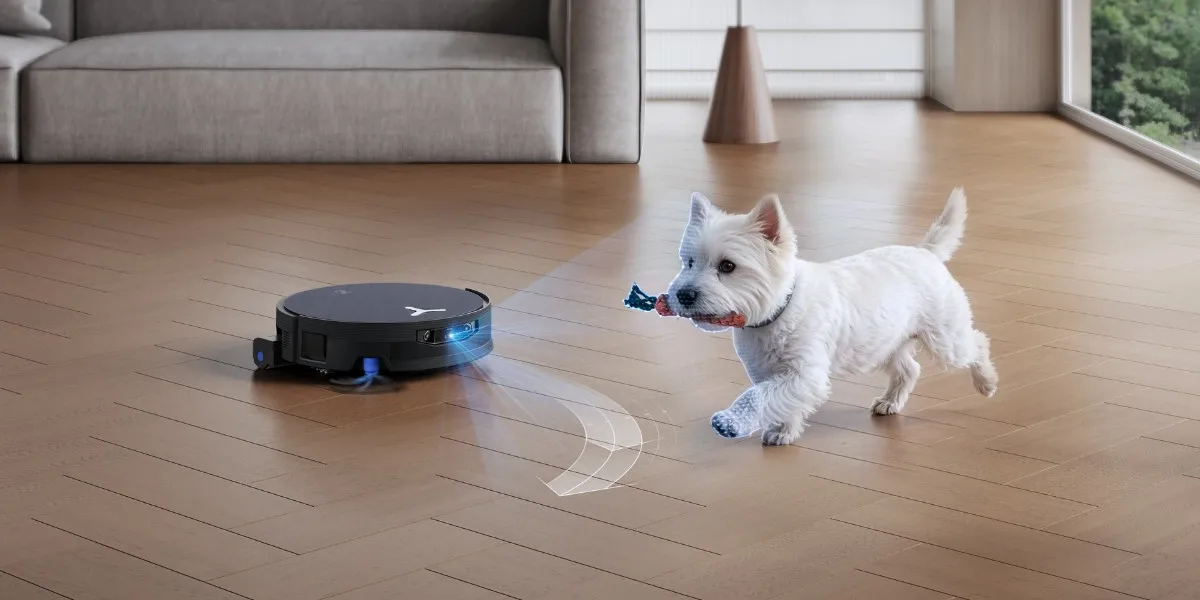
Take a look at the sensors the device uses to read edges and height changes. LiDAR robot vacuums are preferred for their accuracy in measuring depth and distance, while 3D ToF or infrared sensors can help detect door sills and narrow lips. A sophisticated navigation system is useful for robot vacuums for cluttered houses and for anyone who wants to let robot vacuums work in the dark, since they do not rely on daylight to scan.
Climbing Capabilities
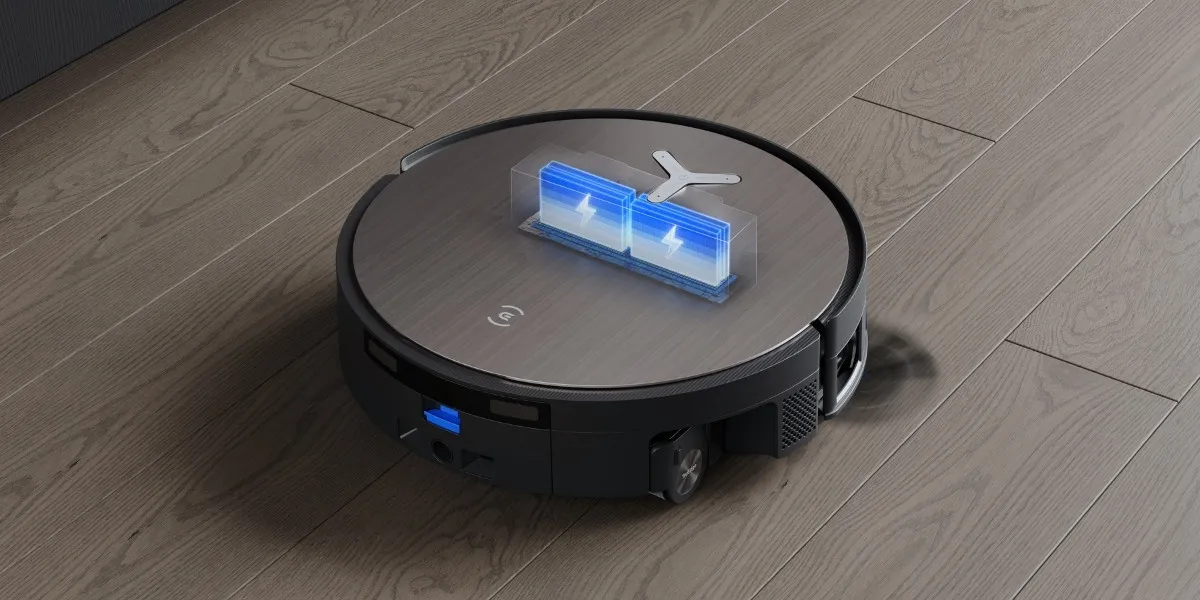
Climbing capabilities mainly depend on traction and torque: larger rubberized wheels have a stronger grip, while a powerful motor and a lighter body help push the machine up and over raised strips. A suspension system matters too, as it keeps the wheels planted during uneven crossings and lowers the chance of getting stuck during transitions.
Advanced models can also plan an optimal approach angle or reroute during path planning to reduce hang-ups on sliding door tracks and abrupt floor transitions.
Bumper Height
The shape of the bumper, located at the front of the robotic vacuum body, can also play a role in its ability to go over door thresholds. Models with higher bumpers and angled fronts could be better equipped to tackle high thresholds.
Brush Configuration
The arrangement of the robot vacuum’s main brush and side brushes is another important factor to keep in mind. DEEBOT models, for instance, are equipped with floating main brushes and spinning side brushes. They are designed with enough clearance to cross door sills and other obstacles, which may not be the case for all robot vacuums, since some have front brushes with low clearance.
Design For Threshold-Climbing
Different brands and models may have special designs for getting over thresholds, such as a “Lift-and-Climb” system, actuator “legs”, or retractable mechanisms that raise clearance. Intelligent obstacle detection and adaptive driving also contribute, with 3D ToF and cameras estimating height and angle so the robot can approach at the best speed and at a perpendicular angle. Robot vacuums with obstacle avoidance, for instance, DEEBOT X11 OmniCyclone’s AIVI 3D 3.0 Omni-Approach Technology, capture obstacle contours and adapts its movement in real time.
Presence Of Mop Pads
Another key factor that influences an auto vacuum’s climbing ability is whether it has mop pads and how flush they sit against the bottom of the device. Mop pads that hover too close to the floor may prevent the robot from clearing higher room dividers.
In contrast, robot vacuums with roller mop, such as the DEEBOT X9 PRO OMNI, feature a Triple Lift system, where the mop, side brush, and main brush can be lifted automatically in different situations, such as raising the mop when cleaning carpets to prevent wetting.
Potential Solutions for Non-Threshold-Climbing Robot Vacuums
If you own an automatic vacuum that struggles with thresholds, or you’re considering a model that fits your cleaning needs but falls short on barrier crossing, there are a few simple ways to help.
Rubber, aluminium, or wooden ramps can create a gentle slope so the wheels can roll over the threshold more easily. A wooden ramp in a similar shade to your hardwood floor can make the look more discreet.
Alternatively, you can create a makeshift ramp using something you may already have at home, such as a low-pile rug. But if the above solution doesn’t work and your robot vacuum keeps getting stuck in the same spot, it may be better to block the area using robot vacuums with no-go zones set via the app.
FAQ
Can robot vacuums damage thresholds?
Robot vacuum wheels and brushes are usually made from rubber or plastic and are designed to sweep up debris without damaging floors, so they’re unlikely to damage door sills while climbing. In short, a robot vacuum that won’t scratch floors is unlikely to scratch or scuff your thresholds either.
Can robot vacuums go over bumps?
Yes, most robot vacuums can navigate over small bumps, such as door thresholds or carpet edges. Advanced models like the DEEBOT X11 OmniCyclone can handle obstacles up to 1.57 inches high. However, very thick rugs or uneven surfaces can still pose challenges. Check the vacuum’s specifications or consider models built for higher obstacle handling.
How do I measure my door threshold for a robot vacuum?
Use a ruler or tape measure to check the tallest point of the threshold, measuring from the lower floor to the top edge. Measure in inches, then compare it with the obstacle or threshold-climbing height listed in the manual.
Disclaimer(s):
- 1.57 inches high: This data comes from ECOVACS laboratory. The barrier crossing ability of DEEBOT X11 OmniCyclone can reach up to 1.57 inches.
- 0.79 inches high: This data comes from ECOVACS laboratory. The barrier crossing ability of DEEBOT X9 PRO OMNI can reach up to 0.79 inches.
- 0.8 inches high: This data comes from ECOVACS laboratory. The barrier crossing ability of DEEBOT T80 OMNI can reach up to 0.8 inches.
Related Products