
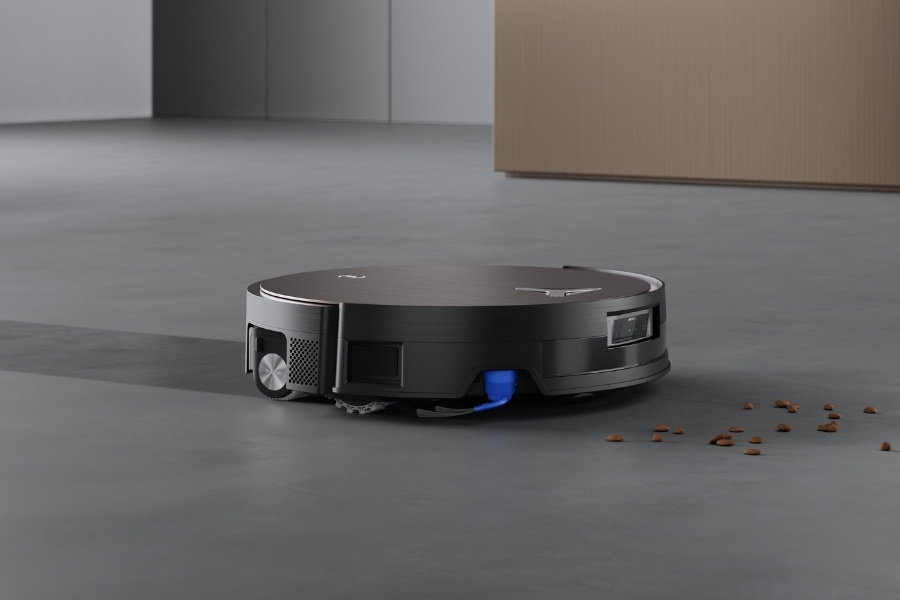
When it comes to cleaning floors, vacuuming and mopping are usually the first steps you think of. The bigger question is which one should come first to save time and effort.
On average, Americans spend 56.6 minutes per week vacuuming, mopping, or sweeping their floors, including one in 3 people (28.9%) who spend under 30 minutes. A simple change in sequence can help you clean faster and get better results, whether you’re dealing with dust, hair, or sticky spills.
Should You Mop or Vacuum First?
In most homes, the best order is simple: vacuum or sweep first, then mop. Vacuuming picks up visible dust and grit so it doesn’t turn into muddy residue once you start wet mopping. If you do it the other way around, you can spread dirt across the floor, and the damp surface can make vacuuming less effective at lifting debris.
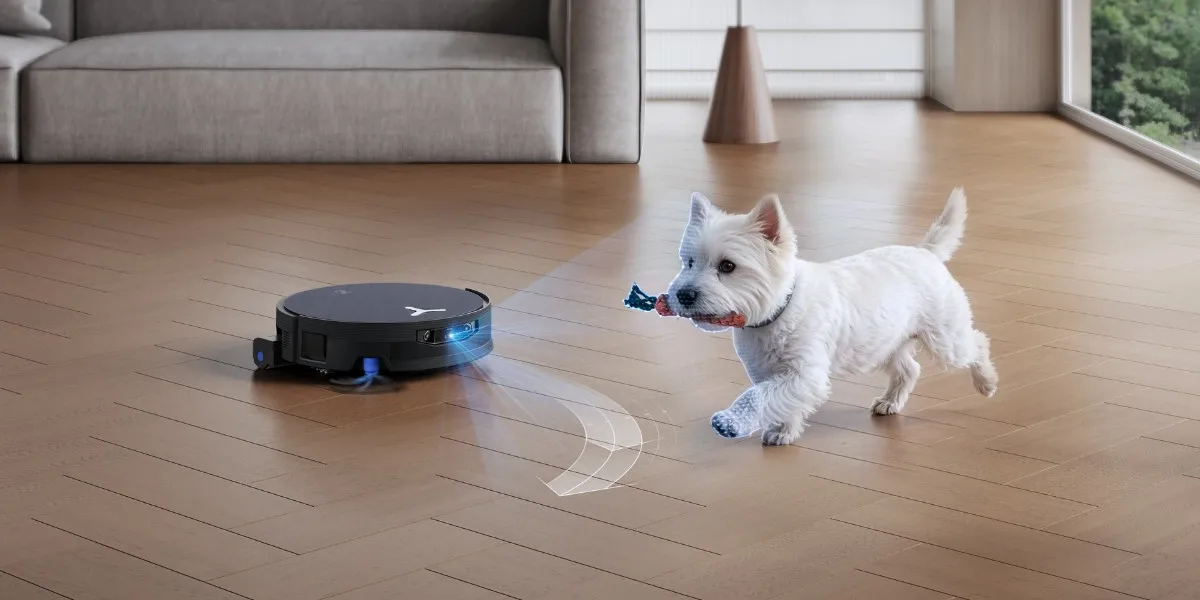
This order also helps in homes with pets. Mopping before vacuuming can wet pet hair and dander, making them stick to the floor. Even worse, bacteria can cling to the pad and spread to other rooms.
It also protects your flooring: grit and sand act like tiny abrasives, so removing them first lowers the risk of scuffing and helps prevent a robot vacuum from scratching floors.
Moreover, cleaner floors before mopping keep mop water fresher, which supports better sanitizing and a more even finish. This also avoids the unpleasant odor after mopping.
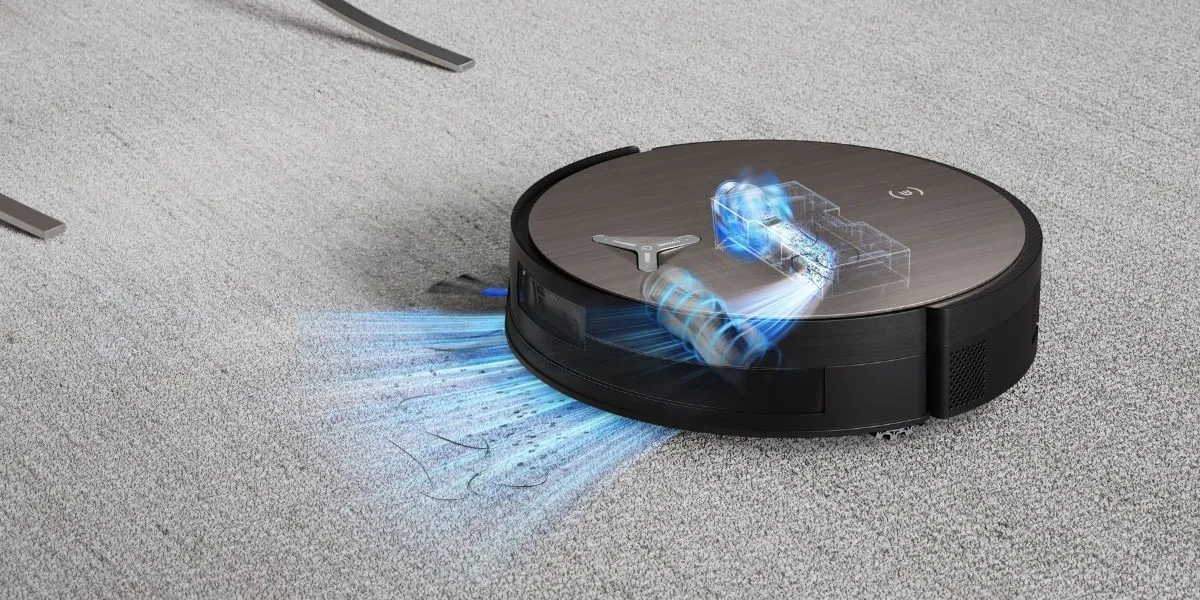
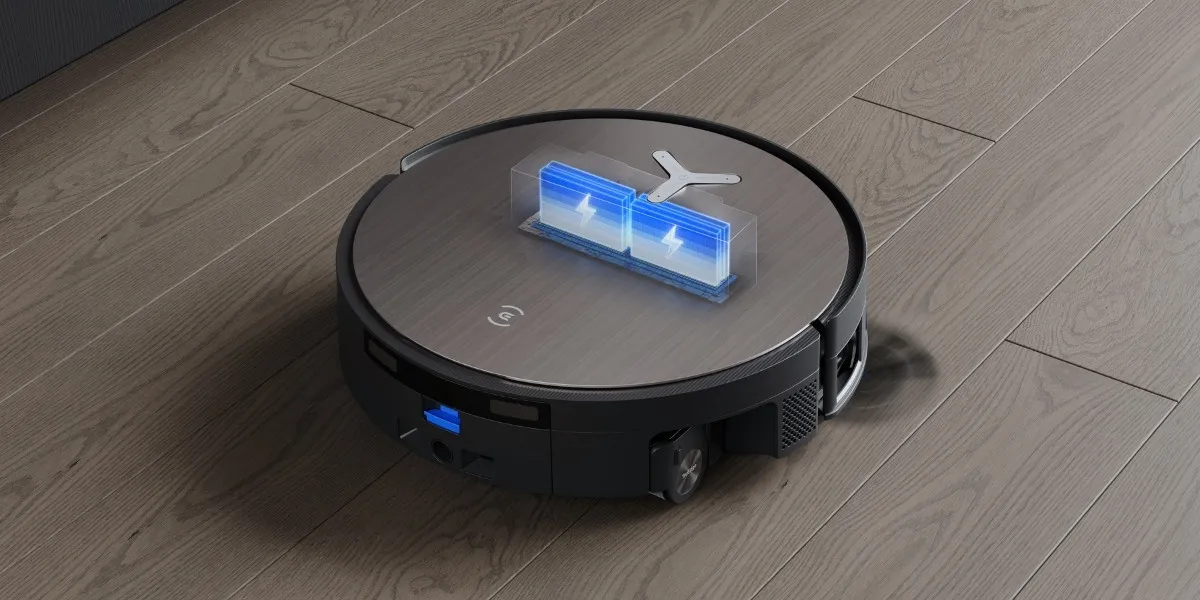
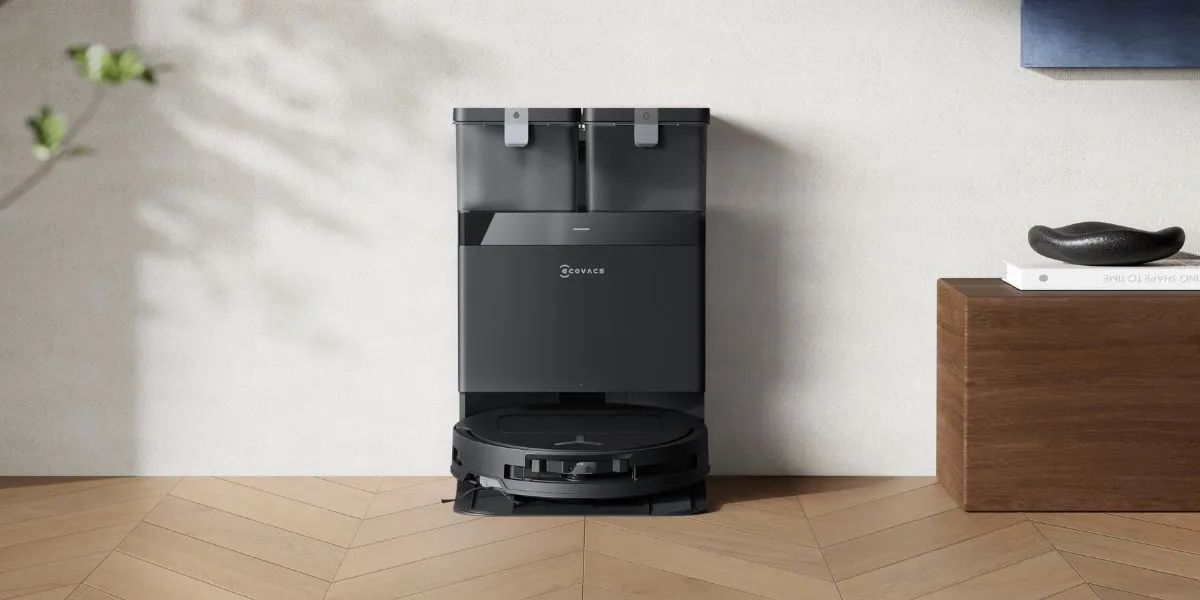
To streamline the steps, a robot vacuum and mop can automate the sequence. Through the app, you can set it to vacuum first, then switch to mopping, or tailor routines by room and floor type.
Optimal Cleaning Routine (Dry Then Wet)
The general rule of floor care is dry-then-wet cleaning: sweeping or vacuuming first, then mopping, with extra passes only when needed.
- Dry clean first: Start with sweeping or vacuuming to lift obvious grit, hair, and dust from surfaces.
- Wet clean after: Then mop with hot or cold water based on your floor material and the type of mess.
- Additional steps: To reduce allergy triggers, vacuum again after the floor is fully dry. For heavy soil, mop twice to rinse residue and prevent a dull film.
If you’re not sure how to properly vacuum or how to mop different surfaces, a robot vacuum with a roller mop can help, with default settings that you can fine-tune later.
When Mopping First Might Make Sense
In most cases, vacuuming first, then mopping works best. Still, a few situations call for reversing the order.
- Dried Spills and Stains: If juice or soda dries sticky, mop first to soften the residue. Avoid vacuuming water, since liquids can damage the vacuum and leave buildup inside.
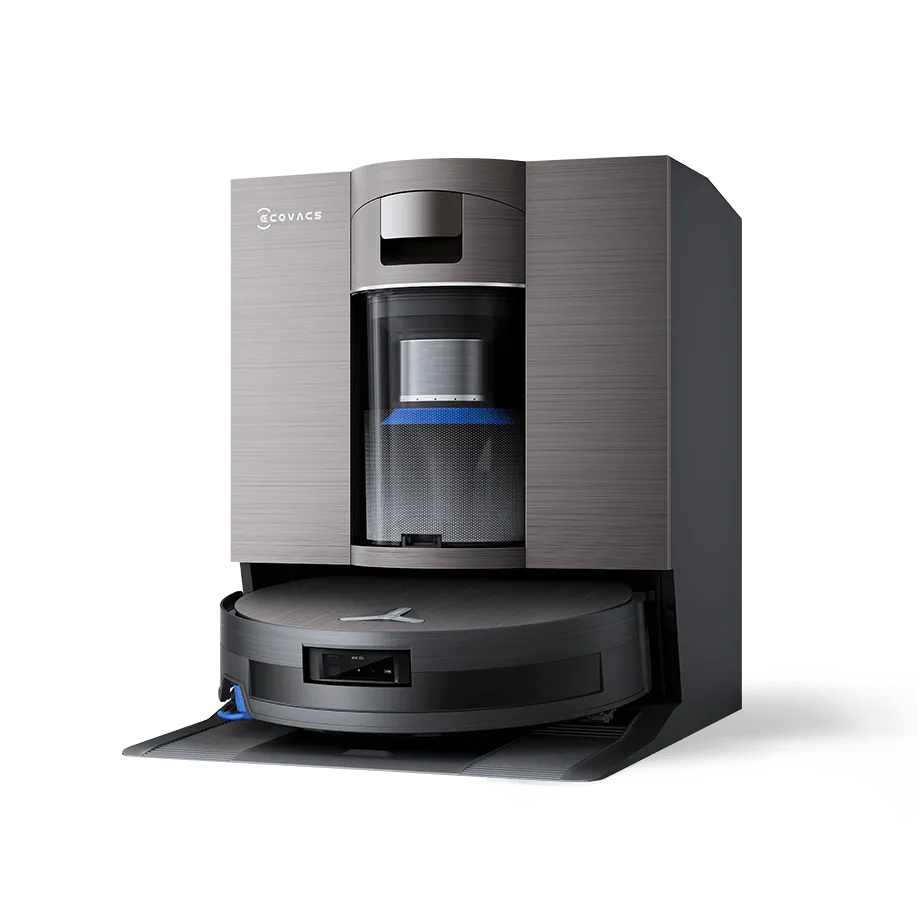
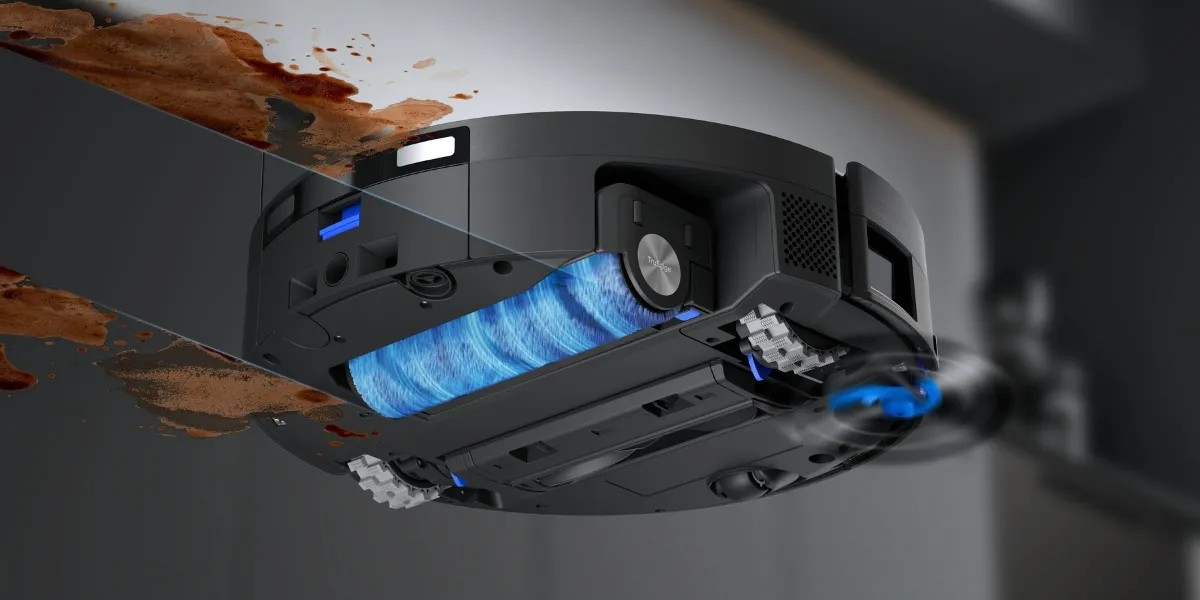
- Wet, Muddy Debris: When muddy footprints are still damp, vacuuming can smear the mess. AI robot vacuums like the DEEBOT X11 OmniCyclone with AI Stain Detection can detect the area and mop it with multiple passes to lift most of the mud.
- Post-Construction Cleaning: Fine dust created at home during renovations can easily become airborne if you vacuum first. Lightly mop to trap the dust, then vacuum thoroughly afterward.
- Deep Cleaning in Bathrooms: Mop first with a disinfectant to sanitize, then vacuum to pick up leftover debris and hair for a cleaner finish.
Mop or Vacuum First: What Is the Best Routine for Different Floor Types?
As you may be aware, each flooring type has its own cleaning requirements. Generally speaking, the most common ones are hardwood, tile, vinyl, carpet and laminate floors. Do you mop or vacuum first? Take a look at the best cleaning routes for each floor type.
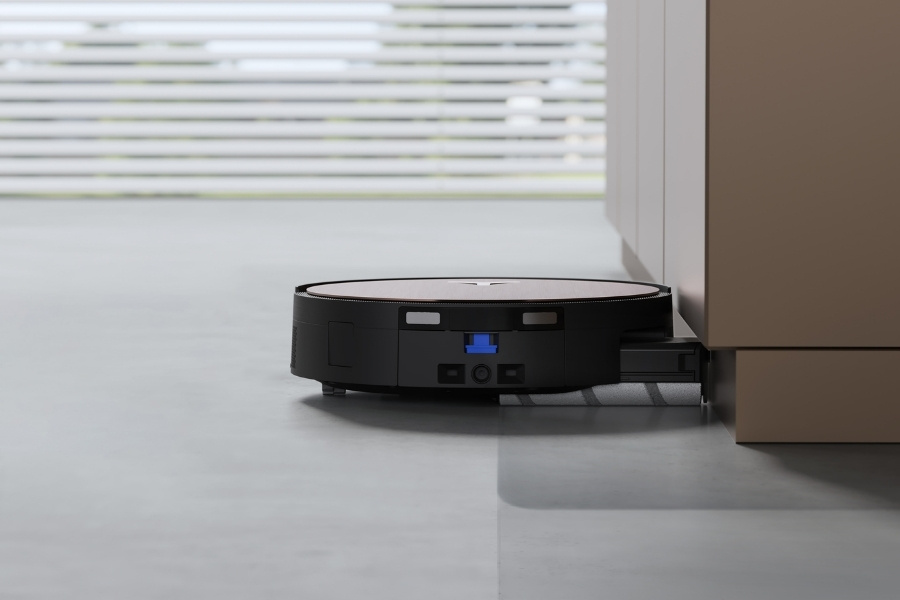
Hardwood Floors
Hardwood floors are popular for their warm and natural look; yet, they are prone to water damage and warping. Thus, the best routine to clean hardwood floors is to vacuum first with strong suction power to remove dirt from the surface and crevices, then use a damp mop for a thorough clean.
For better control, robot vacuums for hardwood floors like the DEEBOT X9 PRO OMNI let you adjust the water level across up to 50 levels, so you can match moisture based on your needs.
Tile & Vinyl
Available in many patterns and colors, tile and vinyl floors are durable and easy to maintain. Those wondering how to clean tile floors can vacuum first to remove grit from grout lines and corners, then mop with a floor-safe solution.
The same routine works for cleaning vinyl floors, and for automated care, a robot vacuum for tiles can follow a preset schedule for consistent results. Remember to stick with brand-certified cleaners for robot mops.
Carpet & Rugs
Many people add color and personality to their homes with carpets and rugs. However, some materials, such as wool and fur, are delicate and susceptible to water damage. When cleaning a carpet, stick to vacuuming and spot-cleaning spills as needed.
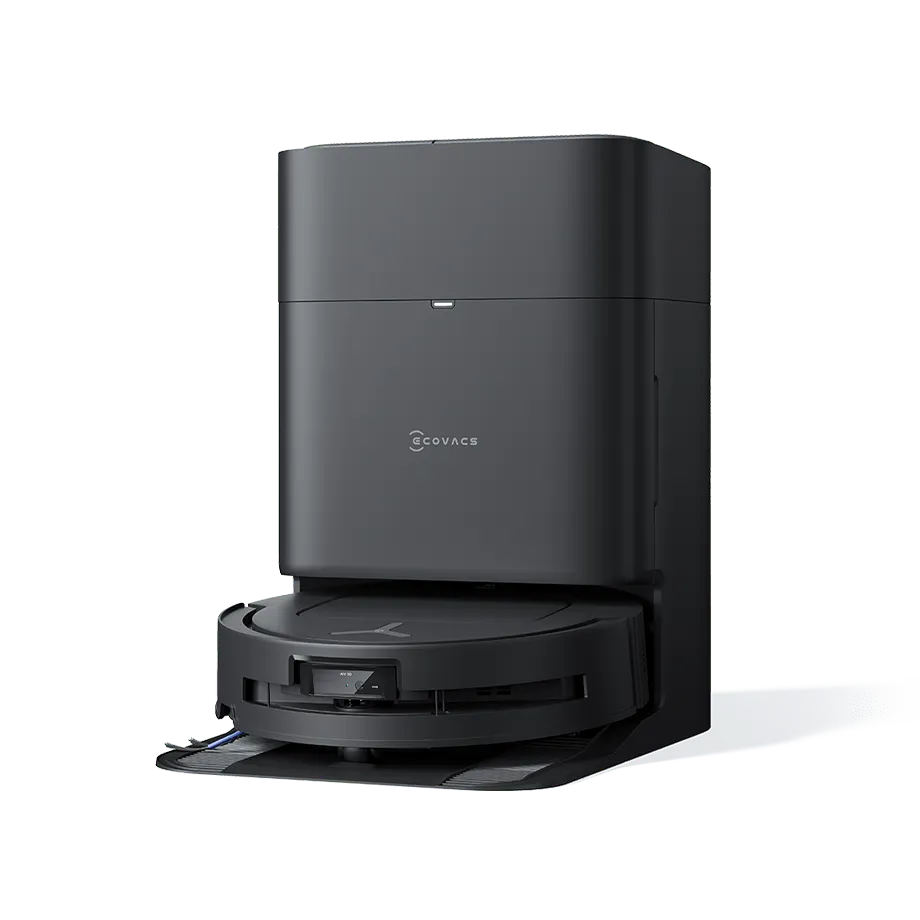
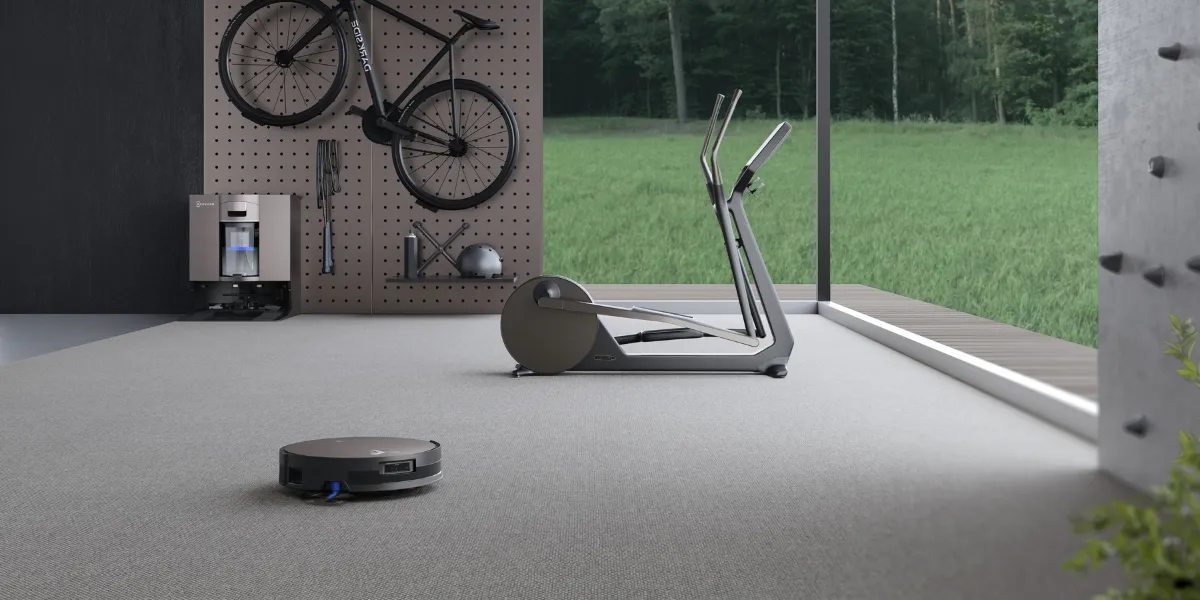
Robot vacuums for carpets and rugs like the DEEBOT T80 OMNI feature a “Carpet First” function, which prioritizes vacuuming carpets first with a dry mop to prevent wetting. When the TruEdge 3D Edge Sensor detects carpet edges, it can switch to preset modes such as “Vacuum Only,” “No Entry,” “Pass Through Only,” and “As On Floor.”
Laminate Floors
Laminate flooring is favored for its realistic look and durability. While it offers some water resistance, excessive moisture can seep into seams and cause swelling over time due to its wood or stone composite material.
The proper way to clean laminate floors is to vacuum first to remove grit, then use a lightly damp mop sparingly to finish. A robot vacuum for laminate floors can help you maintain a consistent schedule with your preferred suction and mopping settings.
FAQ
Can you vacuum and mop at the same time?
Yes, you can vacuum and mop at the same time if you use a robot vacuum and mop. These compact devices are equipped with suction heads and roller brushes to pick up dirt and debris, while mop pads can be put down to mop as they move around. Even better, they offer customizable settings, allowing you to adjust the water level, suction power, and cleaning order to meet your needs and preferences.
Should you vacuum and mop every day?
Homes with pets or kids benefit from daily vacuuming, with mopping two to three times per week to manage paw prints and spills. In lower-traffic homes, vacuuming two to three times per week and mopping weekly keeps floors fresh, with spot cleaning between sessions. Using robot vacuums for pet hairs and robot vacuums for allergies can help maintain this routine with less effort.
Should you use a cleaning solution every time you mop?
It depends on the situation. For light mopping, clean water is often enough to remove fine dust and prevent incorrect solution use that can leave residue or dull certain finishes. Save a floor-safe cleaner for grease, sanitizing, or deeper cleans. If you use a cleaning solution in a robot mop, follow the manufacturer’s guidance and use only approved solutions.
Related Products