
Americans spend an average of 56 minutes per week cleaning their floors, yet many still feel unsure about whether to use hot or cold water when mopping. Some people rely on hot water for a deeper clean, while others prefer cold water to protect their floors.
In reality, water temperature directly impacts floor safety and how well cleaning products perform. Using the wrong temperature can discount the cleaning results and even damage certain surfaces.
To avoid this, learn the pros and cons of using hot and cold water when mopping, and how to make the right decision for your home.
Why Choosing the Right Water Temperature Matters?
Choosing the right water temperature matters because it works together with the mop head material, the cleaning solution used, and how often you mop the floors. The proper combination and compatibility with the floor affect how effectively dirt and grease are removed.
In case you use the wrong water temperature, it can damage floor materials. For example, excess heat may warp wood when you clean hardwood floors, weaken adhesives when you clean vinyl floors.
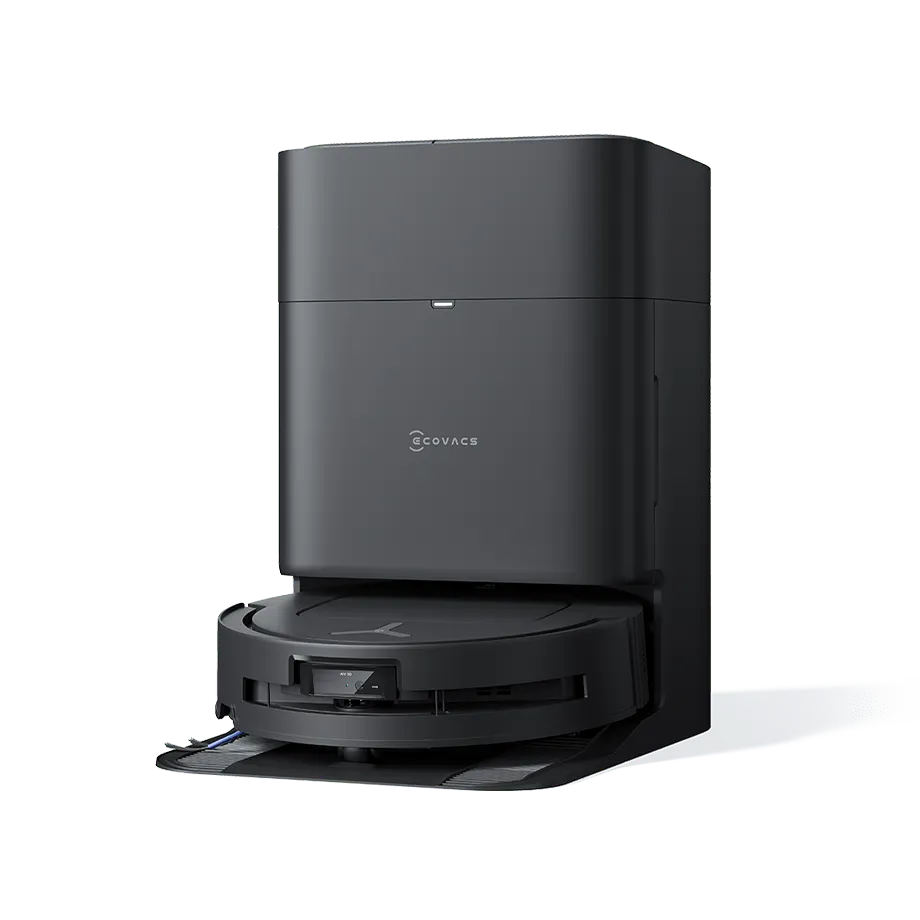
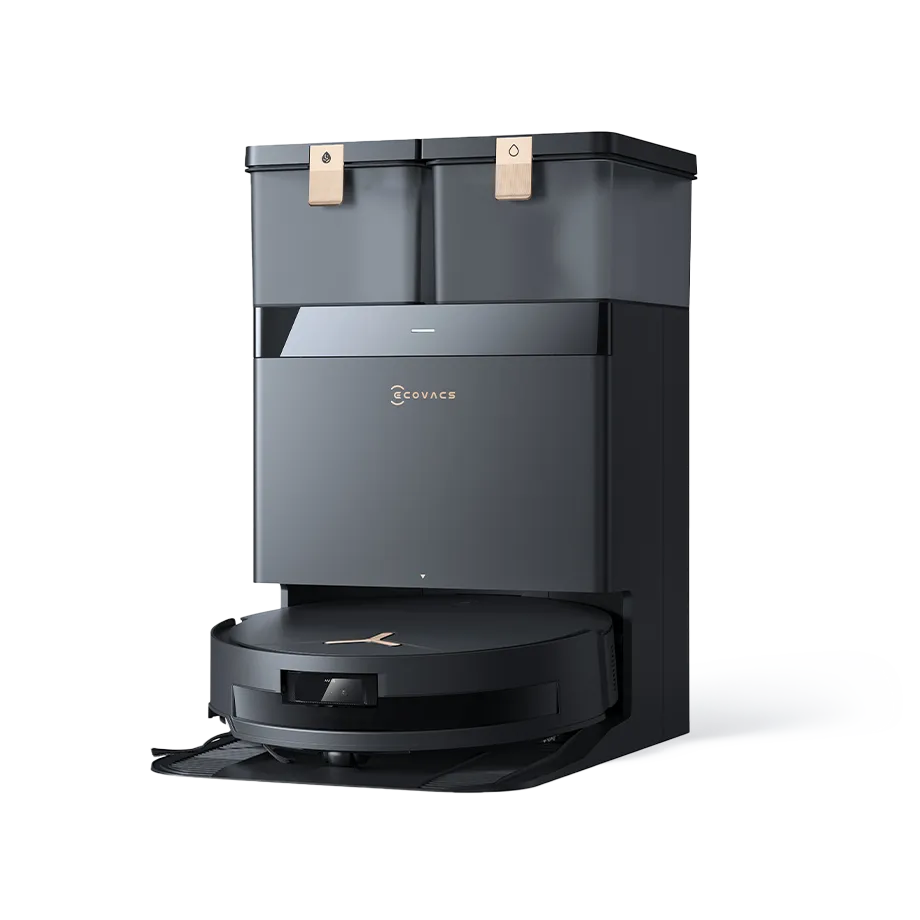
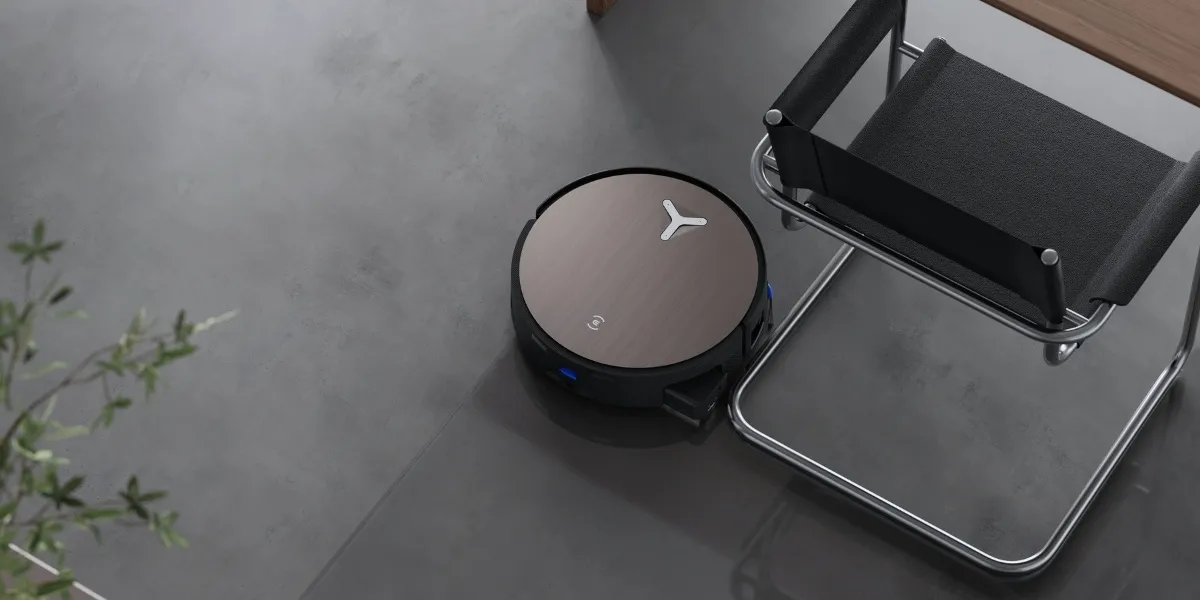
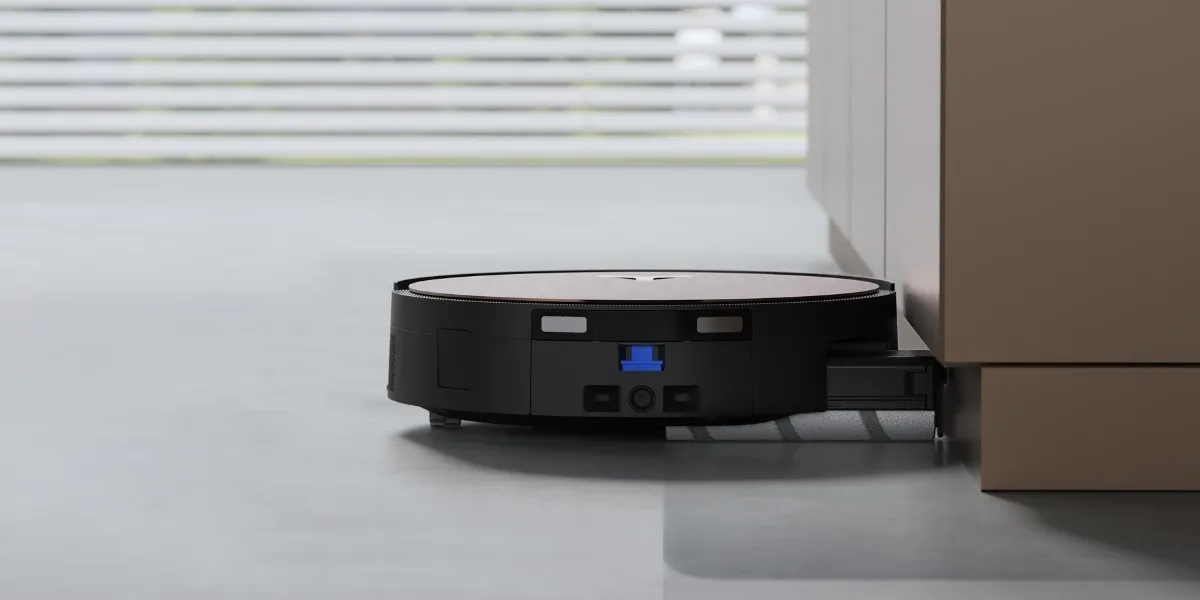
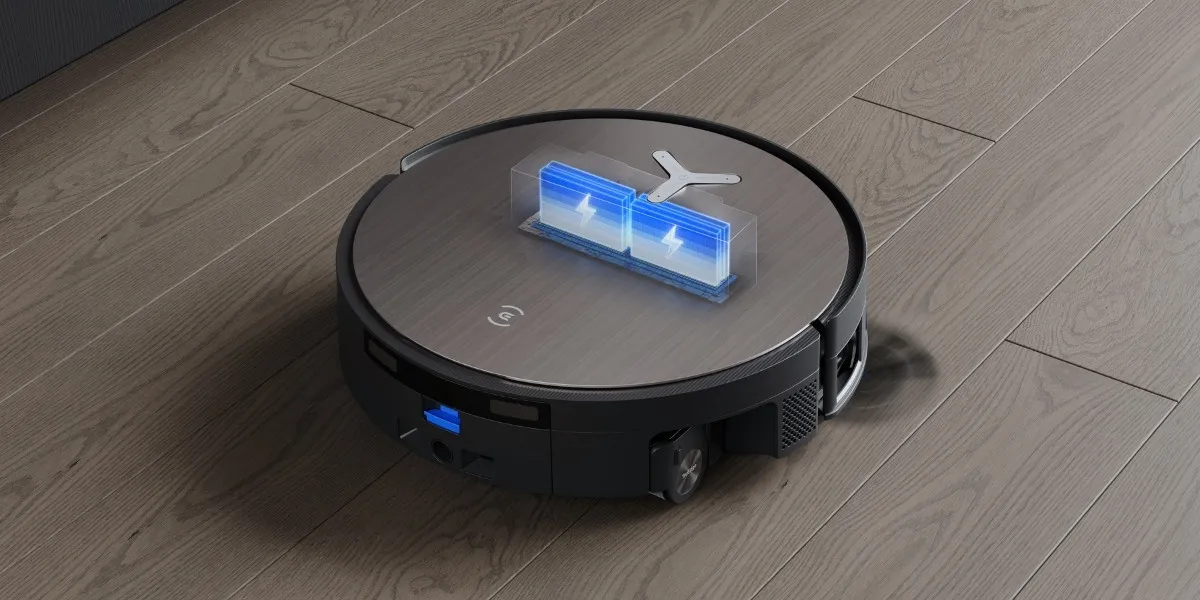
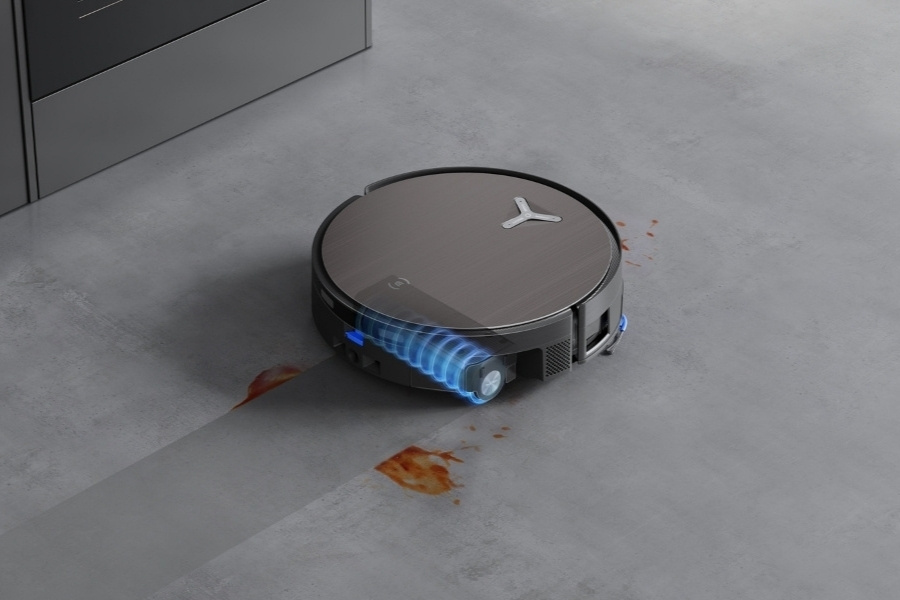
To accommodate various floor types, robot vacuum and mops like DEEBOT X11 OmniCyclone use cold water in OZMO ROLLER 2.0 technology and rely on the high-speed scrubbing, continuous rinsing, and the upgraded high-density nylon mop roller in removing stains on floors.
Is It Better to Mop with Hot or Cold Water?
Warm to hot water normally works better for heavy grime because it helps dissolve messes faster. However, cold water is safer for most floor types. The best choice depends on the floor material and the kind of mess you need to get rid of.
Pros and Cons of Mopping with Hot Water
Hot or warm water is commonly used for deep cleaning and tackling tough, oily stains, but it is important to consider the surface material.
The benefits of hot water mopping include:
- Faster grease removal: Breaks down grease and sticky residue quickly, though household hot water alone cannot disinfect without a cleaning solution.
- Easier deep cleaning: Loosens dried-on grime and makes it easier to scrub when cleaning concrete floors and mopping tiles.
- Support sanitizing: Helps clear light stains like coffee spills in high-traffic areas such as kitchens and bathrooms.
However, pay attention to these drawbacks:
- Surface damage: Can warp or dull the materials when cleaning cork floors or other sensitive surfaces like laminate and vinyl.
- Finish deterioration: May weaken adhesives or protective finishes and speed up peeling, bubbling, or long-term wear.
- Streaking issues: Hot water tends to evaporate quickly and can leave streaks or residue if not dried properly.
Pros and Cons of Mopping with Cold Water
Cold or lukewarm water is usually preferred for daily floor care in order to protect delicate floor materials.
Mopping with cold water offers the following benefits:
- Safe for regular cleaning: Suitable for most household floor types, making it safe for routine cleaning on marble and other sensitive materials.
- Finish protection: Preserves sealants and coatings to maintain their finishes, whether glossy, brushed, or matte.
- Energy efficiency: Saves you from heating water and from extra dry mopping to wipe away streaks.
Keep in mind the side effects of cold water:
- Less effective in removing grime: Cold water lacks the energy to help detergents dissolve greasy, oily substances.
- More manual effort: May require harder scrubbing or repeated passes to eliminate stubborn or dried-on stains.
- Bacterial growth: Cold water can leave floors damp longer, creating favorable conditions for bacteria and mildew and leading to bad odors after mopping.
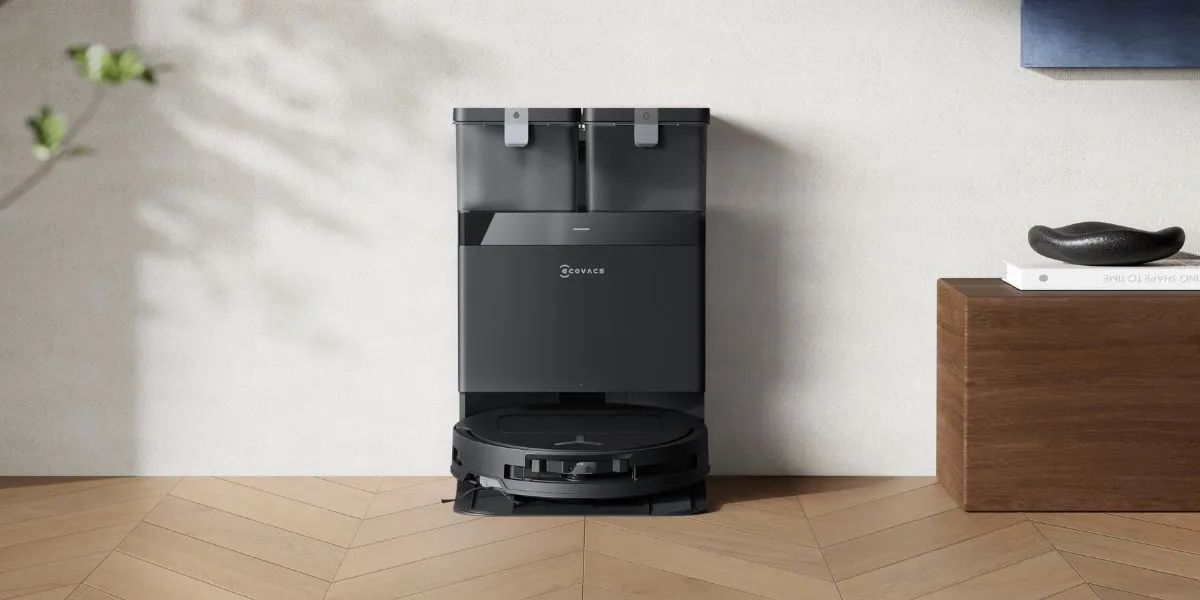
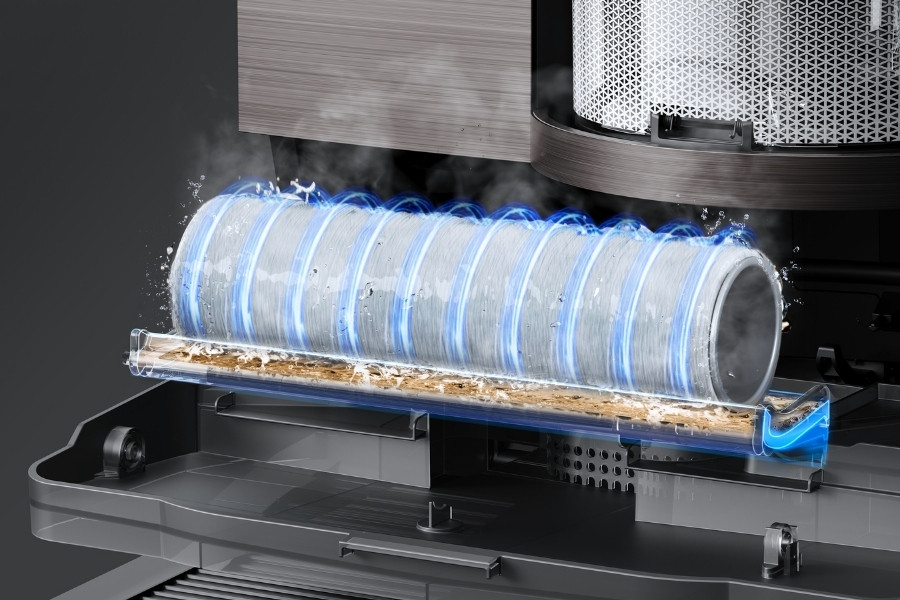
To stop mold and bacteria from growing, self-emptying robot vacuums like DEEBOT X11 OmniCyclone offer hot water soak washing at the station, washing the roller mop at up to 167°F or with temperature-controlled water to keep it fresh.
How to Choose the Right Water Temperature for Mopping?
The main considerations for choosing the correct water temperature are your floor type, the level of dirt, and your desired level of cleanliness. Areas with greasy, heavy buildup may need hot water for mopping, while delicate flooring prefers cold water.
If you’re not sure how to mop floors, refer to the floor manufacturer’s guidelines to avoid unnecessary damage.
Best Water Temperature by Floor Type
- Hardwood: Cold water helps prevent swelling and peeling of the sealant or finish, and helps maintain how often you mop wood floors.
- Laminate: Cold water protects seams and top layers by minimizing the risk of bubbling, dull spots, or moisture damage.
- Vinyl: Cold water helps remove dirt without weakening adhesives or causing edges to lift. It also protects the top coatings from being stripped.
- Natural stone: Cold water preserves sealants and prevents dulling or etching on materials like marble, granite, or limestone.
- Ceramic and porcelain tile: Hot water loosens grease more effectively, making it ideal for mopping textured surfaces and grout lines.
- Concrete: Hot water works well for removing embedded dirt and stains on sealed or polished concrete surfaces.
Best Scenarios to Use Hot Water
- Greasy kitchen floors: Heat helps break down oil and cooking residue, allowing detergents to work faster in dissolving grime.
- Sticky residue: Hot water softens dried spills, making them easier to lift without aggressive scraping.
- Deep cleaning: Suitable for mopping travertine floors and heat-resistant surfaces that can tolerate higher temperatures.
Best Scenarios to Use Cold Water
- Routine cleaning: Ideal on most floor types, cold water mopping after vacuuming helps lift fine dirt without causing unnecessary heat damage.
- Delicate flooring: Protects finishes from warping or peeling when mopping terrazzo floors and other sensitive surfaces.
- Floors prone to streaking: Cold water evaporates more slowly and thus helps limit streaks and residue on glossy or polished surfaces, for instance, when mopping epoxy floors.
- Floor detergent compatibility: DEEBOT cleaning solutions and similar products work best with cool or warm water. Extremely hot water can risk degrading the active ingredients.
Match the water temperature to the level of dirt and grease on your floors. When in doubt, room-temperature water is usually a safe option for most cleaning tasks.
Related Products