
Tile has long been used by ancient Egyptians, Greeks, and Romans for interior decoration. For example, the Cathedral Basilica of Saint Louis in Missouri is known for having the world’s largest mosaic collection. While ceramic, porcelain, and natural stone tiles like marble or travertine resist wear and moisture, using too much soap or water, harsh chemicals, or abrasive tools can leave streaks, haze, or even discolor grout lines.
Learn whether you can mop tile floors, a simple step-by-step cleaning method for beginners, and key mistakes to skip to help your tile floors add character and charm to your home.
What’s the Best Way to Clean Tile Floors?
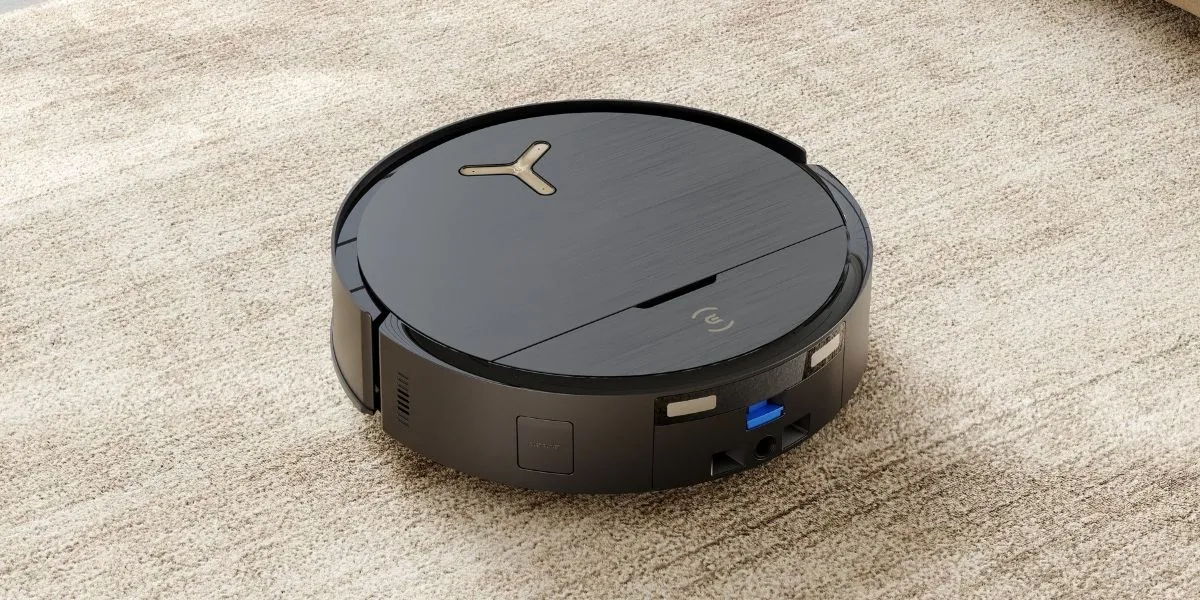
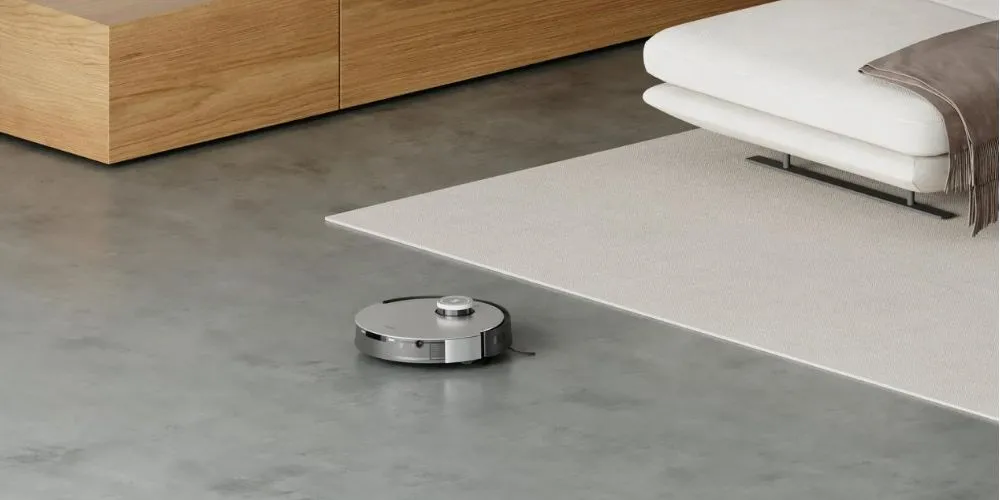
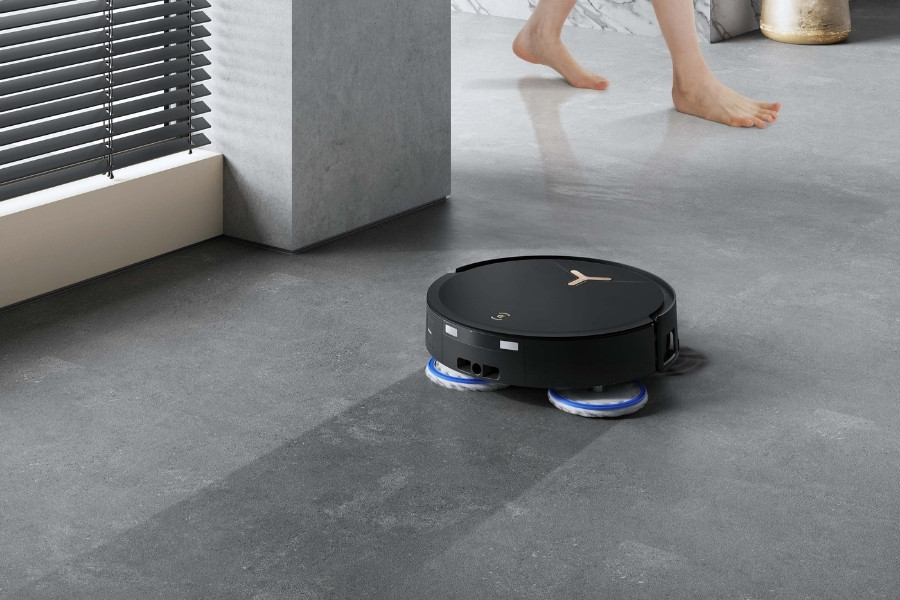
The best way to clean tile floors starts with sweeping or vacuuming away dust and debris, then mopping the surface with controlled dampness and ensuring it dries completely. Steam cleaning works well for deep cleaning ceramic and porcelain tiles. For convenience, a robot vacuum and mop can handle this routine automatically using preset modes and schedules.
Can You Mop Tile Floors?
Not all types of tiles can be mopped the same way. Glazed ceramic and porcelain tiles are suitable for regular or steam mopping, while textured, unglazed, or natural stone surfaces require gentler cleaners. If you’re still figuring out how to mop your floors, do not use acidic, bleach, ammonia, oil-, or wax-based products that dull the surface or leave residue.
Aside from the cleaning solution, excessive water can weaken the adhesive and allow moisture to seep into the subfloor, potentially causing deterioration, cracks, or mold and mildew growth. Loose tiles may even create tripping hazards. Make sure to wring out the mop, whether you’re using a string or microfiber type, then dry the surface thoroughly.
Read more: How to Clean Laminate Floors?
Should You Vacuum or Sweep Tile Floors?
In terms of floor care, you can vacuum tiles and sweep them regularly. With a robot vacuum, vacuuming is more effective than sweeping since strong suction lifts pet hair and fine particles from grout lines that sweeping may miss. Vacuuming with a robot vacuum also removes small abrasive particles like sand, whereas sweeping can drag them and scratch the floor.
You can sweep the floor before running a robot vacuum if it’s very messy. For example, avoiding cords that are scattered around the floor might force the robot vacuum to limit its overall coverage.
DEEBOT users can then select their preferred cleaning mode in the ECOVACS Home App or set the floor type to “tiles,” allowing the device to automatically apply the most suitable cleaning settings.
What Tools Should You Use to Clean Tile Floors?
When preparing to clean tile floors, it’s best to use a broom or robot vacuum with soft bristles that are gentle yet effective at reaching deep into the grout lines and clearing embedded dirt. Mopping should be done with a damp, not wet, mop; a microfiber one is ideal. A mild cleaner should also be used for best results.
Among different types of tiles, natural stone tiles like marble and granite are the most delicate, so a softer brush is a must. Glazed ceramic and porcelain tiles can be cleaned with medium-soft brushes. Typically, hard bristles are too abrasive and can damage the tile or grout.
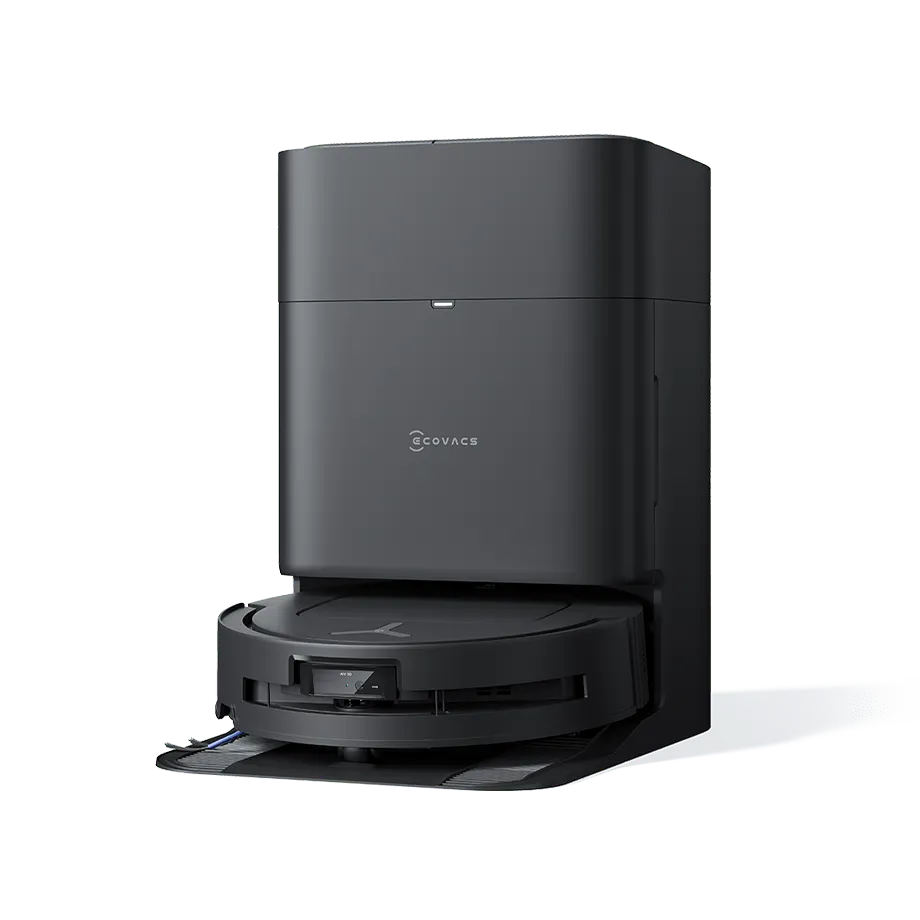
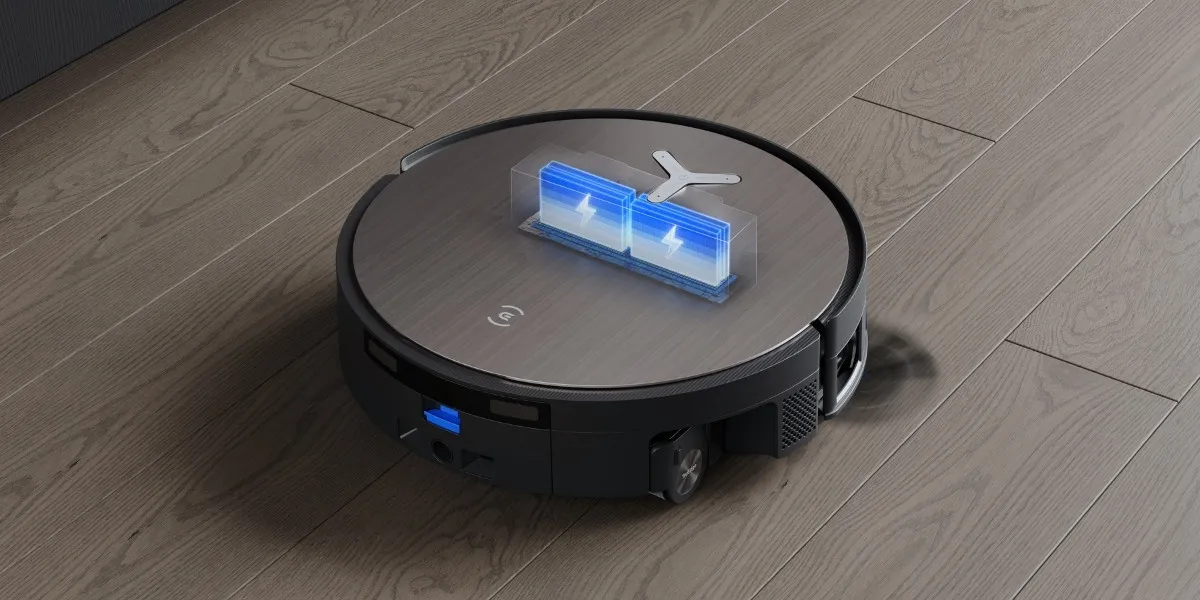
For convenience, choose a robot vacuum like DEEBOT X11 OmniCyclone, featuring the OZMO ROLLER 2.0 that scrubs and rinses the tiles 200 times per minute. Don’t worry, the high-density nylon mop roller is gentle on floors. Use only the brand-certified cleaning solution in robot vacuums and mops.
Read more: How To Clean Bamboo Floor?
How to Clean Tile Floors?
Keeping tile floors clean only takes a few easy steps. Start by picking up dust and grit from the surface and grout lines, then mop with a pH-neutral cleaner. Tough stains and grime can be gently scrubbed with a soft brush. Finish by rinsing and drying the floor completely before using it again.
Step 1: Remove Dust
Regular sweeping or vacuuming, like with the beater bar or roller brush in robot vacuums, helps prevent dust and grit from scratching the floors. Focus on corners, baseboards, and grout lines where dirt tends to build up.
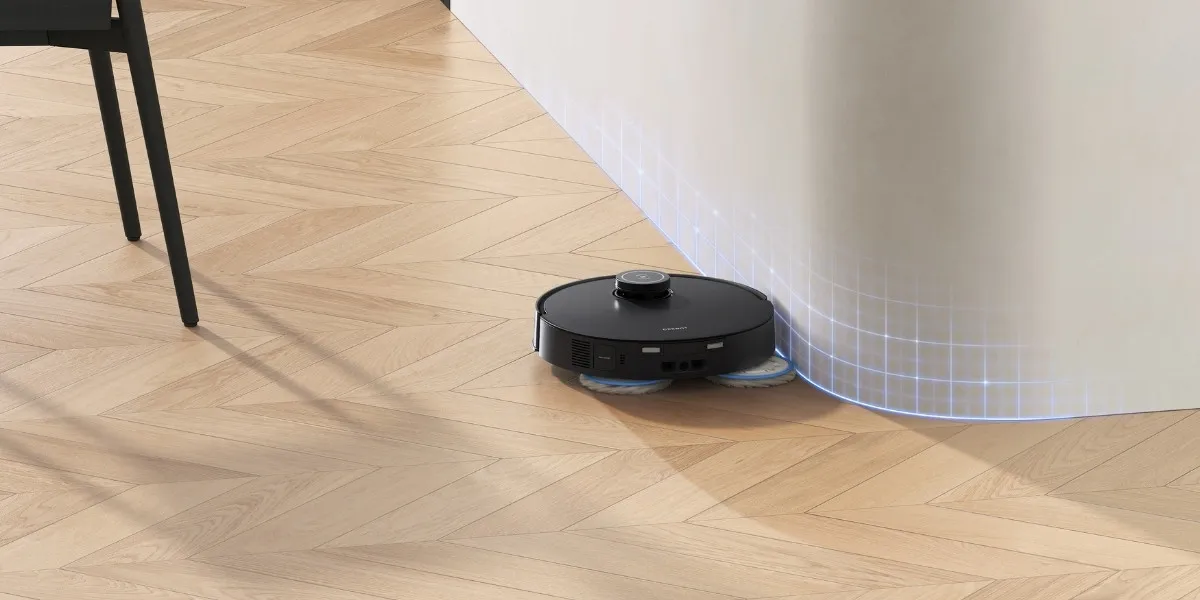
The DEEBOT X11 OmniCyclone features TruEdge 3.0 Extreme Edge Cleaning with a fixed side brush that reaches into corners and quickly lifts embedded dirt from grout lines.
Set how often to vacuum your floors using the app; for example, clean twice a day during pollen season.
Read more: How to Clean Marble Floors?
Step 2: Prepare Your Cleaning Solution
If you prefer a hands-on approach, mix warm water with a pH-neutral cleaner like dish soap or baking soda; a small amount is sufficient. Test the mixture in a hidden area before full application.
Get specialized products for natural stone or terracotta tiles, while DEEBOT users should also strictly use the official cleaning solution in the smart device to prevent malfunction.
Read more: How to Clean Concrete Floors?
Step 3: Mop the Floor
Mop from the farthest corner of the room and work your way toward the exit, overlapping each stroke for even coverage. For wood-look tiles, follow the direction of the planks.
Refresh your mop frequently to avoid spreading grime. Since grout lines are porous, control the mop’s dampness.
To maximize coverage along baseboards, edges, and corners, the TruEdge 3.0 technology in the DEEBOT X11 OmniCyclone features a flexible roller extension that reaches up to 0.59 inches outside its body.
Step 4: Clean Grout and Tough Spots
In case of stubborn stains or grit, mix hydrogen peroxide and baking soda to create a thick paste. Apply and let it sit for 5 to 15 minutes, then scrub gently with a soft brush, rinse thoroughly, and dry.
Alternatively, steam cleaning is an effective way to sanitize surfaces, kill germs, and remove heavy dirt without chemicals. This method is mainly suitable for ceramic and porcelain tiles that can withstand high heat.
Step 5: Rinse and Dry
After mopping, rinse the floor with clean water to remove any leftover detergent. Dry thoroughly with a clean cloth or allow good ventilation to finish the job, keeping the grout from absorbing excess moisture and lowering the risk of rust stains or mineral spots on natural stone tile.
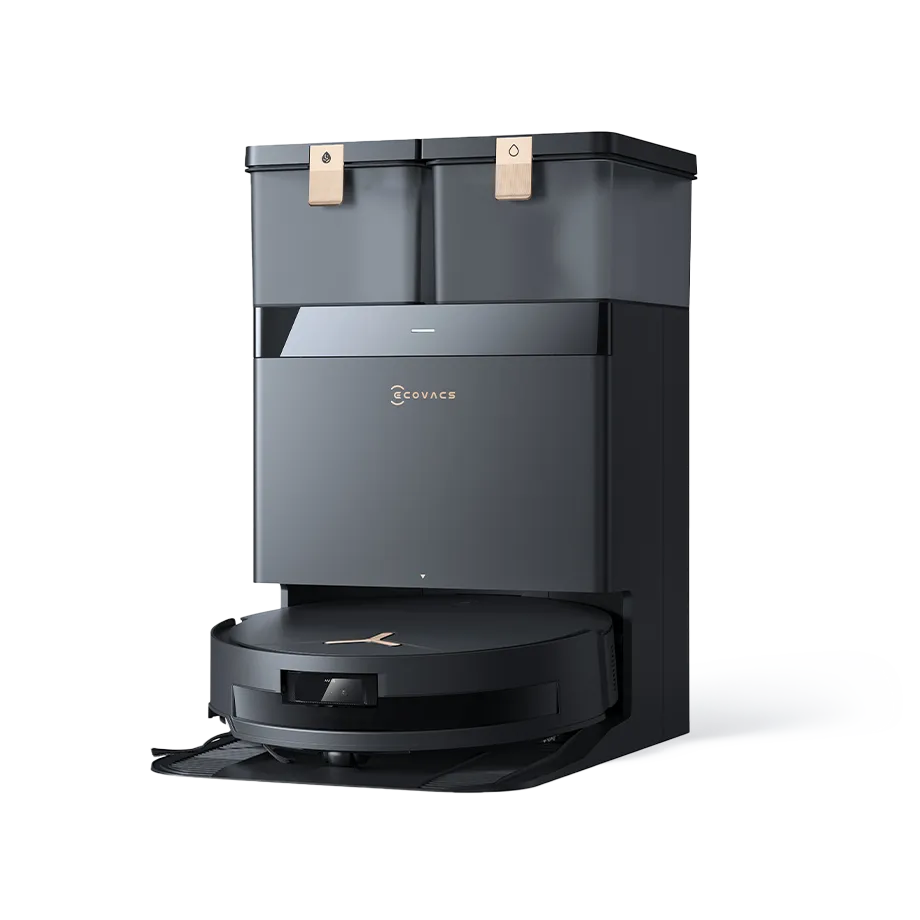
DEEBOT users can save this step by adjusting the water level for a quicker dry after mopping on the ECOVACS Home App. Premium models like the DEEBOT X8 PRO OMNI provide up to 50 adjustable water levels.
Read more: How to Clean Vinyl Floors?
How Often Should You Clean or Mop Tile Floors?
For maintenance, vacuum tile floors two to three times per week, and mop once every one to two weeks as needed. High-traffic areas such as kitchens and bathrooms may require more frequent cleaning, about once or twice a week, due to moisture and daily use. Clean up spills immediately to prevent stains from penetrating the tiles.
It is even more convenient for DEEBOT users to set how often to mop your floors in the ECOVACS Home App. You can choose automated cleaning schedules or initiate the cleaning sessions anytime.
What to Avoid When Cleaning Tile Floors?
When cleaning tile floors, steer clear of harsh chemicals such as bleach, ammonia, or high-acid cleaners. Do not use abrasive scrubbing tools that can damage tile surfaces or grout. Besides, excess water can soak into grout lines and subfloor layers, while oily or wax-based products leave residue and trap dirt.
To keep tile flooring in good condition, it helps to understand what to skip and why:
- Abrasive tools: Hard-bristled brushes made with stiff nylon or metal fibers and steel wool can scrape tiles and scratch glaze. They can also grind away the cement-based material on grout, creating gaps that collect dirt.
- Harsh chemicals: Cleaners containing bleach, ammonia, or high-acid formulas can fade tile glaze and discolor grout when they soak in and break down sealants.
- Excess water: Too much water can seep into grout joints and the subfloor, which may lead to mold growth, dark staining, or tiles lifting over time.
- Wax or oil-based cleaners: Oil-soap style or wax-style floor shine products work well for wood floors, but they create a slippery film on tiles that traps dust.
- Steam mops on natural stone: High heat can weaken protective sealants on natural stone tiles such as marble, limestone, travertine, and granite, leading to uneven color and permanent dull spots.
Read more: How to Clean Wood Floors?
How ECOVACS Can Help Clean Tile Floors?
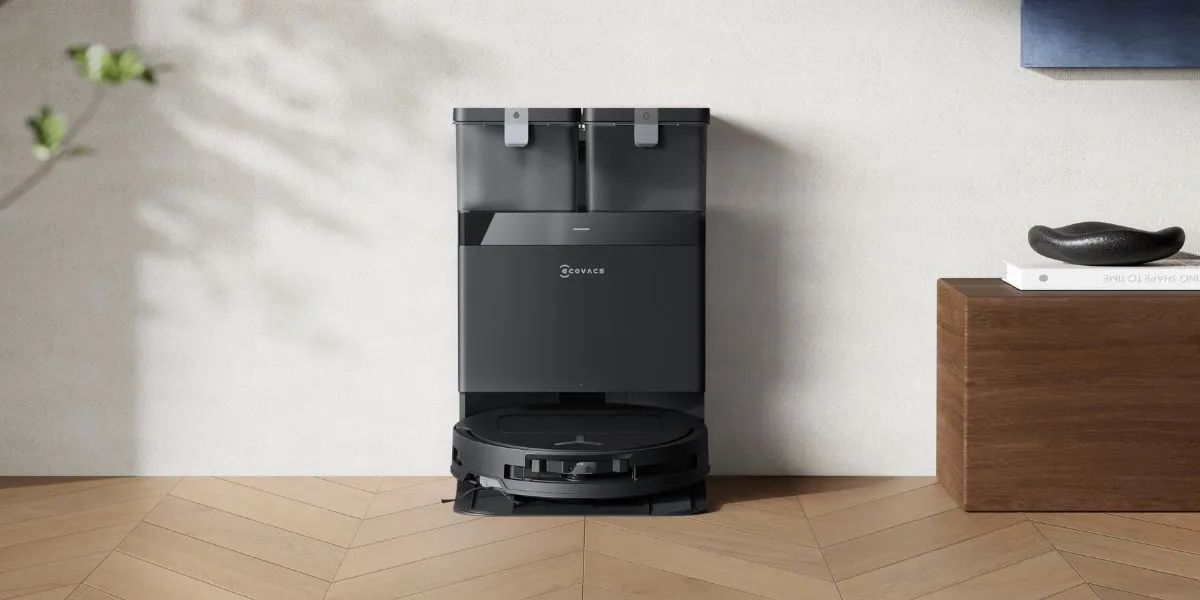
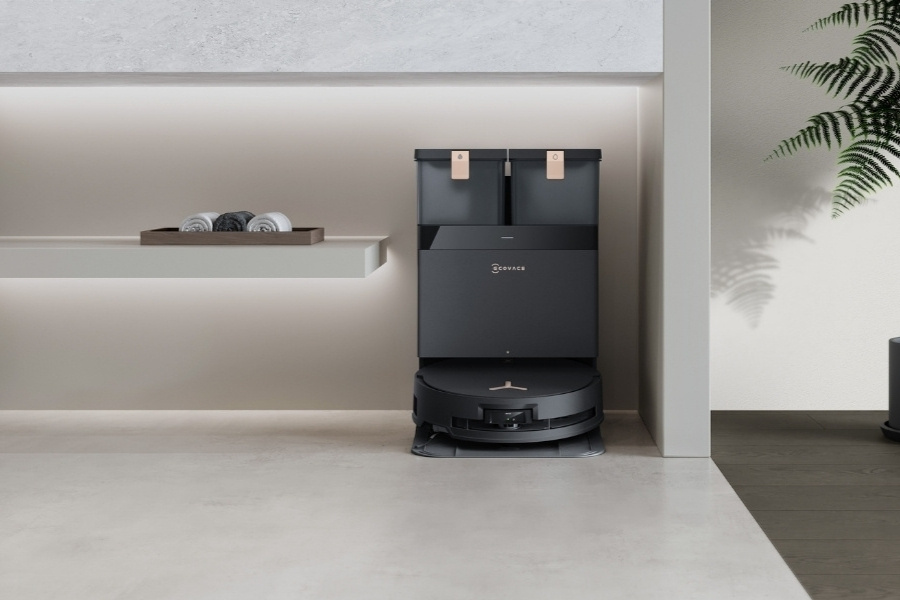
If you’re looking for a robot vacuum for tiles, DEEBOT cleans tile floors safely and efficiently. One example is the DEEBOT X11 OmniCyclone. The OZMO ROLLER 2.0 system scrubs and rinses at 200 rpm using a high-density nylon roller that stays gentle on tiles. The Double-Effect Clean Solutions allow intelligent switching between a standard and a heavy-duty formula, which is helpful when AI Stain Detection identifies tough or greasy spots.
Through the ECOVACS HOME App, you can adjust suction power, water flow, and cleaning schedules. Agent YIKO helps beginners by analyzing needs and remembering their preferences. With AIVI 3D 3.0 Omni-Approach Technology, models like DEEBOT T50 MAX PRO OMNI moves along edges and grout lines without missing areas.
FAQ
How Can You Keep Tile Floors Clean for Longer?
Sweep or vacuum regularly and wipe spills immediately. Place mats at entryways and use soft furniture pads to prevent marks. Keep grout sealed to protect against moisture and buildup.
How to Prevent Scuff Marks on Tile Floors?
Lift furniture instead of dragging it and place felt pads under chair and table legs. Rugs in high-traffic areas help minimize black scuff streaks from shoes.
How Can I Make Cleaning Tile Floors Easier?
Use a robot vacuum like DEEBOT to handle daily sweeping and mopping. Automated schedules keep floors clean with minimal effort, reducing buildup between deeper cleanings.
How to Restore Shine to Tile Floors?
If daily cleaning is not enough to maintain its shine, you can use specialized shine restoring cleaner or polishing cream. Make sure to check the compatibility before application.
Related Products