
Whether your favorite interior style is Japandi, Scandinavian, or farmhouse, hardwood flooring is a staple element. Admired for its natural warmth and durability, this premium material needs careful maintenance to preserve its finish and beauty. For instance, too much moisture on a mop can cause warping, crowning, buckling, or discoloration, while abrasive cleaners can scratch and dull the surface.
To safely remove dirt and grime from hardwood floors, learn how to choose the right tools, the best step-by-step cleaning method, and the common mistakes to avoid. With the proper care, you can protect your investment for decades.
What’s the Best Way to Clean Wood Floors?
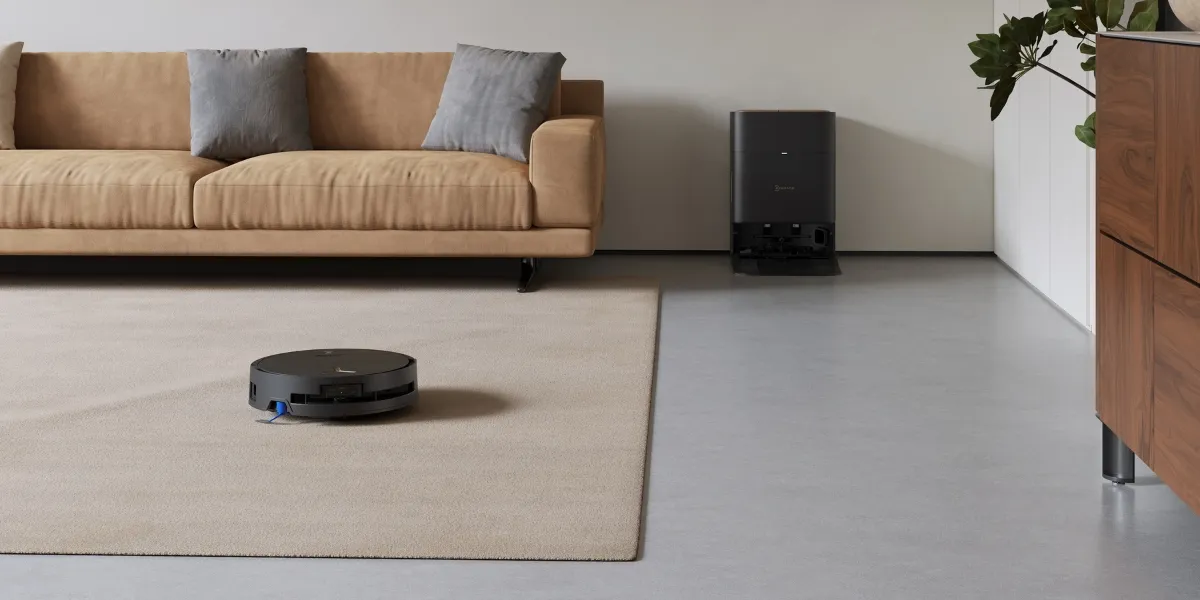
The best way to clean hardwood floors involves three simple stages: prepare, clean, and protect. Start by removing dust and debris, then mop away bacteria, mold, and allergens using a dedicated cleaner or a mild soap-and-water mix. Ensure the surface is completely dry. For convenience, a robot vacuum automatically adjusts cleaning modes for a safe, thorough clean.
Can You Mop Wood Floors?
Yes, you can mop wood floors, but only with a damp, not wet, mop. As a natural material, excess water can seep between planks and cause warping, swelling, or fading. Use a microfiber mop and follow the direction of the wood grain, then ensure good airflow to dry the surface or use a clean cloth to help.
Adjust the cleaning method according to your floor type. Sealed floors can handle light, damp mopping, while unsealed wood should only be dry cleaned. Check your finish, too, as a polyurethane finish can handle a water-based cleaner, but a penetrating oil or wax finish requires specialized products to prevent stains.
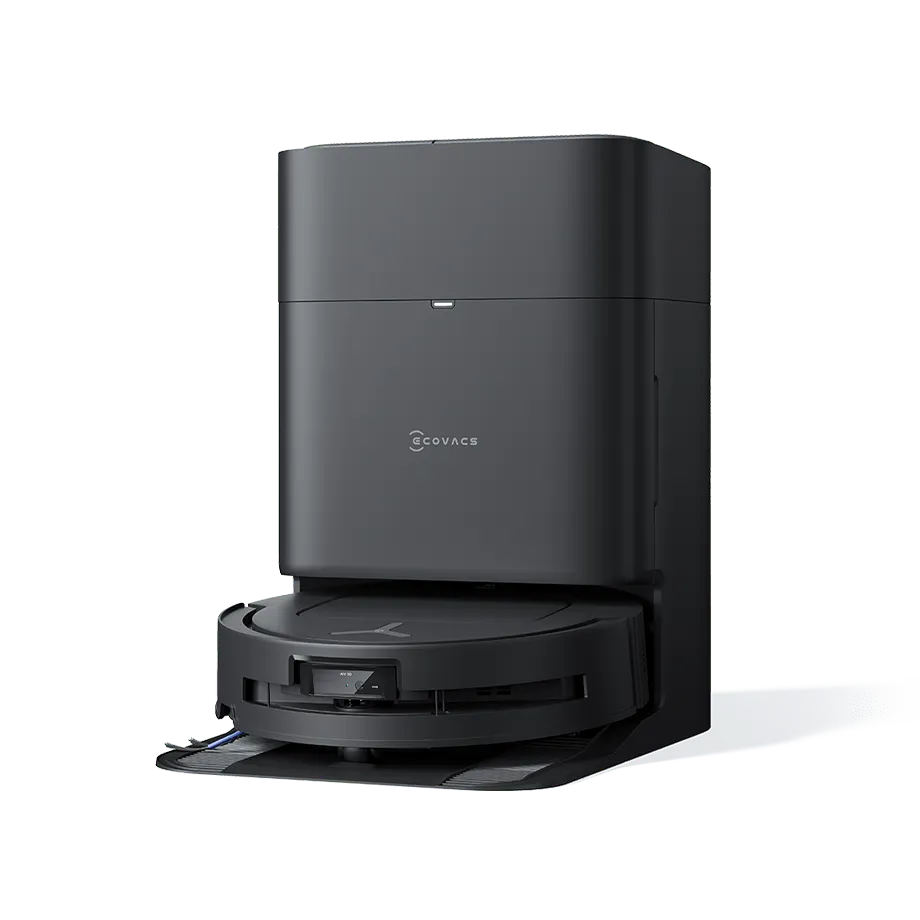
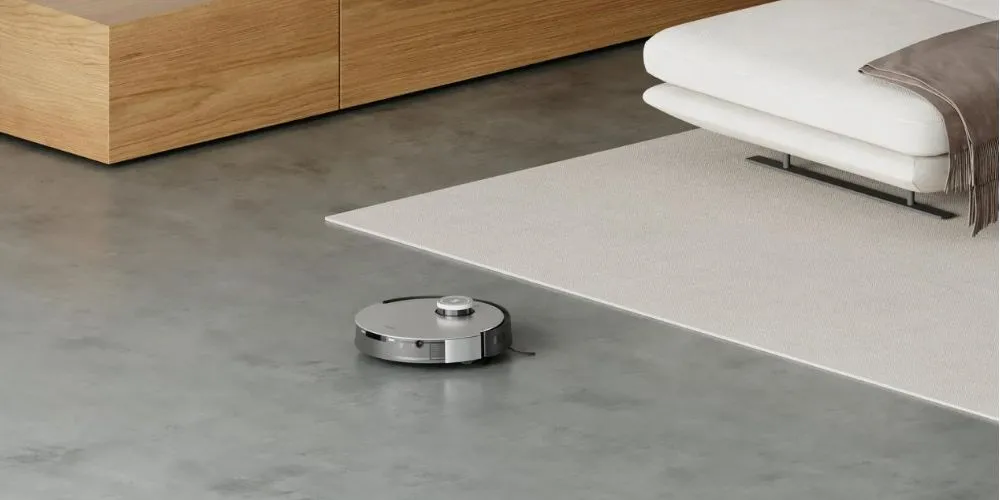
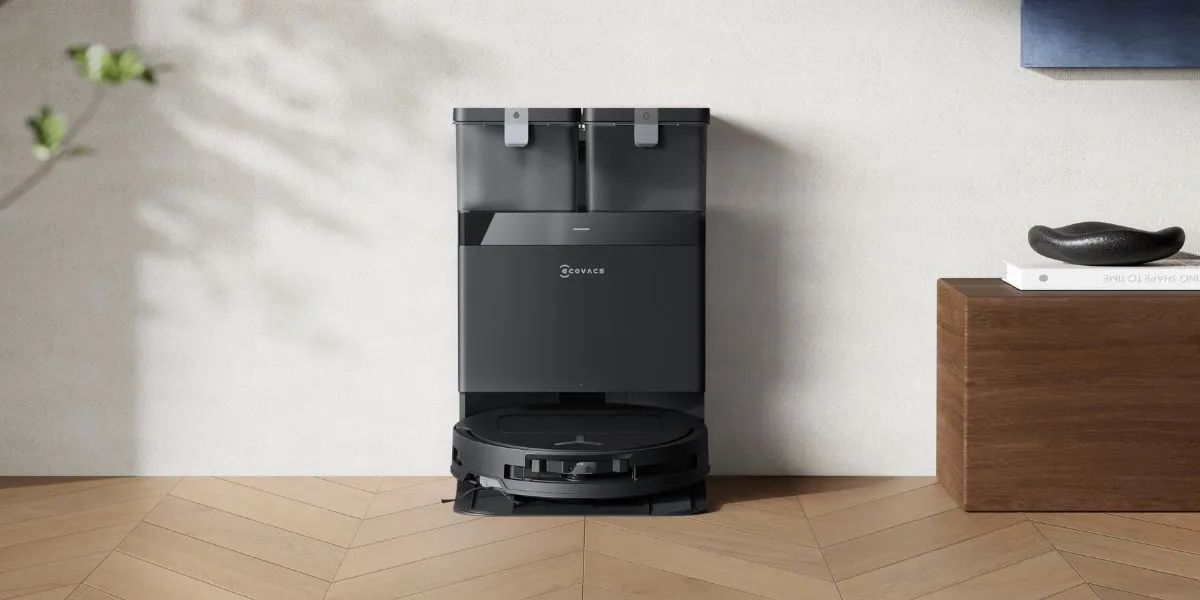
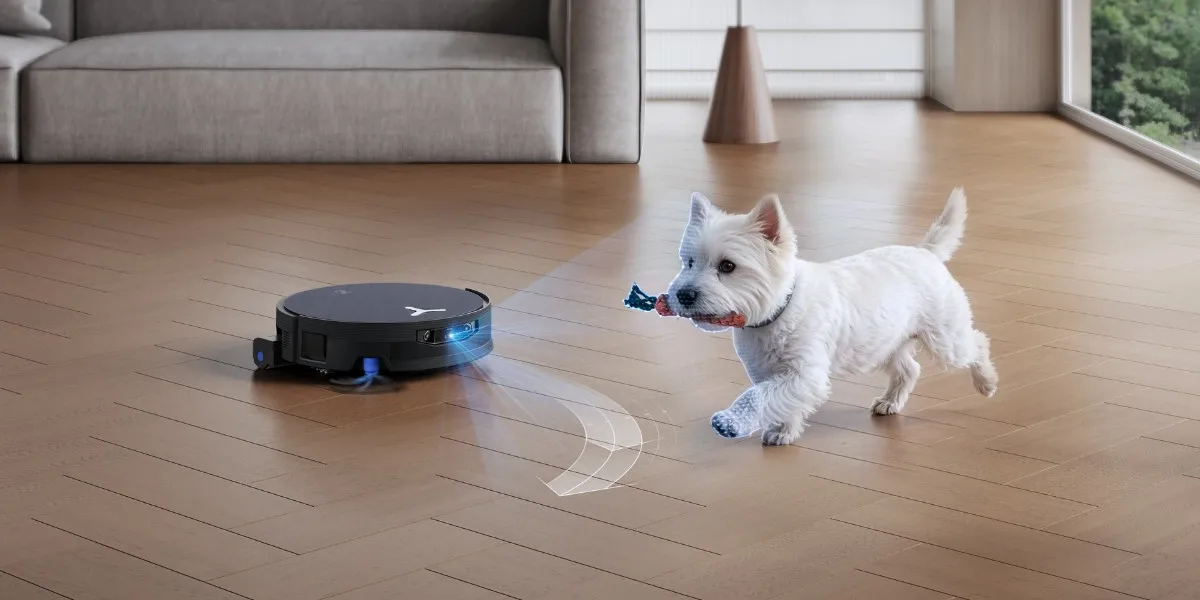
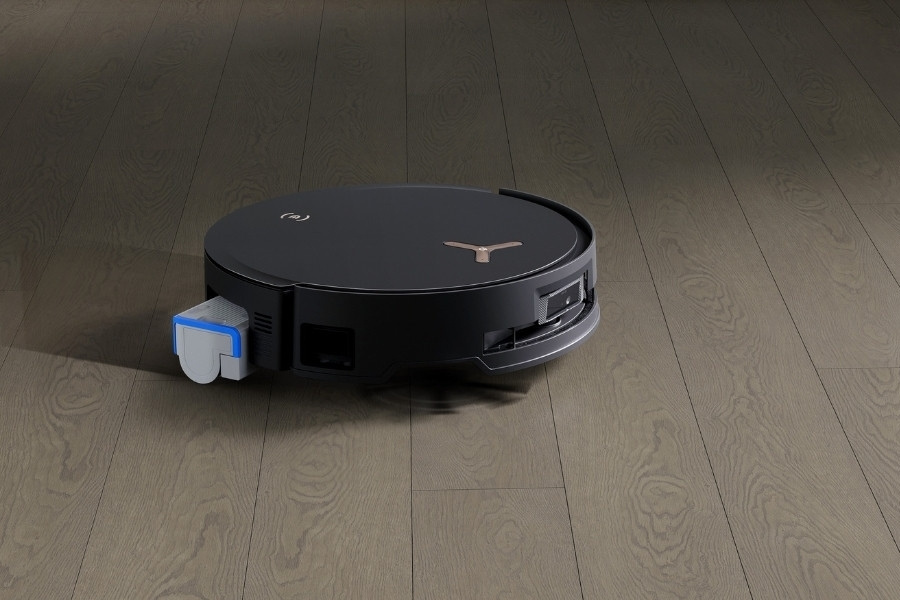
Robot vacuums and mops such as DEEBOT X11 OmniCyclone make this process easier. The AI-powered AGENT YIKO technology automatically detects and analyzes floor types, and adjusts its cleaning mode based on your preferences for how to mop floors, for instance, lifting mop pads on hardwood.
Read more: How to Clean Concrete Floors?
Should You Vacuum or Sweep Hardwood Floors?
When comparing vacuuming and sweeping, vacuuming hardwood floors is better because it removes fine particles more effectively. Sweeping can miss debris that settles in crevices, leading to surface wear over time. Use a smart vacuum with a soft-bristle brush or a hard floor setting to avoid scratches. The same can be applied to vacuuming tiles.
Always vacuum properly to lift dirt and prevent grit from scratching the finish, then follow with a lightly damp mop for a deeper clean.
What Tools Should You Use to Clean Wood Floors?
It is best to use soft, non-abrasive tools to protect the wood surface. For daily cleaning, a microfiber dust mop or a soft-bristle roller brush works best for sweeping and vacuuming, while a damp soft mop is ideal for mopping. For cleaning solutions, use pH-neutral soap or a specialized wood cleaner instead of harsh products that can strip the finish.
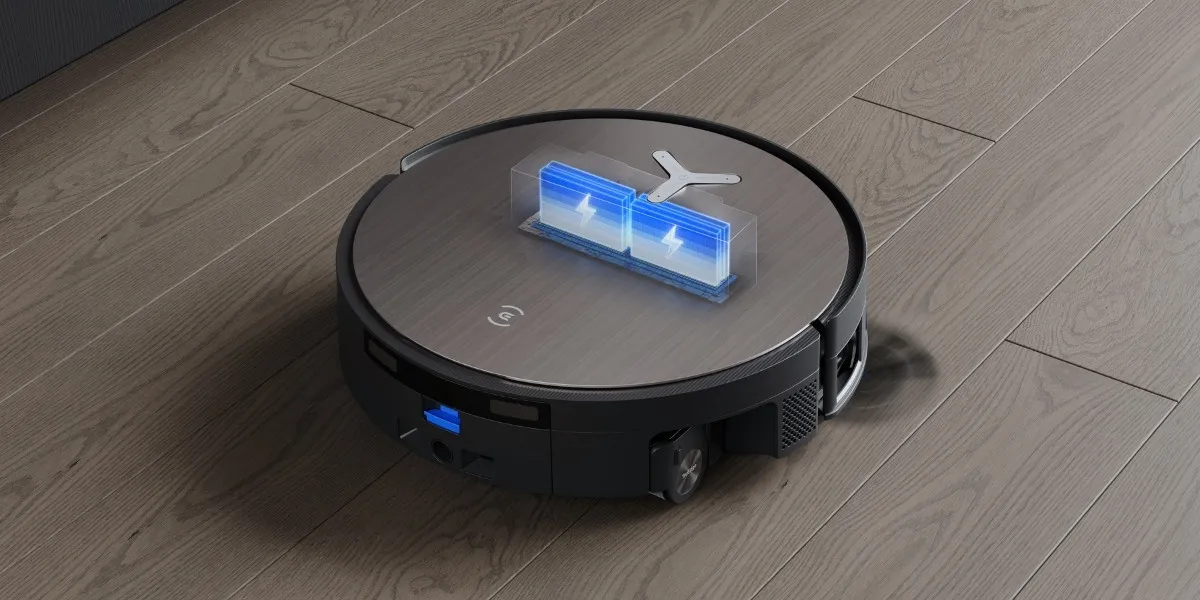
Smart models with adjustable suction and mopping settings, such as the DEEBOT X11 OmniCyclone, are great for homes with multiple floor types. Its OZMO ROLLER 2.0 system scrubs the floor at 200 rpm, while the high-density nylon roller and Double-Effect Clean Solution are safe for wood floors. The mop is continuously refreshed with clean water, and the device automatically stops and lifts the mop pads when it detects carpets or rugs.
Read more: How to Clean Tile Floors?
How to Clean Hardwood Floors Step-by-Step?
The best cleaning routine for hardwood floors involves just three simple steps: remove dust and debris, mop with a gentle solution, and dry the surface completely. In terms of frequency, sweep or vacuum once or twice a week, mop weekly using a soft mop and a hardwood-safe cleaner, and always dry the floor immediately to prevent moisture damage.
Step 1: Remove Dust and Debris
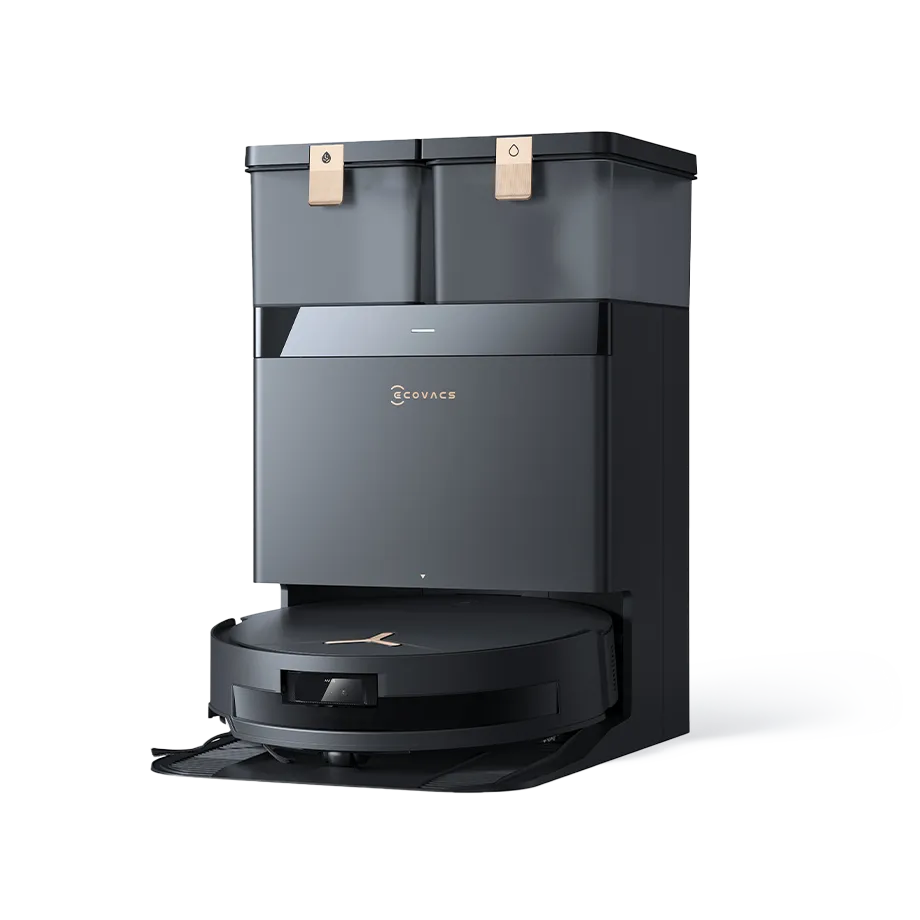
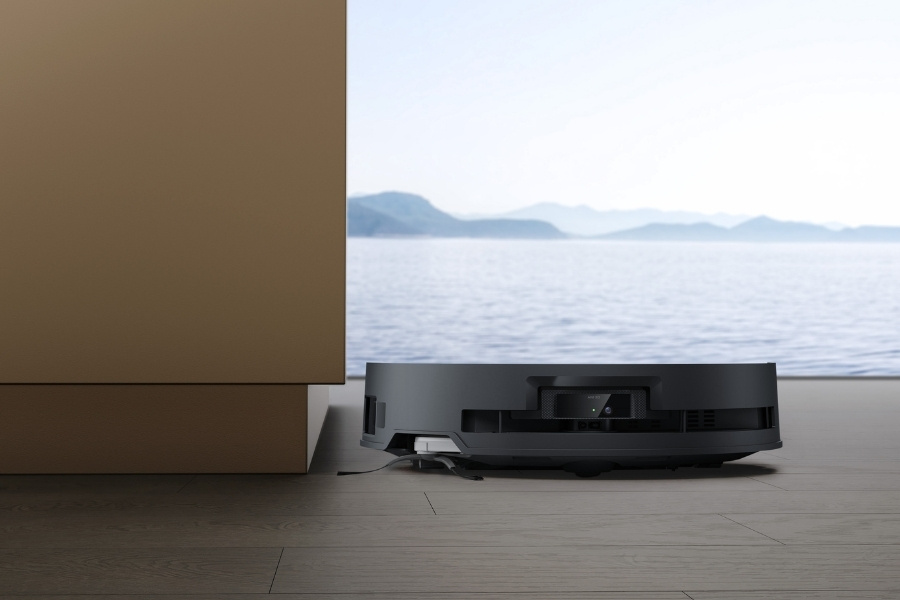
Always start by removing dust and grit as the first step of hardwood floor care. Dust easily settles at home, and tiny particles can scratch and dull the floor finish like sandpaper. Remember to clean corners as well. The DEEBOT X9 PRO OMNI features BLAST technology with an enhanced airflow design that boosts suction and achieves a 100% pickup rate for large, cereal-sized debris. Those who tend to forget how often to vacuum your floors can also rely on its scheduling function.
Read more: How to Clean Marble Floors?
Step 2: Choose the Right Cleaning Solution
Hardwood floors are sensitive to acidic cleaners like vinegar and alkaline ones like bleach. These harsh chemicals can weaken the protective coating, dry out the wood, and lead to discoloration over time.
Instead, use gentle, pH-neutral cleaners that are harmless to the finish and less likely to leave unwanted residue on the surface. Besides, always check the manual to confirm compatibility before adding any cleaning solution to robot vacuums and mops. For instance, DEEBOTs should be paired with brand-certified cleaning solutions to avoid malfunctions.
Step 3: Mop the Floor
The key to mopping hardwood floors safely is controlling moisture. Use a microfiber mop that has been wrung out until just damp, never dripping wet. Mop in the direction of the wood grain and work in small sections to reduce streaks.
For better control, the DEEBOT X8 PRO OMNI features 50 adjustable water flow levels, allowing you to fine-tune water output directly in the ECOVACS HOME app. You can also tap on the virtual map and select your floor type, such as hardwood, and the smart device will automatically adjust the settings, including water flow, when cleaning that area.
Read more: How to Clean Bamboo Floor?
Step 4: Dry and Protect the Floor
Finish your cleaning routine by drying the surface thoroughly. After mopping, use a clean, dry towel or mop to absorb any remaining liquid and allow the surface to air-dry completely. To protect your floors, place rugs in high-traffic areas, such as around pet beds or feeding bowls if you have pets. It’s also a good idea to attach felt pads to furniture legs to prevent scratches and dents.
Read more: How to Clean Vinyl Floors?
How Often Should You Clean or Mop Hardwood Floors?
Most households keep the frequency of vacuuming hardwood floors to one to two times per week, and do it more often if they need to get rid of dog hair or treat fleas. Mopping can be done once a week, but spills should be cleared immediately. Ultimately, the cleaning frequency depends on factors such as pet ownership, family size, allergies, and local air quality.
Keeping up with a regular vacuum and mopping schedule for wood floors is much easier with a DEEBOT robot vacuum. Using the ECOVACS HOME app, you can conveniently decide how often to mop your floors, or even customize the schedule for specific areas, such as vacuuming your child’s bedroom daily to remove allergens.
What to Avoid When Cleaning Wood Floors?
When cleaning wood floors, pay attention to excessive water, harsh chemicals, and abrasive tools that can strip and damage the surface. Many household cleaners that contain bleach, ammonia, or vinegar can dull the sheen and weaken protective coatings. Steam cleaners and overly wet mops should also be avoided due to swelling and discoloration issues.
Check the vacuum brushes and mop pads that come into direct contact with the wood floor. For DIY cleaning, abrasive pads, scouring brushes, and steel wool can leave permanent scratches, while wax or polish-based products may cause buildup.
Instead, use mild cleaners, soft microfiber mops, and beater bars with gentle bristles, like those in DEEBOT robot vacuums. You can refer to manuals by your flooring manufacturer for specific guidelines.
Read more: How To Clean Laminate Floors?
How ECOVACS Can Help Clean Hardwood Floors?
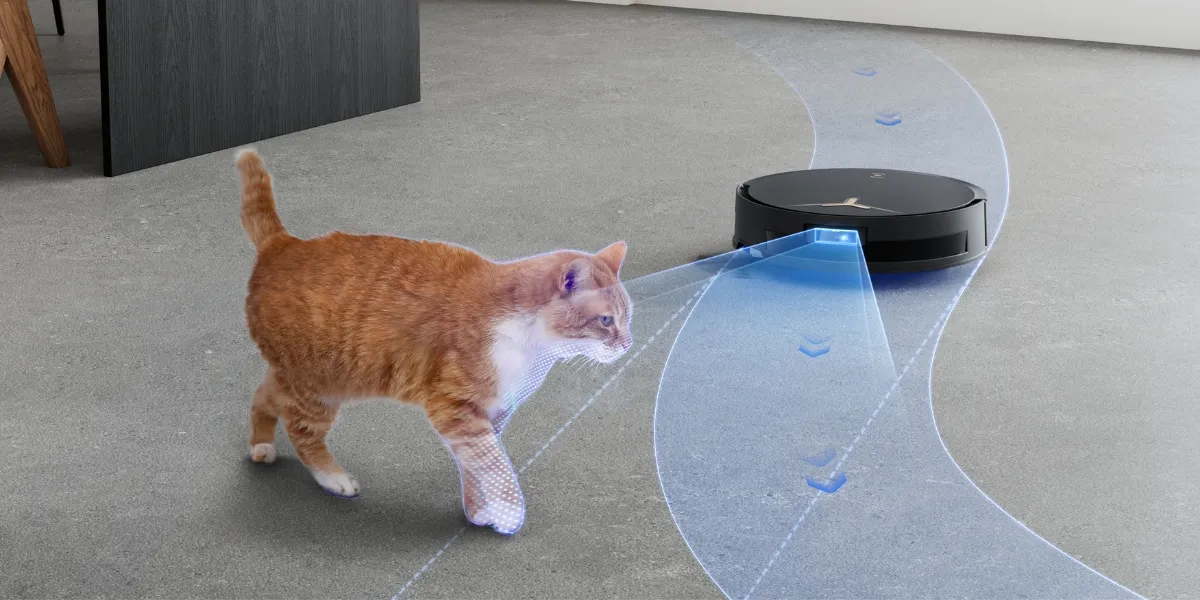
As a robot vacuum for hardwood floors, DEEBOT models come with various smart features that help clean delicate surfaces safely, including smart navigation to detect different floor types and adjustable cleaning modes accordingly. The gentle tools in the robot vacuum prevent scratches or dulling the finish, for example, the high-density nylon roller and Double-Effect Clean Solution featured in OZMO ROLLER 2.0 are safe for hardwood floors.
If you’re unsure about the correct settings, the DEEBOT X11 OmniCyclone uses AGENT YIKO, a self-evolving AI system that analyzes your home layout and floor types in real time and gives optimized recommendations on suction, water level, route, and routine.
FAQ
How Can You Keep Wood Floors Clean for Longer?
Use doormats to trap dirt, vacuum regularly, and clean spills immediately to prevent stains or swelling. Keeping humidity in control also helps preserve the wood’s natural balance and prevents cracking.
How to Prevent Scuff Marks on Hardwood Floors?
Place felt pads under furniture legs, avoid dragging heavy objects, and choose soft indoor shoes. Rugs or runners in high-traffic areas can also reduce friction and protect the finish.
How Can I Make Cleaning Wood Floors Easier?
A robot vacuum like DEEBOT automates daily dust removal and gentle mopping. Set schedules through the app for effortless, consistent cleaning that prevents buildup.
How to Restore Shine to Hardwood Floors?
Use a pH-neutral wood floor cleaner and a microfiber mop. If the finish looks dull, apply a manufacturer-approved polish or refinish every few years for a refreshed, glossy surface.
Related Products