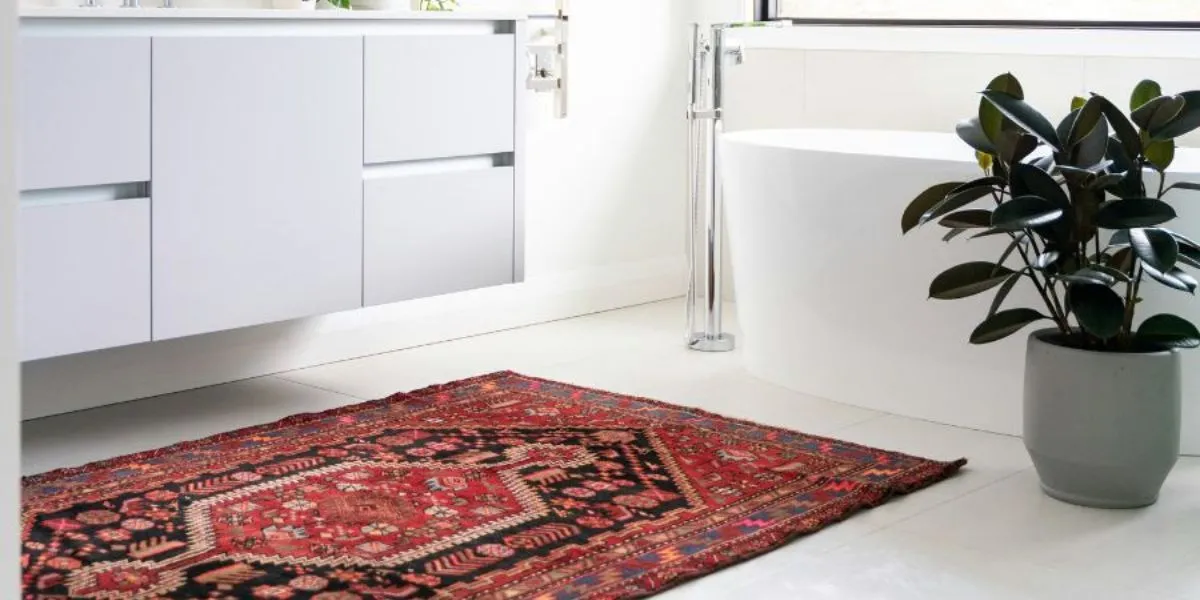

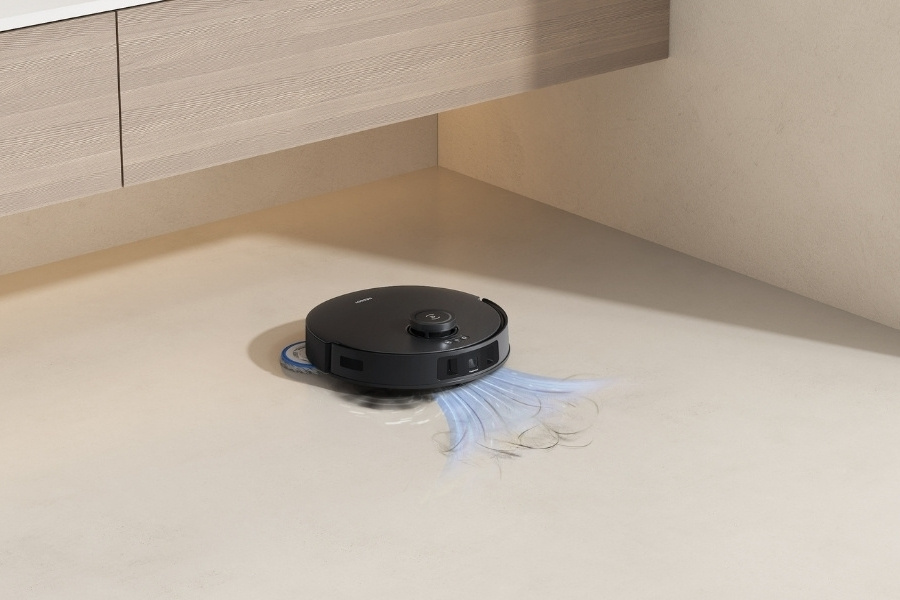
Tile flooring has always been a popular choice for kitchens, bathrooms, and living areas thanks to its durability and variety of designs. Whether porcelain, mosaic, or natural stone, tile brings a clean, polished look to any space. For families with toddlers and pets, its water resistance and easy maintenance make it practical for handling daily spills and stains.
Despite its tough exterior, tile flooring still requires the right cleaning routine to keep it looking its best; otherwise, grout lines can trap dirt, and the surface can lose its shine.
Can You Vacuum Tile Floors?
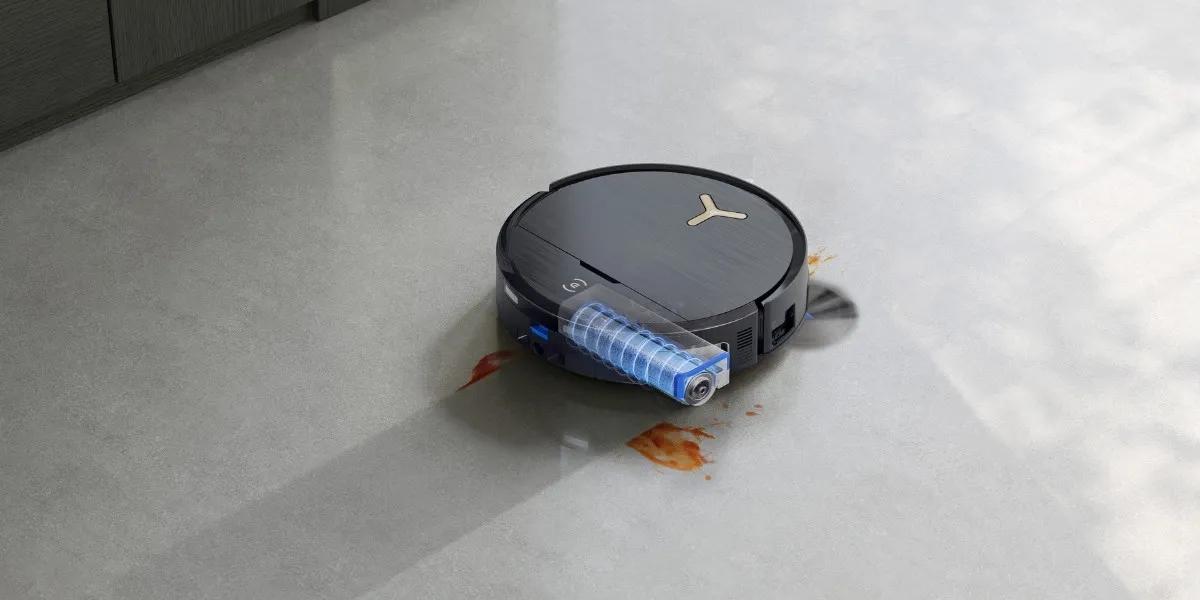
Yes, you can vacuum tile floors, especially with robot vacuum cleaners, and it’s one of the easiest ways to get dirt out of textured tiles and grout lines. Particularly, robot vacuums with mops are efficient and they don’t scratch floors, thanks to rubber wheels that protect the surface and mopping functions that leave tiles floors clean in one go.
However, it is important to be aware of the potential challenges when vacuuming tile floors:
- Hard debris scratching tiles: Sharp particles like grit or kids’ toys like small cars can leave fine scratches on shiny tiles. Dragging a vacuum over this debris can worsen the damage.
- Grout line buildup: Grout is lower than the surface, it easily traps dirt, and vacuuming tiles with weak suction or no crevice tool may make it hard to clean.
- Slippery wet tiles: Most vacuum cleaners are not built to handle water unless specifically designed for wet-dry use, since moisture can reduce traction and damage the machine. Avoid vacuuming the shower area right after use.
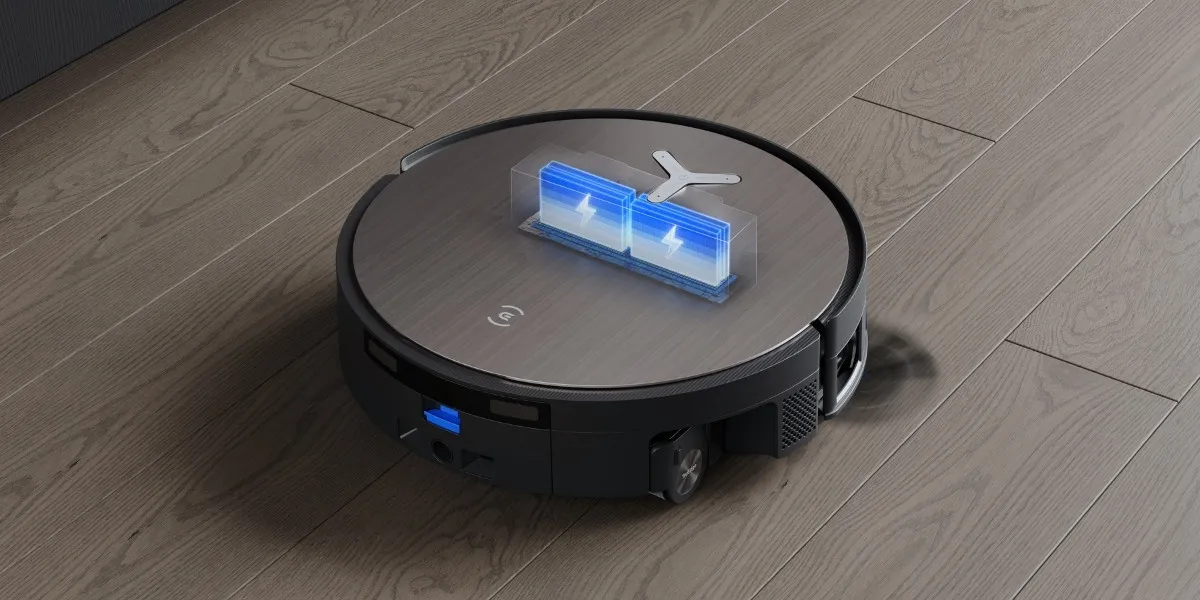
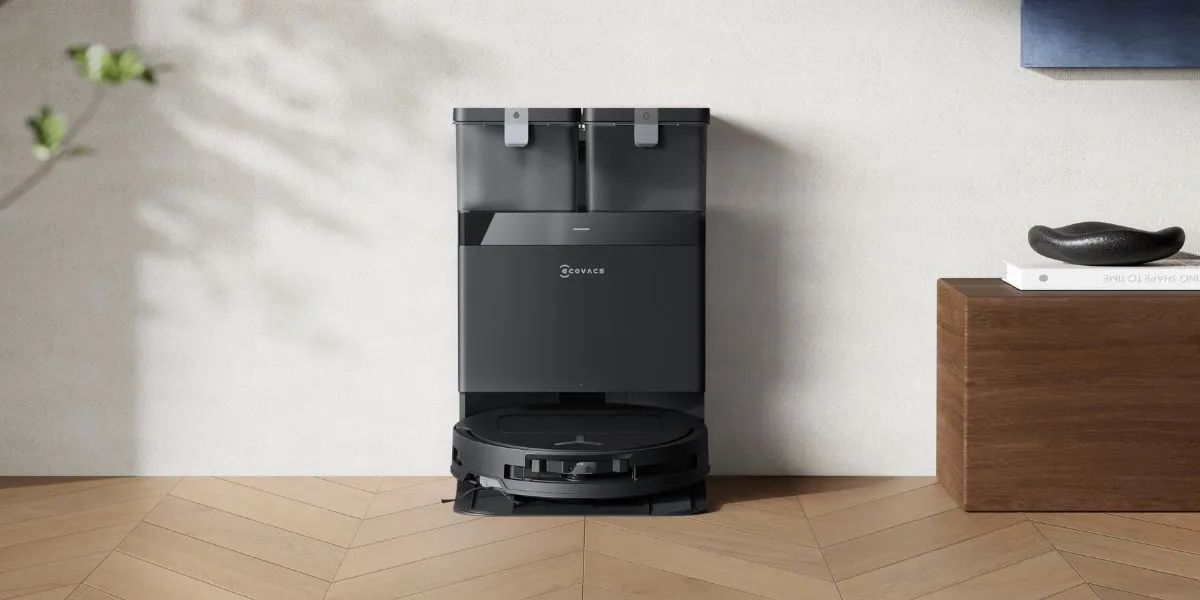
If your home has delicate floors, robot vacuums for tiles like DEEBOT are a great alternative to traditional vacuums, with soft wheels, obstacle detection, and a lightweight design to help prevent scratches and cracks while keeping tile floors free from dust and stains.
How to Vacuum Tile Floors Safely?
Vacuuming tile floors the right way helps preserve their appearance and extend their lifespan. To avoid scratching the surface, use a vacuum cleaner with the right suction settings and attachments, lift the brush, and move in straight lines. Also, work in sections to maximize coverage. Most importantly, stick to a regular vacuuming schedule to keep your tile fresh.
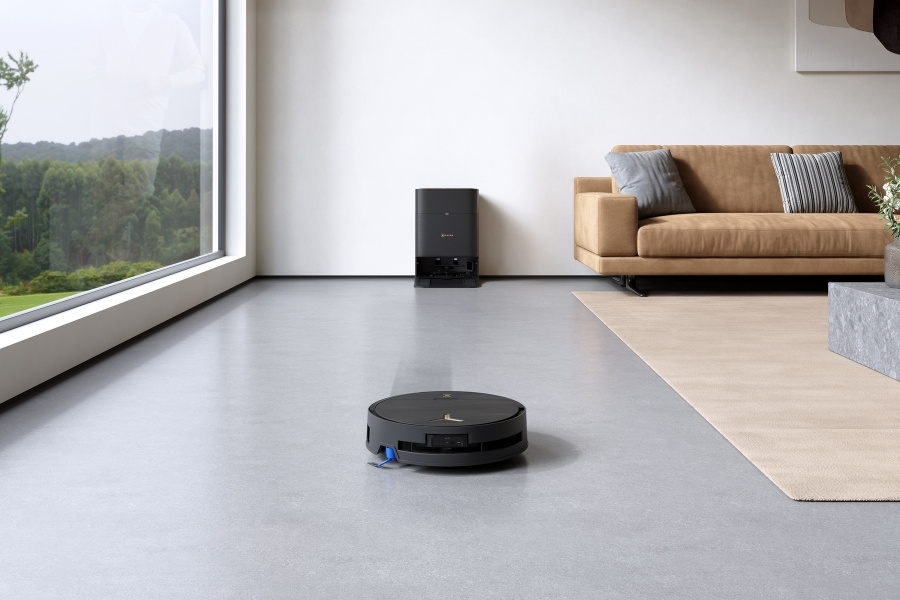
Use Hard Floor or Tile Mode
If your vacuum has a tile mode, switch it on before starting; this feature lifts the brush roll to prevent scratching the delicate finish.
With smart models like DEEBOT, the process is automatic, as sensors recognize different surface types and adjust their cleaning mode accordingly. The ECOVACS HOME app further supports this by letting users choose specific floor types, such as tile, for tailored cleaning.
Change to the Right Attachments
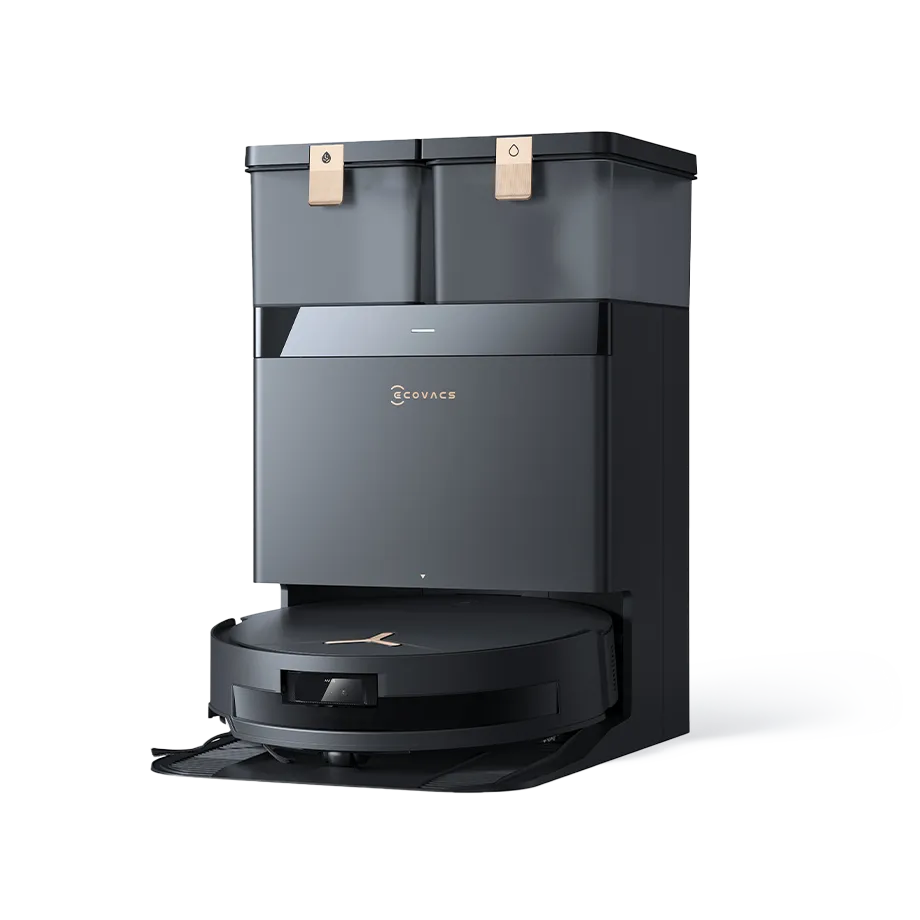
For vacuuming hard floors like tile, it is best to use a soft-bristle brush to avoid scratching the surface. You can also use a crevice tool, like the one that comes with the DEEBOT T30S Combo, to target grout lines or textured tile, and clean along baseboards and under sofas where debris builds up over time.
Prepare the Floor
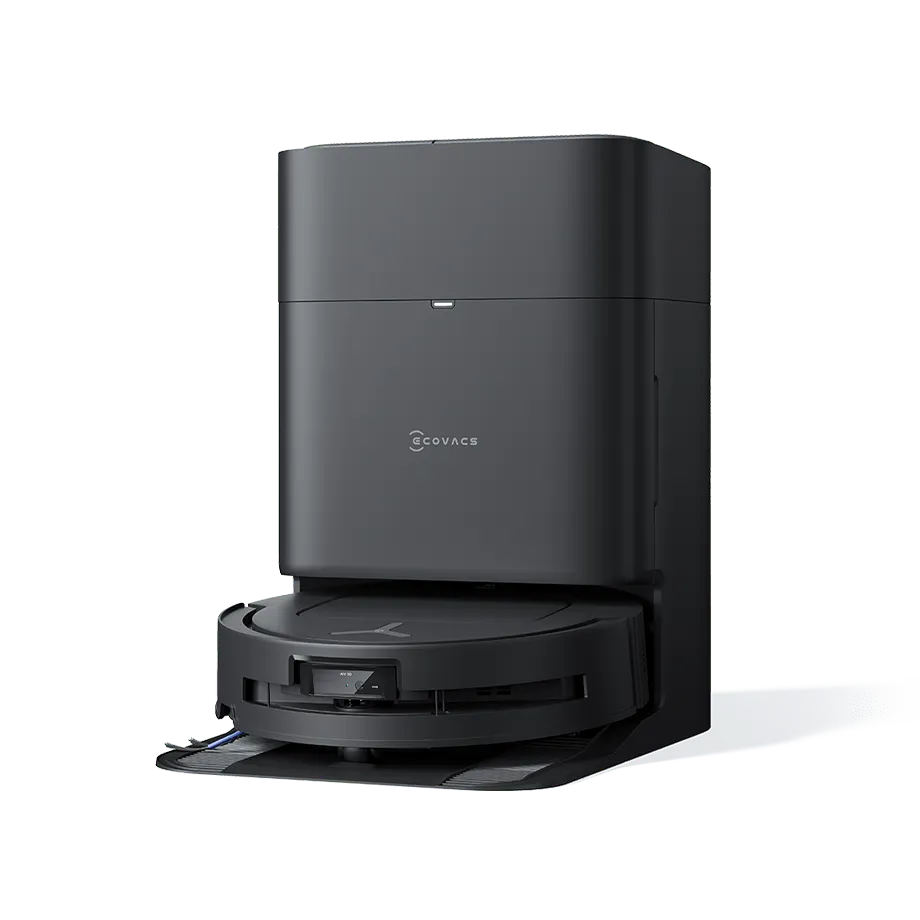
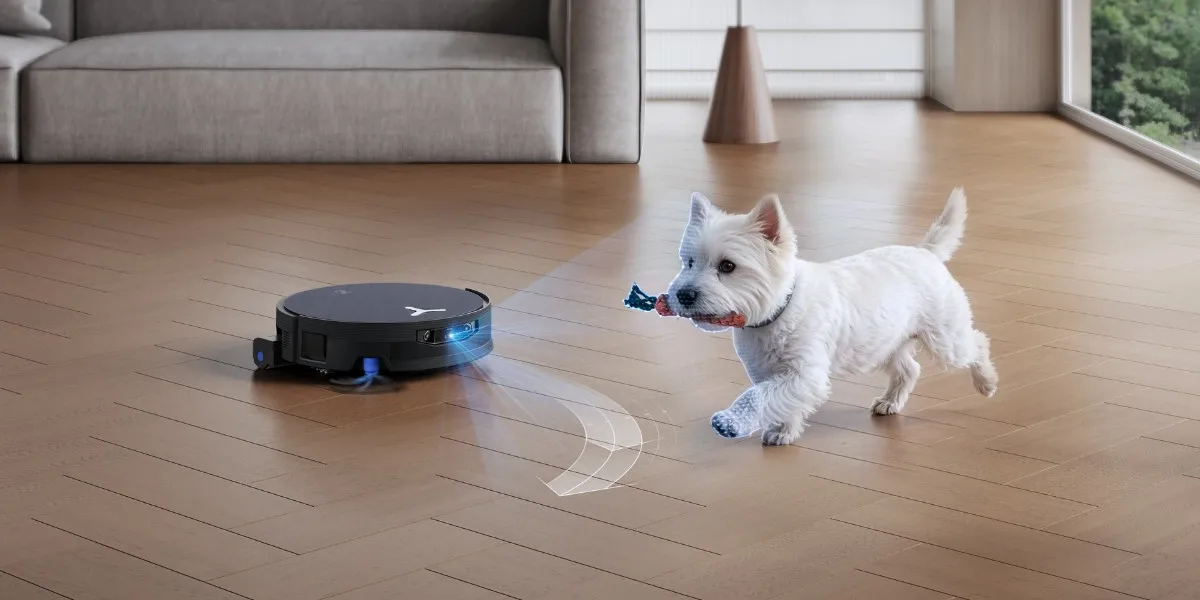
Remove large debris before vacuuming, like toys or food crumbs, to prevent the vacuum from pushing or scattering particles that could damage the surface. Premium robot vacuums such as the DEEBOT X9 PRO OMNI save you from this task with AIVI 3D 3.0 Omni-Approach Technology, which is powered by the VLM model and detects objects and their contours to stay close without hovering them.
Vacuum in Sections for Full Coverage
Working in organized rows instead of random motions, like those in older robot vacuum models, helps assure the entire room is covered. Nowadays, smart vacuums work in straight-line passes that pick up more dirt from grout and tile textures.
Always try to avoid abrupt circular movements in tile corners, as they can put unnecessary stress on fragile tiles and may lead to damage over time.
Adjust Suction Across Surfaces
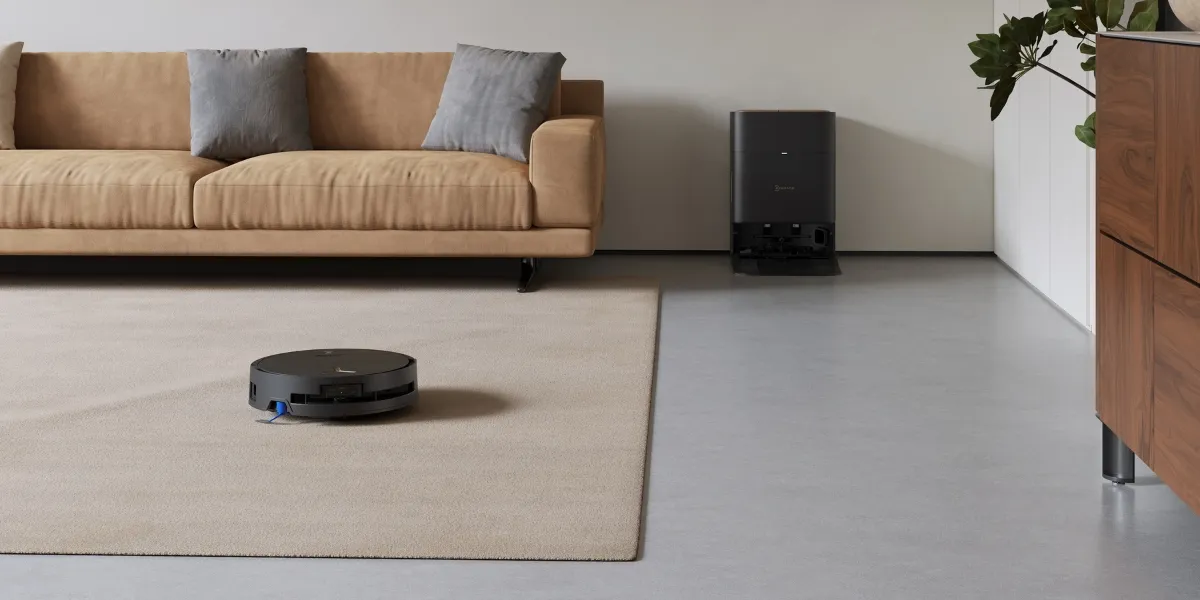
Lower it when cleaning tile in the kitchen and bathroom to avoid scattering dust. As you move to other rooms with carpeted floors, for instance, increase suction of the vacuum for deeper cleaning.
If you’re into automatic cleaning, the DEEBOT X9 PRO OMNI uses a TruEdge 3D Edge Sensor to switch modes when it detects carpet edges, then returns to the hard floor setting on tiles.
Maintain Your Vacuum
Picking up dust from tile floors over time can fill the dustbin and clog the filters. To prolong your vacuum’s lifespan, it is recommended to clean the filters, change the vacuum bags frequently, and replace worn parts when signs show. Proper maintenance helps maintain strong airflow and consistent suction for picking up dust and debris on tile floors.
Regular Cleaning Schedule
No matter which settings or strategies you use, they won’t be effective if you don’t vacuum your home regularly. Waiting too long between cleanings allows dirt to build up in the grout, making it harder and more time-consuming to remove later. Vacuuming tile two to three times a week is desirable, and you can increase the frequency if you have pets or allergies.
DEEBOT users can rely on the ECOVACS HOME app to maintain a regular cleaning schedule, especially if you tend to forget or lack the time to clean.
Use a Robot Vacuum for Tile Floors
Robot vacuums for tiles are a great way to maintain tile floors with minimal effort. Look for models with strong suction, adjustable settings, and scheduling features.
Advanced models like the DEEBOT X9 PRO OMNI feature an enhanced airflow design with Boosted Large-Airflow Suction Technology (BLAST) for stronger suction, along with OZMO ROLLER Instant Self-Washing Mopping Technology that remove stain thoroughly with 3,700Pa mopping pressure and up to 220 rpm rolling speed. Its flannelette roller mop is gentle enough for delicate tile floors.
FAQ
Should I sweep or vacuum tile?
If you’re wondering whether you should sweep or vacuum tile floors, vacuuming removes fine dust, pet hair, and allergens more thoroughly and traps them in a dustbin instead of scattering them. However, you should sweep before vacuuming as it helps prepare the floors by clearing away stones, sand, or small objects like toys that could scratch or damage tiles if vacuumed over.
Can I vacuum outdoor tiles?
No, if your vacuum cleaner is not built for weather exposure, rough surfaces, or large debris like rocks, you should not use it on outdoor tiles. For example, robot vacuums are not recommended for outdoor patios, as uneven surfaces can damage the body.
Why is my tile floor still dusty after vacuuming?
Dust may remain if your vacuum cleaner has weak suction or lacks the proper attachments to pick up dirt effectively. A clogged filter or full dustbin can also cause airborne dust to resettle, so regular cleaning and maintenance are key.
Related Products