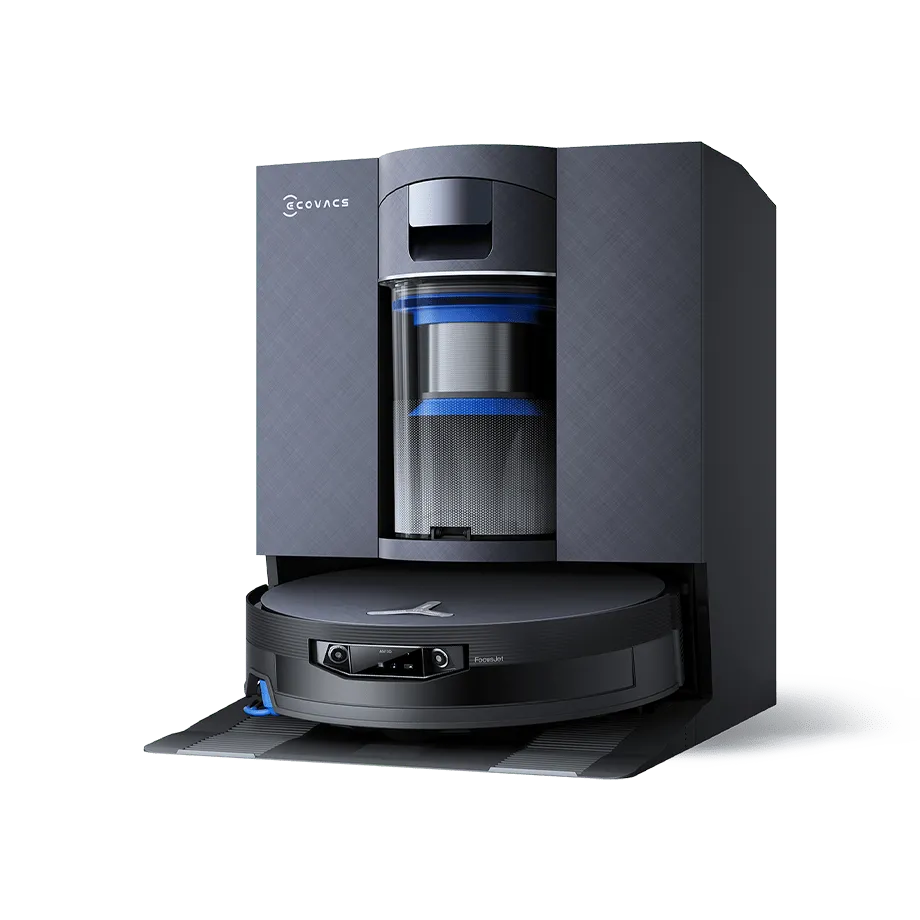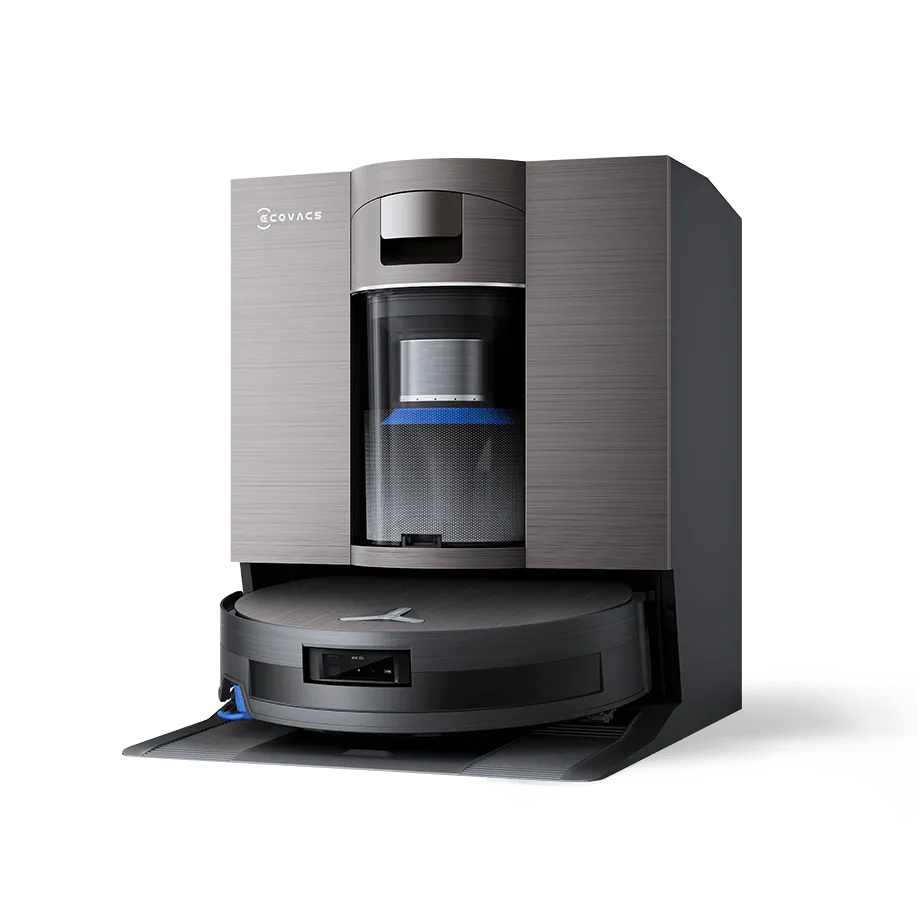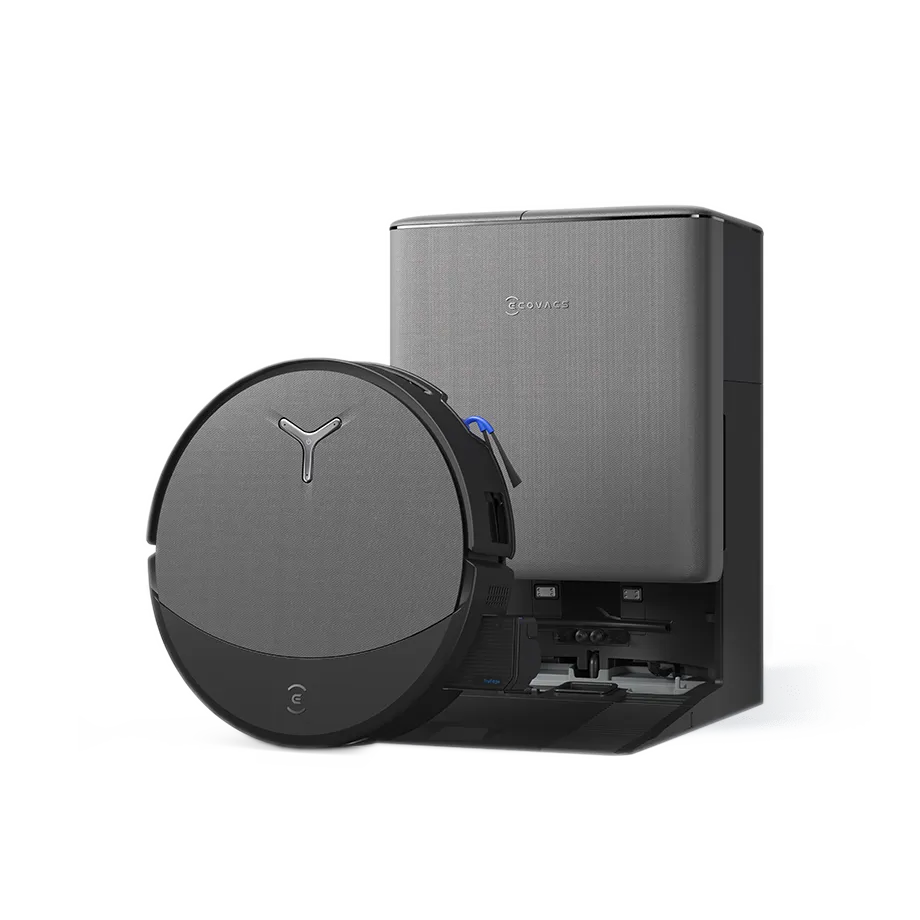
According to an ECOVACS survey, nearly a third of Gen Z and Millennial Americans rank cleaning up after kids or guests as one of their toughest daily hurdles. That’s why many people wonder if robot vacuums tackle outdoor patios and decks.
Despite the potential convenience, robot vacuums are designed for indoor use; attempting to use them outside can expose them to excessive dirt, moisture, and extreme temperatures, which may damage the device and even void its warranty.
This article breaks down the key factors to consider about outdoor use, why robot vacuums struggle outdoors, what can go wrong, and the best tools for cleaning patios safely.
Can Robot Vacuums Clean Outdoor Spaces?
Most robot vacuums and mops aren’t designed for outdoor patios, where rough textures, larger debris, and shifting light can confuse navigation and strain the motor. While their suction can pick up dust and debris, dew and larger outdoor debris still pose a risk of damage. Some manufacturers may also treat damage from outdoor use as misuse and void the warranty.
What Are the Challenges of Cleaning Outdoor Patios?
Before you try a robot outside, it helps to know what makes patios harder to clean than indoor floors and why these conditions can affect performance and reliability:
- Challenges on uneven and rough surfaces: Outdoor patios often have textured concrete, stone, grout lines, and gaps between boards. Robots can’t seal against these edges, so grit stays behind. Wheels and brushes also snag on thresholds, cracks, and rough finishes, even when you follow how to vacuum properly indoors.
- Weather and moisture: Dew, sprinkler mist, and sudden drizzle can reach sensors and electronics. Even “dry” patios hold damp residue early morning or after shade. Moisture can trigger errors, weaken performance, and shorten how long robotic vacuums last compared with protected indoor use.
- Debris size: Outdoor debris is larger and heavier than indoor dust. Twigs, pebbles, acorns, and large wet leaves can jam rollers, clog the intake, and block airflow. The motor works harder, heat builds up, and robot vacuums’ suction power drops quickly.
- Hazardous waste: Avoid running a robot where bird droppings, animal waste, or spilled food residue are present. The robot can smear contamination across the surface, then track bacteria indoors on wheels and brushes. This is especially risky if the unit is used both outside and inside.
- Wi-Fi compatibility and navigation limits: Outdoor Wi-Fi can be spotty, and patios have fewer stable reference points, so positioning drifts and mapping become unstable. Even after you connect the robot vacuum to Wi-Fi, the robot may wander, miss zones, or behave unpredictably, like when smart vacuums get stuck.
Are Robot Vacuums Designed for Outdoor Use?
Most robot vacuums are designed for controlled indoor conditions, so outdoor exposure creates risks the device isn’t built to handle.
- Weather-resistant design: Most smart vacuums aren’t weatherproof. Rain, dew, and humidity can seep into ports and seams and affect electronics and sensors, while heat and cold weather can also stress plastics and seals.
- Battery, motor, and airflow risks: Outdoor grit and sand build up fast and can restrict airflow and make the motor work harder and run hotter, which can reduce robot vacuum’s battery life and increase long-term mechanical wear.
- Mapping limits and containment reliability: Even on robot vacuum cleaners with mapping, outdoor layouts are harder to “hold” because there are fewer consistent landmarks and robotic vacuums may stop suddenly.
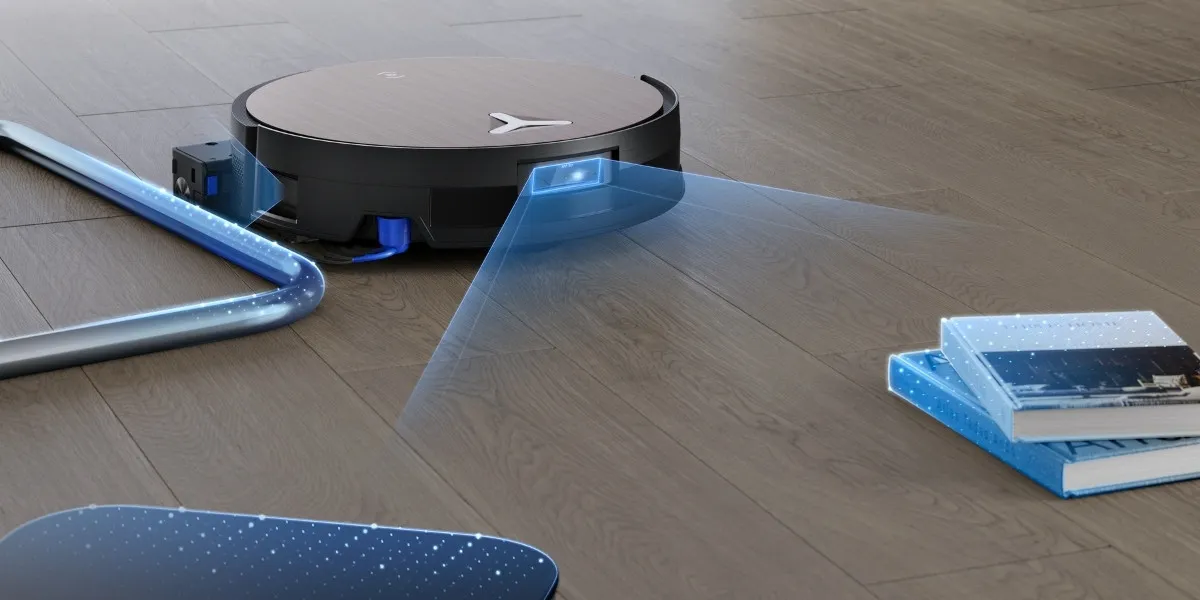
- Sensor challenges in sunlight: Bright sunlight can interfere with cameras, infrared, and even LiDAR robot vacuums. This affects distance reading, and robot vacuums with obstacle avoidance may miss areas, false stops, or navigation loops.
- Cliff and fall risks near steps or edges: Patios often have steps, ledges, drain channels, and pool edges. Smart vacuums fall down stairs as dark-colored surfaces without protective barriers may not be detected by their sensors.
- Warranty and misuse risks: Manufacturers typically rate these devices for indoor use. Damage linked to outdoor debris, water exposure, or falling off edges may be treated as misuse and rejected under warranty.
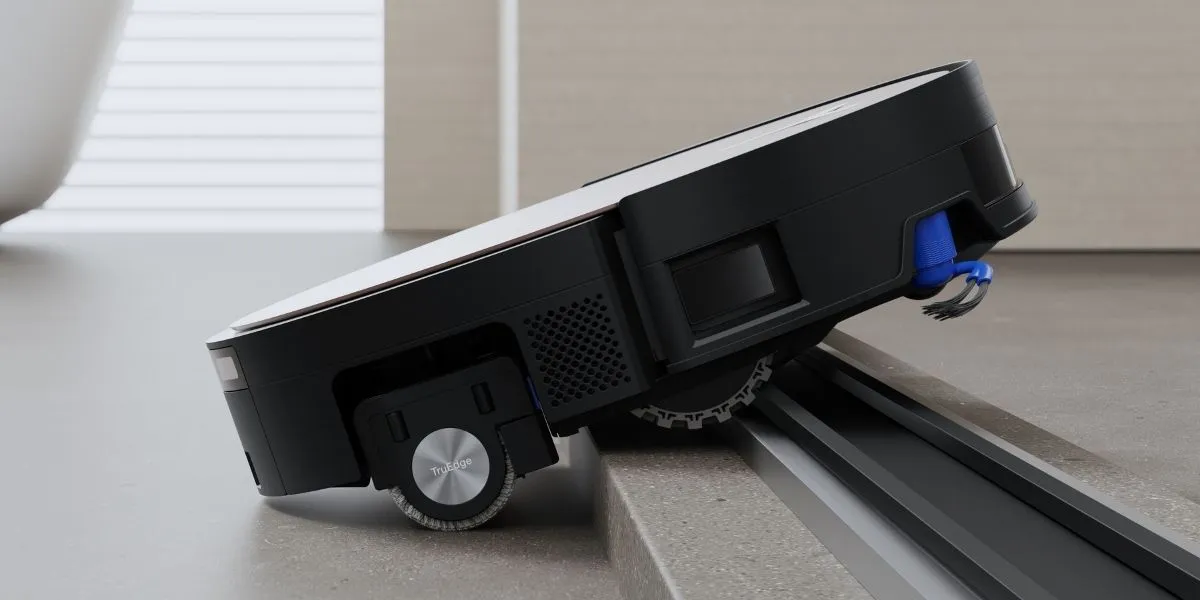
DEEBOT robot vacuums are designed to clean a range of indoor floor surfaces and navigate complex home layouts. Their sensors, brushes, and motors are built for real-time challenges like detecting opening doors and transitioning between carpet and hard floors, supporting safe operation and product longevity while delivering consistent performance in a stable indoor environment.
What Are Better Alternatives for Outdoor Cleaning?
Depending on the type of space, there are better alternatives to robotic vacuums for cleaning patios and other outdoor areas. Tools like brooms, wet & dry vacuums, pressure washers, and leaf blowers are better suited for clearing fallen leaves and yard debris, and for handling uneven surfaces and weather exposure.
Here’s a quick guide to the best tool for different outdoor cleaning jobs:
|
Cleaning Tools |
Cleaning Targets |
|
Broom & mop |
Light debris and spot-cleaning on textured surfaces |
|
Leaf blower |
Dry leaves and dust |
|
Wet and dry vacuum cleaner |
Sand, grit, and puddles |
|
Pressure washer |
Algae, moss, or stains |
|
Squeegee and hose |
Pool decks and standing water |
Broom & Mop
For patios and rooftops, a simple broom is the most practical solution for sweeping away dirt and leaves. With a light and portable design, brooms can take on gaps between deck boards, tight corners, and textured surfaces with ease. A traditional mop is a great option to help spread cleaning solutions and remove excess water after rinsing, especially on poolside areas.
Wet & Dry Vacuums
For backyard paved areas and poolside spaces, a wet & dry vacuum is one of the best alternatives. Designed for outdoor use, these vacuums can pick up dry debris like dust and sand, as well as wet messes like rain puddles. Their large intake ports and strong airflow can lift heavier debris more efficiently.
Pressure Washers
With high-powered water jets, a pressure washer is the most effective tool for removing algae, moss, and stains from rough outdoor surfaces. Whether you are cleaning concrete floors, stone, brick, or masonry, this method is the best way to reach embedded grime between cracks and crevices that sweeping won’t remove.
Leaf Blowers
A leaf blower is ideal for clearing dry leaves, dust, and loose debris from large, open outdoor areas if your house is near trees or deals with frequent leaf drop. Beyond leaves, it can also help dry outdoor furniture or poolside surfaces after rain.
Squeegee or Hose
A squeegee or garden hose is a simple way to keep surfaces clean and slip-resistant by removing water and debris before stains set in. A hose with a spray nozzle can rinse away chlorine residue and sand, while a squeegee removes standing water to reduce algae growth and slippery spots, especially important around pools.
FAQ
Can robot vacuums handle wet surfaces?
No, robot vacuums should not be used on wet surfaces. Exposure to moisture, including rain or standing water, can cause irreversible damage to internal components, which may not be covered under warranty. That being said, for coffee stains or other small indoor spills, a robot vacuum with a mop can safely spot-clean the area.
What are the best robot vacuum cleaners for outdoor patios?
Most robot vacuums, including DEEBOT models, are not designed for outdoor use. Exposure to moisture, extreme temperatures, and rough surfaces can damage motors, sensors, and batteries. Instead, a wet & dry vacuum, pressure washer, or leaf blower is a better alternative for outdoor patios.
Can robot vacuums clean a lanai or veranda enclosed with a roof?
No, a covered lanai or veranda still isn’t truly safe for most robot vacuums. Even though robot vacuums for tiles are equipped with powerful suction, dew and humidity can affect electronics, and thresholds can further increase fall accidents. More importantly, using the robot in these areas may still be treated as outdoor use and void the warranty.
Related Products