
Elegant, luxurious, and timeless are just a few reasons why people like marble floorings. Commonly found in living rooms, kitchens, bathrooms, and entryways, the latest trend focuses on its bold character, warm tones, and organic texture. However, this natural stone surface is porous and can be sensitive to strong chemicals like vinegar, bleach, or ammonia. Scratches from debris or abrasive tools also show easily due to the polished surface.
Marble floors are a major investment. To prolong its lifespan, learn safe mopping steps, recommended cleaning tools, and key mistakes to avoid.
What’s the Best Way to Clean Marble Floors?
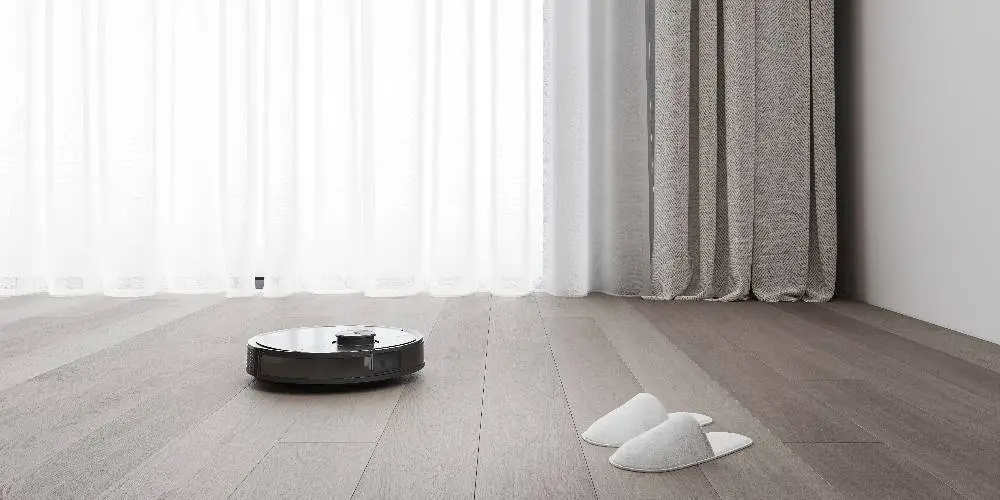
The best way to clean marble floors starts by removing loose dirt with a soft broom or a robot vacuum in hard floor mode. Then, mop using a damp mop and a marble-safe cleaner. Make sure to dry the floor immediately to prevent water spots. A robot vacuum and mop help maintain the floor consistently to keep it spotless.
Can You Mop Marble Floors?
Yes, you can mop marble floors, and it’s best to use a damp mop, not wet, and a mild cleaner. Do not use acidic ingredients such as vinegar or lemon, while excess water should be avoided because marble absorbs moisture and leads to stains or cloudy marks. Drying the surface fully after mopping helps maintain clarity and shine.
How to mop your floors also depends on the marble finishes: polished marble has a glossy surface and shows scratches more easily, so gentle cleaning is key; honed marble is matte and hides wear better but can stain faster; tumbled marble has more texture and may need more frequent cleaning.
Read more: How to Clean Laminate Floors?
Should You Vacuum or Sweep Marble Floors?
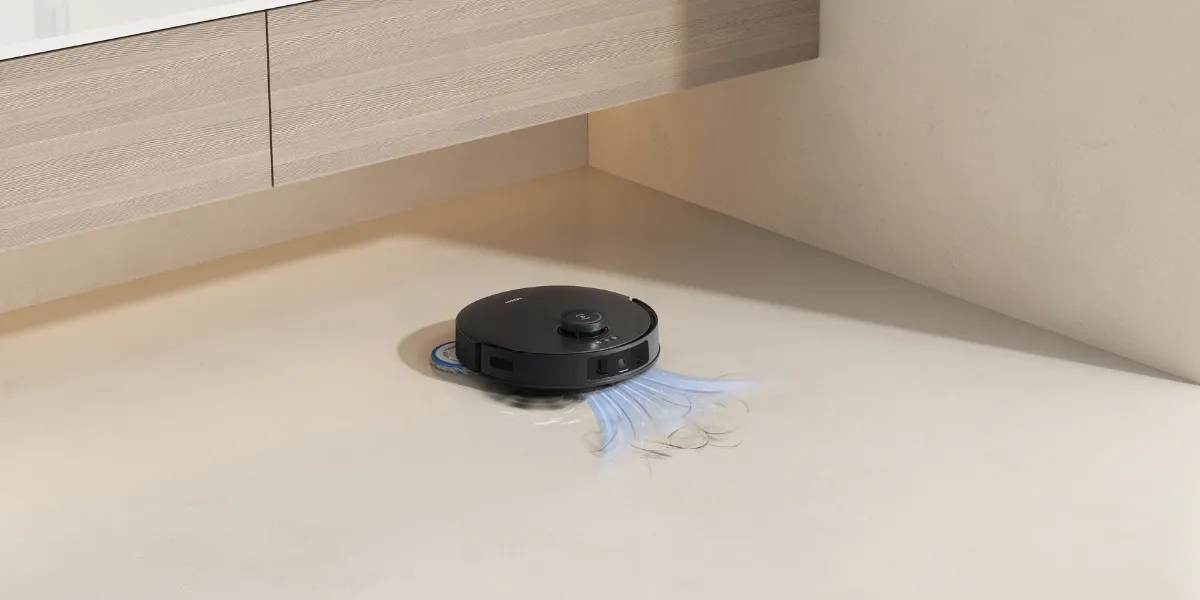
While you should clean marble floors regularly to prevent dirt from scratching the surface, vacuuming is generally more effective than sweeping, particularly with a robot vacuum. Its strong suction and soft roller brush lift debris instead of dragging it across the delicate stone. The high-efficiency filter also captures allergens securely, whereas sweeping can push fine dust into the air.
As you would when vacuuming hardwood floors, choose a brush or broom with soft bristles and remove small pebbles or sharp objects in advance to limit marks when moved. A robot vacuum is also better than a traditional one; unlike the soft brushes, the beater bar can damage the surface.
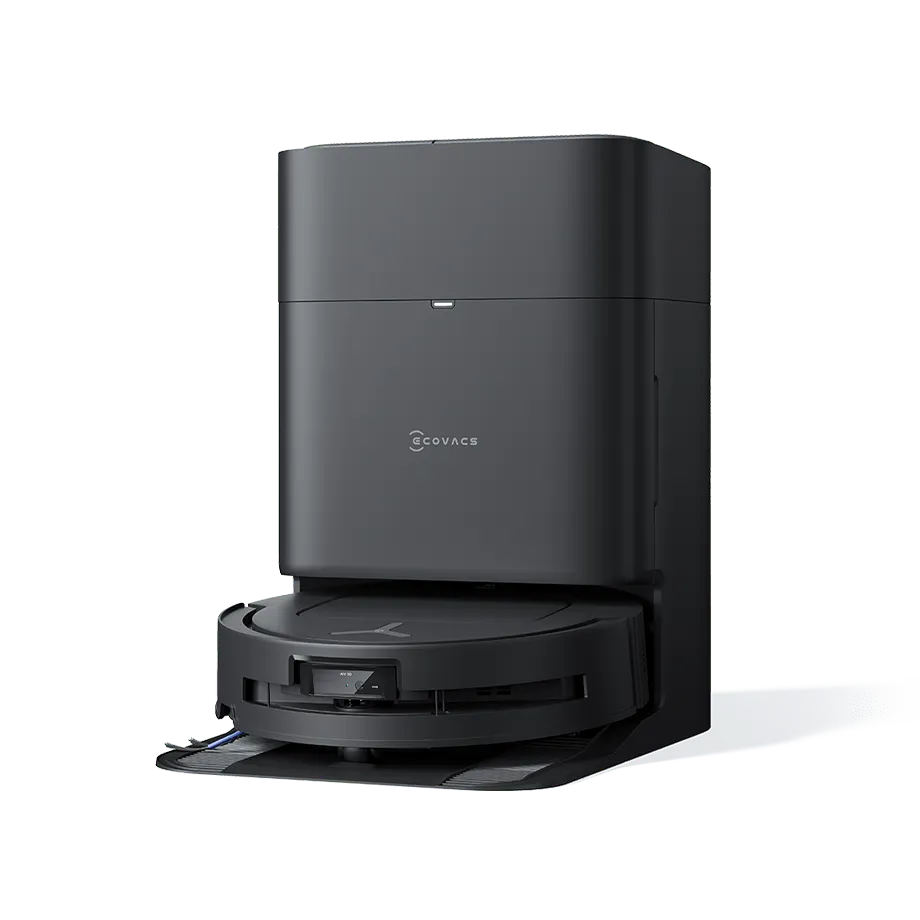
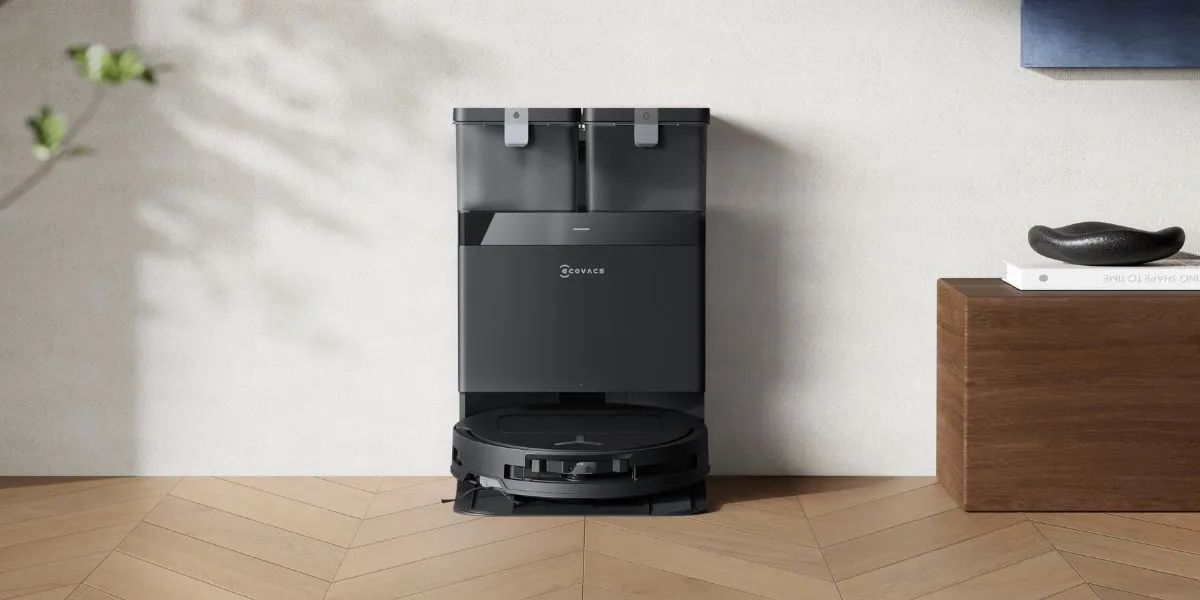
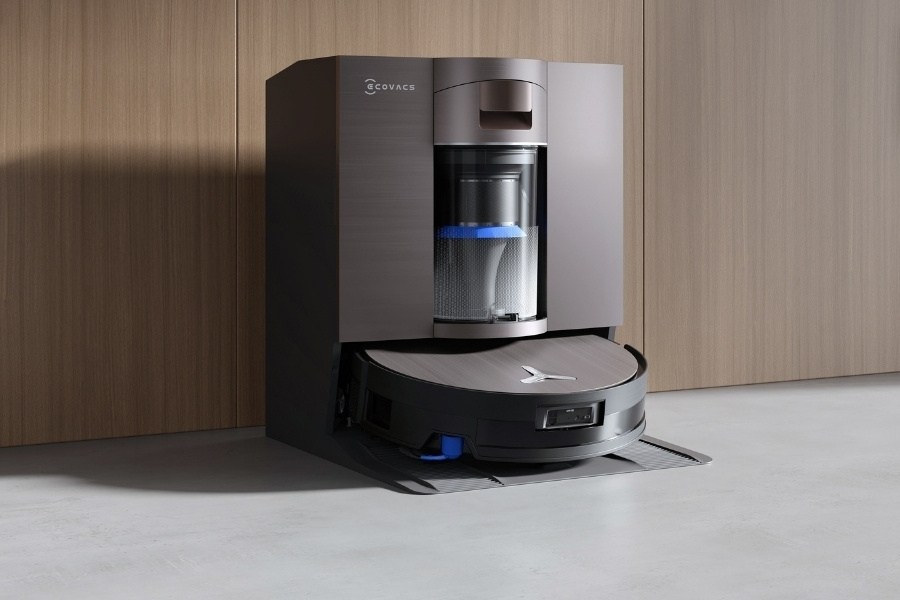
If you find it difficult to learn how to vacuum properly, you can choose robotic vacuums like the DEEBOT X11 OmniCyclone that let you adjust the suction power up to 19,500 Pa1 for a gentle yet thorough clean. Make sure the wheels, pads, and nozzles are clean and free from grit.
What Tools Should You Use to Clean Marble Floors?
To prevent scratches, use cleaning tools made with soft materials, such as a soft broom with nylon or polyester bristles, a microfiber mop, and robot vacuums with soft-bristle brushes. Pair these with a pH-neutral cleaner made from mild dish soap and warm water, or a dedicated solution.
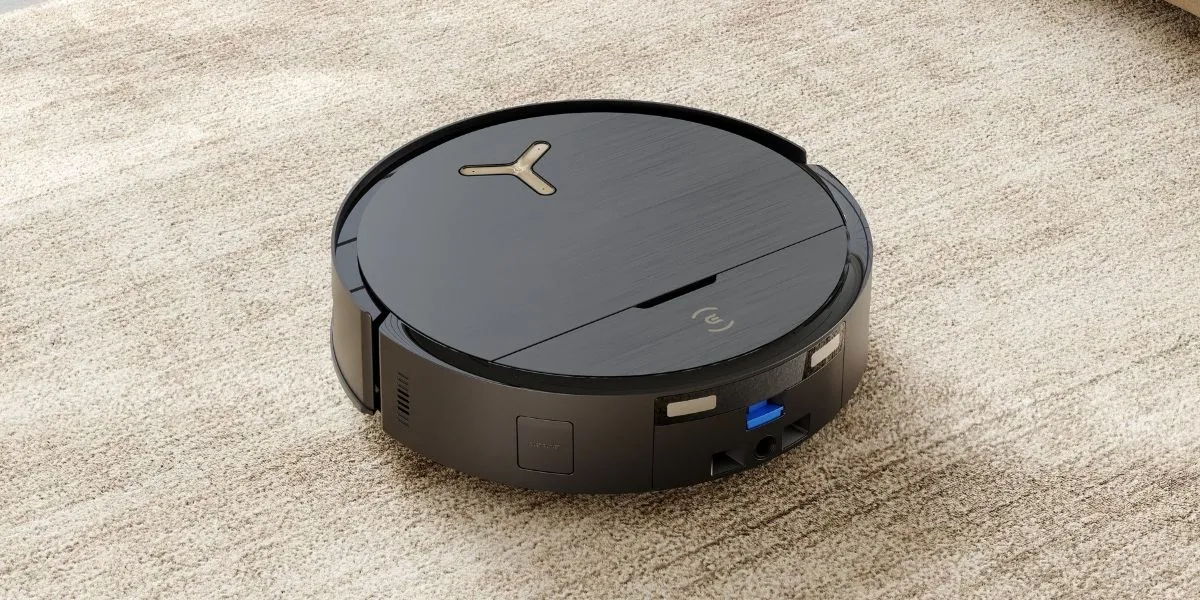
Other useful tools include a dust mop can help with quick touch-ups, and extra microfiber towels are useful for drying the floor. As a smart alternative, DEEBOT robotic vacuums clean marble floors on a preset schedule, detect and adjust their cleaning pattern and number of passes to remove stains effectively.
Read more: How To Clean Bamboo Floor?
How to Clean Marble Floors?
Cleaning marble floors should avoid scratches; therefore, remove loose dirt first with a soft broom or a robot vacuum with soft brushes. Then, mop the surface with a damp mop and a mild cleaner. Stay away from acidic or abrasive products. Make sure to dry the floor right away to prevent water spots and even deterioration of the structure.
Step 1: Remove Dust and Debris
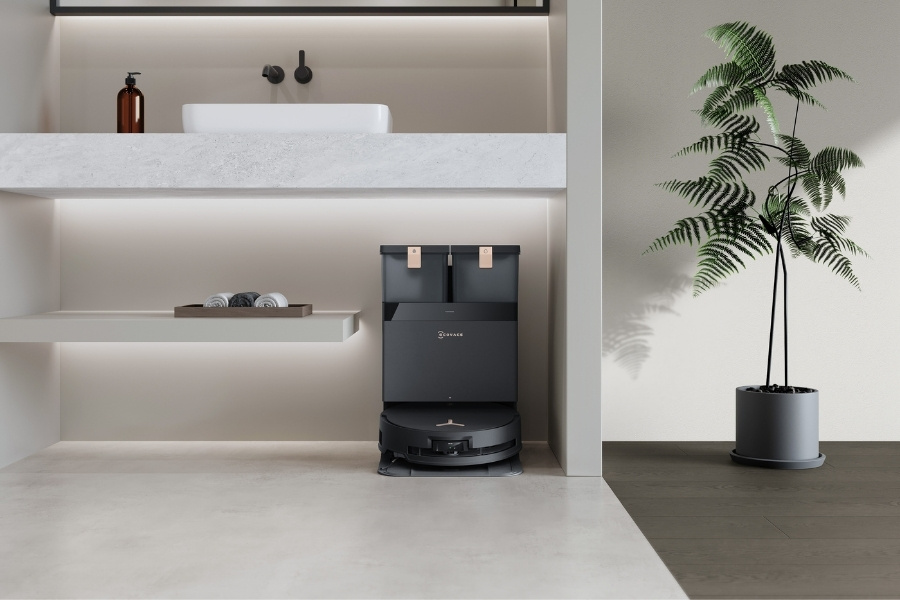
Dirt particles can scratch floors when dragged across marble during mopping. Therefore, start by removing pet hair, dirt, and grit from the surface. Whether you sweep or vacuum, ensure the tool has soft and gentle materials; for example, hard vacuum heads or a beater bar may leave marks and dull the polished finish.
When setting how often to vacuum your floors, adjust the routine based on foot traffic, pets, and the season, such as more frequently in the kitchen to remove food crumbs.
Read more: How to Clean Tile Floors?
Step 2: Mix a Gentle Cleaning Solution
Next, prepare the cleaning solution. One option is to mix a small amount of dish soap with warm water to create a mild cleaner, or you can use a dedicated marble floor cleaner.
Regardless of the type of cleaner you’re using, check whether it contains acidic ingredients like vinegar or lemon, or strong alkalis like ammonia, as they can etch or discolor the marble. For darker marble, test your cleaner on a hidden section first.
Those using robot vacuums and mops can pair them with brand-certified cleaning solutions to keep both the machine and the delicate floors safe.
Read more: How to Clean Concrete Floors?
Step 3: Mop Gently
Marble is moisture sensitive, so dip the mop into the bucket, let it absorb the cleaner, and then wring it until it is only slightly damp. Mop small sections in light, controlled strokes.
Refresh the bucket if the water becomes cloudy, since dirty water can leave streaks, particularly on light-colored marble. Standing water should not remain on the surface for long, as it can discolor or damage the stone.
Step 4: Rinse With Clean Water
If you use a DIY cleaner, the residue may leave a film that dulls the surface; thus, re-mop the area with clean water. The DEEBOT cleaning solution will not leave residue and saves you this step.
For DEEBOT models with OZMO ROLLER 2.0, such as the DEEBOT X11 OmniCyclone, the mop pad is continuously refreshed during mopping, helping maintain hygiene and preventing muddy streaks.
Step 5: Dry and Buff
Dry the marble immediately using soft microfiber towels or a chamois cloth. Buff in gentle circular motions to help restore the natural shine.
This step is important because hard tap water contains minerals; if you do not dry marble floors in humid areas like Florida, the minerals can lead to unsightly deposits or even discoloration. Distilled water can reduce this risk, but drying the floor right away is still the best approach.
Read more: How to Clean Vinyl Floors?
How Often Should You Clean or Mop Marble Floors?
Normally, sweep or vacuum marble floors two to three times per week to remove dust and grit, then mop every one to two weeks, which is sufficient for most American households. High-traffic areas such as kitchens, bathrooms, and entryways may need more frequent cleaning, and spills should be wiped immediately to reduce the chance of stains or water spots.
If you use a robot vacuum and mop like DEEBOT X11 OmniCyclone, you can benefit from the scheduling function. You can preset how often to mop your floors in different zones through the ECOVACS HOME app and start or pause cleaning remotely. This quiet robot vacuum runs without disrupting naptime or online meetings.
What to Avoid When Cleaning Marble Floors?
Marble is sensitive to harsh chemicals, including both acidic and alkaline cleaners. Abrasive tools like scouring pads and traditional vacuums with beater bars can scratch the stone and should be avoided. As a porous material, marble is also prone to moisture damage if it is not properly sealed or if the sealant is not well-maintained.
To understand what can harm marble and why, keep the following in mind:
- Acidic cleaners: Vinegar or lemon juice can react with the calcium carbonate in marble, causing etching, fading the polished shine, and in severe cases, permanently dulling the finish.
- Alkaline cleaners: Bleach can chemically burn the marble surface and break down its sealant, leaving the stone more vulnerable to stains and water damage.
- Abrasive tools: Stiff brushes and scouring pads are too rough and can scratch marble, wearing down the top protective layer. Even small scratches can be noticeable on polished marble because of the way it reflects light.
- Excessive water: Marble absorbs moisture, and over-wet mopping can lead to dark staining or rust spots if the stone contains iron oxide. Do not let water sit on the surface.
- Hard water: Hard tap water contains calcium and magnesium, which leave white, dull, crusty deposits known as limescale. When this builds up on marble, it can dull the surface.
- Skipping marble sealant maintenance: Marble should be resealed every 8 to 12 months. Sealant protects the porous surface from stains, moisture, and dullness. If skipped, damage can develop more quickly.
Read more: How to Clean Wood Floors?
How ECOVACS Can Help Clean Marble Floors?
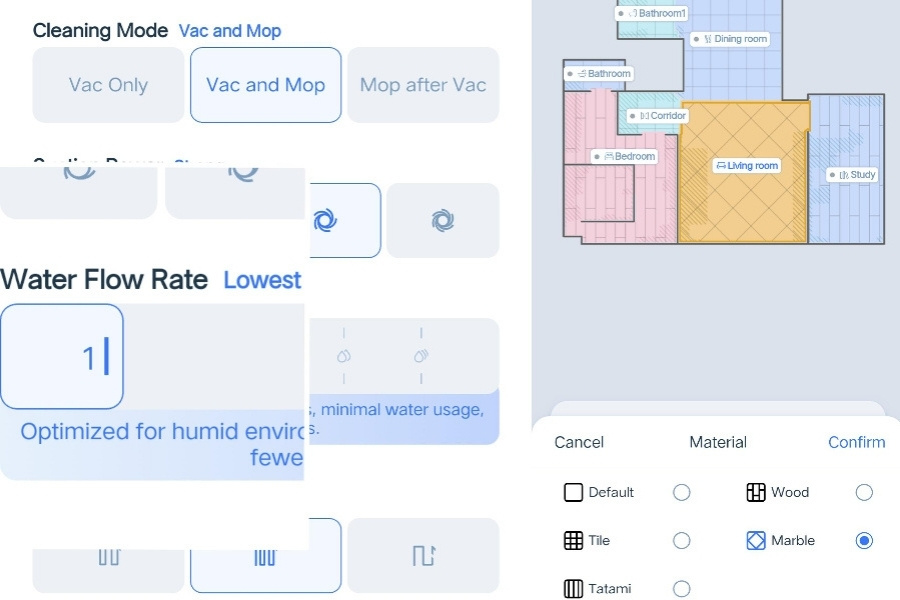
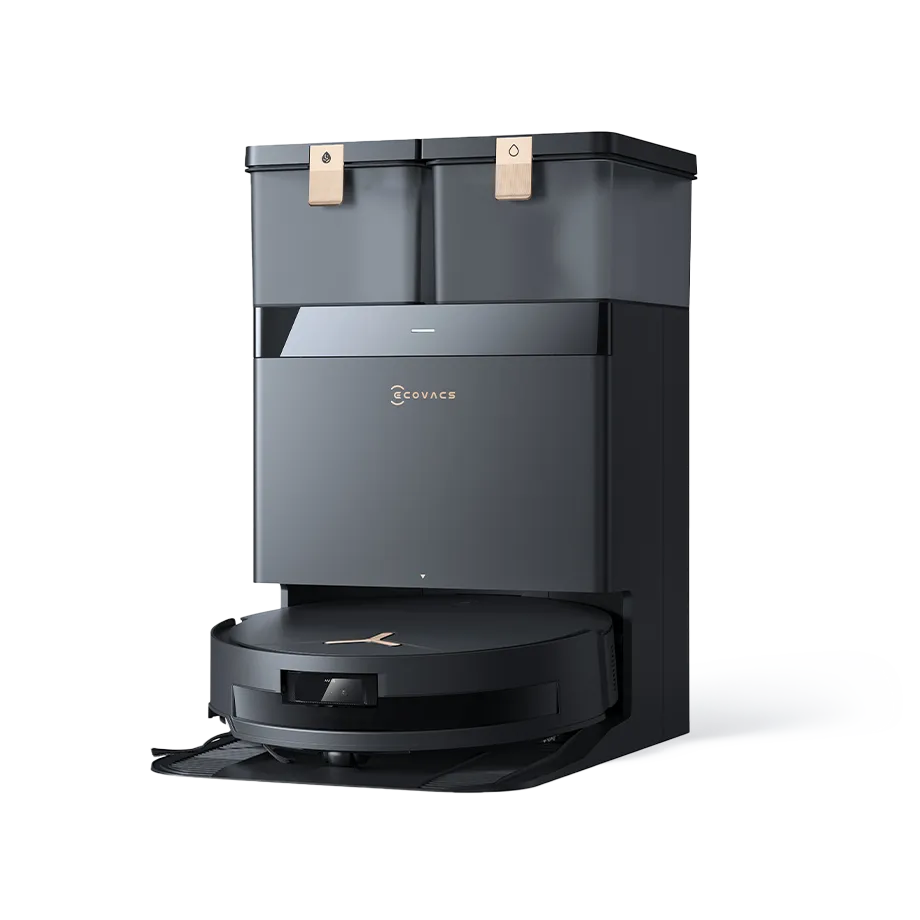
Equipped with smart features and customizable settings, DEEBOT robot vacuums for marble floors help you clean marble floors safely and precisely. Through the ECOVACS HOME app, you can schedule cleaning times based on your routine, then adjust suction and water levels by room. One example is DEEBOT X8 PRO OMNI. If you prefer no water on marble floors, set the living room surface to “Marble”, and the mop will lift and vacuum only. You can also choose from up to 50 adjustable water levels when needed.
Premium models with OZMO ROLLER 2.0, such as DEEBOT X11 OmniCyclone, scrub and rinse at 200 rpm with a high-density nylon roller that stays gentle while removing stains. The OMNI Station washes and dries the mop using hot water soaking at 167°F to lift deep grime and keep the roller fresh for the next cleaning session.
FAQ
How Can You Keep Marble Floors Clean for Longer?
Vacuum and mop regularly to prevent grit from marking the surface. Wipe up spills right away and do not leave water sitting on the floor. Reapply marble sealant every 8 to 12 months to block stains and moisture in high-traffic areas.
How to Prevent Scuff Marks on Marble Floors?
Use felt pads under all furniture legs. Lift items instead of dragging them. Rugs or runners in high-traffic hallways and entrances help minimize friction from shoes.
How Can I Make Cleaning Marble Floors Easier?
A self-emptying robot vacuum and mop like DEEBOT reduces daily upkeep. You can schedule cleanings, select settings for different zones, and remotely send the machine to clean as needed.
How to Restore Shine to Marble Floors?
If the floor still looks dull after cleaning, use a baking soda paste or a marble polishing powder to restore shine. If the result is still not satisfactory, consult a professional polishing service.
Disclaimer(s):
- 19,500Pa: This data comes from ECOVACS laboratory. The suction power of DEEBOT X11 OmniCyclone can reach 19,500Pa.
Related Products