
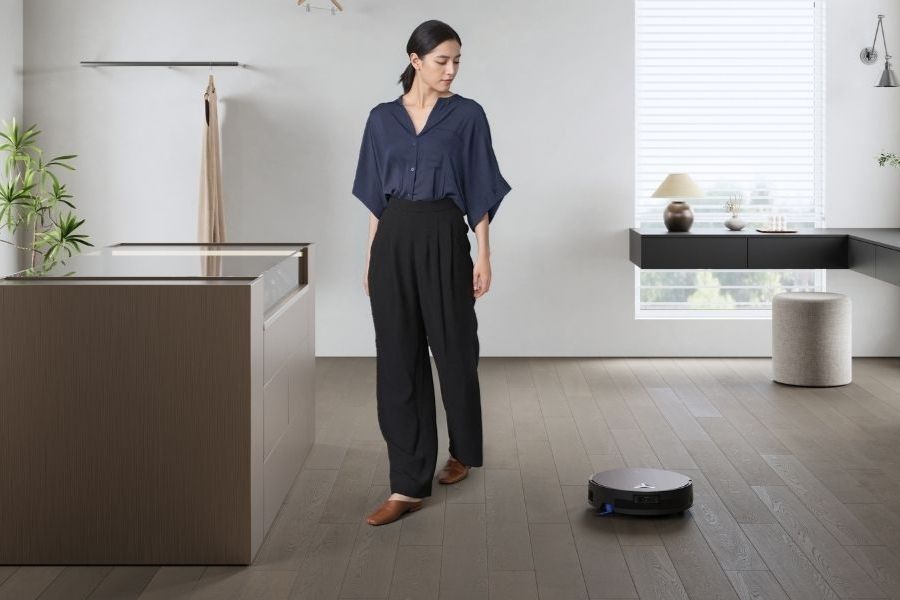
Vinyl is one of the most popular flooring options in the market. Built from layers of PVC resins and strengthening additives, it is finished with a clear wear layer that resists scratches and water, which makes it easy to clean with gentle methods.
However, 31.8% of Americans admit to putting things “away” to look tidy without actually cleaning. To make the chore more efficient, it helps to know how often you should mop, the signs it is time to clean, and practical tips that save you time and effort.
Why Should You Mop Vinyl Floors Regularly?
Mopping vinyl floors regularly helps remove abrasive particles, such as sand, that can scratch or discolor the surface.
For families with kids, consistent cleaning also clears grime that can cause slipping. Moreover, while you can vacuum vinyl floors to collect loose debris, mopping removes finer allergens and bacteria that vacuuming alone cannot capture, helping improve indoor air quality and prolong the floor’s lifespan.
How Often Should You Mop Vinyl Floors?
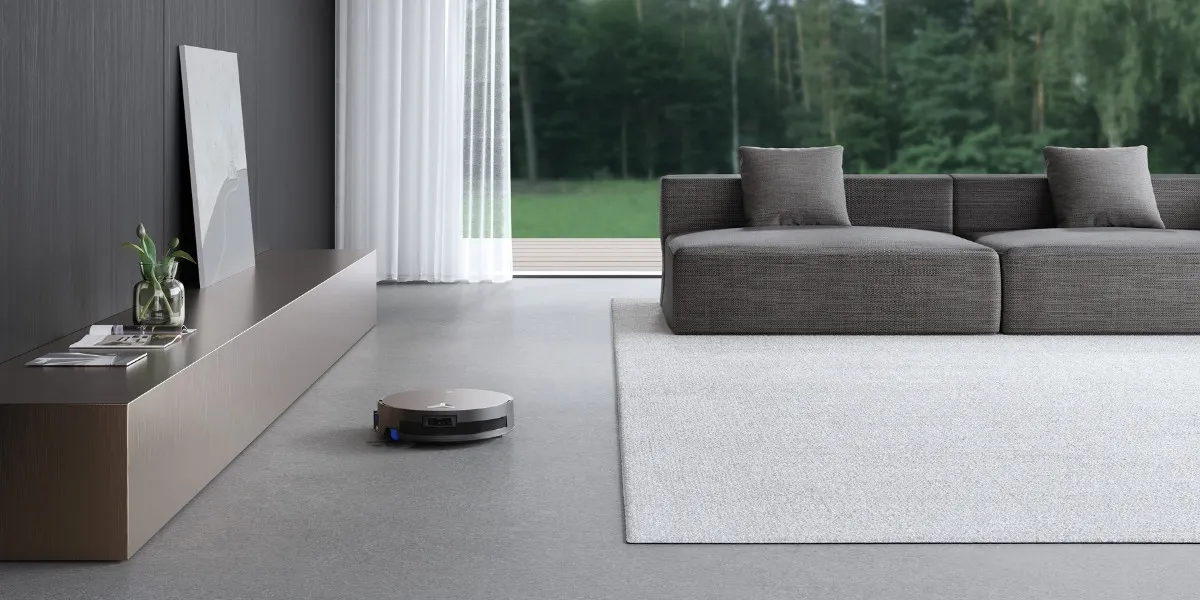
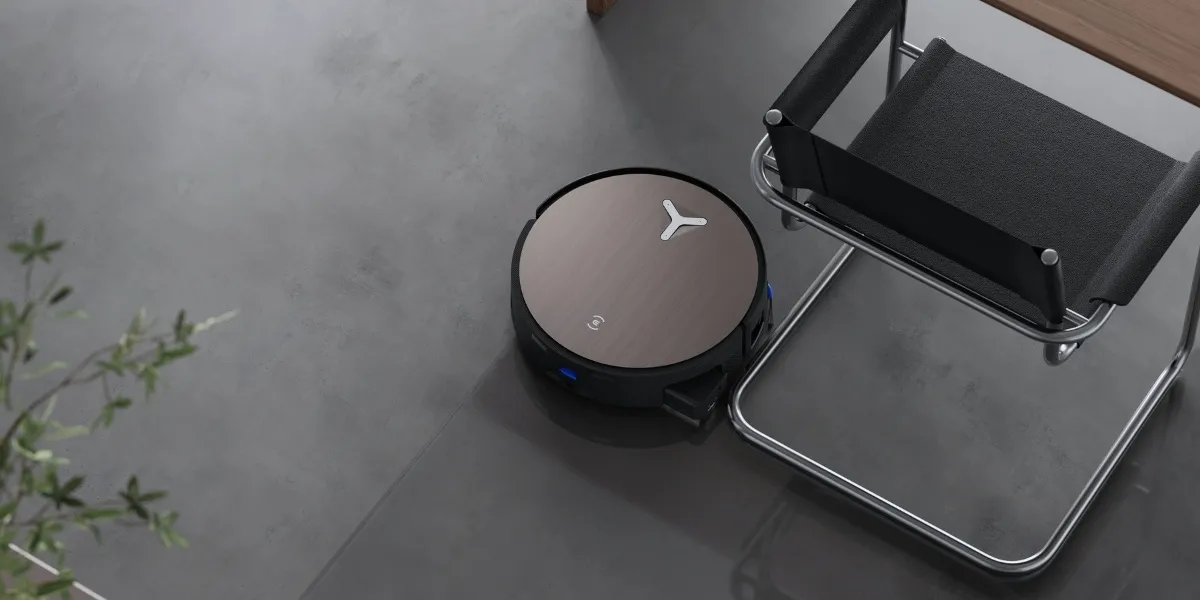
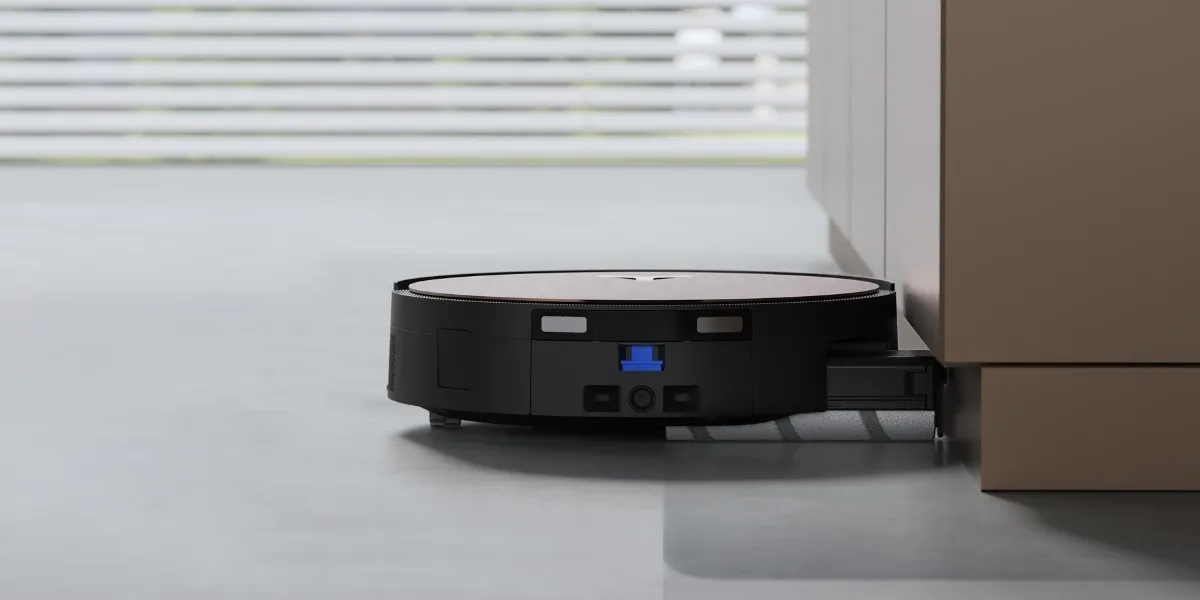
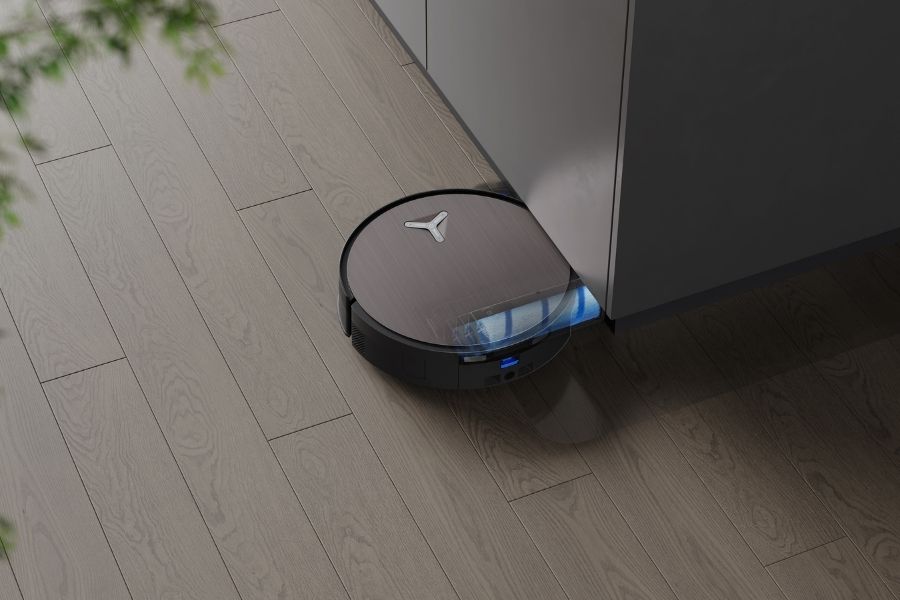
You should mop vinyl floors about once a week and adjust how often to mop the floor based on what your home needs. For instance, high-traffic areas like kitchens and bathrooms collect more grime and need extra sessions. A robot vacuum and mop automates the task and allows you to schedule simply through an app.
Consider these key factors that impact your mopping schedule:
- Floor finish: Follows the same logic as how often to mop laminate floors. Matte or satin vinyl shows marks more quickly than glossy planks and may need weekly mopping.
- Foot traffic: Areas where your family gathers need weekly mopping, while a spare storage room can stay clean with a biweekly clean.
- Family size: When you are the only one at home, you can clean every two weeks. Large households of four or more may need weekly mopping.
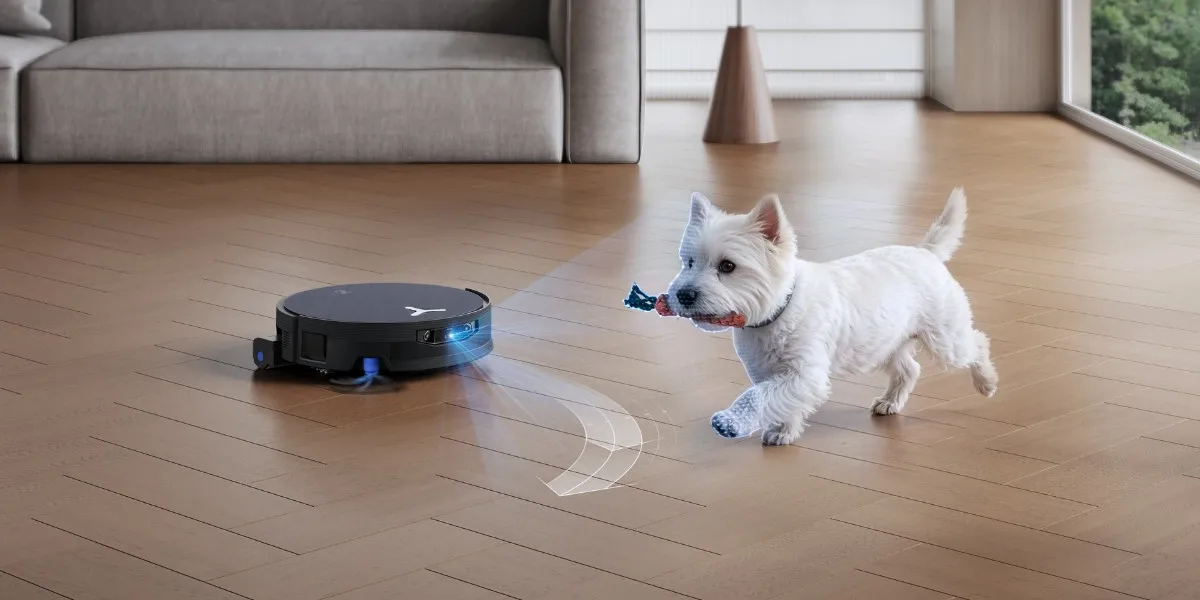
- Pet ownership: Depending on the number and type of pets, you should mop at least once a week and up to daily to control pet hair and dander.
- Allergies or sensitivities: Those suffering from allergies shall deep clean vinyl floors two to three times each week to reduce fine dust before it turns into allergens that affect air quality.
- Lifestyle and habits: If you cook every day or live close to a construction site, you create more dust and grease at home, which increases the need for weekly mopping.
- Climate and season: Much like how often to mop a hardwood floor, weekly mopping helps maintain cleanliness in humid Hawaii or snowy Alaska, as moisture in the air can make floors feel sticky.
6 signs it’s time to mop vinyl floors
On top of following a schedule, watch for these clear signs that your floor needs attention:
- Visible dirt: dust or stains build up on surfaces
- Sticky spots: flooring feels tacky when you walk.
- Pet dander: paw prints remain even after vacuuming.
- Decreased water resistance: water beads no longer hold.
- Bad odors: unpleasant smells linger after cleaning.
- Allergies acting up: sneezing noticeably increases from settled dust.
Choose a robot vacuum and mop with an app, so you can start a session anytime.
How often should pet owners mop vinyl floors?
Pet owners should mop vinyl floors about two to three times each week. Modify this based on the number and types of pets in your home, since more shedding and dirt certainly increase the need for cleaning.
Supplement mopping with daily sweeping or vacuuming, and check how often you should vacuum with pets. Focus on areas where pets spend most of their time. Remember to use a pet-safe cleaner, spot clean accidents right away, and wring the mop well to prevent excess moisture.
How to Mop Vinyl Floors Properly?
Learn how to clean vinyl floors properly to keep them clean with less effort. Start by vacuuming, prepare the right cleaner, and control the water level. Make sure you cover the entire surface and dry the floor right after wet mopping.
If you struggle with how to mop floors, follow this simple routine:
- Vacuum to prepare: Remove loose dust and grit so the mop can reach the surface.
- Choose a cleaning solution: Pick a mild cleaner that is safe for vinyl. Robot mops should use brand-certified cleaners only.
- Control water level: Use a lightly damp mop to prevent moisture from seeping into seams.
- Optimize coverage: Do not miss corners, edges, or baseboards where fine dust gathers.
- Dry floors immediately: Use a dry mop to prevent streaks. DEEBOT robot vacuums with official cleaners can skip this step.
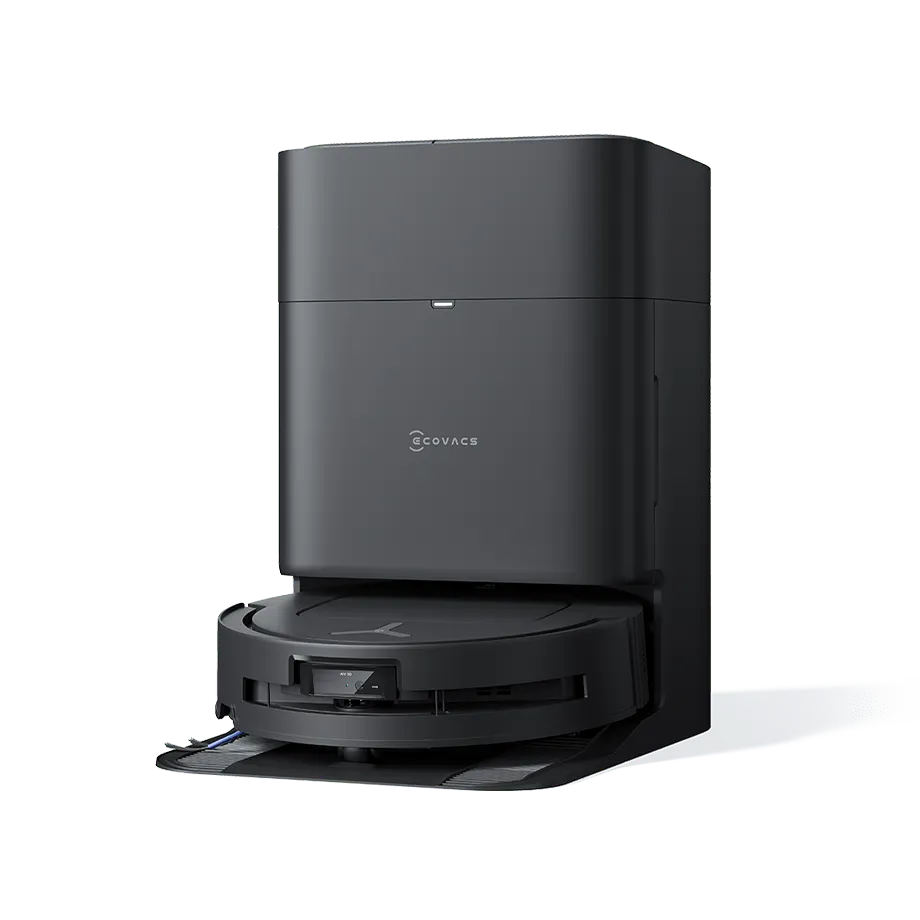
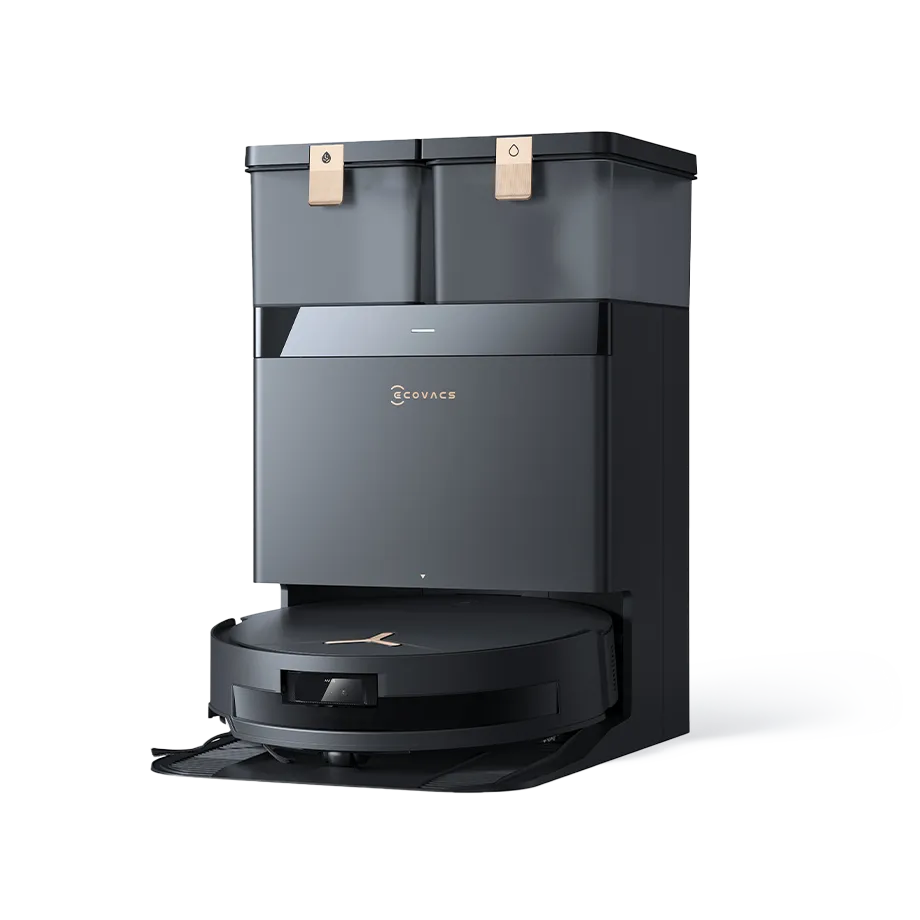
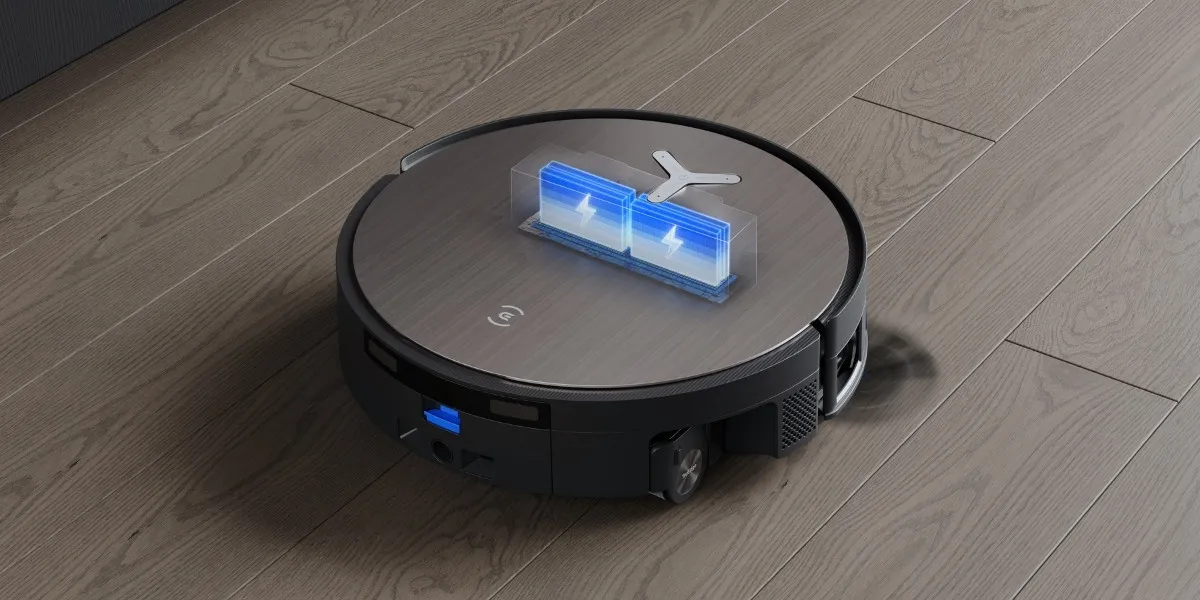
Did you know one of the best tips for cleaning vinyl floors is using a robot vacuum with roller mop? For instance, the DEEBOT X11 OmniCyclone makes mopping simple with OZMO ROLLER 2.0, which scrubs and refreshes at 200rpm, while its AI Stain Detection adapts the cleaning pattern accordingly.
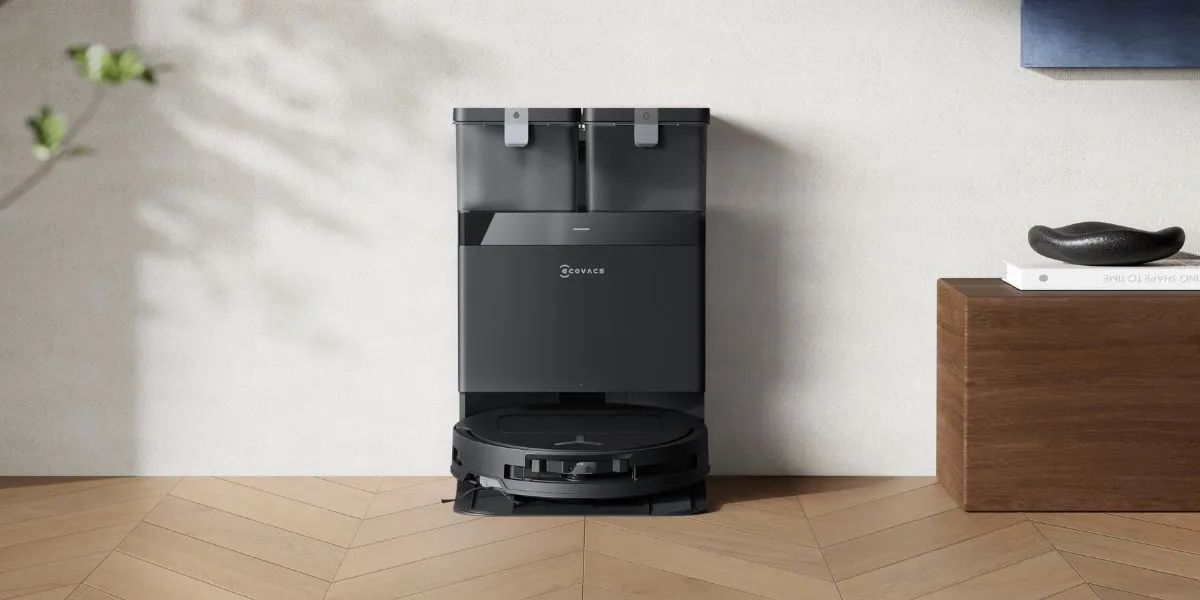
After each run, the OmniCyclone station features 167°F Hot Water Soak Washing to break down grime on the roller. You can schedule how often to run your robot vacuum and customize settings through the ECOVACS HOME app. For example, DEEBOT X9 PRO OMNI lets you choose from up to 50 water levels.
How do I get stains out of vinyl floors?
The key to removing stains from vinyl floors is to act quickly and use mild cleaners. DIYers can use a mild cleaner like dish soap or a baking soda paste for tough marks. DEEBOT robot vacuum users should stick with official cleaning solutions only. Let the cleaner sit, then scrub lightly and remove the residue completely.
Different stains, such as coffee, scuff marks, grease, ink, crayon, nail polish, or blood, need targeted care. Avoid harsh chemicals and abrasive tools, plus, test any solution in a hidden spot first.
FAQ
What not to use to clean vinyl floors?
Do not use abrasive scrub pads, harsh chemicals, ammonia cleaners, wax polish, or concentrated bleach, which can dull the surface and weaken the wear layer.
How to make vinyl floors shine?
Clean regularly with a vinyl-safe solution and dry the surface to prevent streaks. Using a robot mop to keep the floor consistently fresh.
Is it safe to steam mop vinyl floors?
Steam mops are not recommended for vinyl floors because high heat and moisture can weaken the adhesive layers, cause warping, and reduce the longevity of the wear layer.
Related Products