
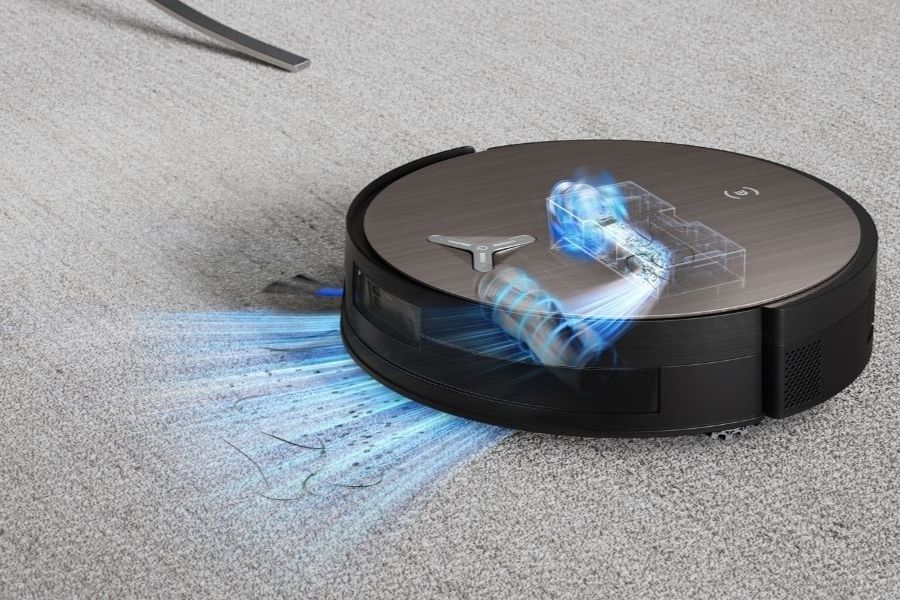
If you live with a furry friend, you know that the moment shedding begins, you start seeing hair on floors, sofas, and clothes. A recent survey by ECOVACS found that one in four pawrents agree that pet hair is one of their toughest cleaning issues, which shows how much mess our animals create.
While there is no single rule for how many times you should vacuum with pets because it depends on shedding, flooring, and health needs, the good news is, there are simple tips to help you clean more efficiently.
Why Regular Vacuuming Is Important When Living With Pets?
Regular vacuuming helps trap tiny skin flakes shed by your pets that can trigger allergies.
Whether you walk your dogs or let your cats wander in the garden during the day, your pet easily brings in dirt, mud, and germs, and cleaning helps prevent bacterial growth.
Pet hair can also settle on floors and furniture and need vacuuming to keep it under control. Besides, pet dander is a main food source for flea larvae, and vacuuming fleas is a great way to limit their population. By setting a simple cleaning routine, you protect your floors from wear and tear.
How Often Should You Vacuum With Pets?
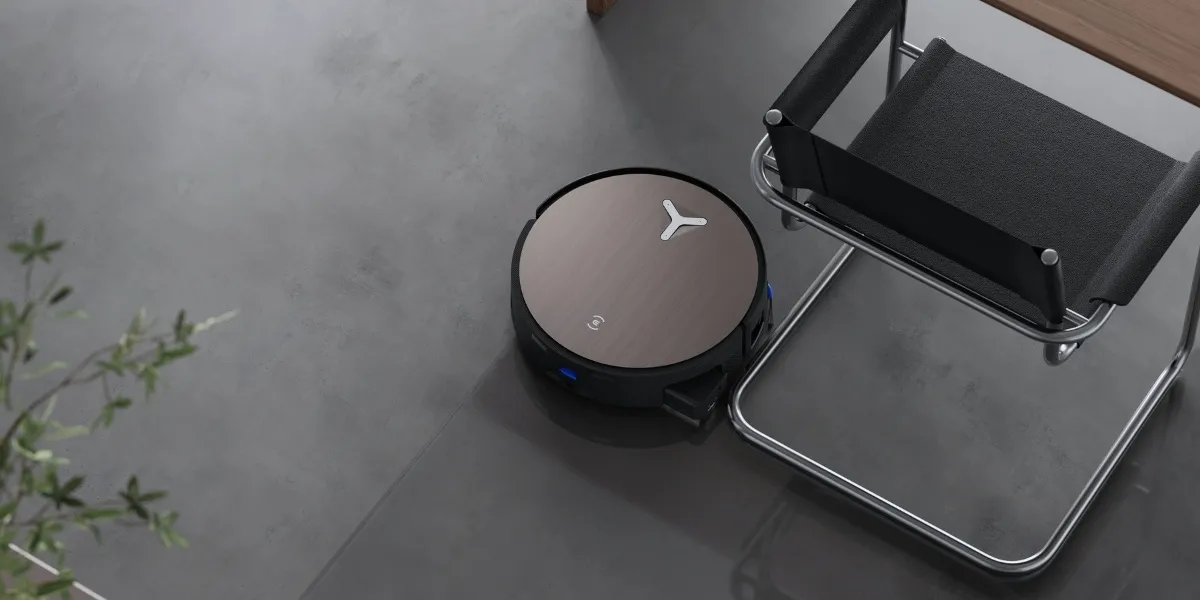
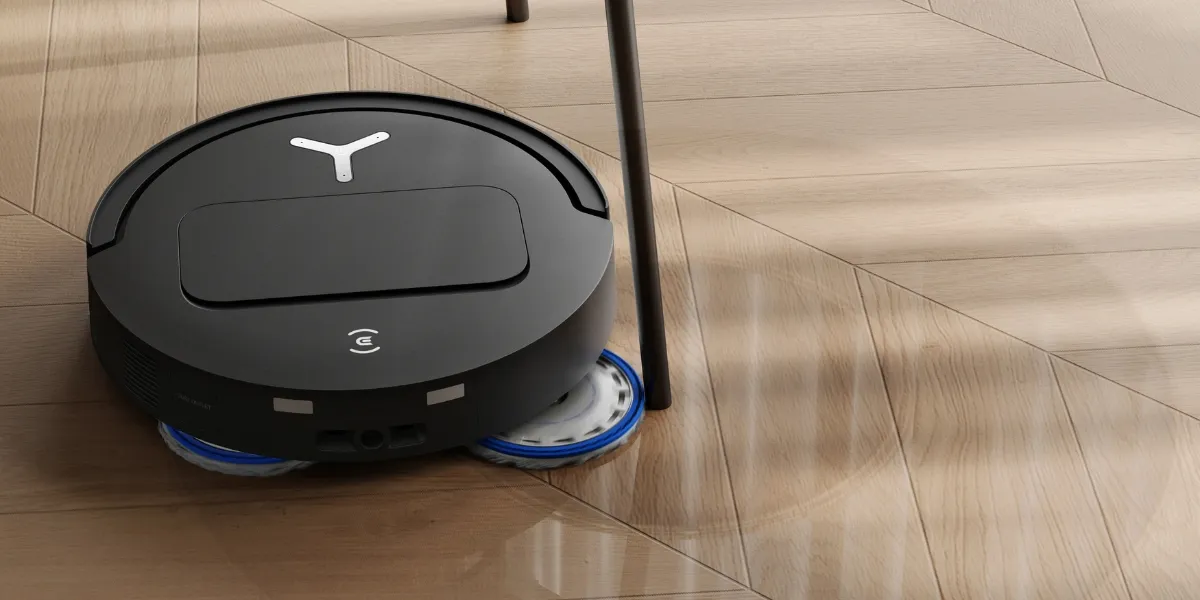
Most pet parents should vacuum at least two to three times a week to manage fur and dander. If your pets shed heavily or a family member suffers from allergies, you may need daily cleaning. The flooring also affects the frequency. With a robot vacuum and mop, you can easily maintain routine cleaning without extra effort.
When deciding how often you should vacuum, consider these factors:
- Number of pets: More pets naturally increase hair, and different animals create their unique mess: dogs shed hair, cats spill litter, and birds molt, increasing your vacuuming needs.
- Shedding: The shedding volume also depends on the breeds, which directly affects your cleaning schedule. Breeds with long, thick, or double coats leave more loose fur across floors and furniture.
- Seasons: Shedding season, usually in spring and fall, brings a surge of loose hair that spreads throughout the room, particularly in high-traffic areas and on carpets.
- Household Allergies and Health Concerns: If you or your family member is suffering from allergies or asthma, it is beneficial to vacuum daily to reduce fur and fine particles that trigger symptoms.
- Type of Flooring: The frequency to vacuum hardwood floors and carpets is different, as rugs trap dust and hair deep within fibers, which require more vacuuming to keep them clean.
- Traffic Areas: High traffic areas, like pet beds and feeding areas, collect more dirt. These spots need more vacuuming than low-use areas to lower visible buildup and lingering smells.
- Pet Activity Level: Those who let their pets roam outside track more dirt and mud into their home. The more active your pet is, the more you need to vacuum.
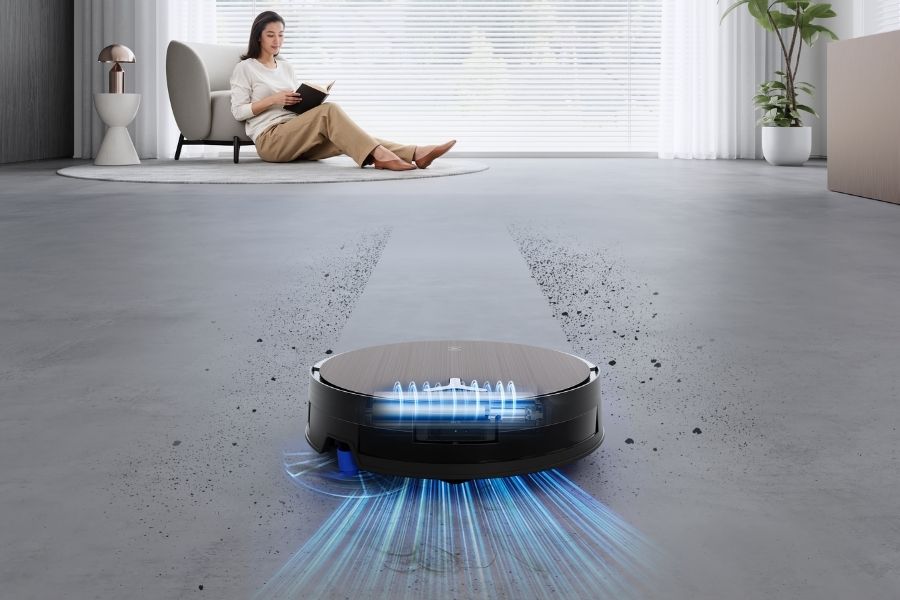
Vacuuming frequency based on the number and type of pets
Higher levels of hair and fur make extra vacuuming necessary to keep your home clean. One pet may only need sessions every other day, but two or more pets can push toward daily vacuuming.
Consider their size and types too. Large, active dogs and cats with grooming habits leave different amounts of hair, while birds and small animals shed lighter debris.
Vacuuming frequency based on shedding
Think about your pet's size, breed, and shedding pattern. Daily or twice a day cleaning can be needed for Labradors and German Shepherds since they shed heavily, while low-shedding breeds like Poodles usually manage well with two or three sessions a week.
Your schedule may shift during warmer months or stressful periods as shedding intensifies.
Key signs it is time to vacuum
Stay flexible and adjust your vacuuming schedule when you notice these signs.
- Visible hair buildup: Fur and dander begin to gather on floors, cushions, and rugs.
- Growing allergy symptoms: These reactions can show that dander has become an allergen.
- A musty smell: Bad odor from carpet can indicate trapped hair, dust, and lingering debris.
How to Vacuum with Pets Properly?
Managing pet hair gets easier when you follow the right steps. Among the best tips for vacuuming pet hair, you can first introduce your pet to the cleaner and preclean the space, then set the right suction, focus on corners and edges, and empty the dustbin to keep floors clean.
Before you begin, it helps to understand how to vacuum properly:
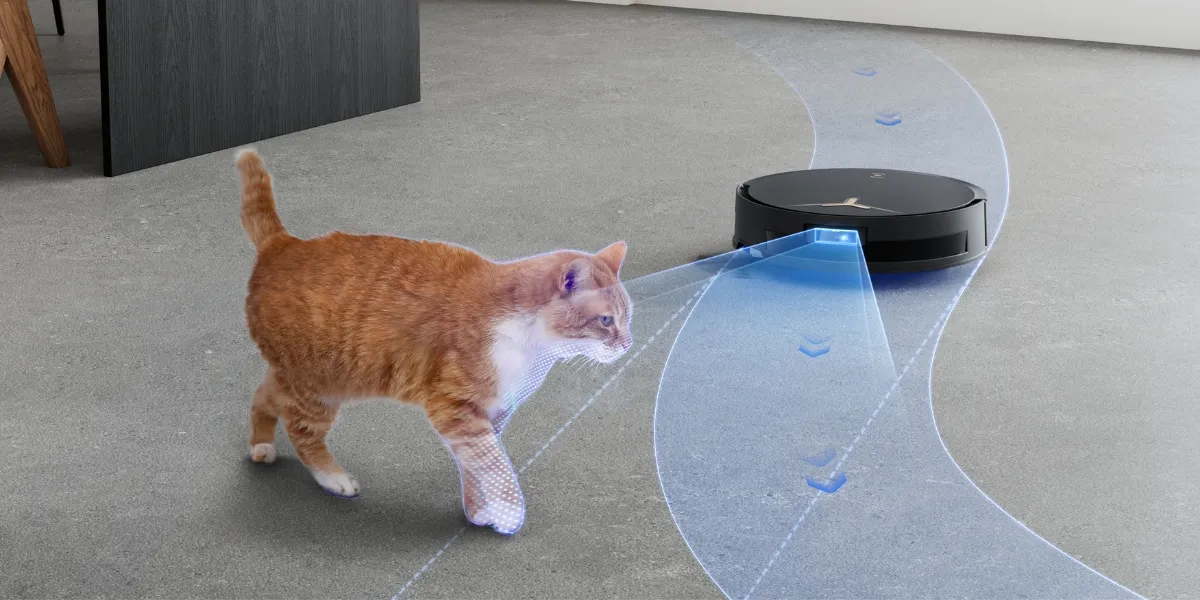
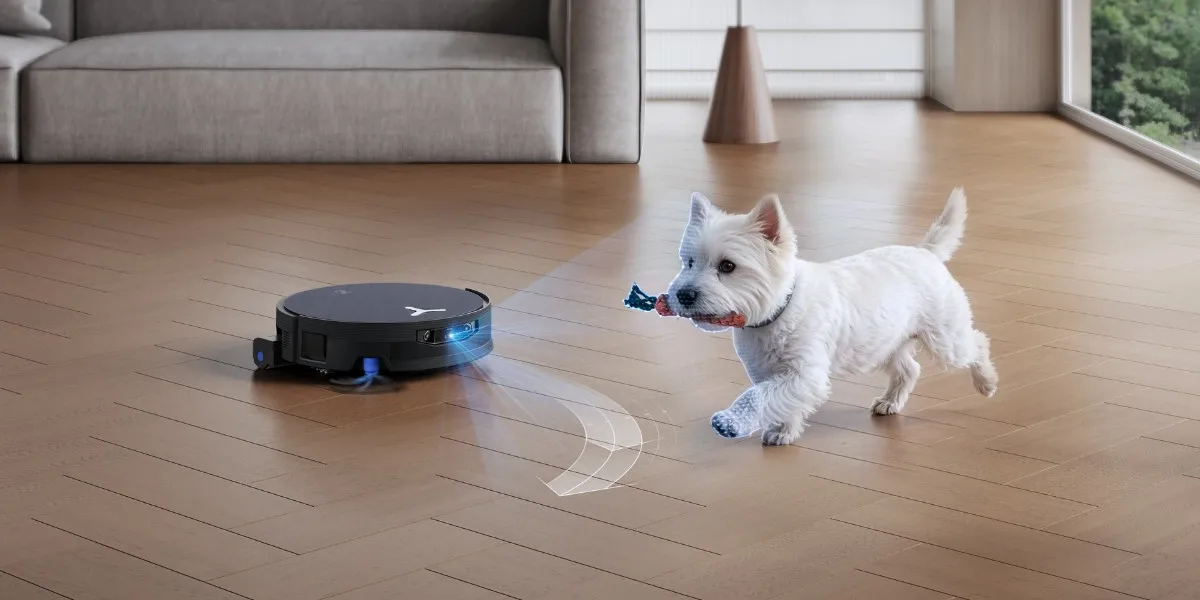
- Protect your pet’s safety: Introduce your pet to the robot vacuum and let them observe from a distance. If they are still scared of the robot vacuum, let them stay in a quiet room or corner.
- Preclean the space: Pick up toys and clutter so the robot vacuum can move freely around the room and reach more hair and dander with fewer missed spots.
- Apply the right setting: Use strong suction and anti-tangle brushes when vacuuming carpet to improve pickup rate. A highly efficient filter helps capture tiny particles that can turn into allergens.
- Vacuum corners and edges: Hair gathers where airflow is weaker, so pay extra attention when vacuuming tight corners and along edges. Don’t forget to reach under furniture like sofas.
- Empty the dustbin: Clear the dustbin once it fills with pet dander to keep the suction sturdy. If neglected, debris can spill out, and the filter can get trapped and lose efficiency.
How ECOVACS Can Help Vacuum With Pets?
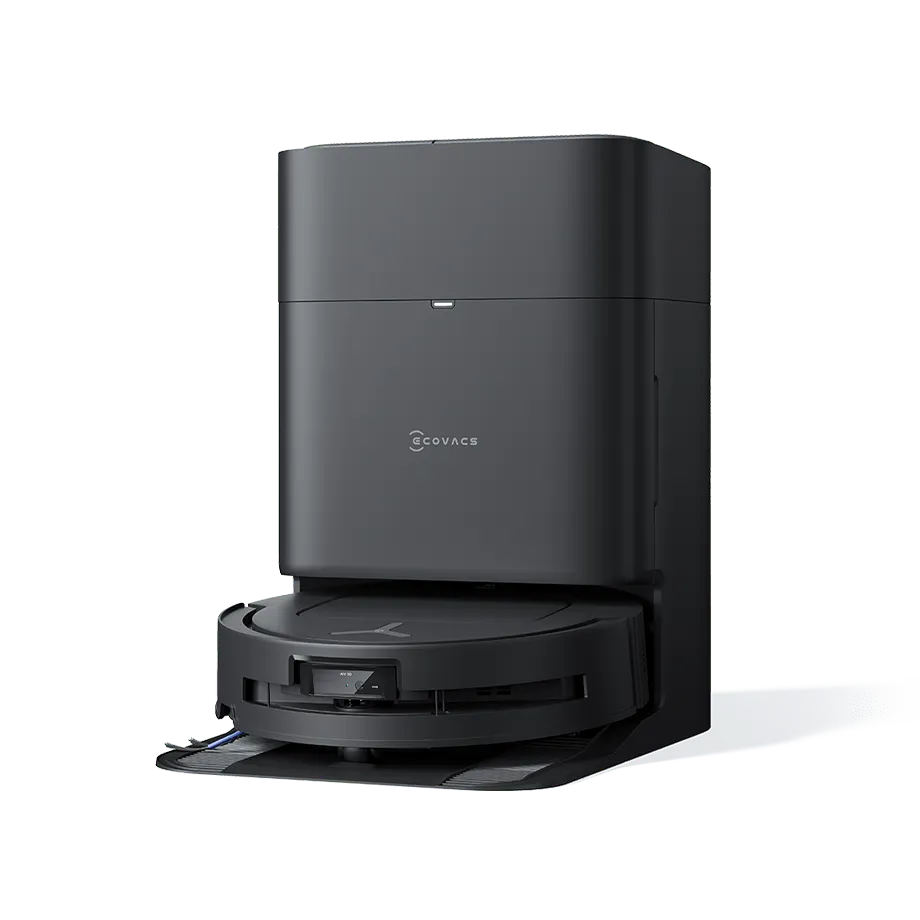
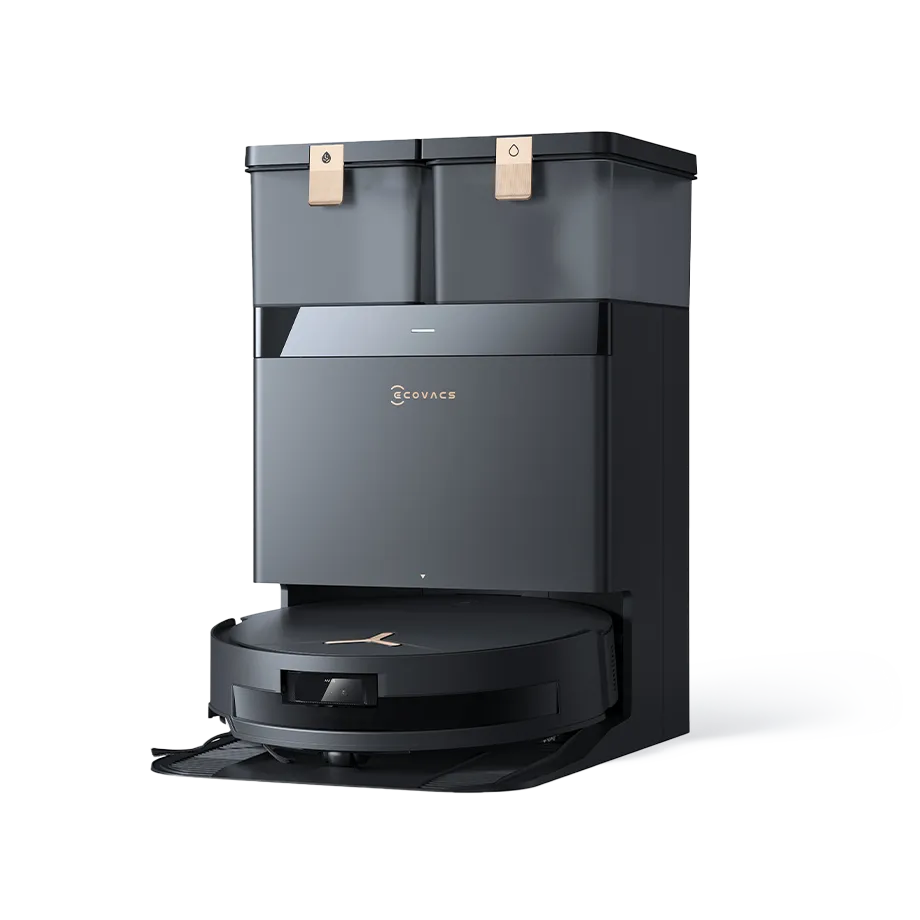
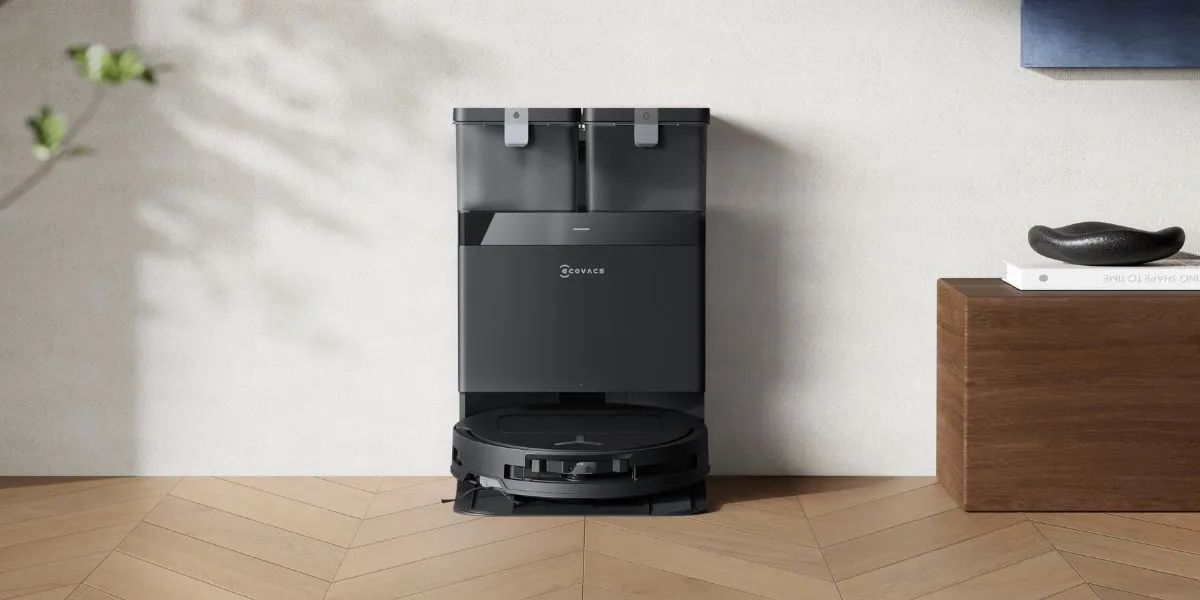
A robot vacuum for pet hair, like DEEBOT, is one of the best tips for keeping a home clean with pets.
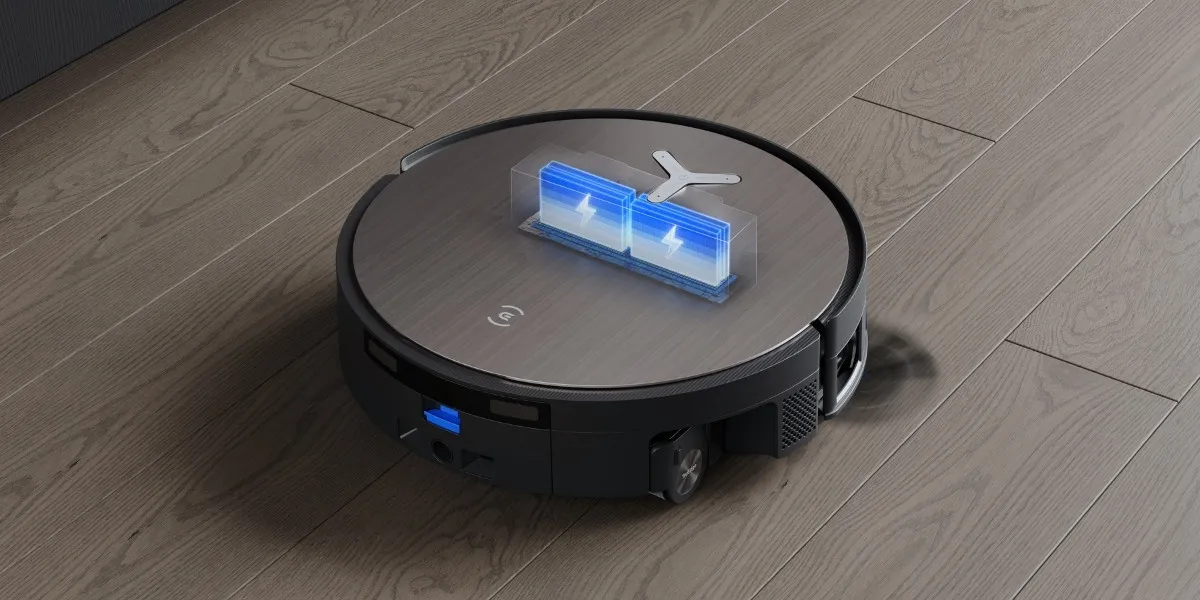
Take DEEBOT X11 OmniCyclone as an example. The BLAST Solution supports up to 19,500Pa1 suction power and gives a 262% boost in pet hair removal on carpets, while ZeroTangle 3.0 features an ARClean Side Brush and a Cyclone Directed Roller Brush that keep you from removing strand wrapping on the brushes. Those living in large homes can also rely on PowerBoost Technology, which recharges 6% in 3 minutes and covers up to 10,764 sqft per task2, even at max settings.
You can also schedule how often to run your robot vacuum anytime through the ECOVACS HOME app and use the OZMO ROLLER 2.0 that scrubs, rinses, and mops away fine dust 200 times per minute. For beginners, AGENT YIKO intelligently analyzes cleaning needs and your preferences to tailor cleaning advice.
FAQ
How often should I vacuum my carpet if I have a pet?
Vacuum carpets two to three times a week to manage shedding. You can adjust how many times you vacuum your carpets based on your pet’s shedding pattern or allergies.
Does pet hair ruin vacuums?
Pet hair normally does not ruin vacuums, but with a high volume, it can clog filters, wrap around brushes, and reduce suction if not cleaned. Regular maintenance and replacement help keep performance strong.
Is it better to sweep or vacuum pet hair?
Vacuuming is better than sweeping because it pulls dander and fine dust from carpets and hard floors and contains it with the high-efficiency filter.
Disclaimer(s):
- 19,500Pa: This data comes from ECOVACS laboratory. The suction power of DEEBOT X11 OmniCyclone can reach 19,500Pa.
- 10,764 square feet: Data from ECOVACS laboratory. The DEEBOT X11 OmniCyclone in Adaptive Charging Mode can clean a 10,764-square-feet home in a single run, even at max suction and in deep cleaning mode. Performance efficiency is based on laboratory testing and may vary depending on actual usage conditions.
Related Products