
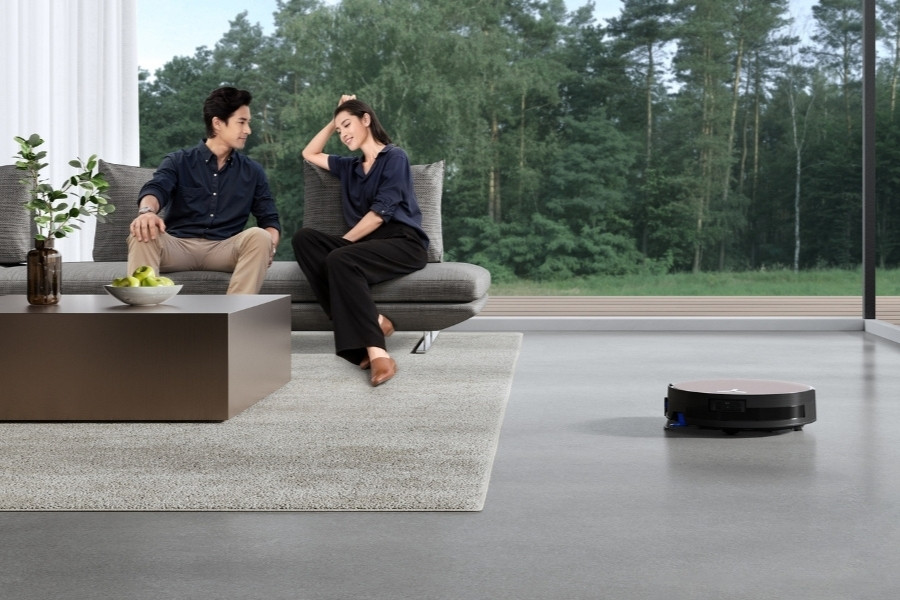
One of the main reasons why vinyl flooring is popular among families and pet owners is because they are soft underfoot and provide more slip resistance, helping reduce the risk of falls and injury.
Made primarily from fiberglass and PVC, vinyl flooring is fully synthetic, durable, and able to withstand heavy use, like kitchens and bathrooms in your home. However, the wear layer can still be scratched or dented by sharp debris or heavy furniture. Find out if you can vacuum vinyl floors and how to do it safely.
Can You Vacuum Vinyl Floors?
Yes, you can vacuum vinyl floors. With the correct settings, vacuuming is an effective way to remove dust and pet hair when using soft-bristle brushes and gentle suction to help avoid scuffing the wear layer. Regular vacuuming also removes fine grit that can dull the surface, and a robot vacuum and mop provide consistent daily upkeep with minimal effort.
When vacuuming vinyl floors, it is common to encounter the following challenges:
- Scratches from hard debris: Small particles like sand, gravel, or dry food crumbs can be abrasive when dragged across the surface during vacuuming. Even though vinyl is designed to resist wear, repeated friction can dull the finish and leave visible scuff marks.
- Dirt trapped in seams: Vinyl planks contain seams where dust and crumbs can settle. If not lifted properly, these particles can work their way deeper into the joints, making the floor appear dirty even after cleaning, increasing friction and contributing to minor surface wear.
- Spreading fine dust: Sweeping or vacuuming with airflow that is too strong can push lightweight dust around instead of capturing it. This is more noticeable in open areas with natural light, and it can also affect air quality.
- Heavy vacuums leave marks: Vinyl is softer than tile or hardwood, so heavy vacuums with hard wheels or concentrated weight may leave compression lines or track patterns. These marks cannot be sanded and refinished on vinyl floors.
- Stains and spills: Liquid spills can seep into seams or edges of vinyl flooring, leading to discoloration or swelling. Attempting to vacuum water can damage the vacuum and may spread moisture further into the floor. Spills need to be wiped immediately.
Read more: Can you vacuum laminate floors?
How to Vacuum Vinyl Floors?
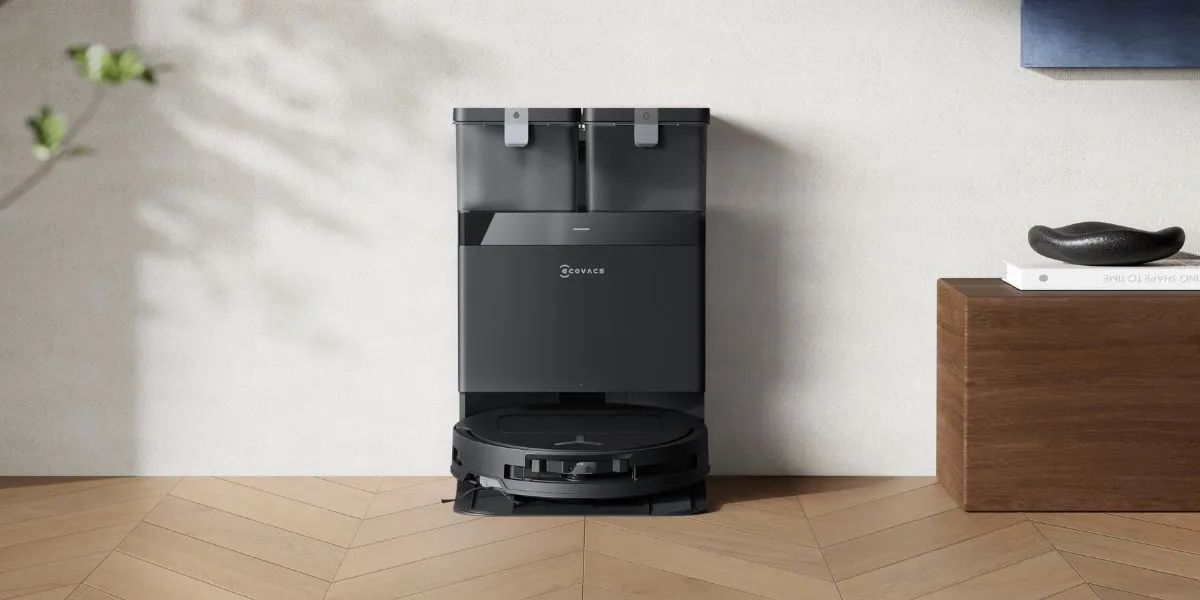
To vacuum vinyl floors safely, start by identifying whether you have sheet vinyl, planks, or tiles. Use soft attachments on robot vacuums, and clear large debris first, then work methodically to cover entire areas. Adjust suction as needed and keep a regular cleaning schedule, and a self-emptying robot vacuum can help automate the task.
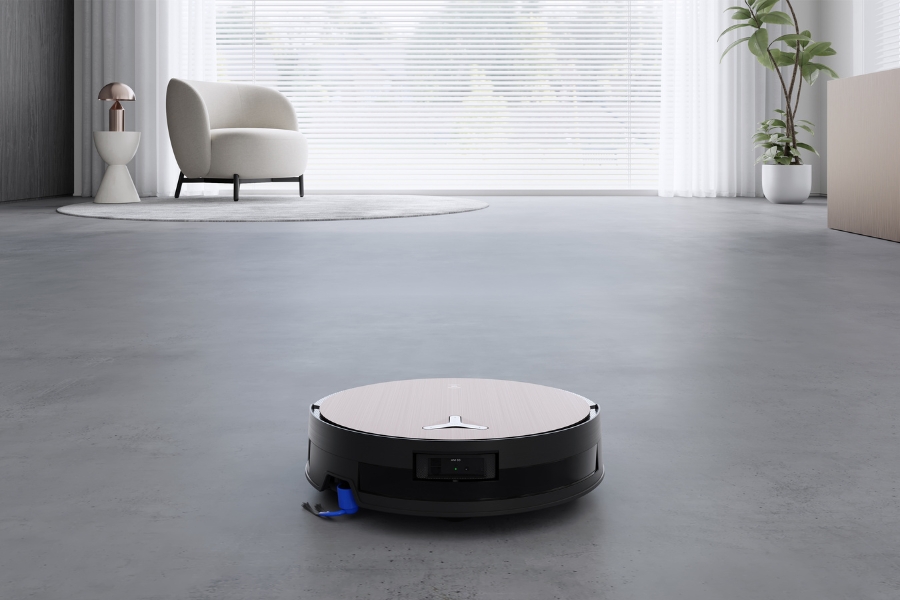
Step 1: Understand Your Vinyl Flooring Type
Sheet vinyl comes in continuous rolls, while vinyl planks and tiles are installed piece by piece, sometimes with subtle seams. Knowing the installation type helps you understand how to vacuum properly, particularly around joints where fine debris can accumulate. Regardless of type, the cleaning approach to vinyl planks should still be gentle and consistent.
Step 2: Adopt the Right Attachments
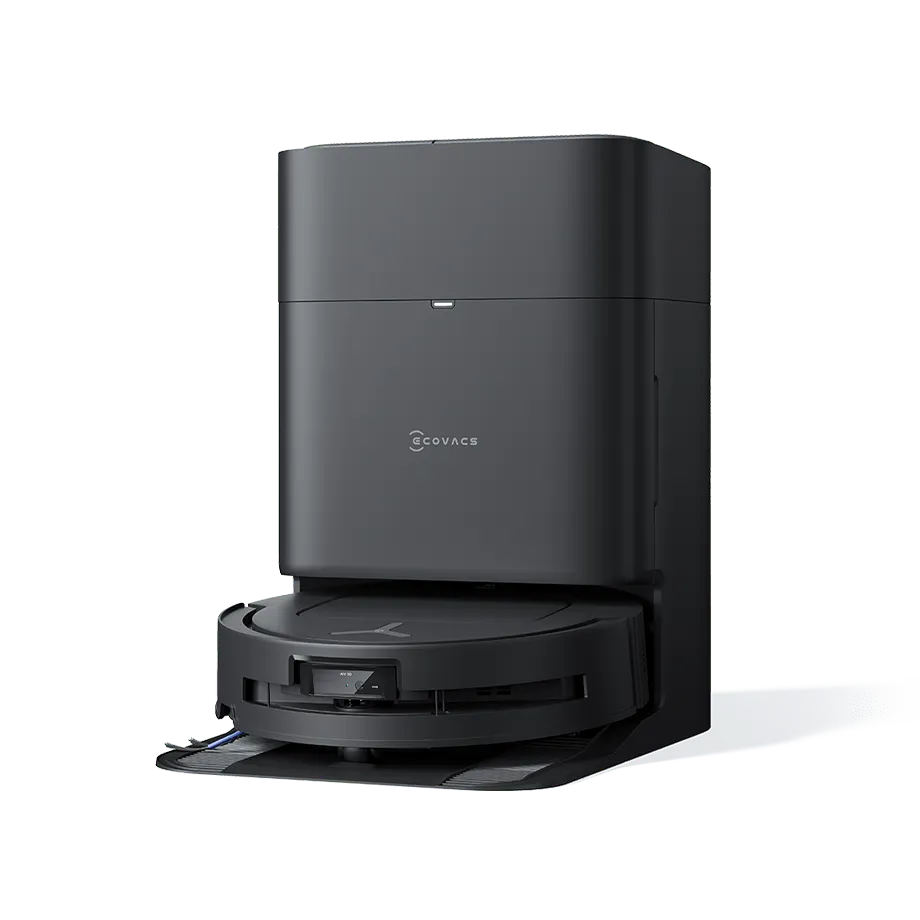
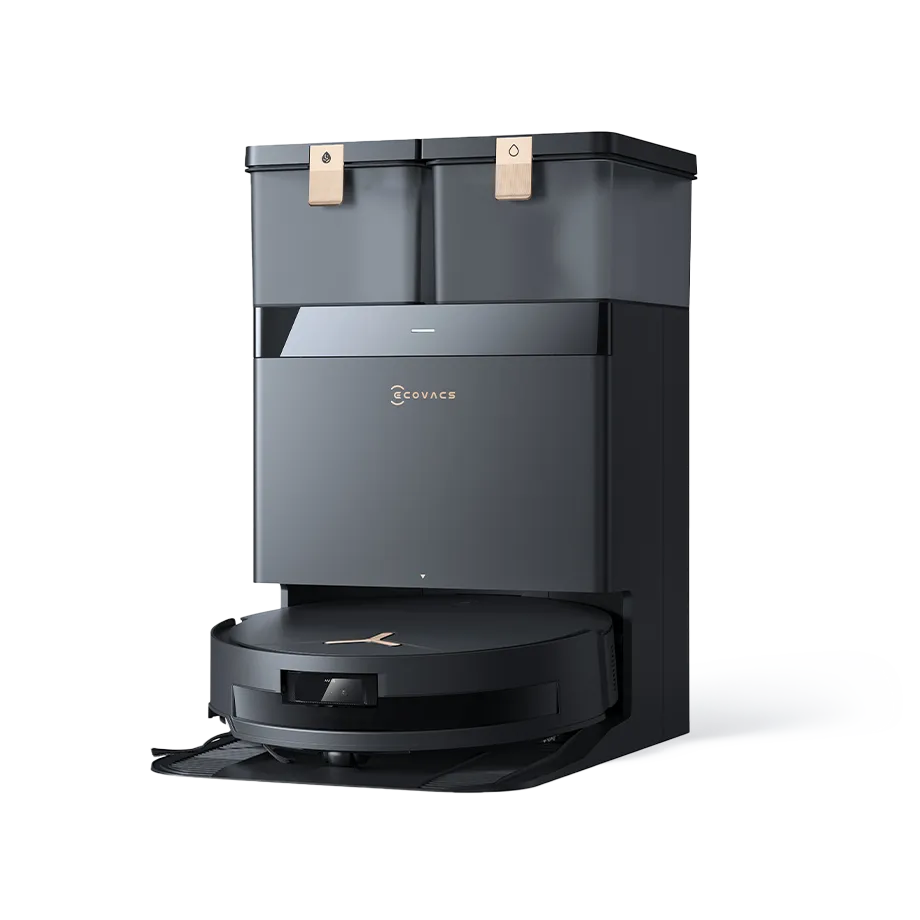
Vinyl’s wear layer protects the surface, but stiff or abrasive tools can still cause micro-scuffing. Opt for soft-bristle accessories that lift dust instead of dragging it. For instance, DEEBOT X11 OmniCyclone uses soft brushes with ZeroTangle 3.0 design, featuring a cyclone-directed roller brush and an ARClean side brush that resist hair wrapping around brushes when removing pet hair and debris from the floors.
Read more: Can you vacuum tile?
Step 3: Preventive Care to Reduce Wear
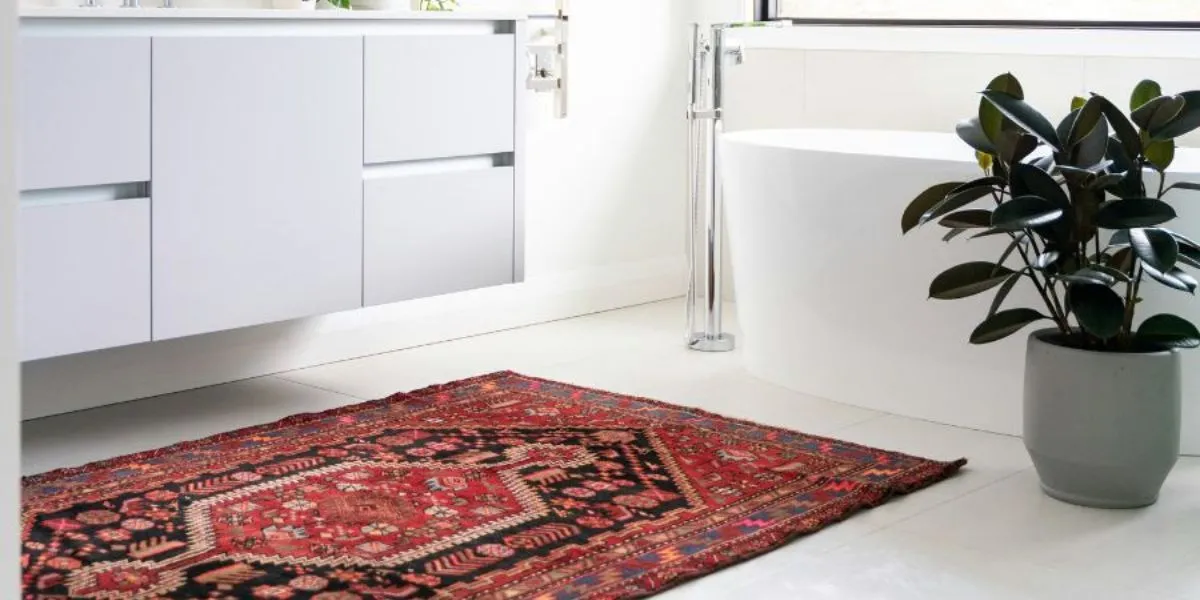
Prone to scratches and dents, you can add protection to your vinyl planks by placing mats at entryways to trap dirt from entering your home. Trim pet nails to reduce the risk of small scratches, and put felt pads under chairs and furniture legs to prevent pressure marks when objects are moved.
Step 4: Pre-clean the Floor
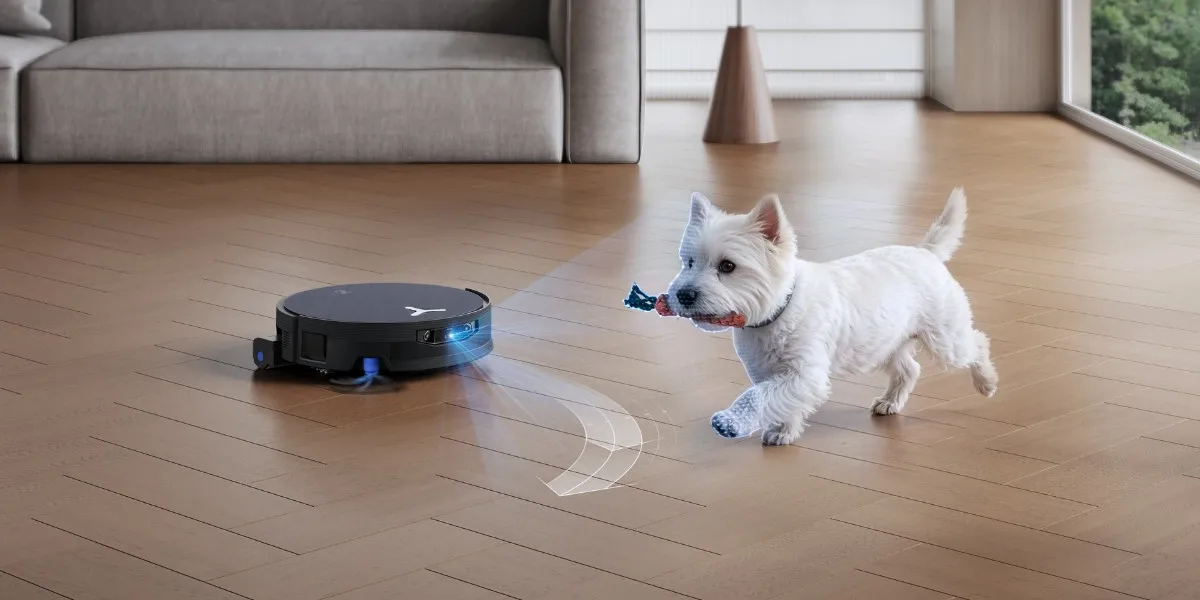
In a household with kids or pets, it’s inevitable for areas like the living room to get messy. To prevent sharp debris like gravel, leaves, dry food pieces, or pet toys from being dragged during vacuuming, it is best to pick them up before starting the session. Alternatively, choose a robot vacuum with obstacle avoidance, such as AIVI 3D 3.0 Omni-Approach Technology, which identifies obstacles in real time and cleans precisely around them.
Step 5: Maximize Coverage
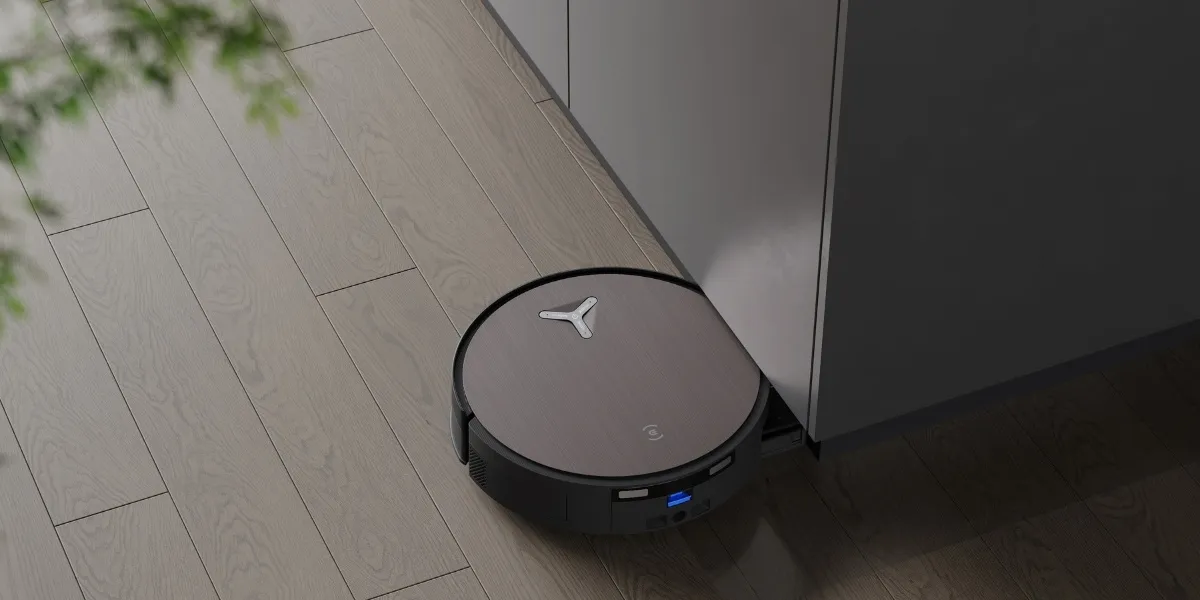
Dust and grit often gather at edges and under furniture like sofas and cabinets. Premium models like DEEBOT X11 OmniCyclone are equipped with TruEdge 3.0 Extreme Edge Cleaning, featuring an air-cushion suspended roller that extends up to 0.59 inches beyond the body to reach walls, along with a side brush for cleaning corners.
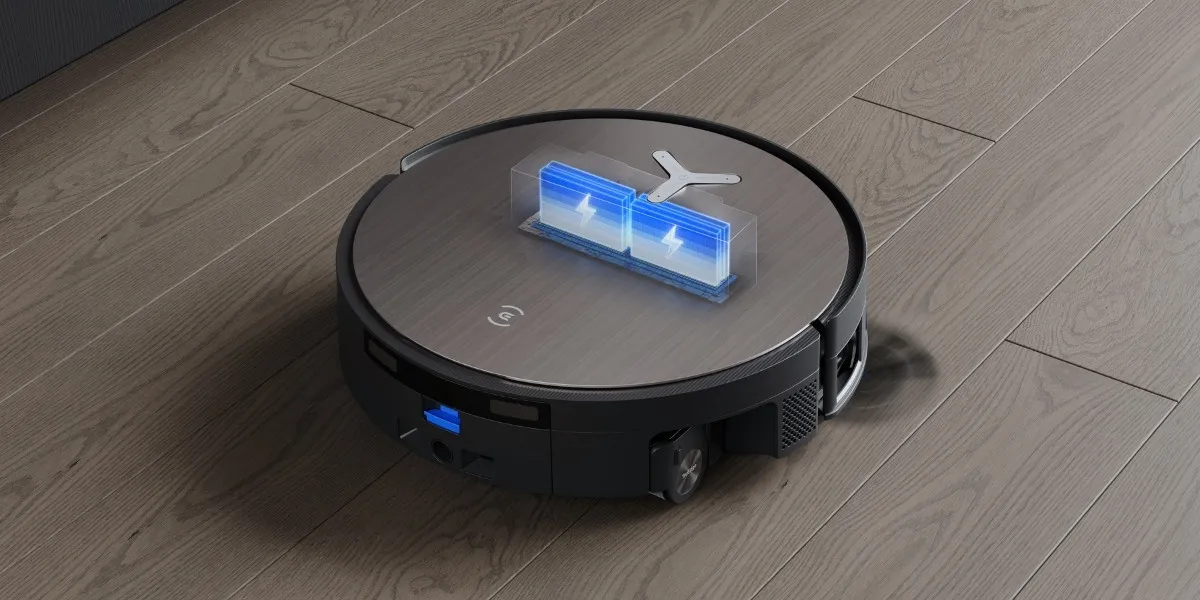
Those living in larger homes can also benefit from its PowerBoost Charging feature, which restores 6% battery power in just 3 minutes, enabling uninterrupted cleaning of up to 10,764 sqft.
Step 6: Adjust Suction
Vinyl floors usually need moderate suction to lift fine dust without scattering it. DEEBOT models allow suction adjustment in the ECOVACS HOME App, helping you fine-tune cleaning settings for different rooms, for example, higher suction to deep clean vinyl floors in the kitchen and other high traffic areas.
Step 7: Set a Cleaning Schedule
Normally, vacuuming vinyl floors every 2–4 days is sufficient in stopping fine particles from grinding into the surface, particularly in entryways, kitchens, and pet areas. With the ECOVACS HOME App, you can schedule automatic daily or weekly cleanings, or start the session remotely when you’re away.
Read more: Can you vacuum hardwood floors?
Step 8: Use a Robot Vacuum for Vinyl Floors
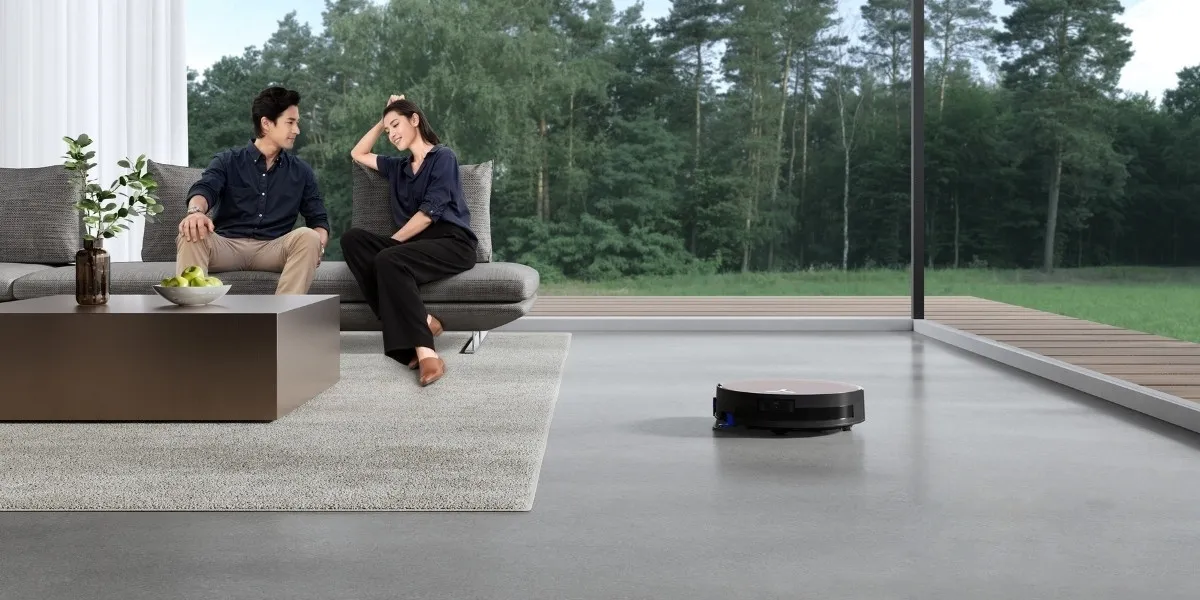
A robot vacuum for vinyl floors can take over the daily hassle of picking up crumbs, dust, and pet hair. DEEBOT X11 OmniCyclone, for example, generates 18L/s airflow and up to 19,500Pa¹ suction, while the OZMO ROLLER 2.0 system scrubs at 200rpm and stays gentle with its high-density nylon roller mop. It also intelligently navigates the space and allows remote control through the ECOVACS HOME App, which is helpful for those still learning how to properly clean vinyl floors.
FAQ
What is the life expectancy of vinyl flooring?
Vinyl flooring typically lasts 10 to 20 years, depending on the quality and floor care. Regular cleaning and preventive care help prolong its lifespan.
What should you not use when vacuuming vinyl?
When vacuuming vinyl planks, avoid stiff or abrasive brushes and very high suction, as they can scuff the wear layer or push grit across the surface. Gentle suction and soft-bristle tools help protect the finish.
Are robot vacuums and mops safe for vinyl floors?
Yes, robot vacuums and mops are safe for vinyl floors with soft brushes and a regular cleaning schedule. DEEBOT models allow you to set the right suction and controlled water output through the app to lower the risk of swelling or damage.
Disclaimer(s):
- 19,500Pa: This data comes from ECOVACS laboratory. The suction power of DEEBOT X11 OmniCyclone can reach 19,500Pa.
Related Products