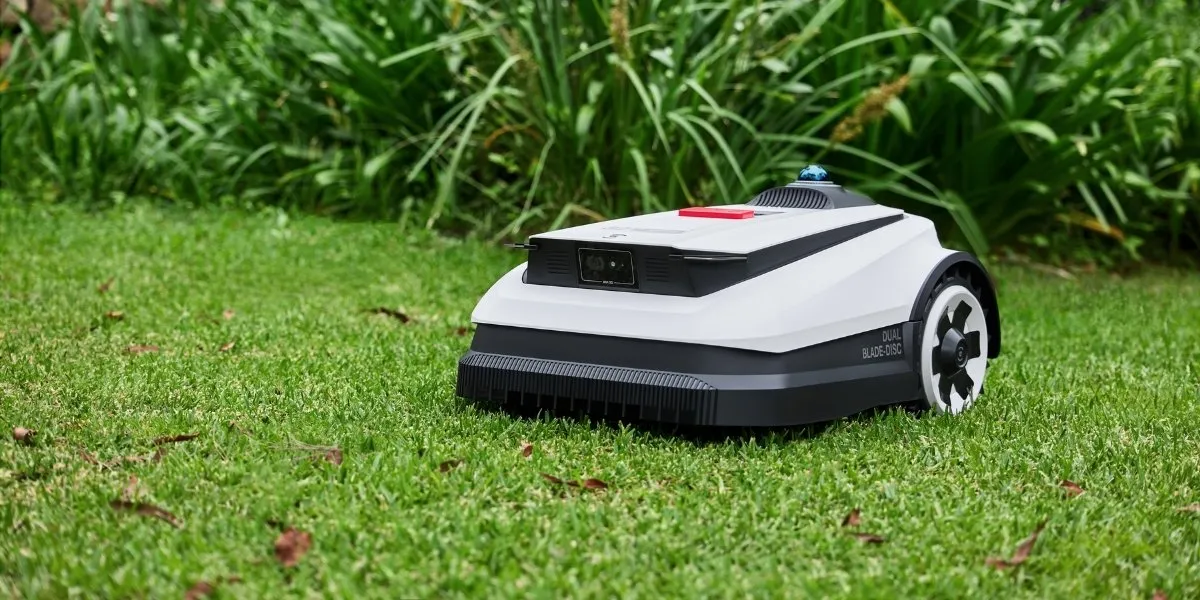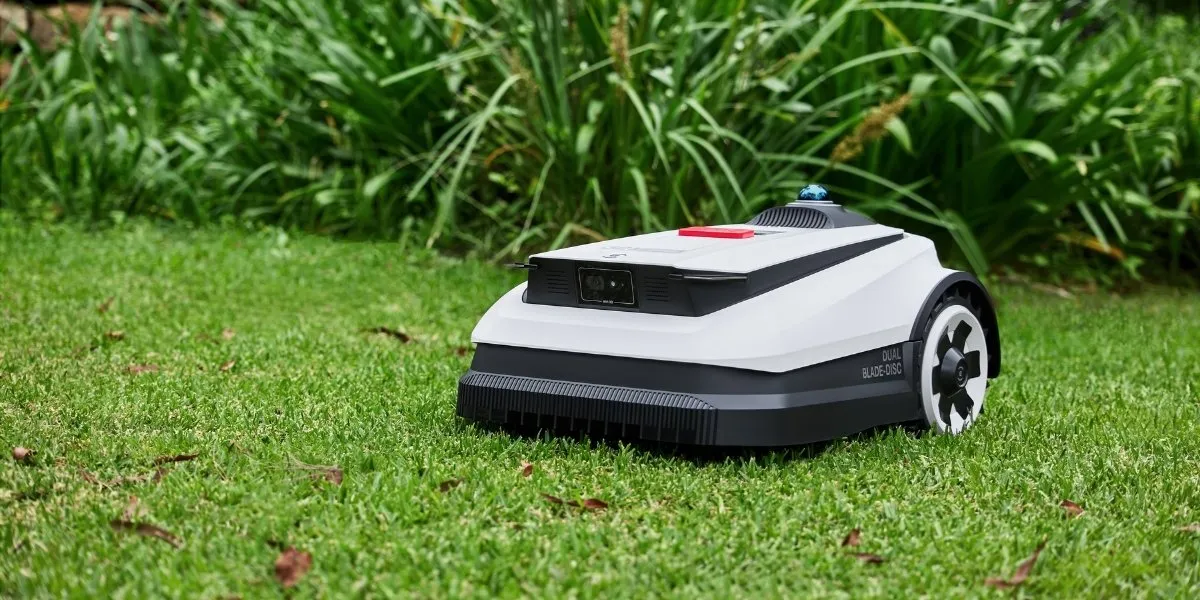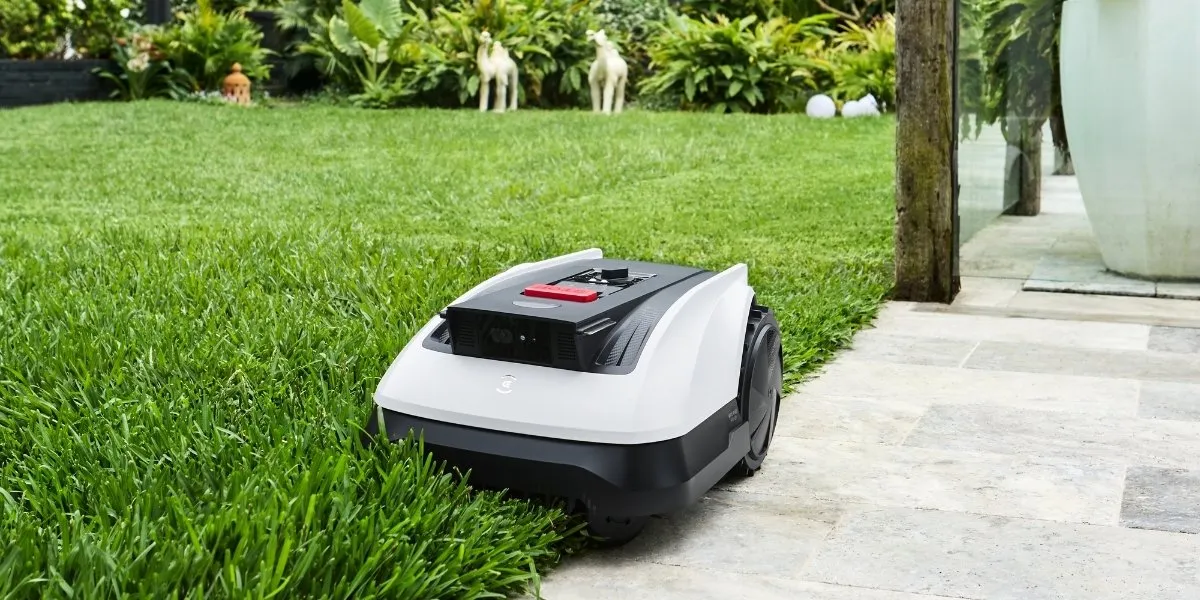

If you have been shopping for robot lawn mowers, you may be wondering why the price varies so much from one model to another. The reason is simple. Every mower is built with different technologies and levels of navigation, climbing ability, blade quality, and smart features, and each of these plays a part in the final cost.
Learn what drives those costs so you can choose a model that caters to your needs. You will also understand the maintenance costs down the road to help you compare the lifespan value.
How Much Does a Robot Lawn Mower Cost?
Generally, robot lawn mowers cost between $500 and over $5,000. Entry-level models with basic features sit at the lower end, mid-range ones have more smart features, and premium robots with advanced technologies such as LiDAR navigation can exceed $2,500 and above.
- Entry-level robot mowers: $500 ~$1,000. These mowers automate mowing in small yards using basic technologies, such as simple navigation and obstacle detection. Some models may even require physical wires to define the boundaries. They are budget-friendly but lack the precision and intelligence of higher tiers.
- Mid-range robot mowers: $1,000 ~$2,500. This range introduces smarter navigation, like RTK, better battery life, and stronger motors for medium to large yards. You often get more app controls, including scheduling and multi-zone management, supporting more complex layouts.
- Premium robot mowers: $2,500 ~$5,000+. Premium models not only use advanced navigation systems like LiDAR for wire-free operation and high accuracy, but they also manage large yards, steeper slopes, and irregular garden shapes with stronger batteries, faster charging, and smarter detection. Materials are also more durable at this level.
GOAT robot mowers like the GOAT O1000 RTK provide premium features for under $1,000. Its LiDAR-Enhanced RTK Navigation improves positioning accuracy to 0.8 inch, while the TruEdge allows it to optimize blade-to-edge coverage for cutting grass along the edge, which works well for irregular layouts.
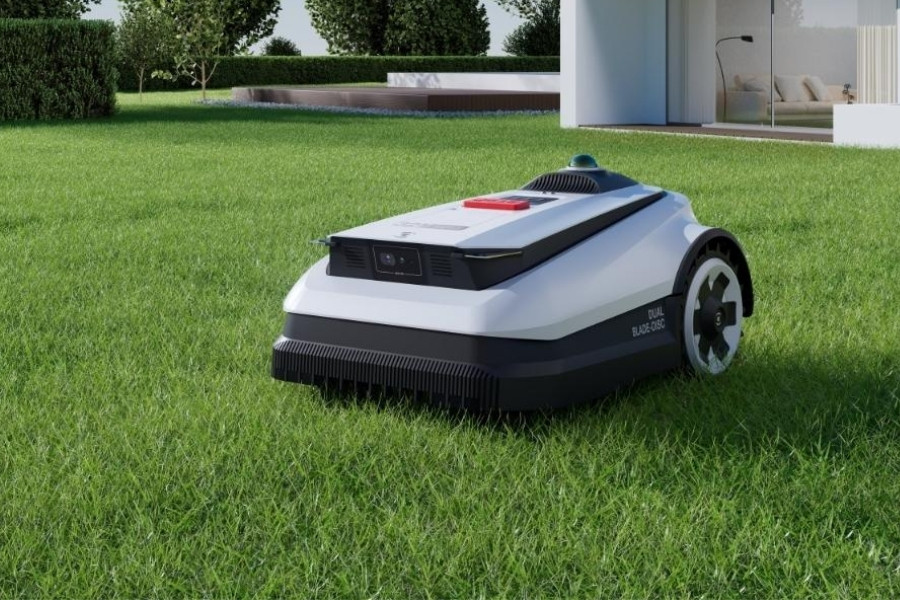
The GOAT A3000 LiDAR falls into the high-end category with Dual LiDAR navigation that builds a detailed 3D depth map, and its superior 32V high-powered platform with dual blade system covers up to 4,305 square feet per hour1.
8 Factors That Drive the Cost of a Robot Lawn Mower
The cost of a robot lawn mower depends on key factors, including coverage, battery life, and durability. Navigation technology such as RTK or LiDAR, together with obstacle avoidance and slope handling capability, raises performance and cost. High-end models employ AI, better sensors, and smarter technologies, which deliver stronger performance above basic entry-level designs.
Navigation Tech
Robot mowers work with different navigation methods to move through your lawn. Boundary wire systems are the most basic, while camera models add visual recognition. Advanced technologies like RTK and LiDAR use satellite positioning signals and laser scanning to build a detailed 3D map. The GOAT A3000 LiDAR incorporates Dual LiDAR: a 360° LiDAR module with a 3D ToF LiDAR and AI camera, to navigate without interference from shadows or roofs.
Coverage and Lawn Size
With tight or irregular layouts, mowing small lawns involves strong mapping and reliable obstacle detection, which increases cost. For instance, the GOAT O1000 RTK supports intelligent edge recognition to go through pathways as tight as 2.3 feet2.
Trimming large lawns, in comparison, needs long battery life, broad coverage, and multi-zone management. The GOAT A3000 LiDAR covers up to 5,382 square feet in two hours3 with super-fast charging.
Terrain Handling
If your lawns are built on a slope, you need robot mowers with strong traction, wheel design, and motors, which raise the cost. For instance, the GOAT A3000 LiDAR robot mower climbs steep slopes up to 27°4 with a 32V energy platform. Uneven or bumpy ground also increases the need for advanced navigation.
Obstacle Detection
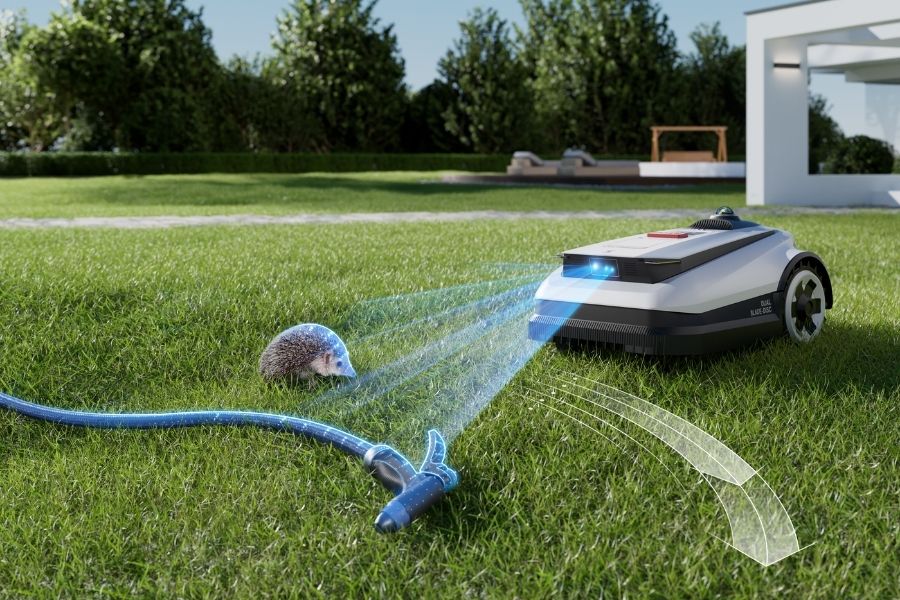
While basic robot mowers rely on bump sensors that react only after hitting an object, advanced models like the GOAT A3000 LiDAR use AIVI 3D Obstacle Avoidance, featuring AI Vision and 3D ToF LiDAR to identify over 200 types of objects in real time and move safely around them. This lowers the risks for small wildlife, such as hedgehogs, and furniture.
Cutting Height and Customization
The more customization options and higher software quality a mower has, the higher the cost. Choose a robot lawn mower that offers comprehensive tailoring to improve flexibility across different lawn types and seasonal needs. Through the ECOVACS HOME APP, GOAT A3000 LiDAR users can adjust cutting height from 1.2 to 3.6 inches, as well as mowing speed and no-go zones.
Durability and Maintenance
Durable materials raise the price while extending the lifespan of a robot mower. Waterproof designs, like GOAT robot mowers with an IPX6 rating, protect the mower during outdoor exposure and simplify cleaning. Low maintenance needs also add value over time.
Battery and Endurance
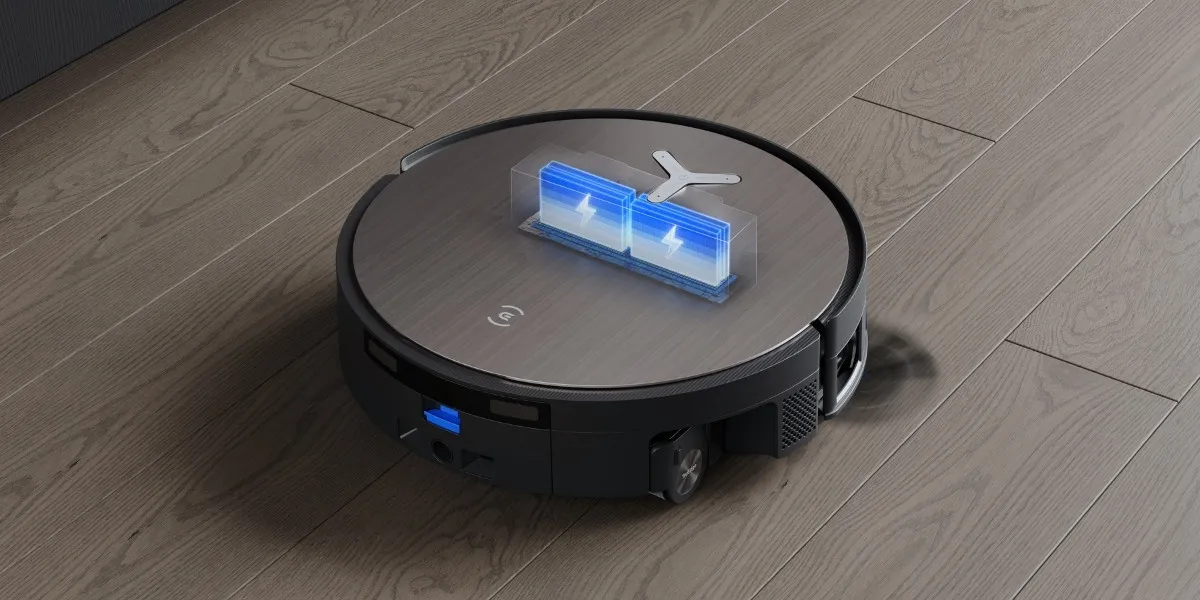
Longer runtime and fast charging increase the cost of a robot mower because they require stronger batteries and better power management. This is more common for large lawns, where extended battery life can cover more area without recharging.
Installation and Setup
Physical wire installation takes more time and raises the overall setup cost because you must lay boundary wires precisely around the yard. RTK navigation also requires setting up a base station for accurate positioning. Premium models like the GOAT A3000 LiDAR robot lawn mower simplify installation with a completely wire-free LiDAR system.
How Much Does It Cost to Maintain a Robot Lawn Mower?
Compared to traditional gas mowers, maintaining a robot lawn mower is relatively inexpensive. Most models only need regular blade replacements, an occasional battery change, and limited electricity to operate. The total cost stays far below what you would spend on fuel and parts for a gas mower, which keeps the overall lifespan cost low even with a higher upfront price.
- Blades: Replace GOAT lawn mower blades every 4 to 6 weeks or when signs of wear appear. Most blade sets are affordable.
- Battery: Replace every three to five years when the battery life deteriorates.
- Electricity: Mowers use minimal power each month, keeping the bill low.
- Cleaning: Regular cleaning keeps performance steady without extra maintenance.
Because the smart devices avoid fuel, oil changes, and frequent part replacements, their overall operating costs remain low. This makes robot mowers worth the investment, even with a higher price tag.
FAQ
When is the best time to buy a robot mower?
The best time to buy a robot mower is during major sale periods, such as Black Friday or Labor Day, when retailers release seasonal deals and discounts on multiple models.
Is a robot lawn mower cheaper than a ride-on mower?
When comparing a robot mower and a ride-on mower, smart models usually cost less upfront and have far lower operation costs since they avoid fuel, oil changes, and frequent part replacements.
How much electricity does a robot mower use?
A robot mower uses very little electricity, generally around 0.5 to 2 kWh per week5. This costs only a few dollars yearly and remains far more energy efficient than gas-powered mowers.
Disclaimer(s):
- 4,305 square feet per hour: Data from ECOVACS laboratory. The GOAT robotic lawn mowers can mow 4,305 square feet per hour. The performance efficiency is based on tests conducted in real lawn scenarios in the laboratory and may vary depending on different actual usage conditions.
- 2.3 feet: This refers to the experimental result operated by ECOVACS Laboratory, that ECOVACS GOAT O Family is able to go through a path as narrow as 2.3 feet. Actual results may vary depending on factors such as grass type, lawn size, terrain, and other environmental conditions.
- 5,382 square feet in two hours: Data from ECOVACS laboratory. The GOAT robotic lawn mowers can mow 5,382 square feet every two hours, including charging time. The performance efficiency is based on tests conducted in real lawn scenarios in the laboratory and may vary depending on different actual usage conditions.
- Slope climbing up to 27°: This refers to the experimental result operated by ECOVACS Laboratory, the maximum slope of the GOAT A3000 LiDAR working area is 50%, which corresponds to approximately 27°.
- 0.5 to 2 kWh per week: Data from https://robotmower.news.blog/2024/11/27/do-robot-mowers-use-a-lot-of-electricity/#:~:text=How%20Much%20Electricity%20Do%20Robot,impact%20on%20your%20utility%20bills.