
Whether you like to host gatherings or play outdoor sports, a well-maintained lawn can act as an extension of your indoor living space. While Americans spend 56 minutes per week on average cleaning their floors, it’s also important to spend time on proper lawn mowing to maintain healthy turf and preserve the overall aesthetic of your landscape.
Grasses like Bermuda and St. Augustine need consistent trimming, yet each has different cutting height needs. Learn how to mow a lawn correctly, and the common mistakes to avoid.
Why Is Proper Mowing Important?
Proper mowing supports your lawn’s health and appearance. Regularly cutting grass at the right height boosts photosynthesis, which strengthens root development and encourages thicker turf. This helps reduce weeds and the damp conditions that attract pests and fungal issues. A healthy lawn also recovers faster from foot traffic, weather changes, and seasonal stress.
Mowing promotes lateral growth, making the grass more resilient to drought and disease. Meanwhile, it trims existing weeds before they can flower and spread seeds, and prevents building a thriving environment for pests and bacteria. Fine clippings left behind also naturally return nutrients to the lawn.
What Do You Need to Cut Grass the Right Way?
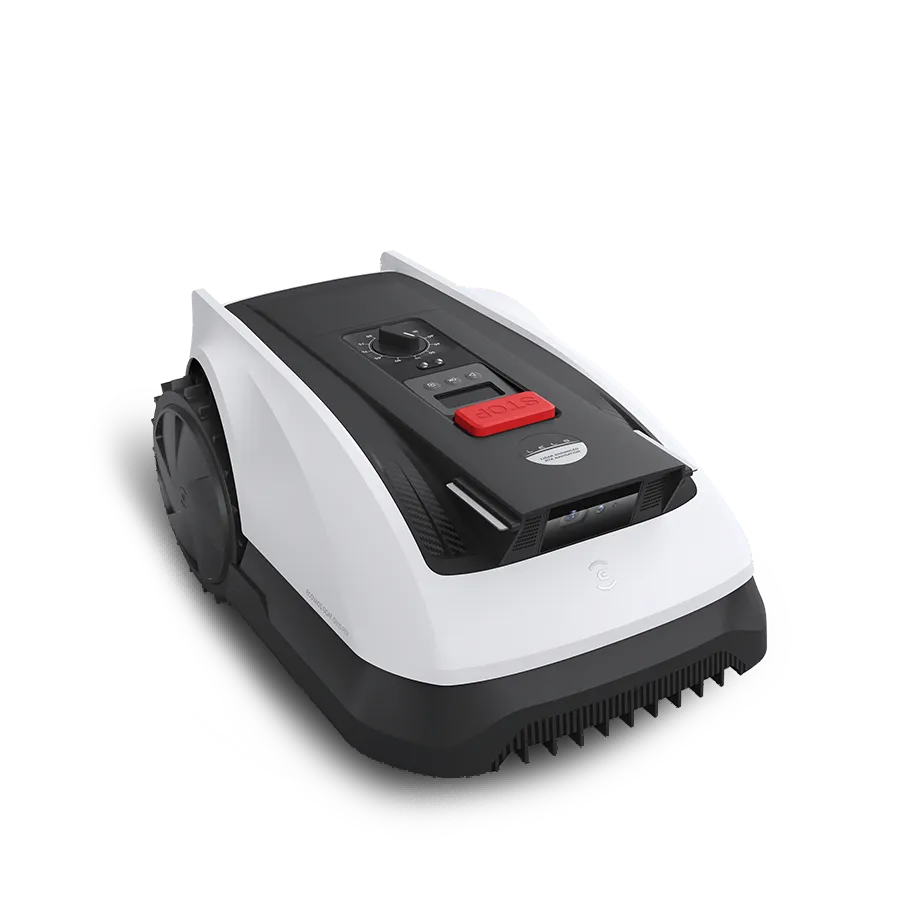
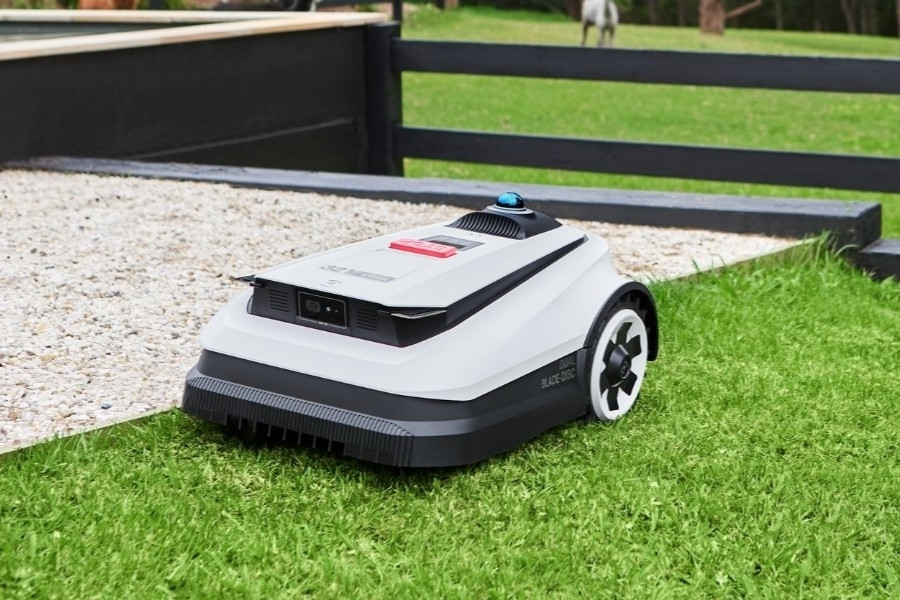
Using the right tools makes lawn care safer and more effective. For extra convenience, opt for a robot lawn mower that can handle the routine automatically.
When cutting grass in your lawn, prepare these essential tools:
- Lawn mower: The main tool for cutting grass evenly, whether you need to mow a large yard or a smaller one. If you want automated garden care, choose an autonomous mower.
- Grass trimmer or edger: Sharpens borders and trims areas a mower can hardly reach, such as fences, garden beds, and narrow pathways. GOAT robot mowers with edge trimming can save you from purchasing this tool.
- Leaf rake: Collects fallen leaves, sticks, and loose debris before mowing to improve cut quality.
- Snow shovel: Helps remove leftover snow or compacted winter debris in colder regions like Aspen before the first spring mow.
- Safety gloves and glasses: Protect your hands from sharp debris and shield your eyes from flying grass or stones.
How to Mow a Lawn Properly?
To mow a lawn properly, start by clearing debris and choosing the right cutting height and mowing time. Use sharp blades, vary your mowing pattern, and avoid removing more than one-third of the blade at once. Leaving clippings on the lawn can also nourish the soil.
Step 1: Clear the Lawn
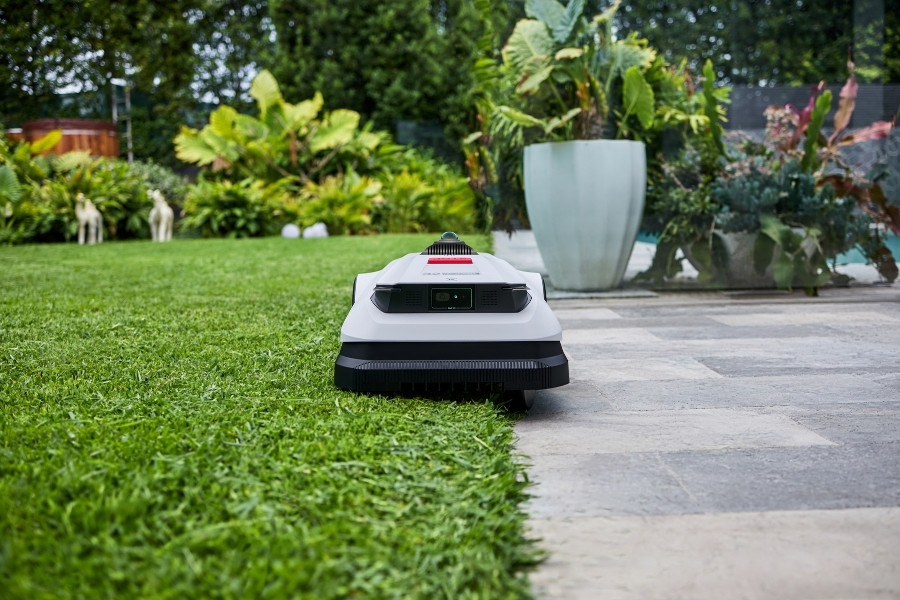
Before mowing, pick up sharp rocks, pet toys, or other objects that can block the mower. Check for hidden obstacles like sprinkler heads that may interfere with cutting height and cause uneven patches. Walk along borders and fences to remove items that could obstruct safe navigation for robot mowers.
Step 2: Choose the Cutting Height
Follow the one-third rule: never cut more than one-third of the grass blade at once to maintain steady growth. Cool-season grasses like Fescue prefer slightly taller cuts, while warm-season types like Bermuda thrive with shorter cuts.
Adjust your mower height based on the grass type and local climate. Robot mowers are worth the investment as they allow you to set heights simply through the app.
Step 3: Keep Your Mower Blade Sharp
When the blades are dull, they tear the grass and lead to browning and disease. Clean your mower after every use to remove clippings stuck on the blades and keep them sharp.
When comparing traditional models like ride-on mowers and robot mowers, GOAT robot mowers with IPX6 waterproof protection allow you to simply rinse the unit using a nozzle.
Step 4: Mow When Grass Is Dry & Conditions Are Suitable
For best results, avoid cutting wet grass because it clumps easily and may clog the mower. Trimming grass during extreme heat or drought can also stress the turf.
The best time to mow is when the lawn is dry, such as mid-morning after dew has evaporated or late afternoon. For newly seeded or sodded lawns, wait until roots have fully established to prevent pulling up young shoots.
Step 5: Use Best Mowing Technique & Patterns
If you trim grass yourself, alternate mowing directions each time to stop the grass from leaning and to create an even look. Pay attention to edges and corners that are likely overlooked. Models like the GOAT A3000 LiDAR are built with LELS Pro, a dual-LiDAR navigation system, for intelligent U-shaped path planning, achieving 100% coverage1 both horizontally and vertically.
Mow at a steady, moderate pace, as going too fast can leave uneven patches, while moving too slowly may scalp high spots or overload the mower. GOAT A3000 LiDAR, for instance, runs at a speed of 2.3 feet/s2.
Step 6: Leave Grass Clippings on Your Lawn
Short, dry clippings act as free fertilizer by returning nitrogen and moisture to the soil. However, long or wet clippings may clump and block sunlight. Robot mowers are great at keeping a consistent schedule and naturally produce ultra-fine clippings for mulching.
Step 7: Follow Mowing Safety Practices
Keep your pets or toddlers at a safe distance as they can be sensitive to the loud noise of traditional mowers, and stop them from running near the mower and risking injury.
Advanced robot mowers like GOAT A3000 LiDAR operate quietly at 62 dBA and come with AIVI 3D obstacle avoidance to detect and maintain a safe gap around over 200 types of obstacles, including hedgehogs.
If your yard is on a slope, make sure your robot mower can handle the incline. For instance, GOAT A3000 LiDAR can climb slopes up to 27° with its 32V energy platform, helping prevent accidents.
How Often Should You Mow Your Lawn?
When deciding how often to mow your lawn, you need to consider factors like grass growth, season, and local weather conditions. During active seasons, most lawns need trimming about once a week, while slower periods may require mowing every two weeks.
Cool-season grasses like fescue and bluegrass usually need more frequent trims in spring and fall, while warm-season varieties such as Bermuda and buffalo grass peak in summer. Shaded areas grow more slowly, while new lawns need extra time to establish before their first trim.
With a GOAT robot mower, you can schedule mowing sessions in the ECOVACS HOME app and adjust them anytime.
What to Avoid When Cutting Grass?
Cutting grass the wrong way can affect long-term growth. Other than avoiding cutting too low and trimming when the lawn is wet, you should also avoid using dull blades. These mistakes can stress the turf, resulting in soil compaction and even disease.
- Avoid cutting too low: Setting the cutting height too low weakens the turf, exposes soil to heat, and encourages weeds to spread in thin or stressed lawn areas.
- Avoid mowing wet grass: Wet grass clumps easily, clogs the mower, and increases slipping risks on steep slopes.
- Avoid dull blades and poor equipment care: Dull or poorly maintained blades tear grass instead of cutting cleanly, leading to browning, weak growth, and higher chances of lawn disease.
- Avoid always mowing the same pattern: Following the same direction repeatedly can compact soil, restrict airflow, and cause uneven growth as grass begins to lean in one direction.
How ECOVACS Can Help Cut Grass?
ECOVACS offers GOAT robot mowers to handle small gardens and large yards with consistent schedules, customizable settings, and smart features.
Take the GOAT A3000 LiDAR as an example, this premium model charges in just 45 minutes and can mow up to 5,382 square feet in two hours3 with minimal effort.
Through the ECOVACS HOME app, you can customize the schedule, cutting height from 1.2 to 3.6 inches, and no-go zones. Smart auto-mapping sets up boundaries without physical markers, while TruEdge technology trims as close as 2 inches to edges, providing an efficient mowing experience with minimal effort.
FAQ
When should I stop mowing my lawn?
Stop mowing when growth slows in late fall, usually after the grass stops actively growing. Regions with cooler climates stop earlier, while warmer climates can keep occasional trimming through winter.
Can grass be too long to mow?
Yes, grass can become too long to mow in one pass. If your garden gets neglected for a long time, trim it gradually by raising the cutting height first, then lowering it over several sessions to avoid scalping the lawn.
Can I cut my grass after it rains?
You can cut grass after it rains only once the lawn is fully dry, because wet grass clumps cause uneven cuts, and increase the risk of clogging the mower or slipping.
Disclaimer(s)
- 100% coverage: This refers to the full coverage of the claimed lawn area by ECOVACS GOAT, measured by ECOVACS Laboratory. For detailed area information, please kindly find it in the product spec. Actual results may vary depending on factors such as grass type, terrain, and other environmental conditions.
- 2.3 feet: Data from ECOVACS laboratory. The GOAT A3000 LiDAR robotic lawn mowers have dual cutting blades with a 12.99" cutting width, covering up to 4,305 ft² per hour at speeds of 2.3 ft/s. The performance efficiency is based on tests conducted in real lawn scenarios in the laboratory and may vary depending on different actual usage conditions.
- 5,382 square feet in only two hours: Data from ECOVACS laboratory. The GOAT robotic lawn mowers can mow 5,382 square feet every two hours including charging time. The performance efficiency is based on tests conducted in real lawn scenarios in the laboratory and may vary depending on different actual usage conditions.