Keeping your windows clean is not just about making your home look good; clean windows let in more natural light and help protect surfaces from damage. As more households adopt smart cleaning tools, with the global window cleaning robot market expected to reach US$208.21 million by 20351, following the proper cleaning method matters.
The process is straightforward: remove loose dust, clean the glass, frames, and tracks, and finish with a quick buff. The 8-step guide below shows a simple routine that helps you clean windows faster without streaks.
Step 1: Clean Windows on a Cloudy Day
Cleaning your windows on a cloudy day will give you the best results. This is because when the sun is shining bright, it can cause your cleaning solution to evaporate too quickly, leaving behind streaks that are tough to remove. On a cloudy day, you don’t have to worry about that, as the overcast skies give you more time to properly wash away the solution. Plus, without the sun’s glare, it’s easier to spot streaks or dirty spots. Always work in sections so the glass stays wet and the solution doesn’t dry.
Step 2: Gather and Set Up Your Equipment
Picking the right tools, including a squeegee, microfiber cloths, and a suitable cleaning solution, helps you work more efficiently. Use small brushes or sponges for corners and edges where larger tools cannot reach, and prepare a sturdy ladder for high or floor-to-ceiling windows. Keep your tools on the floor near the window or carry them in a tool belt or pouch for easy access.
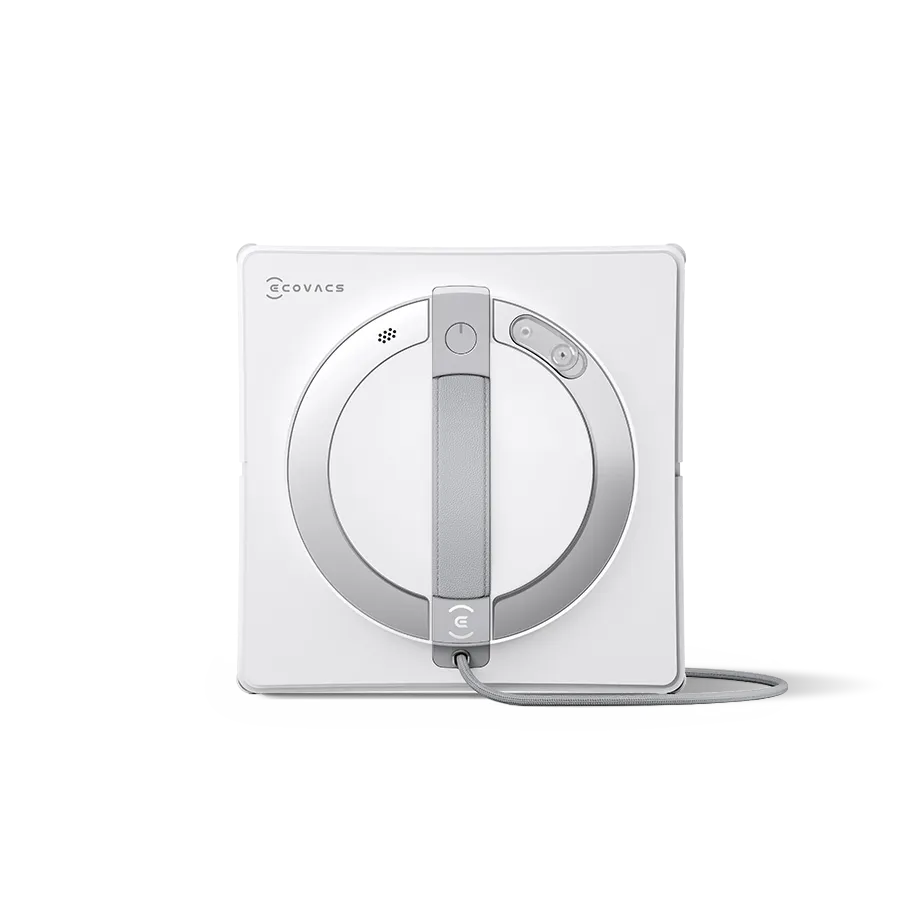
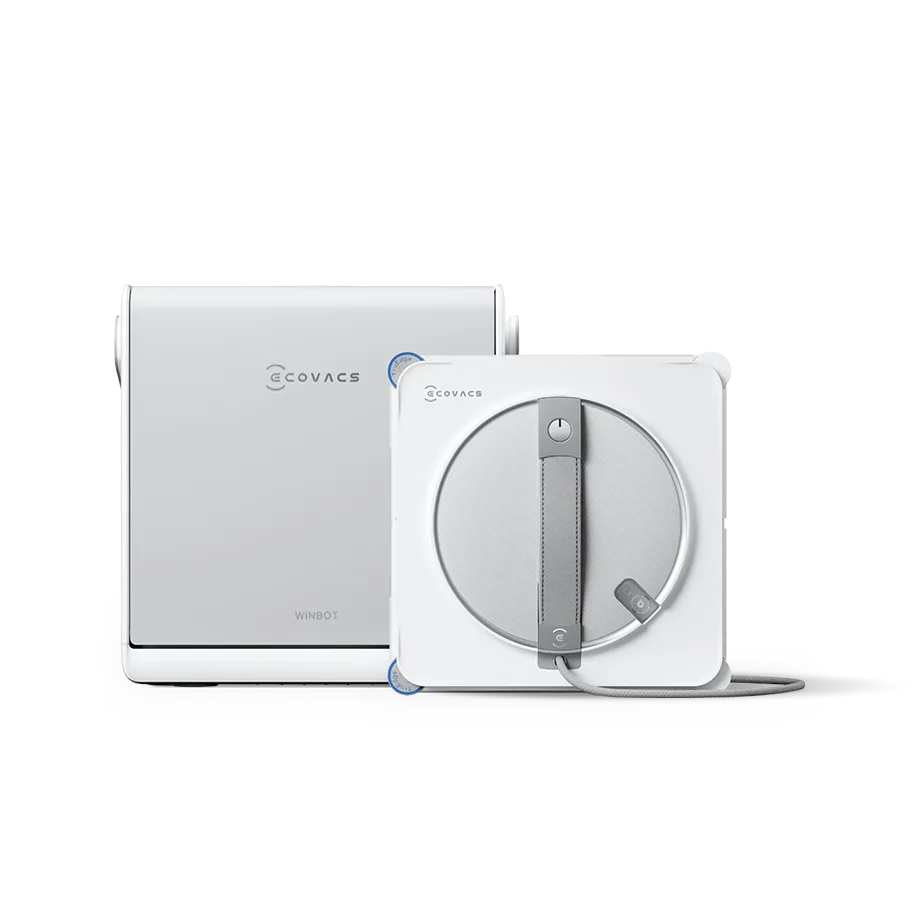
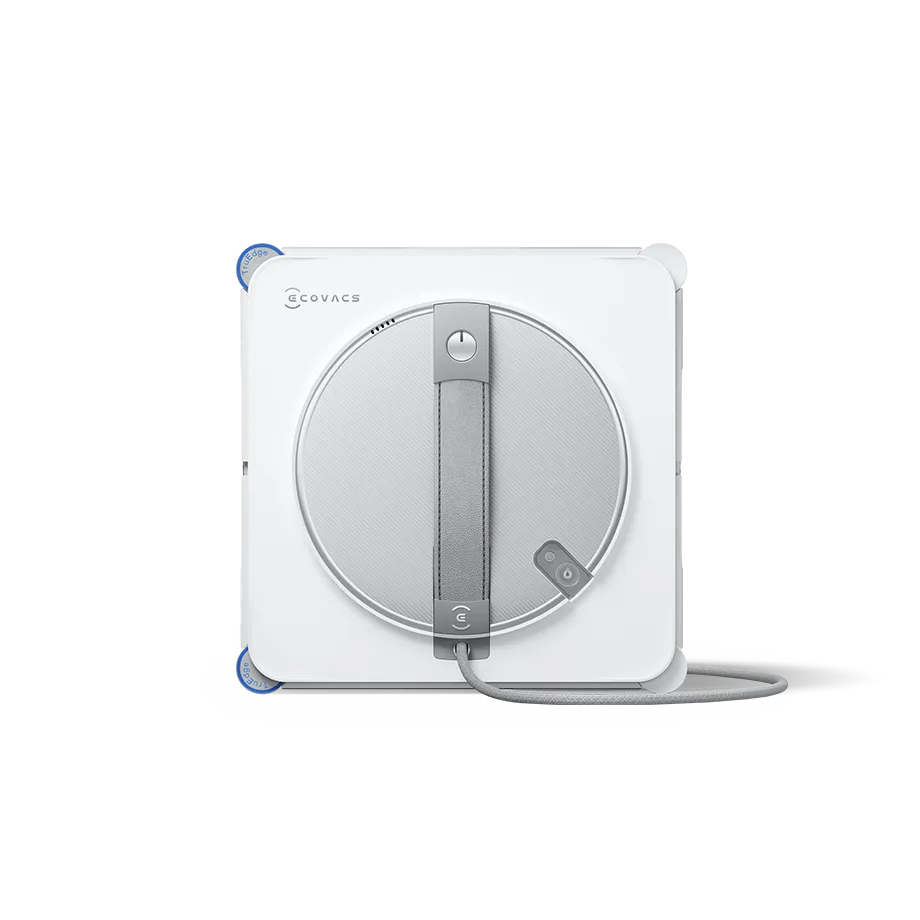
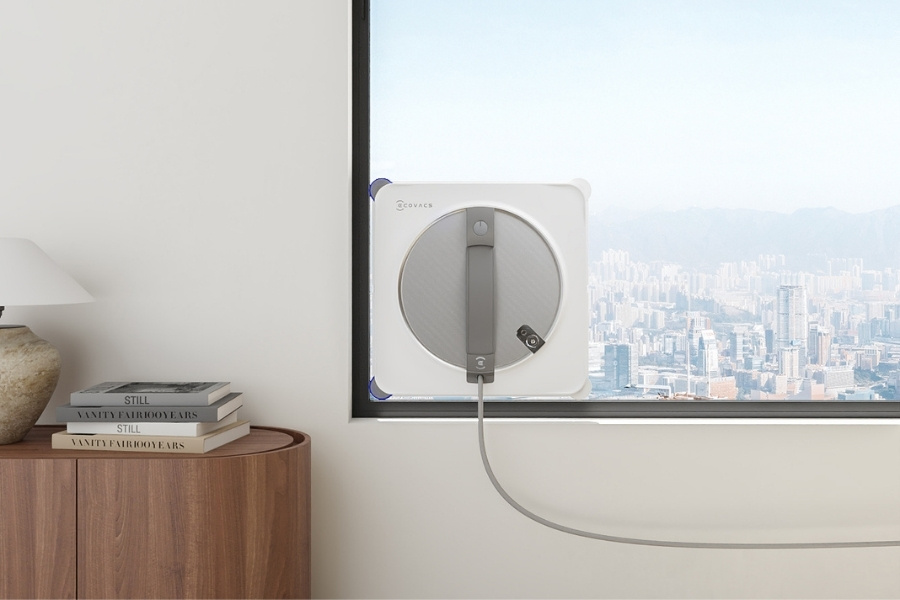
If you are wondering, are robot window cleaners worth it? These smart devices come with intelligent climbing systems and built-in spray mechanisms for hands-free cleaning. Set up your robot window cleaners according to the manufacturer’s instructions, choose the appropriate settings, and place the device securely on the glass before starting.
Step 3: Prep frames, tracks, and sills
Just as you should dust your windows before you vacuum the floor, you should also wipe the handles and clean frames with mild soap and water before washing the glass. Dirt and grime buildup can be dragged onto the surface, so you should avoid harsh, abrasive tools that can scratch the glass. Instead, use a soft brush or the brush attachment of a vacuum cleaner.
Finally, take a moment to identify any tough stains or grimes. Give these areas a quick pre-treatment with a small amount of cleaning solution, or use rubbing alcohol on a microfiber cloth for stubborn spots before tackling the entire window.
Step 4: Mix and apply the right cleaning solution
Choosing the right cleaning solution helps reduce streaks. DIY users can try these simple mixes:
- Distilled water + vinegar mix: Removing mineral deposits and water spots
- Water + a few drops of dish soap: Cutting through greasy dirt
Use a spray bottle on small panes and interior windows for better control. For large windows or floor-to-ceiling glass, use a bucket with a scrubber or sponge for even coverage.
Tougher grime can be broken down with an ammonia-based solution, but it should be used sparingly and in well-ventilated areas. You can also add a few drops of essential oils for a fresh scent.
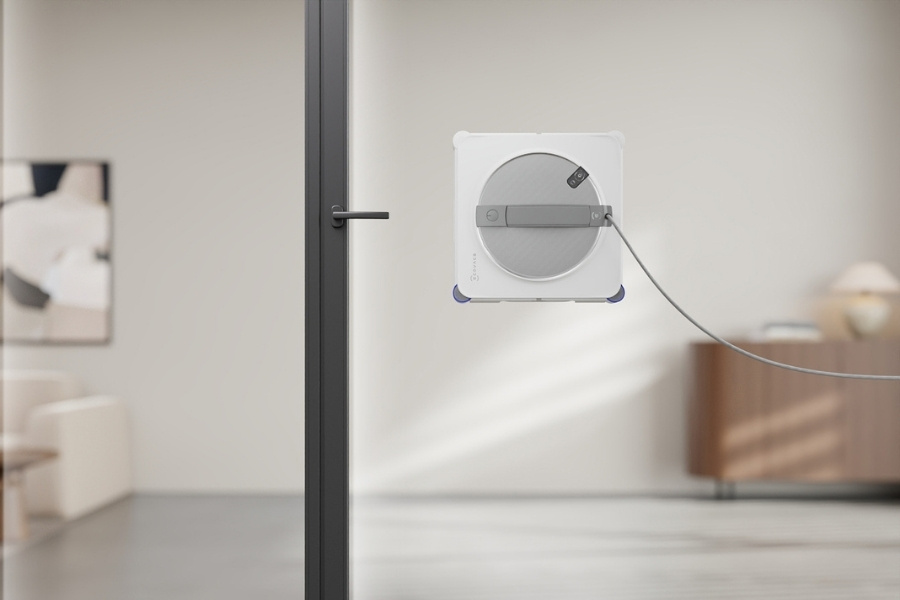
For robot window cleaner users, it is best to pair the device with a brand-certified cleaning solution or follow the manufacturer’s guidelines.
Step 5: Clean your window in an S-pattern from top to bottom
Start by spraying your window with cleaning solution and work from top to bottom to prevent dirty water from dripping onto already cleaned areas. Rather than using straight lines or circles, wipe in an S-pattern motion for more even coverage.
When cleaning your windows, focus on high-streak areas like the corners and edges of the glass that collect more dirt. Keep your tool on the glass in one continuous motion and wipe away any solution that gathers on the sill or ledge.
Robot window cleaners also follow a similar logic. If you are wondering how robot window cleaners work, the WINBOT W2S OMNI, for example, uses a zigzag cleaning pattern through its WIN-SLAM 4.0 intelligent planning technology to clean systematically.
Step 6: Squeegee correctly to prevent streaks
Other than washing motion, pay attention to proper squeegee technique to prevent streaks. Start at the top and work your way down. While it may be tempting to rush through the process, moving steadily and overlapping passes slightly to avoid missed spots and streaks, and place a towel on the sill to catch drips.
Between passes, wipe the squeegee blade with a clean microfiber cloth or terry cloth to avoid spreading residue. This technique also works well for cleaning glass shower doors.
Step 7: Wipe Edges and Buff Dry
Finish by detailing corners and edges, since these areas tend to streak first. Buff edges and remaining residue with a dry, soft cloth such as microfiber. Avoid using too much soap, as excess residue can leave marks on the glass. Skip paper towels as well, since they often leave lint behind and reduce overall clarity.
Step 8: Clean Your Equipment After Use
After finishing your window cleaning, take a few minutes to clean and dry your tools thoroughly. Dirty squeegees or worn tools can leave streaks or even scratch your windows.
For robotic window cleaners, wash the cleaning pads and wipe the fan and anti-drop sensors, as these parts directly affect cleaning performance.
As a good practice, while you might have already decided how often to vacuum your home, you do not need to clean your windows as frequently. You can adjust the schedule based on your living environment. For example, if you live in a rainy or dusty area, or if your windows face a main road or construction site, you will likely need to clean them more often. In less exposed or polluted areas, cleaning every couple of months may be sufficient.
FAQ
Can I use vinegar to clean my windows?
Yes, you can use vinegar to clean windows and cut through grime. Mix equal parts white vinegar and water in a spray bottle, then wipe the windows with a soft cloth or squeegee. However, robotic window cleaners should use only official cleaning solutions.
How do you clean window screens?
To clean window screens properly, carefully take out the screens first, then vacuum loose dust from the surface. Gently scrub with mild soap and a soft brush, rinse with water, and let them air dry before reinstalling.
How to clean outside windows safely?
If the outside window is above arm's reach, use a sturdy ladder or extension pole and keep three points of contact to reduce slipping risk. Also, work on dry days, wear non-slip shoes and safety gear, and clean from top to bottom.
Disclaimer(s):
Market Growth Reports: https://www.marketgrowthreports.com/market-reports/window-cleaning-robot-market-103810
Related Products