Robot lawn mowers have changed the game of lawn care; instead of spending weekends pushing a mower, your robot manages trimming automatically.
Robotic mowing works differently from traditional methods as the machines trim small amounts of grass at a time, which changes how you should plan your schedule.
To decide the right mowing frequency for your lawn, you need to understand the benefits of regular mowing, the factors that influence growth, the signs that show when your lawn needs attention, and the common mistakes to avoid.
Why Regular Mowing Matters With Robot Lawn Mowers?
Keeping a mowing routine is important because robot lawn mowers are built for frequent light trimming instead of heavy weekly cuts. By doing so, you encourage mulching and therefore denser growth to fight against weeds. This also helps your mower last longer.
- Better lawn health: Frequent light cuts stimulate lateral growth and help grass recover faster after trimming cycles.
- Encourage mulching: Small clippings decompose quickly, returning nitrogen and organic matter to the soil.
- Reduced weed competition: Shorter, consistent grass shades the soil surface and limits weed germination.
- Consistent lawn look: Regular trimming retains uniform height and coloration, and prevents visible patches.
- Smooth operation: Frequent light workloads reduce strain on the blade, motor, and battery, minimizing robot mower maintenance due to wear.
Finding the right schedule is just as important as how you mow the lawn and choosing the right robot mower.
How Often Should You Run a Robot Lawn Mower?
Most robot lawn mowers work best when running every 2 to 3 days to keep grass healthy without overcutting, and even daily during peak growing seasons. Adjust the schedule based on factors like grass types and weather, and always follow the one-third height rule: never cut more than one-third of the blade height at a time to prevent stress.
Here’s a quick guideline on how often to mow your lawn in different situations:
- Spring and early summer: every 2 to 3 days
- Summer or rapid growing seasons: every 1 to 2 days
- Autumn or slow periods: 2 to 3 times per week
- Winter dormancy: pause mowing
Consider these factors when setting your mowing routine, since robot mowers operate differently from ride-on mowers and other traditional models:
Lawn Size and Layout
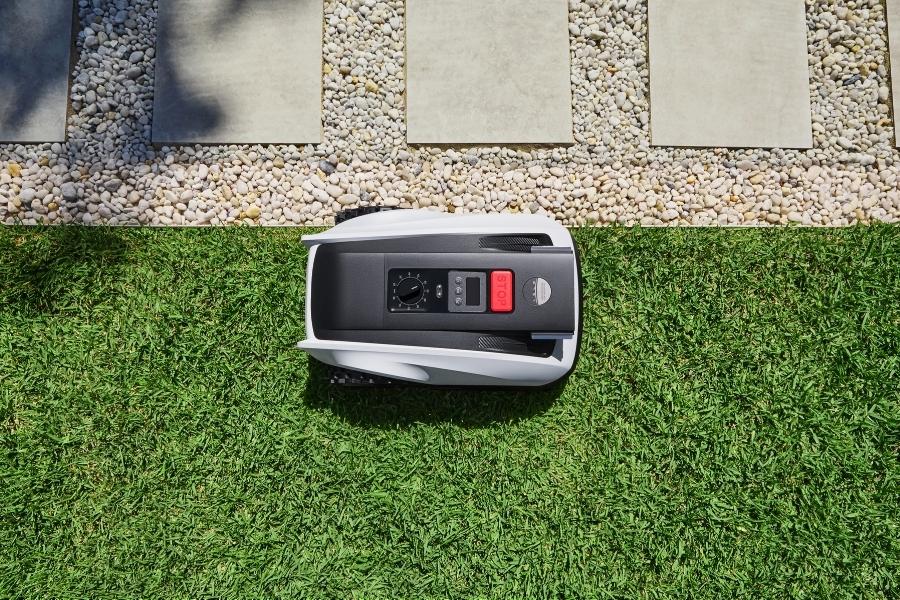
In terms of size, larger lawns naturally require more frequent sessions to maintain a consistent appearance. Meanwhile, complex layouts with narrow passages, trees, and flower beds increase runtime needs.
Multi-zone gardens or yards that require the robot mower to climb hills need tighter scheduling to maintain even cutting.
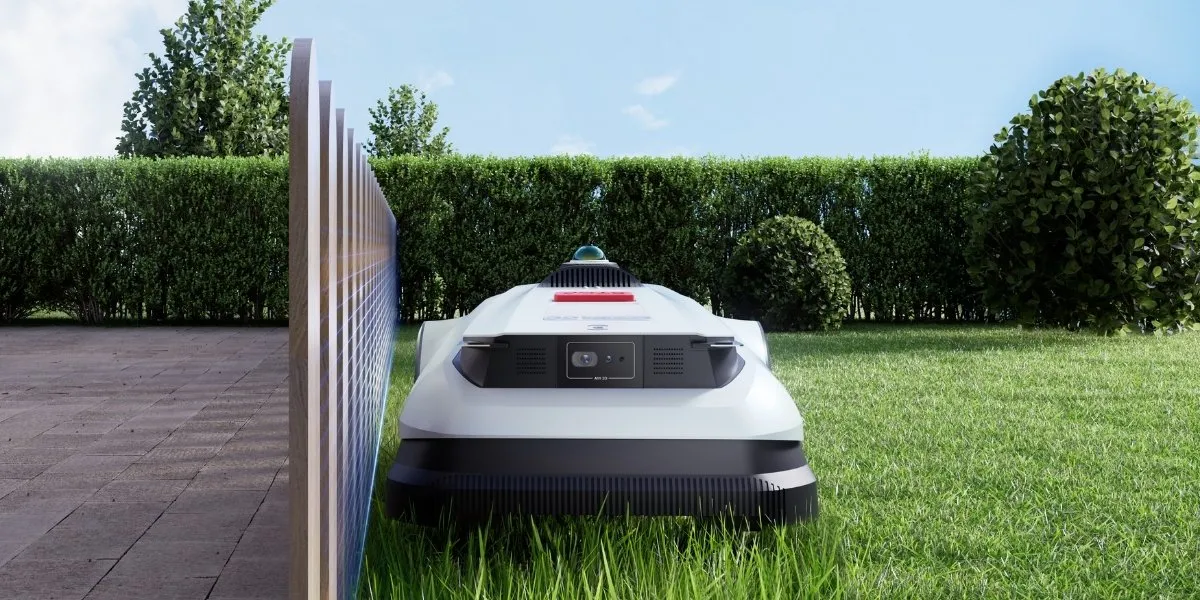
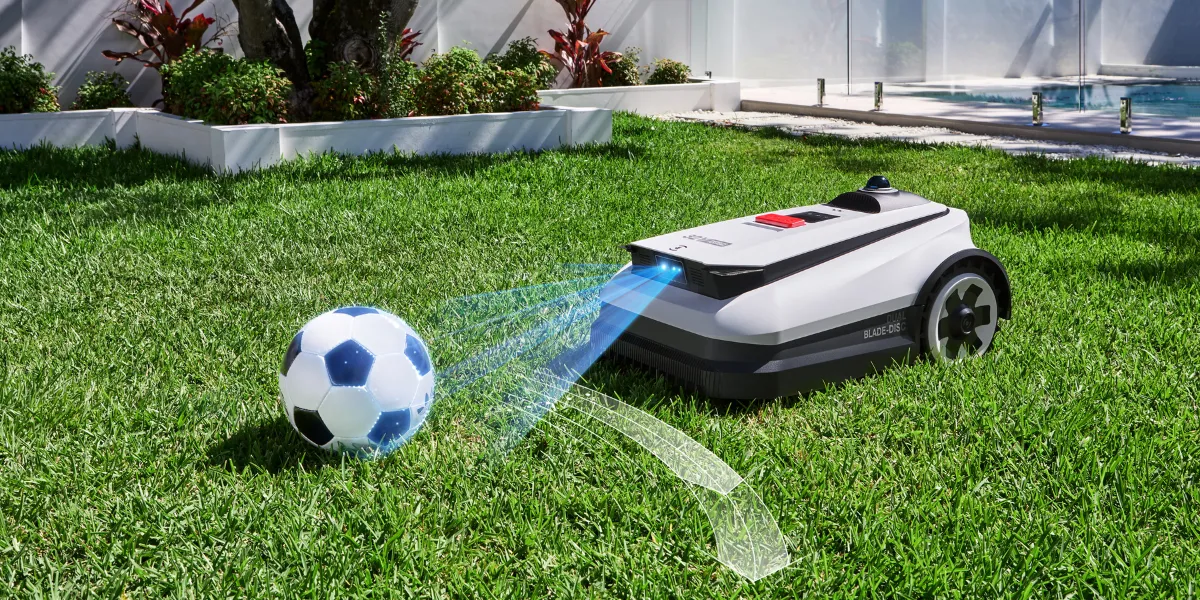
A good example is the GOAT O1000 RTK. With its slim design and smart edge detection, this model handles lawns up to 1/4 acre, climbs steep slopes up to 24°, and navigates complex layouts with narrow paths as tight as 2.3 feet1.
Grass Type
Grass species grow at different speeds. For example, cool-season varieties like ryegrass and bluegrass grow faster in spring and fall, which calls for shorter intervals between sessions.
Warm-season grasses, such as Bermuda and buffalo grass, peak during summer months and benefit from more frequent cuts to manage excessive height buildup.
Weather and Seasonal Conditions
Rain and mild temperatures further accelerate growth, which increases mowing demand; however, it’s recommended to avoid cutting wet grass, as the clippings can become heavy and stress the blades and lawn.
Adjust the schedule and wait until the grass is dry before running the robot mower again.
Desired Lawn Appearance and Maintenance Goals
Do you prefer your lawn to look uniform or more natural? Decorative lawns need tighter schedules to maintain a short, uniform look, whereas if you prefer a natural appearance, you can space sessions slightly wider.
Robot Mower Specifications
Machine design and technology also affect how frequently the mower should run. Wider cutting decks, often found on robot mowers for large lawns, cover more ground per session. The same applies to longer battery runtimes and faster charging, which can minimize downtime. Robot mowers with edge cutting and advanced navigation systems enjoy better efficiency on sloped or uneven terrain, too.
4 Signs It’s Time to Run Your Robot Mower
Even though robot lawn mowers bring benefits for daily lawn upkeep, it’s best to keep an eye on signs that indicate your yard needs trimming. When grass grows too long, the roots can weaken and trap moisture, making the workload heavier and less effective.
Here are the 4 main signs that you should run your robot mower:
- Grass too tall: When the grass grows beyond the target height, it may not be suitable to run the robot mower. For example, you should let the GOAT robot mower cut the grass to a height of no more than 3.94 inches.
- Uneven height: If some areas look taller than others, that means the lawn has missed regular trimming.
- Large clippings: Larger clippings mean the mower is running too far apart, and heavier pieces may block airflow and moisture.
- Patchy lawn: When the lawn looks patchy or thin, growth is uneven and requires cutting to balance growth.
Common Mistakes to Avoid When Scheduling Your Robot Lawn Mower
When scheduling your robot lawn mower, be aware of these common mistakes that may place unnecessary strain on your machine and yard.
- Cutting too much at once: Even if the grass grows too tall, avoid cutting more than one-third of the grass height.
- Ignoring weather adjustments: Trimming too often during summer heat or rainy days can cause unnecessary stress on the grass.
- Leaving the mower running continuously: Running all day without considering the best time to cut increases wear and wastes energy.
- Running mower too infrequently: Extended gaps allow excessive growth and make it harder for the mower to trim the grass.
Disclaimer(s):
- 2.3 feet: This refers to the experimental result operated by ECOVACS Laboratory, that ECOVACS GOAT O Family is able to go through the path as narrow as 2.3 feet. Actual result may vary depending on factors such as grass type, lawn size, terrain, and other environmental conditions.