
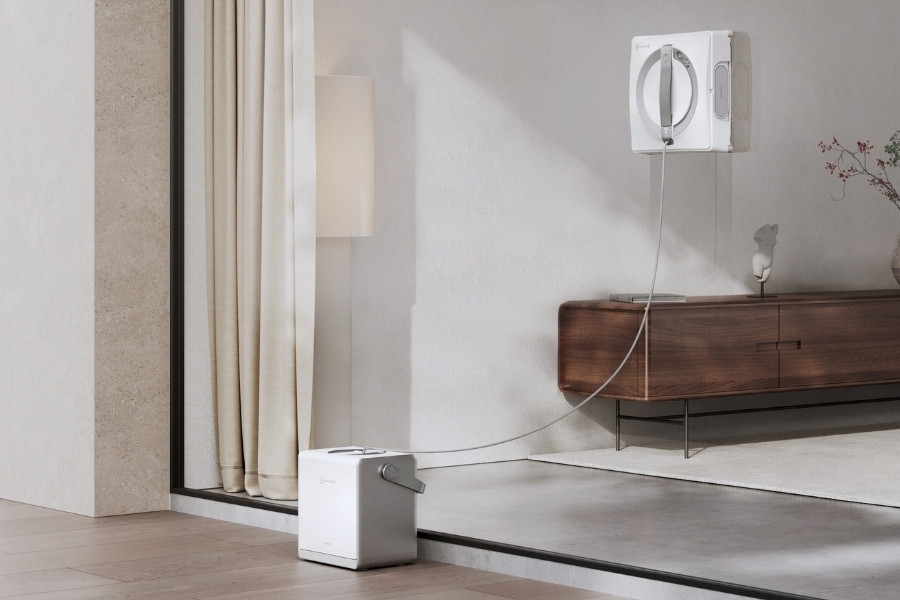
Having robots take care of our daily tasks was once just a movie fantasy, but now, the Domestic Service Robotics market in Australia is projected to reach AU$67.75 million in 2025. It’s hard to say no to a machine that cleans your home, and robotic window cleaners offer a modern way for one of the most tedious jobs, bringing efficiency, safety, and a consistent shine without blocking your view. Still, first-time buyers may wonder: can they truly replace traditional cleaning methods, and are they worth the investment?
Do Robot Window Cleaners Really Work?
Yes, robot window cleaners work well on most flat glass surfaces. Compared to traditional methods, they save time and physical effort while maintaining a consistent cleaning routine. They’re also a safer option for those living in high-rise apartments and are great for regular maintenance, even on hard-to-reach windows.
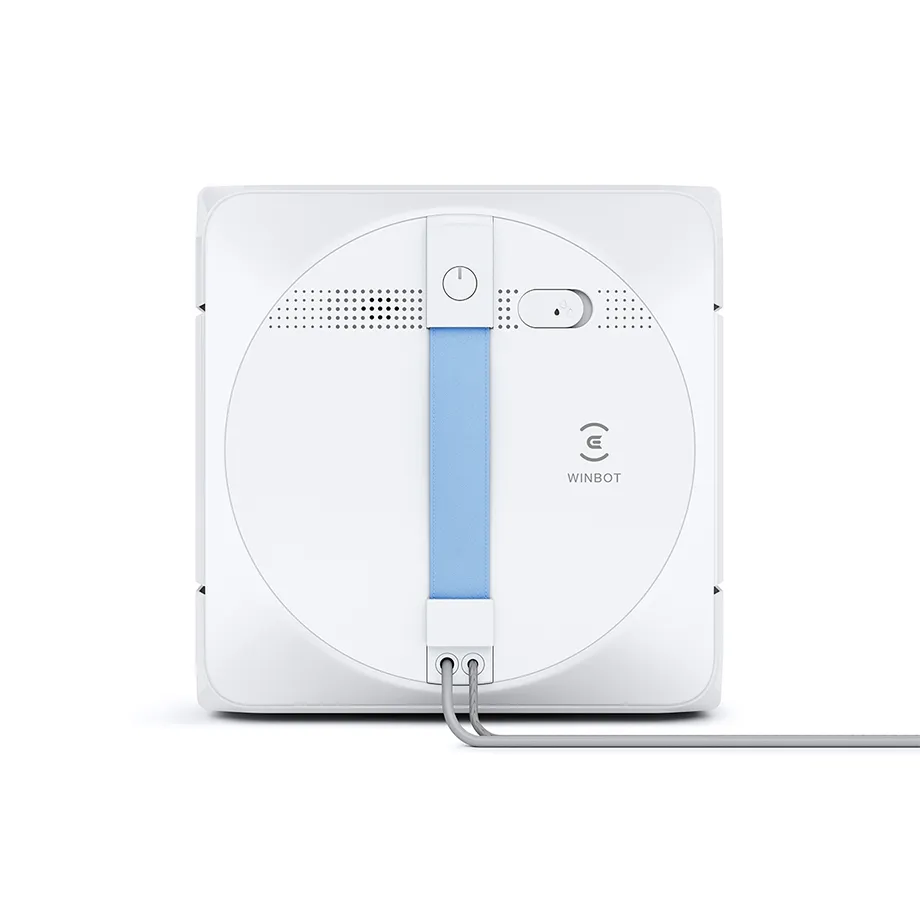
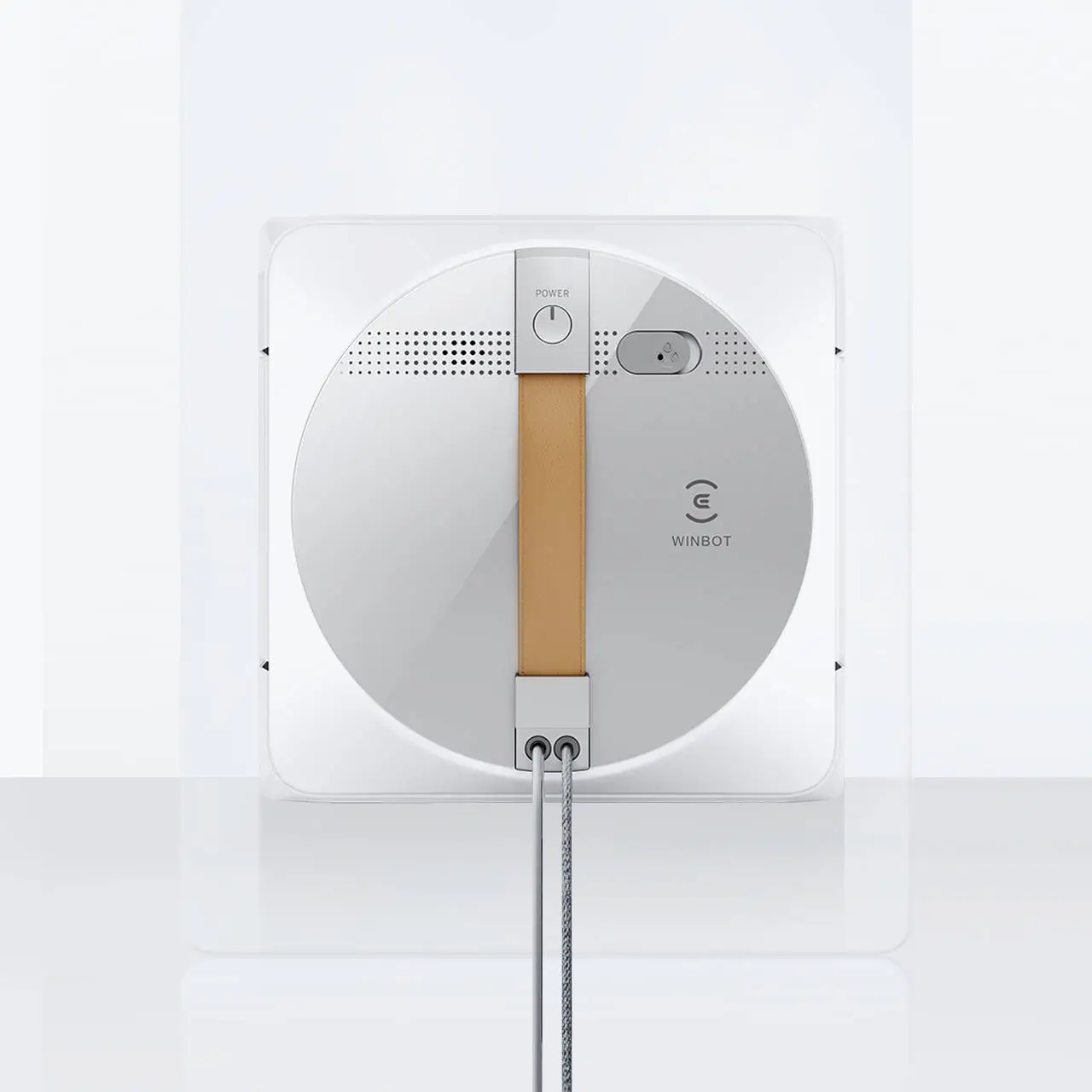
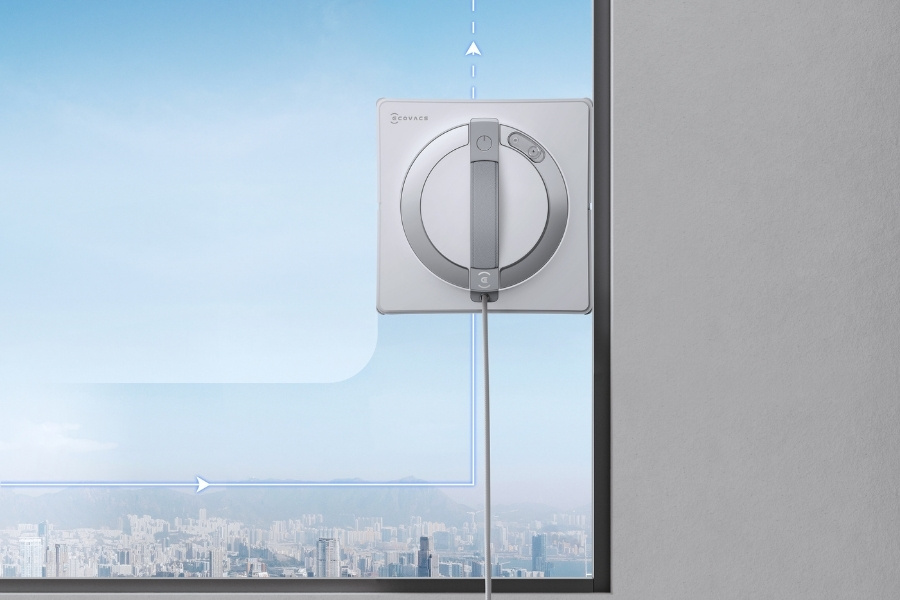
Window robots are smart devices that keep your windows clean with minimal effort, from tall glass panels and high-rise windows to shower doors. Take the WINBOT W2 PRO OMNI as an example: once attached to your window with over 800N of suction force, it automatically moves in an optimised pattern, guided by WIN-SLAM 4.0 intelligent planning. It cleans the surface using upgraded Three-Nozzle Wide-Angle Spray Atomisation Technology combined with a built-in wet mop, while multiple sensors help it smoothly bypass obstacles and prevent jamming. Apart from enhancing edge cleaning by 65%, it also provides seven cleaning modes, including Fast Cleaning, Deep Cleaning, Thorough Cleaning, Edge Cleaning, Spot Cleaning, Zone Cleaning and Heavy-duty Cleaning, to cater to different situations.
In the past, cleaning windows meant climbing a ladder, then spraying and scrubbing with a squeegee or cloth. Not only is this time-consuming, but it also poses safety risks, especially in duplex lofts with large windows. When compared to these traditional methods, robot window cleaners like WINBOT are designed with various anti-drop safety features such as a safety rope and gravity acceleration sensors, keeping the operation safe.
What Are the Pros of Robot Window Cleaners?
Window cleaning robots benefit your cleaning routine by automating the task, reducing cleaning time and physical strain, minimising safety risks, reaching hard-to-access areas, and helping you save on professional cleaning services. Some premium models even boost efficiency by planning cleaning paths and letting you control the task remotely via an app.
Automated operation
Robot window cleaners automate the task by spraying and wiping on their own without leaving streaks behind. For example, once you retrieve the WINBOT W2 PRO OMNI from its multi-functional station and place it on the surface, it will proceed to clean the entire window. When finished, simply return the device to the station, and it will automatically retract the cord, saving you the hassle.
Safety measures
These smart cleaners replace ladders and, more importantly, limit risky manoeuvres when cleaning second-story windows or tall glass on high floors. Models like the WINBOT W2 PRO OMNI feature eight hardware-based fall protection measures, including automatic air pressure compensation that optimises its 5,500 Pa suction power for a firm grip, a patented floating cleaning cloth plate that cushions external forces, and a self-weighted dock with suction cups and a safety rope for added security in case of accidental falls. In case the battery is low, its power-off protection allows it to stay attached to the window for over 30 minutes.
Savings
Outsourcing to professionals can be expensive if you have many windows or live in a polluted area like near highways. While the upfront price is higher, a smart window cleaner can save on recurring service fees in the long run.
Versatility
Many robots, such as the WINBOT W2 PRO OMNI, are compatible with various types of flat glass surfaces. They perform best on large, floor-to-ceiling glass but can also clean windows as small as 30 x 40 cm. Meanwhile, the intelligent frame detection supports cleaning shower glass doors and other frameless glass, and the device works on tilted surfaces angled between 60° and 120°. If your windows do not have power outlets close by, the OMNI station can power the machine.
Quiet operation
Compared to vacuum robots, most window-cleaning robots operate quietly; the WINBOT W2 PRO OMNI, for example, features a new duct design that reduces maximum airflow velocity, lowering the noise level from 76 dB to as low as 63 dB. As a result, you can let them run during online meetings or naps without much disturbance.
Smart planning
To enhance cleaning efficiency, high-end models map out the cleaning path to avoid overlapping areas. The WIN-SLAM 4.0 intelligent planning in WINBOT W2 PRO OMNI increases efficiency by 30% compared to the previous model, where the brushless motor allows faster rotation and walking speed at 14cm per second. Besides, WINBOT cleaners can bypass low obstacles above 4mm, such as window handles, and easily prevent jamming.
Customisation
Certain robots let you choose different modes depending on how dirty the glass is. For example, through the ECOVACS HOME App, you can select a 360-degree omnidirectional remote control on the WINBOT W2 PRO OMNI, with Deep Cleaning mode for outdoor dust or Spot Cleaning for coffee stains. Other modes include Fast Cleaning, Thorough Cleaning, Edge Cleaning, Zone Cleaning, and Heavy-duty Cleaning to fit different scenarios.
What Are the Cons of Robot Window Cleaners?
While window cleaning robots are useful and convenient, they are restricted to some glass surfaces, like arched or irregular shapes. Meanwhile, they are not suitable for handling windows with condensation or oil stains; it is also not suggested to use them when the temperature drops below 0°C, as it might affect battery and motor function.
Initial cost
The price of a quality robotic window cleaner starts at around AU$450 and premium ones can go up to AU$900. While it may not fit every budget, it can help you save on the ongoing cost of hiring professional cleaners. Consider your usage and needs to evaluate its overall value.
Limitations on window types
Window cleaning robots work best on large, flat glass without decorations. They may not function properly on small or irregularly shaped windows that don’t provide enough space for movement, on frames narrower than 5mm, or on surfaces with condensation, as this hampers adhesion and cleaning. In extreme environments, the battery and motor may malfunction below 0°C, while temperatures above 40°C may cause overheating or damage to components.
Safety concern
Although most robots use strong suction or magnets to stay on surfaces, there is always a small risk of detachment if they are not secured properly or if the window is oily or wet. That’s why it’s important to use additional safety ropes to prevent falls and only operate the robot on dry surfaces.
Maintenance requirements
Just like any gadget, window-cleaning robots need upkeep. From time to time, you’ll need to wash or replace the pads, wipe the sensors, and keep the software updated. Neglecting maintenance may reduce cleaning performance and increase the risk of falls.
Battery life
Most robots work for 30 to 60 minutes per charge, while advanced models like the WINBOT W2 PRO OMNI support up to 110 minutes of continuous operation. If you have many windows or large surfaces, you might need to recharge midway, which can slow down the cleaning process.
Are Window Cleaning Robots Worth It?
Yes, a robotic window cleaner is a smart choice for your home if you want to save time and avoid the hassle of manual cleaning. They’re ideal for people who are busy, have limited mobility, or simply prefer a smarter, safer way to maintain large or tall windows.
When choosing a window cleaning robot, make sure the model caters to your window size and shape. Most models work well on flat surfaces, even if tilted, but they may not clean windows that are too small or irregularly shaped. Besides your budget, consider your availability, since it still requires your attention to move the device from one window to another during the process.
FAQ
How much do robot window cleaners cost?
Prices start around AU$450 for basic models and can go up to AU$900 for high-end ones with advanced navigation and multiple safety mechanisms. The true value depends on your needs and how often you plan to use it.
Do window cleaners work when it rains?
It’s not recommended to use window cleaning robots in the rain. Wet glass can interfere with the robot’s suction and sensor accuracy, increasing the risk of falls and may leave behind water streaks.
Do robot window cleaners leave streaks or spots?
If the pads are clean and the window isn’t heavily soiled, most robots can deliver a streak-free finish. Therefore, make sure not to use dirty pads that may cause smudges. Regular maintenance helps improve performance.
How long do robot window cleaners need to charge?
Most models take less than 3 hours to fully charge. Battery life typically lasts 30 to 60 minutes, while premium models like the WINBOT W2 PRO OMNI can run for up to 110 minutes on a single charge. The cleaning mode also affects battery usage: deep cleaning mode, for example, may drain the battery faster than standard mode.
Related Products