
It's no secret that the air you breathe has a direct impact on your health. In Australia alone, air pollution is estimated to cause around 4,880 premature deaths each year. To remove dust from the home, many people vacuum regularly, with vacuum filters capturing dirt and allergens.
Just like vacuum bags and brushes, vacuum filters need to be replaced from time to time. There is no one-size-fits-all schedule, as it depends on factors like whether you have pets or allergies. However, skipping this step can lead to poor performance.
Why Is a Regular Vacuum Filter Change Important?
Keeping a consistent schedule for replacing vacuum filters helps maintain strong airflow. When the filters become clogged with dirt and debris, airflow drops and forces the motor to work harder, which eventually leads to overheating issues or even permanent damage. Dirty filters may also lose their ability to trap allergens and release them back into the air.
Even if your vacuum comes with washable filters, they still need to be replaced eventually. After a few rinses, the material can break down and stop trapping fine particles. Replacing them in time is important to lengthen the device’s lifespan.
How Often Should You Change Vacuum Filters?
Typically, vacuum filters should be changed every three to six months, or sooner if you notice signs like a loss of suction or unpleasant odours. For those who have pets that shed fur, long hair, or live in a polluted area, replacing the filter more often can help keep your vacuum running smoothly and prevent any damage.
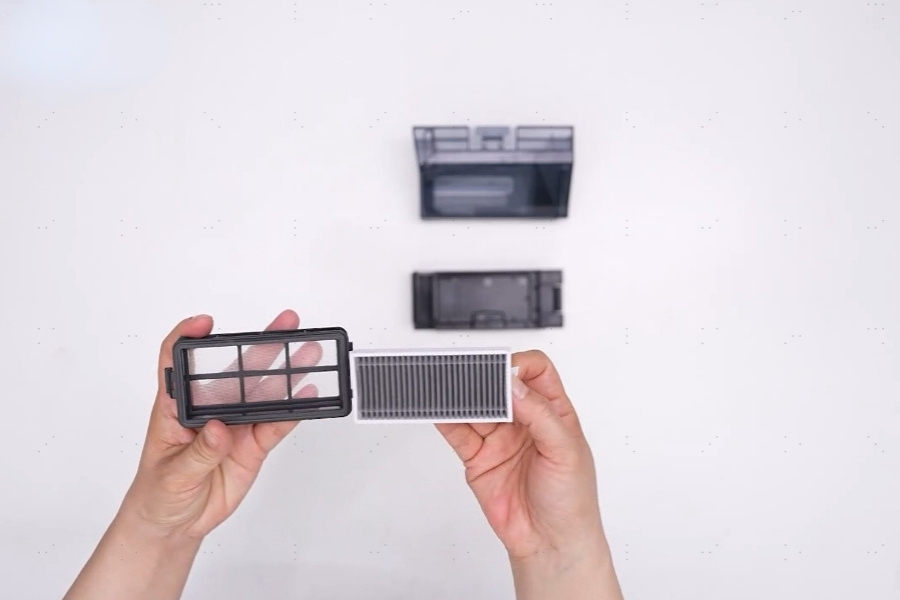
Here’s a general guideline by filter type:
- Standard filters like foam, paper, and charcoal: Replace every 3 to 6 months
- HEPA filters: Replace every 6 months to 3 years, depending on usage and environment
Today, vacuum cleaners use different types of filters to trap debris and allergens. The most commonly used filters include foam, paper, and charcoal types. Foam filters are washable and reusable, great for capturing larger debris; paper filters are disposable and cost-effective, usually paired with other filter types; charcoal filters are made from activated carbon, and they help neutralise strong odours.
Another popular type is High-Efficiency Particulate Air (HEPA) filters, which are known for their superior performance and popularity in hospitals and laboratories. HEPA filters can trap 99.97% of microscopic particles as small as 0.3 microns (μm), making them beneficial for allergy sufferers or asthma.
When deciding the frequency of replacing your vacuum filter, start with your usage. The more frequently you vacuum, the quicker dirt builds up on the filters. The type of filter, particularly whether it’s washable or not, also affects how often it needs changing. Environmental factors like pet ownership and allergies may require more regular maintenance. Same for those living in a heavily polluted city like Mount Isa, Queensland, or in a dry, dusty area like Coober Pedy, South Australia, your filters will also become dirty faster due to airborne particles settling indoors, creating more dust.
If you’re still unsure, checking your manual for the suggested schedule is always a good place to start.
8 Signs It’s Time to Change Vacuum Filter
Even with a set schedule for changing vacuum filters, it’s important to stay alert to warning signs such as musty smells, reduced suction, visibly dirty filters, strange noises, increased energy use, or overheating. Modern models further notify you through indicator lights or app alerts.
Mouldy Odour
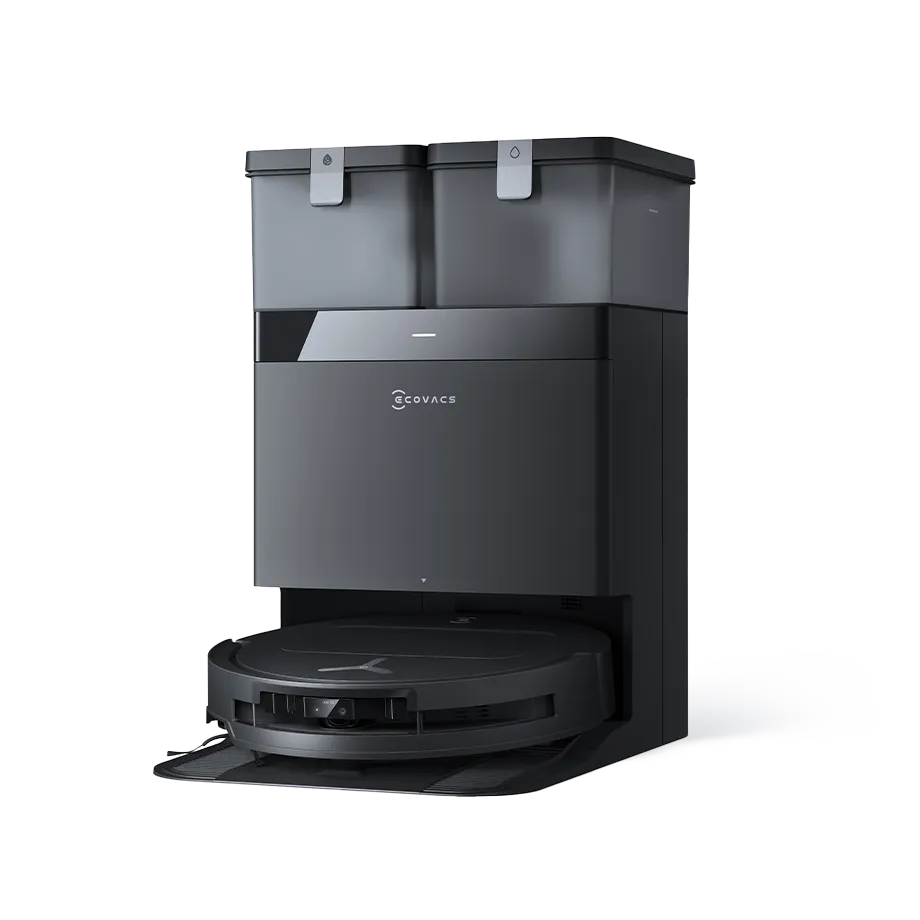
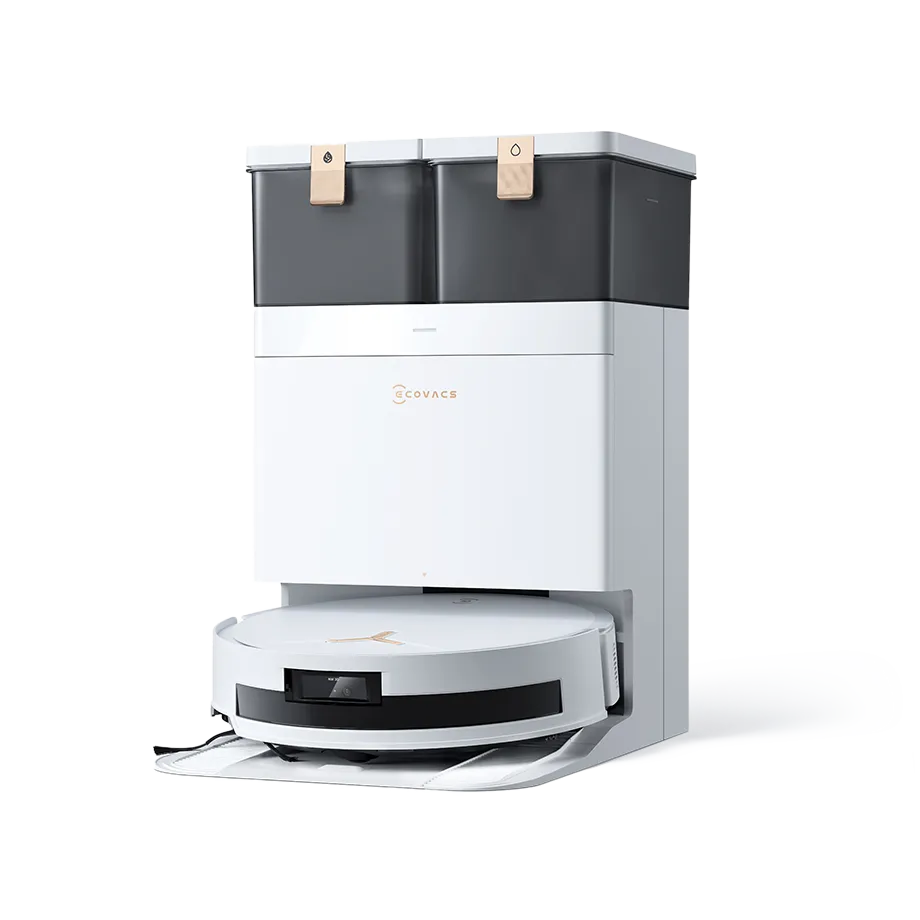
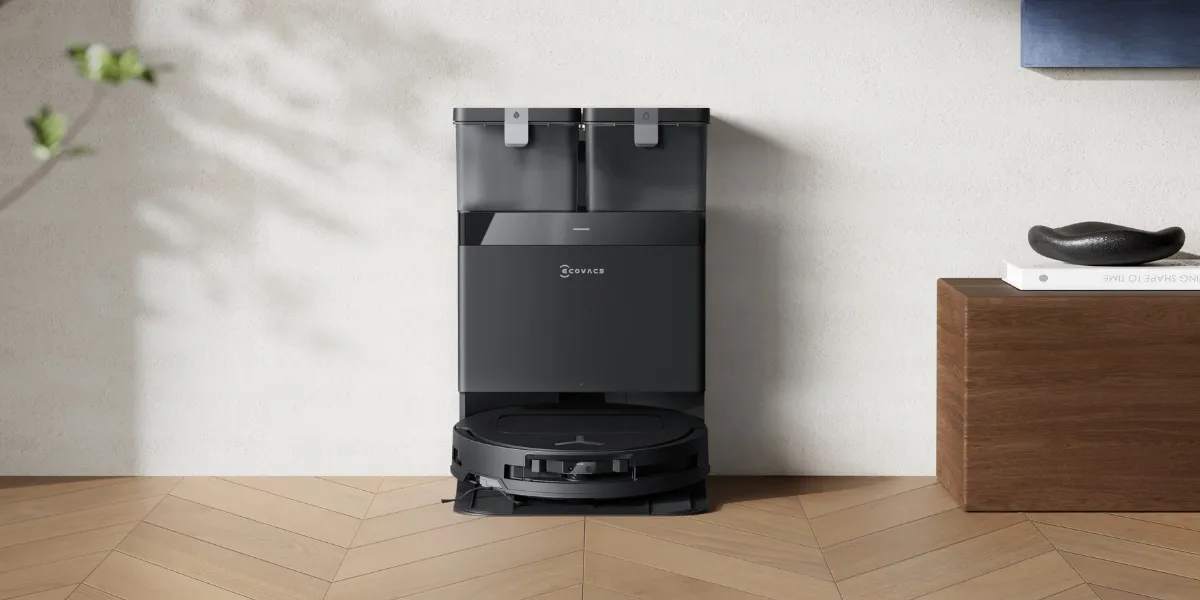
A bad smell while vacuuming may indicate that your filter has absorbed moisture, mould, and bacteria. This trapped debris not only causes unpleasant odours but can also circulate allergens around your home. Premium models like the DEEBOT X8 PRO OMNI address this concern with antibacterial filters featuring the SILVADUR TM 930 antimicrobial, which effectively inhibits the growth of Escherichia coli and Staphylococcus aureus and promotes over 99.99% antibacterial effectiveness on the filter’s surface.
Weaker Suction
Have you noticed that your vacuum isn't picking up dirt like it used to? If you have already emptied the dust container, a clogged filter may be the root cause. Dirty filters can block the airflow and reduce the suction.
Filter Appears Dirty or Heavily Soiled
When you empty the vacuum bag, check if the filter is visibly layered with dust, debris, or appears heavily soiled. At this stage, the vacuum filter can no longer trap particles effectively, leading to performance drops and poor air quality.
Unusual Noises
If your vacuum makes rattling, sputtering, or high-pitched whining sounds, it could be struggling with airflow. A blocked filter forces the motor to work harder and affects overall performance.
Increased Energy Consumption
Is your vacuum taking longer and longer to clean the same area, or leaving behind trails of dirt after cleaning? A clogged filter may be to blame. Limited airflow means the machine must work harder, potentially causing it to stop working.
Overheating
As a dirty filter blocks the airflow and pushes the machine to go harder, neglecting the issue can worsen the situation and make your vacuum become unusually hot or shut off during use. In this case, replacing the filter can help it run properly.
Indicator Light Is On
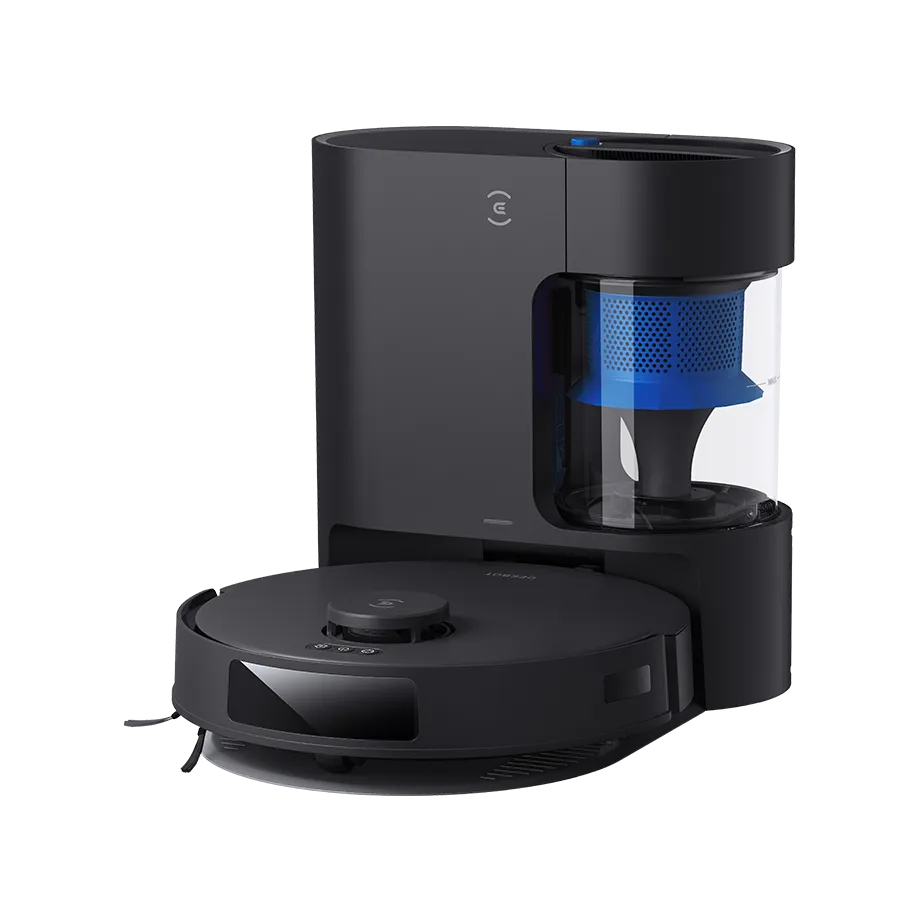
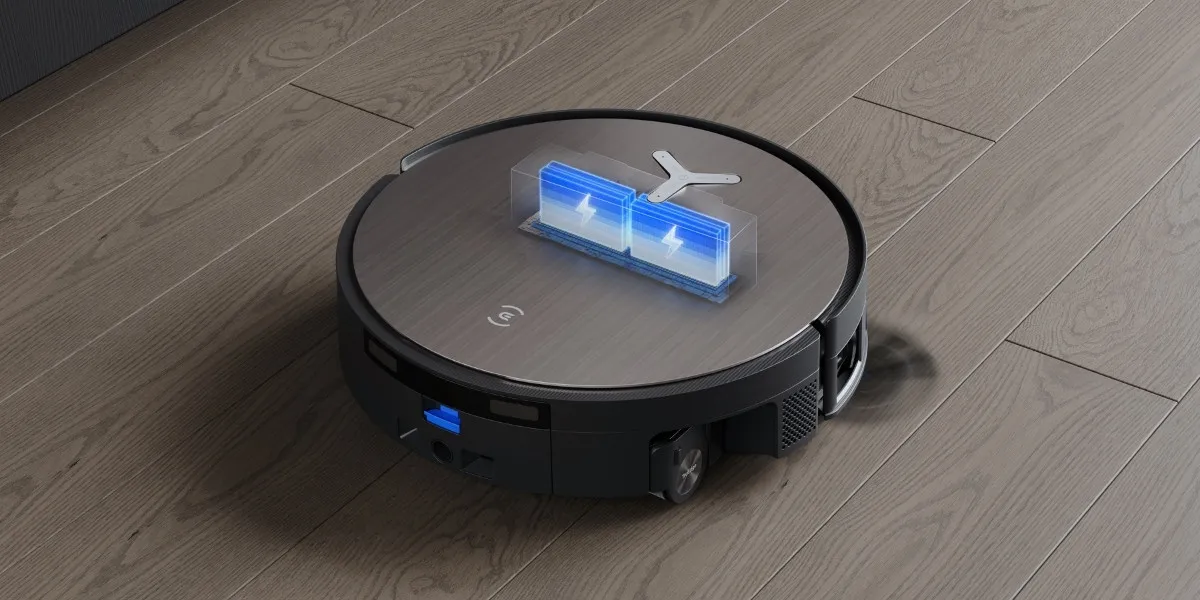
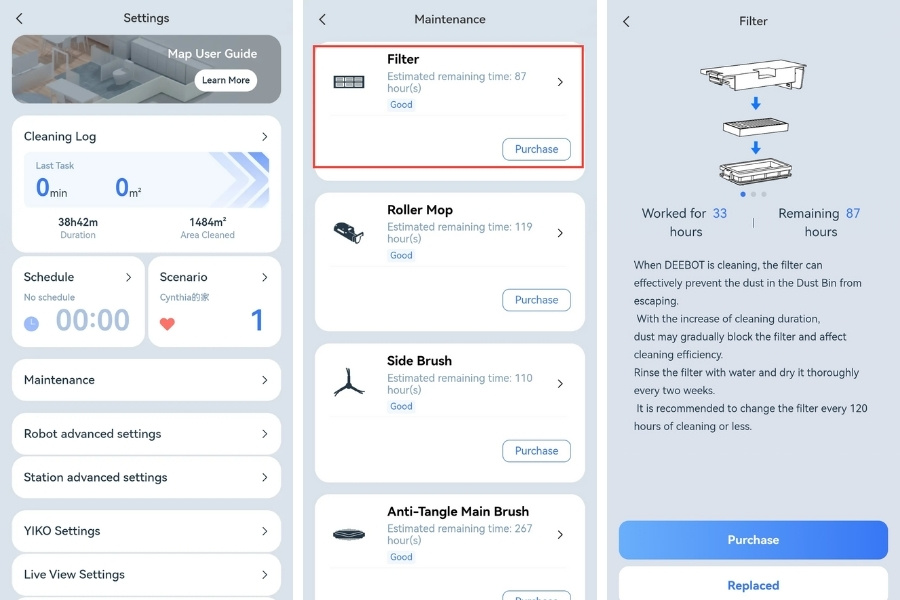
Nowadays, vacuum cleaners, including robot vacuums, feature red indicator lights or filter check lights to help you keep up with maintenance. High-end models like DEEBOT robot vacuums and mops further allow you to check the usage time anytime and receive real-time alerts via the ECOVACS HOME app.
For example, with the DEEBOT X8 PRO OMNI, you can open the device interface in the app, navigate to Settings > Maintenance, and view details such as the remaining service time for the filter. When it’s time to replace it, a red text reminder will appear on the homepage, and you can order new filters directly through the app.
FAQ
How to freshen a vacuum filter?
If the filter is washable, rinse it gently with mild soap and let it air-dry completely before reinstalling. For others, you can use a soft brush or compressed air to clean. Always follow the vacuum’s manual for the detailed guidelines and replacement schedule.
Will a vacuum work without a filter?
Most vacuums will run without a filter, but it is not recommended. Filters are essential for trapping allergens and dust; without them, dirt can escape back into the air or damage the motor.
What can I use to clean the vacuum filters?
The best way to clean the vacuum filters depends on the type of filter you have, for instance, DEEBOT X8 PRO OMNI’s antibacterial filters should only be rinsed with clean water; while some foam filters can be washed with water and mild soap. In general, avoid applying harsh chemicals that may damage the material. For non-washable filters, gently tap off loose dust or use a soft brush to remove debris. If cleaning no longer works, it’s time to replace the filter.
Related Products