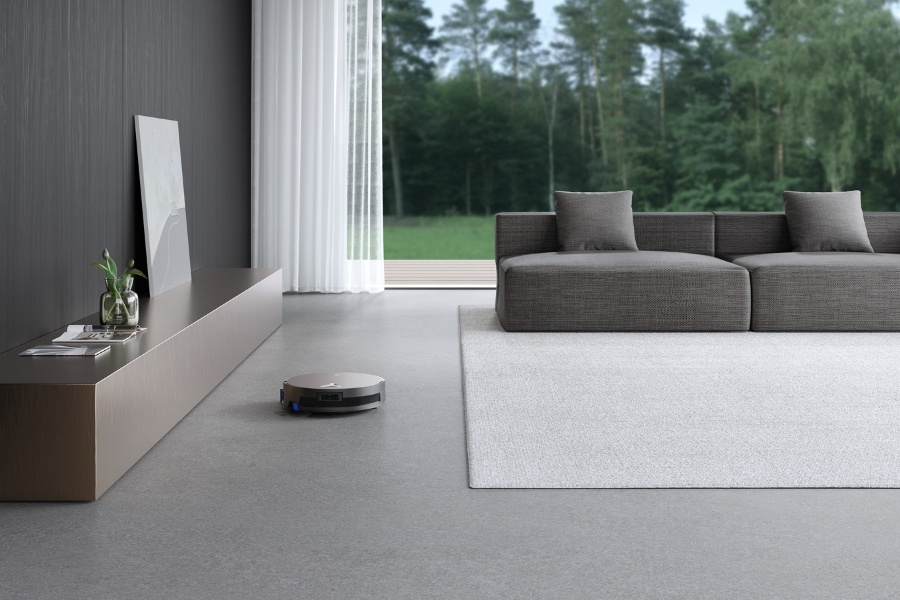
With new technologies emerging every year, efficiency has become a hot keyword that extends to the home cleaning market as well. The robot vacuum cleaner market in Australia is expected to reach AUD 80.5 million by 20301, showing a move toward smart cleaning solutions.
At the heart of this trend are two main options: the robot vacuum, which provides an automated way to keep floors clean, and the cordless stick vacuum, which supports targeted cleaning in specific areas. The following explores the benefits of each option to help you choose the one that best fits your needs.
Robot Vacuum or Cordless Vacuum: What’s the Difference?
The main difference between robotic vacuums and cordless vacuums is that the former cleans for you, while the latter requires you to do the work. A smart vacuum navigates around your home and handles daily dust and dirt, while a cordless vacuum is handheld, giving you more control and better reach for deep cleaning.
|
Robot Vacuum |
Cordless Stick Vacuum |
|
|
Best For |
Automated daily maintenance |
Quick spot cleaning on multi-surface |
|
Limitations |
Not suitable for surfaces above floors, higher initial cost |
Manual operation, limited battery runtime |
|
Best Surfaces |
Hard floors and low to medium-pile rugs |
Hard floors, low to medium-pile carpet, stairs and upholstery, car interiors & high places |
|
Effort Required |
Minimal maintenance |
Manual operation |
Here’s a quick breakdown of how each vacuum cleaner works and where it fits best.
What Is a Robot Vacuum?
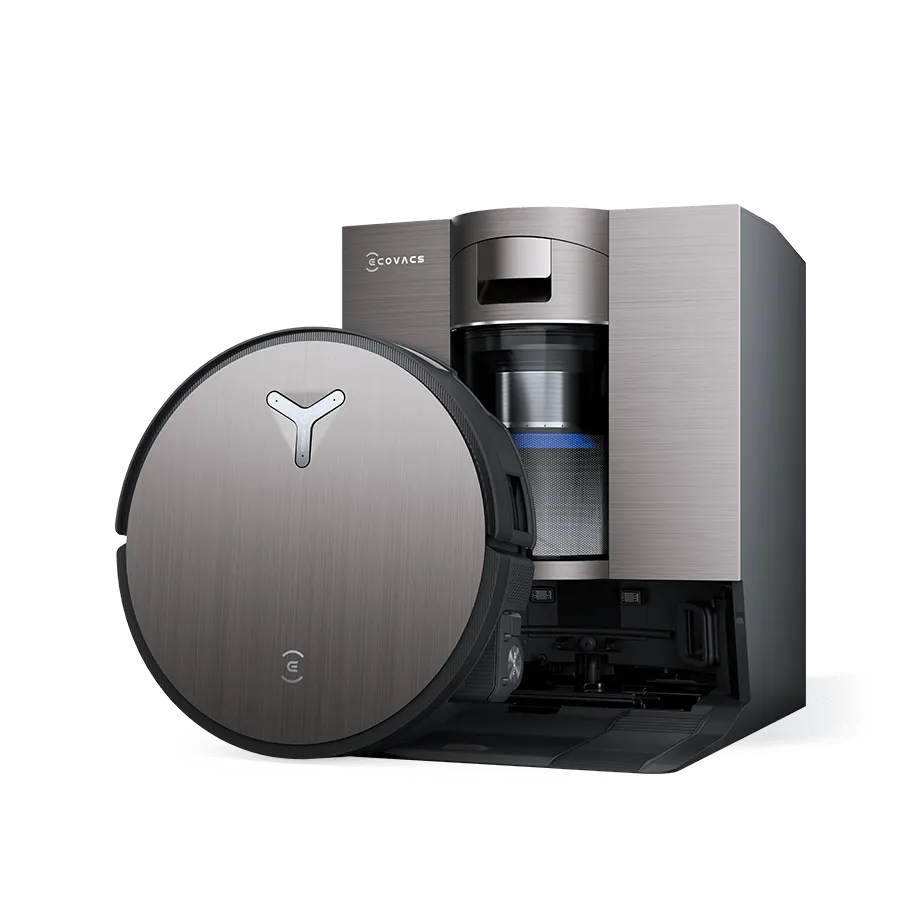
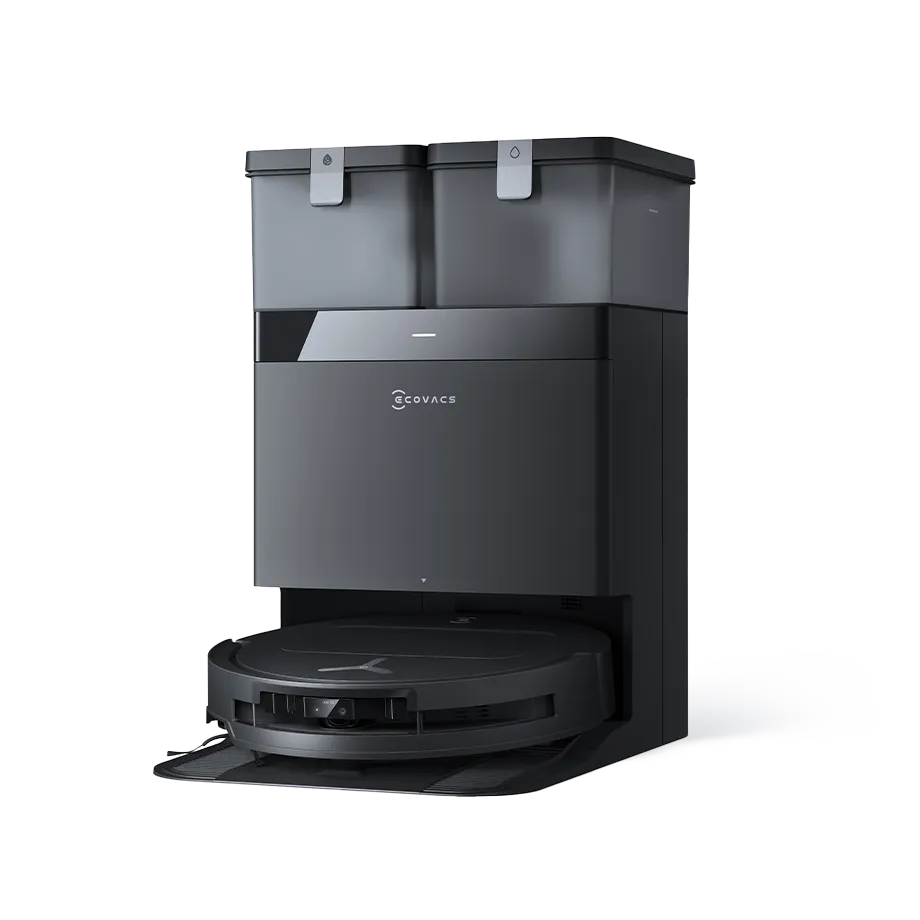
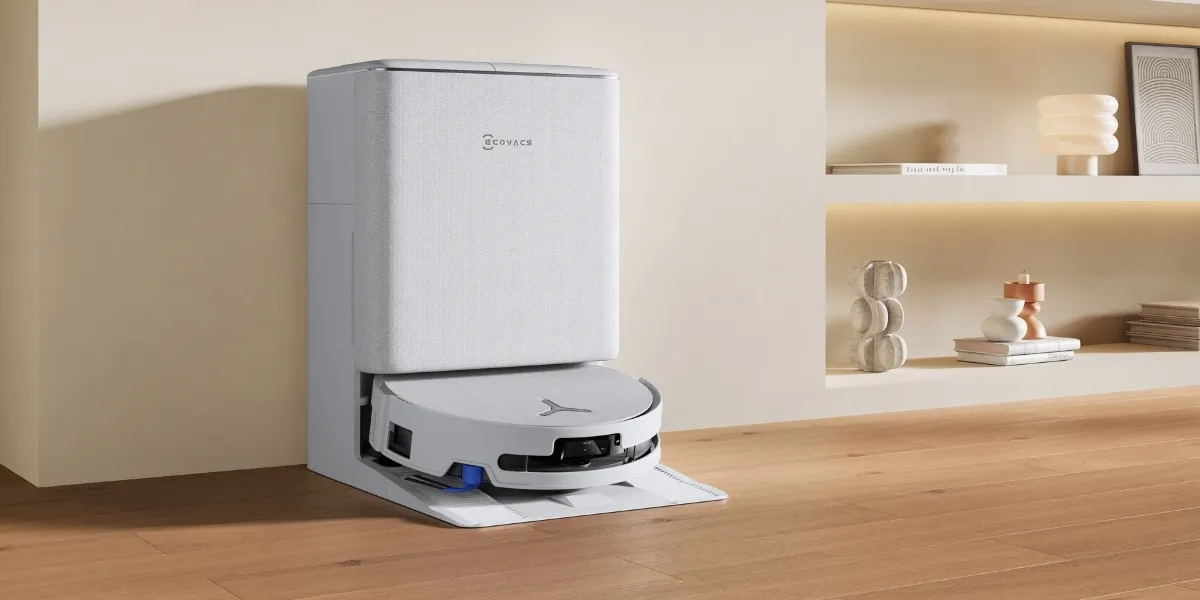
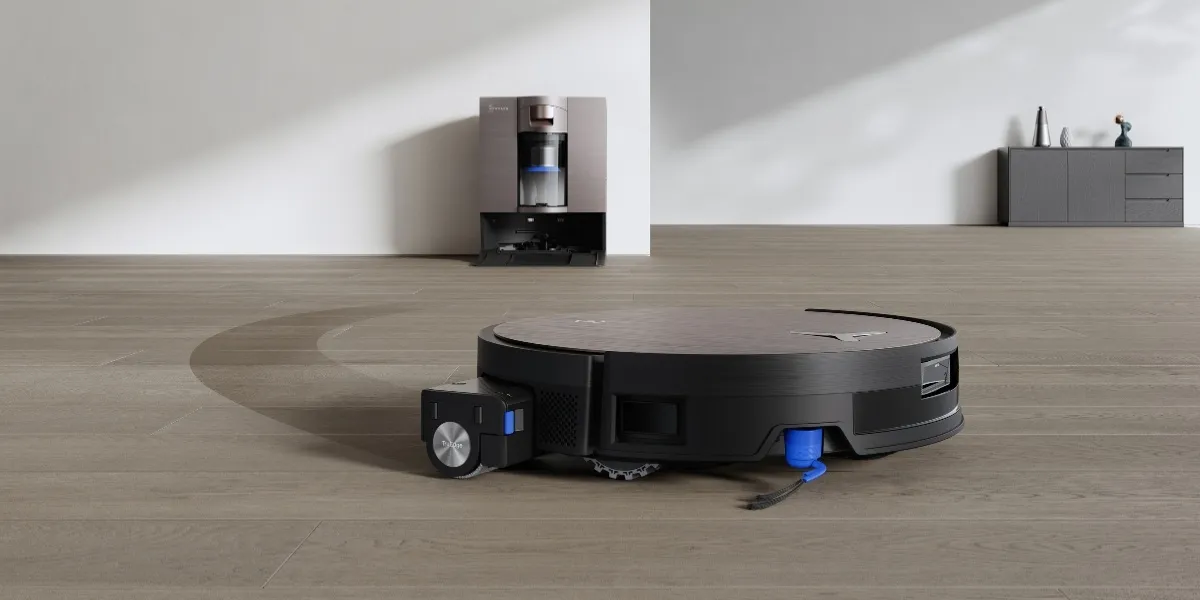
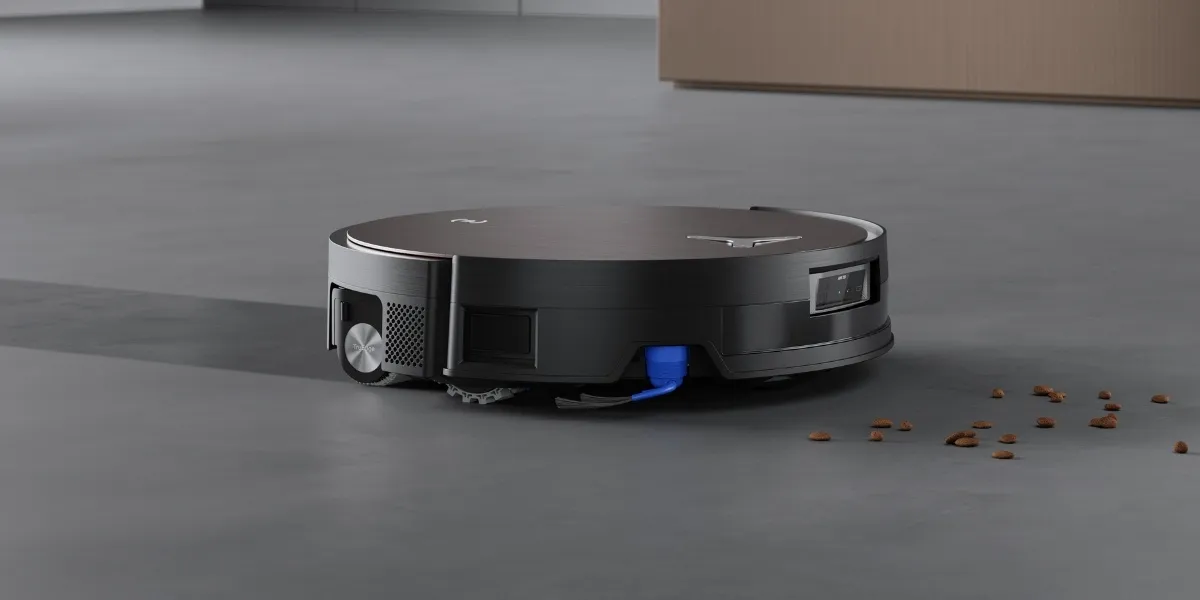
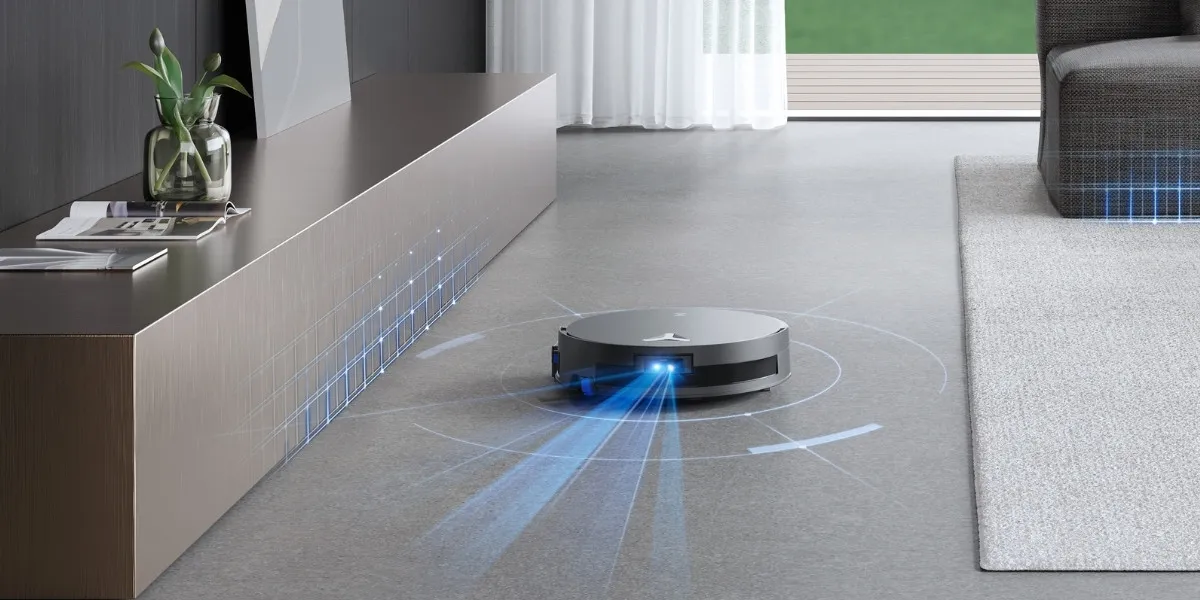
A robot vacuum and mop is a compact, self-driving cleaner that automates regular floor care, which is helpful for anyone wondering how a robot vacuum cleaner works. The smart device uses sensors to scan your space and build a map, then follows planned routes to navigate and collect debris from your floors, based on how often you set the robot to run.
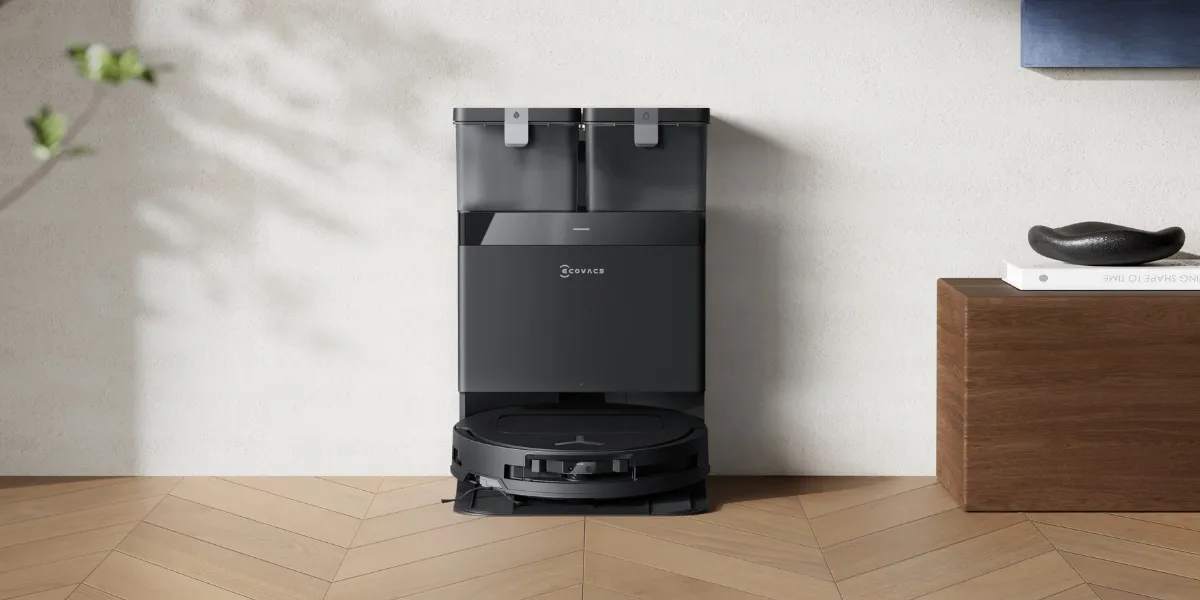
Most models return to the dock automatically to recharge, and some include a mopping function for combined cleaning. You still need basic auto vacuum maintenance, like emptying the bin, cleaning filters, and checking brushes.
What Is a Cordless Vacuum?
A cordless vacuum is a lightweight handheld cleaner you carry and steer for quick, targeted pickup. Among the different types of vacuum cleaners, it stands out for its grab-and-go portable design.
Many models also come with attachments like a crevice tool or upholstery brush to reach tight corners, high spots, and soft furnishings like upholstery and car interiors. Frequent recharging is required, as the compact design limits battery size and runtime. After each session, you will need to empty the bin and recharge, and clean or replace filters as needed.
Robot Vacuum or Cordless Stick Vacuum: Which Is the Best for You?
Robot vacuums clean on a routine and require minimal effort, making them suitable for people with busy schedules and pets. Meanwhile, cordless stick vacuums clean various surfaces more flexibly, including higher areas, and they rarely get stuck. There is no single best choice, since it depends on what you and your home need.
|
Parameters |
Robot Vacuums |
Cordless Vacuums |
|
Ease of Operation |
Automatic & hands-free |
Manual |
|
Dust collection |
Automatic dust collection with a docking station |
Manual |
|
Usage scenario |
Automated floor cleaning on a preset schedule and settings |
Various floors and surfaces, regardless of height |
|
Mopping |
Available to vacuum and mop simultaneously |
Separate mopping option available |
|
Convenience |
More convenient |
Less convenient |
|
Suction Power |
Average suction power around 3000 to 5000 Pa |
Higher suction power around 100-150 AW |
|
Pricing |
Higher |
Lower |
|
Maintenance |
Occasional care and part replacement |
Emptying and cleaning after each use |
|
Noise Level |
Generally moderate |
Louder at high power settings |
|
Battery Life |
Auto-recharges; coverage depends on runtime and mode |
Limited runtime per charge; varies by power mode and battery size |
Now, by comparing these key differences one by one, you can match each factor to your home and cleaning habits.
Ease of Use
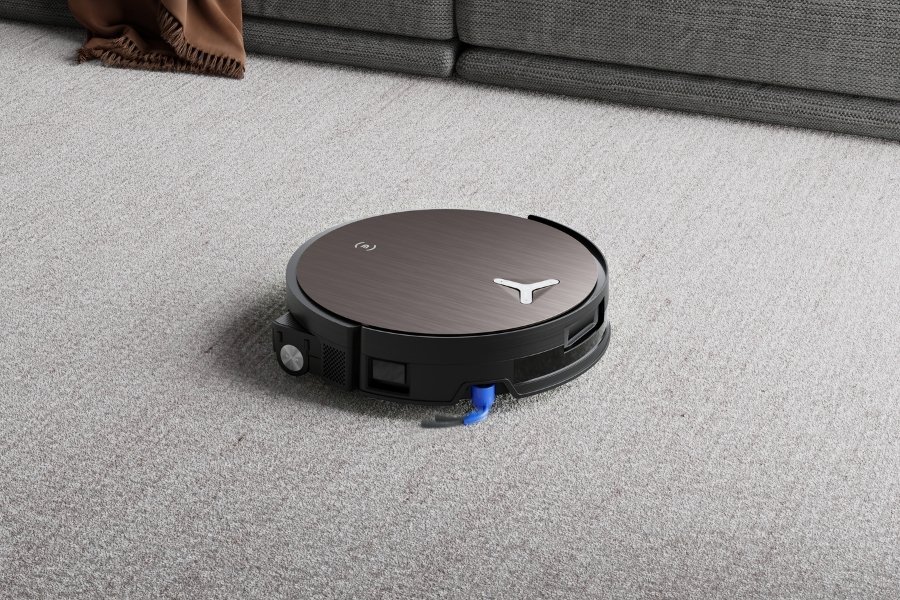
Robot vacuums are automated and controlled remotely by an app, while cordless vacuums require manual control.
Robot vacuums can run on a schedule and cover multiple rooms using maps. Through the app, you can set no-go zones to keep your robot vacuum out of hazardous areas, and many models work with Alexa or pair with Siri for a streamlined routine. People with mobility issues can also use voice commands, such as the YIKO voice assistant in DEEBOT robot vacuums.
Cordless vacuums are portable and easy to handle for quick spot cleaning when you want direct control.
Performance
Robots rely on advanced sensors and algorithms for navigation and object detection, while robot vacuum suction power and water levels can be customised. For instance, a robot vacuum and mop like the DEEBOT X8 PRO OMNI supports up to 50 water levels via the ECOVACS HOME app. A regular schedule further helps keep debris under control. Temperature-controlled mop washing at the dock keeps the mop fresh between passes.
Stick vacuums, by contrast, rely on higher suction for stubborn debris, but you need to do the work each session.
Cost
Robotic vacuum cleaners usually have a higher upfront cost, and cordless stick vacuums tend to be more budget-friendly.
In comparison, robotic vacuum cleaners typically cost more than cordless models, but they can save effort over time through automated cleaning, which helps justify the value. A budget robot vacuum with standard features may fit tighter budgets.
Cordless vacuums, on the other hand, are efficient and versatile but lack automation. You can evaluate whether convenience or versatility is the priority.
Adaptability
While smart vacuums run through mapping and settings, cordless stick vacuums adapt based on where you can physically take them.
With intelligent mapping and adjustable modes, robot vacuums can respond to real-time scenarios and transition smoothly across floor types. For example, robot vacuums for hardwood floors can use higher suction, and robot vacuums for tiles can do the same to remove dirt from grout lines. On rugs, a robot vacuum for carpets can switch to a vacuum-only mode to prevent moisture damage.
Cordless stick vacuums handle hard-to-reach corners and surfaces above the floor well, but smaller dustbins and shorter battery life can make big homes more time-consuming to manage.
Noise Level
Auto vacuum cleaners are usually quieter for routine cleaning. Cordless stick vacuums tend to sound louder at full power.
The robot vacuum cleaner’s noise level is often lower when switched to quiet modes, so you can run them while taking naps or on video calls. Quiet robotic vacuums like the DEEBOT T50 PRO OMNI operate at 63 dBA, about the same as a normal conversation.
In comparison, cordless stick vacuums are built for power; therefore, they tend to be louder and more disruptive on high-suction settings.
Battery Life
Robot vacuums are built for longer, self-managed cleaning. Cordless stick vacuums suit shorter, targeted sessions.
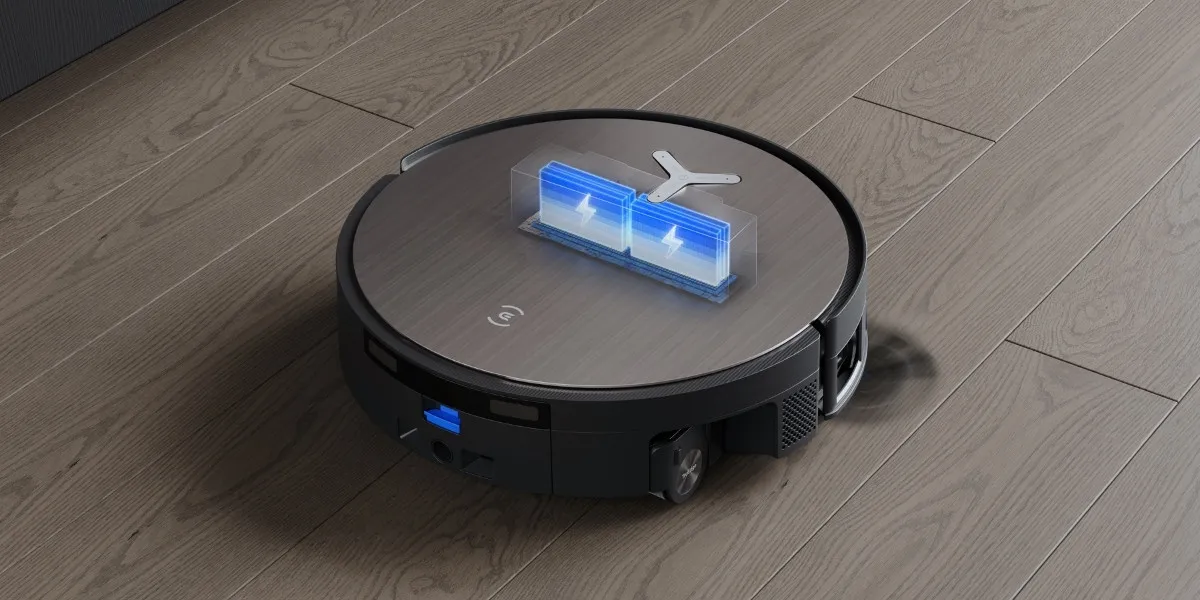
An extended robot vacuum battery life lets the unit run longer to cover more floor area. Charging a robot vacuum is also easy, with premium models like the DEEBOT X11 OmniCyclone featuring PowerBoost Technology, which restores 6% battery power in just 3 minutes and supports consistent cleaning performance up to 1,000 sqm.
With a compact design, the battery of cordless stick vacuums can drain quickly in high-power modes and require manual recharging.
Smart Features
Robot vacuums lead on automation and connected features, while cordless stick vacuums focus on hands-on tools and flexibility.
Smart vacuums with mapping and robot vacuums with obstacle avoidance include high-tech perks like LiDAR sensors, voice control, and self-emptying. AI robotic vacuums further refine accuracy and cleaning decisions.
Meanwhile, cordless stick vacuums prioritise raw power and come with various attachments for surfaces like upholstery and car interiors.
Maintenance
Maintenance for smart vacuums is simplified with automation. Cordless options need more attention to empty after each use.
With self-empty robot vacuums, you mainly remove hair from brushes and empty dirt containers once every 1 to 2 weeks, then clean the device regularly.
Cordless vacuums usually feature a smaller dustbin, hence you need to manually empty the bin and clean the filter after each use, plus proper storage to protect the battery.
3 Best DEEBOT Robot Vacuums for Your Home
DEEBOT X11 OmniCyclone
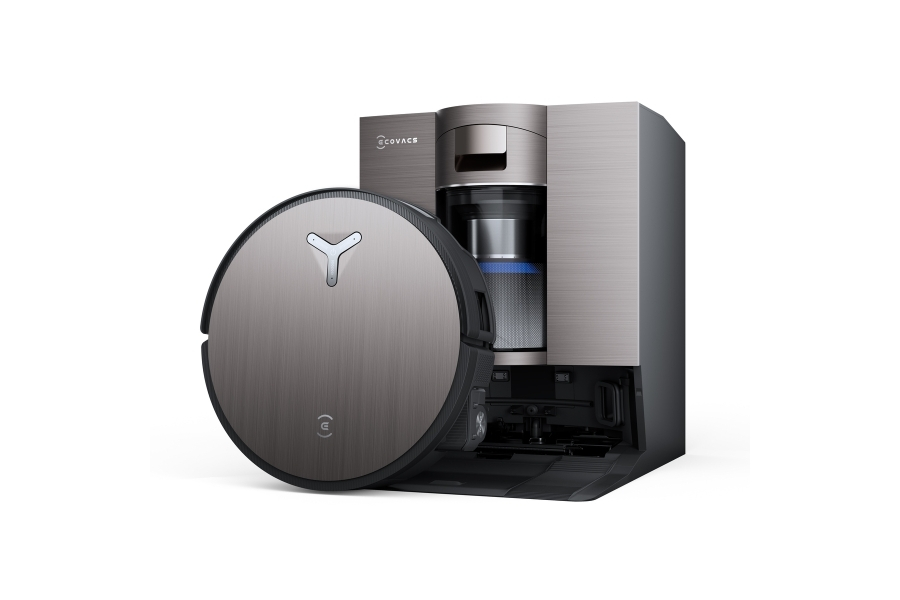
DEEBOT X11 OmniCyclone takes cleaning to the next level with its OZMO ROLLER 2.0 Instant Self-Washing Mopping Technology, scrubbing heavy stains at 200 RPM while continuously refreshing the mop to prevent contamination. Its robust 19,500 Pa suction2 and ZeroTangle 3.0 Anti-Tangle Technology improve efficiency on hard floors and carpets. PowerBoost Technology helps it cover spacious homes up to 1,000 sqm.
For extra convenience, the AGENT YIKO AI butler uses advanced reasoning to analyse cleaning needs and remember your preferences when tailoring cleaning plans.
Shop DEEBOT X11 OmniCyclone NowDEEBOT T50 PRO OMNI
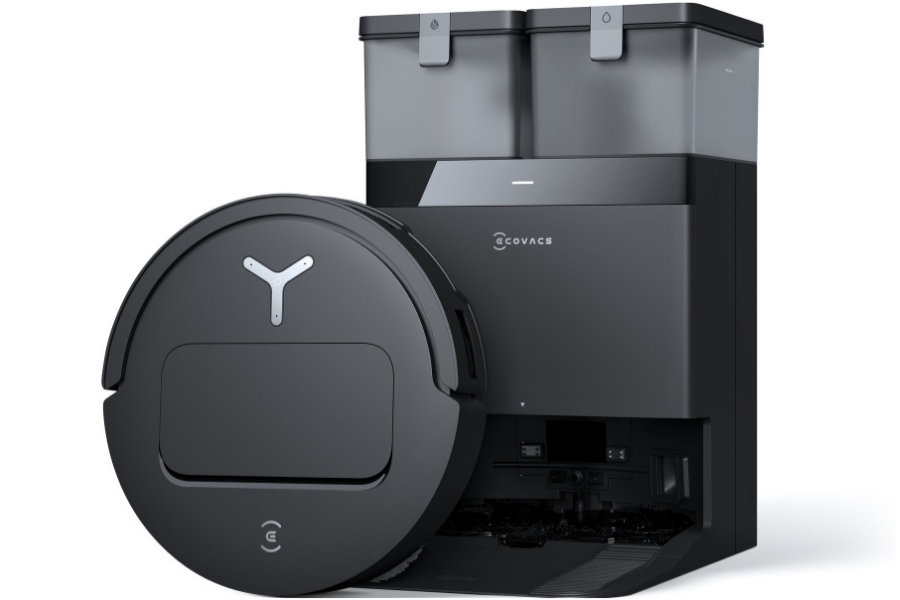
With an ultra-thin 81 mm design, the slim robotic vacuum DEEBOT T50 PRO OMNI minimises the risk of getting stuck under couches. With AIVI 3D 3.0 OMNI-Approach Technology, the robot uses a VLM model to recognise a wide range of objects precisely. The visual and structured light modules also help it maintain a close gap to obstacles, optimising cleaning coverage. TrueMapping 2.0 can map up to 100 sqm quickly and continuously find an efficient cleaning path with dynamic map updates.
Shop DEEBOT T50 PRO OMNI NowDEEBOT X8 PRO OMNI
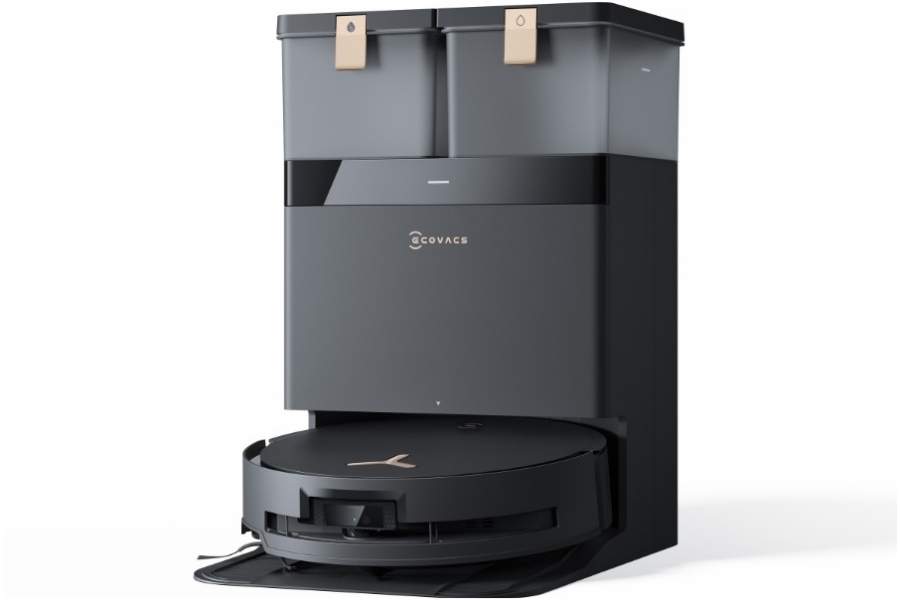
For busy households with pets and kids, the DEEBOT X8 PRO OMNI delivers strong cleaning performance with smarter stain handling. This model generates 18,000 Pa3 suction lifts pet dander and OZMO ROLLER scrubs tough stains at up to 200 rpm, while AI Instant Re-mop can trigger extra passes for thorough results. For hygiene, the roller mop is constantly refreshed, and it gets temperature-controlled washing plus 63°C hot-air drying at the OMNI station.
Shop DEEBOT X8 PRO OMNI NowFAQ
Which is better for pet hair: robot vacuum or stick vacuum?
Pet hair can be a daily challenge; thus, a robot vacuum for pet hair can be a practical choice since it supports scheduled, regular vacuuming. With specialised tangle-free brushes that collect pet hair without wrapping, it reduces hassle for pet owners.
Which is better for carpets and rugs: robot vacuum or stick vacuum?
The main concern with carpets and rugs is their longer fibres. With higher suction power and manual control, stick vacuums are generally better for deep cleaning rugs regardless of pile height. It’s worth mentioning that newer robot vacuums can also be powerful enough to handle carpets.
Which is better for hardwood floor: robot vacuum or stick vacuum?
Robot vacuums are more suitable for hardwood floors because they can adjust settings for gentle cleaning. Their ability to maintain regular cleanliness without scratching or damaging the floor is also a plus.
Disclaimer(s):
- The Australia robot vacuum cleaner market: https://www.grandviewresearch.com/industry-analysis/australia-commercial-vacuum-cleaner-market-report
- 19,500Pa: This data comes from ECOVACS laboratory. The suction power of DEEBOT X11 OmniCyclone can reach 19,500Pa.
- 18,000Pa: This data comes from ECOVACS laboratory. The suction power of DEEBOT X8 PRO OMNI can reach 18,000Pa.
Related Products