
Many Australians own dogs and cats. In fact, 73% of households in Australia now own a pet1. Pet hair is a common issue, and many pet owners rely on a vacuum cleaner to manage pet dander. Whether you prefer a canister, upright, handheld, or robot vacuum, there’s one core choice that often gets overlooked: bag vs. bagless.
Bagless vacuums are convenient and cost-efficient, but are they the best fit for your home? Choosing between bag and bagless vacuum models is not just about looks or price. It also affects how you clean, how often you maintain the machine, and how well allergens are contained.
Bag or Bagless Vacuum: What's the Difference?
The main difference between bagged and bagless vacuums lies in how they collect and dispose of dirt. Bagged vacuums seal debris inside a disposable bag, which you remove and throw away when it’s full. Bagless models collect dirt in a reusable container that you empty manually. The level of sealing, ongoing costs, and upkeep requirements differ between these two designs.
What is a Vacuum with a Bag?
A vacuum with a bag stores dirt and debris in a disposable paper or fabric bag inside the vacuum chamber. The bag is then sealed and removed for disposal when full.
Bagged systems can feel simpler to live with because of the following pros:
- Filtration: The bag acts as an extra filtration layer to help trap allergens and finer dust.
- Hygiene: Debris stays sealed when you remove the bag for disposal.
- Less work: Simply replace the bag instead of washing a dusty bin.
- Consistent suction: airflow is filtered through the bag and enhances suction efficiency.
That said, bagged vacuums come with these cons:
- Ongoing cost: Keep buying replacement bags over time.
- Harder to tell: Capacity is less visible than clear bagless canisters.
- Less eco-friendly: Used bags create more waste that must be thrown away.
- Hard to find: Bags may be unavailable for older or discontinued models.
What is a Bagless Vacuum Cleaner?
A bagless vacuum cleaner uses a built-in container instead of a disposable bag to collect dust and debris. When it’s full, you empty the bin directly into the trash.
Bagless designs can feel more convenient day to day thanks to these pros:
- Lower ongoing costs: No bags to buy, which can save money over time.
- Easy fill checks: A clear bin lets you clearly check when it’s time to empty.
- Eco-friendly: No disposable bags and thus produces less trash overall.
Still, bagless designs do have some cons:
- Dust exposure: Emptying the bin can release dust and allergens back into the air.
- Smaller capacity: Many bins fill fast and need more frequent emptying.
- More upkeep: The bin may need regular rinsing or washing to prevent buildup and odours.
- Filter care: Filters usually need regular cleaning or replacement to maintain airflow and performance.
Bag vs Bagless Vacuum: Which One Should You Choose?
Depending on your needs, choosing a bagged vacuum helps homes with allergies contain debris better, limit contact with dust, and maintain steadier suction. Choose a bagless vacuum if you prefer no bag replacements, easier visibility of when to empty, and lower ongoing costs. In short, bagged offers cleaner disposal and filtration, while bagless leans toward convenience and savings.
Here’s a quick comparison to help you decide:
|
Feature |
Bagged Vacuum Cleaner |
Bagless Vacuum Cleaner |
|
Best For |
Allergy or asthma sufferers, pet owners, and those who prioritise hygiene |
Eco-conscious users, cost-conscious shoppers, and those who prefer to monitor dirt levels visually |
|
Convenience |
Less emptying, longer use time |
Easier to monitor |
|
Hygiene |
Sealed disposal, low dust exposure |
Higher dust exposure when disposing |
|
Ease of Use |
Insert bag and go |
Empty bin and clean filters |
|
Maintenance |
Fewer filter washes, bag needed |
Regular bin cleaning, washable parts |
|
Eco-Friendliness |
Requires disposable bags |
No bag needed, reusable bin |
|
Cost |
Lower upfront cost, ongoing bag replacements |
Higher upfront cost, lower long-term cost |
|
Suction |
Consistent with clean bags |
May drop if filters are neglected |
|
Filtration & Allergies |
Sealed bags reduce dust exposure |
Emptying can release dust into air |
|
Performance |
Consistent airflow as debris builds |
Suction drops if filters clog |
Convenience
Bagless vacuums are convenient if you like to monitor dust levels at a glance. For instance, during shedding seasons, pet owners may want to track how quickly fur is building up.
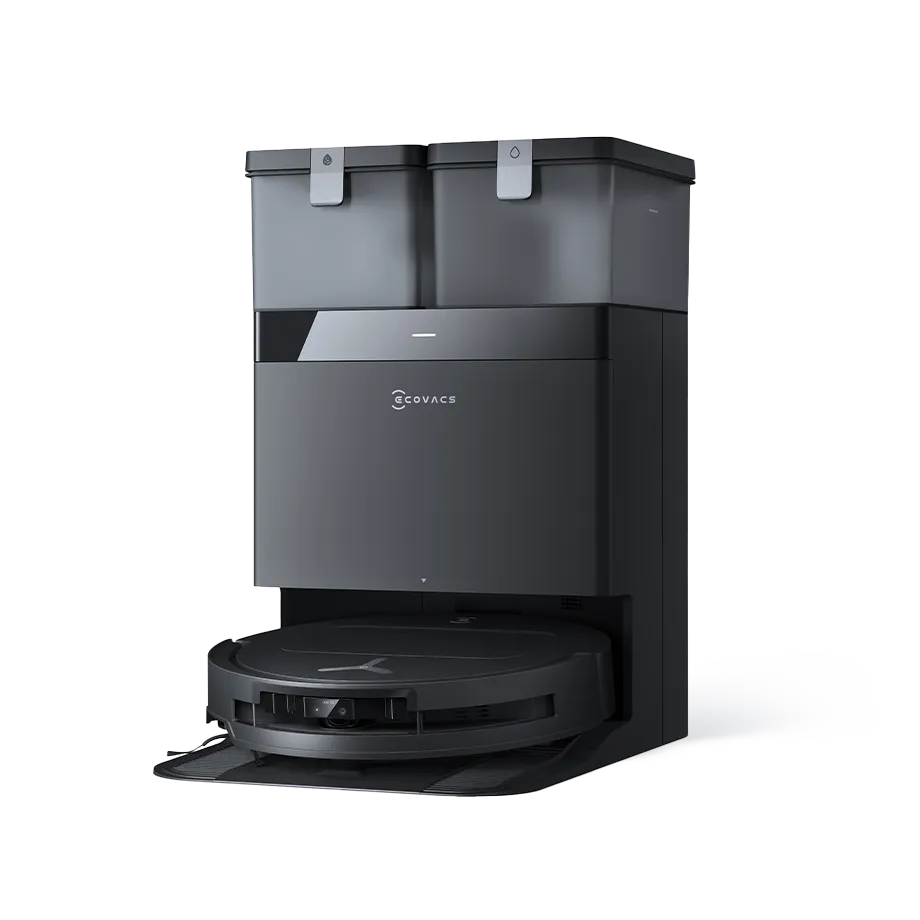
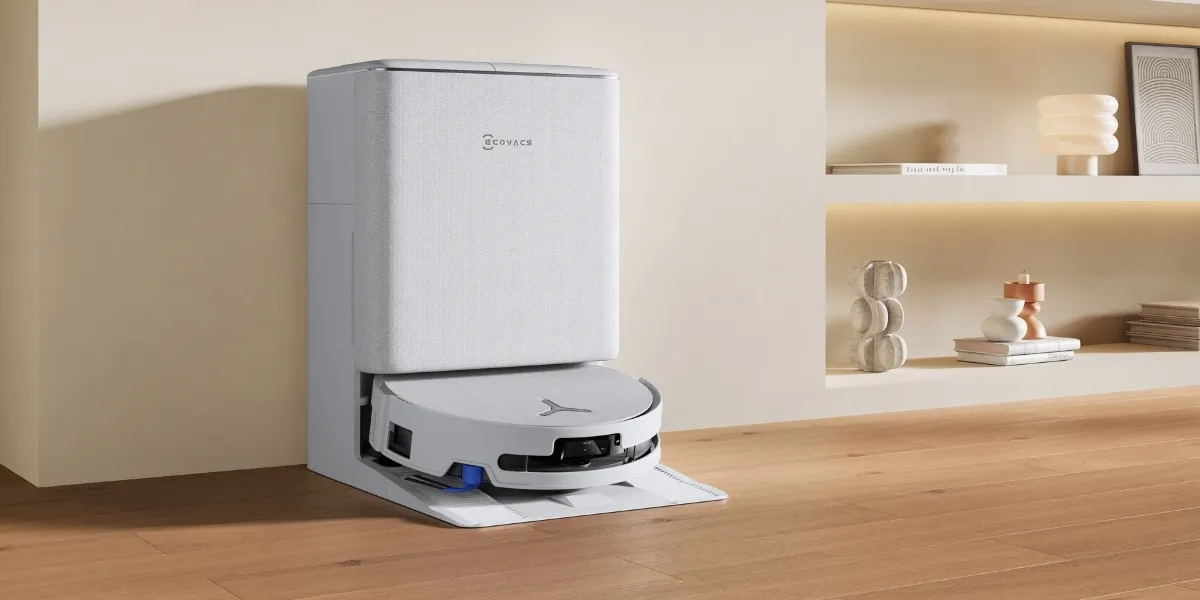
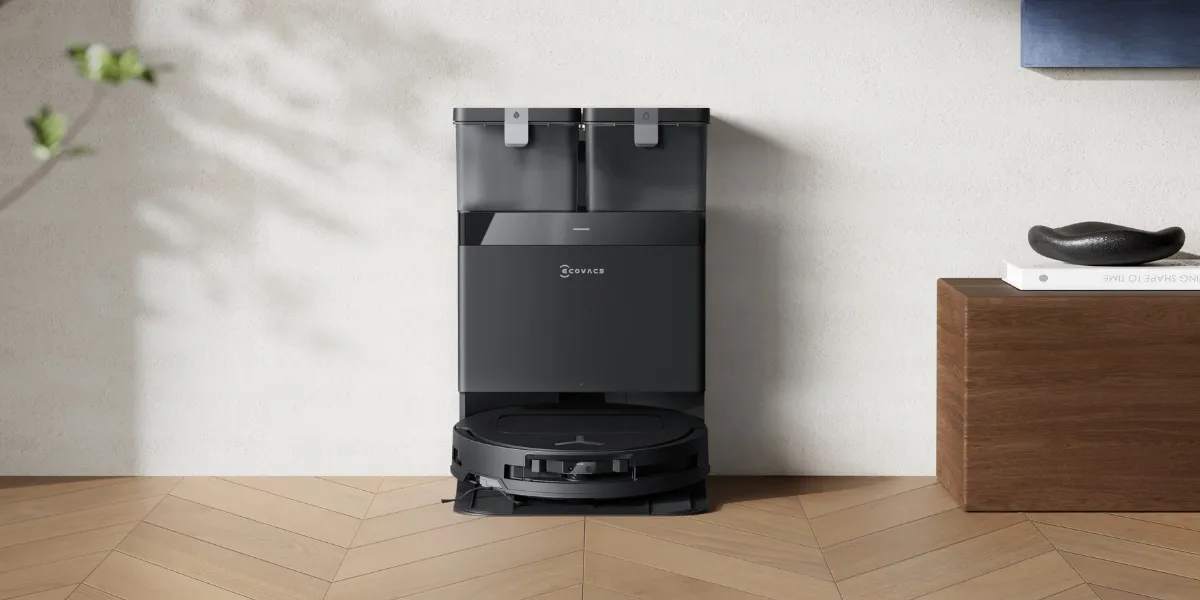
Bagged systems can feel more hands-off. A self-empty robot vacuum can usually be emptied every 30 to 90 days2, depending on home size and debris levels. For example, the DEEBOT X8 PRO OMNI auto-empties into a 3L dust bag at the station, so it takes longer to fill up.
Hygiene & Allergies
Bagged vacuums are better for hygiene thanks to their sealed bags, which trap dust and block it from escaping. Robot vacuum for allergies, for instance, benefits people with respiratory issues by limiting exposure to allergens.
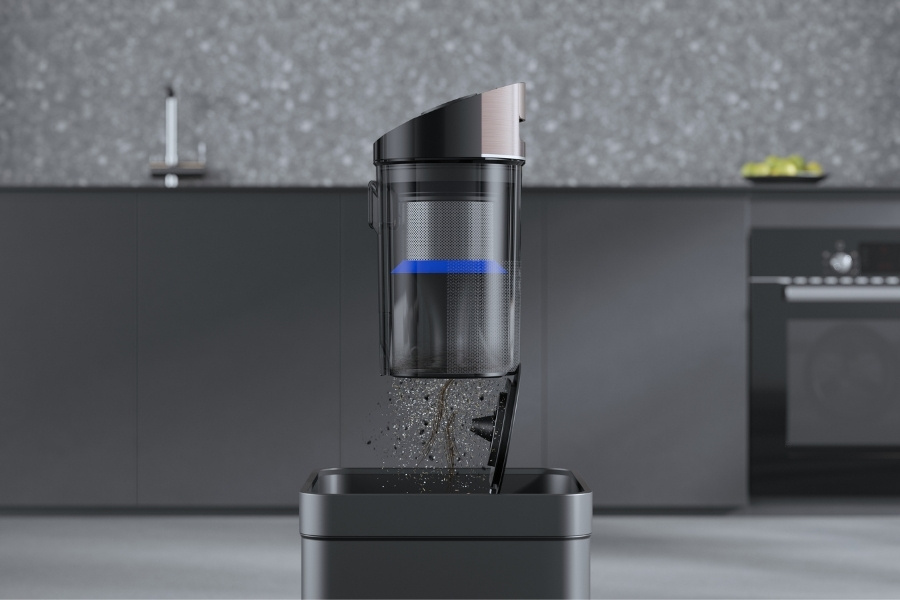
With bagless vacuums, dirt can get out during the disposal and become airborne again if not handled properly.
Filtration
Using a sealed dust bag, bagged models tend to filter well because debris is captured inside the bag without being released back into the air during storage and disposal.
Bagless vacuums can also filter effectively with a high-quality filtration system, but performance may drop if filters are dirty or clog. Emptying a bagless bin can also release dust if you are not careful.
Ease of Use
While both designs are user-friendly, bagged vacuums allow for minimal contact with dirt, and you simply remove the bag and toss it. DEEBOT’s Antibacterial Dust Bag further features SILVADUR TM 930 Antimicrobial that stop inhibits bacteria, mould, and mildew, such as E. coli and Staphylococcus aureus, to prevent odours, discolouration, and deterioration inside the bag3.
On the other hand, with bagless models, you have to take the bin off, empty it, and sometimes wipe off any dirt that is still stuck on. This extra step may feel like an added hassle for some.
Capacity & Maintenance
When it comes to maintenance, bagged vacuums are relatively lower maintenance because the bag captures and contains dust.
Bagless models normally have smaller bins, so they can fill faster and need more frequent emptying. You may also need to clean the vacuum filter and follow the guidance on how often to change the vacuum filter to keep airflow steady.
Eco-friendliness
Bagless vacuums are better for the environment because they reduce long-term waste. Instead of throwing away multiple bags, you simply empty, rinse, and reuse the bin.
In contrast, the dust bags used in bagged vacuums are single-use, which adds to landfill waste and may not appeal to people who prefer a more sustainable option.
A practical middle ground is an auto-empty robot vacuum, since one large bag, like DEEBOT X8 PRO OMNI’s 3L dust bag, can last longer before replacement.
Upfront and Long-Term Costs
Since you can find budget robot vacuums, it helps to compare total ownership cost, not just the price tag.
Vacuum cleaners with bags can be more affordable upfront, but they come with ongoing costs because you need to keep buying single-use dust bags.
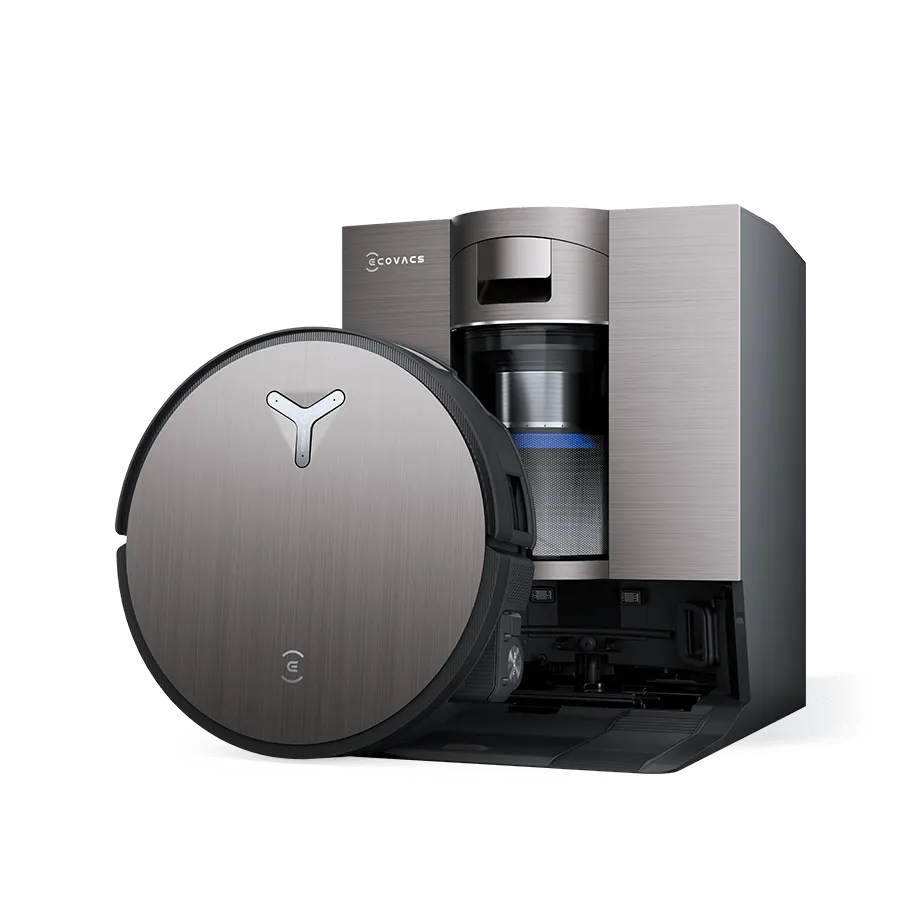
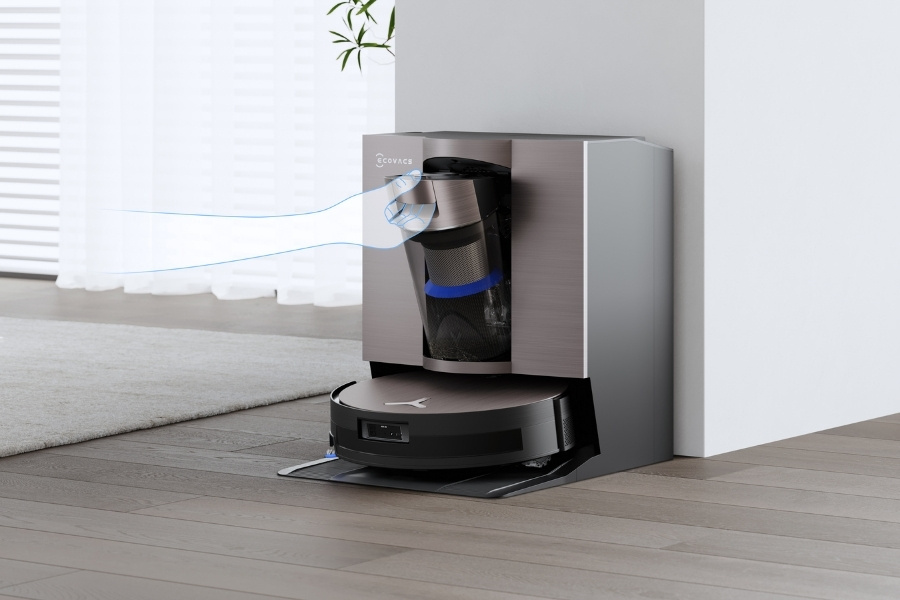
Bagless models often have a higher initial price tag, but they eliminate bag expenses. However, filters may need more frequent replacement, which can affect the total cost. For example, the DEEBOT X11 OmniCyclone features a bagless system that saves the equivalent of 25 dust bags over five years4.
Suction Power
Vacuum cleaners rely on good suction power to clean efficiently. At the same rated power, bagged vacuums can maintain more consistent suction, as long as you replace the bag before it gets too full.
Bagless robotic vacuum cleaners can lose performance faster when filters clog, therefore cleaning or replacing filters on time matters. Advanced bagless models still deliver strong output, such as the DEEBOT X11 OmniCyclone with BLAST Technology that delivers 38 CFM airflow and 19,500 Pa suction5.
FAQ
How long should vacuum bags last?
Vacuum bags typically last two to three months, depending on their capacity, how often you vacuum, and how dusty your living environment is. Households with pets may need to shorten the interval between vacuum bag changes to two to three weeks.
Should you empty the vacuum after every use?
That depends on the vacuum model. For bagless vacuums, it’s recommended to empty the bin after each use to prevent buildup. Bagged vacuums, on the other hand, usually have a larger capacity and don’t need to be emptied after every session. For example, the DEEBOT T50 MAX PRO OMNI self-empties debris into a 3L dust bag at the station, reducing manual emptying for up to 90 days6.
Can you use a bagless vacuum for pet hair?
Yes, bagless vacuums can handle various types of debris, including pet hair. As long as the dustbin is cleared before it gets too full, the robot vacuum for pet hair can maintain strong suction. For example, the DEEBOT X11 OmniCyclone features BLAST technology and ZeroTangle 3.0 brush design, which stops hair from wrapping around the brush while picking up pet dander from surfaces.
Do bagged vacuums last longer than bagless vacuums?
Bagged vacuums do not necessarily last longer than bagless models. The lifespan of a robot vacuum cleaner depends more on build quality, motor load, and maintenance habits. Bagged designs can reduce dust exposure inside the machine, which may help over time, but bagless units can last just as long with regular care.
Disclaimer(s):
- Australia pet ownership: https://petnews.com.au/pet-ownership-rises-to-73-per-cent-of-australian-households/
- 30 to 90 days: This data comes from ECOVACS laboratory, which is based on the statistics of the number of times users disposed of traditional dustbins. The actual performance is subject to change due to frequency and cleaning area.
- Antibacterial* Dust bag: The antibacterial agent SILVADUR TM 930 Antimicrobial (EPA Reg. No.:464-785) has been added to ECOVACS DEEBOT Antibacterial* Dust bag, it imparts antimicrobial activity and prevents the growth of bacteria, mold, such as escherichia coli, staphylococcus aureus and mildew that may cause unpleasant odours, discoloration, or deterioration of the treated product.
- Saves 25 dust bags over five years: This data comes from ECOVACS laboratory. The actual performance may vary according to the home environment.
- 19,500Pa: This data comes from ECOVACS laboratory. The suction power of DEEBOT X11 OmniCyclone can reach 19,500Pa.
- 90 days: This data comes from ECOVACS laboratory, which is based on the statistics of the number of times users disposed of traditional dustbins. The actual performance is subject to change due to frequency and cleaning area.
Related Products