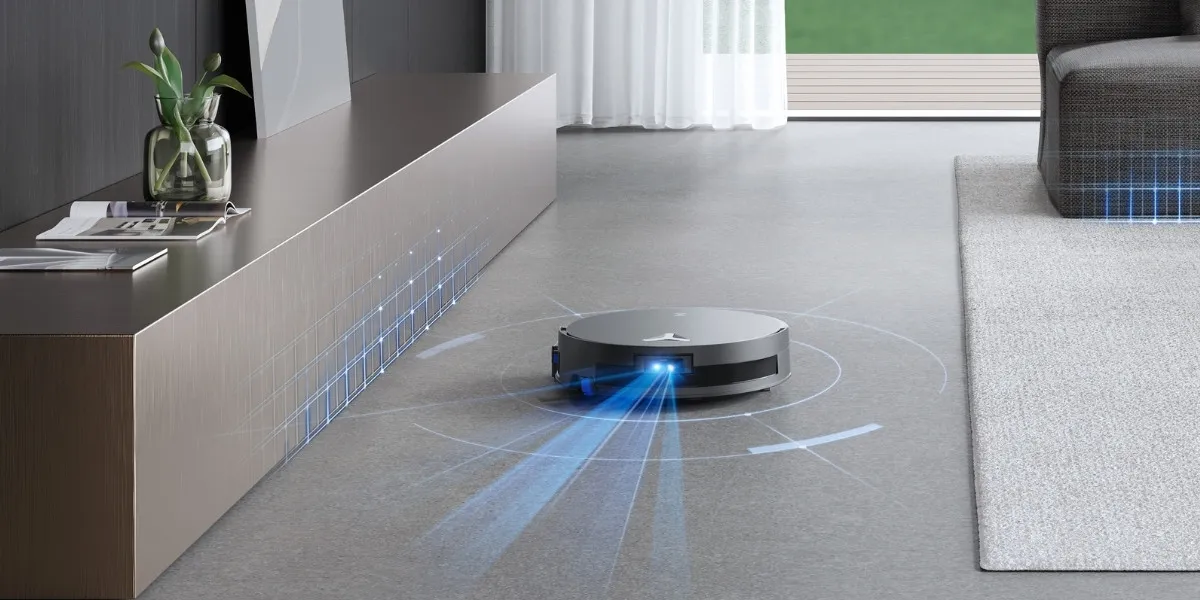

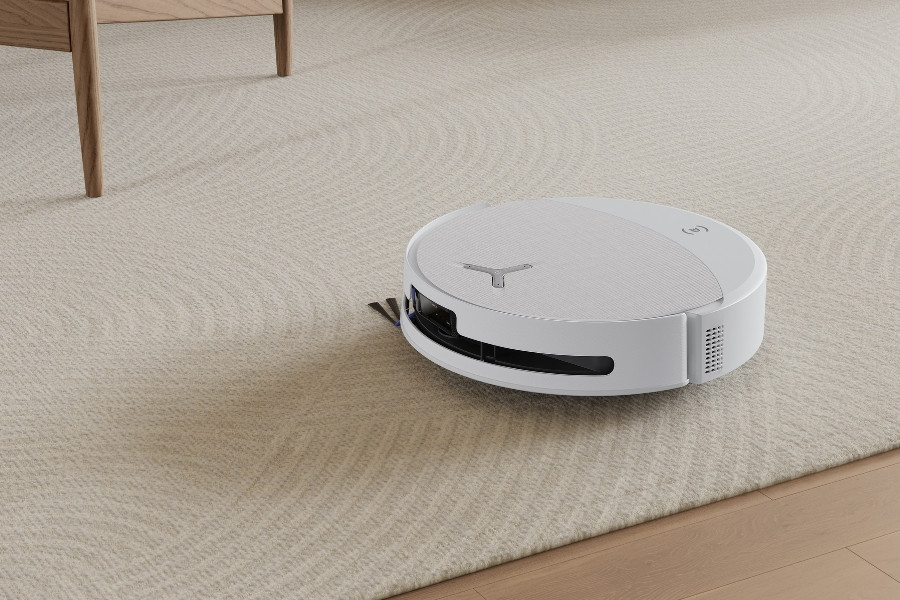
Good suction power is one of the most important features to look for in a vacuum cleaner because it directly affects how well the machine removes dust, dirt, and debris from your floors.
This matters even more when cleaning already feels like a challenge. In Australia, half of households have at least one dog, while 34% have at least one cat, which means pet hair is a common issue in many homes1.
A vacuum with strong suction helps address both issues by making cleaning faster and more effective, so it is easier to stay on top of the routine.
What is Suction Power in a Vacuum Cleaner?
Suction power is the strength a vacuum uses to pull in dust, dirt, and debris. It comes from the motor and shows how hard the vacuum can suck in air. Suction isn’t the same as airflow, which is the volume of air moving through the system. Strong suction is often considered helpful for picking up tougher messes.
For homes with pets, allergy concerns, or locations near a highway or construction site, powerful suction is useful for lifting debris more efficiently with fewer passes, thus helping extend the vacuum’s lifespan.
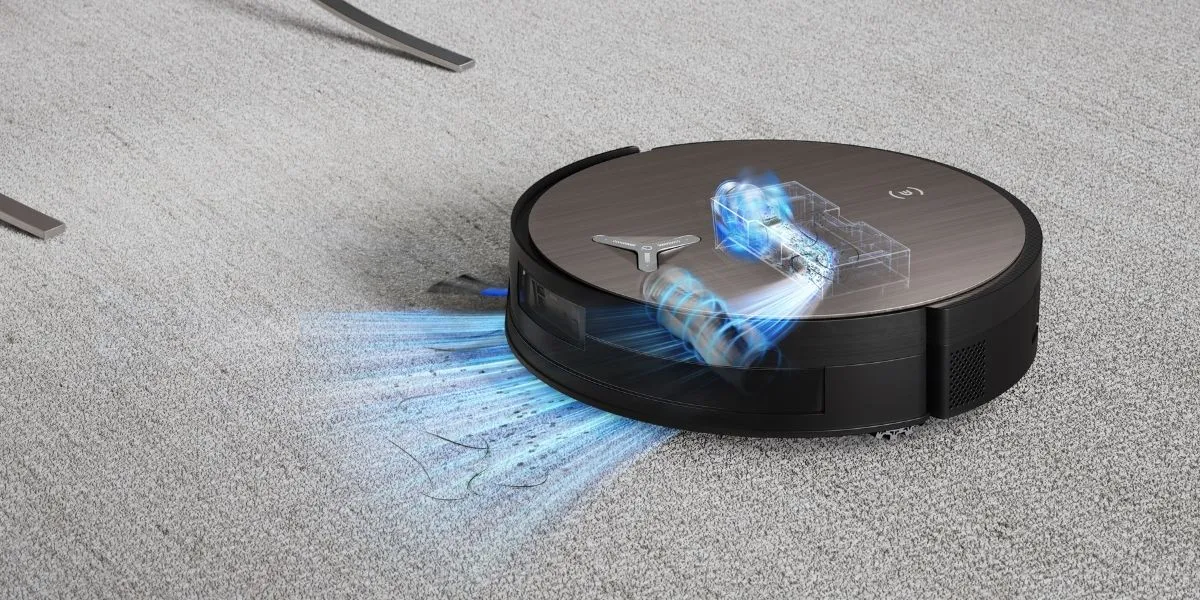
But don’t focus on suction alone. Once the roller brush loosens particles from the floor, airflow lifts and carries lightweight dirt into the dustbin, and filters help trap it inside.
What Is the Difference Between Suction Power and Airflow?
Airflow is the amount of air that moves through the vacuum’s hose and filters, while suction power is the force that pulls the air in. Both matter, but suction power is key for lifting dirt and debris from your floors.
Once the roller brush stirs up dust, the airflow transports the debris into the dustbin; the smoother the air flows, the more efficient the cleaning will be.
What Is the Difference Between Suction Power and Air Watts?
Suction power describes the force a vacuum uses to pull debris from surfaces. It is commonly measured in pascals (Pa), the unit of pressure indicating the drawing force in air.
Air watts, on the other hand, measure the overall cleaning performance by combining suction force with airflow efficiency. In simple terms, air watts show how effectively it picks up dirt, while pascals measure how hard the vacuum pulls.
How Is Vacuum Suction Measured?
Vacuum suction is measured using different units depending on the vacuum cleaner type. Some brands use air watts, others use pascals or water lift. That is why suction numbers are not always directly comparable across models. To understand performance more clearly, it helps to look at both the unit used and the vacuum design behind it.
|
Vacuum cleaner type |
Common suction unit |
|
Upright vacuums |
AW or inH₂O |
|
Canister vacuums |
AW or Pa |
|
Robot vacuums |
Pa |
|
Cordless stick vacuums |
AW or Pa |
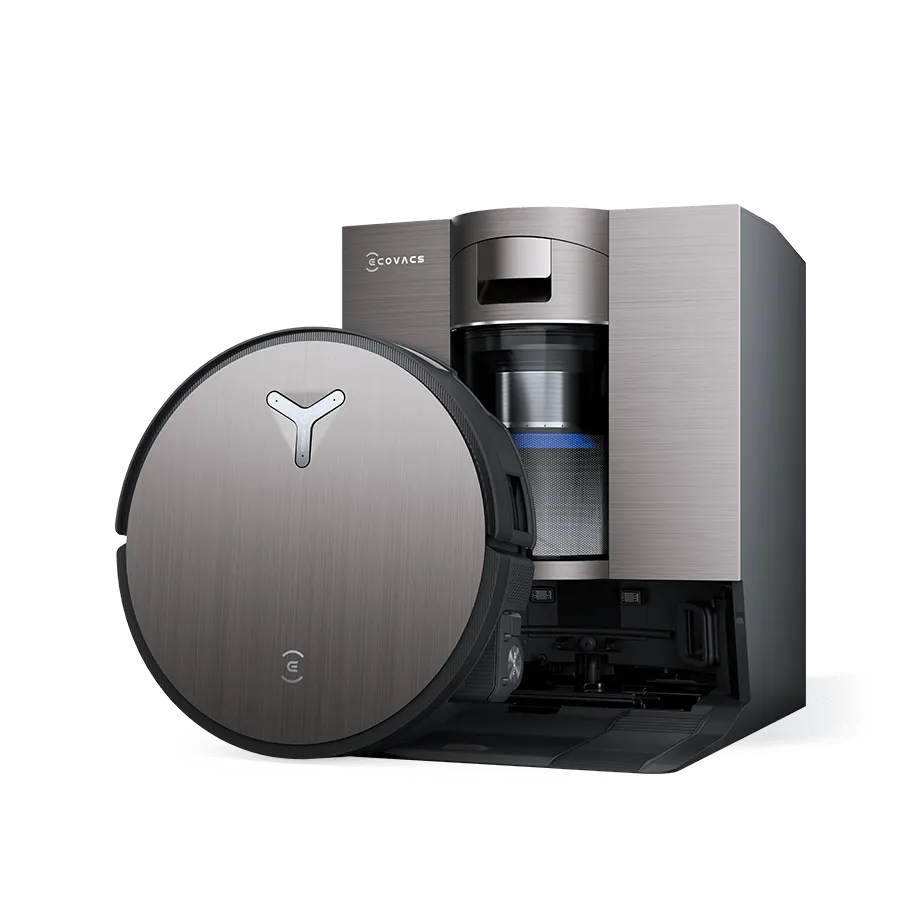
While DEEBOT robot vacuums and mops measure suction in pascals (Pa), they redefine effective cleaning by considering the entire process: airflow, suction, roller brushes, air ducts, and filtration systems.
Their innovative technology maximises airflow and allows sufficient suction to work with upgraded aerodynamics and powerful motors.
What Is a Good Suction Power for a Vacuum Cleaner?
A good suction power depends on the vacuum type and the surfaces in your home. For most households, around 150 to 200 AW is a strong range for regular vacuums, while robot vacuums perform well from about 2,500 to 6,000 Pa or more. That is normally enough for mixed floors and routine cleaning, while thicker carpets and deep-cleaning tasks may need higher suction.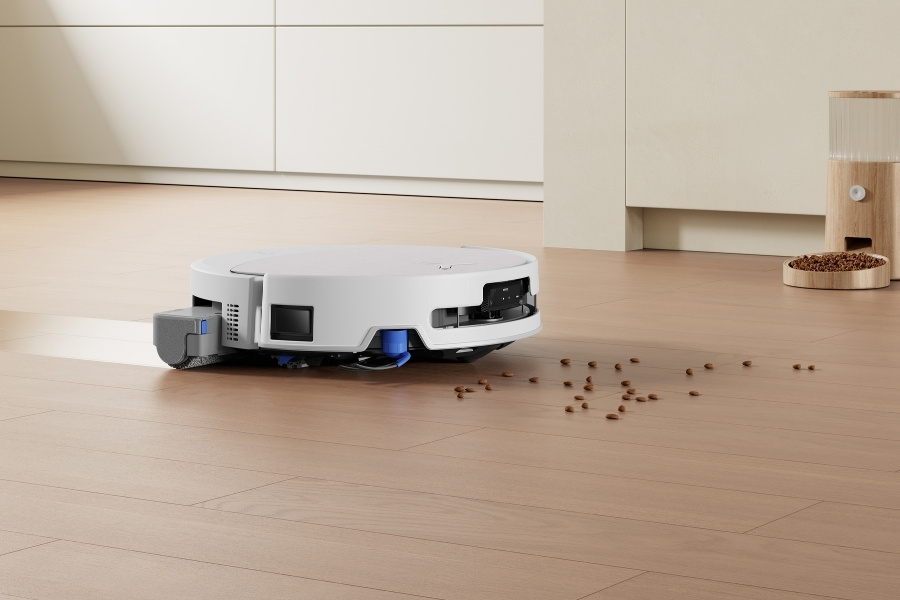
Here is the ideal level of suction power for different types of vacuums:
- Upright vacuums: 180 to 200 AW
- Canister vacuums: 220 to 250 AW
- Stick vacuums: 100 to 150 AW
- Handheld vacuums: 20 to 50 AW; higher for pet hair and larger debris
- Central vacuums: 500 to 600 AW
- Robot vacuums: 2,500 to 6,000 Pa; higher for carpets and pet hair
The following guide shows the suction power to look for based on common cleaning challenges and surfaces:
- Mixed floors: 150 to 200 AW or 3,000 to 6,000 Pa, with adjustable settings to handle different surfaces
- Tile floors: 100 to 150 AW or 3,000 to 5,000 Pa to lift dirt from crevices
- Hardwood floors: 100 to 150 AW or 3,000 to 5,000 Pa is sufficient for vacuuming hardwood floors
- Carpets and deep cleaning: 200+ AW or 6,000+ Pa to target embedded dirt when vacuuming a carpet
- Pet hair: 180 to 210 AW or 6,000+ Pa to manage pet hair and dander
Which Robot Vacuum Has the Best Suction Power?
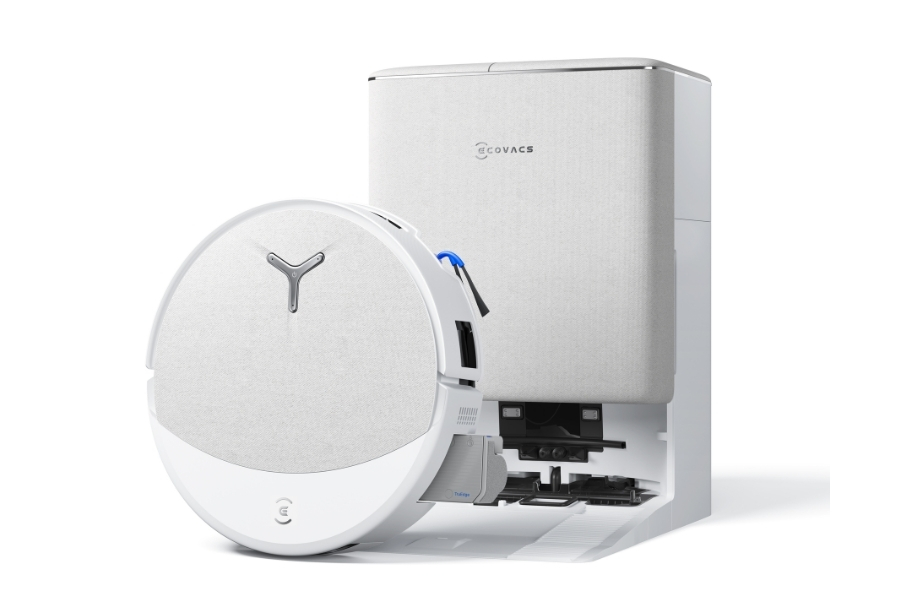
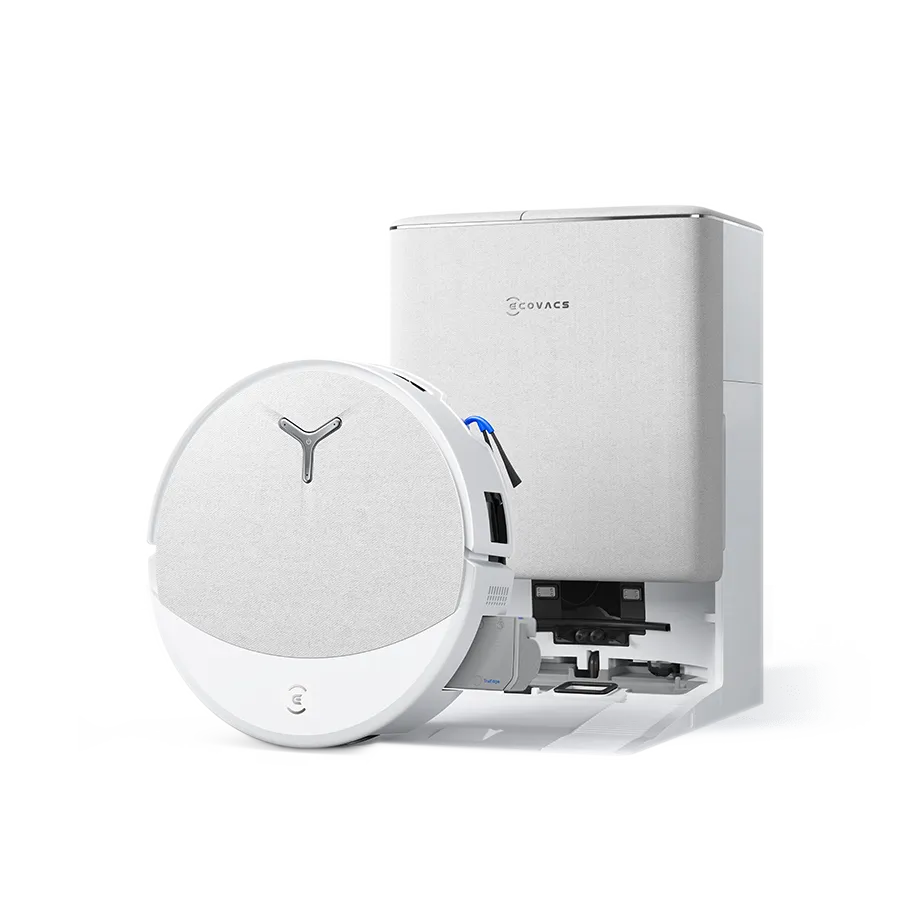
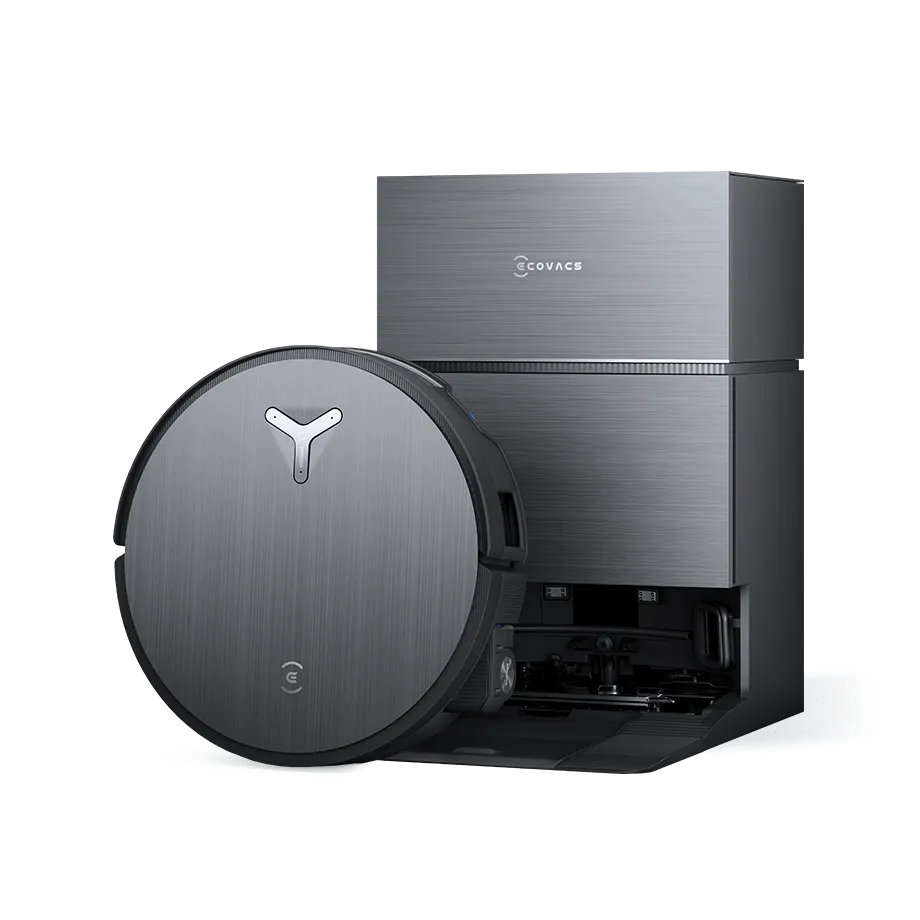
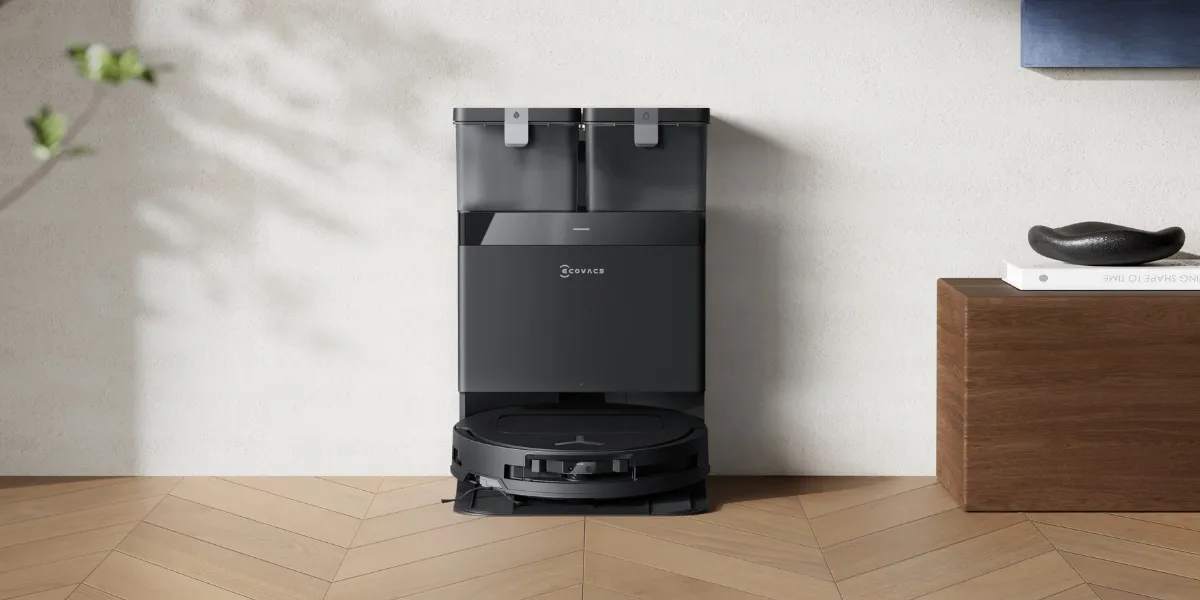
For a robot vacuum with standout suction power, the DEEBOT T90 PRO OMNI features the BLAST Solution, which delivers up to 30,000 Pa suction2 with 16L/s airflow for powerful pickup on hard floors and carpets, while the ZeroTangle 4.0 brush design reduces hair wrap. It also pairs with a longer roller mop in the OZMO ROLLER 3.0 mopping system for more efficient cleaning.
The robot vacuum cleaner maps your home accurately for Mini-ToF navigation. With AIVI 3D 4.0 obstacle recognition, this robotic vacuum also avoids obstacles and keeps a close, adaptive distance from objects.
Shop DEEBOT T90 PRO OMNI NowHere is a quick comparison of the latest DEEBOT models for cleaning efficiency:
|
Model |
Suction Power |
Airflow |
Mopping System |
Run Time |
|
DEEBOT T90 PRO OMNI |
30,000 Pa |
16L/s |
OZMO ROLLER 3.0 |
140 mins* |
|
DEEBOT X11 OmniCyclone |
19,500 Pa |
18L/s |
OZMO ROLLER 2.0 |
254 mins* |
* Working time on hard floor in silent mode (sweep).
While suction power matters, the best choice also depends on path planning, obstacle avoidance, and self-cleaning capabilities.
What to Consider When Choosing the Suction Power?
When choosing suction power, match it to your surfaces, pet ownership, and the type of vacuum you want to use. On top of suction strength, overall cleaning performance also depends on airflow, roller brushes, air ducts, and filtration systems. It is also worth balancing suction with battery life, filter quality, and noise levels.
Key things to consider include:
- Floor and surface type: Choose suction based on whether you need help with vacuuming hardwood floors with a robot vacuum or deeper pickup on a robot vacuum for carpets and rugs.
- Pets and allergies: Homes with shedding pets or allergy concerns usually benefit from stronger suction and good filtration to pick up pet hair with a robot vacuum or a regular vacuum.
- Vacuum type: Robot vacuums and regular vacuums measure suction differently, so compare performance within the same category instead of judging Pa and AW as direct equivalents.
- Battery life: Higher suction can use more power. For example, how long the robot battery lasts matters in larger homes for extended cleaning sessions.
- Noise levels: The suction noise can disrupt a baby’s nap or a work call. Balance the cleaning efficiency and the need to vacuum quietly with a robot vacuum.
How to Maintain Good Suction Power in a Vacuum Cleaner
To keep the vacuum suction strong, you need to regularly empty the dustbin, clean the filtration system, and unclog the brush roll and air duct. It also helps to check the body, sensors, and cleaning settings from time to time so the device can move smoothly and clean efficiently.
Typically, you can perform these maintenance tips:
- Empty frequently: Keep emptying the vacuum after every use or before it gets too full to maintain steady airflow.
- Clean or replace filters: A dirty filter blocks airflow, so clean the vacuum filter or replace it based on the manufacturer’s schedule.
- Clear blockages: Check the hose, nozzle, and intake path for hair, dust, or debris that may restrict suction.
- Maintain the brush roll: Remove wrapped hair and fibres regularly to clean the vacuum cleaner brush and keep pickup performance consistent.
- Check seals and belts: Loose seals or a worn belt can reduce suction and weaken brush roll performance.
- Adjust height: Use the correct floor height setting so the vacuum can clean efficiently on different surfaces.
Some robot vacuums with self-emptying stations reduce daily maintenance, but filters, brushes, and air paths still need regular checks to keep suction power consistent.
FAQ
Why is my vacuum suction weak?
Weak vacuum suction can have several causes. The most common one is a clogged filter or a full dust bag, both of which can restrict airflow. The brush roll or other parts may also be worn out or damaged. To fix this, check and replace the filter or dust bag, and inspect the vacuum’s internal parts for any issues affecting performance.
Is higher suction power better for vacuum cleaners?
Higher suction can improve a vacuum’s ability to pick up dirt and debris, but excessively high suction can sometimes be counterproductive. For example, on rugs or vinyl flooring, very strong suction may damage delicate surfaces. The ideal suction power depends on your home’s needs and the types of flooring you have.
How do I know if my vacuum has strong suction?
To know if your vacuum cleaner has strong suction, check the technical specs first: around 150 to 200 AW is a strong range for regular vacuums, while 2,500 to 6,000 Pa or more is a good range for robot vacuums. You can also test it in use. Strong suction should lift dust and debris in one or two passes across different surfaces.
What suction power is best for couches and upholstery?
For couches and upholstery, moderate suction is usually the better choice. Extremely high suction can pull on delicate fabrics or cause damage. A vacuum with adjustable suction settings allows you to fine-tune the suction for different materials. It works best with a soft-bristle attachment that can lift dust, crumbs, and hair without scratching or stretching the material.
Disclaimer(s):
- Australia’s pet survey: https://animalmedicinesaustralia.org.au/news-and-media/australias-most-comprehensive-pet-survey-shows-nearly-three-quarters-of-australian-homes-now-have-a-pet
- 30,000 Pa: This data comes from ECOVACS laboratory. The suction power of DEEBOT T90 PRO OMNI can reach 30,000 Pa.
Related Products