Whether you use an upright vacuum, canister vacuum, handheld vacuum, or robotic vacuum cleaner, you may notice it blowing dust out instead of pulling it in. This reduces cleaning efficiency and can affect indoor air quality.
This article breaks down the most commonly seen reasons this happens and the fastest fixes to stop it. Typically, users can start with the bin or bag and filters, then check clogs, seals, and the brush roll so you can restore normal airflow and suction quickly, keeping your home clean and healthy.
Why Is My Vacuum Spitting Stuff Back Out?
A vacuum cleaner usually spits dust back out when airflow is restricted or leaking. The most common causes are an overfilled bag, clogged hoses, saturated filters, incorrect height settings, or air leaks from worn gaskets and loose connections. These issues disrupt how a vacuum cleaner works and cause dust to escape instead of being trapped.
This can happen with different types of vacuum cleaners, including smart vacuums and mops. Identifying the root cause of the issue is the first step in troubleshooting.
- Full dustbin: An overfilled container restricts airflow, so debris may blow out instead of being trapped. Gaps around the lid can also let dust leak out.
- Clogged or dirty filters: Filters can become clogged, dusty, or incorrectly installed over time, which restricts airflow and can push fine dust back out through the exhaust.
- Clogged hose: Dust, hair, and crumbs can build up in the hose, intake channel, or internal air duct, lowering vacuum cleaner suction power and pushing dust back out during use.
- Malfunctioning setup: When internal parts like the filter or canister lid are installed incorrectly, dust can bypass the filtration path.
- Damaged seals and connections: Loose hose cuffs, worn gaskets, cracked seals, or poorly reattached parts allow air leaks that can let dust escape through seams rather than staying contained.
- Incorrect mode or height setting: Some vacuums have multiple modes, and uprights may include height adjustment. If you’re unsure how to use a vacuum cleaner, the wrong mode or height can scatter debris instead of lifting it into the airflow.
How to Fix Vacuum Spitting and Dust Blowing Issues
To stop a vacuum from blowing dust out, empty the bin and clean filters to restore airflow. Next, clear clogs in the hose and internal air path, check seals and connections for leaks, and inspect the belt and brush. Finish by adjusting the correct mode to prevent scattering. Use these steps to troubleshoot vacuum cleaner issues quickly and safely.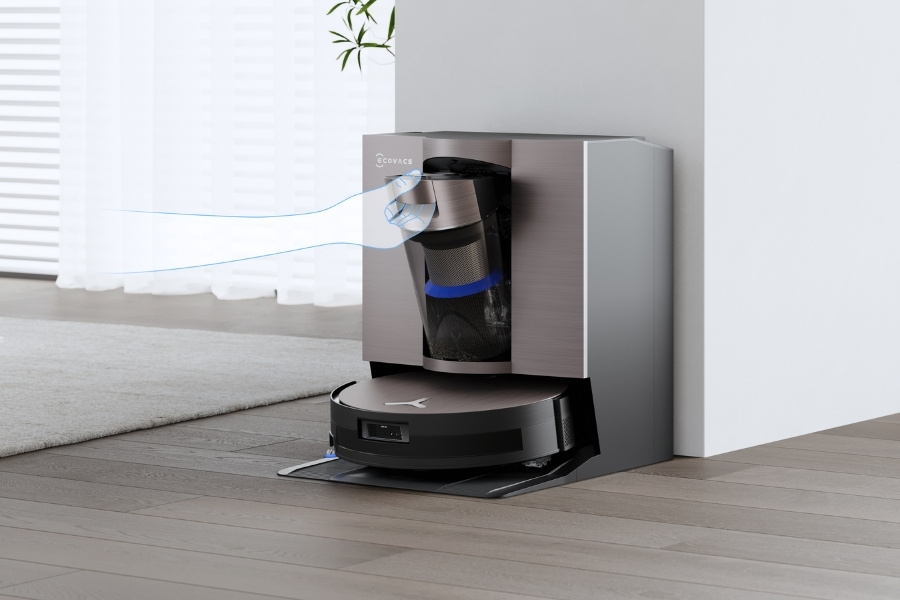
When you diagnose the root cause, unplug the vacuum before resolving it accordingly.
Fixes 1: Empty The Dust Bag
Empty the bin regularly, preferably after each use. For bagged vacuums, change a vacuum bag before it becomes overfilled. Make sure the container is fitted properly with no gaps so airflow stays steady, and dust doesn’t blow back out.
Fixes 2: Unclog Your Vacuum
Disconnect the hose and check for blockages along the full length. Clear debris carefully with an appropriate tool, then rinse removable hoses with warm, soapy water if the manual allows. Unclog the internal air inlets with the same procedure.
Fixes 3: Clean or Replace the Filters
Check the pre-motor and exhaust filters, then clean the vacuum filter or replace it based on the manual. Washable filters must be fully dry before reinstalling. Decide how often to change a vacuum filter based on your model, cleanliness, and cleaning habits.
Fixes 4: Check The Belt And Power Connection
Inspect the belt for cracks, stretching, or slippage and replace it if needed. Also, confirm the power connection is secure and the vacuum is operating normally without unusual surging or interruptions.
Fixes 5: Check The Seals And Connection
After cleaning your vacuum cleaner, reattach all parts firmly and confirm that the dust cup, lid, and hose connections click into place. Look for worn gaskets or gaps around the canister door, then re-seat parts or replace seals so air doesn’t leak and carry dust outward.
Fixes 6: Disable Spraying Mode
For combo machines with both vacuuming and spraying/blowing settings, confirm the unit is set to suction mode before cleaning. Switching to the wrong mode can push air and debris outward, making it look like the vacuum is “spitting” dust.
Fixes 7: Clean the Brushroll
To remove hair and threads from the brush roll, power off the vacuum, take out the brush roll if your model allows, and cut away tangles carefully. Wipe the brush housing and reinstall the brush roll securely.
Fixes 8: Adjust Height
For upright models, adjust to the correct height setting for carpet or hard floors so the nozzle maintains proper contact without pushing debris forward. Retest on a small area and fine-tune the height until pickup improves.
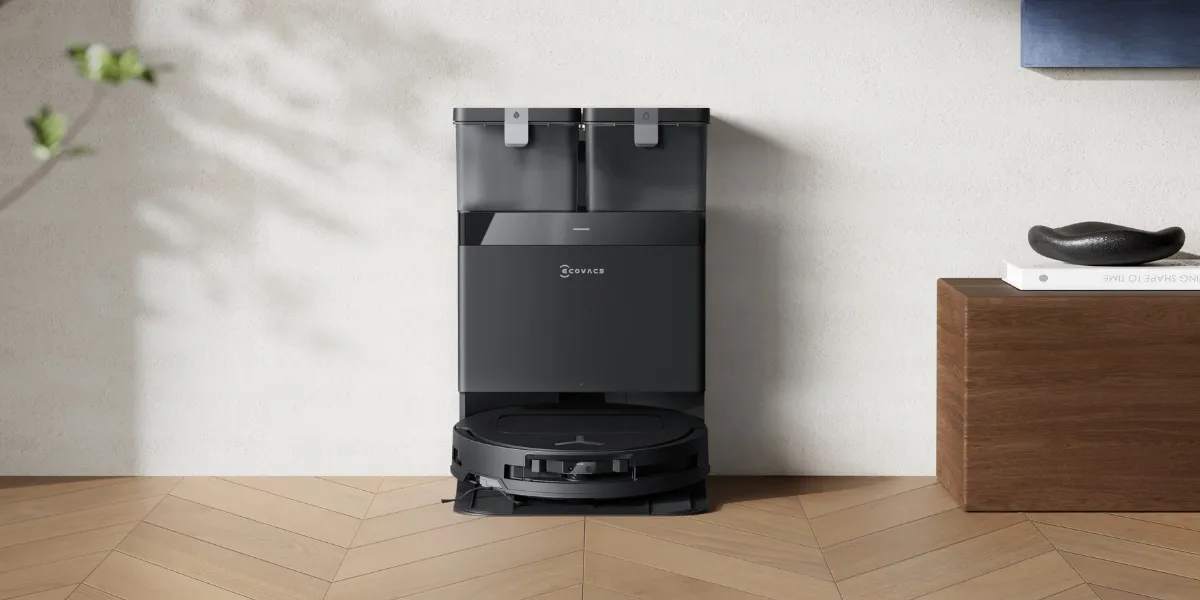
If you still struggle to keep up with emptying and maintenance, self-emptying robot vacuums such as DEEBOT robot vacuum can reduce dust blowback by automatically transferring debris into a sealed bag in the dock. Pet owners can also look for anti-tangle brush designs like ZeroTangle technology to help prevent tangling.
This feature keeps the onboard bin from overfilling, supports steadier airflow, and minimises how often you need to manually empty a smart vacuum.
FAQ
Why is my vacuum clogged when the bag is not full?
Clogs may occur when dirt and larger objects, such as food crumbs, accumulate behind the brush roller, in the hose, or in the dust cup air duct. A partially blocked airway can limit airflow even when the dustbin still has space, causing the vacuum cleaner to lose suction.
How do you unclog a vacuum without taking it apart?
Check the hose and visible intake areas first. Use a vacuum attachment or a long, thin object to carefully clear blockages. Follow the manual to avoid damaging internal parts, and stop immediately if you feel resistance that could tear the hose.
Why does my vacuum sound like it’s blowing air?
A “blowing” sound usually comes from restricted airflow or an air leak. Inspect for an overfilled bin/bag, clogged filters, or a blockage in the hose. Also check for gaps around seals, latches, and hose connections, which can let air escape and make the exhaust sound louder.
Related Products