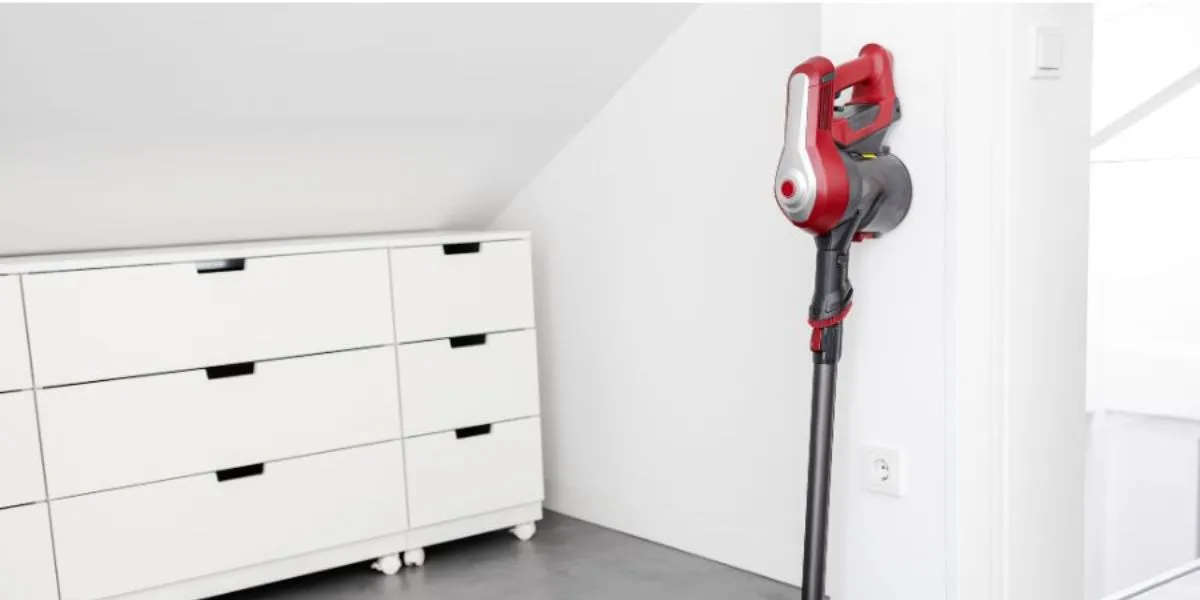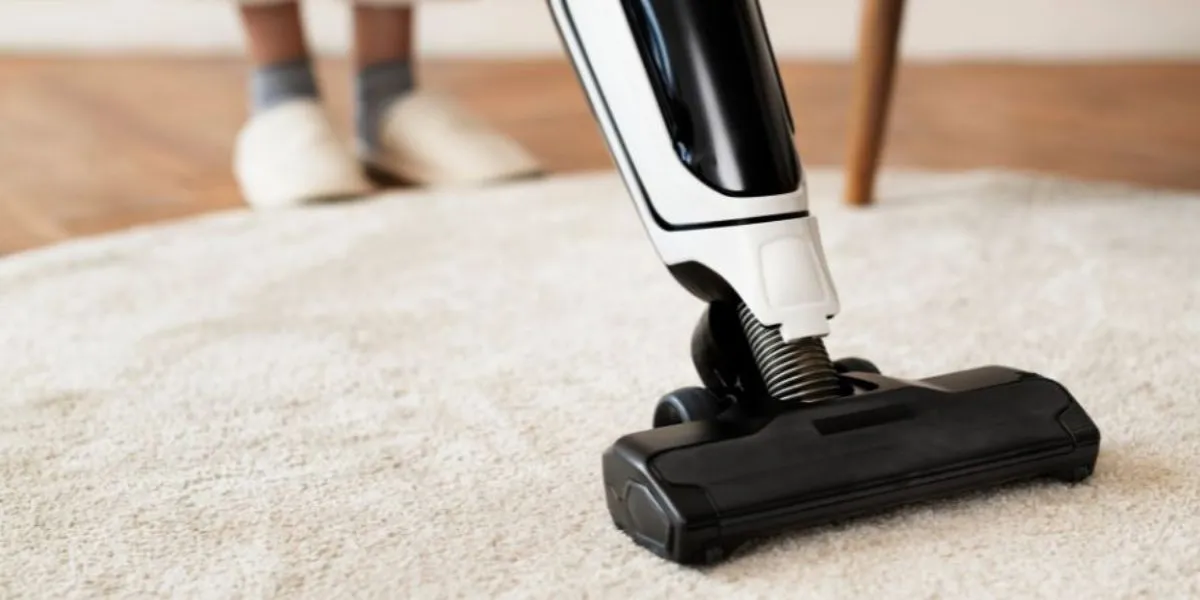

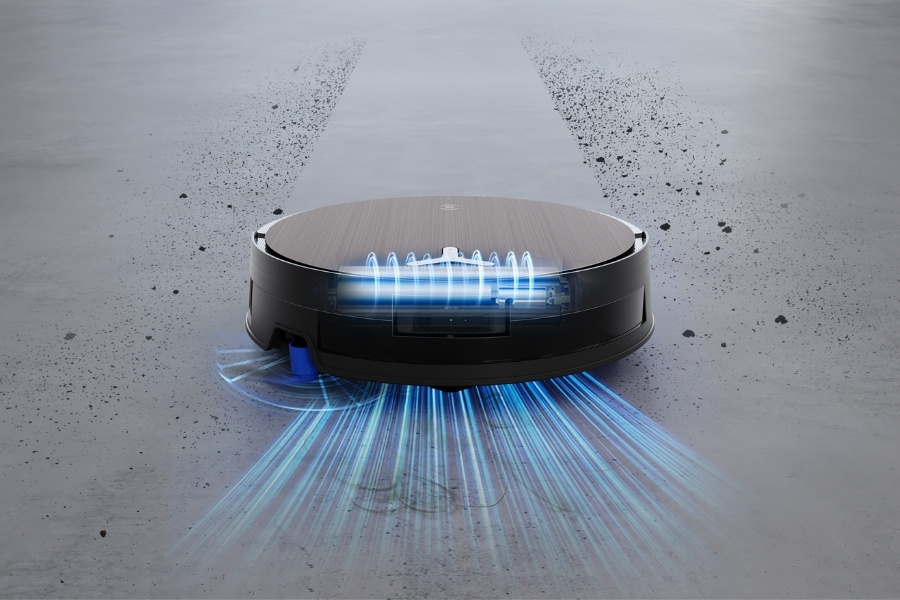
While new developments in technology make routine cleaning faster and easier, vacuum cleaners remain a go-to tool for removing dust and debris from floors and carpets. But when a vacuum loses suction, cleaning becomes less effective and can take much longer.
Suction is the airflow that lifts dirt into the machine. When airflow is restricted by a clog, a full bag, a dirty filter, or a leak, pickup efficiency drops, and the motor can work harder than it should.
This article covers the most common causes of low or no suction and the simplest checks and fixes to restore performance.
Why Your Vacuum Cleaner Loses Suction
Suction loss usually comes from restricted airflow, which can be caused by clogged filters, a full dust bag or canister, or blockages in the hose, wand, or floor head. These issues can affect any vacuum, including a robot vacuum and mop. Other common factors include tangled brush rolls, cracked hoses, and worn belts that reduce pickup.
Here are the typical reasons a vacuum cleaner loses suction, even if you know how to vacuum properly:
- Clogged filters: Clogged filters restrict airflow, which is central to how vacuum cleaners work. When air can’t move freely through the filter, dust may not reach the bin properly.
- Blockages in the airway: Debris can clog the intake, floor head neck, hose bend, wand joints, or dustbin inlet and make the suction feel weak.
- Full dust container: An overfilled bag or bin limits space for air to pass through and can force dust back toward the filter. Empty or replace the bag before it is overfilled.
- Air leaks: Cracks, loose cuffs, or a poorly seated bin/door let air escape instead of pulling debris in. Small gaps can noticeably reduce suction at the floor.
- Tangled brush roll: Hair and threads wrapped around the brush roll can stop it from rotating or reduce agitation, thus lowering pickup.
- Motor issues: The motor or fan can weaken, overheat, or become obstructed internally as the vacuum ages, reducing airflow.
How To Fix Loss Of Suction In A Vacuum Cleaner?
To fix a vacuum that has lost suction, start by emptying the dustbin or changing the bag, as a full container is the most common cause. Next, check for clogs and clear tangled hair, and clean or replace the air filters. If suction still feels weak, check for air leaks and setting issues.
Use the step-by-step checks below in order to restore airflow quickly and avoid unnecessary wear.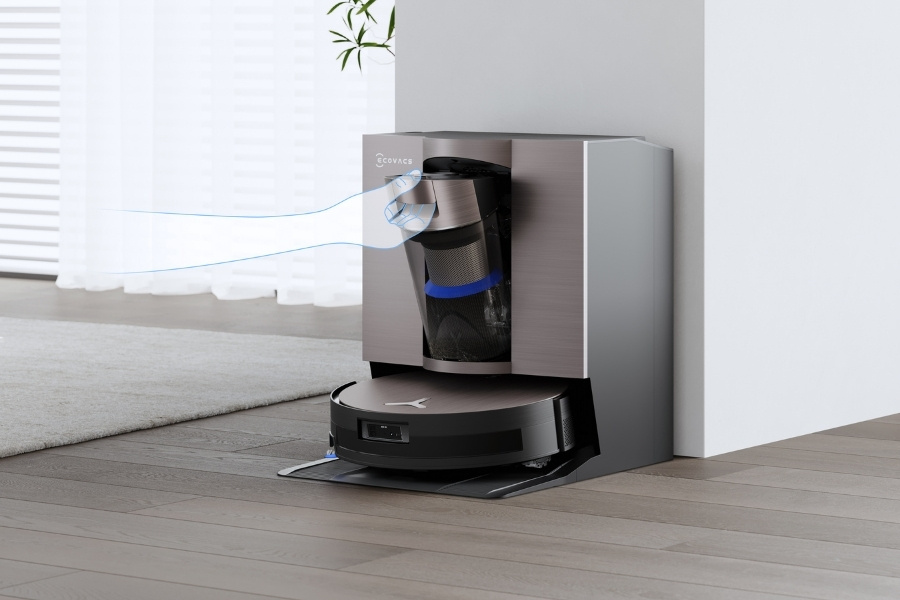
Step 1: Empty the dust bag or container
Depending on whether you have a bagged or bagless vacuum model, empty the dustbin once it reaches capacity and wipe the bin inlet. If you use bags, replace the bag when it’s full or misshapen.
Stay on top of how often to change the vacuum bag by setting a maintenance schedule.
Step 2: Check for blockages
If you hear a whistling sound, suction feels strong at one point but weak at the floor head, or debris visibly sticks in the tube, check for clogs. They often hide in the floor head neck, hose bend, and wand joint. Then check the hose and wand.
Push out the blockages carefully using a narrow tool, like a broom handle or a long stick.
Step 3: Clean or replace filters
If your vacuum cleaner keeps spitting out dust, the filters may be restricting airflow. Change or clean the vacuum filter based on the manufacturer’s recommendations, and make sure washable filters are fully dry before reinstalling.
HEPA filters, foam filters, and exhaust filters can have different care requirements, including how often to change vacuum filters.
Step 4: Check the floor head and nozzle opening
Next, inspect the floor head and suction inlet. Turn the floor head over and clear packed debris from the nozzle slot, wheels, and intake channel.
If your vacuum has a removable cover plate, open it and remove any buildup that narrows the opening.
Step 5: Inspect brush roll and belt
A noisy brush roll, slower rotation, or debris left behind in lines usually point to tangles or belt wear.
Cut away hair and threads wrapped around the brush roll, then check the belt. The brush roll can still spin but cleans poorly when the belt is stretched, which reduces agitation and makes the suction feel weak.
Step 6: Clear air pathways
Inconsistent suction between passes or weak airflow at the exhaust often means something is restricting the airflow path.
Inspect the route from the intake to the bin inlet, plus any vents or openings on the vacuum body. Gently dislodge packed dirt using a narrow tool such as a pipe cleaner or a specialised vacuum cleaning tool.
Step 7: Check suction power settings
Different floor types often require their own vacuum cleaner suction power settings, so performance can vary from room to room.
Confirm the floor type setting is correct, for example, use higher suction on carpeted floors. On upright and canister vacuums, make sure the air gate is closed. On robot vacuums, check the suction level in the app, then retest the same area to compare results.
Step 8: Inspect hose tears and air leaks
A loud motor with weak pickup often signals an air leak rather than a clog. Check for cracks or splits in the hose, a loose canister lid, a poorly seated dustbin door, and loose hose-end connections.
Press parts back into place securely, and swap out cracked hoses or worn seals to restore a tight fit.
If suction still doesn’t return after cleaning the vacuum cleaner properly for maintenance, the motor or fan may be obstructed or worn.
Look for signs such as overheating, burning smells, unusual high-pitched noise, or little to no airflow at the exhaust. Stop using the vacuum and contact support services for professional advice.
When to Repair vs Replace a Vacuum With No Suction
When deciding whether to service a vacuum or replace it with a newer model, compare repair cost, reliability, and safety risks:
- Cost of repair vs value: Compare the repair cost with the vacuum’s current value to decide whether it’s worth investing more money.
- Repeated clogs: When clogs return after thorough cleaning and proper use, internal airflow paths may be failing and repairs may not last.
- Persistent burning smell: A burning smell or no exhaust airflow is a critical sign to stop using the vacuum and repair the faulty parts or replace the unit immediately.
- Frequent belt failures: When belts stretch or snap often, the brush system may be misaligned or worn, making long-term repairs unreliable.
When it’s time to replace a vacuum cleaner, follow local rules to dispose of a vacuum cleaner responsibly and safely.
Do robot vacuums lose suction over time?
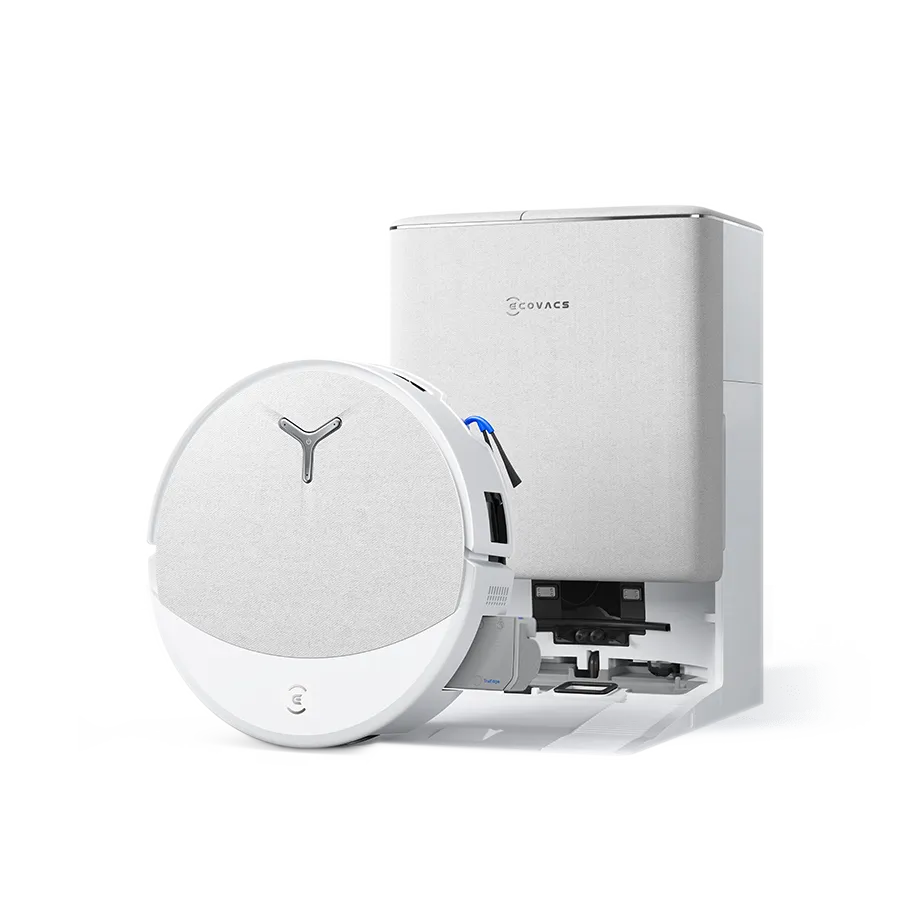
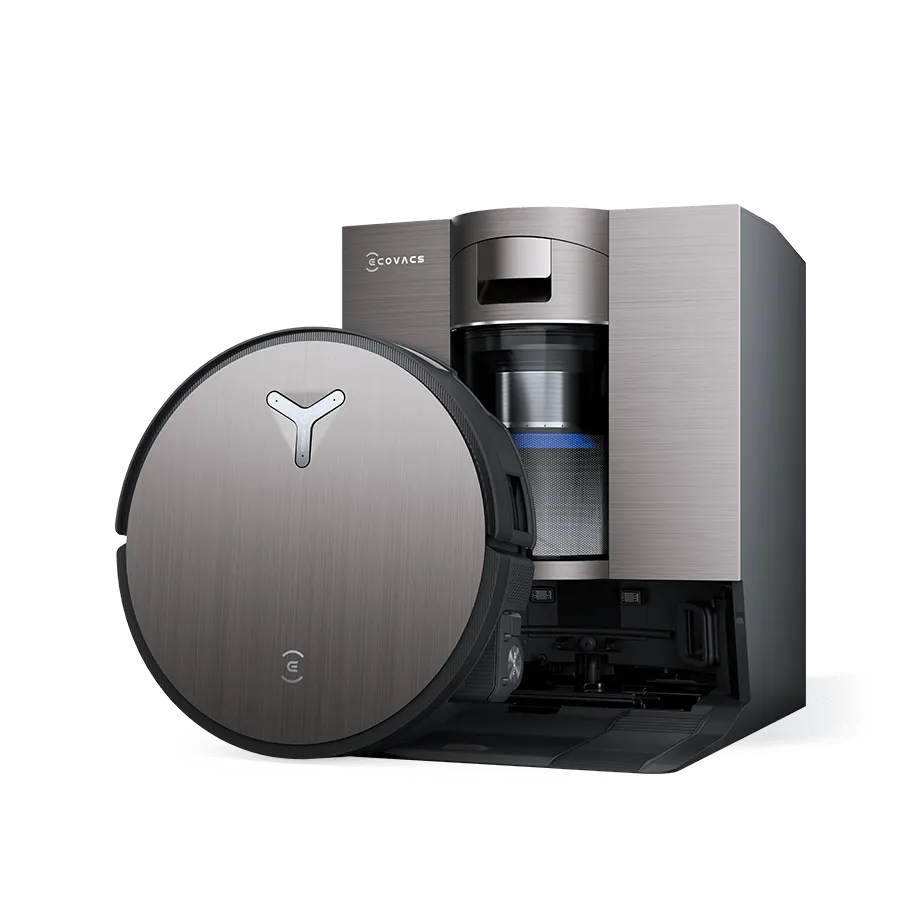
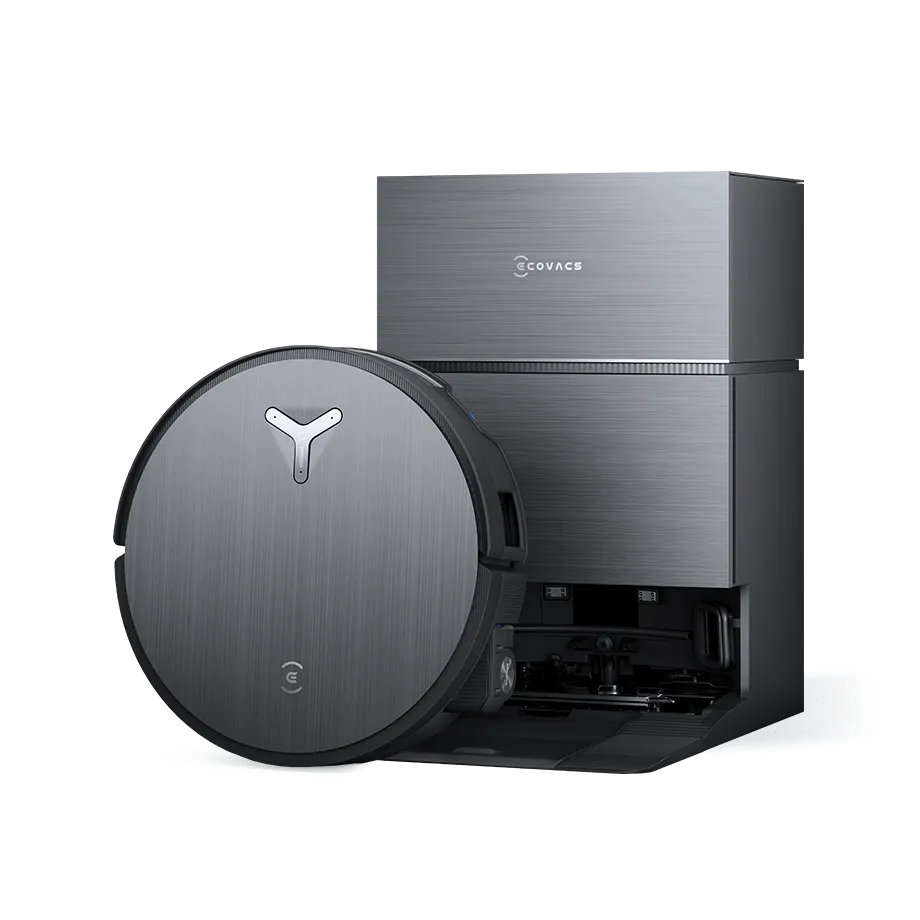
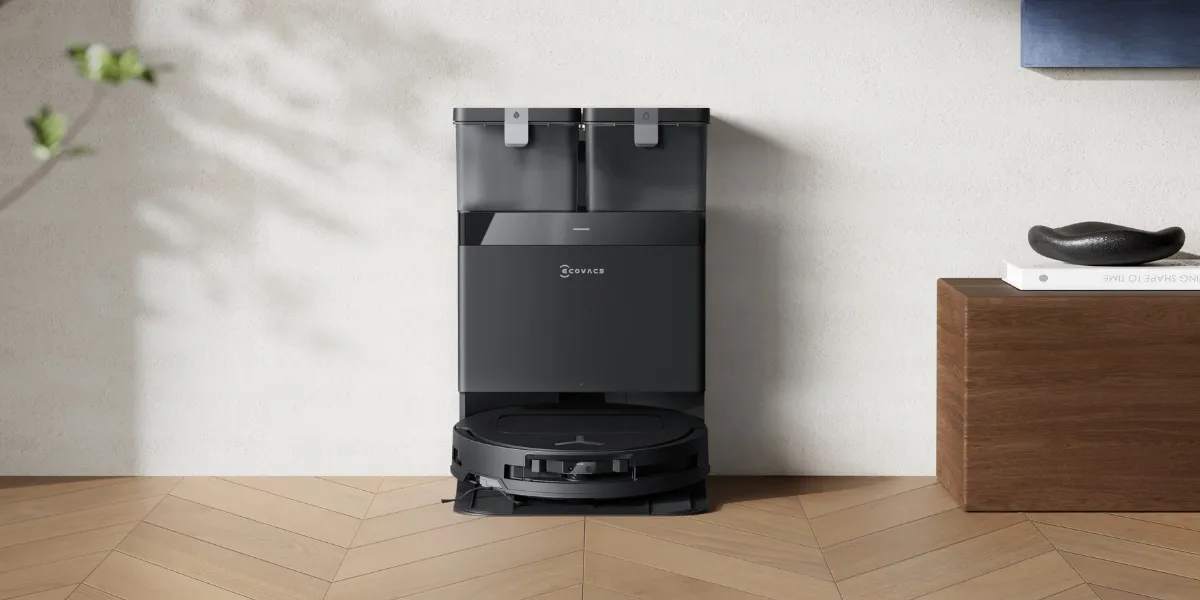
Yes, robot vacuums can lose suction over time due to maintenance issues like an overpacked bin, dirty sensors, worn seals, or an ageing battery. Settings also matter, for example, low suction modes on thick rugs, even when the robot is running normally. Most suction drops improve when you clean robot vacuum cleaners regularly and keep airflow paths clear.
The most common reasons for robot vacuum suction power drops:
- App suction modes: Check pickup at the start of a run, adjust the suction level in the app, and keep a consistent robot vacuum schedule.
- Full bin: Self-emptying smart vacuums still need manual upkeep. Empty a robot vacuum regularly to maintain steady suction.
- Brush tangles: Clogged main and side brushes can block the ability to agitate and pick up dirt. Detangle pet hair and threads to restore pickup.
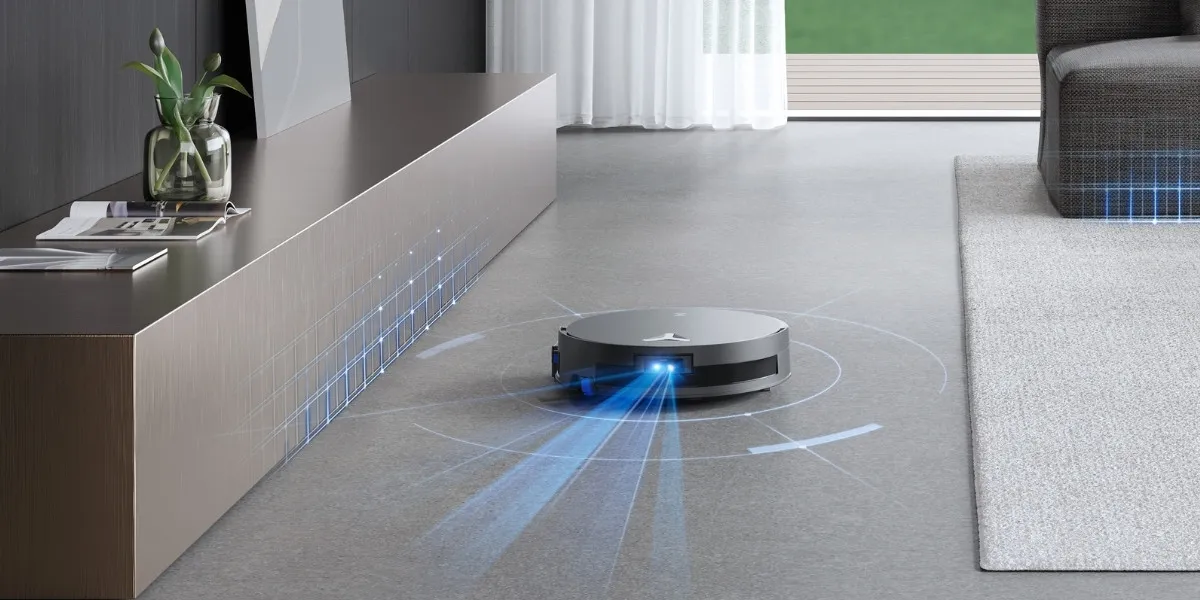
- Sensors and ports: Dust on sensors or ports can affect their accuracy in applying the set suction power in different areas. Clean robot vacuum sensors routinely.
- Worn seals: Loose bin lids or worn seals can cause air leaks and reduce suction at the floor. Reseat parts or replace seals.
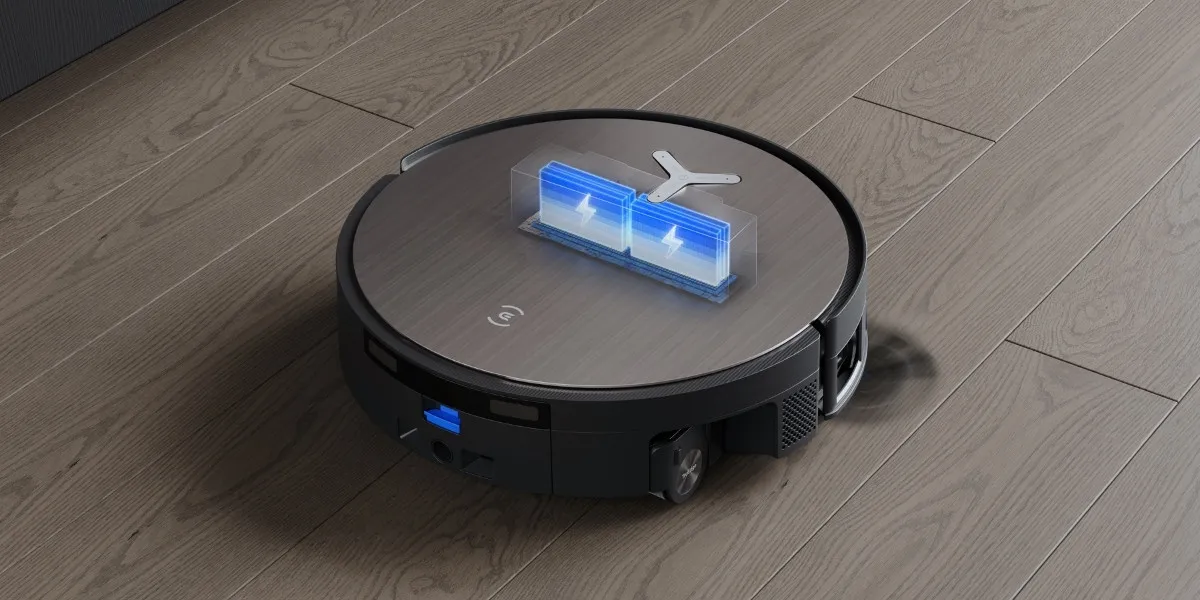
- Ageing battery impact: As the smart vacuum battery’s life ages, peak power can drop sooner during a run. Recharge fully and use higher modes when needed.
FAQ
Will vacuuming up water cause suction loss in my vacuum cleaner?
Yes, vacuuming up water can lead to suction loss in your vacuum cleaner by damaging its motor, electrical components, and filters. Water can clog the appliance’s internal parts and pathways or corrode metal components. In the case of a smart vacuum cleaner, excessive water or prolonged exposure to water can damage its electrical components and pose a safety hazard, as it may increase the risk of electrical shock or fire.
How to tell whether suction loss is coming from the hose or the main unit?
Unplug the vacuum, then detach the hose or wand from the main unit. Turn it back on and feel suction at the exposed port. Strong suction means a clog/leak in attachments; weak or no suction points to the main unit (bin, filters, or motor). Robot vacuums don’t need this test.
Why does my vacuum have suction but still not pick up dirt?
Pickup efficiency can fail even with suction power when airflow is restricted or agitation is weak. Check for a clogged filter, packed bin/bag, or a blockage in the floor head/nozzle. Also, inspect the brush roll and belt; if the brush isn’t spinning well, debris won’t lift into the airflow.
Related Products