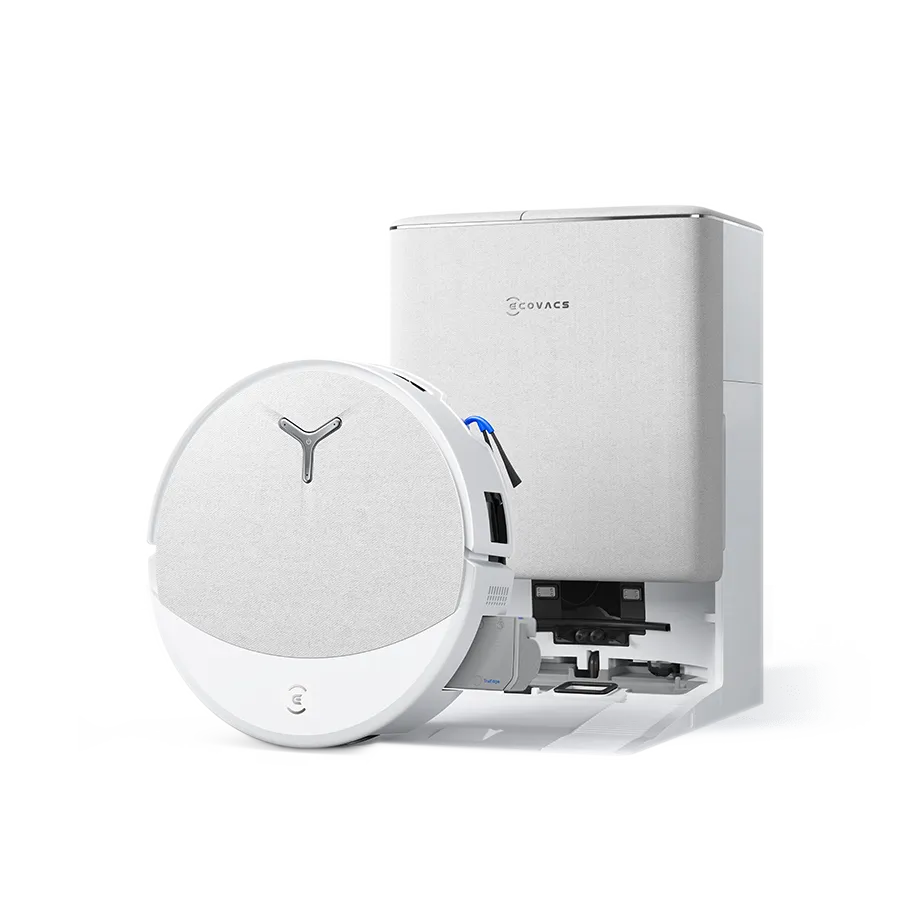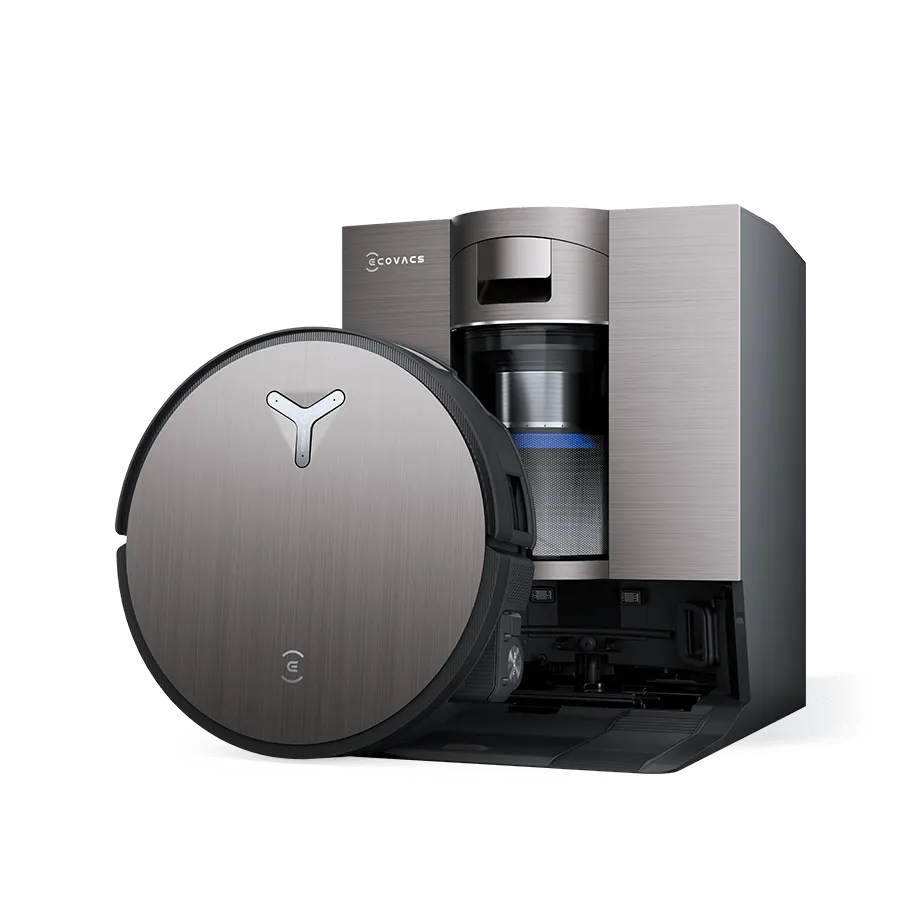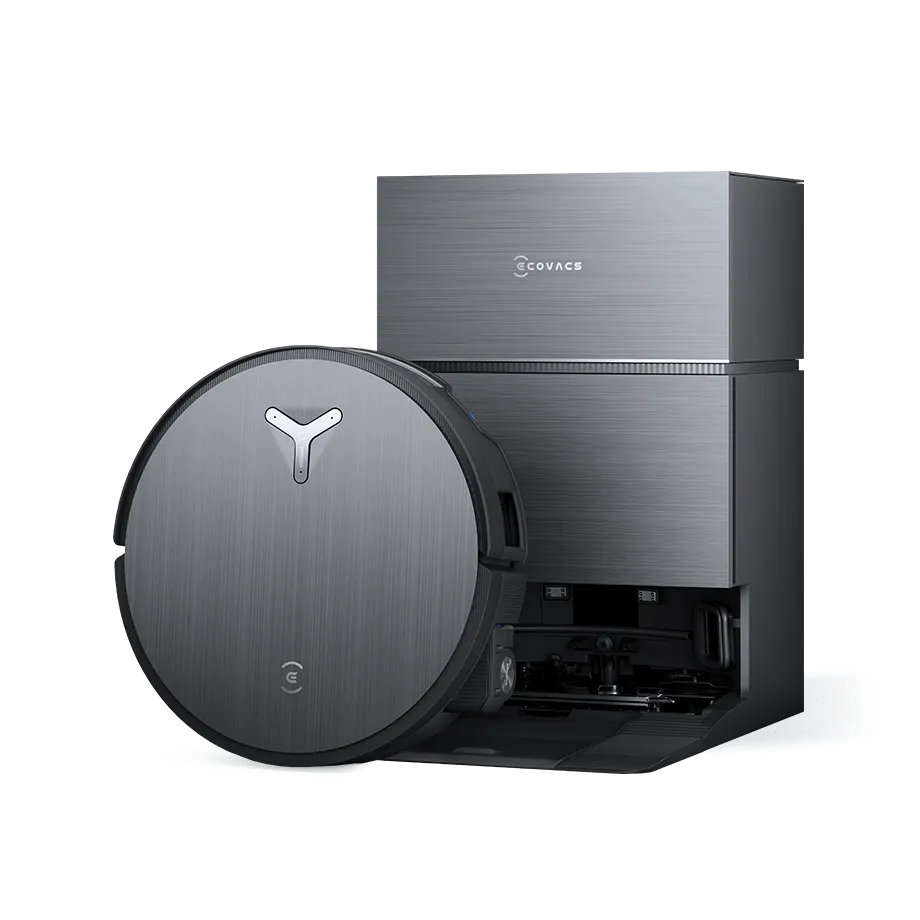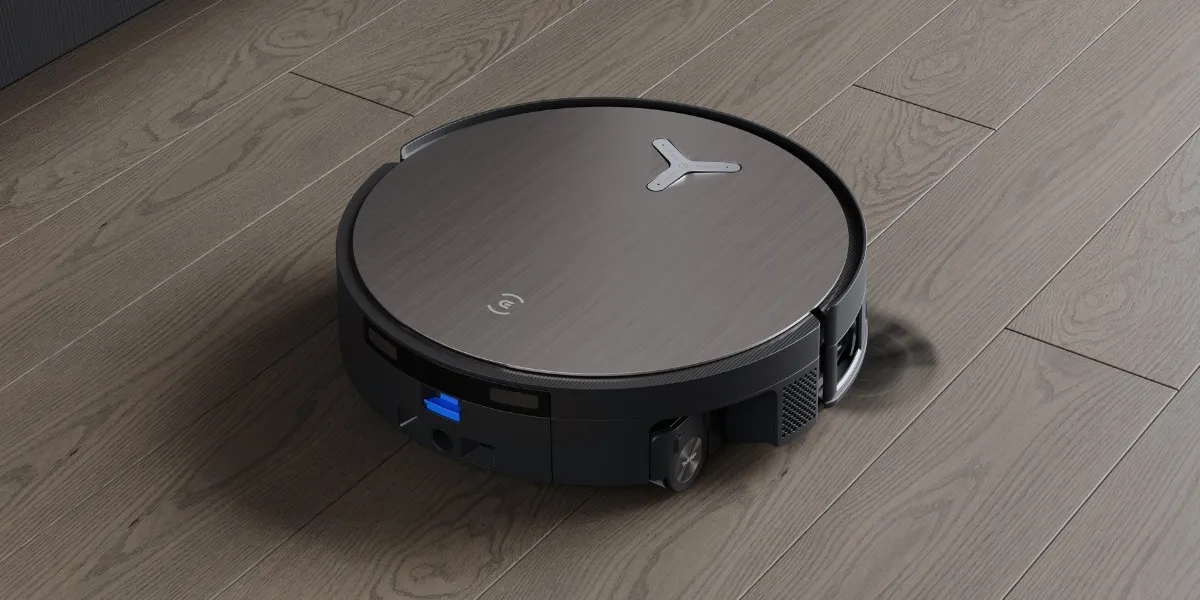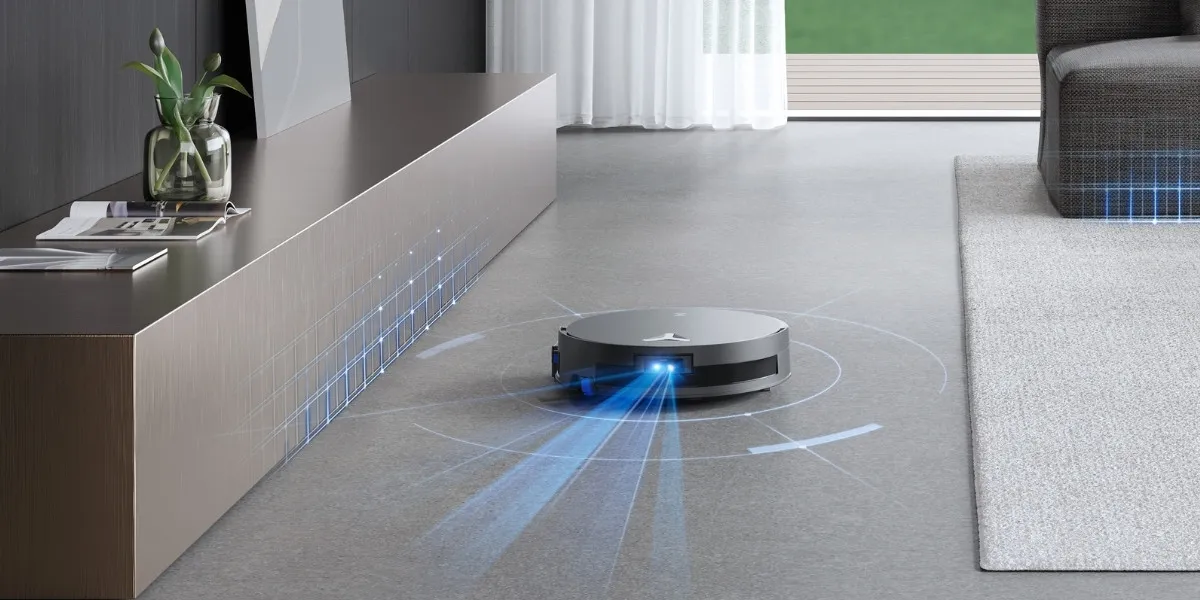

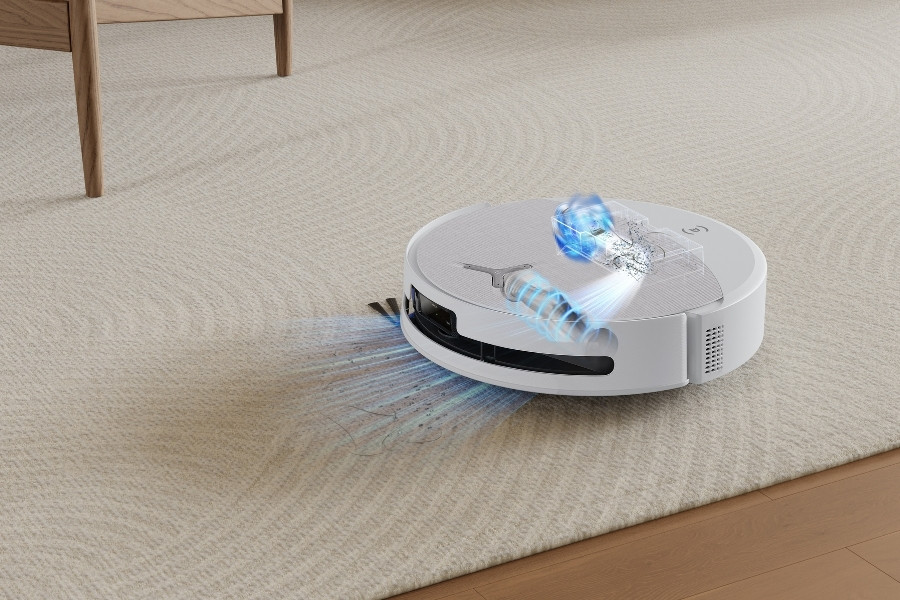
The emergence of robot vacuum cleaners brings convenience and efficiency in picking up dirt and debris, making them a practical choice for Australians who want to reduce the time spent on household chores.
When choosing a robotic vacuum, suction power is one of the first things to look at. In this guide, you will learn how suction affects cleaning performance, which key factors matter most, and how to choose the right model for your home.
What is Suction Power in a Robot Vacuum
Suction power in a smart vacuum refers to how effectively it lifts dust and debris from your floors. It is commonly discussed in pascals (Pa), but true cleaning performance also depends on airflow and dust pick-up rate, which reflect how well the vacuum moves air and captures debris in real home conditions.
To understand suction in a robot vacuum and mop, it helps to look at three key factors:
Pascals (Pa)
Pascal, commonly known as Pa, is the unit used to measure suction pressure. In robotic vacuums, it shows the force used to lift dirt and debris from the floor. Many standard models range from around 2,500 to 5,000 Pa, while some higher-performance options go well beyond that.
A higher Pa rating can help, but it does not automatically mean better cleaning on its own.
Airflow
Airflow refers to the amount of air a vacuum can pull in while cleaning. This matters because suction pressure alone is not enough if the vacuum cannot move air efficiently. A robot vacuum cleaner with strong airflow can lift and carry more debris into the dustbin.
That is why the best cleaning results usually come from a balance between suction pressure and airflow.
Dust Pick-Up Rate
Dust Pick-Up Rate, or DPU, refers to how much debris the vacuum actually removes from the floor during cleaning. As a more practical way to look at real performance, this rate is measured by comparing how much debris is left behind after vacuuming and how much has been collected.
A higher DPU usually means the vacuum is doing a better job of picking up dust, sand, and other debris.
What is a Good Suction Power for a Robot Vacuum Cleaner
A good suction power for a robot vacuum cleaner depends on your floors, debris type, and cleaning needs. In general, around 2,500 to 6,000 Pa works well for routine cleaning across mixed floor types, while real results also depend on airflow, brush design, sealing, and special features like carpet boost.
Whether you’re looking for robot vacuums for pet hair or robot vacuums for long hair, it helps to match the suction range to your needs:
|
Use case |
Recommended suction power |
|
Hard floors and light daily cleaning |
1,500 to 2,500 Pa |
|
Mixed floors (hardwood and low-pile carpet) |
2,500 to 4,000 Pa |
|
Pet hair and medium-pile carpet |
4,000 to 6,000 Pa |
|
Thick carpets and deep cleaning |
6,000 to 8,000+ Pa |
Pascal can be useful for quick comparisons, but it can also be misleading on its own. In reality, cleaning performance depends on how well the vacuum moves air, agitates debris with the brush, and maintains a tight seal.
Here are the key factors affecting suction power in smart vacuums:
- Airflow: Strong airflow helps lift debris from the floor and carry it into the dustbin more effectively.
- Brush Design: A well-designed brush helps loosen debris before suction pulls it in and improve pickup rate.
- Motor: Motor performance influences how consistently the vacuum can generate suction during cleaning.
- Sealed Systems: A sealed system helps prevent air leaks inside the vacuum, allowing more suction to reach the floor instead of being lost through gaps.
- Carpet Boost: Advanced models feature carpet boost that enables the vacuum to raise suction automatically when it detects carpet, where dirt sits deeper within the fibers.
- Efficiency: A balanced vacuum often performs better than a lower-quality model with a higher theoretical number.
How to Choose a Robot Vacuum Based on Suction Power
To choose a robot vacuum and mop based on suction power, look beyond the Pa rating alone. The right model should match your floor type, use efficient airflow and brush design, support pet ownership and allergies, maintain suction with self-emptying, balance battery life and noise, and navigate smoothly around obstacles for consistent cleaning.
Suction Power
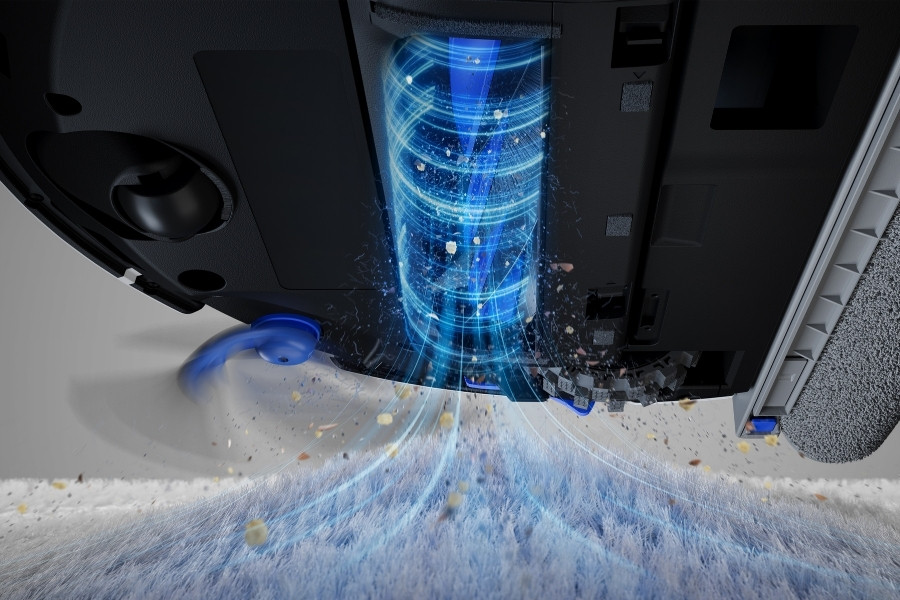
Suction power directly impacts how well the robot lifts dust, crumbs, and hair from the floor. Higher Pa levels can help with tougher messes, but true cleaning performance also depends on airflow and brush design, which helps loosen dirt and move debris so it can be picked up more easily.
Robot vacuums with remote control further let you adjust suction levels based on your cleaning needs.
Floor Type
Your floor material should guide the suction range you choose. This is key when comparing robotic vacuums for hardwood floors or homes with rugs and carpets.
- Hardwood or tile: 1,000 to 3,000 Pa for daily dust and light debris
- Mixed floors or low-pile rugs: 3,000 to 5,000 Pa for better all-around pickup
- High-pile carpets or thick rugs: 6,000+ Pa for deeper cleaning in dense fibers
Pets & Allergies
Those seeking robot vacuums for allergies should choose a model that pairs efficient suction with good filtration. The same applies to pet owners. A strong filter helps trap fine dust, dander, and allergens inside the vacuum. Models with a scheduling function let you set a cleaning routine at any time, including more frequent sessions during pollen season.
Self-emptying
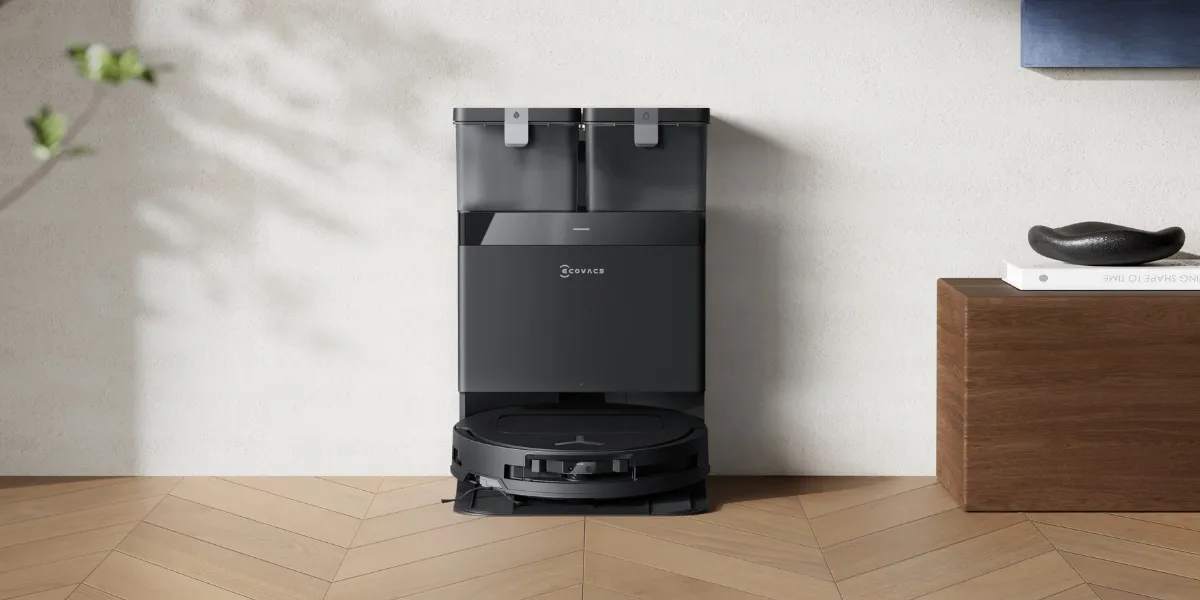
Suction can drop when the dustbin gets too full. Self-empty robotic vacuums help maintain more consistent performance by transferring collected dirt after each run into a larger container at the station. For example, the DEEBOT T90 PRO OMNI features a 2.5L dust bag that can hold up to 90 days of debris1.
Battery Life and Noise
Higher suction settings can use more power and create more noise. That is why it is worth checking the smart vacuum battery life and sound level during operation, particularly if you live in a larger home or work from home and want less noise disruption.
Navigation and Obstacle Avoidance
Good suction is more useful when the device can move through your home without interruption. Advanced navigation systems, including robotic vacuums using LiDAR and camera-based obstacle detection, keep robot vacuums from getting stuck and avoid furniture and small objects while maintaining steady cleaning.
Tips for Maintaining Maximum Suction in Your Robot Vacuum
Keeping your vacuum performing at its best requires regular maintenance. Even with self-emptying features, it is still important to know how to clean your robotic vacuum to stop suction power loss.
- Empty the dustbin regularly: Empty your robot vacuum so dust and debris do not build up and restrict airflow. A full dustbin can reduce suction and make pickup less effective.
- Clean the filters: Be sure to clean robotic vacuum filters regularly to prevent clogs that can weaken suction. Cleaning or replacing filters help the vacuum maintain better airflow and capture fine dust more effectively.
- Check the brushes and rollers: Remove tangled hair, string, and debris from the main brush and rollers. Keeping these parts clear helps the vacuum pick up dirt more efficiently and reduces strain during cleaning.
- Wipe the sensors: Use a dry, soft cloth to clean the robot vacuum sensors so the vacuum can navigate properly. Clean sensors help the robot move smoothly and maintain steady cleaning performance.
- Inspect the mop pads: If you use a smart vacuum with mop, clean the mop pads regularly to avoid any bacteria and odour issues.
- Keep a frequent cleaning routine: Setting a regular robot vacuum schedule can help maintain suction performance by stopping heavy dust and debris from building up.
3 Top DEEBOT Robot Vacuums with Strong Suction
DEEBOT T90 PRO OMNI
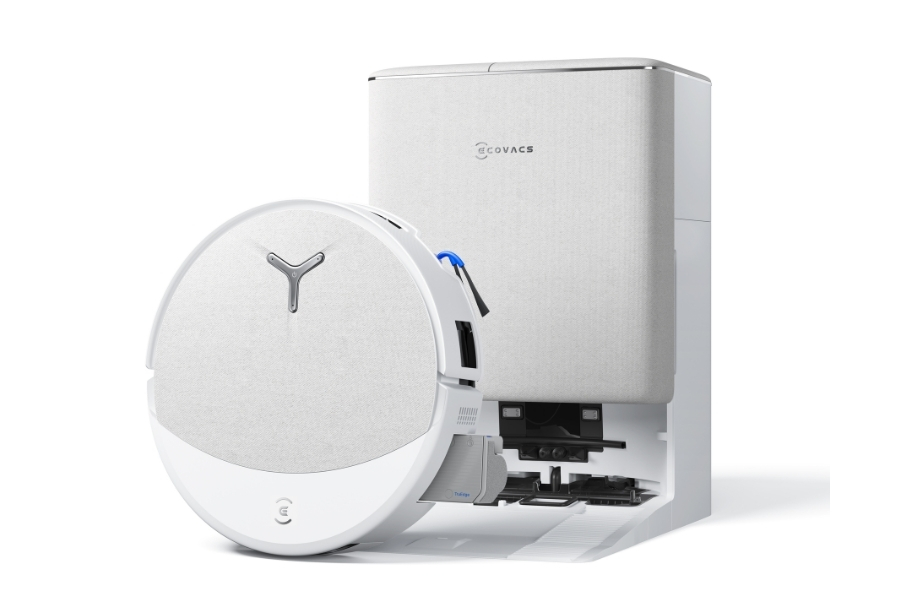
The DEEBOT T90 PRO OMNI is a strong choice if you want powerful pickup and smarter cleaning in one machine. Its upgraded BLAST Solution delivers up to 30,000Pa suction power2 and 16L/s airflow for strong debris removal, while ZeroTangle 4.0 features airflow-directed Anti-Tangle Main Brush and Anti-Tangle System with exclusive lateral airflow channels that help draw in dust and long hair more smoothly.
This robot vacuum with obstacle avoidance also comes with AIVI 3D 4.0 that supports precise recognition and edge cleaning.
Shop DEEBOT T90 PRO OMNI NowDEEBOT X11 OmniCyclone
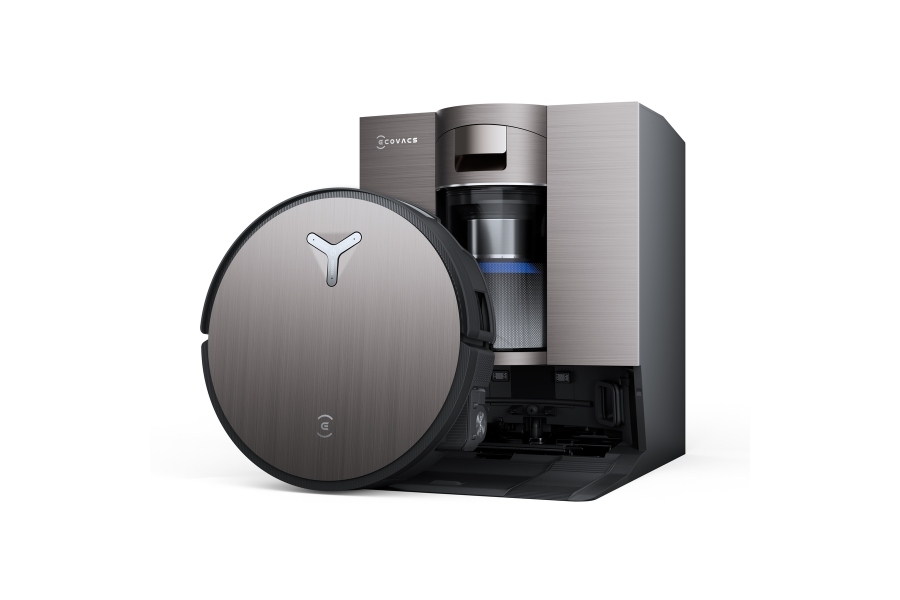
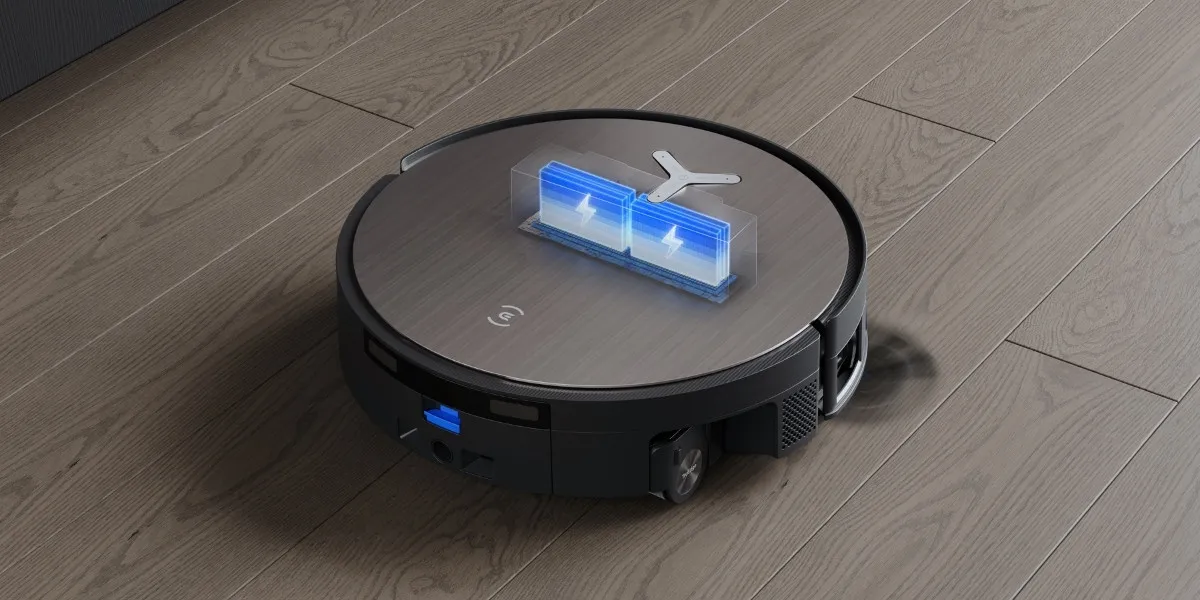
The DEEBOT X11 OmniCyclone combines strong suction with long-running performance for larger homes. Its BLAST Solution uses a 100W fan and 6400mAh battery to generate 19,500Pa suction power3 and 18L/s airflow, helping improve fine dust and hair removal.
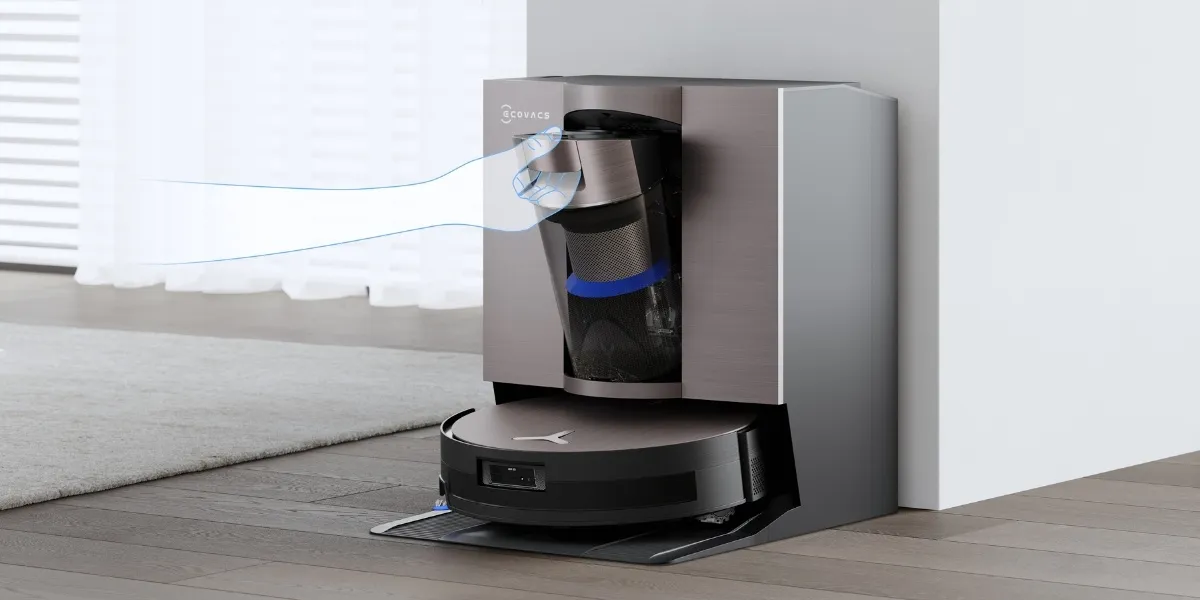
PowerBoost Technology supports extended cleaning coverage, while the world’s first OmniCyclone Station uses a reusable bagless design for more consistent emptying and lower maintenance over time.
Shop DEEBOT X11 OmniCyclone NowDEEBOT X8 PRO OMNI
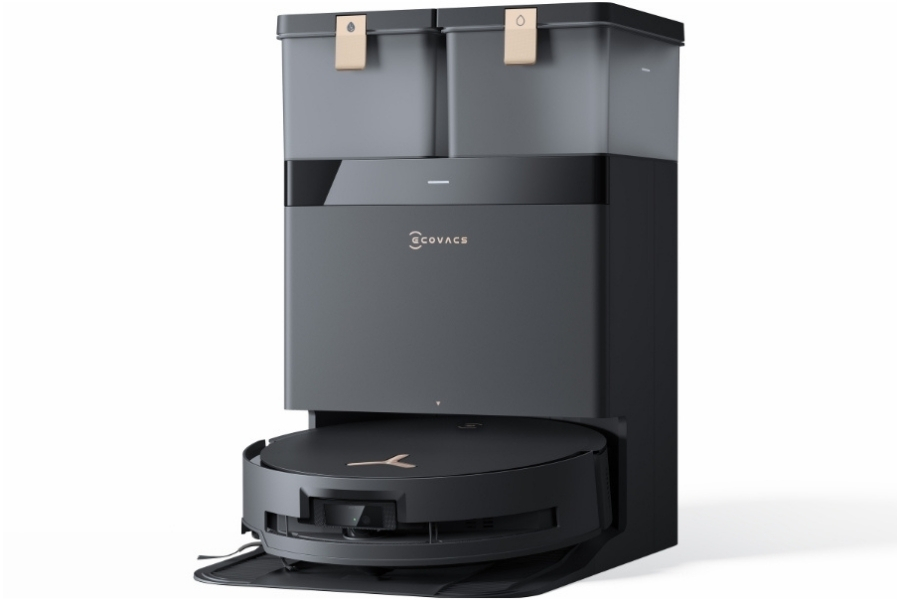
The DEEBOT X8 PRO OMNI is built for homes that need deeper rug and carpet cleaning. Its BLAST Solution generates 18,000Pa suction4, helping achieve breakthrough sweeping and suction performance.
Carpet First and smart carpet recognition make it a strong option for users comparing robot vacuums for carpets. To improve cleaning efficiency, AIVI 3D 3.0 Omni-Approach Technology uses deep learning to accurately recognise objects by their contours in real time.
Shop DEEBOT X8 PRO OMNI NowDisclaimer(s):
- 90 days: This data comes from ECOVACS laboratory, which is based on the statistics of the number of times users disposed of traditional dustbins. The actual performance is subject to change due to frequency and cleaning area.
- 30,000Pa: This data comes from ECOVACS laboratory. The suction power of DEEBOT T90 PRO OMNI can reach 30,000Pa.
- 19,500Pa: This data comes from ECOVACS laboratory. The suction power of DEEBOT X11 OmniCyclone can reach 19,500Pa.
- 18,000Pa: This data comes from ECOVACS laboratory. The suction power of DEEBOT X8 PRO OMNI can reach 18,000Pa.
Related Products