
When it’s time to replace a vacuum cleaner, don’t toss it in the bin. These electronic devices are counted as e-waste and can be recycled through a retailer drop-off or a local recycling centre.
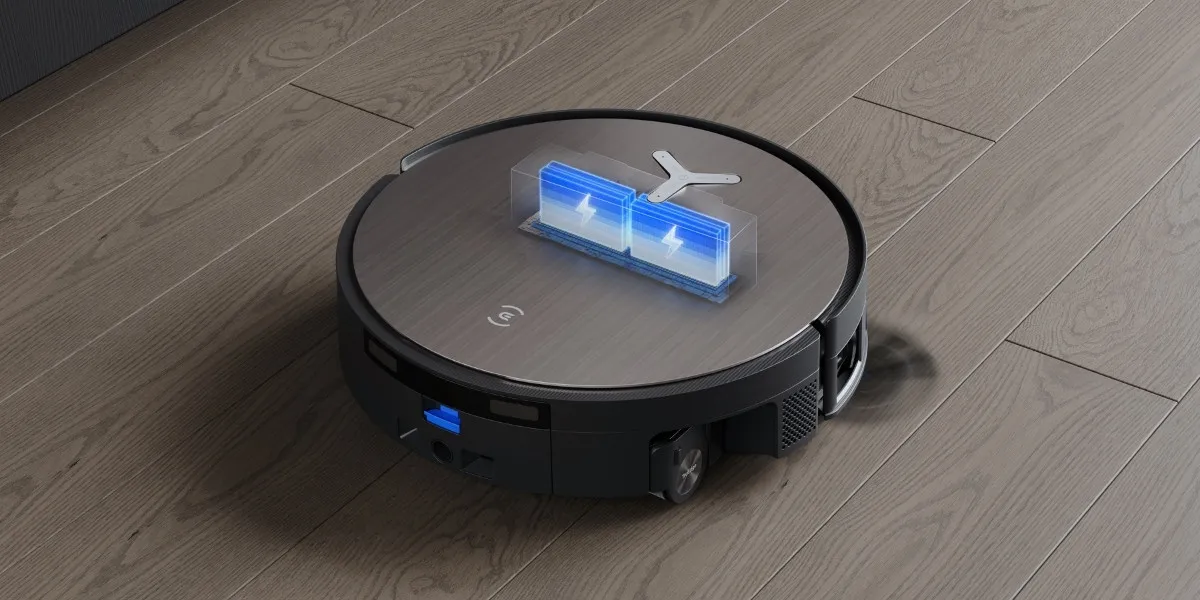
This matters even more for cordless and robot vacuums, which contain rechargeable batteries that should be removed and recycled separately.
In this guide, you’ll learn how to decide whether to donate, recycle, or dispose of a vacuum based on its condition, plus the simple preparation checklist before drop-off to ensure safety.
Why Should I Recycle a Vacuum Cleaner
Recycling a vacuum cleaner keeps bulky e-waste out of landfills and lowers the risk of pollution from plastics, metals, and electronic parts.
When vacuums break down in the wrong disposal stream, for example, lithium batteries in robot vacuum and mops, materials can leach into soil or waterways, and some components may contain substances that need controlled handling.
Recycling also helps recover usable materials like metal from motors and wiring. To cut waste even further, maintain your vacuum so it lasts longer.
When it’s time to replace your vacuum cleaner, follow your local and state laws for e-waste or small-appliance disposal.
How to Dispose of a Vacuum Cleaner
Best practice for disposing of different types of vacuums is to use e-waste options instead of the regular bin. If it still works, donate or resell it. If it’s broken, take it to a local recycler, an upgrade program, or a county collection event. Most vacuums include recyclable materials like motors and metals, but certain parts, like batteries, need separate handling.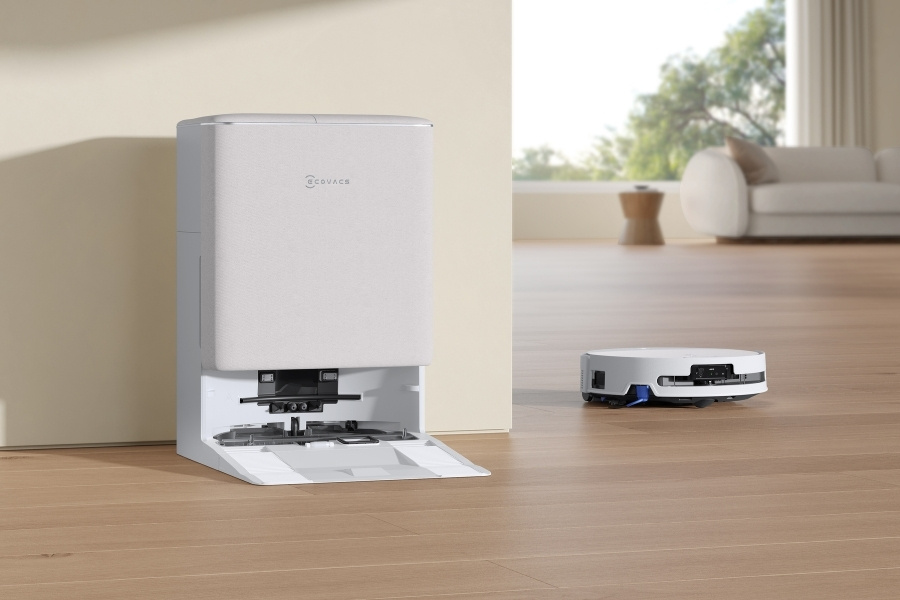
Vacuum cleaner still works: donate or sell
If your vacuum cleaner works well, donating or selling it is the simplest way to keep it out of the waste stream. Troubleshoot vacuum issues before you send it.
- Donate: Local thrift stores and charities, such as Vinnies and Salvos Stores, accept working vacuum cleaners. Clean the machine thoroughly and include attachments so it’s usable right away.
- Sell or give away: List it on Facebook Marketplace or other local resale or giveaway sites for quick reuse. For transparency, mention the condition, available accessories, and note recent maintenance like filter changes.
Broken vacuum cleaner: recycle or dispose
Many vacuum cleaners contain recoverable metals, including the motor and windings, wiring, and some plastics.
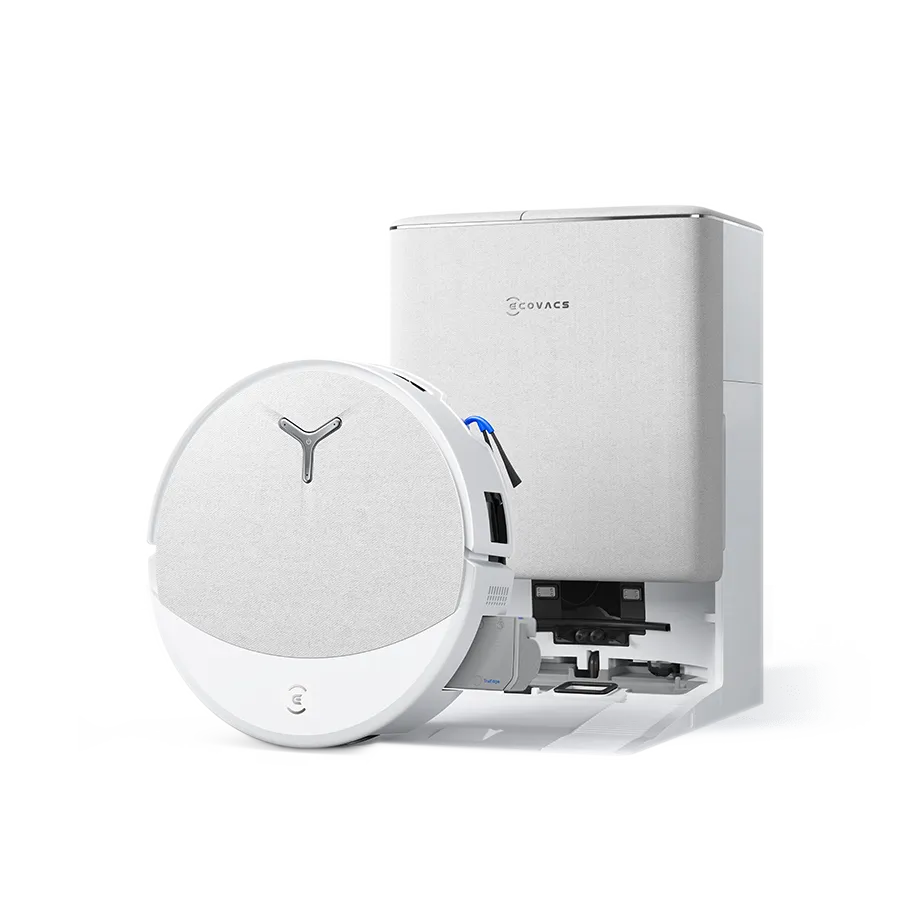
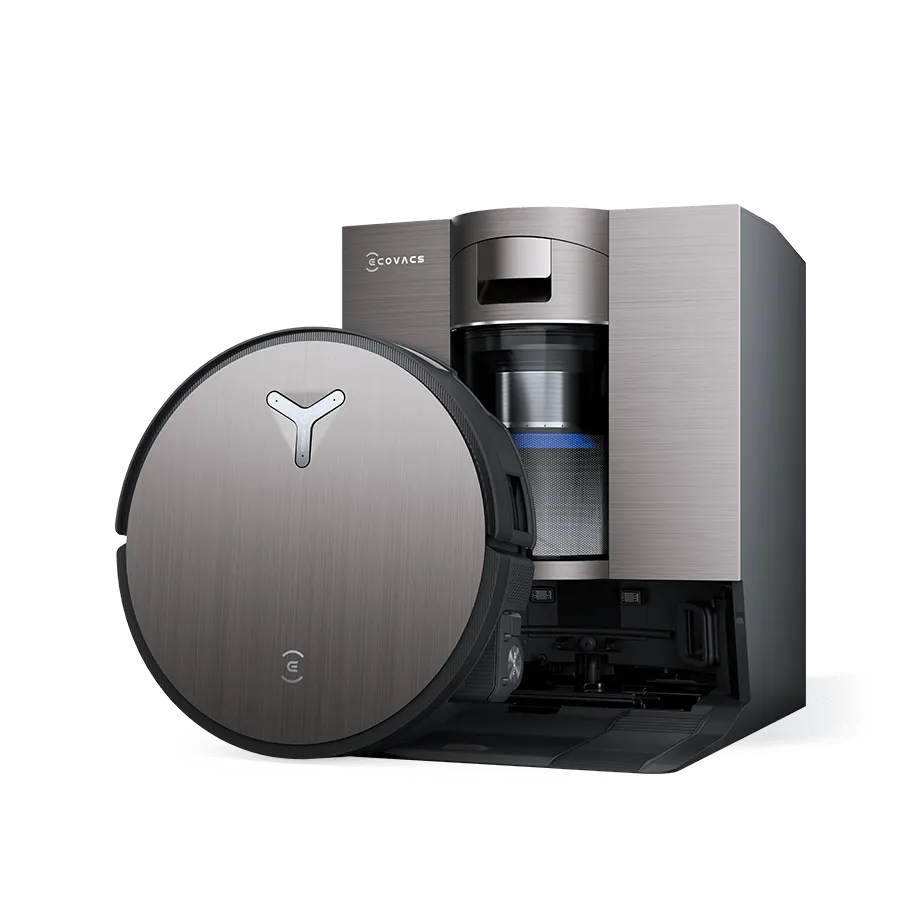
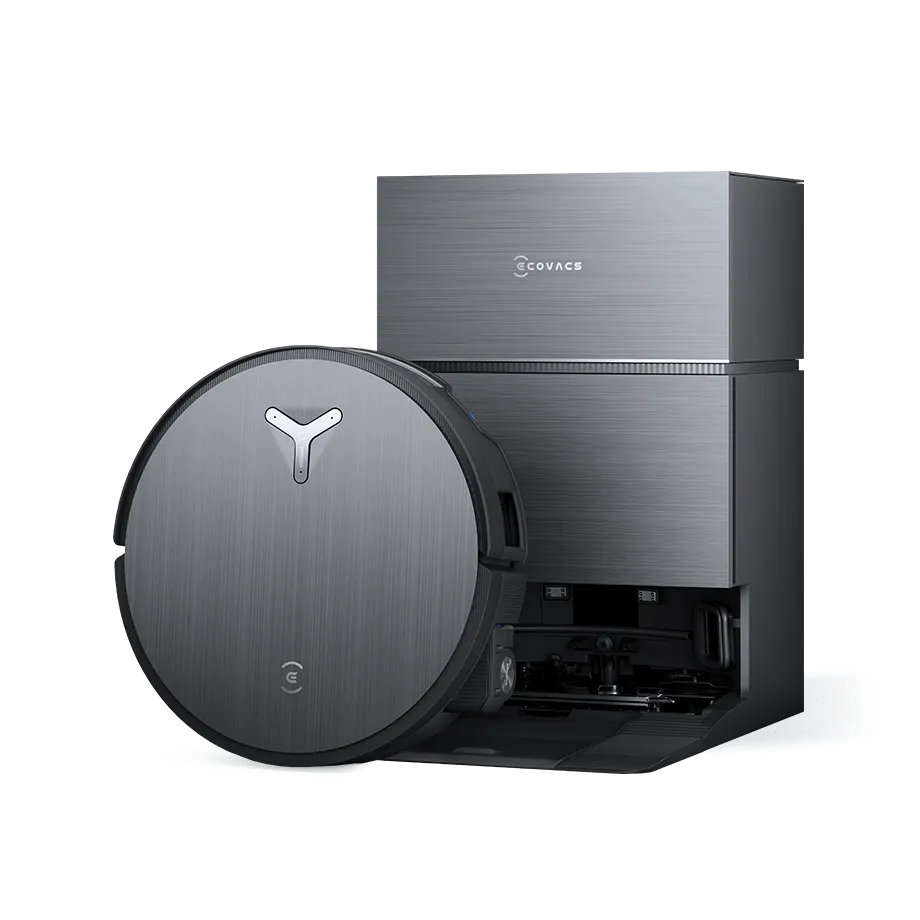
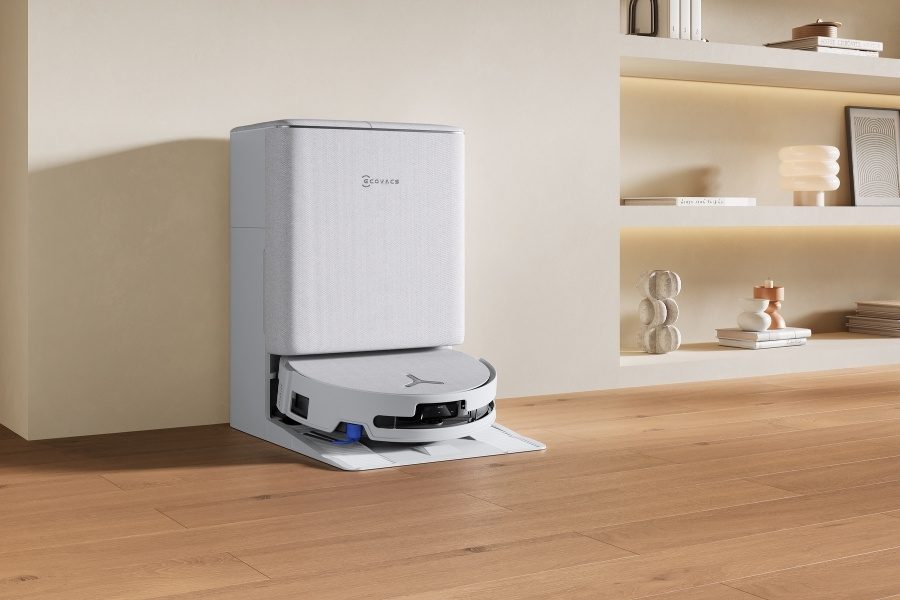
- Upgrade or take-back programs: Manufacturers and retailers may offer take-back programs, such as ECOVACS Upgrade program, which lets you upgrade to a new model and experience the latest technologies with best-value offers.
- Retailer drop-off for e-waste: Drop off broken vacuums at participating retailers. For example, The Good Guys offers free recycling for old electronics and small appliances.
- Local recycling centres and events: Find electronics drop-off points or collection events in your area.
- Scrap yards: Scrap yards can recover metal parts, like motors and wiring from upright and canister vacuums. Call ahead to confirm they accept small appliances and parts that must be removed first.
While the official guidelines for household vacuum cleaner disposal in Australia are set by state and local governments, they are generally treated as e-waste and shouldn’t go in your regular red-lid bin.
For example, Victoria and South Australia have banned e-waste from direct landfill disposal, and fines may apply if these items are placed in household bins1,2.
To comply with most Australian council guidelines, batteries in cordless and robotic vacuums should be removed and recycled separately through B-cycle drop-off points. Then, after cleaning and taking out the non-recyclable parts like dust bags, take the unit to approved e-waste drop-off options.
How to Prepare a Vacuum Cleaner for Disposal
Before disposing of a vacuum cleaner, prep it properly so it can be safely reused or processed. Start by powering it off and removing any rechargeable battery for separate recycling. Empty the dustbin and water tank, take out disposable parts, and reset smart models to clear personal data. This reduces safety risks and makes recycling easier.
Use the steps below to prep your vacuum quickly and avoid issues at drop-off sites.
- Unplug and power down: Turn the vacuum off, unplug it, and let it cool. If it is overheated, wait a few minutes so internal components are safe to handle and transport.
- Remove the battery: Detach the rechargeable battery, which is commonly seen on cordless and smart vacuums. Tape battery terminals and store them separately for battery recycling drop-off.
- Empty the bin or bag: Empty the dust canister or remove the bag as the first step of cleaning your vacuum cleaner to prevent spills and odours over time.
- Remove non-recyclables: Take out disposable items like used bags, heavily soiled filters, and tangled debris that recycling centres won’t process. Bag these separately for trash.
- Factory reset: When disposing of and recycling a robot vacuum cleaner, factory reset the device to remove Wi-Fi details, maps, and saved settings to protect your privacy.
- Clean the exterior: Clean vacuum brushes and wipe the outside, handle, and wheels for easier handling at drop-off.
How to Upgrade Your DEEBOT Robot Vacuum
If you’re replacing an older DEEBOT in Australia, you can receive a discount on a new model even if your current unit still works.
Contact ECOVACS Customer Support to check your eligibility and discount options for upgrading. Once confirmed, choose your new DEEBOT model and complete your purchase following the instructions.
FAQ
Can I throw away a vacuum cleaner in the bin?
No, in Australia, many state and local councils treat vacuum cleaners as e-waste, i.e. anything with a plug, cord, or battery, so they generally shouldn’t go in your red-lid bin. Corded vacuums often need to go to an approved e-waste program, while cordless and robot models require the battery to be removed and recycled separately before drop-off.
Can I recycle vacuum filters?
Usually not. Most vacuum filters, including HEPA filters, foam, and paper, aren’t accepted in curbside recycling because they’re contaminated with dust and made from mixed materials that can’t be separated. Dispose of used filters in regular bin unless your local program says otherwise. Clean a vacuum filter when allowed, and replace it on schedule to maintain cleaning efficiency.
When should I dispose of my vacuum cleaner?
Dispose of your vacuum cleaner when it no longer cleans effectively after proper maintenance, or when repairs cost more than the vacuum’s value. If your vacuum cleaner repeatedly loses suction, or you notice signs like overheating or electrical smells, it’s time to dispose of the device for safety.
Disclaimer(s):
- Sustainability Victoria guidance on recycling e-waste: https://www.sustainability.vic.gov.au/recycling-and-reducing-waste-at-home/recycling-at-home/e-waste
- Government of Sourth Austrlia guidance on recycling e-waste: https://www.legislation.sa.gov.au/lz?path=%2FC%2FPOL%2FEnvironment%20Protection%20(Waste%20to%20Resources)%20Policy%202010
Related Products