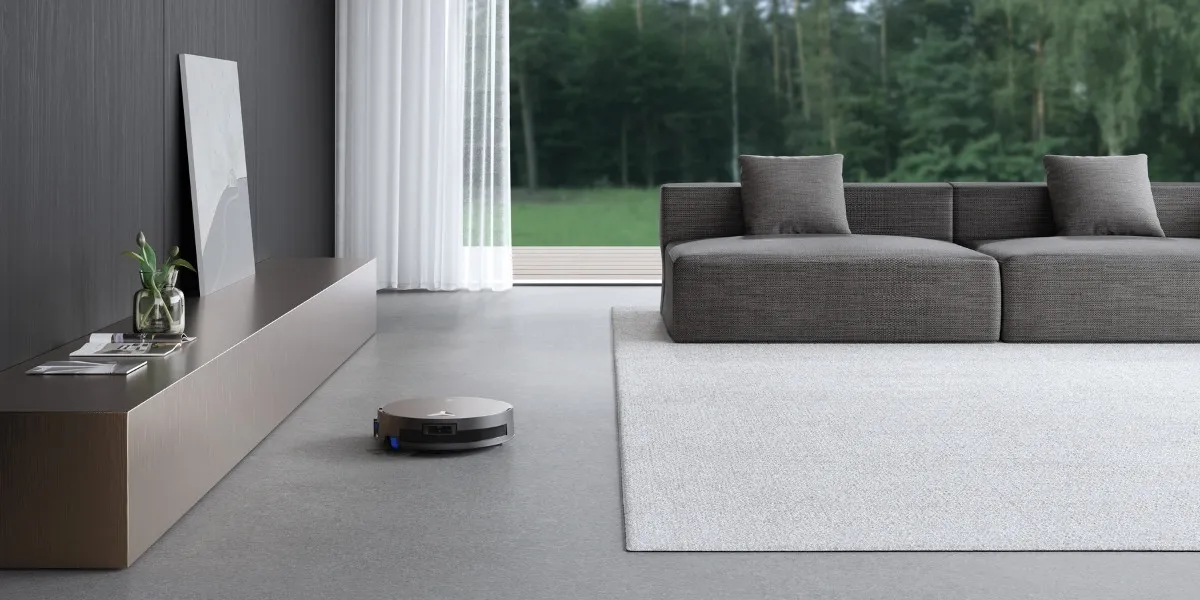

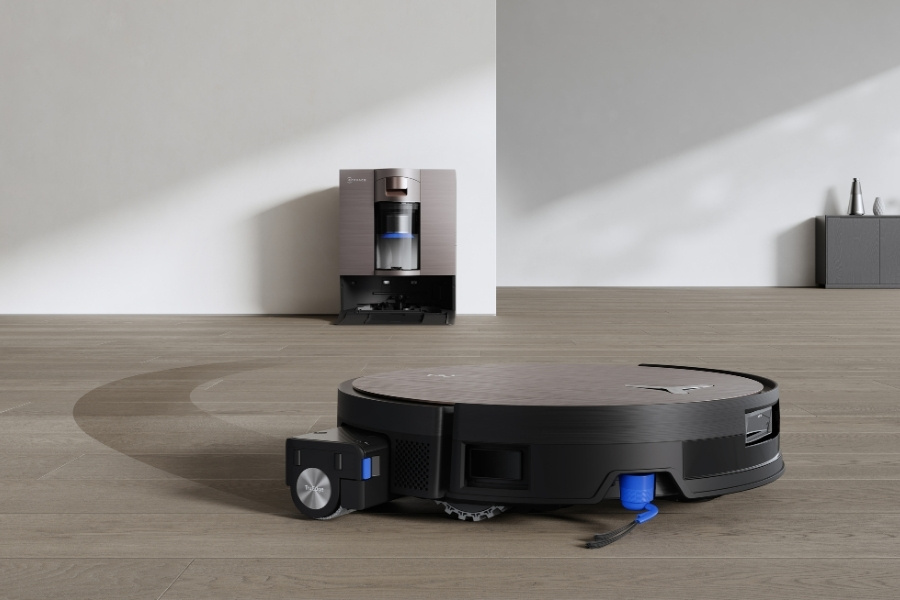
When shopping for cleaning robots, one big question to ask yourself is: should you get a robot vacuum with a mop, or stick with a vacuum-only model? A mopping function can add real value by tackling fine dust and light stains in the same routine, which can save time and reduce physical effort.
Yet, not everyone needs this extra feature. In Australia, many homes in colder regions like Tasmania and the Alps are carpeted, so the mopping function is less helpful. Instead of asking whether a robot vacuum with or without a mop is better, the real question is: which one best matches your needs?
Robot Vacuums With or Without Mop: What Should You Get?
Choosing between a robot vacuum with a mop and one without comes down to your floors and how much maintenance you want. Robot vacuums and mops can pick up dirt and handle light stains at the same time, which helps clean mixed floors in one go. Vacuum-only models are a simpler fit for carpeted spaces, since they require less wet-cleaning upkeep and can focus on debris removal.
|
Robot vacuum |
Robot vacuum with mop |
|
|
Best for |
Dry cleaning in carpet-heavy homes |
Dry and wet cleaning in mixed-floor homes |
|
Best surfaces |
Carpets and rugs |
Hard floors such as hardwood, tile, and vinyl |
|
Effort required |
Low. Care routine includes emptying the dustbin and untangling the brush. |
Moderate. Care routine includes emptying the dustbin, sanitising the mop pads, and refilling the water tank. |
If your home has mostly hard floors, a robot vacuum for hardwood floors and a robot vacuum for tiles that come with a mopping function can deliver a deeper clean. They remove fine dust that vacuuming may miss. For pet owners, models with mops can pick up dander and wipe muddy paw prints quickly.
In contrast, robot vacuums for carpets are usually vacuum-only, since carpets are prone to moisture damage. If you mostly deal with crumbs and dry dust, a vacuum-only model can be the more practical choice.
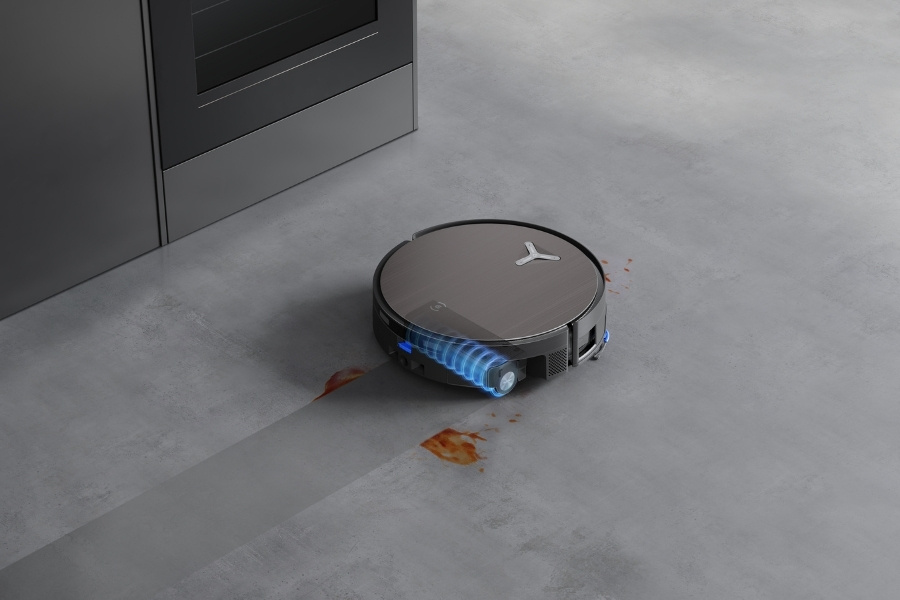
Pros and Cons of Robot Vacuum With Mop
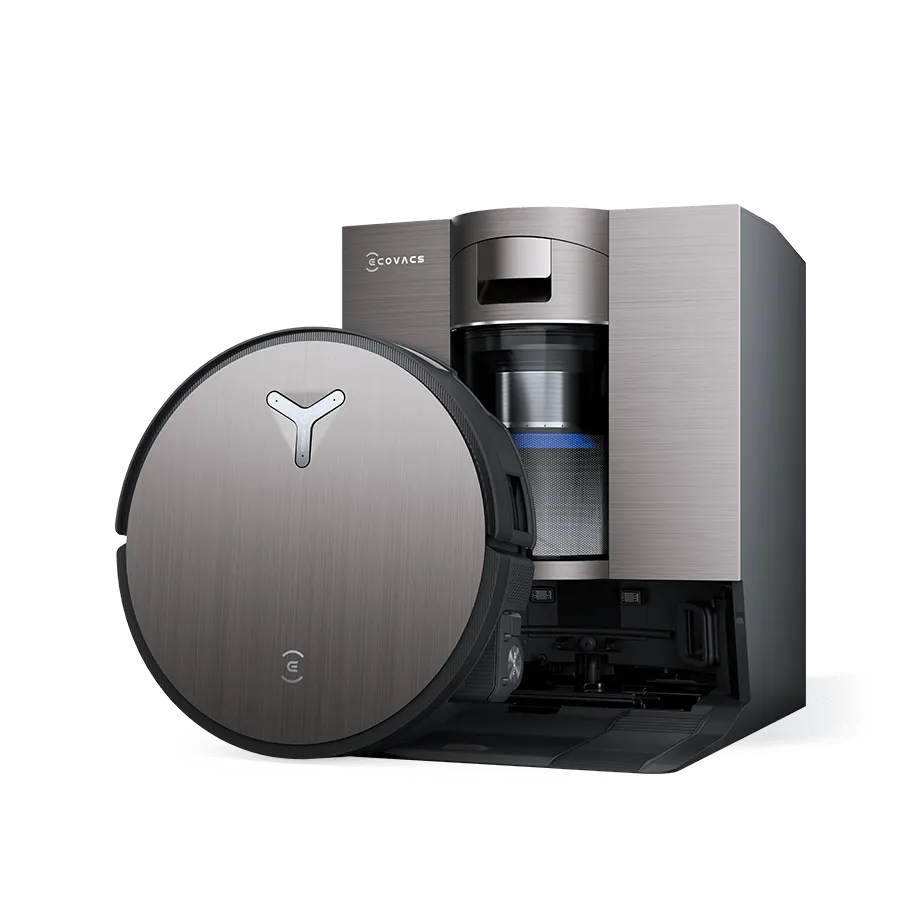
An auto vacuum with a mop is a 3-in-1 device that sweeps, vacuums, and mops hard floors using a built-in water tank and mopping pad.
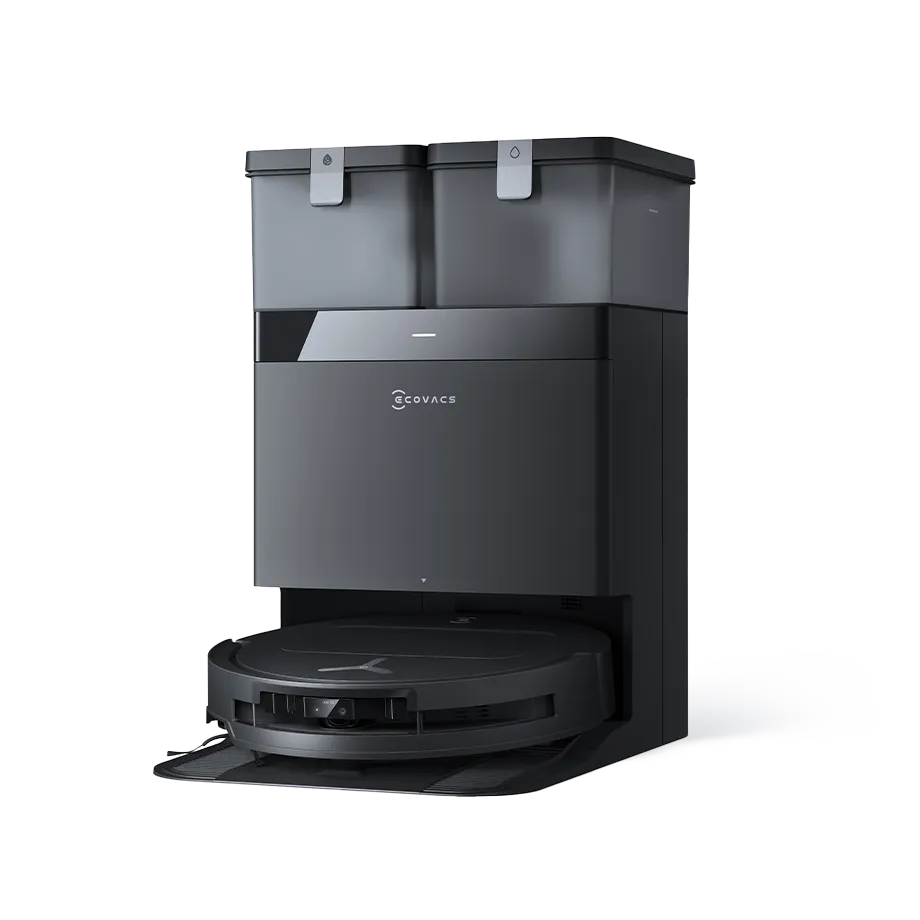
Take the DEEBOT X11 OmniCyclone, for example: its BLAST Solution generates 18 L/s airflow and up to 19,500 Pa suction1 for enhanced fine dust, large particle and hair removal, while the OZMO ROLLER 2.0 mopping system continuously scrubs at 200 rpm and refreshes the roller mop with clean water as it goes for hygiene.
When cleaning different surfaces, its Triple Lift with Precision Dry-Wet Separation raises the mop on carpets, lifts brushes for spills, and adjusts the side brush for bigger debris to protect floors.
Robot vacuums with mops come with many pros, including:
- Handling dry debris and light wet messes in one session.
- Helpful for busy households and pet owners, with robot vacuums for pet hair picking up fur without tangling and wiping paw prints.
- Auto-empty robot vacuums can sanitise mops and empty the bin for a more hands-off routine.
That said, this type of robot also faces these cons:
- More upkeep than vacuum-only models, such as replacing mop pads and refilling the water tank.
- Water settings may need adjustment for moisture-sensitive floors like bamboo or hardwood.
- Higher cost due to the added mopping systems and dock features.
Pros and Cons of Robot Vacuum Without Mop
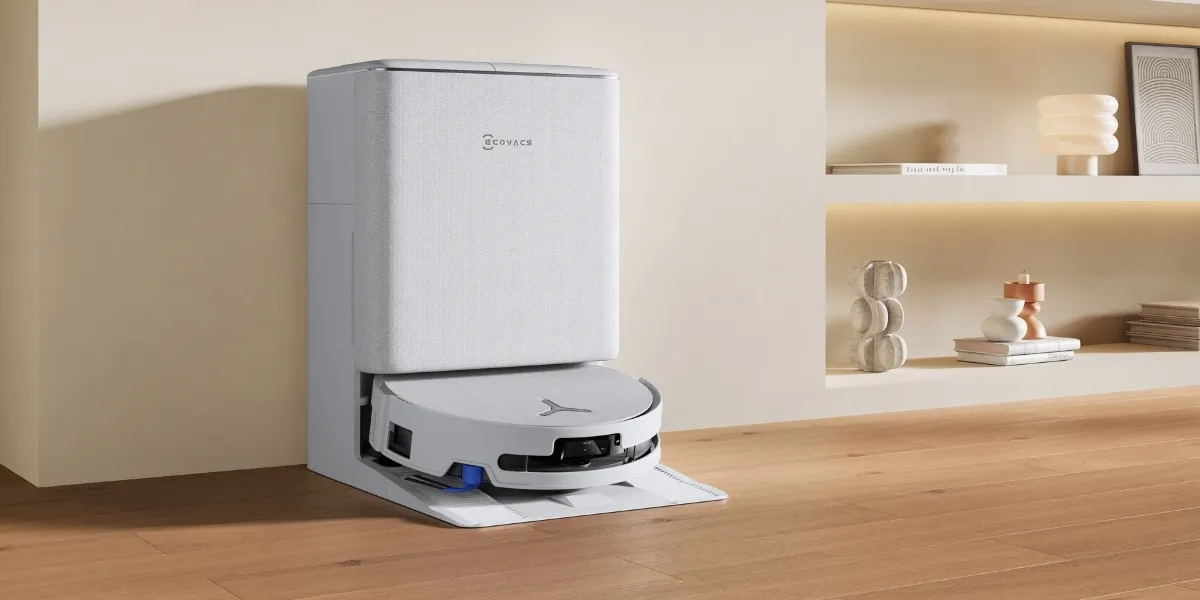
A robot vacuum without a mop is an automated cleaning device focused solely on dry vacuuming. With strong suction and brushes that collect dust, pet hair, crumbs, and debris, robot vacuums can be managed via the app, from scheduling to adjusting settings. In case of cleaning hazards, you can also block areas using a robot vacuum with no-go zones. Without a mopping system, this type of model is simpler to operate and maintain.
The pros of vacuum-only floor cleaning robots include:
- Strong robot suction power and tangle-free brushes that pick up daily debris and dust.
- A slim robotic vacuum design that is easier to carry or tuck away.
- Less maintenance, with no water tank or mop pads to manage.
Without mopping functions, these models have these cons:
- No wet cleaning for sticky residue or dried spills.
- Fine dust in grout lines or crevices may need manual mopping to fully remove.
- A separate mopping routine is still needed, which affects whether robot vacuums are worth it for your needs.
Robot Vacuum With or Without Mop: How to Choose
A robot vacuum with a mop is a better fit for hard floors, with daily vacuuming and mopping offering a more thorough clean. Meanwhile, a vacuum-only robot suits carpeted spaces, tighter budgets, and simpler routines, since there’s no water system to manage. The right choice comes down to your floor type and how much automation and maintenance you want.
|
Factor |
Robot vacuum without mop |
Robot vacuum with mop |
|
Cost and upkeep |
Lower upfront cost, fewer consumables |
Higher upfront cost, more consumables |
|
Smart features |
Adjustable suction power, intelligent navigation and obstacle avoidance, app control, self-empty |
Adjustable suction power and water level, auto-mop lifting, intelligent navigation and obstacle avoidance, app control, self-empty, and auto-mop washing |
|
Cleaning efficiency |
Automated dry cleaning |
Automated dry and wet cleaning |
|
Battery life |
Relatively longer per charge |
May pause to wash or refill, then resume |
|
Lifespan |
4 to 6 years, depending on maintenance |
4 to 6 years, depending on maintenance. Premium combo models with smarter navigation and obstacle avoidance that reduce wear and damage may last longer. |
Consider the key factors below if you wonder how to choose a robot vacuum.
Cost and Upkeep
Combo models usually have a higher price tag because of the extra mop system and mop cleaning functions at the dock. Moreover, ongoing costs can be higher with the regular replacement of roller mops and cleaning solutions.
Vacuum-only models are relatively cheaper to maintain. Most consumables are limited to filters, dust bags, and brushes.
Cleaning Efficiency
Suction performance varies by model, regardless of whether it’s with or without a mop, and it is usually listed in the specs.
Overall, a robot vacuum with a roller mop can be more efficient because it can handle light stains like coffee spills in one go, while vacuum-only models cannot.
Smart Features
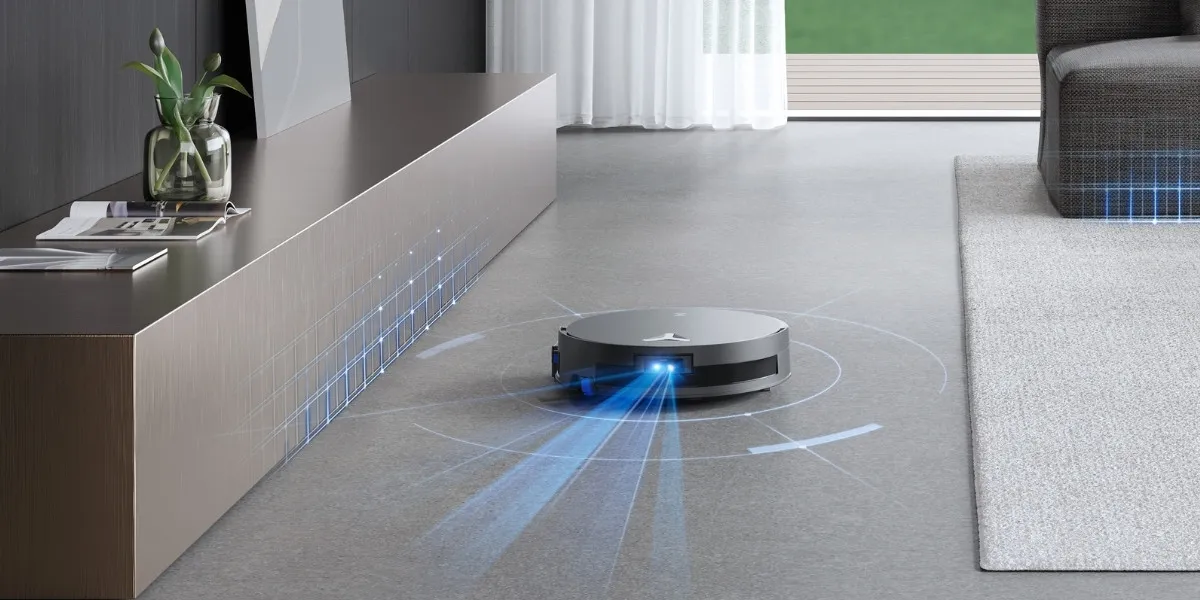
Smart features vary widely by model. A robot vacuum with mapping can be upgraded to a LiDAR robot vacuum with enhanced accuracy, even in low light. Newer robots powered by AI also enable smarter detection, real-time response, and voice control.
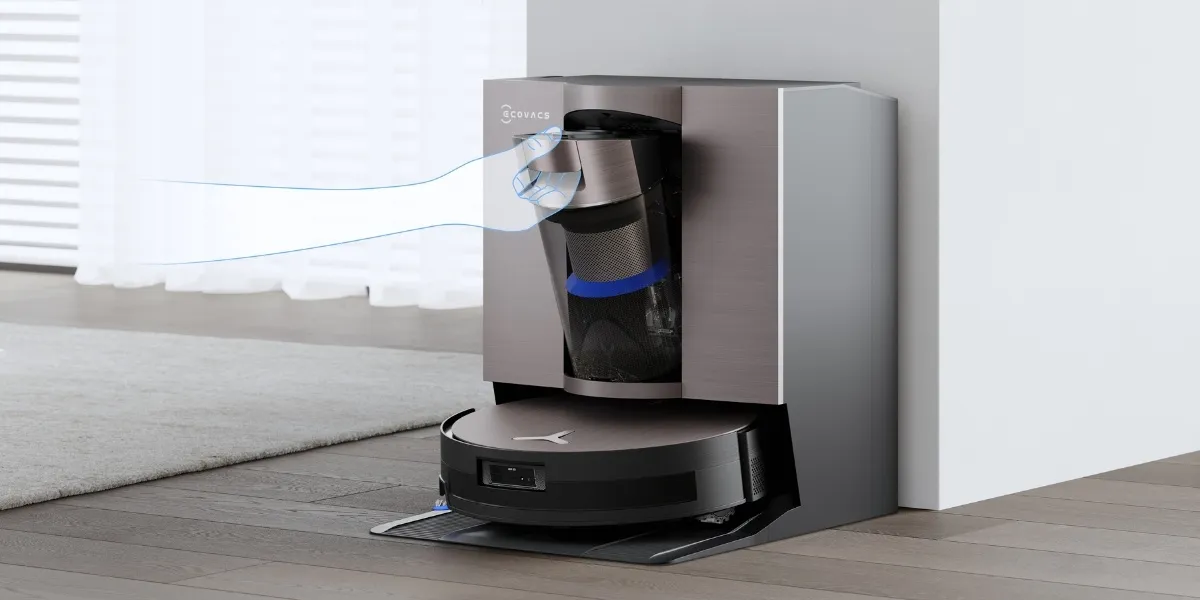
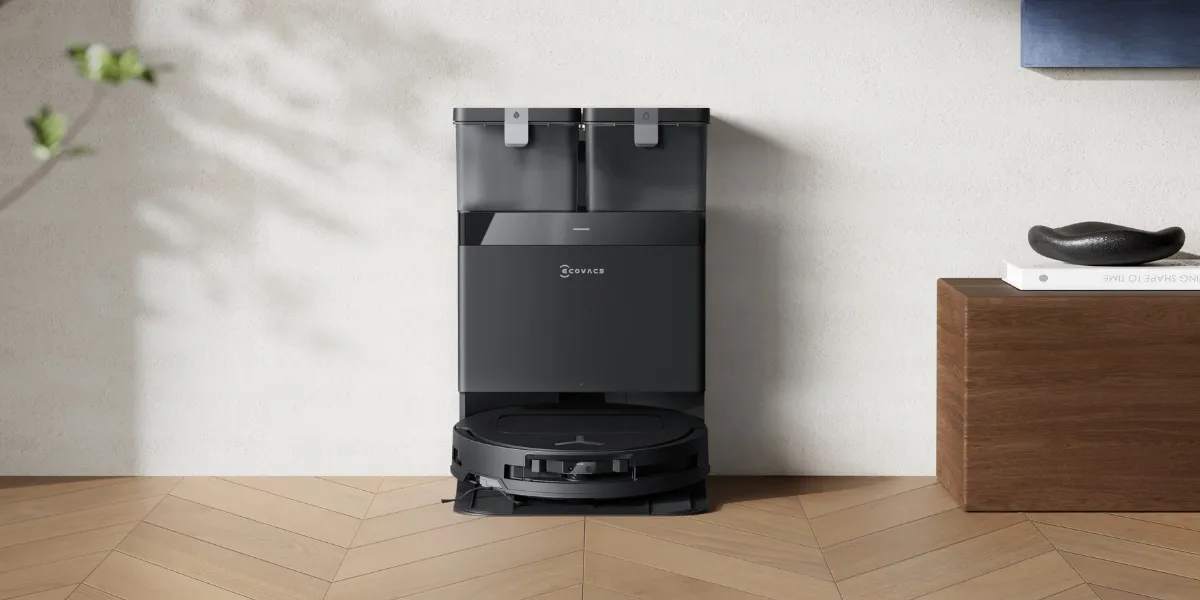
At the docking station, self-empty robotic vacuums auto-transfer debris to the container; models with a mop, like the DEEBOT X11 OmniCyclone, also add 75°C hot water soak washing and hot-air drying.
Battery Life
In real use, vacuum-only models normally run longer per charge because they only handle dry cleaning. Auto vacuums with a mop power dry and wet cleaning systems at the same time, so the battery may drain faster. Check how long the robot vacuum battery lasts in the specs, and see if the robot supports continuous cleaning, where it resumes automatically after recharging and refilling at the dock.
Allergies
Models with a mop offer greater help in reducing allergens by mopping away particles that vacuuming alone may leave behind. Robot vacuums without a mop still help by removing surface debris more frequently, but stuck-on residue can be a challenge. Another feature to prioritise in robot vacuums for allergies is a strong filtration system.
Is DEEBOT Robot Vacuum with Mop Worth It?
Yes, DEEBOT robot vacuums with mops are worth the investment when you want consistent dry and wet cleaning with less daily effort.
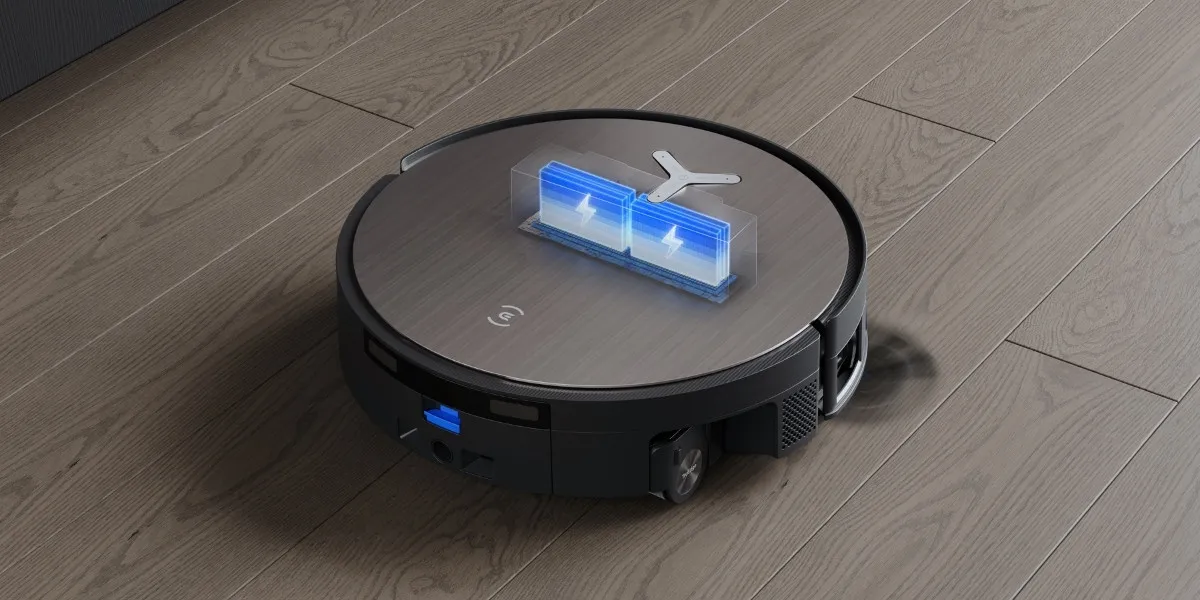
Take the DEEBOT X11 OmniCyclone: its BLAST Solution uses a 100W high-performance fan and a 6,400 mAh battery to generate 18 L/s airflow with 19,500 Pa suction1.
For mopping, OZMO ROLLER 2.0 continuously scrubs the floor at 200 rpm and infuses clean water to prevent cross-contamination. Meanwhile, AI Stain Detectiom 2.0 adjusts the approach based on stain type, such as quick re-mops for light spills and deep re-mops with cross-pattern passes for stubborn messes.
When moving across rooms, it navigates confidently with AIVI 3D 3.0 Omni-Approach, where sensors and algorithms detect objects and adjust routes in real time. Its PowerBoost Technology restores 6% battery power in 3 minutes to support consistent cleaning performance up to 1,000 sqm, even at high cleaning settings.
FAQ
Robot Vacuums With or Without Mop for Small Apartments?
For a robot vacuum for small apartments, either option can work. Vacuum-only models keep upkeep simple and handle daily crumbs and dust well. A combo model adds light mopping for hard floors, but it needs water refills and pad care. Choose based on your floor type and how much maintenance you want.
Robot Vacuums With or Without Mop for Big Houses?
For a robot vacuum for large houses, prioritise battery life, recharge-and-resume, and reliable mapping first. Vacuum-only models can run longer per charge, while combo models add wet cleaning for hard floors across multiple rooms. Some models also feature continuous cleaning, where the robot automatically resumes after recharging.
Do robot vacuums with mops replace manual mopping?
Not fully. Robot mops help maintain daily cleaning, including fine dust and small spills. However, you may still need manual mopping for heavy grime like mud and broken glass, as well as hard-to-reach corners and stairs.
Disclaimer(s):
- 19,500Pa: This data comes from ECOVACS laboratory. The suction power of DEEBOT X11 OmniCyclone can reach 19,500Pa.
Related Products