
Dust is easy to ignore, but it can affect both your comfort and indoor air quality. It may include dead skin cells, pet dander, pollen, and fine particles brought in from outdoors. That matters for many Australian households, as one in three Australians now lives with an allergy, with hayfever, eczema, asthma, and food allergies among the most common conditions1.
To reduce dust at home, the first steps most people look for are simple and practical: use a damp microfibre cloth for dusting, vacuum regularly, and wash bedding weekly in hot water.
Where Does Dust Accumulate Most?
Typically, dust gathers quickly in low-ventilation areas, high-traffic spaces, and soft surfaces that trap particles. Common hotspots at home include bedrooms, especially under the bed and on mattresses, as well as carpets, rugs, baseboards, vents, and the spaces behind furniture or appliances.
When it comes to what creates dust, the most common sources include dead skin flakes, fabric fibres, pet dander, dust mites, and pollutants. Dust also gathers on often-missed surfaces such as blinds, ceiling fans, light fixtures, tops of doors, upholstery, and electronics. Heavy dust buildup can carry allergens and irritants that affect indoor air quality.
1. Dust Regularly
Start with the basics: dust frequently to keep dust out of your room.
The best tip here is to use a slightly damp microfibre cloth to trap dust instead of feather dusters and dry rags, since they can spread dust back into the air.
In busy areas, dusting two to three times a week helps limit buildup. It also helps to dust before vacuuming so any loose particles can be picked up afterwards. Start high, such as fans and shelves, and work downward.
2. Vacuum Frequently
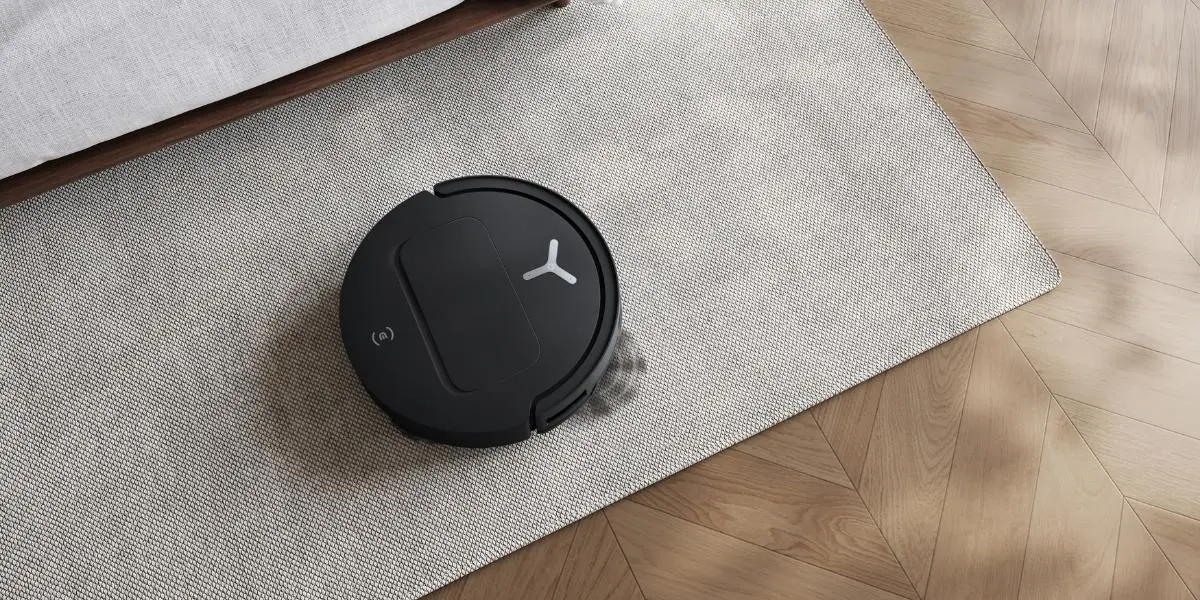
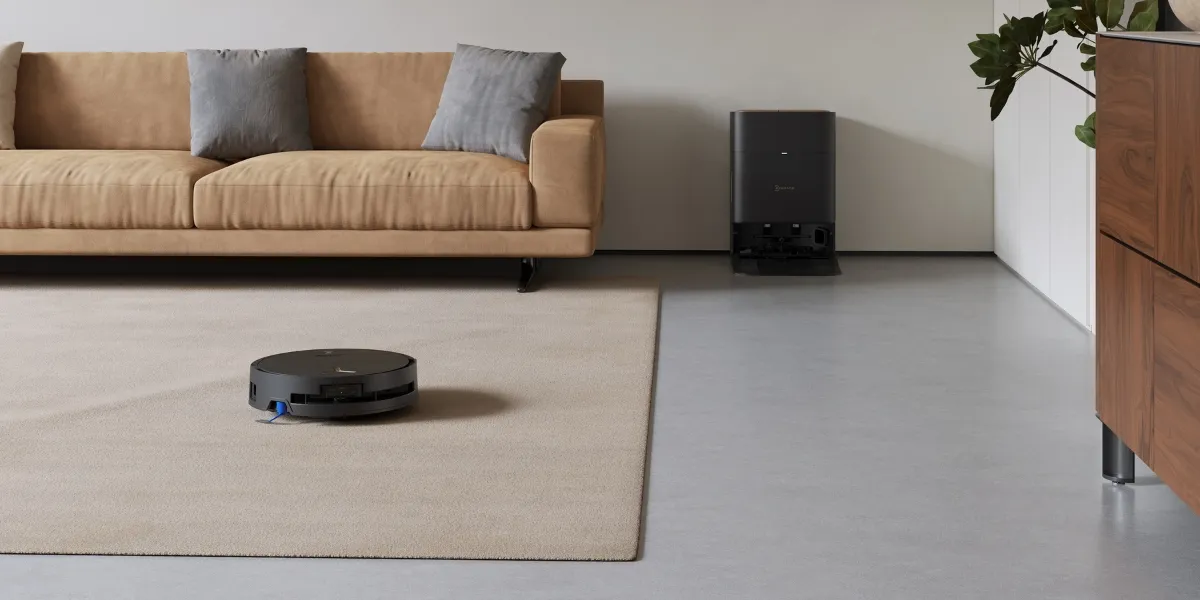
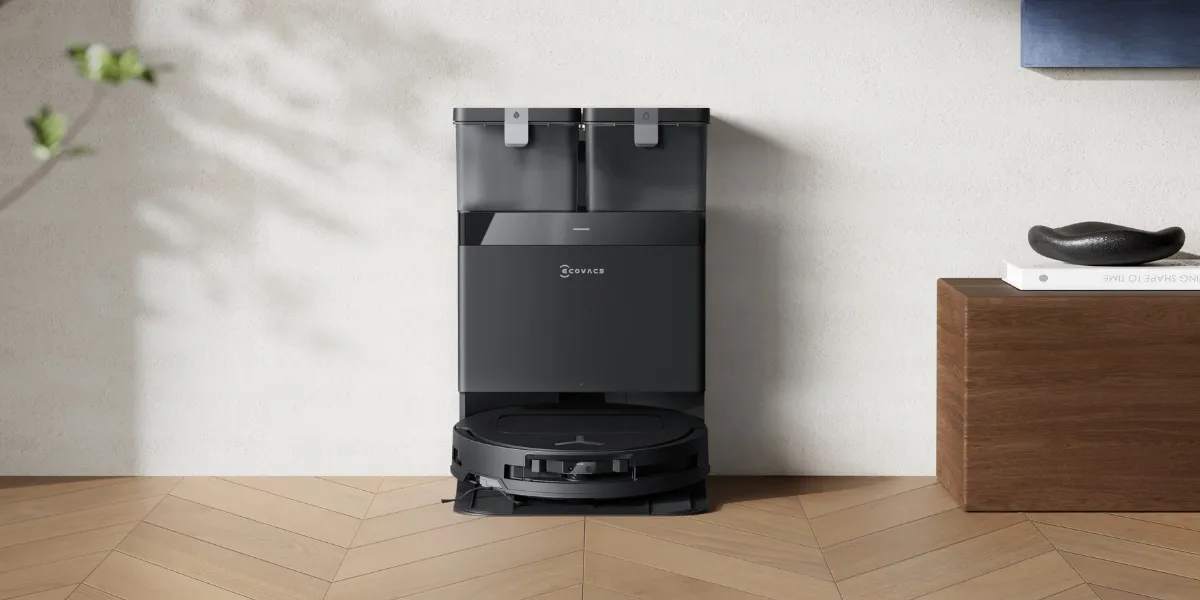
Regular vacuuming captures dust securely without releasing it back into the air. To vacuum properly, choose a model with a strong filter and sealed dust bags, especially self-emptying robot vacuums that help with allergies and trap fine dust in the station. Maintaining vacuuming frequency also helps manage pet hair shedding.
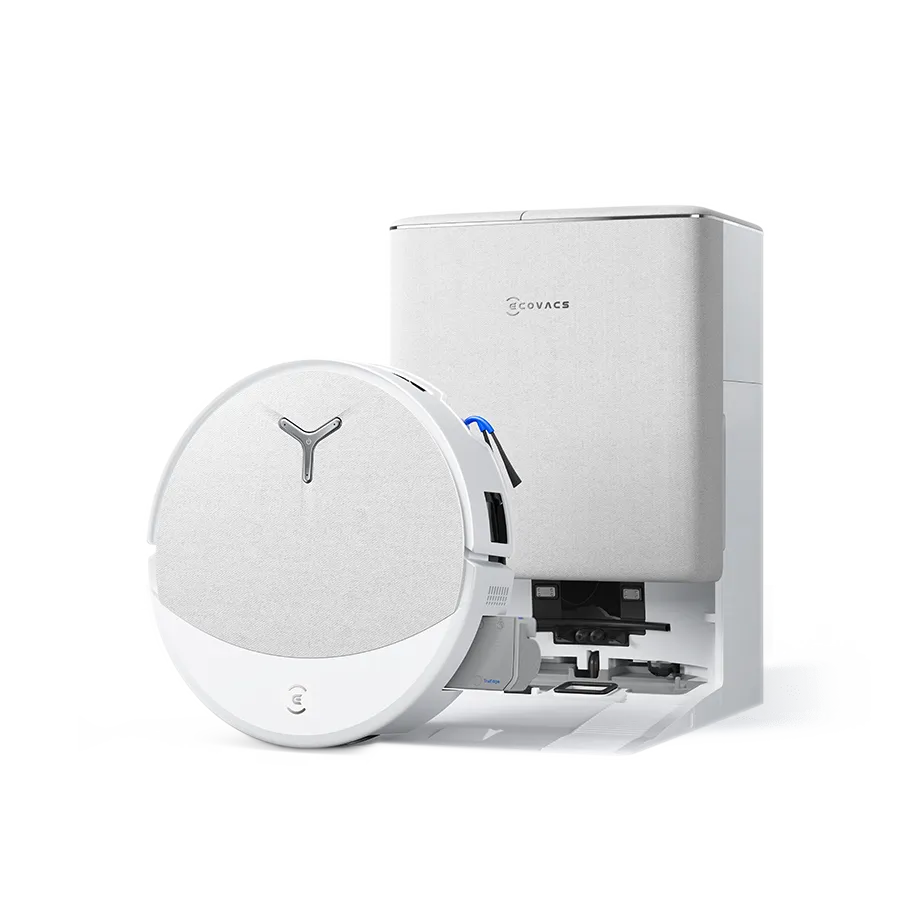
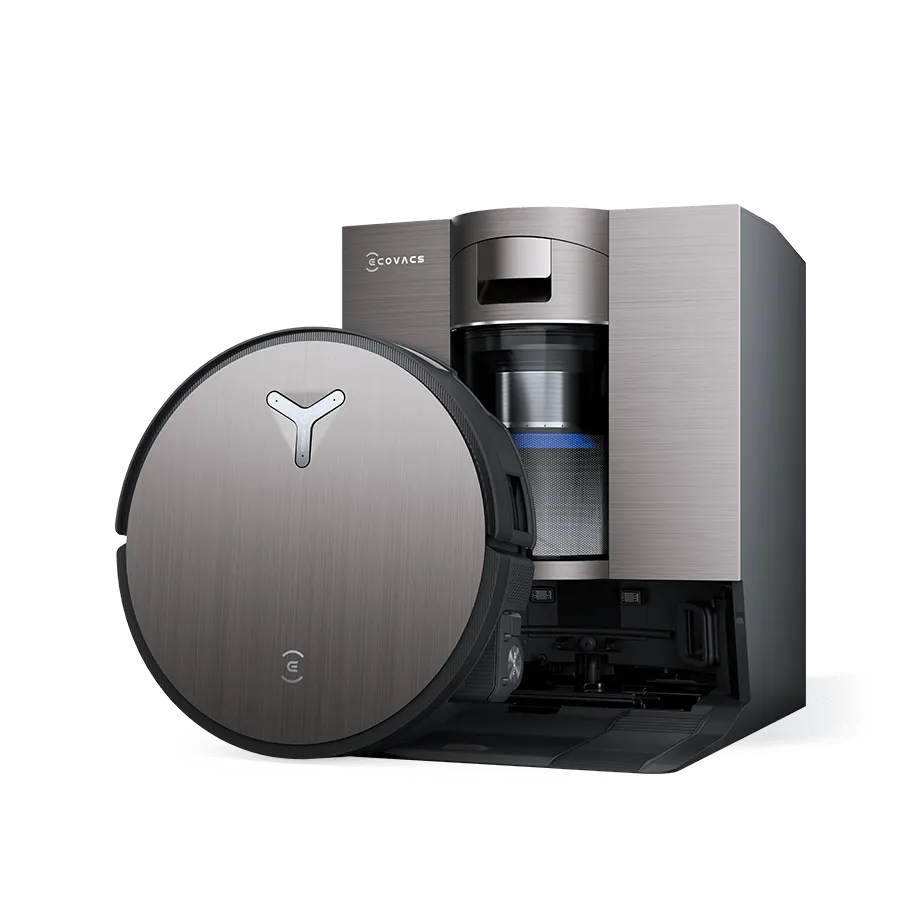
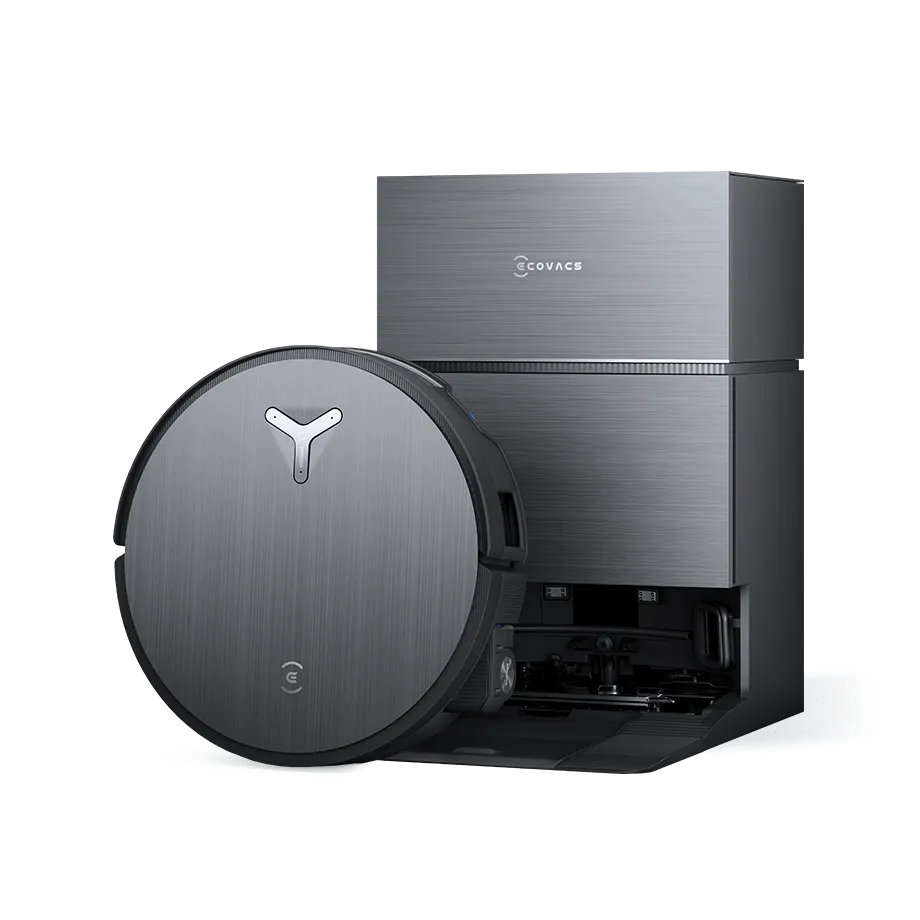
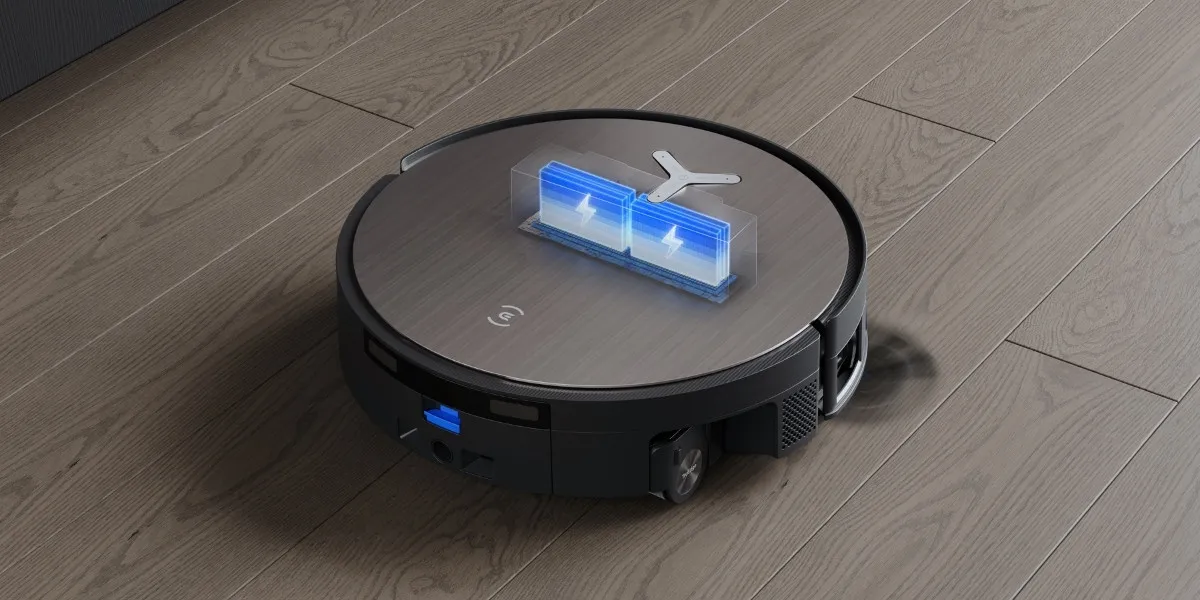
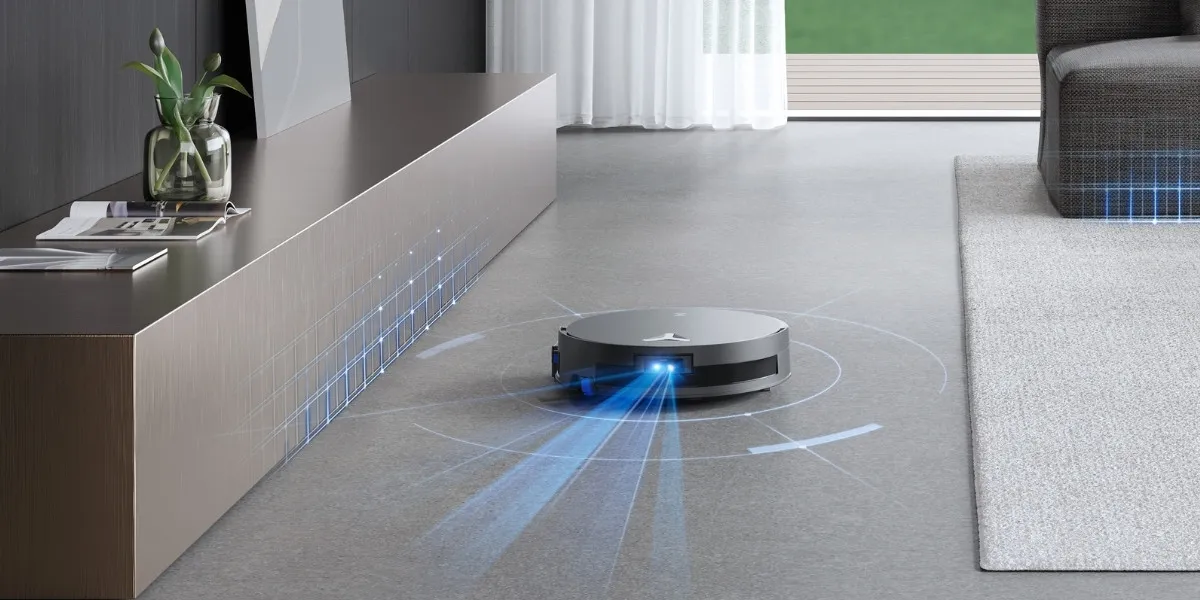
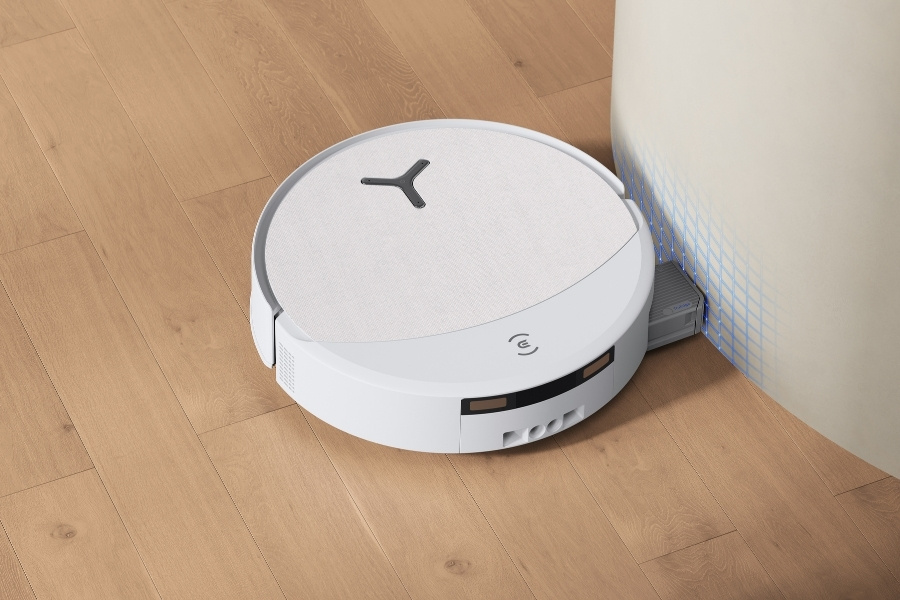
For example, the DEEBOT T90 PRO OMNI combines up to 30,000 Pa suction2 with 16L/s airflow for enhanced pickup on hard floors and carpets. With an app controlling a robot vacuum cleaning schedule, it helps you clean more consistently with less hands-on effort.
3. Mop Your Floors
On top of dusting and vacuuming, mopping is equally important for tackling dust and grime that vacuums can’t catch. When planning your mopping frequency, aim to mop hard floors about once a week, or more in busy areas like kitchens and entryways. Don’t forget to clean your mop head so you do not spread dirt back across the floor.
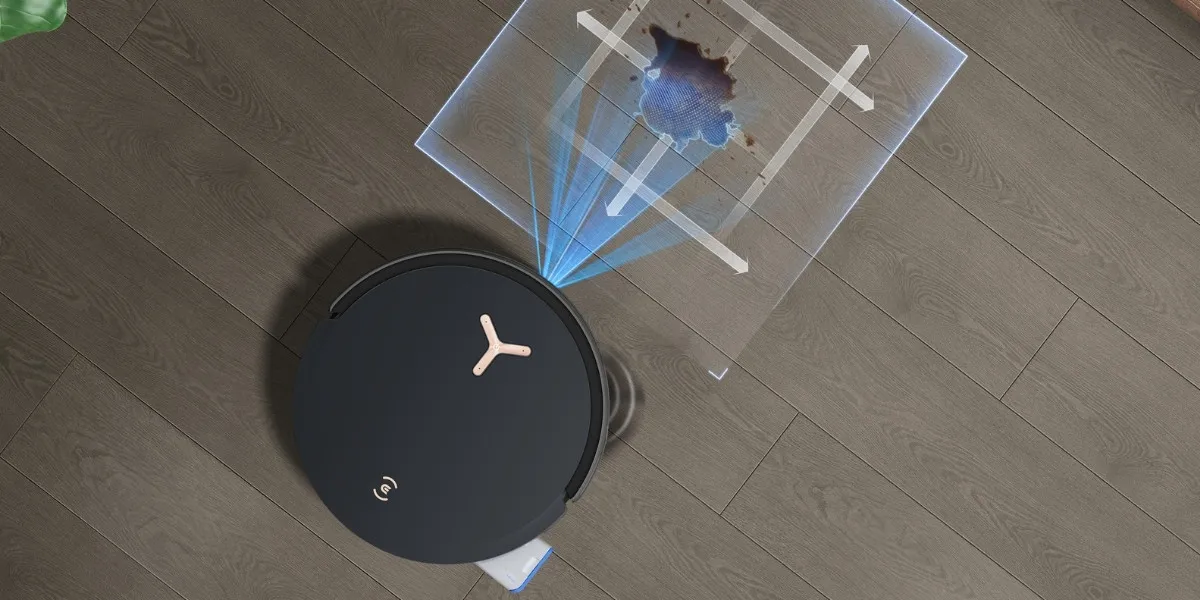
A robot vacuum with a mop can make this easier. The DEEBOT T90 PRO OMNI features OZMO ROLLER 3.0 Instant Self-Washing Mopping, where the 27 cm roller mop scrubs at up to 200 RPM to remove stubborn stains while 32-way pressurised nozzles refresh it at the same time.
4. Use Air Purifiers
One of the best ways to keep dust out of your room is by using air purifiers, particularly those with HEPA filters. Place them in living rooms, bedrooms, offices, and anywhere you spend time to stop pollen, dander and other airborne dust in your house. Clean vacuum filters regularly and replace them based on the manufacturer’s guidelines.
5. Eliminate Clutter
Dust tends to settle in hard-to-reach areas like under the couch and behind cabinets. Therefore, it’s smart to eliminate clutter and keep your spaces tidy. With less stuff and fewer spots for dust to hide, it decreases dust in your house. Clear out extra furniture and stash seasonal gear, crafts, or old tech in storage bins. Fewer surfaces also mean less wiping.
6. Change Bedding Weekly
Dead skin flakes can build up quickly on bedsheets, pillowcases, and blankets, which makes bedding a common place for dust mites and allergens. Wash bedding weekly in hot water if the fabric allows to manage dust mites and allergens.
As a practical extra step, allergen-proof mattress and pillow covers can also help limit dust mite exposure over time. Regularly vacuum furniture, curtains, rugs, and carpets to remove trapped particles.
7. Ventilate Your Rooms
Fresh air cuts the stuffiness in a room and takes away dust. Keep windows open or use exhaust fans for ventilation. This helps dilute indoor particles and keep dust out of your house. Balance ventilation with purifiers or air conditioning to filter incoming air, since ventilation alone will not solve dust buildup.
Good ventilation also helps maintain indoor humidity around 40% to 50% and lower static electricity, which makes dust less likely to cling to surfaces and fabrics. Monitor humidity with a hygrometer or your thermostat app. Those living in dry cities like Adelaide and Hobart can use a humidifier or adjust HVAC settings to regulate humidity.
8. Keep Windows Closed During Pollen Seasons
While ventilation helps lower dust in your house, do the opposite during pollen seasons. In the southern Australia, pollen typically peaks from September through November, and between June and August in northern Australia; thus, keep windows and doors closed to block pollen from blowing in, minimising dust in your house.
9. Change Air Filters
If you have air vents, ducts and an air conditioner at home, clean or swap the filters every 1 to 3 months, or every 2 months for pets or allergy households. A filtration system captures dust particles; a clogged one loses effectiveness and lets dust and allergens spread. Wash reusable filters or replace them to keep airflow smooth.
10. Get Air Ducts Cleaned
Dust and debris can further build up inside air ducts; when this happens, the ducts pump dust back into your rooms. Inspect them regularly and schedule a pro cleaning every few years to remove grime and lower dust in your house.
11. Seal Window and Door Leaks
Gaps around windows and doors can let fine dust enter your home from outside. Check for drafts around frames and seal them with weatherstripping or caulk where needed. Installing door sweeps can also help block dust from coming in under doors.
12. Avoid Rugs and Carpets
When allergies hit hard, it is recommended to skip wall-to-wall carpet, since dust particles quickly settle into the fibres. Hard floors like tile, laminate, and hardwood are easier to clean and keep dust-free. If you still want some softness underfoot, choose washable area rugs instead and clean them on a regular schedule.
For homes that still need robot vacuums for carpets, the DEEBOT T90 PRO OMNI delivers up to 30,000 Pa suction2 with 16 L/s airflow for stronger pickup on both hard floors and carpets.
13. Use Doormats
After a day spent outside, you may bring dust, pollen, soil, and sand back home. Place a doormat, such as a rubber or coir mat, at the entryway to help trap dirt and mud before it spreads indoors. Shake out or vacuum the mat weekly to keep it effective.
It also helps to create a shoes-off zone by the door with a shoe rack or basket and a few indoor slippers, so less dirt gets tracked through the house.
14. Groom Pets Regularly
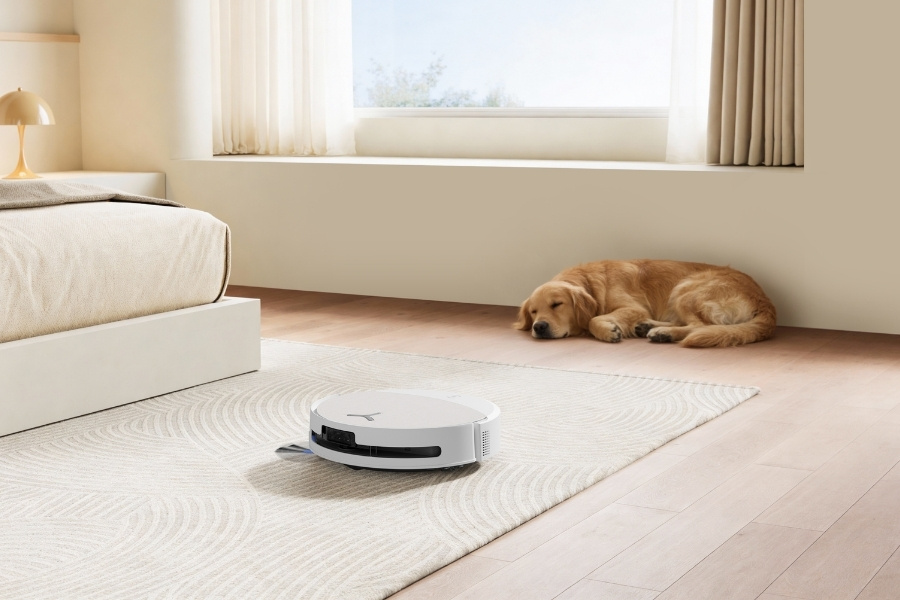
Pet dander is a major dust source in your house. After a walk, brush your pets outside to ditch loose fur and dander before it settles indoors. Bathe them regularly with a pet-safe shampoo and wash pet bedding weekly, or as often as human bedding, to reduce dander buildup.
Grooming and cleaning pet fabrics regularly can make a noticeable difference in keeping dust under control.
FAQ
How can I reduce dust in my house naturally?
To naturally control dust in your home, you can place houseplants around your living areas that can filter the air and absorb airborne particles. You can also open windows regularly to allow for natural ventilation, which can also help flush out dust and improve indoor air quality. Robot vacuums are also a smart solution for capturing small dust particles that would otherwise be recirculated.
What are the best tools to help you get rid of dust?
Microfibre cloths are very efficient at trapping and removing dust, as their fibres are designed to attract and capture even the smallest particles. You could also invest in a robotic vacuum cleaner and mop with mapping as their strong suction and mopping features pick up fine dust, plus their advanced navigation accesses hard-to-reach areas that dust likes to settle. Air purifiers can help filter out airborne dust and improve the overall indoor air quality.
How often should you dust your house?
The recommended frequency for dusting your home can vary depending on several factors, like the size of your living spaces, the number of occupants, and the presence of pets. As a general guideline, it is advisable to dust your home at least once a week. In high-traffic areas or during seasons with increased dust or allergen levels, you may need to increase the frequency of dusting to maintain a clean and healthy indoor environment.
Why is dust harmful to your health?
Dust can harm your health because it carries allergens and irritants such as dead skin flakes, fabric fibres, pet dander, dust mites, and pollutants. When dust builds up, these particles can be breathed in and may trigger sneezing, nasal congestion, asthma symptoms, and other respiratory discomfort, particularly in poorly ventilated rooms.
How can I control dust if I have pets?
If you have pets, make sure you regularly groom them to help minimise the amount of shedding and limit the contribution of pet-related particles to household dust. Use a robot vacuum for pet hair to capture these fine particles, and place washable covers on furniture that can protect surfaces from accumulating pet-related dust.
Can houseplants help reduce dust?
Yes, incorporating houseplants into your living spaces can be an effective and natural way to help eliminate dust levels. Certain plant species like English ivy, peace lily and snake plant have the ability to filter and absorb airborne particles, including dust, through their leaves and roots. You can strategically place these plants in key areas of your home to use their natural air-purifying properties.
How do I keep dust off furniture and surfaces for longer?
To keep dust off furniture and surfaces, you can use furniture polish or wax to create a protective barrier. Microfibre cloths are effective for dusting, and regularly wiping down surfaces with a damp cloth can prevent dust from settling. Using coasters or place mats can also reduce dust accumulation on tabletops.
Disclaimer(s):
- Costly Reactions: The economic and social cost of allergic disease in Australia: https://www.allergy.org.au/ascia-reports-economic
- 30,000 Pa: This data comes from ECOVACS laboratory. The suction power of DEEBOT T90 PRO OMNI can reach 30,000 Pa.
Related Products