
Have you ever experienced this situation: you vacuum and wipe everything down, but within days, a thin layer of dust reappears on your floors, shelves, and screens? This is more common than you might imagine, particularly in polluted Australian cities like Darwin and New Castle, or in desert places like Kalgoorlie, where wind can carry dust indoors faster than you’d expect.
It may seem harmless at first, but the constant cycle of dust forming and settling can impact both your health and comfort. Understanding what causes dust is the first step to controlling it and creating a healthier living environment.
What is Dust?
Dust is generally a mix of natural and manmade tiny dry particles, including dead skin, fallen hair, fabric threads, pollen, soil, and other tiny particles. Due to its lightweight nature, dust floats through the air, settles on surfaces around your home, and gets stirred up with even the smallest movement.
These fine particles vary in size and composition. For example, dead skin and hair are harmless, while others like silica, coal, and heavy metals can irritate the lungs or make allergies worse when inhaled. You’ll most likely find dirt gathering on floors, furniture, shelves, vents, light fixtures, and hidden spots like under beds and hard-to-reach corners that are easy to miss.
Why Do I Need to Remove Dust From Home?
Dust should be removed from your home to reduce allergens and protect your health. Inhaling these particles can result in skin irritation, allergies, and asthma, particularly in children and individuals with sensitivities. Aside from health concerns, layers of dust also make your home look dull and feel dirty. Eventually, appliances can get clogged, limiting their performance.
Allergens and dirt cover surfaces like shelves, furniture, electronics, and vents. Besides, they can clog filters in vacuum cleaners and HVAC systems, which causes appliances to perform poorly or wear out faster.
If you have pets, always host a lot of guests, or prefer leaving your windows open, you'll likely notice that dust forms even faster. When it settles into upholstery products and carpets, bacteria and odours can grow. Constantly keeping dust under control helps your home stay fresher and easier to breathe in.
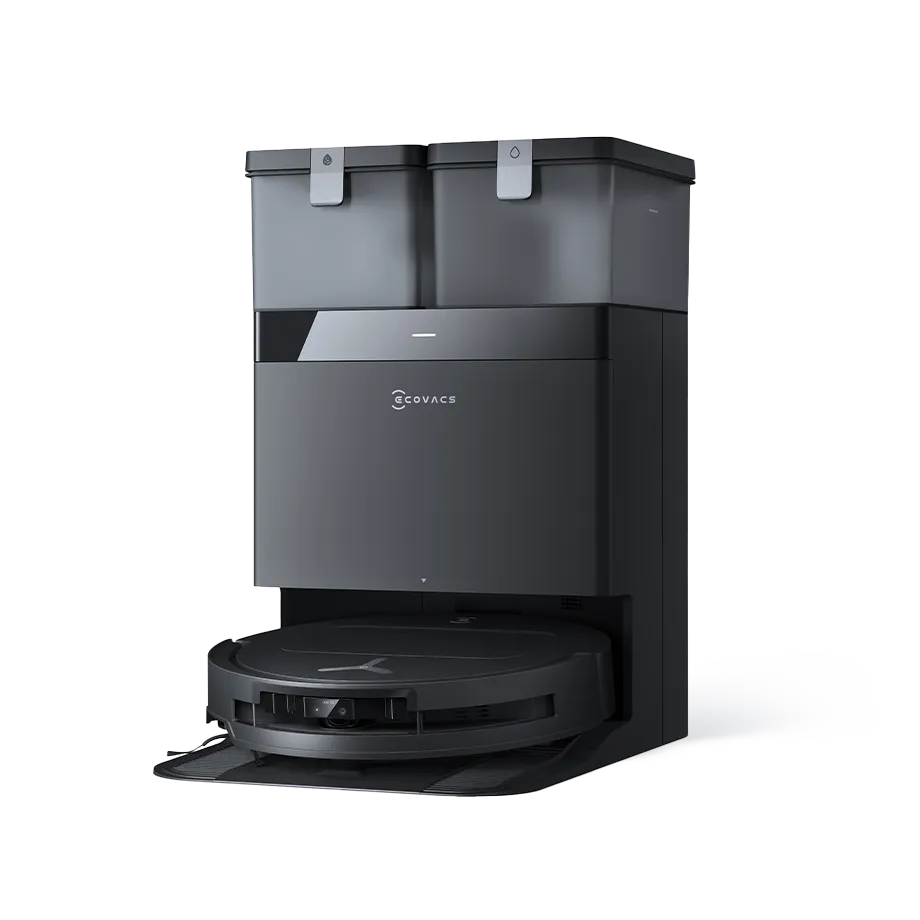
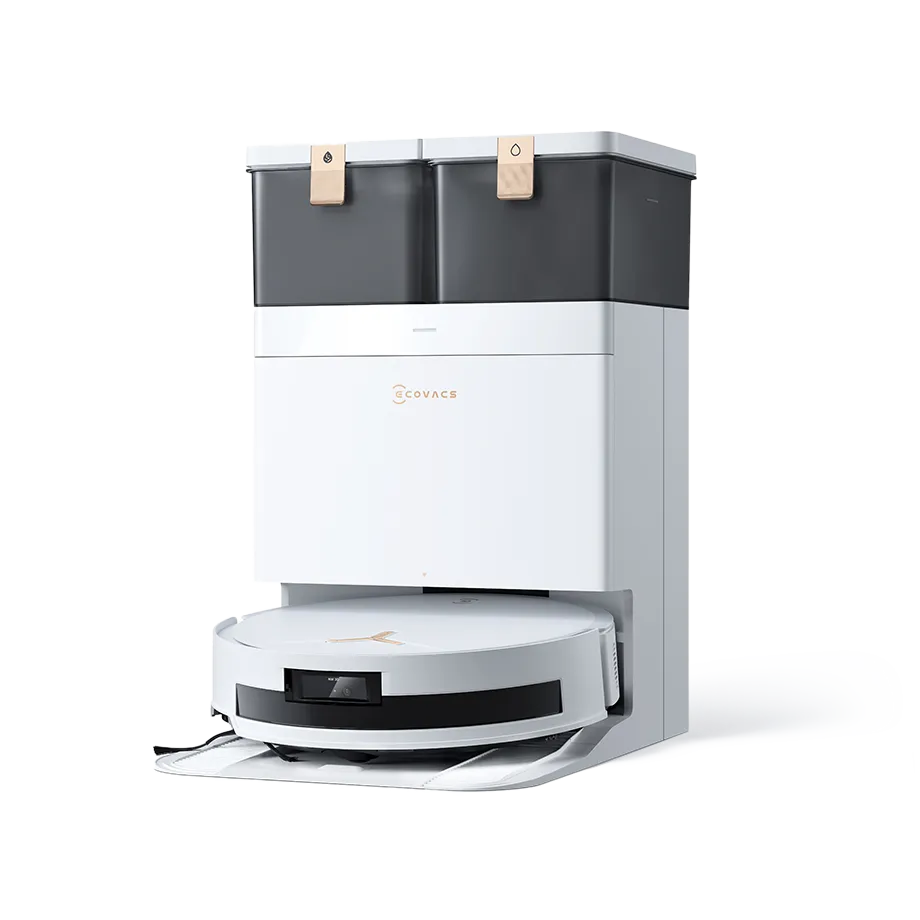
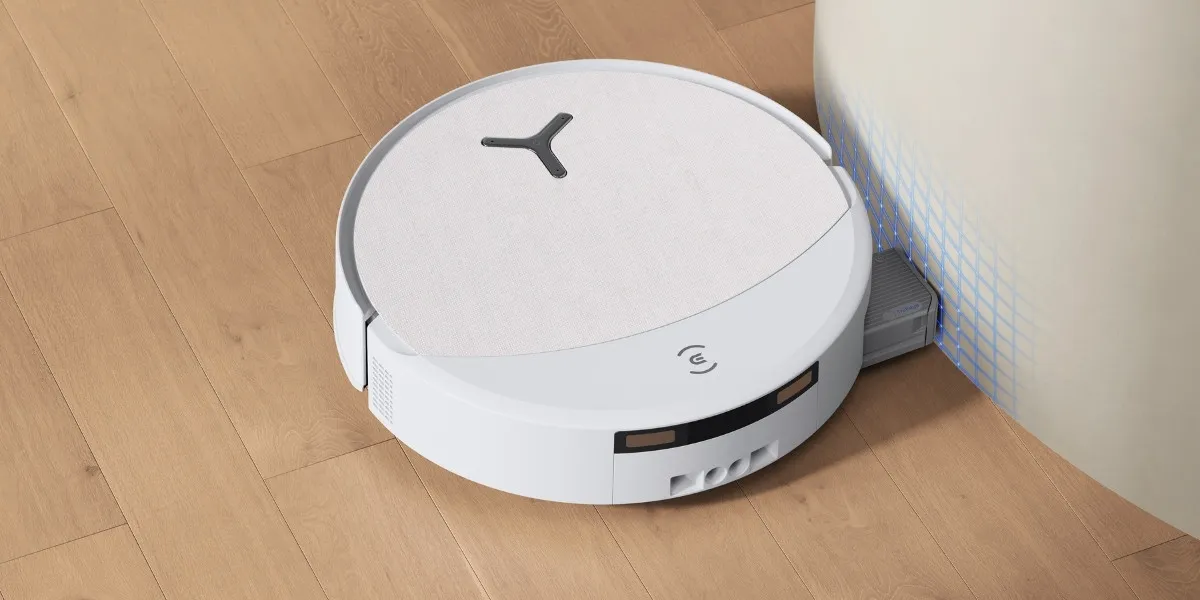
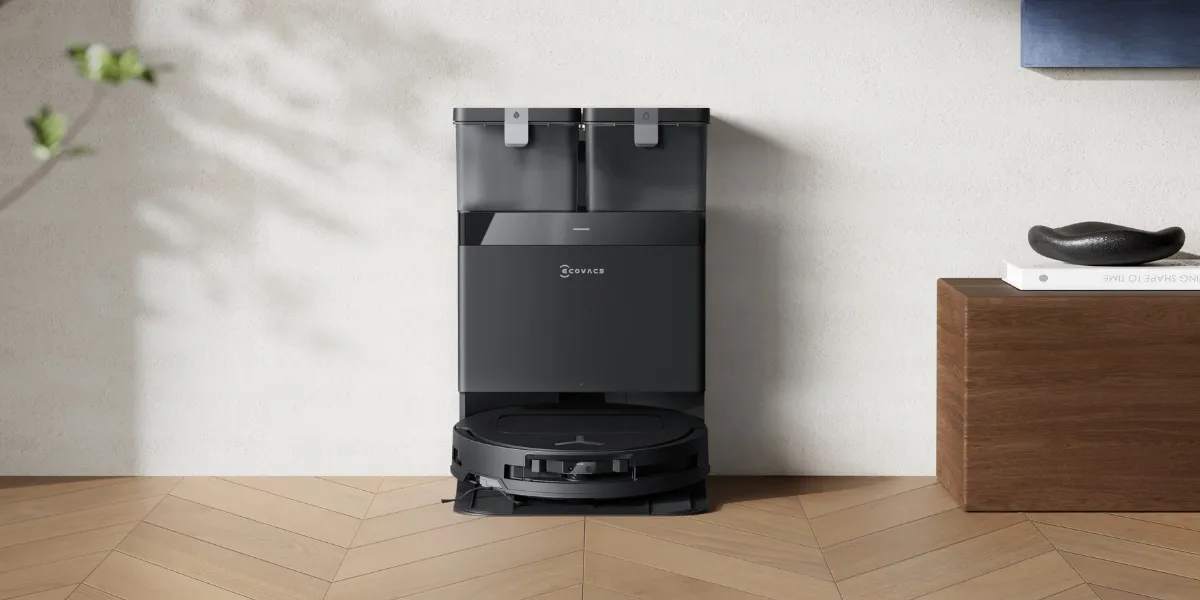
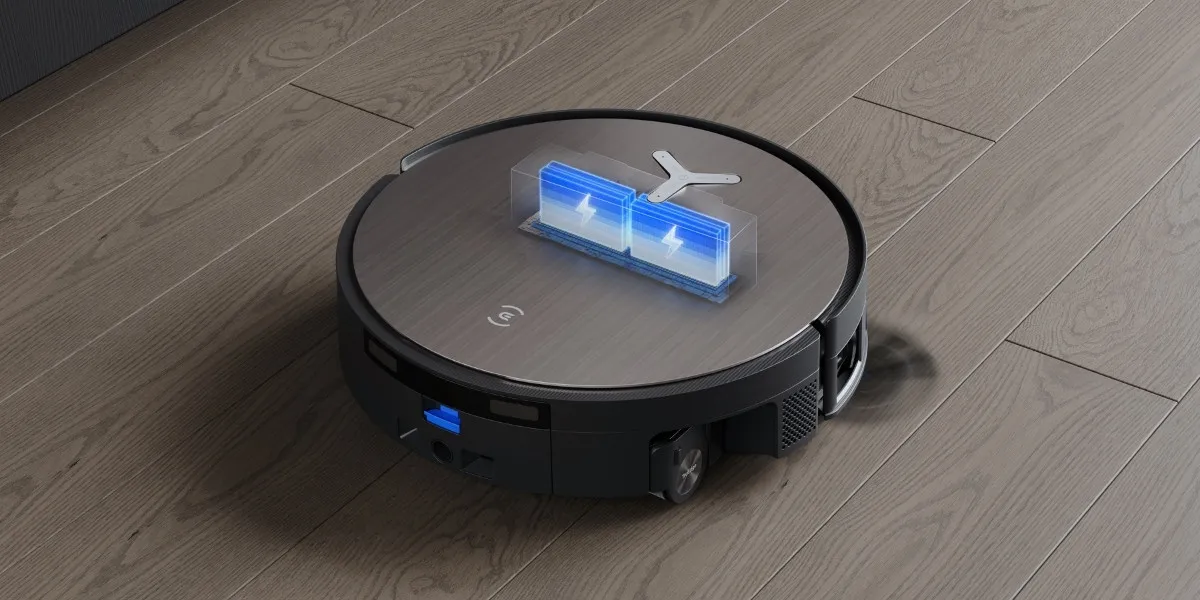
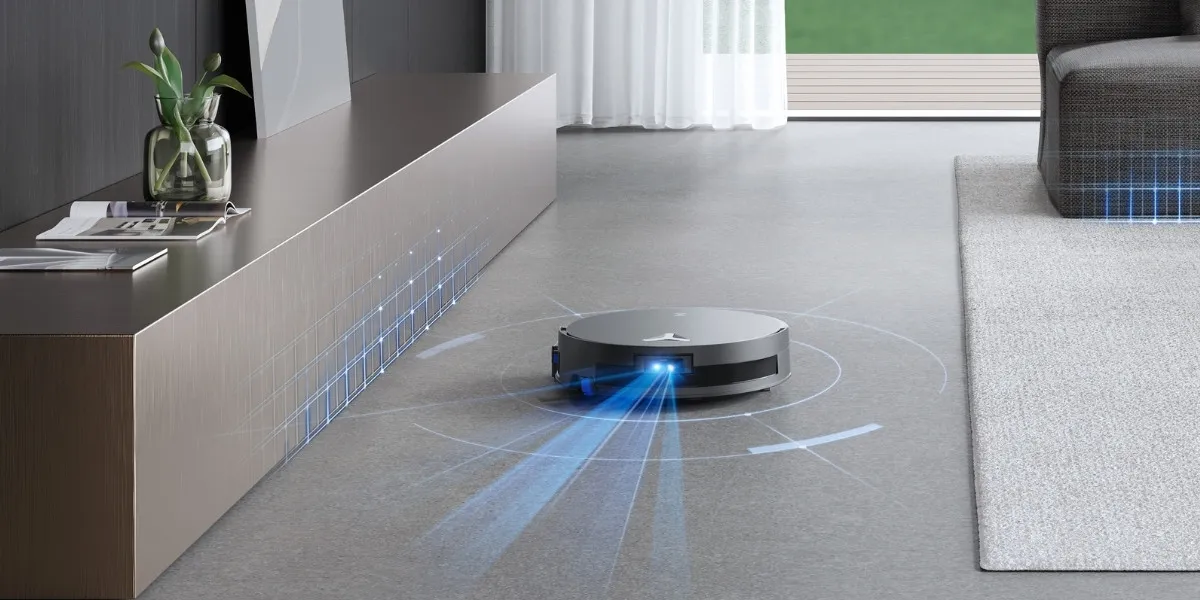
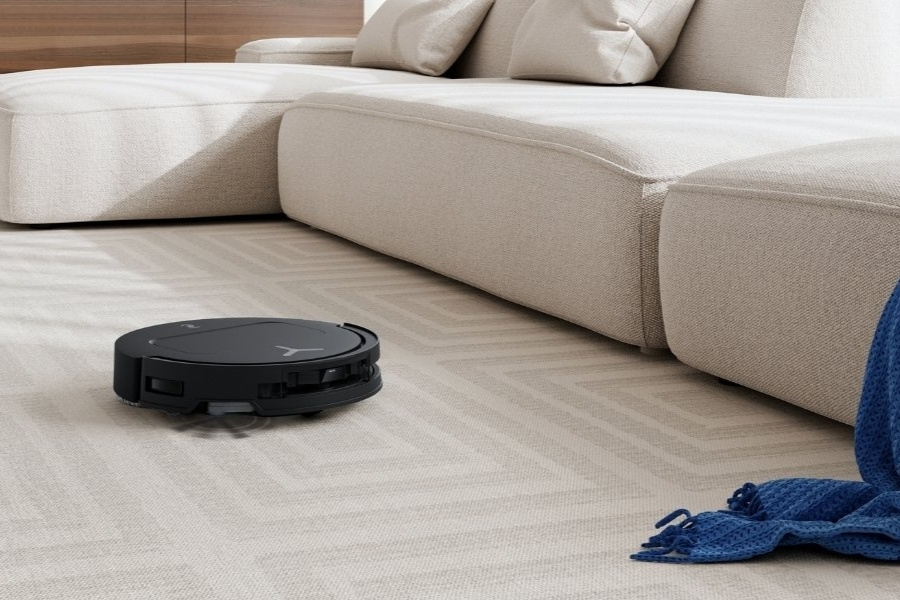
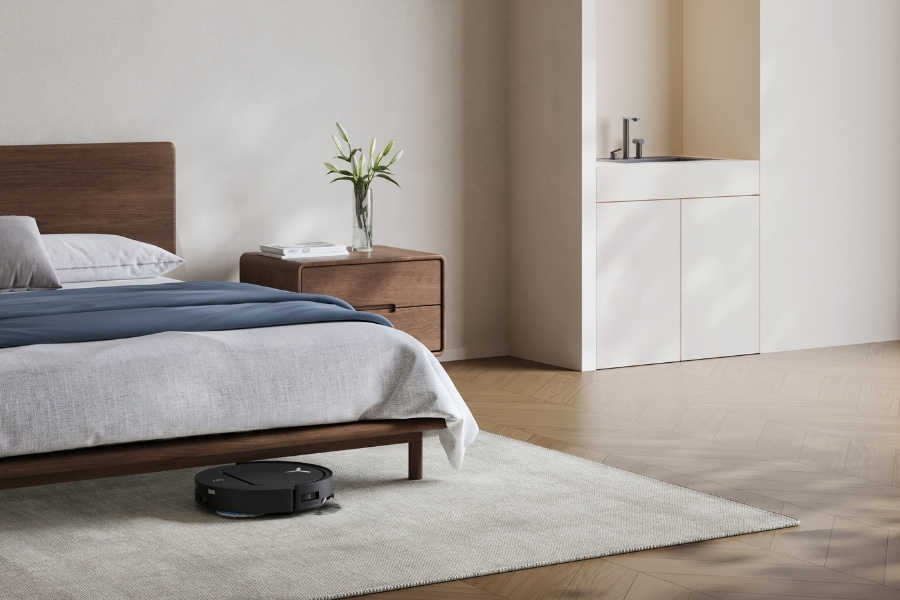
Robot vacuum and mops like the DEEBOT X8 PRO OMNI offer great help in removing dust consistently with 18,000 Pa suction power1. Its TrueMapping 2.0 supports intelligent path planning and clean hard-to-reach spots like under sofas, while the AIVI 3D 3.0 Omni-Approach Technology and TruEdge 3D Edge Sensor keep the device close to edges for maximum coverage. After cleaning, the OMNI station self-empties dust into a sealed collection bag, preventing it from spreading.
What Creates Dust in Your Home?
Dust in your home is created by both indoor and outdoor sources. Indoor examples include dead skin cells, pet dander, fabric fibres, mould spores, and even building materials. Common ones from outside are pollen, sand, brake dust, and heavy metals from nearby construction. Daily activities like cooking or walking around can stir up particles and cause more dust to form.
Skin and hair
Human skin and hair constantly shed throughout the day. The skin renews itself every 28 days, and on average, we shed around 30,000 skin cells per minute. It’s also normal to shed between 50 and 100 hairs a day, both visible strands and fine fragments, which add to the buildup.
Pet dander
Pet fur is a constant battle for owners, but cats and dogs shed more than just hair. They also release dander, or tiny flakes of skin, that stick easily to furniture, rugs, and clothing. Even short-haired breeds like Chihuahuas and Pugs produce dander that becomes dust.
Carpet fibres
Dust gets trapped easily between carpet fibres, especially in longer or older rugs. Each step loosens and releases these particles into the air, where they resettle on nearby surfaces. Thus, cleaning thick carpets in high-traffic areas like living rooms is essential.
Bed linen
We spend one-third of our lives sleeping, so skin flakes, lint, and hair inevitably gather on bedsheets, pillowcases, and mattresses while you sleep. Each time you move in your sleep or change the bedsheets, tiny fibres become airborne and settle around the house.
Furniture upholstery
Upholstery products such as sofas and curtains release small fibres through daily use. Particles can be sent into the air when you sit, lie down, or when your kids are playing pillow fights. If you don't clean them frequently, they gradually become more visible.
Cooking
Cooking naturally produces grease, steam, and crumbs that drift through the air and settle on cabinets, floors, and appliances. As they cool, they rapidly form sticky residues on surfaces. Open kitchens or poor airflow from the range hood can make it easier for dust to gather.
Pollen and dirt
In the spring, summer, and fall, pollen can get into your home through open windows or doors and land on various surfaces. On a daily basis, fine sand and soil are small enough to stick to clothing or the soles of your shoes, bringing them indoors as well.
Vehicle exhaust
If your home is close to a busy road or highway, vehicle exhaust particles from cars and trucks are likely to enter through vents or open windows. These particles are hard to detect but can linger on windows, frames, and floors.
Airborne particles
Air circulation, for example, fans, heating, air conditioning, or simply walking around, can stir up particles. These matters are often invisible to the human eye and can stay suspended for hours before settling again, which explains why dust seems to return so quickly after cleaning.
High humidity
Those living close to a lake or the ocean usually experience higher humidity, where moisture in the air helps dust stick to walls, desks, and floors. Dust in damp environments can further encourage bacteria growth, sometimes resulting in mouldy smells even after mopping.
Insects
You may ask: my place doesn’t have pest issues, would there still be insects? The answer is yes. Bugs can enter through cracks or on groceries and live unnoticed in corners where they like to hide. A good example is dust mites, which feed on skin flakes and leave behind waste that leads to dust buildup.
FAQ
Does opening windows help with dust?
Yes, keeping windows open can let in pollen, sand and other airborne particles from outside. It helps ventilation, but may worsen dust if you live near construction or trees.
How to get rid of dust in your house?
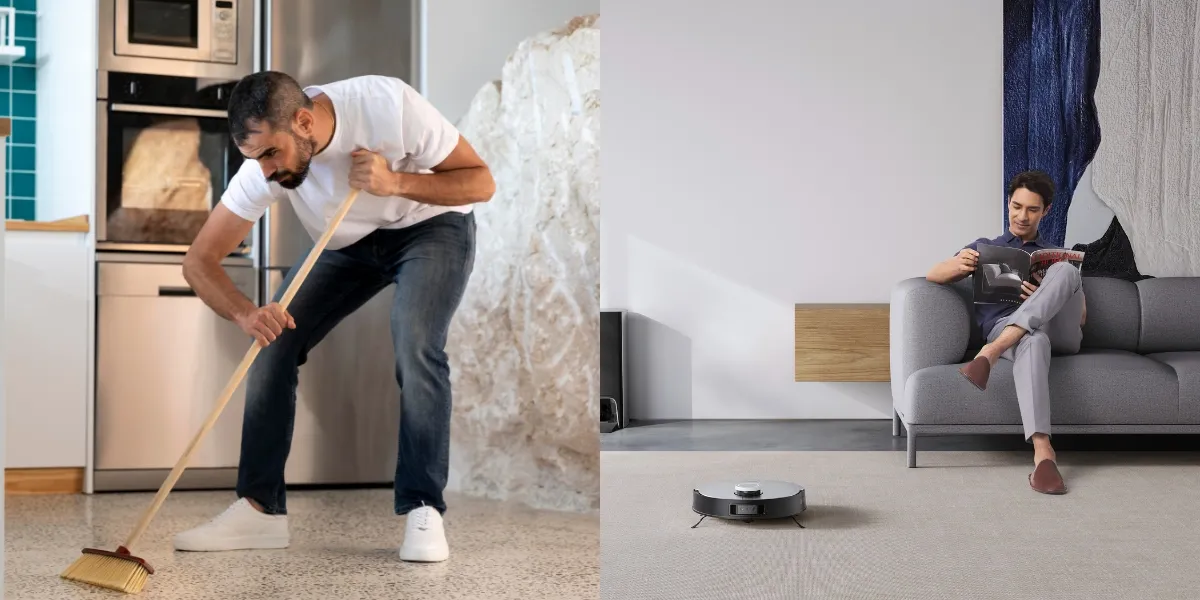
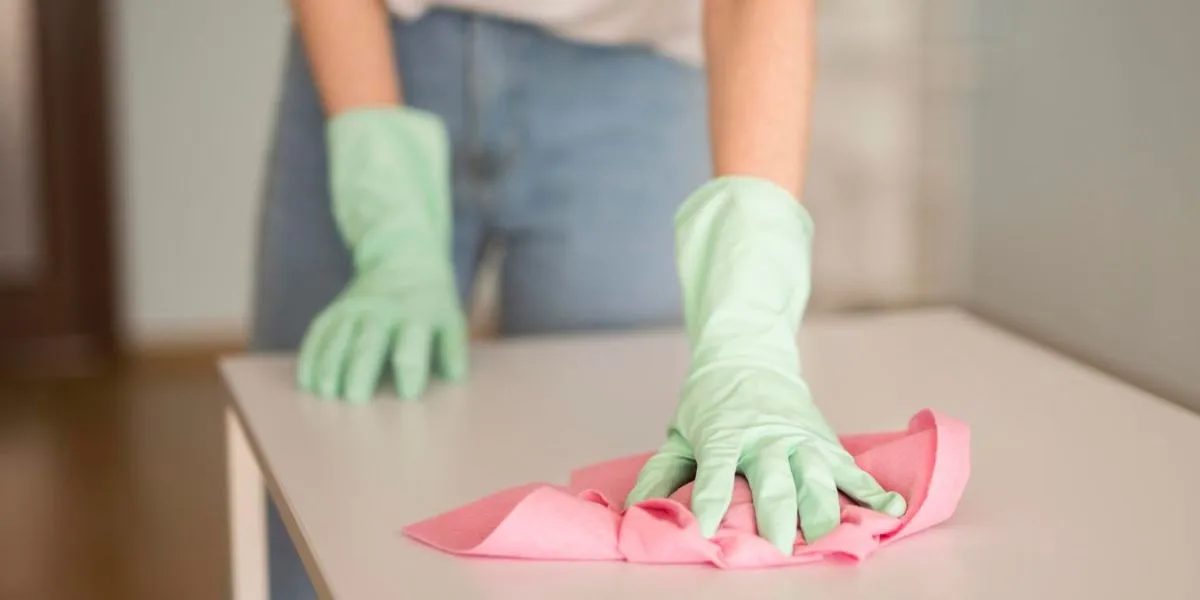
Vacuum and mop regularly, wash bedding weekly, and declutter surfaces to help get rid of dust in your house. A robot vacuum and mop like DEEBOT X8 PRO OMNI are a smart solution that automatically cleans your floors according to preset schedules, utilising advanced technologies like 18,000 Pa suction power, AIVI 3D 3.0 Omni-Approach Technology to optimise coverage, and Auto-Empty Station that locked the dust in sealed bags.
Why is my house so dusty even after cleaning?
There are various reasons why dust keeps coming back, for example, poor ventilation and living with long-haired pets. If your home is located near highways, railways, construction, or polluted areas, dust can accumulate promptly.
Disclaimer(s):
- 18,000 Pa: This data comes from ECOVACS laboratory. The suction power of DEEBOT X8 PRO OMNI can reach 18,000 Pa.
Related Products