
We spend most of our lives indoors, but did you know that the air inside our homes can contain more pollutants than outside? Australians shed almost 40,000 skin cells per hour, let alone the build-up of pet dander, pollen, and dust mite debris, all contributing to poor indoor air quality.
If you live with a large family, pets, or open windows throughout the day, it’s even more vulnerable to dander and allergens that can travel through the air and settle into corners, on furniture, and across surfaces. They're almost invisible until they start to make you sneeze or smell musty.
Therefore, regular dusting is not just about appearance, but maintaining a healthy living space for everyone. Dust particles can trigger allergies and asthma, particularly in young children and older adults. Putting this off allows residue and grime to build up, which makes the next clean harder and takes more time.
While you can’t eliminate dust from your house completely, you can consistently dust to keep your home hygienic, reduce exposure to irritants, and make deep cleaning a lot easier down the road. Ultimately, the goal is to stay ahead of the mess before it piles up.
How often should you dust your home?
Dust your home at least once a week, especially in high-traffic areas and corners that easily accumulate dirt. Rooms with less usage, like a spare guest room or the attic, are recommended to be wiped at least once a month. For those who have pets or suffer from allergies, regular cleaning is necessary to maintain a healthy living environment.
Areas to dust weekly
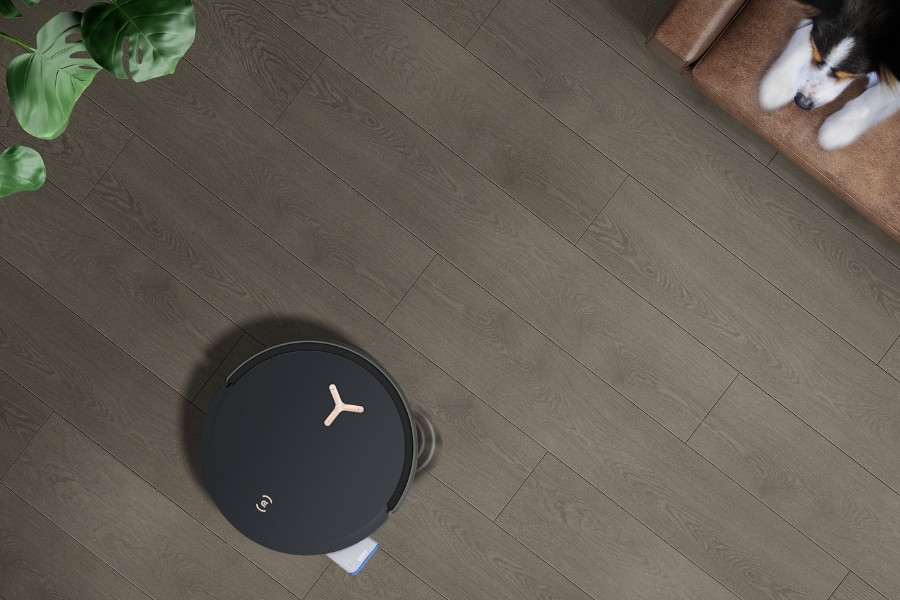
Focus weekly cleaning efforts on areas you use daily, including floors, chairs, sofas, countertops, and desks. These hotspots quickly accumulate dirt and dead skin due to constant activity, so wiping them regularly prevents build-up. Pay attention to rugs, TV screens, and around furniture legs where residue hides.
Areas to dust monthly
Areas with less traffic don’t collect as much debris and thus can be tackled on a monthly basis. Generally, these include guest rooms, electronic appliances, shelves, air vents, curtains, baseboards, and door frames. Even though these areas seem clean, airborne dust and pollen can stick to them over time. Taking care of them periodically helps improve airflow.
Areas to dust quarterly or occasionally
Every few months, take on the spots that are rarely used or harder to reach, for example, ceilings, inside light fixtures, behind large furniture, the tops of tall cabinets, and shelves. Since debris can settle in these places over time, if left untouched, mould can grow, leading to unpleasant odours and hygiene issues.
If you have pets
Since pets like Golden Retrievers and Maine Coons are prone to shedding, households with pets need more frequent dusting, up to two to three times a week or even more. Fur, dander, and dirt from dirty dog paws can build up quickly and spread across floors and furniture. By keeping shorter intervals between cleaning and paying extra attention to areas where your pets rest or shed, danders can be stopped from circulating.
If you suffer from allergies or respiratory conditions
If you or your family members have allergies, asthma, or other respiratory sensitivities, aim to dust every other day or at least three times a week. Consistent and frequent dusting using the right tools can get rid of fine particles like pollen and dust mite residue, and thus minimise the symptoms.
If you live in a city
If you live in a city like Singleton, New South Wales and Darwin, Northern Territory, you may need to dust at least one to two times a week. There are inevitably more pollutants, vehicle emissions, and construction dust in cities than in the suburbs. Open windows let in more fine particles than you might expect, and dirt is likely to settle on any surfaces. Periodic dusting helps control build-up.
If you live in the suburbs
In suburban areas, once-a-week wiping is usually enough for most households. Homes in Brisbane or Perth tend to be more insulated from traffic and industrial dust, though pollen and outdoor debris can still enter through doors and windows. Be aware of nearby trees and consider shortening cleaning intervals during spring or autumn.
How to dust your home efficiently?
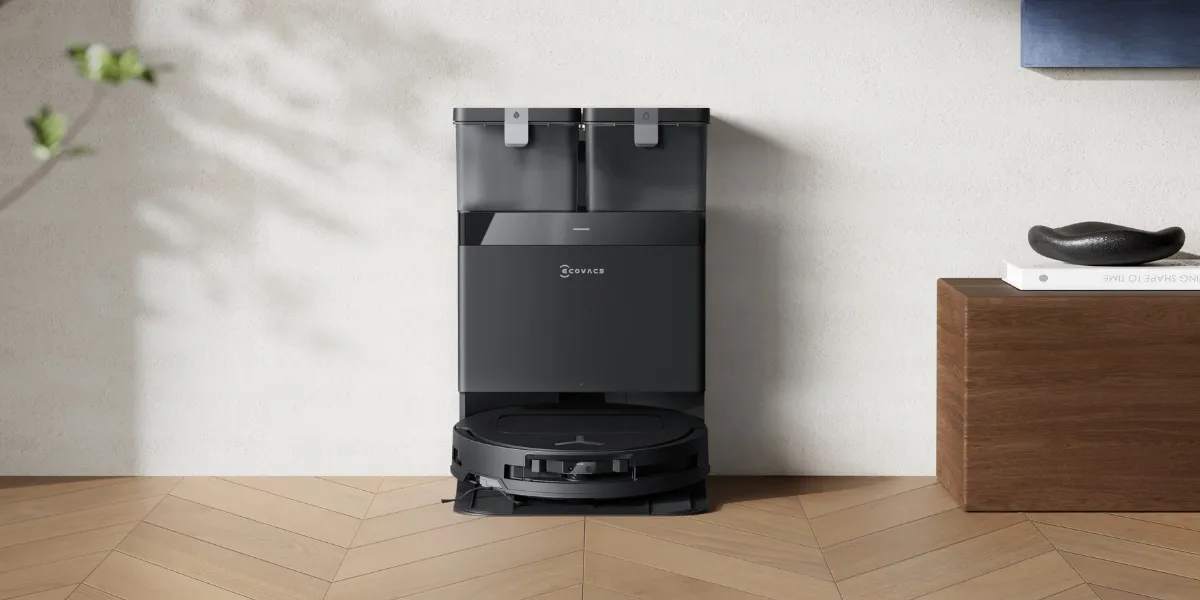
Dusting efficiently using the right supplies and techniques goes hand in hand with a regular dusting schedule, which includes starting from the top of a room and working your way down, and using microfibre or damp cloths to trap dirt. Employing a robot vacuum and mop is a smart alternative that saves time while helping you stay on schedule.
Get the right supplies
To trap particles effectively, use microfibre cloths, electrostatic dusters, and damp cloths that are easily found in supplies stores. Using dry clothes, on the other hand, may just push the fine particles around and end up sending them airborne.
Dust before sweeping or vacuuming
Always dust surfaces first before sweeping or vacuuming. This way, dirt and dander on shelves and furniture can be loosened and fall to the floor, where they’ll be picked up later when you sweep or vacuum.
Dust from top to bottom
Gravity causes dust to settle downward. Begin with higher areas like ceiling fans and shelves, then move down to tables, furniture, and floors, so that dust doesn't land on surfaces you've already cleaned. Don’t forget underutilised spots like blinds, the top of your refrigerator, or even your plants.
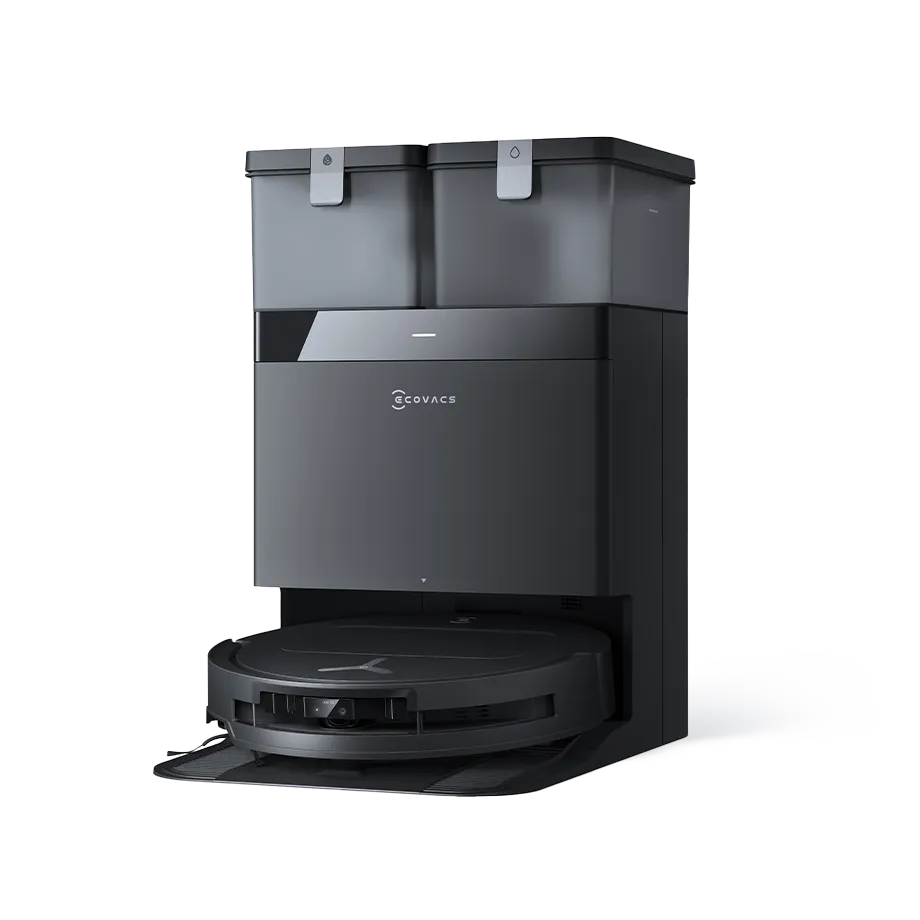
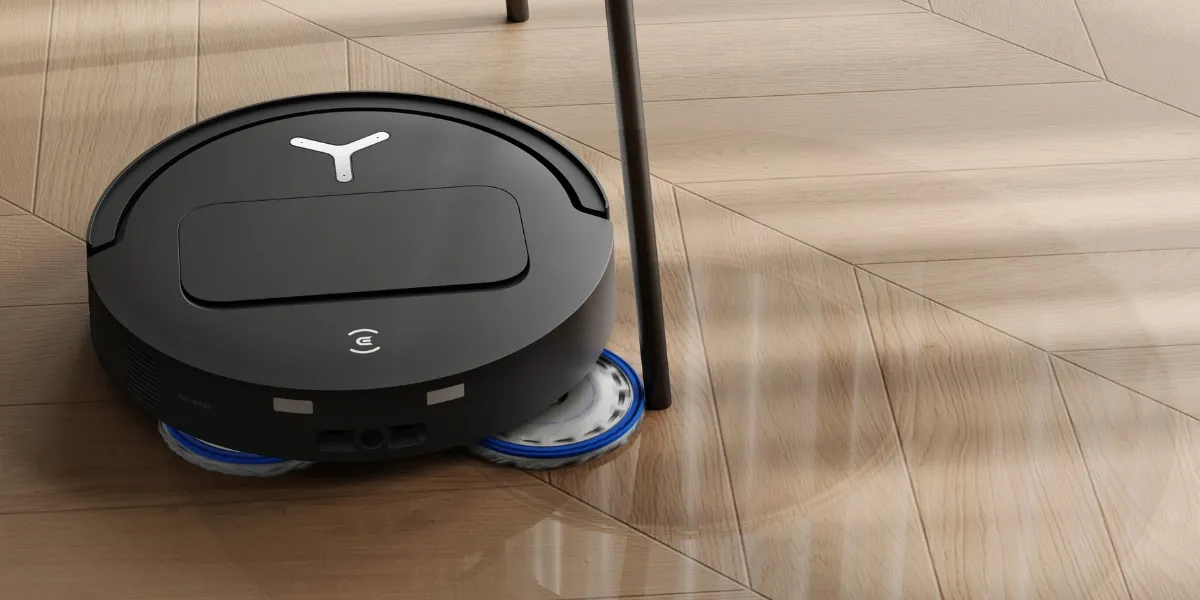
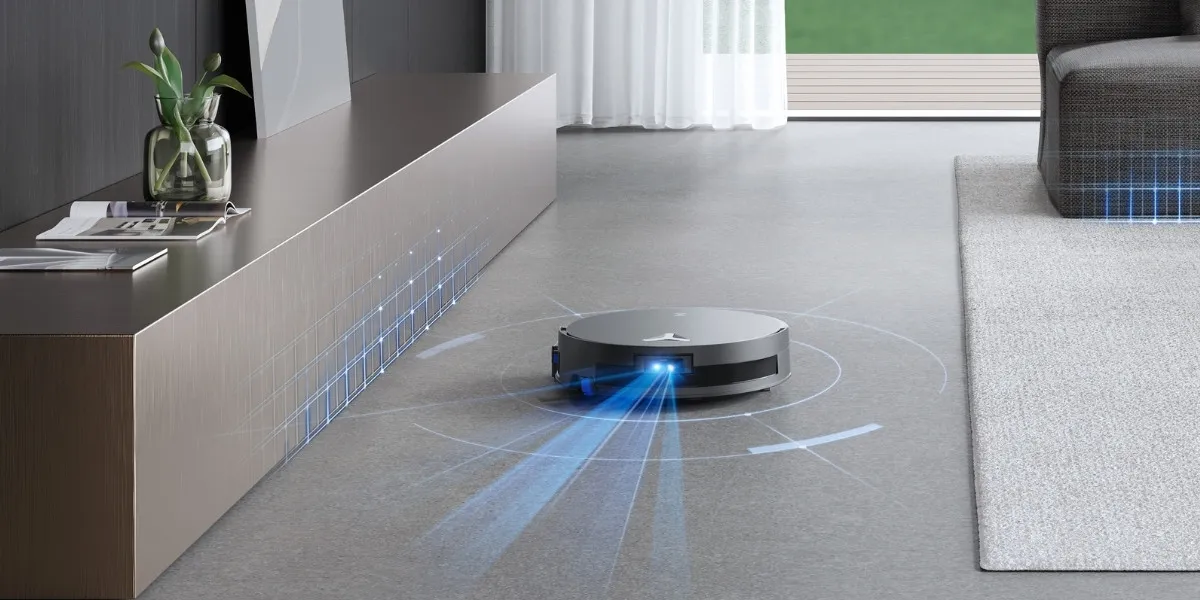
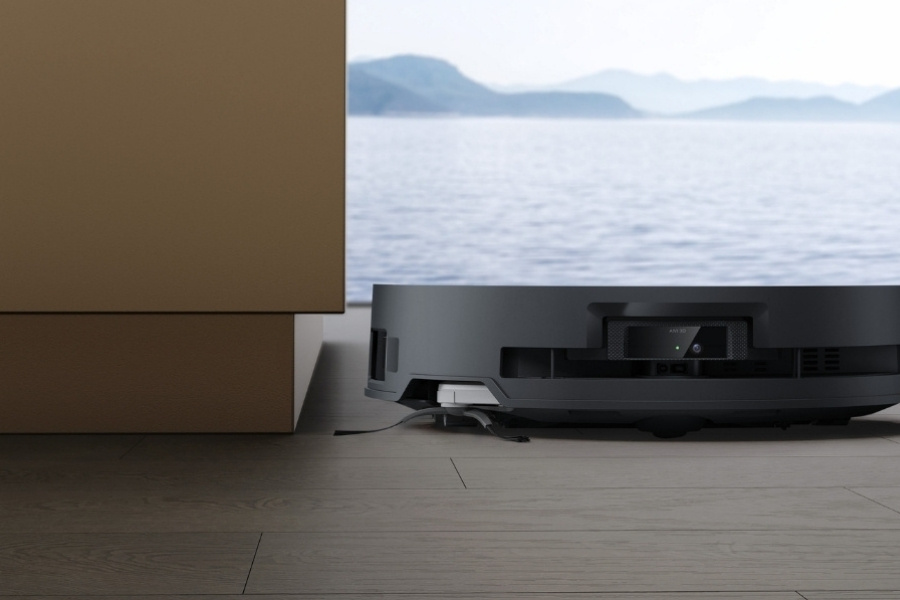
If you struggle with dust settling under furniture, the DEEBOT T50 PRO OMNI feature an ultraslim body, just 81 mm in height, and AIVI 3D 3.0 Omni-Approach Technology, which allow them to intelligently plan cleaning paths and reach hard-to-clean areas.
Maintain a regular schedule
Sticking to a weekly, monthly, and occasional routine makes dusting less overwhelming. Just like it's important to keep a mopping schedule to stay on top of floor cleaning, setting consistent times for wiping helps build lasting habits, for instance, cleaning every Sunday and on the first day of each month.
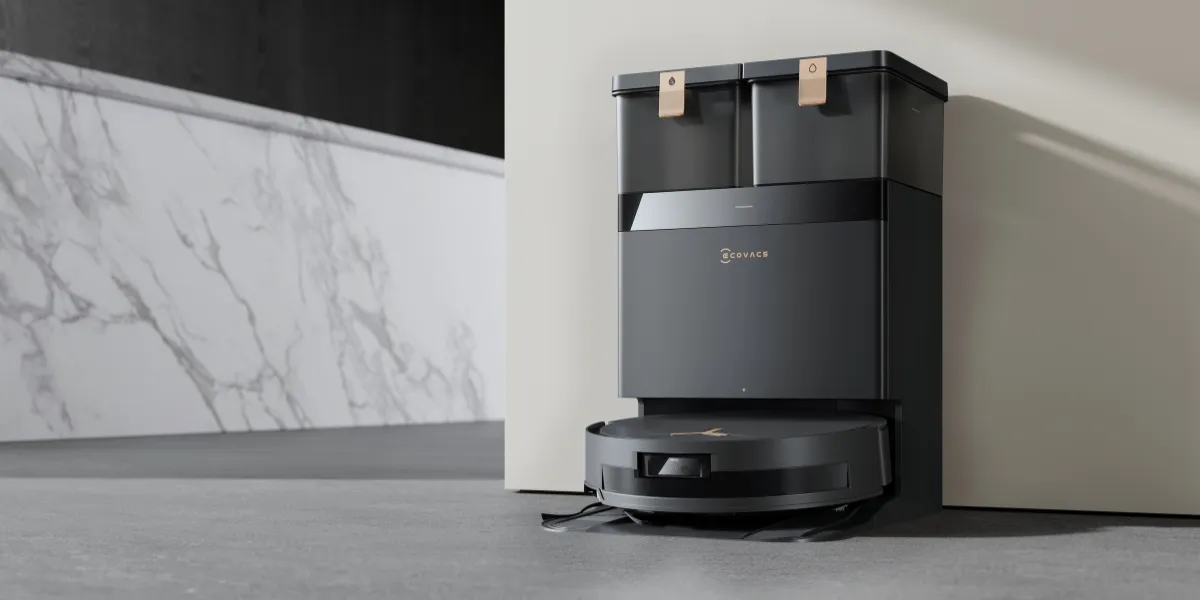
Those who have a busy schedule can consider DEEBOT robotic vacuums, which allow you to schedule automatic cleaning tasks for daily, weekly, or specific times via the ECOVACS HOME app, as well as customize other settings like specific cleaning areas and modes.
Use a robot vacuum and mop
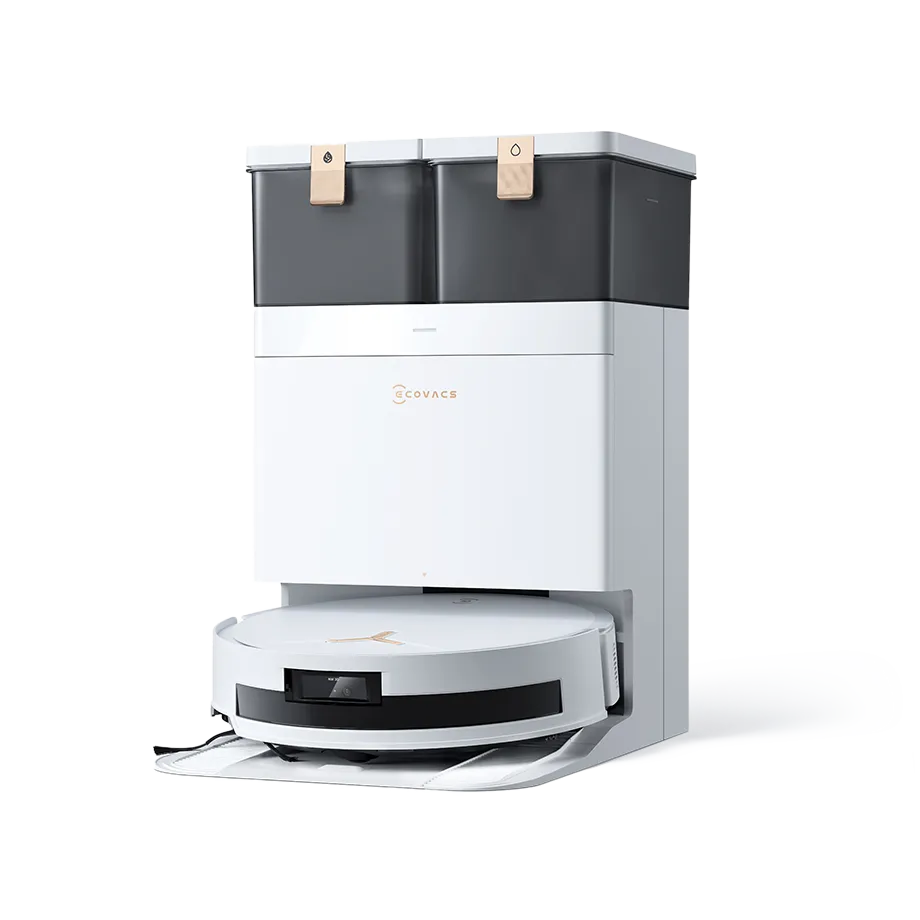
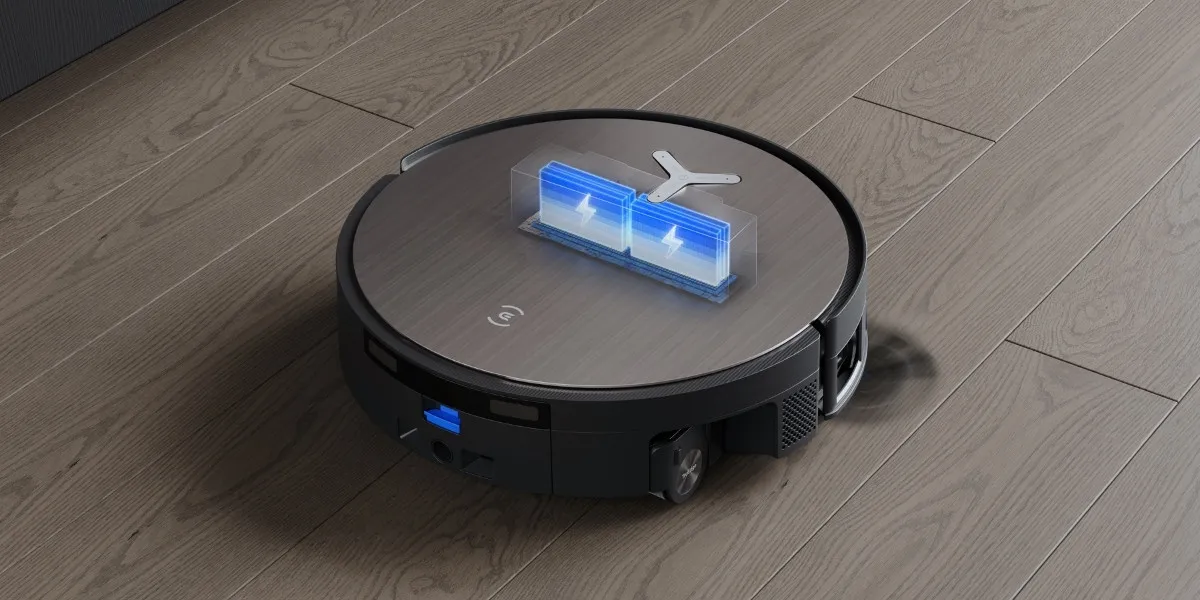
For a smart solution, a robot vacuum and mop can clean automatically based on a preset schedule. Models like the DEEBOT X8 PRO OMNI feature 18,000 Pa suction power1 and ZeroTangle 2.0 Anti-tangle Technology for efficient vacuuming and OZMO ROLLER Instant Self-Washing Mopping Technology to remove particles that dusting and vacuuming may miss.
FAQ
Is dusting once a month enough?
Dusting once a month is only enough for rarely used rooms like guest rooms, and high-traffic areas such as the kitchen, living room, and bedrooms need weekly cleaning to keep allergens and residue under control.
What happens if you don't dust your house?
If you don’t dust your house, pet dander and pollen can build up and trigger allergies or asthma. Dust also settles on objects and makes them look dull. Worse, it can clog HVAC filters and promote bacteria or mold growth in damp areas.
How do I know if my house is too dusty?
Pay attention to signs like constant sneezing, visible dust on shelves or electronics, gritty surfaces, and unusual sounds from air filters. If you notice dust returning shortly after cleaning, your home is likely too dusty.
Disclaimer(s):
- 18,000Pa: This data comes from ECOVACS laboratory. The suction power of DEEBOT X8 PRO OMNI can reach 18,000Pa.
Related Products