
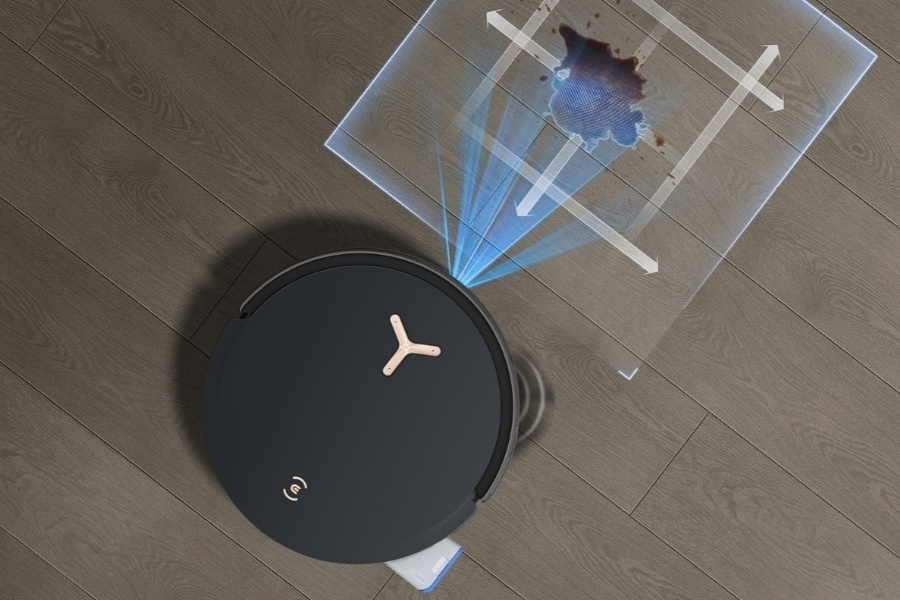
Most people have dealt with spilling water, juice, or coffee on the floor: you can knock over a glass at breakfast, your pet can leave urine by the door, and your kid can drop a bottle of milk; wet floors happen all the time.
When it comes to cleaning up liquids, it isn’t always as easy as it seems. If liquid sits too long, it can cause damage like discolouration, warping, or mould on wood floors. There is also a risk of slipping or spreading bacteria from spills. In the rush to clean, many people instinctively reach for their regular vacuum cleaner, but can you really vacuum water?
Can You Vacuum Water?
No, you should not vacuum water with a regular vacuum cleaner, including upright, stick, and robotic models. They are not designed to handle liquids, and doing so can cause permanent damage or pose safety risks. Only wet/dry vacuums are built to clean both wet and dry debris safely, thanks to their specialised filters and sealed components.
Using a standard vacuum to pick up water can break the unit, lead to electric shocks, cancel your warranty, and cause health or slip risks.
Electric shocks
Vacuuming water with a device not designed for liquids can result in short circuits or, more seriously, electrical sparks. Regular vacuums lack the waterproof insulation that is necessary to safely handle wet materials, therefore, this act greatly increases the chance of an electric shock, which could injure the person using it or even start a fire.
Permanent damage to the vacuum
Water can seep into the motor, filters, wiring, and even the circuit board of standard vacuums. Since these internal components are not waterproof, even a small amount of moisture can cause corrosion or short circuits. This damage is irreversible, meaning you may end up requiring a full replacement.
Void warranty
Most manufacturers clearly state in the manual that the vacuum model is not built for wet use. If you vacuum liquids, it is likely that the damage is considered “misuse”, and any repairs or replacements needed will not be covered under warranty. In other words, you'll be responsible for the full cost, even if the vacuum is relatively new or still under coverage.
Health hazards
Moisture trapped inside a vacuum cleaner creates a favourable environment for mould and mildew to grow. If you fail to notice it soon enough and leave it to spread, these can release harmful particles and unpleasant smells into your home. Even worse, every time you turn on the vacuum, it may recirculate those particles into the air, increasing health risks for people with allergies or respiratory issues.
Clogging and slip accidents
Standard vacuum cleaners come with just one debris container, so when you vacuum water, the liquid can mix with dust, dirt, and hair inside the bag, forming sludge that clogs hoses and filters. Clogs reduce suction power and increase wear on the motor. Also, a vacuum not built for wet use may not leave water stains behind, raising the risk of someone slipping and getting hurt.
Should You Vacuum or Mop Water Spills?
Mopping is generally safer and more effective for water spills. When dealing with wet debris on hard surfaces like tile, laminate, or wood, many people opt to mop with a broom or microfiber cloths. Using a vacuum cleaner that is not made for wet use can risk electrical damage, clogs, or even health hazards. Even minor spills can pose a risk when employing the wrong tool.
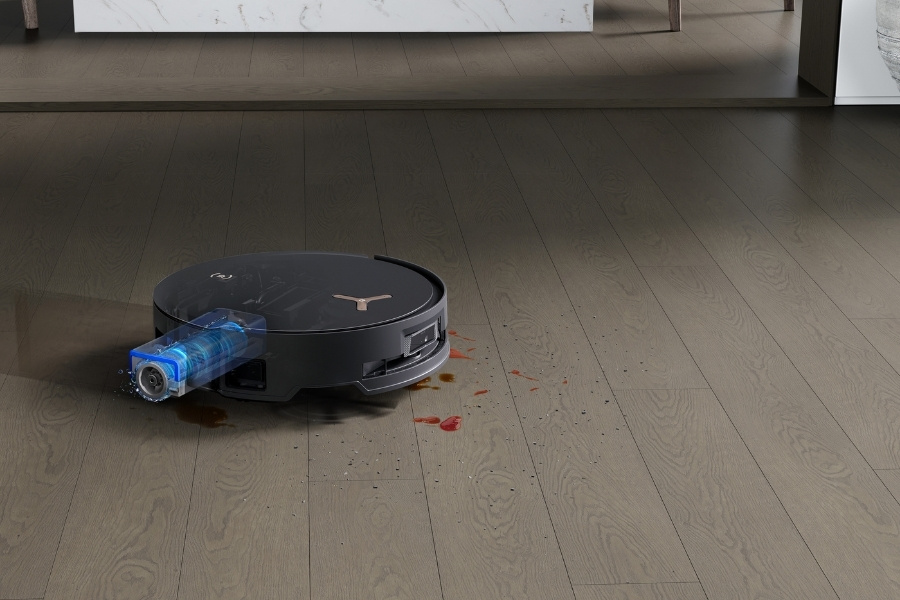
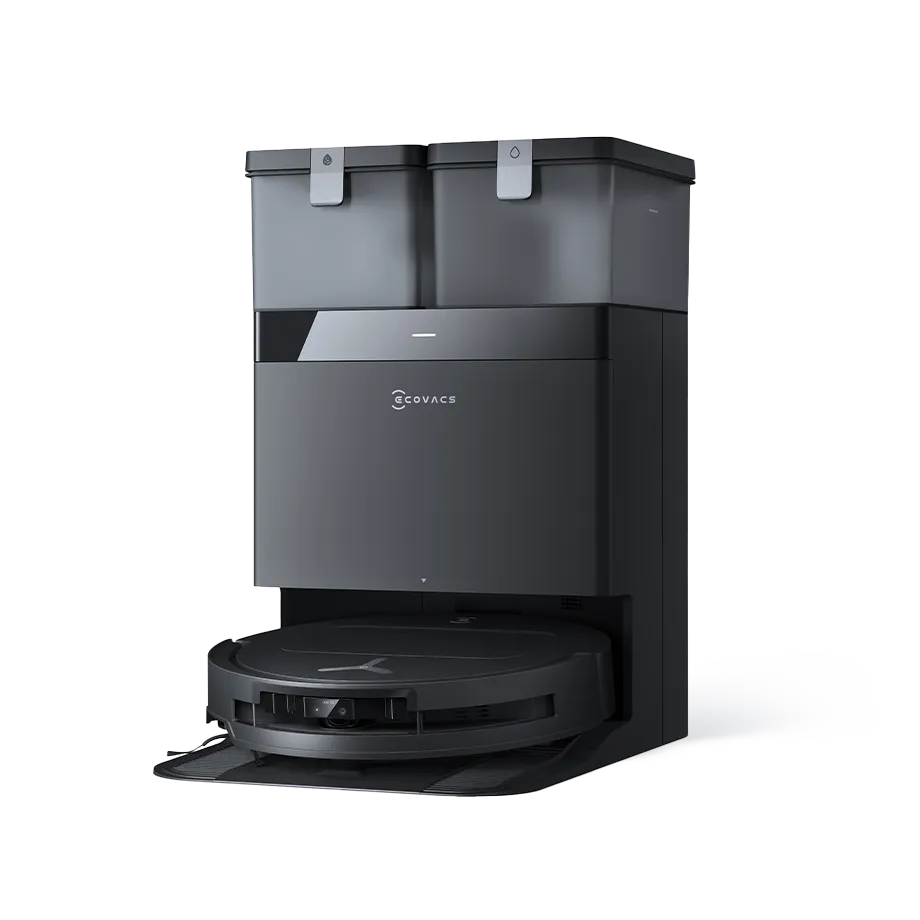
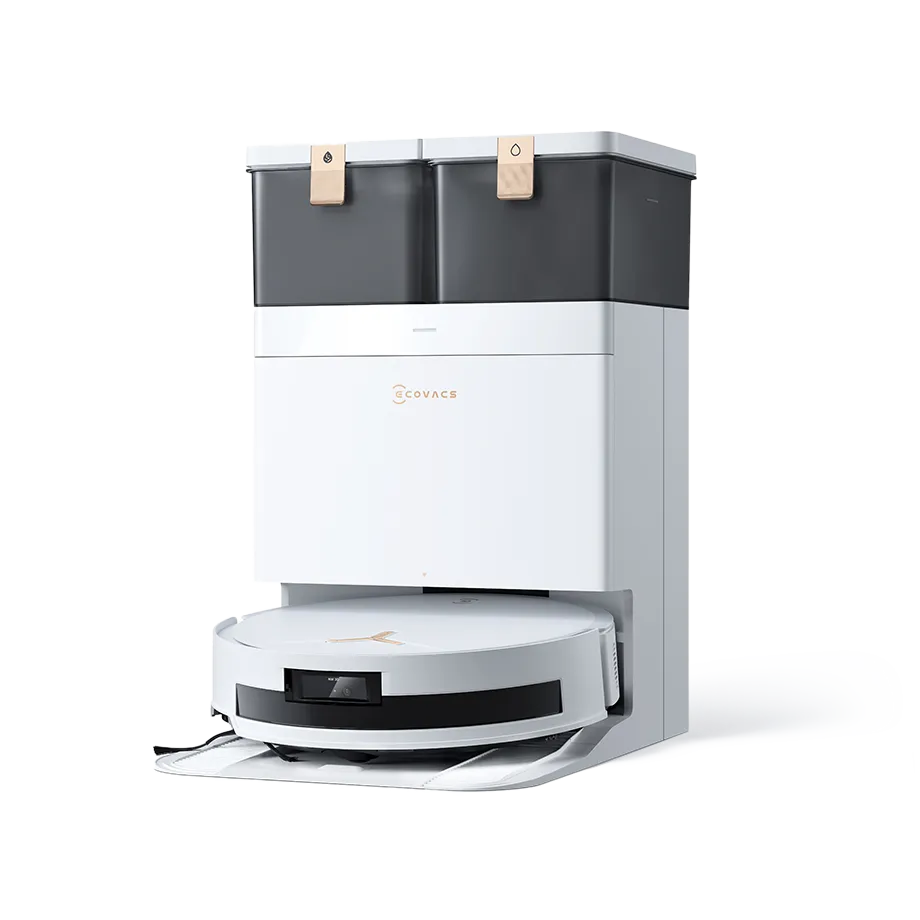
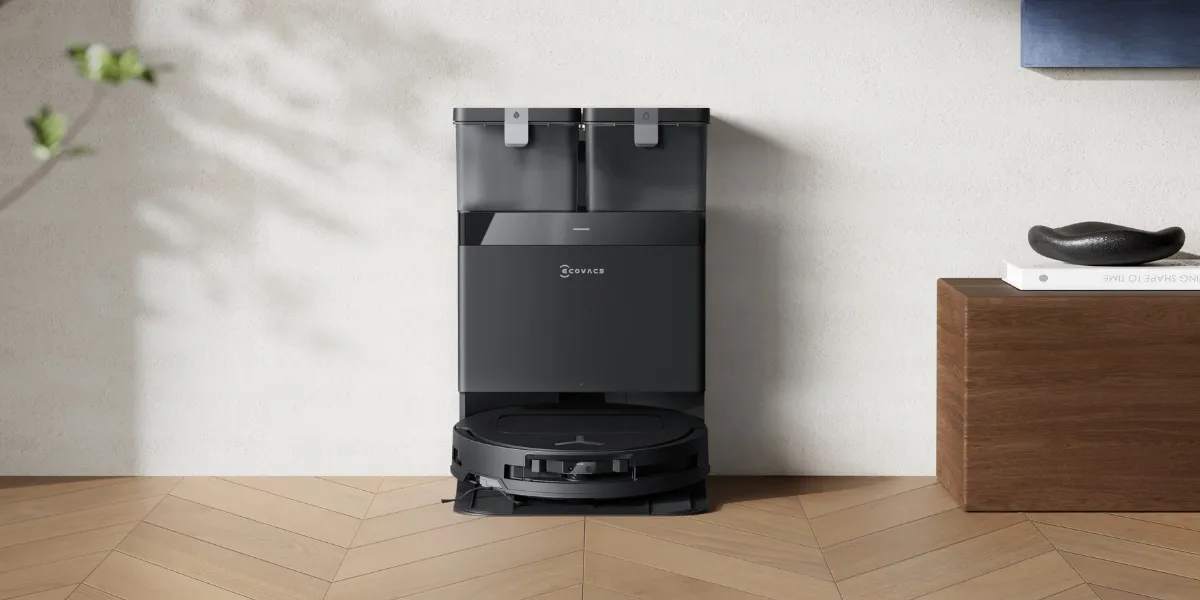
A robot vacuum with a built-in mopping function is often a smarter option. Premium models like DEEBOT robot vacuum and mops automatically clean damp floors. The exclusive OZMO ROLLER Instant Self-Washing Mopping Technology further removes small water stains and spills like cooking oil and paint while it refreshes the mop with clean water to prevent water streaks.
How to Vacuum Water Safely?
To vacuum water safely, use wet/dry vacuums exclusively for the task. Vacuuming water must be done with the right equipment and technique, or else you risk damaging your vacuum and creating serious safety hazards, including short circuits, moisture damage to internal parts, bacteria growth, and slip-and-fall accidents caused by residue.
By following these simple steps to vacuum water safely:
- Use the right vacuum: Look at the manual or specifications to confirm the vacuum is built with sealed components, waterproof filters, and a drainage system to manage liquids safely.
- Switch to wet mode: Turn off the vacuum first. Activate the wet mode or water setting to make sure the motor runs smoothly.
- Change filters & attachments: Depending on the model, you may need to replace paper or dry filters with foam or wet-use filters, and attach the specialised hose and nozzle for liquid clean-up.
- Vacuum water: Once ready, place the nozzle directly over the water and start vacuuming. Work from the outer edge toward the centre for the best results.
- Empty the tank: Stop the vacuum once it’s full. Empty the water into a proper drain or disposal container, and remember not to pour wastewater into garden beds, as it may contaminate the soil and plants.
- Watch for odd signs: During the process, pay attention to any strange noises, burning smells, or sudden drops in suction that may signal a clog or electrical issue. Stop the machine and inspect it before continuing.
- Clean after use: After finishing, rinse the tank and hose with clean water to remove residue. Let them air dry completely to prevent mould growth and corrosion.
Do DEEBOT Robot Vacuum and Mops Vacuum Water?
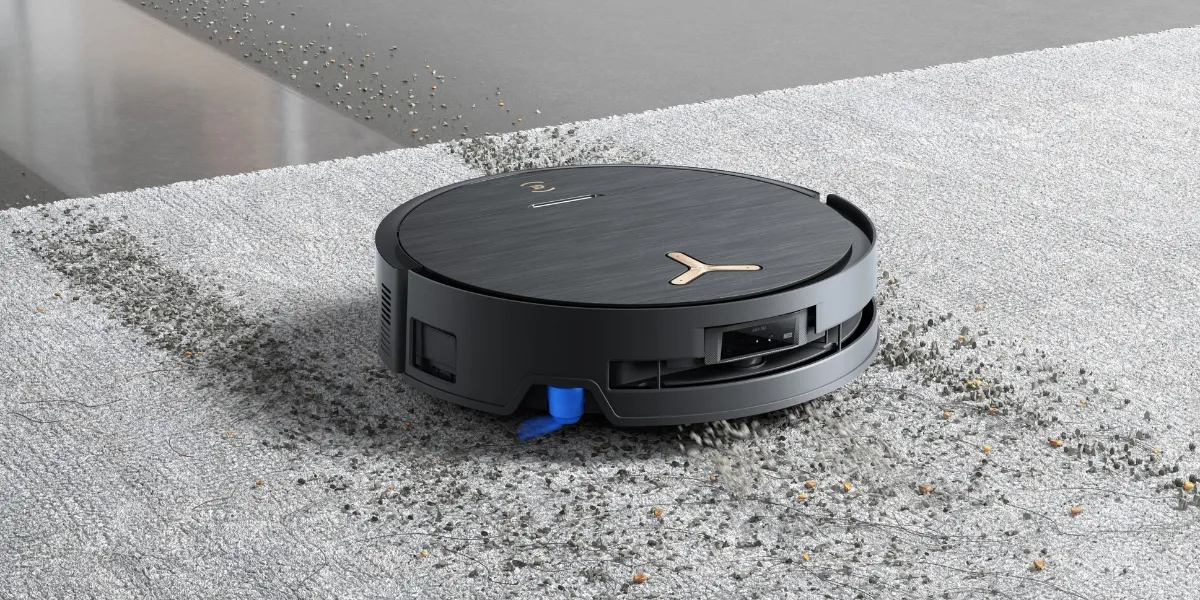
No, DEEBOT robot vacuums cannot directly vacuum standing water, but they are capable of cleaning damp floors and handling small water stains or moderate spills.
For example, the DEEBOT X8 PRO OMNI can tackle water stains, cooking oil, paint, milk and coffee using OZMO ROLLER Instant Self-Washing Mopping Technology, which scrubs at 200 rpm with 4,000Pa concentrated mopping pressure. The mop is continuously refreshed as wastewater is scraped off and replaced with clean water.
Paired with the Al Instant Re-mop, the model automatically identifies the size of the stain and repeats mopping over the area to ensure it is completely removed.
FAQ
Can I vacuum coffee spills or juice?
No, you cannot vacuum coffee spills or juice with regular vacuum cleaners, as they are not built to handle liquids; doing so can cause damage or safety risks. Instead, use a wet/dry vacuum or premium models like the DEEBOT X8 PRO OMNI, which automatically detect and mop up small amounts of spills.
Can I vacuum a wet carpet?
No, vacuuming a wet carpet is not recommended unless you're using a wet/dry vacuum or a carpet cleaner. Moisture can damage internal components in regular vacuums and lead to mold or electrical problems.
How to clean up water on the floor?
Use a mop or a wet/dry vacuum to clean up water from floors. For light spills and stains, robot vacuums with mopping like DEEBOT can effectively wipe them away.
Related Products