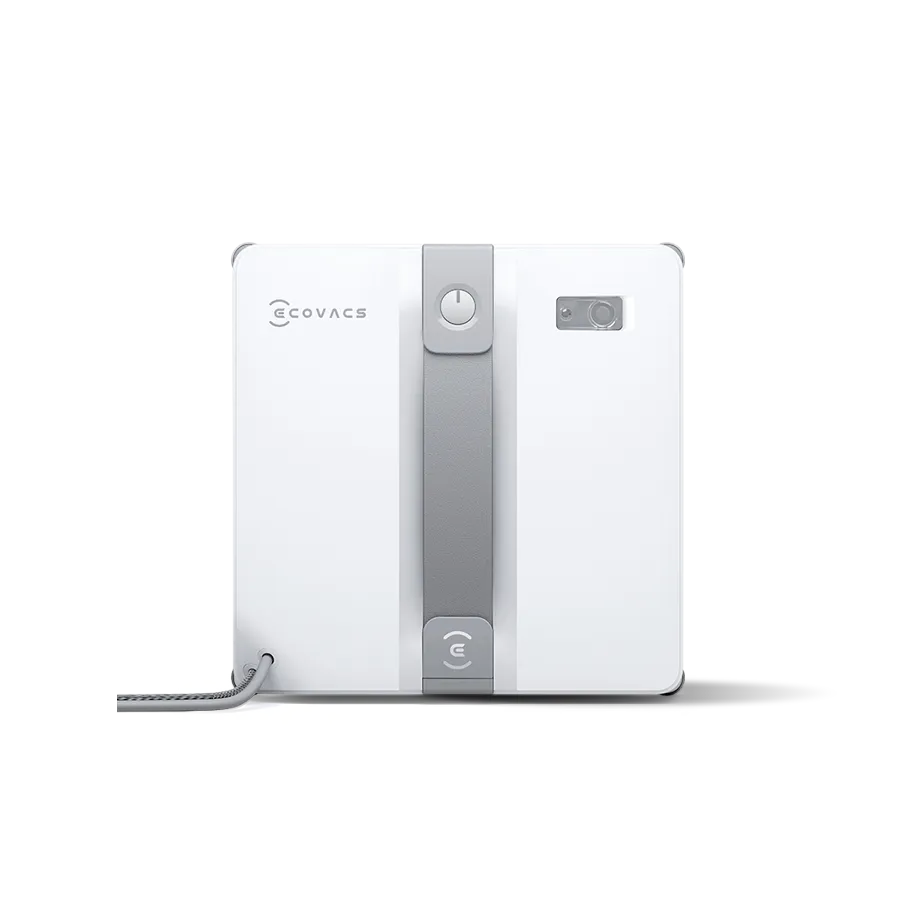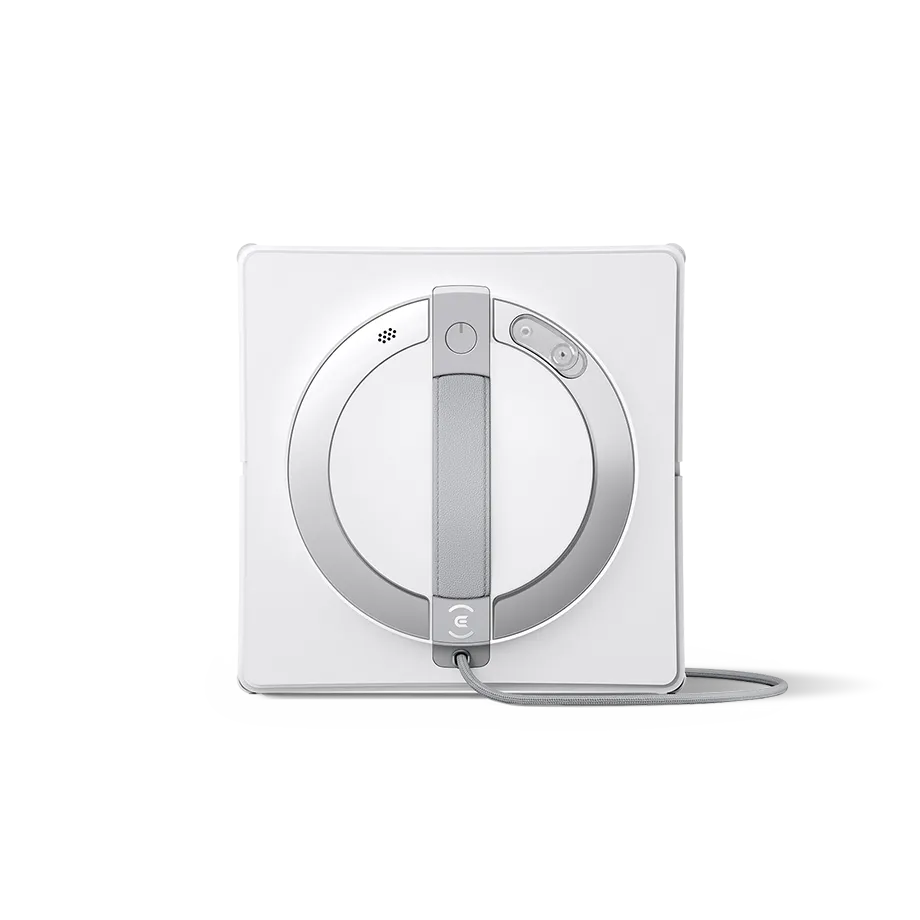
Cleaning windows with a robot is no longer a dream, and the United Kingdom Window Cleaning Robot market had a market size of £64.21 million in 2025. Before these smart tools came along, we cleaned windows using cloths or scrapers. Advancing from these time-consuming methods, window cleaning robots attach to the glass and scrub away dirt on their own while you stay safely on the ground. To pick the right model, first, we need to understand how they work.
What Is A Window Cleaning Robot?
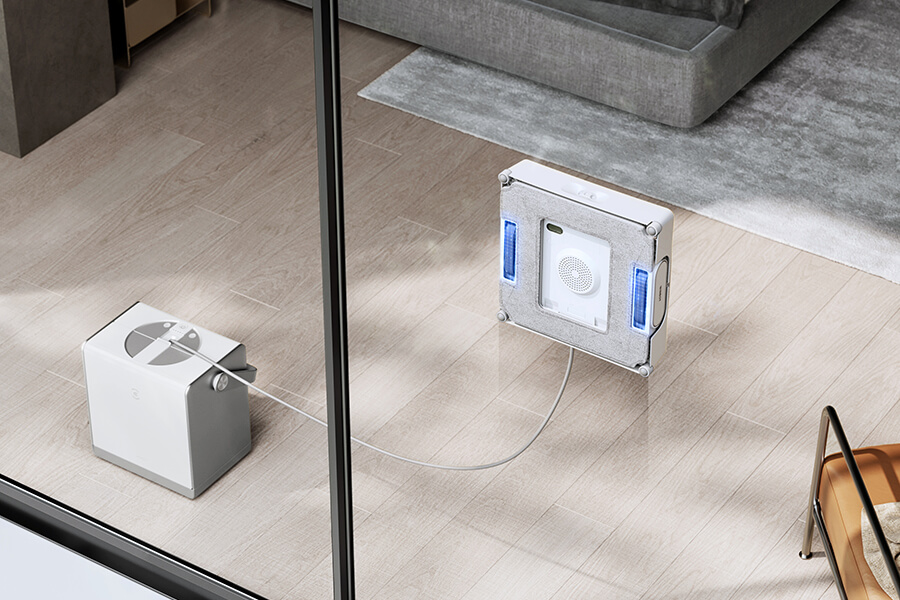
A window cleaning robot is a smart device that cleans windows and glass surfaces automatically. Once it attaches to the glass using suction or magnetic power, it moves across the surface in a set pattern, using cleaning pads and a spray feature to remove dust, fingerprints, and grime.
These household robots work best on large, flat glass areas such as shower doors, glass panels, full-height windows, or high-rise flats windows. On top of covering areas that are difficult to reach, they save manual effort and help keep your windows streak-free, lowering the risk of accidents.
How Do Robot Window Cleaners Work?
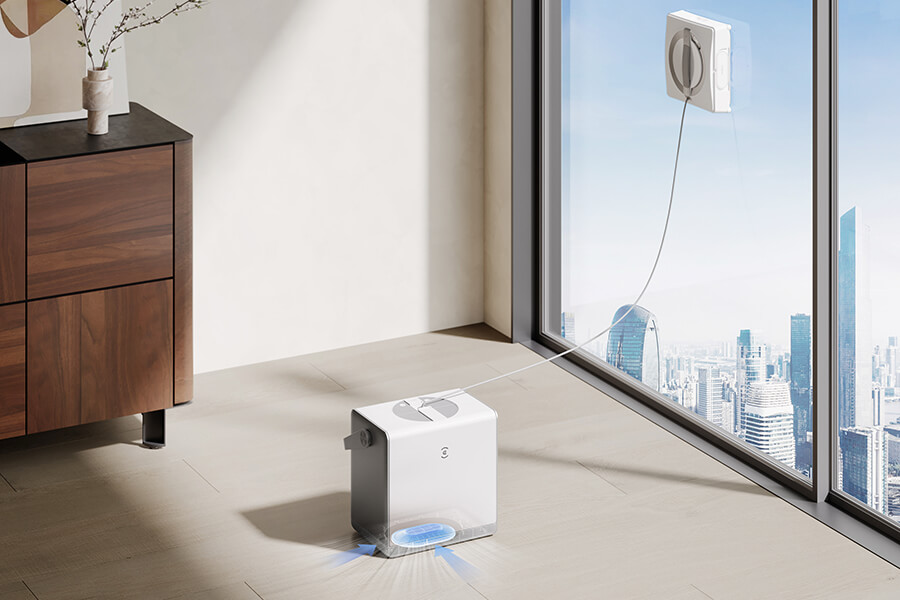
Robot window cleaners clean glass automatically using multiple advanced features, including a multi-functional station that provides strong suction for adhesion, smart path planning for navigation, an upgraded spray system with cleaning pads for a streak-free finish, and remote control through a companion app. Most importantly, their safety features help protect both the machine and your home.
Climbing System
Window cleaning robots use suction or magnetic adhesion to stay attached to the glass. For example, the OMNI station of WINBOT W2 OMNI provides 800N of suction force to prevent falls, while the Auto Air Pressure Compensation ensures 5,500Pa suction that keeps it firmly attached for over 30 minutes, even when battery levels are low. During wet wiping, the external drive wheel reduces water contact and enhances stability when climbing upward, ensuring smooth and steady movement throughout the cleaning process.
Navigation and Mapping
Built-in sensors and algorithms help robots optimise their cleaning path and avoid obstacles. The WINBOT W2 OMNI features WIN-SLAM 4.0 Intelligent Planning, boosting cleaning efficiency by 30% compared to earlier models, while its industry-first edge cleaning mode cleans along both sides of the window, improving edge coverage by 65%. To strengthen obstacle detection, the design brings the battering ram closer to the glass, allowing it to handle edges and bumps as small as 4mm.
Spray System and Mop
Window cleaning robots normally have built-in nozzles and absorbent mops or cloths. With the WINBOT W2 OMNI, its fully upgraded Three-nozzle Wide-angle Spray Atomisation Technology increases water pressure by 100% and expands spray coverage by 90%; as a result, it delivers a delicate mist without dripping, quickly softening stains and evenly wetting the cloth for a thorough clean in a single pass.
Station
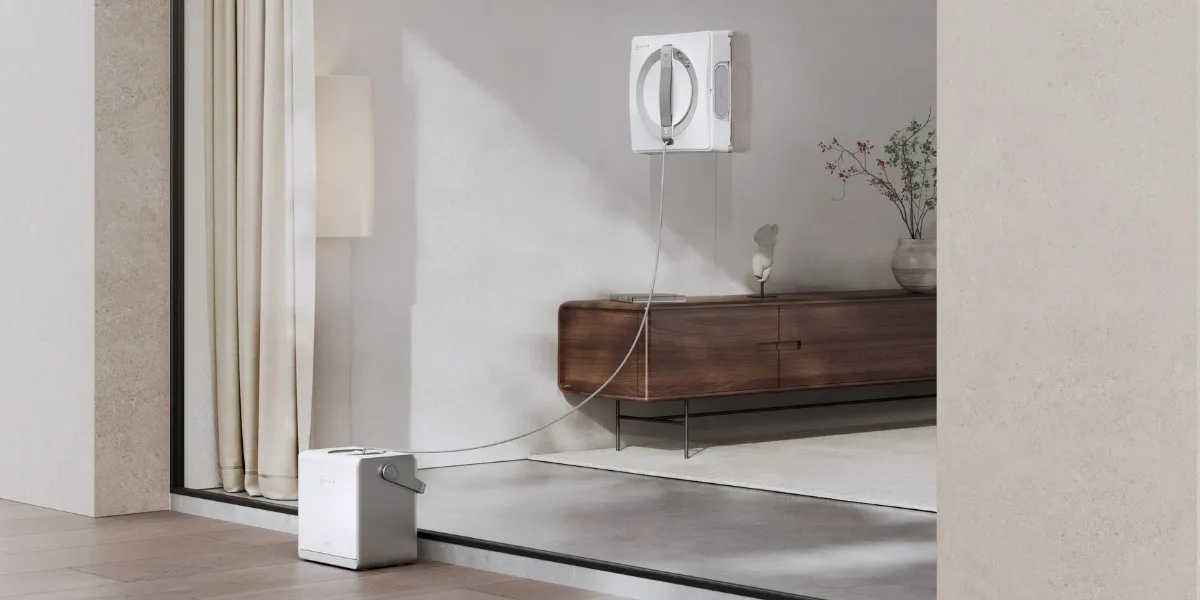
Certain models come with a base station that powers the device. Taking the WINBOT W2 OMNI as an example, its station features a high-capacity lithium battery that allows for 110 minutes of prolonged cordless use. That’s enough to clean about 55 m² of glass, making it perfect for larger windows that do not have nearby outlets.
Safety Features
Most window cleaning robots include safety mechanisms to prevent falls or damage. Premium models like the WINBOT W2 OMNI feature eight hardware-based fall protection measures, such as a self-weighted dock with suction cups and a safety rope for a secure grip, a two-in-one power cable for added protection, and a gravity sensor to maintain stability. In case of a drop, the emergency lockout system stops the machine within one meter. ECOVACS users further benefit from instant protection in the unlikely event of damage caused by suction loss.
Remote Control
Most models are paired with a companion app. The WINBOT W2 OMNI, for example, uses the ECOVACS HOME App, which lets you control the machine remotely with full 360-degree omnidirectional movement and choose preset modes like Spot Cleaning, Fast Cleaning, and Heavy-Duty Cleaning for different tasks.
What Smart Features Do Robot Window Cleaners Have?
Robot window cleaners come with a variety of smart features that keep the automated cleaning process safe and efficient, which include intelligent path planning, built-in sensors for obstacle and edge detection, an automatic spraying system, multiple cleaning modes and settings via app, voice prompts, automatic wire retraction, and anti-fall protection for added peace of mind.
Automatic Path Planning
Smart robots use intelligent path planning to map out the most efficient cleaning route. This feature analyses efficient turning and enhanced edge detection, helping to limit missed spots and shorten cleaning time. Many models follow an “N” or “Z” pattern to make sure the entire window is covered without repeating the same area unnecessarily.
Obstacle and Edge Detection Sensors
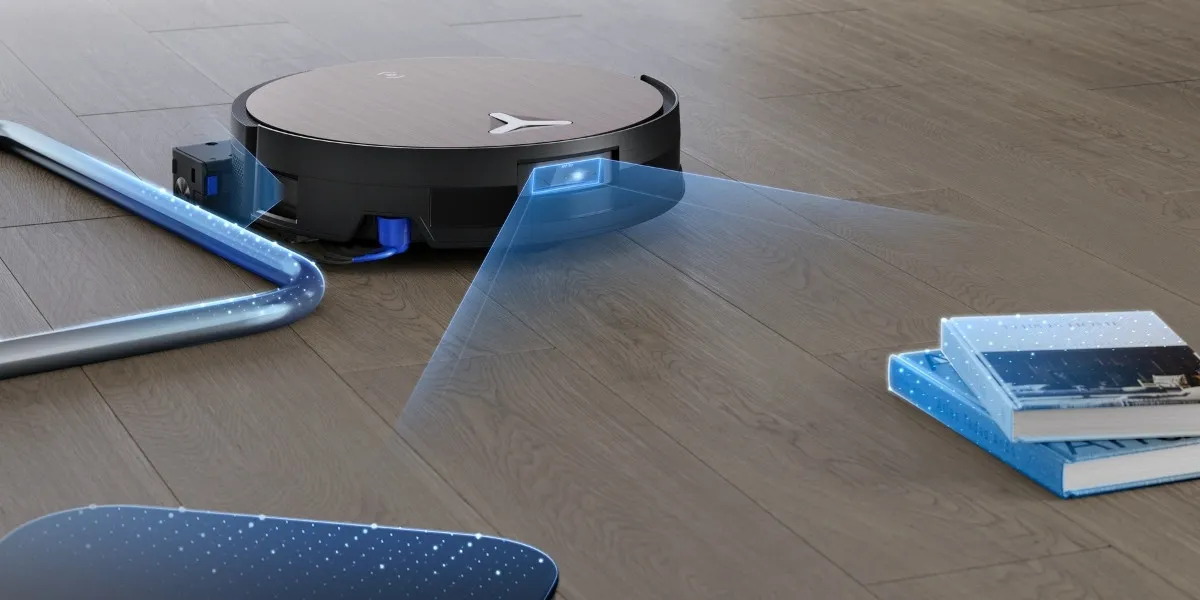
To avoid bumping into objects or slipping off the edge of the glass, advanced sensors help robots detect edges, corners, and small obstacles like window latches or frame ridges. They smoothly bypass these barriers and prevent jamming. This is particularly useful for frameless windows or those with thin frames.
Automatic Water Spraying
Loosening dirt and stains makes it easier for the pads to wipe them away; hence, many models now come with automatic spray systems. Advanced versions provide higher water pressure and a wide-angle spray design to deliver a fine mist that evenly covers the area.
Remote or App Control
Window robots paired with a mobile app let you control and monitor the device remotely. Other than starting, stopping, or switching between modes like Deep Cleaning or Heavy-Duty Cleaning, some models further offer precise 360-degree movement to spot clean specific stains.
Anti-Fall System
Anti-fall systems protect the machine from accidents during cleaning. Hardware-based features include strong suction for secure attachment, safety ropes, and an automatic lockout that stops the robot if it loses grip, and other smart technologies like gravity acceleration sensors and optocoupler sensors to detect edges and maintain stability.
Battery Backup
Not all windows have power sockets nearby; therefore, when battery levels drop during the session, the backup battery keeps the robot safely attached to the glass for a limited period, giving you time to retrieve the machine before it falls.
How to Set Up a Robot Window Cleaner?
Setting up a robot window cleaner like WINBOT requires just a few quick and easy steps before they’re ready to use. After connecting the power and turning the machine on, fill the water tank, stick the cleaning pads, and place the robot on the surface. Once set up, you can start cleaning with the press of a button or through the app.
WINBOT users can follow these steps, using the WINBOT W2 OMNI as an example.
- Connect power and power on: Press and hold the power button on the station for at least two seconds to turn on both the station and the robot. The station can run in standalone mode using its built-in battery, or when plugged into a socket.
- Fill the water tank: Use tap water to fill the tank. The maximum volume, about 60 ml, supports up to 60 minutes of spraying. In Fast Cleaning mode, one full tank can cover about 30 m².
- Attach cleaning pads: Wet the wiping pad and wring it out before attaching. Press the pad firmly onto the velcro underneath the device to make sure it stays in place.
- Place the robot properly: Set the station close to the window to prevent people or your pets from tripping over the cable. Avoid placing it on carpets or uneven surfaces that may loosen the suction cup.
- Initiate cleaning: Once the station and device are turned on, press and hold the START button for two seconds. Hold the WINBOT close to the glass. It will automatically attach and begin cleaning.
- Select a mode: Press the Mode Switching button on the station to cycle through different cleaning modes.
How to Choose the Right Robot Window Cleaners for Your Needs?
Picking the right robot window cleaner for your home relies on key factors such as your window type, safety concerns, user experience, cleaning performance, and budget. Look for models that match your home setup and cleaning habits, and remember to consider features like suction strength, app control, battery life, and built-in safety systems.
Window Type and Size
Robot window cleaners work best on large, flat, square windows; however, small, curved, or irregularly shaped panes may limit their movements. Try not to use it on oil stains, condensation, or in extreme temperatures, as this can cause malfunction.
Safety Features
Safety features are important for preventing accidents, such as the robot falling from a height or, worse, injuring someone. High-end models include multiple protection measures, such as safety ropes, gravity sensors, and edge detection.
User-Friendliness
The more user-friendly the machine is, the more likely you are to use it regularly. Look for models that support app control, voice prompts, and clear status updates, making it accessible even for older users or children. Also, check if the station has a portable design, such as an extra storage compartment and a handle in the WINBOT, and pay attention to noise levels for less disturbance.
Cleaning Performance
As its core function, check the device features that improve cleaning quality, such as water pressure, spray coverage, and pad design. Models with adjustable cleaning modes and smart planning can spot clean tough stains, saving time while leaving fewer streaks behind.
Cost
While entry-level models are more affordable, they may lack advanced controls or safety systems. Premium models, on the other hand, cost more but deliver stronger performance, better coverage, safety, control, and added convenience.
FAQ
How does a robot window cleaner leave no streaks?
To clean windows without leaving streaks, robot window cleaners use upgraded spray systems that loosen dirt and stains before wiping, and cleaning cloths with high water retention also help remove stubborn grime while preventing streaks.
How does a robotic window cleaner prevent falls?
Window cleaning robots use strong suction, safety ropes, and built-in sensors to stay attached to the glass and prevent falls. Advanced models further include edge detection and emergency lockout systems that stop the device immediately if a sudden drop is detected.
Would a robot window cleaner fall when the battery level is low?
No, most robot window cleaners have a battery backup that keeps the robot securely attached for a short time, even after the main power runs out, giving you enough time to remove it safely.
Related Products