Featured Deals
Our Top Home Service Robots
Simplify cleaning with our smart robots

New Arrival

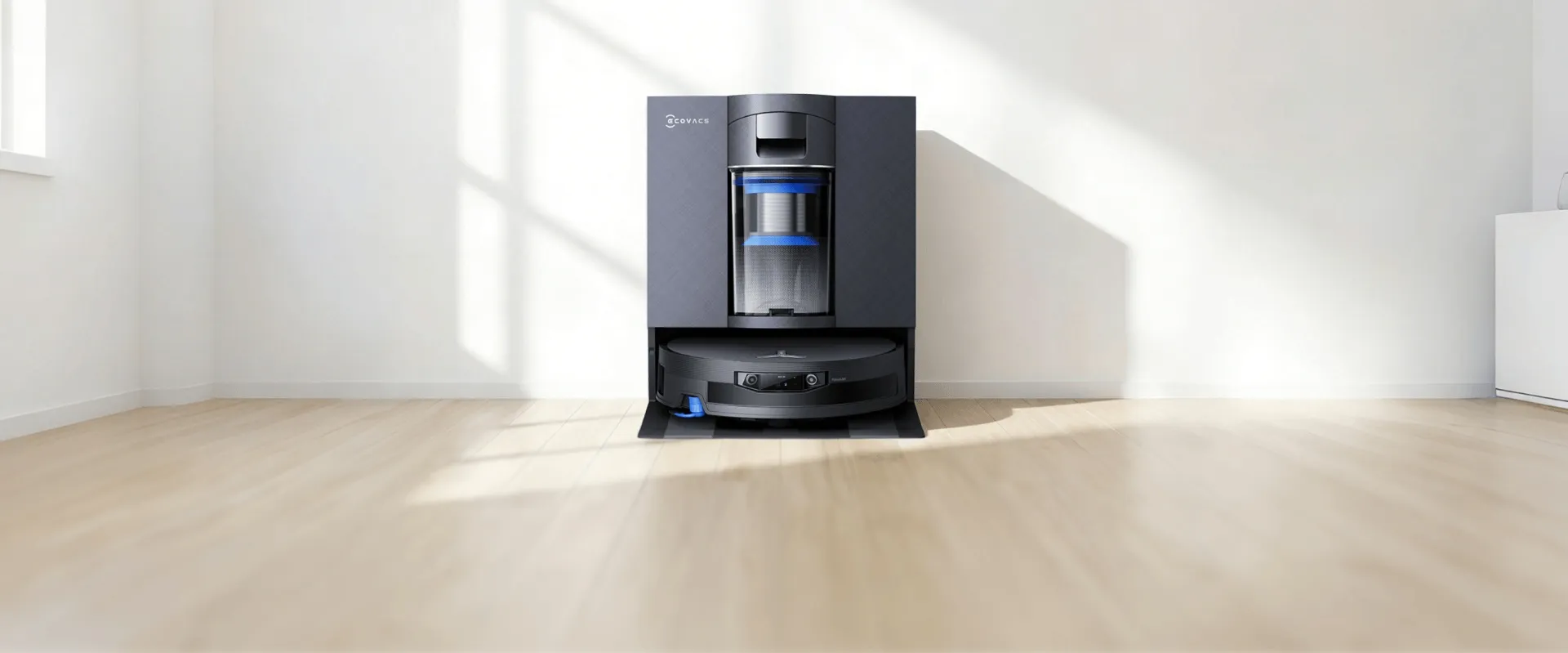
3-in-1 robot vacuum with mop (wet/dry cleaning), strong suction, fast charging with PowerBoost tech. Ideal for pet owners with anti-tangle brush.
DEEBOT X11 OmniCyclone Bagless Robot Vacuum & Mop (Strong Suction, Self-Empty, AI)
£849.00

Hot item

Automatic cleaning robot with an ultra-thin design, 10-in-1 station, 15,000 Pa powerful suction, advanced navigation, and edge cleaning system.
DEEBOT T50 PRO OMNI Robot Vacuum & Mop with LiDAR (Strong Suction, Carpet, Slim)
£399.00

Top seller

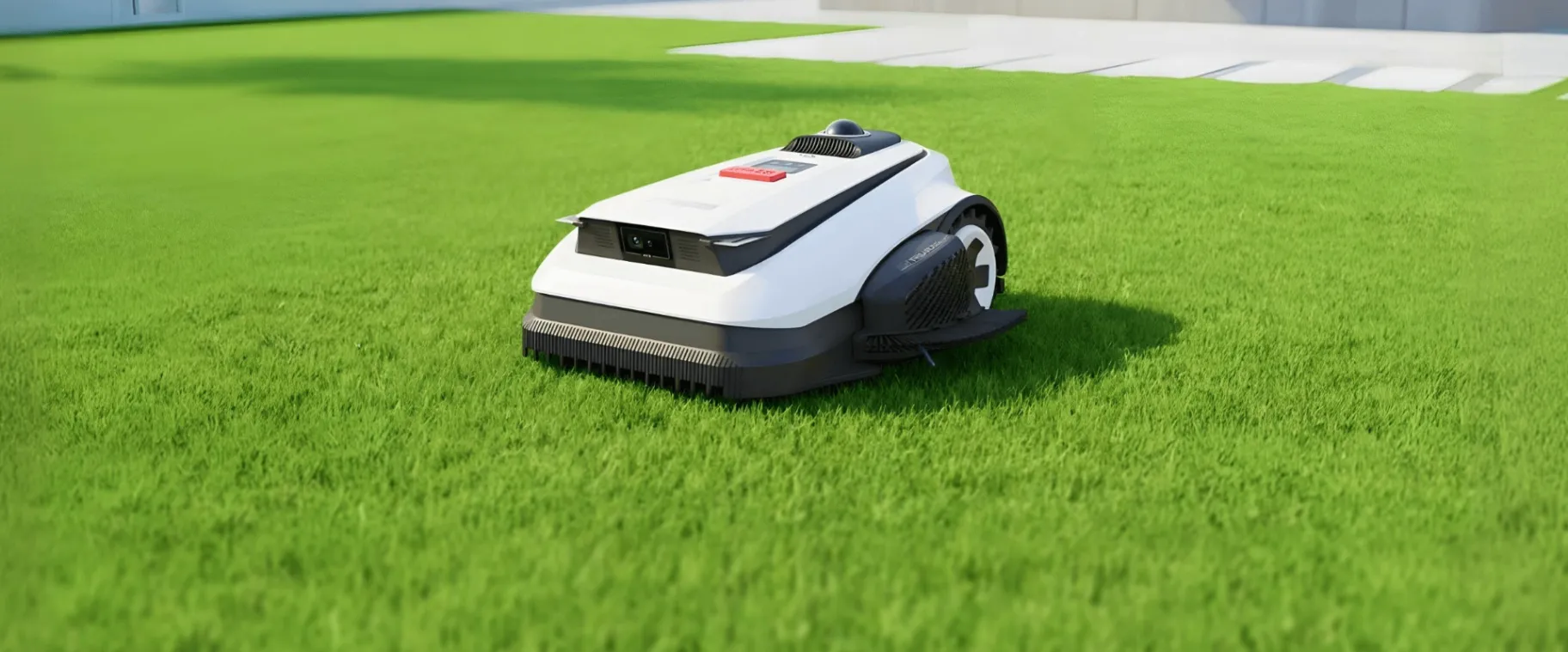
Automatic lawn mower with mapping and automated setup. Once connected, no RTK reference station is required.
GOAT O500 Panorama LiDAR Robotic Lawn Mower (500 m², Obstacle Avoidance, Camera)
£599.00

Hot item

Robotic window cleaner with flexible movement, WIN-SLAM 3.0 navigation, 9 safety features, and a compact design.
WINBOT MINI Window Cleaning Robot (Space-Saving, Ultrasonic Spray, Edge Cleaning)
£199.00
Lastest Articles
More
How to Use a Robot Vacuum To Clean A Home With Multiple Floors
The bigger, the better? When it comes to building your own home, multi-storey designs are a familiar sight in the UK , much like the terraced houses of Coronation Street in Weatherfield. Yet, the elegance of multiple floors brings a hefty downside: cleaning. Multi-level homes mean more stairs, rooms and ground to cover , turning a simple chore into a time-consuming, physically draining task. We all know a clean home is key to a healthy environment, making this challenge more pronounced. Luckily, now we have robotic vacuum cleaners to lighten the load considerably. That said, no model yet fully conquers multiple levels on its own, leaving homeowners to get creative with their cleaning strategies. Can You Use a Robot Vacuum on Multiple Floors? Yes, you can use a robot vacuum cleaner on multiple floors and surfaces because advanced models support multi-floor mapping , allowing them to recognize different levels of your home. Since they can’t climb stairs on their own, you’ll need to manually move both the robot and its station to each floor for the initial mapping. After that, you can just move the robot itself between floors for cleaning. They also adjust suction power for carpets, hardwood , and tiles floors . Time and effort? Saved. Instead of lugging a heavy vacuum around the house every other day (hello, back pain!), these smart helpers automate the chore, freeing you up for what you truly enjoy. The latest auto vacuums clean various flooring materials properly , and you can trust them to storemaps foreach floor . This lets you program custom routines per level – say, vacuuming the living room carpet in the morning and mopping the kitchen in the evening, all easily controlled from your phone . For larger homes , opting for separate robot vacuums per floor might be the ultimate solution. Best DEEBOT Robot Vacuums For Multiple Floors DEEBOT X8 PRO OMNI For multi-floor homes, DEEBOT X8 PRO OMNI delivers impeccable cleaning performance. The OZMO ROLLER Instant Self-Washing Mopping Technology removes tough stains with 200 RPM and refreshes the mop in real time using 16 water nozzles, preventing cross-floor contamination. With 18,000 Pa suction 1 and ZeroTangle 2.0 Anti-Tangle Technology , it powers through dirt and hair without clogs, from carpets in the basement to hardwood in your bedroom. Another upgraded feature is the YIKO-GPT voice assistant , which simplifies control by responding your natural language commands, even to direct specific spots on any floor. Shop DEEBOT X8 PRO OMNI Now DEEBOT T50 PRO OMNI Thanks to its AIVI 3D 3.0 OMNI-Approach Technology , DEEBOT T50 PRO OMNI is ideal for homes with multiple levels. Powered by a Vision-Language Model, this system continuously identifies obstacles , not restricted by the number of objects, and cleans tightly along edges for complete coverage. If you live with a big family, you can rely on it to quickly handling changing surroundings on any floor like running kids. TrueMapping 2.0 maps up to 100 square meters per level with dynamic updates, while TruEdge 2.0 ensures no missed corner across a variety of surfaces. Shop DEEBOT T50 PRO OMNI Now How to Use Robot Vacuum on Multiple Floors To use a robot vacuum on multiple floors, map each level and rooms, so it knows where to clean. Having Wi-Fi and docking stations on different floors and rooms is ideal. Virtual walls, no-go zones, and edge detection help control movement and prevent damage. Lastly, a lightweight model is easier to move while multiple robots add convenience. Use Robot Vacuums with Edge Detection A major concern in multi-floor homes is whether a robot vacuum might fall down stairs . Modern models like DEEBOT X8 PRO OMNI feature sophisticated cliff sensors on the bottom to prevent such incidents from occurring. When these sensors detect sudden height changes , they signal the navigation system to send the device away. Remember to keep the sensors clean , as dirt buildup could block their “vision” and a drop in accuracy . Use Virtual Walls or No-Go Zones To add an extra layer of security, take advantage of virtual barriers or no-go zones to prevent your auto vacuum from falling down stairs or entering cluttered areas . With a cutting-edge mapping system, DEEBOT users can view a 3D virtual map of each floor in their multi-level home on the ECOVACS HOME App and simply tap to set boundaries. It’s a good idea to block off cluttered or hazardous spots like broken glass, stairs or delicate rugs, without needing constant supervision. Ensure Strong Wi-Fi Coverage on All Floors Designed for indoor use, a robot vacuum relies on a Wi-Fi signal to locate itself on the map and track cleaning routes. Hence, a strong Wi-Fi signal across all floors is key for operation, no matter which level it’s on. Since weak spots or thick walls can disrupt navigation or commands, add routers or signal boosters to help extend coverage and keep your smart vacuum connected. Map Each Floor and Its Rooms In a home with multiple levels, each floor’s layout is most likely varies – living room and kitchen downstairs, bedrooms upstairs. For the best results, you’ll need a robot vacuum with mapping technology to store maps and instructions for every room. Take DEEBOT X8 PRO OMNI as an example: it uses Fully-Embedded dToF LiDAR for fast, accurate mapping and RGBD cameras for object recognition and strategic cleaning, easily meeting the mapping needs of a multi-level home. Install Docking Stations on Different Floors Save on investment by moving your robot vacuum between floors ; and install docking stations on each level is recommended so it can charge and auto-clean as needed. If the battery runs low in the middle of the session, it recharges and resumes rather than stopping abruptly . This setup also spares you from frequently carrying it up and down for recharging. Note that not all stations work this way. Some, like our OMNI Station, are designed for a single vacuum. Choose a Lightweight Robot Vacuum If you plan to use one robot vacuum across a number of floors, opt for a lightweight model to avoid back strain when carrying it up and down . As a reference, DEEBOT X8 PRO OMNI weighs 5.3kg. On top of that, a lighter vacuum also reduces floor strain. For example, smart vacuums for carpets can lift embedded particles from carpets and rugs with ease, yet heavier ones might leave tire marks after cleaning. Use a Robot Vacuum Per Floor For the ultimate hands-free convenience, assign a robot vacuum to each floor! Though pricier, this approach skips the manual task of moving the device between levels. With each unit handling its own floor, they share the workload and clean simultaneously – perfect for busy households with pets or people suffering allergies needing repeated daily cleans. Manage them all remotely via one app like ECOVACS HOMES, no hassle! How to Use DEEBOT Robot Vacuum on Multiple Floors To maximize your DEEBOT’s performance across different floors, you can set up properly before allowing it running in the house. Keep floors clear of clutter and obstacles: Before starting a cleaning session, walk around and pick up cords , pet toys or sharp objects from the floor. Check if there is enough space behind sofas and cabinets for the device to access. This helps prevent snags or damage to your furniture. Create maps for each floor: DEEBOT’s multi-floor mapping saves up to two permanent maps and one new environment map. Enable this under Map Management in the app, then move the vacuum to a mapped room—it automatically relocates, switches maps, and cleans without remapping each time. Set virtual boundaries: Review the virtual map and preset no-go zones in the house, like staircases or a play area full of LEGOs, to keep DEEBOT from entering. Schedule cleaning per floor: Since cleaning all levels can be demanding and time-consuming, it is better to set distinct schedules for each via the app; say, bedrooms in the morning after waking up, and the kitchen in the evening after dinner. Tailor the sessions to fit your lifestyle. FAQ Can you move robot vacuum to different floors? If you wonder whether you can use a robot vacuum upstairs and downstairs, yes! Lightweight models like DEEBOT X8 PRO OMNI (only at 5.3kg), make moving between floors relatively painless. Do robot vacuums clean multiple rooms? Yes, auto vacuums can clean multiple rooms. They use sensors and mapping technology to navigate and learn room layouts, ensuring they systematically clean each area before moving to the next, all within a single run. Which robot vacuum can map multiple floors? Robot vacuums with sophisticated mapping technology, sensors, and cameras are efficient at mapping multiple floors. DEEBOT X8 PRO OMNI, for instance, uses Fully-Embedded dToF LiDAR for quick, accurate mapping. When paired with AI, it refines these maps and adjusts cleaning strategies for various levels and surfaces. #ij1m7{color:#3498db;}#if9oi{color:#3498db;}#ix1fq{color:#3498db;}#ikper{color:#3498db;}#ib7jq{color:#3498db;}.btn.btn-primary.w-100{margin:10px 0 45px 0;padding:8px 16px 8px 16px;font-size:20px;line-height:30px;background-color:rgb(33, 79, 159);border:1px solid rgb(14, 43, 82);} Disclaimer(s): 18,000Pa: This data comes from ECOVACS laboratory. The suction power of DEEBOT X8PRO OMNIcan reach 18,000Pa. 6 minutes:The result is based on internal laboratory test, and may not fully represent the exact performance of our products in all scenarios. It is essential to recognise that real-world performance can be influenced by various external factors, such as environmental conditions, usage patterns, etc. Consumers are encouraged to consider these variables and make informed decisions based on their specific needs. 300 minutes: The DEEBOT N20 PRO PLUS features an upgraded 5,200mAh battery, giving it a maximum runtime of 300 minutes on a single charge while sweeping on silent mode on hard floors.
Read More

Can You Use a Robot Lawn Mower on a Small Lawn?
In the UK, garden sizes vary significantly, with small gardens often ranging from 30 to 200 m² in urban areas like London, or up to 500 to 800 m² in suburban regions. What counts as a 'small garden' depends on whether you live in a dense city or a more spacious suburb. Many people assume robot lawn mowers are only made for large, open lawns. The truth is a robot lawn mower with the right features can work just as effectively in limited outdoor areas. Can You Use a Robot Lawn Mower on a Small Lawn? Yes, robot lawn mowers work well on small lawns, particularly the ones with a compact design and precise navigation. With smart mapping, real-time obstacle avoidance, and full app control , they can mow automatically in tight spaces. Just make sure your mower can maneuver around odd corners or uneven edges that some mowers might miss. It’s a good idea to learn the common challenges when mowing small lawns: ● Cutting Width: Small yards often have narrow areas; a mower with a wide cutting width may struggle with tight corners and paths. ● Mowing Area: Some yards are divided into multiple zones; switching areas can be tricky if the mower does not support multi-zone mapping or requires manual relocation. ● Obstacles in Proximity: Chairs, flowerpots, or trees placed close together may cause the mower to get stuck. ● Edge Trimming: Small lawns generally have more edges relative to their size, and their proximity to obstacles can make it difficult for the mower to reach. ● Boundary Limitations: If using boundary wires, setup can be more difficult in smaller or awkwardly shaped areas. ● Storage Space: Robot mowers need easy access to the garden, and larger models may take up more space than needed. ● Uneven Surfaces or Steep Drops: Steep steps, curbs, or slopes can block mowers or cause them to stop mid-session. Why Do You Need Robot Mowers for Small Yards? A robot lawn mower for small lawn care isn’t just about convenience; it saves time and energy while keeping your outdoor space healthy and trimmed with consistent cuts. In contrast to traditional mowers that are often too bulky for tiny gardens, these smart models are slimmer and run much more quietly. Unlike petrol-powered options like ride-on mowers , the best robot lawn mower for small gardens runs on a battery, so it operates more quietly and eco-friendly , and produces noise and fumes. It automatically trims based on the preset schedule , which encourages stronger grass and better mulching of clippings. The real win? You can program and manage it from your phone while you focus on other important things. 2 Best GOAT Robot Lawn Mowers for Small Lawns GOAT O800 RTK The GOAT O800 RTK can easily run along narrow paths as tight as 0.7m 1 . It can also climb slopes up to 24°, thanks to its 18V energy platform. The wire-free setup takes just 15 minutes, making it great for small yards without complicated installation. For storage, you can simply tuck this compact model away outdoors, as it is built to withstand all weather conditions with its IPX6 waterproof rating . Shop GOAT O800 RTK Now GOAT O500 Panorama With its LiDAR-enhanced RTK navigation , the GOAT O500 Panorama can receive signals from up to 45 satellites. Together with AIVI 3D obstacle avoidance , you won't need to worry about the mower bumping into outdoor furniture, plants, or even small animals. Simply go to the ECOVACS HOME app to customize cutting height and speed, schedule mowing sessions, and set no-go zones if needed. Shop GOAT O500 Panorama Now How to Choose the Best Robot Mower for Small Gardens? Picking the best robot lawn mower for small garden care means focusing on features that match your yard’s needs, whether it’s an awkward corner, a sharp incline, or frequent visits from wildlife like hedgehogs. The right model saves you time and effort, ensures full coverage, and promotes healthier lawn care . Compact Design It’s straightforward: a smaller mower is easier to store and access narrow areas in tiny yards. Look for wire-free options that automatically detect boundaries and map without physical wires, which is much more convenient since traditional wires can be hard to install. Narrow Path & Edge Cutting A mower with a slim cutting width can better handle tight corners and confined walkways . Models with edge-cutting modes also improve accuracy when distinguishing grass from other surfaces, giving a neater edge trim and limiting the risk of damage. Lawn Size Since the definition of a “small lawn” varies, it’s vital to make sure the mower suits your lawn’s size . On top of battery life, which tells you how long it can run per charge, a robot lawn mower for small lawns should also feature smart path planning tailored for limited outdoor areas. Smart Navigation and Obstacle Avoidance Smart navigation is valuable when trees, garden furniture, or potted plants are scattered around your little garden. For instance, GOAT’s AIVI 3D Obstacle Avoidance uses AI Vision and 3D-ToF LiDAR to detect objects in real time and help the mower adjust its route accordingly. Slope Climbing Depending on the landscape of your area, even a small yard may have uneven ground or sharp inclines. If yours does, check the mower’s slope rating to confirm it can climb the gradients and give those areas an even trim. App Control App features let you schedule mowing times, adjust cutting height, or divide the lawn into separate zones . For small lawns with multiple patches or shared courtyards, this adds flexibility and convenience. Safety & Security Pay attention to safety measures like sensors that stop the blades as soon as the mower is lifted or tipped, which helps protect pets and kids. In case of sudden rain, rain sensors can pause the session automatically, while waterproofing like IPX6 ratings in GOAT mowers helps it withstand all weather if stored outside. Quiet Operation Small yards are often close to your home or neighbours. A quiet mower like the GOAT O800 RTK, which runs at 57 dBA, keeps the noise level low so you can schedule mowing any time without disturbing family or nearby residents. FAQ Is it worth buying a robot mower for a small garden? Yes, a robot mower is worth the investment for a small lawn if you want to save time and reduce physical effort. It keeps your grass well-trimmed with minimal labor. How do you install a robot mower in a small yard? To install a robot mower, first find a spot with access to an electrical outlet for the station. Then, for wire-based models, lay boundary wires around the area. Advanced models like GOAT mowers skip this step by creating virtual maps once connected to the ECOVACS HOME app. What is considered a small lawn for a robot mower? Depending on where you live in the UK, a small lawn can range from 500 to 800 m². That’s why it’s important to check the robot mower’s coverage specifications to make sure it fits your yard. #ic5j{color:#3498db;}#i9e3s{color:#3498db;}#iidjk3{color:#3498db;}#ilapx1{color:#3498db;}#ii8qqh{color:#3498db;}.btn.btn-primary.w-100{margin:10px 0 45px 0;padding:7px 12px 7px 12px;} Disclaimer(s): 0.7m : refers to the experimental result operated by ECOVACS Laboratory, that ECOVACS GOAT O Family is able to go through the path as narrow as 0.7m . Actual result may vary depending on factors such as grass type, lawn size, terrain, and other environmental conditions.
Read More

How Do Robot Window Cleaners Work to Keep Your Windows Spotless?
Cleaning windows with a robot is no longer a dream, and the United Kingdom Window Cleaning Robot market had a market size of £64.21 million in 2025. Before these smart tools came along, we cleaned windows using cloths or scrapers. Advancing from these time-consuming methods, window cleaning robots attach to the glass and scrub away dirt on their own while you stay safely on the ground. To pick the right model, first, we need to understand how they work. What Is A Window Cleaning Robot? A window cleaning robot is a smart device that cleans windows and glass surfaces automatically . Once it attaches to the glass using suction or magnetic power, it moves across the surface in a set pattern, using cleaning pads and a spray feature to remove dust, fingerprints, and grime. These household robots work best on large, flat glass areas such as shower doors , glass panels, full-height windows , or high-rise flats windows . On top of covering areas that are difficult to reach, they save manual effort and help keep your windows streak-free, lowering the risk of accidents. How Do Robot Window Cleaners Work? Robot window cleaners clean glass automatically using multiple advanced features , including a multi-functional station that provides strong suction for adhesion, smart path planning for navigation, an upgraded spray system with cleaning pads for a streak-free finish, and remote control through a companion app. Most importantly, their safety features help protect both the machine and your home . Climbing System Window cleaning robots use suction or magnetic adhesion to stay attached to the glass. For example, the OMNI station of WINBOT W2 OMNI provides 800N of suction force to prevent falls, while the Auto Air Pressure Compensation ensures 5,500Pa suction that keeps it firmly attached for over 30 minutes, even when battery levels are low. During wet wiping, the external drive wheel reduces water contact and enhances stability when climbing upward, ensuring smooth and steady movement throughout the cleaning process. Navigation and Mapping Built-in sensors and algorithms help robots optimise their cleaning path and avoid obstacles. The WINBOT W2OMNI features WIN-SLAM 4.0 Intelligent Planning , boosting cleaning efficiency by 30% compared to earlier models, while its industry-first edge cleaning mode cleans along both sides of the window, improving edge coverage by 65%. To strengthen obstacle detection, the design brings the battering ram closer to the glass, allowing it to handle edges and bumps as small as 4mm . Spray System and Mop Window cleaning robots normally have built-in nozzles and absorbent mops or cloths. With the WINBOT W2OMNI, its fully upgraded Three-nozzle Wide-angle Spray Atomisation Technology increases water pressure by 100% and expands spray coverage by 90%; as a result, it delivers a delicate mist without dripping, quickly softening stains and evenly wetting the cloth for a thorough clean in a single pass . Station Certain models come with a base station that powers the device . Taking the WINBOT W2OMNI as an example, its station features a high-capacity lithium battery that allows for 110 minutes of prolonged cordless use . That’s enough to clean about 55 m² of glass, making it perfect for larger windows that do not have nearby outlets. Safety Features Most window cleaning robots include safety mechanisms to prevent falls or damage. Premium models like the WINBOT W2 OMNI feature eight hardware-based fall protection measures, such as a self-weighted dock with suction cups and a safety rope for a secure grip, a two-in-one power cable for added protection, and a gravity sensor to maintain stability. In case of a drop, the emergency lockout system stops the machine within one meter. ECOVACS users further benefit from instant protection in the unlikely event of damage caused by suction loss. Remote Control Most models are paired with a companion app. The WINBOT W2OMNI, for example, uses the ECOVACS HOME App , which lets you control the machine remotely with full 360-degree omnidirectional movement and choose preset modes like Spot Cleaning, Fast Cleaning, and Heavy-Duty Cleaning for different tasks. What Smart Features Do Robot Window Cleaners Have? Robot window cleaners come with a variety of smart features that keep the automated cleaning process safe and efficient , which include intelligent path planning, built-in sensors for obstacle and edge detection, an automatic spraying system, multiple cleaning modes and settings via app, voice prompts, automatic wire retraction, and anti-fall protection for added peace of mind . Automatic Path Planning Smart robots use intelligent path planning to map out the most efficient cleaning route. This feature analyses efficient turning and enhanced edge detection , helping to limit missed spots and shorten cleaning time. Many models follow an “N” or “Z” pattern to make sure the entire window is covered without repeating the same area unnecessarily. Obstacle and Edge Detection Sensors To avoid bumping into objects or slipping off the edge of the glass, advanced sensors help robots detect edges, corners, and small obstacles like window latches or frame ridges. They smoothly bypass these barriers and prevent jamming . This is particularly useful for frameless windows or those with thin frames. Automatic Water Spraying Loosening dirt and stains makes it easier for the pads to wipe them away; hence, many models now come with automatic spray systems. Advanced versions provide higher water pressure and a wide-angle spray design to deliver a fine mist that evenly covers the area. Remote or App Control Window robots paired with a mobile app let you control and monitor the device remotely. Other than starting, stopping, or switching between modes like Deep Cleaning or Heavy-Duty Cleaning, some models further offer precise 360-degree movement to spot clean specific stains . Anti-Fall System Anti-fall systems protect the machine from accidents during cleaning. Hardware-based features include strong suction for secure attachment, safety ropes, and an automatic lockout that stops the robot if it loses grip, and other smart technologies like gravity acceleration sensors and optocoupler sensors to detect edges and maintain stability. Battery Backup Not all windows have power sockets nearby; therefore, when battery levels drop during the session, the backup battery keeps the robot safely attached to the glass for a limited period, giving you time to retrieve the machine before it falls. How to Set Up a Robot Window Cleaner? Setting up a robot window cleaner like WINBOT requires just a few quick and easy steps before they’re ready to use. After connecting the power and turning the machine on, fill the water tank, stick the cleaning pads, and place the robot on the surface. Once set up, you can start cleaning with the press of a button or through the app. WINBOT users can follow these steps, using the WINBOT W2OMNI as an example. Connect power and power on: Press and hold the power button on the station for at least two seconds to turn on both the station and the robot. The station can run in standalone mode using its built-in battery, or when plugged into a socket. Fill the water tank: Use tap water to fill the tank. The maximum volume, about 60 ml, supports up to 60 minutes of spraying. In Fast Cleaning mode, one full tank can cover about 30 m². Attach cleaning pads: Wet the wiping pad and wring it out before attaching. Press the pad firmly onto the velcro underneath the device to make sure it stays in place. Place the robot properly: Set the station close to the window to prevent people or your pets from tripping over the cable. Avoid placing it on carpets or uneven surfaces that may loosen the suction cup. Initiate cleaning: Once the station and device are turned on, press and hold the START button for two seconds. Hold the WINBOT close to the glass. It will automatically attach and begin cleaning. Select a mode: Press the Mode Switching button on the station to cycle through different cleaning modes. How to Choose the Right Robot Window Cleaners for Your Needs? Picking the right robot window cleaner for your home relies on key factors such as your window type, safety concerns, user experience, cleaning performance, and budget. Look for models that match your home setup and cleaning habits, and remember to consider features like suction strength, app control, battery life, and built-in safety systems. Window Type and Size Robot window cleaners work best on large, flat, square windows; however, small, curved, or irregularly shaped panes may limit their movements . Try not to use it on oil stains, condensation, or in extreme temperatures, as this can cause malfunction. Safety Features Safety features are important for preventing accidents , such as the robot falling from a height or, worse, injuring someone. High-end models include multiple protection measures , such as safety ropes, gravity sensors, and edge detection. User-Friendliness The more user-friendly the machine is, the more likely you are to use it regularly . Look for models that support app control, voice prompts , and clear status updates, making it accessible even for older users or children. Also, check if the station has a portable design , such as an extra storage compartment and a handle in the WINBOT, and pay attention to noise levels for less disturbance. Cleaning Performance As its core function, check the device features that improve cleaning quality, such as water pressure, spray coverage, and pad design . Models with adjustable cleaning modes and smart planning can spot clean tough stains, saving time while leaving fewer streaks behind. Cost While entry-level models are more affordable, they may lack advanced controls or safety systems . Premium models, on the other hand, cost more but deliver stronger performance, better coverage, safety, control, and added convenience. FAQ How does a robot window cleaner leave no streaks? To clean windows without leaving streaks , robot window cleaners use upgraded spray systems that loosen dirt and stains before wiping, and cleaning cloths with high water retention also help remove stubborn grime while preventing streaks. How does a robotic window cleaner prevent falls? Window cleaning robots use strong suction, safety ropes, and built-in sensors to stay attached to the glass and prevent falls. Advanced models further include edge detection and emergency lockout systems that stop the device immediately if a sudden drop is detected. Would a robot window cleaner fall when the battery level is low? No, most robot window cleaners have a battery backup that keeps the robot securely attached for a short time, even after the main power runs out, giving you enough time to remove it safely.
Read More
Awards & Our Promise
Why buy at ECOVACS


Return and Exchange
30-Day Return Policy
Keep In Touch
Keep in Touch!
Subscribe to our email newsletter and be first to know about deals, new products, and more. I know I can unsubscribe.
Get Social With Us!
Connect with us via our socials and meet the ECOVACS community.
DOWNLOAD OUR APP