As a staple in Mediterranean and Spanish Colonial home design, tile floors are among the most popular choices in the UK. Typically, you’ll find them in kitchens, bathrooms, and hallways, made from materials ranging from ceramic, porcelain, to natural stone.
While tile floors stay cool underfoot and contain good resistance against stains and moisture, they need regular maintenance to stay clean and safe. Mopping keeps grime and bacteria from settling into grout lines and preserves the shine of the tiles, yet many homeowners wonder how often they should mop tile floors, and what’s the right way to do it?
How Often Should You Mop Tile Floors?
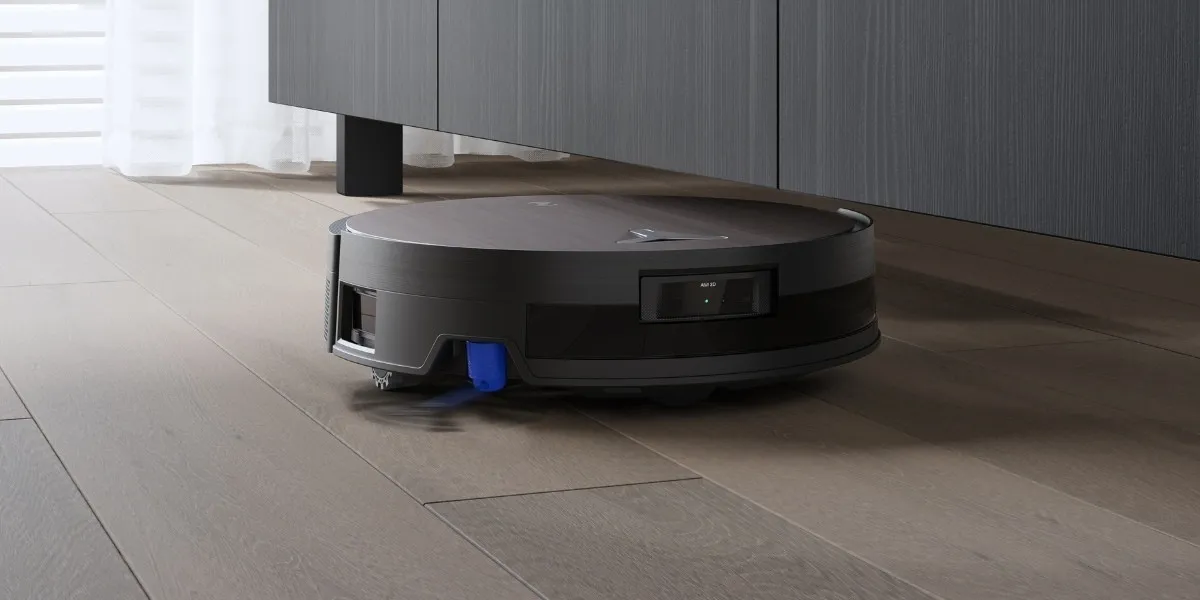
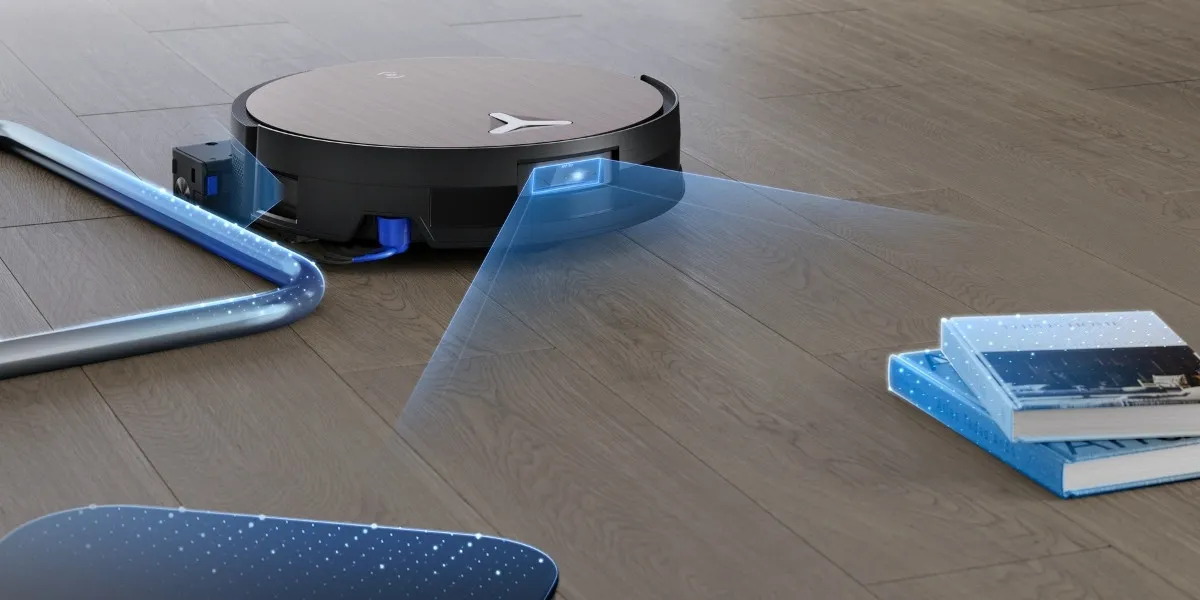
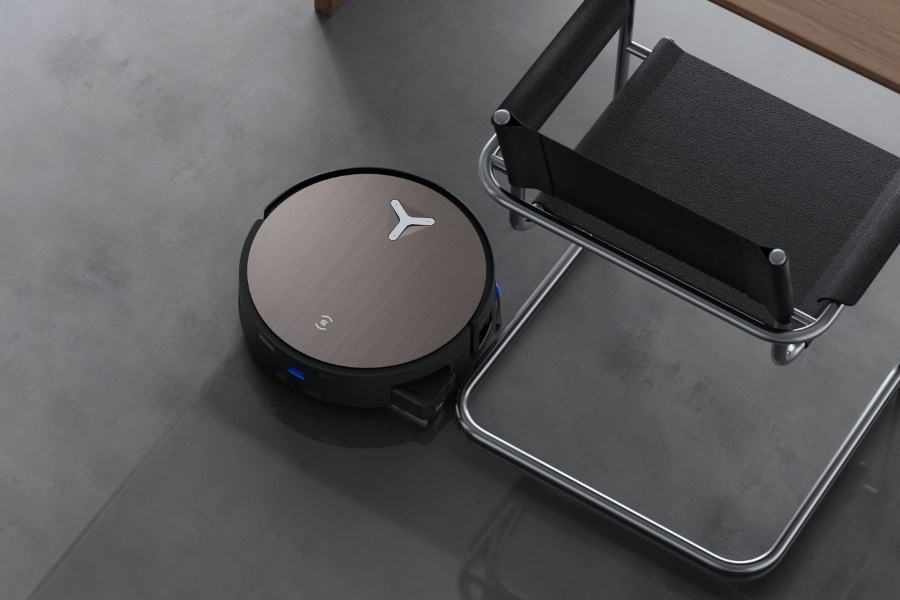
Tile floors should be mopped once or twice a week to keep them clean and hygienic. High-traffic areas like kitchens, bathrooms, and hallways may need more frequent cleaning to prevent grime buildup, so do households with pets or located in humid regions. A robot vacuum and mop automate this routine and help you maintain spotless floors effortlessly.
When deciding how often to mop floors, consider these factors:
- Foot Traffic: High-traffic areas like living rooms and hallways should be mopped two to three times a week, while low-traffic areas can be cleaned weekly.
- Family Size and Allergies: A big family with kids can create more dust at home, thus needing mopping two to three times weekly to reduce dust and allergens.
- Pet Ownership: Pet hair, cat litter and spills mean tile floors may need mopping every two to three days.
- Room Function: Kitchens and bathrooms require more frequent cleaning due to grease, spills, and humidity, much like how often you should mop hardwood floors.
- Lifestyle and Habits: “Shoes-on” households or those that live near homes near gardens or parks should increase mopping frequency.
- Environmental and Seasonal Changes: During wet, rainy, or snowy seasons, such as the UK’s wet winters, mud and moisture are easily tracked indoors and require more often mopping to keep the tile floors dry and safe.
- Tile and Grout Type: Ceramic and porcelain tiles are low-maintenance, but natural stone like marble are prone to discolouration. Unsealed grout requires cleaning at least every two weeks.
On top of setting a mopping schedule, you should mop tile floors when noticing signs like dull or faded tiles, sticky spots, or dusty corners. Grout looking darker than usual or allergies acting up also means it’s time to refresh your tile floors.
Read more: How to Clean Marble Floors?
How Often Should Pet Owners Mop Tile Floors?
If you have pets, you should mop tile floors two to three times per week, or even daily if your furry friend is long-haired or during shedding season. This helps manage pet hair and muddy dog paws that can easily dull tiles or build up in grout lines.
It’s common to face high volumes of fur, drool, and dirt in areas like feeding zones. For best results, supplement mopping with daily vacuuming to remove loose fur and pet dander, and use a pet-safe cleaning solution to minimise risks to your four-legged friends.
Read more: How to Clean & Mop Travertine Floors?
How to Mop Tile Floors Properly?
If you wonder how to mop tile floors properly, always start with a clean surface by sweeping or vacuuming first to remove dust and grit. Then, select the correct water level and prepare a gentle, pH-neutral cleaner. Keep refreshing your mop water during the process, and dry the floor right after cleaning to avoid streaks.
1. Vacuum Before Mopping
Vacuum before mopping to get rid of obvious debris like sand that could scratch the tile glaze. Even small debris can dull polished surfaces, particularly on natural stones. A robot vacuum and mop combo automatically removes loose dust from grout lines and corners while mopping tile floors, saving you from this prep.
2. Watch the Moisture Level
Tiles are highly water-resistant, but excess water can seep into the grout and adhesive layer. Use minimal water and adjust levels for safety concerns.
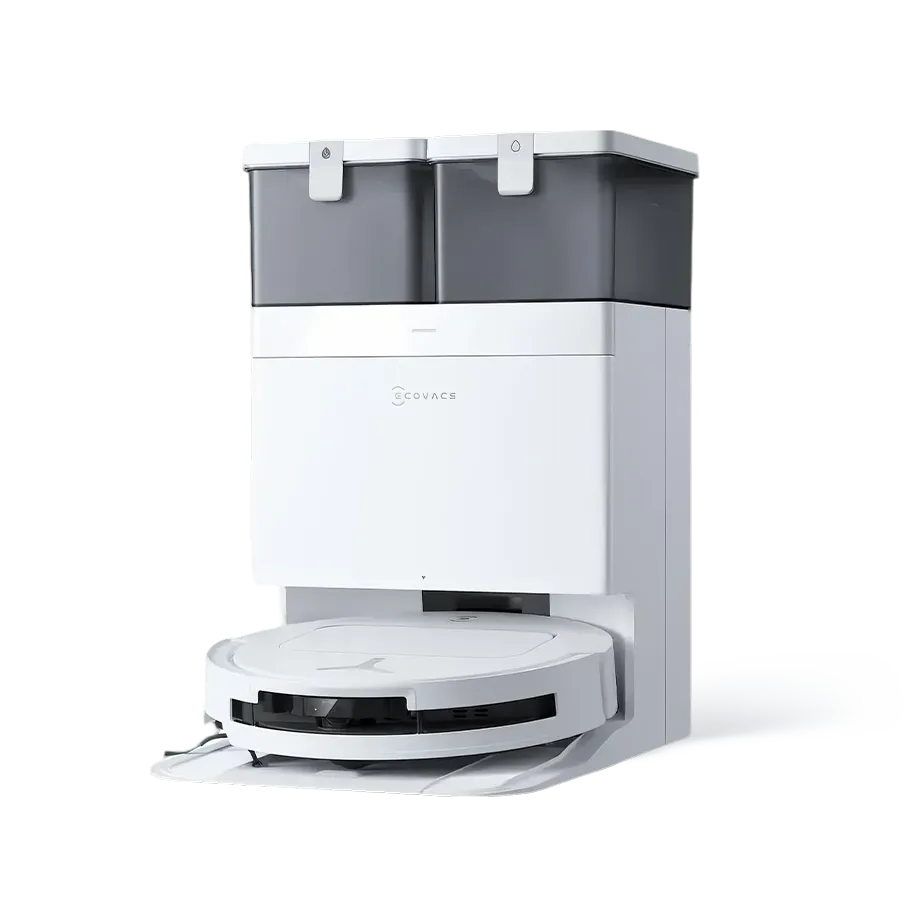
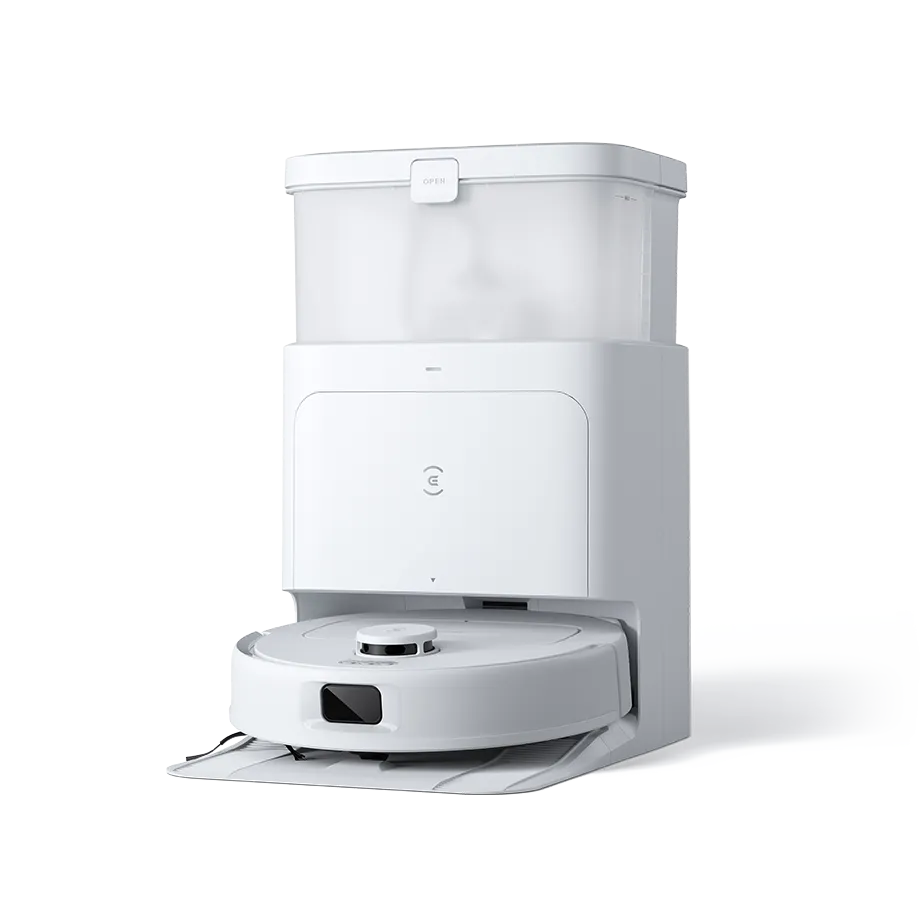
For example, through the ECOVACS HOME app, the DEEBOT X8 PRO OMNI lets users finetune up to 50 water levels for precise moisture control.
3. Choose the Right Cleaning Solution
Avoid acidic cleaners like vinegar, bleach, or ammonia that can corrode grout or stain unsealed stone tiles. Instead, use a mild, pH-neutral solution. Be sure to put brand-certified cleaners exclusively for robot vacuum and mops.
4. Refresh Water During Mopping
Dirty mop water spreads grime rather than removing it. Refresh the water from time to time to avoid leaving streaks or a cloudy finish.
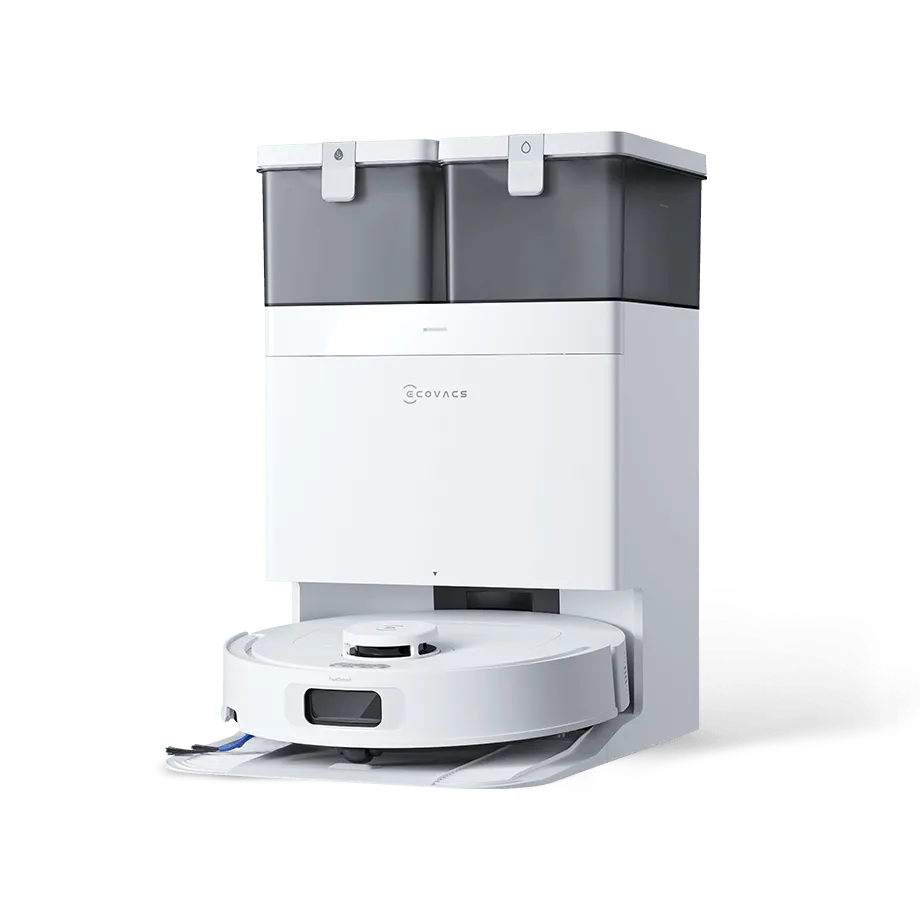
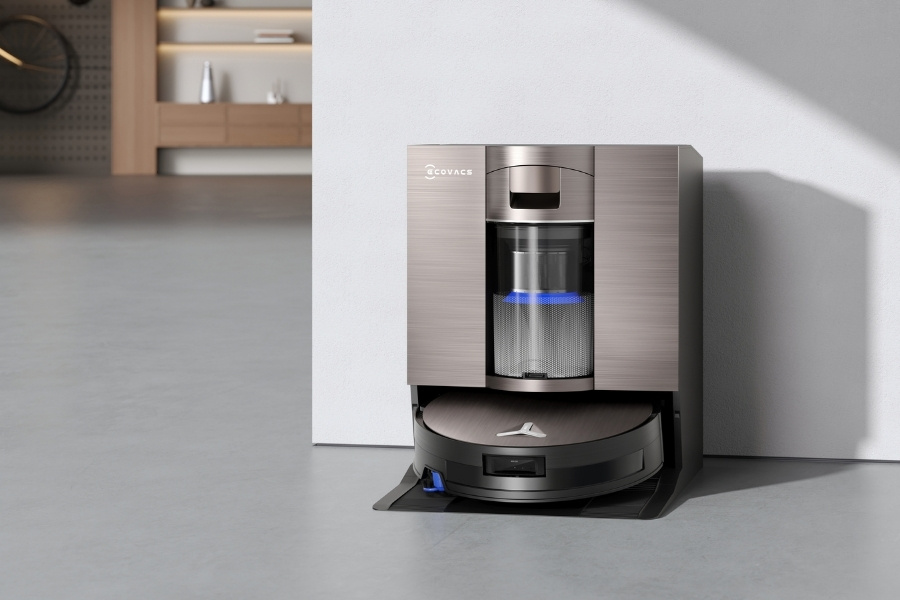
Premium robot vacuum and mops for tiles like the DEEBOT X11 OmniCyclone use OZMO ROLLER 2.0, a patented self-washing system that scrubs, rinses, scrapes, and suctions at 200 cycles per minute. Its 8-nozzle spray instantly replenishes fresh water, while the built-in scraper removes dirty water to prevent cross-contamination.
5. Dry Floors Right After Mopping
DIY cleaners that use too much soap or fail to rinse the floor thoroughly can leave behind a sticky film on tiles. Make sure to dry the surface immediately after mopping to prevent streaks and preserve the natural shine. Pairing DEEBOTs with the official cleaners can minimise this risk.
With DEEBOT X11 OmniCyclone, cleaning tile floors is easy with various smart features. Other than the OZMO ROLLER 2.0 system that gently yet effectively scrubs and rinses with its high-density nylon roller at 200rpm, the AI Stain Detection feature adapts cleaning intensity based on stain severity. For instance, tough messes activate a deep re-mop mode with dual cross-pattern passes.
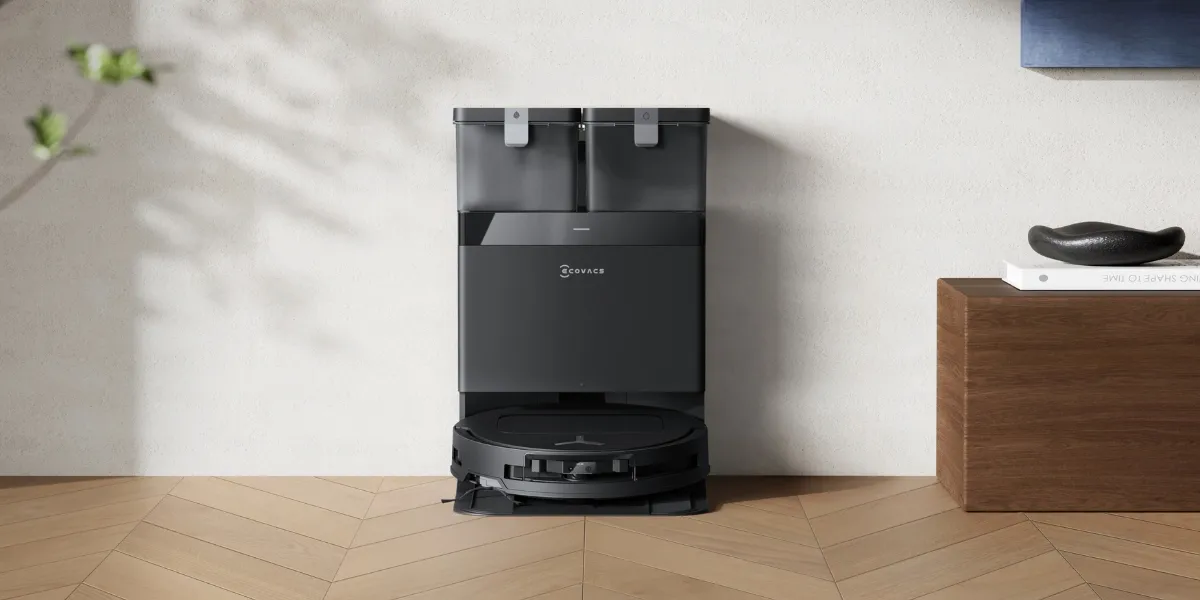
After each session, the Hot Water Soak Washing system at the OmniCyclone Station keeps the roller mop immersed at 75°C, dissolving grime and refreshing the mop for the next run, no matter how often you want to run your robot vacuum.
Read more: How to Clean & Mop Stone Floors?
How Do I Get Stains Out of Tile Floors?
Generally, stains on tile floors can be removed by applying a paste of baking soda and water, letting it sit briefly, then scrubbing and rinsing with clean water. For tougher spots, use hydrogen peroxide or a commercial tile cleaner.
The rule of thumb is to act quickly to prevent discolouration. Also, the type of stain has a different chemical composition, which determines how it bonds to surfaces. For instance, soap scum and hard water deposits in the bathroom can be removed with a mild baking soda paste, while coffee or tea stains can leave tougher marks.
Why Should You Mop Tile Floors Regularly?
Establishing a regular mopping schedule for tile floors helps prevent dust and debris from scratching or dulling the protective finish. It also removes bacteria and allergens that sweeping alone cannot capture.
If you have pets or kids, maintaining a mopping schedule further improves hygiene and lowers slip risks from spills and greasy stains. Regular mopping is a simple yet effective way to make your tile floor look better and last longer.
Read more: How to Clean a Jute Carpet?
FAQ
Is it safe to steam mop tiles?
Yes, steam mops are safe for sealed ceramic and porcelain tiles, but not for unsealed or natural stone surfaces. Excess heat and moisture can damage grout or penetrate porous tiles; hence, check your floor’s sealant and manufacturer’s care instructions before using one.
Can you use vinegar on tile floors?
No, you cannot use vinegar on tile floors. Though it’s a common DIY cleaner, its acidity can erode grout and dull glossy finishes, especially on natural stone or unsealed surfaces. Instead, choose pH-neutral or tile-safe cleaning solutions for effective results.
Why is my tile floor still dirty after mopping?
If your tile floor looks cloudy or sticky after mopping, you may be using too much soap or dirty water. Residue buildup traps dirt instead of lifting it.
Related Products