Adding a robot lawn mower to your yard feels like bringing the smart home into your garden. It quietly trims and grooms your turf while you enjoy your outdoor area with your family and friends.
If you want your picture-perfect lawn to last, you need to know how long your mower will serve you. Understanding its longevity helps you plan for upkeep, spot signs of wear and tear, and get the most value from your investment.
How Long Do Robot Lawn Mowers Last?
In general, robot lawn mowers last around 5 to 10 years with good care. Their lifespan depends on build quality, battery health, blade condition, how often and where you use them, and how well they’re protected from weather.
The more care you put into maintaining them, the longer they’ll keep your yard looking sharp.
How Long Do Robotic Lawn Mower Batteries Last?
The batteries of robotic mowers normally last around 3 to 5 years, but this largely depends on usage and battery type.
For instance, mowing a large lawn daily will wear the battery out faster than trimming a small garden once every two weeks. Extreme temperatures, repeatedly charging to 100%, or letting it drain completely, can also shorten its lifespan.
When you notice it recharges more often or takes longer to charge, it is near the end of its life. High-quality lithium batteries can last longer than lead-acid ones with proper care; those in GOAT robot mowers offer over 1,000 cycles, and they still retain over 70% capacity after 1,000 full charge cycles.
How to Maintain Robotic Lawn Mower Blades to Last Longer?
Robotic lawn mower blades generally last 4 to 6 weeks. Usually made of stainless steel, some add a titanium coating for durability.
To extend their life, clean blades and discs with a soft brush to remove clippings, mud, and dirt that may block them from spinning freely. Also, keep a safe distance from obstacles to prevent collisions.
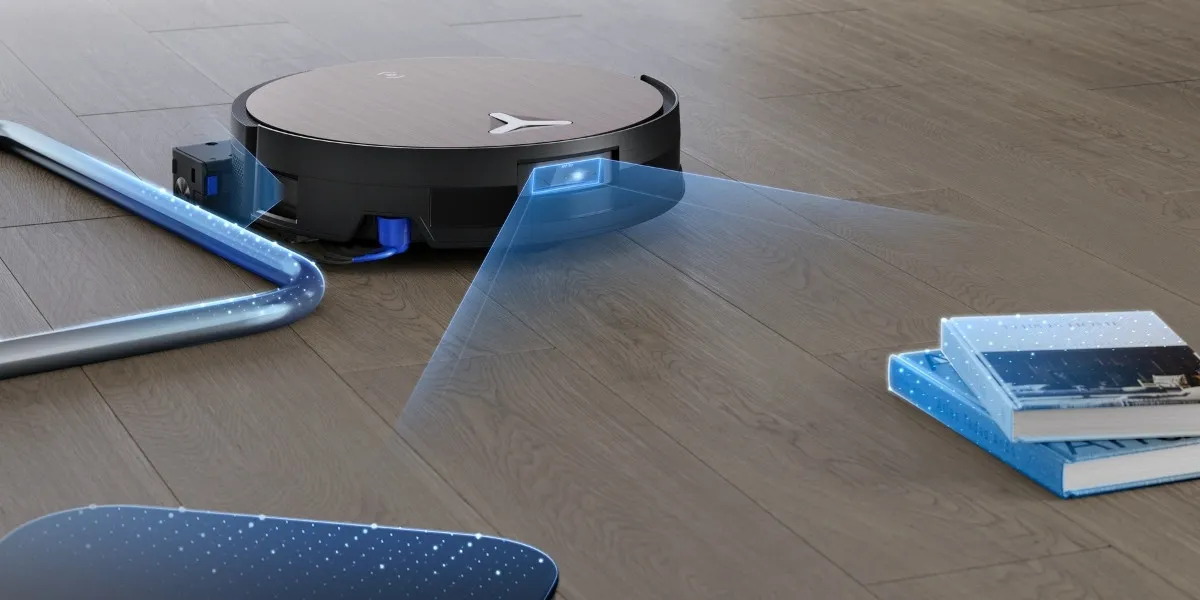
For instance, the AIVI 3D Obstacle Avoidance technology, available in the GOAT O800 RTK, helps protect the blade by keeping a 2-inch safety gap from walls and hedges.
Although sharpening is common for traditional mower blades, it is not recommended for robot models because the blades are small and difficult to access.
Do Weather and Season Affect a Robotic Lawn Mower’s Lifespan?
Yes, exposure to the harsh weather can shorten the device’s longevity. Leaving it in heavy rain, intense sun, or freezing temperatures may not be immediately harmful, but moisture can lead to rust, mold, and electronics damage, while UV exposure can overheat the machine.
Climate also matters. Grass grows year-round in places like Hawaii, so your mower works more hours without a winter break, causing parts to wear out faster.
Since it’s difficult to keep the mower protected from bad weather, choose a robot mower with the appropriate waterproof features. For instance, GOAT mowers are designed for all-weather use: the charging station for the GOAT O800 RTK has an IPX4 rating.
Does Grass Type Affect a Robotic Lawn Mower’s Lifespan?
Yes, the type of grass can influence how long a robotic lawn mower lasts, particularly in terms of blade wear and motor strain. Thicker or coarser grasses require more cutting force, which can dull blades faster and make the motor work harder. Softer grasses are easier to cut and can let the blades last longer.
With GOAT, you can conveniently adjust cutting height and speed based on the grass species in the ECOVACS HOME app. The GOAT O800 RT can cut tougher grasses like Bermuda as short as 3 cm and St. Augustine up to 8 cm, with 0.5 cm increments.
How to Extend the Life of Your Robot Lawn Mower?
To extend your mower’s lifespan, build good maintenance habits and make smart usage choices. On the mower level, clean the machine, keep track of signs of degradation, adhere to landscape guidelines and maintain the battery.
Build Quality
The materials, engineering, and brand standards play a major role in how long your mower can last. A well-built model equipped with sturdy wheels, a solid frame, and reliable electronics will withstand more mowing seasons than a budget version made with lower-grade components.
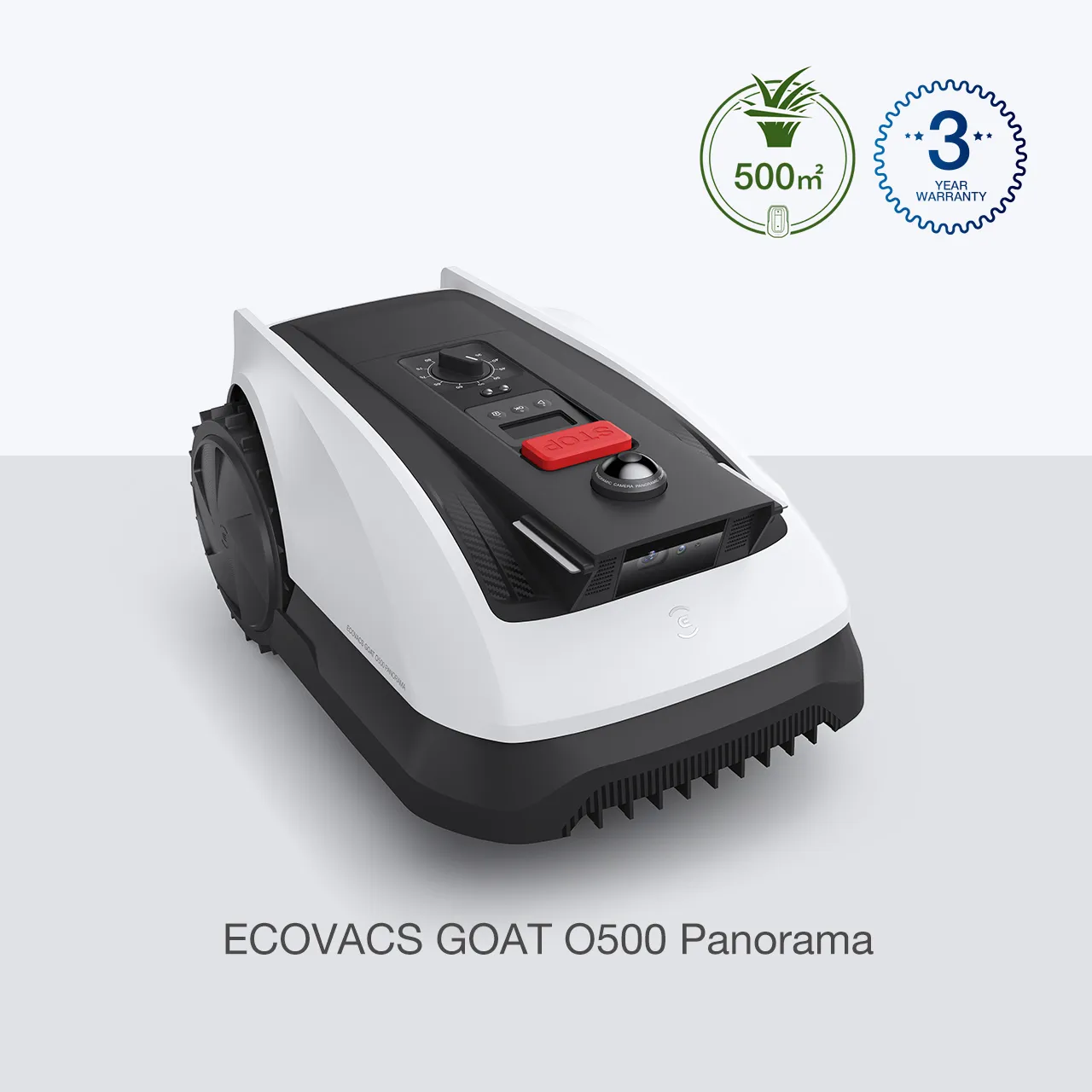
For added security, GOAT users are provided with a 3-year warranty in case of any manufacturing defects or functional issues.
Usage
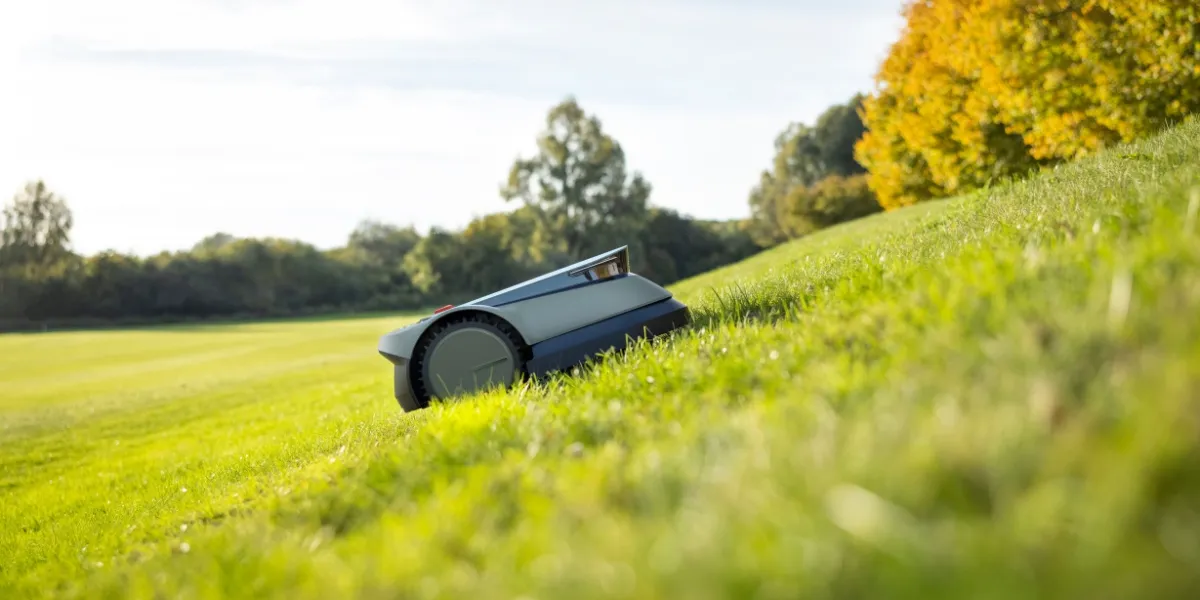
The lifespan of a smart mower is not infinite. Other than lawn size and mowing times, thick grass or challenging terrain with steep slopes, bumps, mud, and obstacles can put extra load on the motor and wheels. Hence, follow the terrain limits and adjust schedules by season, weather, and grass type.
In the case of the GOAT O800 RTK, it can handle slopes up to 24°, so avoid sending it to steeper areas. You can further assign zones and customize mowing frequency for each area directly in the ECOVACS HOME app.
Cleaning and Care
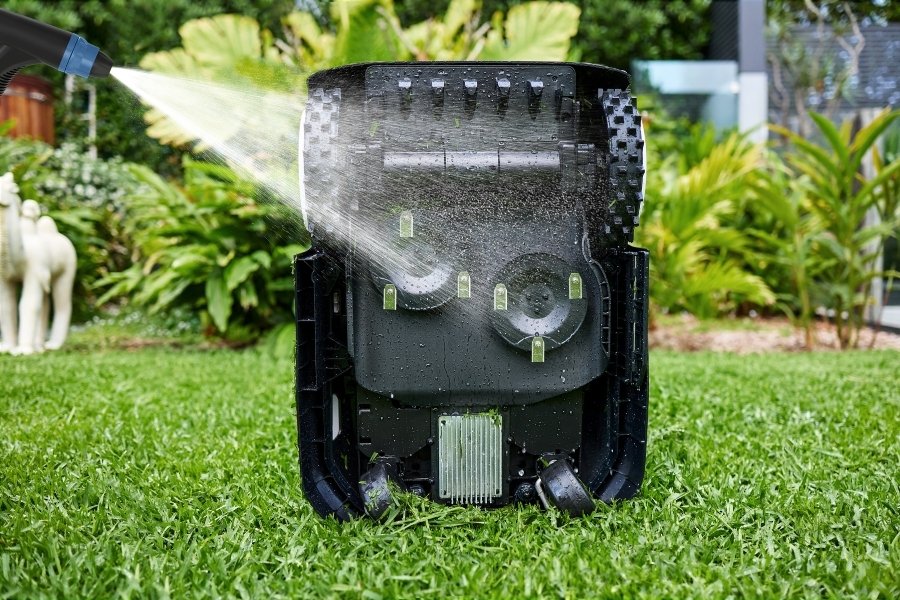
Grass clippings and debris can clog the blading system, while dirt may cover the sensors, reducing navigation and obstacle detection accuracy. Wipe the LiDAR sensor every 1–2 weeks and the front AI camera every 2–4 weeks with a clean, dry cloth, avoiding sprays or detergents.
When mud dries on the wheels, it will lose traction and make it harder for the mower to move, so remove it from the off-road and front wheels with a brush. Remember to avoid using a high-pressure sprinkler, as water can penetrate the seals and damage electronic or mechanical parts.
Storage
When not in use, store the auto mower properly to protect it from moisture, pests, and extreme temperatures. Otherwise, poor storage can expose the equipment to harsh weather.
When storing them over winter break, first, mark the station’s position for easy setup in the next season. Then, cover the mower and station, if covers are available, and place them indoors in a cool, dry, well-ventilated area, away from direct sunlight.
How to Prepare Your Lawn to Protect a Robotic Lawn Mower?
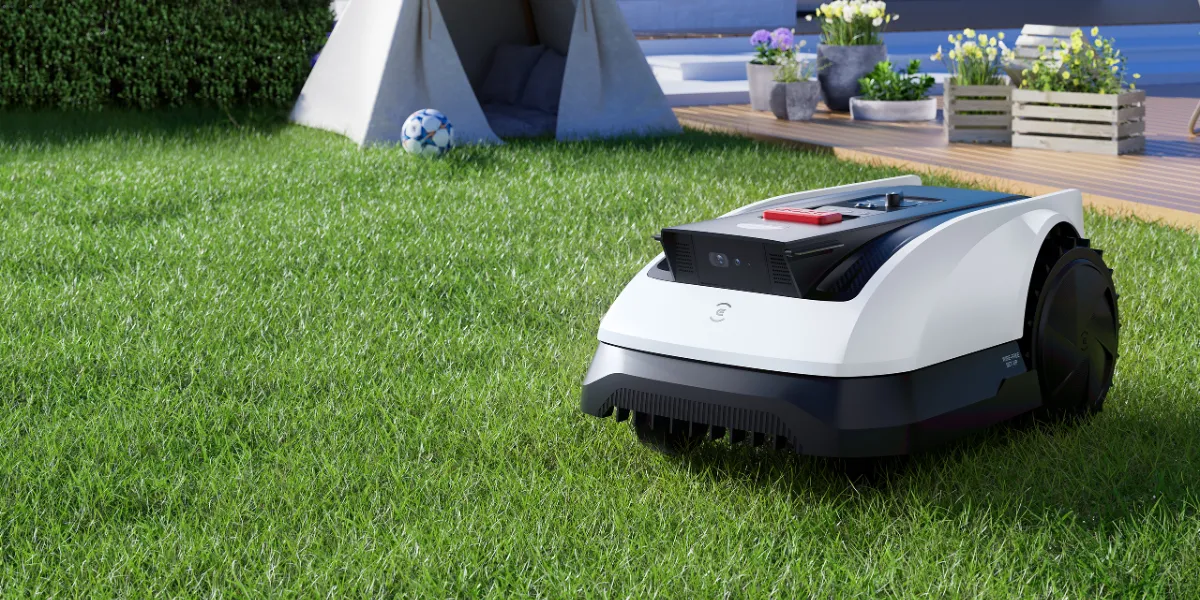
On top of maintaining the robot mower itself, prepare the lawn to make it safer for the machine to operate. Remove branches, toys, and garden debris before mowing to prevent blade and wheel jams and avoid damage to the cutting system.
Plus, keep the grass at a manageable height. Robot mowers are designed for lawn maintenance, so if your yard is overgrown with tall grass or weeds, manually cut it down to about 10 cm and address any pest issues before putting your smart mower to work.
Does Repair and Replacement Affect a Robotic Lawn Mower’s Lifespan?
Yes, keeping up with repairs helps prevent small issues from escalating into costly breakdowns. Watch for signs such as uneven cutting, longer charging times, difficulty climbing slopes, or visible cracks and corrosion. Parts that make the most ground contact, like blades and wheels, need extra attention.
GOAT users can follow the manual to safely replace any worn or damaged blades promptly to maintain performance and extend the mower’s lifespan, however, use only blades manufactured by ECOVACS and new screws when assembling the blades to ensure optimal safety and performance.
Other parts like the battery and supply cord should only be replaced by skilled professionals.
FAQ
When to stop using a robot mower?
Stop using a robot mower if repairs become too frequent and costly, or the battery can’t hold a charge. Other signs of replacement include cutting quality declines, unusual noises or vibrations occurring, or visible damage like rust and broken parts compromising performance and safety.
Why does my electric mower keep dying?
Common causes include a worn-out battery, overheating from clogged vents, or sensor errors. Regular cleaning, battery checks, and proper charging habits can solve most issues.
Do robot mowers require less maintenance than ride-on mowers?
When comparing robot mowers and ride-on mowers, there is less maintenance work required for the smart model as it runs on batteries, and doesn't need oil, gasoline, or air filters. While winter care is still necessary for ECOVACS robot mowers, their winter maintenance procedures are relatively simple.