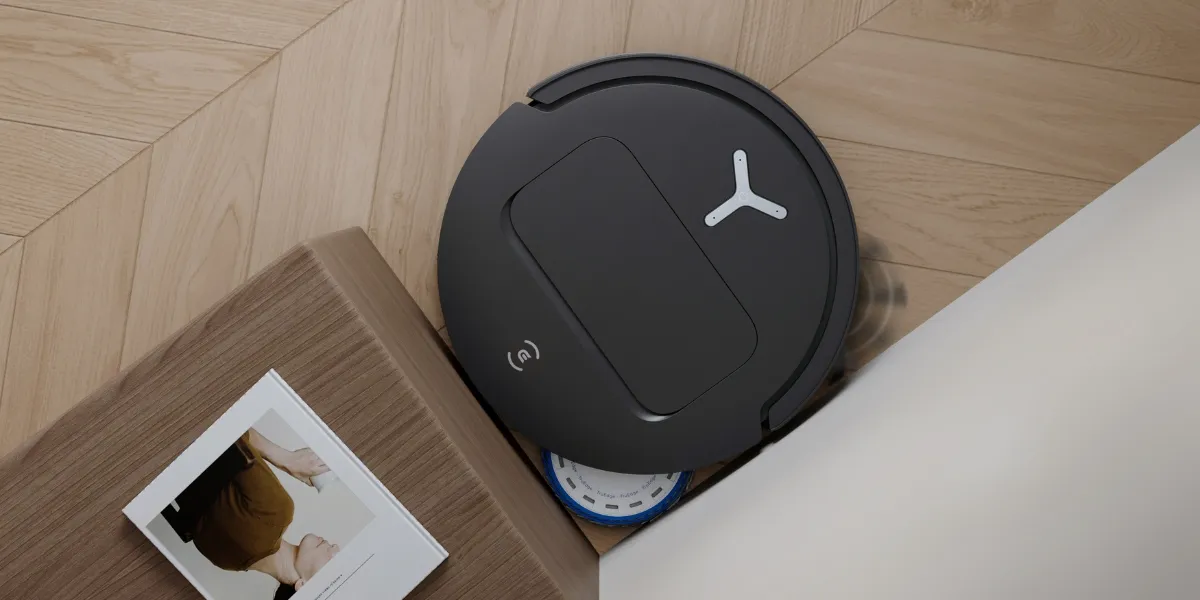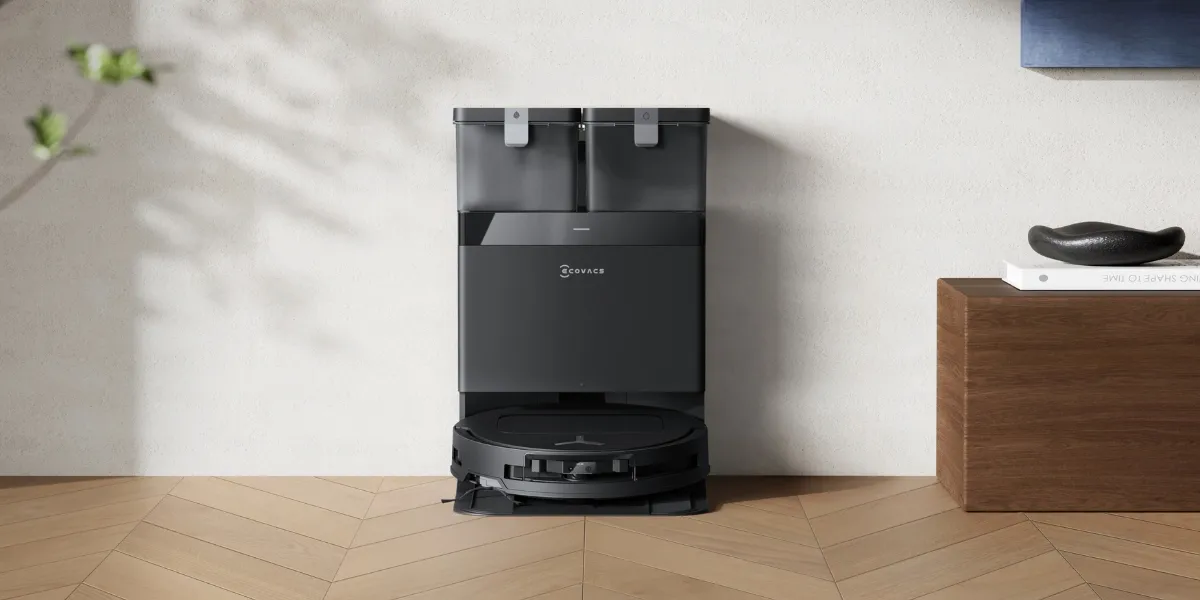
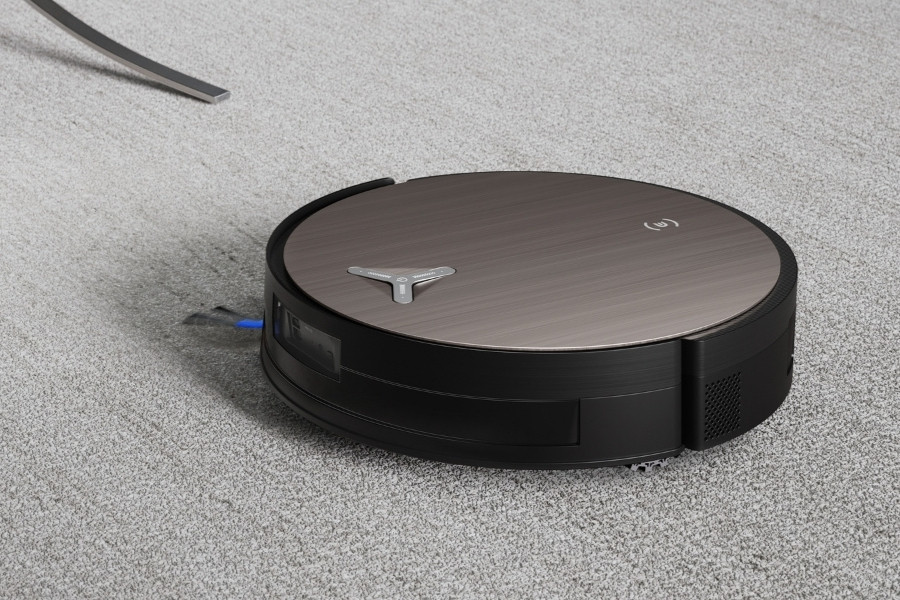
While enjoying the convenience of automated cleaning, have you ever wondered how a robot vacuum lifts dirt from carpets? Located at the base of most models, a beater bar loosens debris from carpet fibres and works with suction to deliver a deeper clean.
Even though it’s commonly confused with a brush roll, the two aren’t exactly the same. Brush rolls refer to the broader term for any rotating brush in a vacuum, while a beater bar is typically the brush roll with bristles that loosen dirt.
To know if a robot vacuum is suitable for your carpets, it’s a good idea to learn what a beater bar actually is, how it works, when it’s most useful, and how newer designs and technologies are advancing traditional beater bars for better results.
What Is a Beater Bar?
A beater bar is a rotating roller with bristles, usually located at the bottom of a robot vacuum cleaner. It is mainly used to dislodge debris trapped deep in thick or high-pile carpets. As it spins, it agitates carpet fibres to loosen dirt and debris dust for the suction force to pull everything in.
In the past, the beater bar worked by essentially “beating” the carpet, which is how it got its name. The concept dates back to the early 1900s, when vacuum manufacturers introduced metal mechanical bars that tapped the carpet as the vacuum moved.
Today, designs have improved, and the term “beater bar” is now used interchangeably with motorised brush rolls. Bristles were added, and motors now power the roller, increasing speed to sweep particles up, as suction alone may not be enough.
In smart vacuums like DEEBOT, roller brushes feature advanced designs such as anti-tangle technology, which promotes more efficient cleaning and reduces maintenance.
How Does a Beater Bar Work?
A beater bar works by rotating at high speed to agitate carpet fibres and release dirt and debris trapped deep within. As the brush spins, it sweeps debris into the suction path. By combining the two functions, this design allows the robot vacuum to clean more effectively than suction alone, particularly on carpets and rugs.
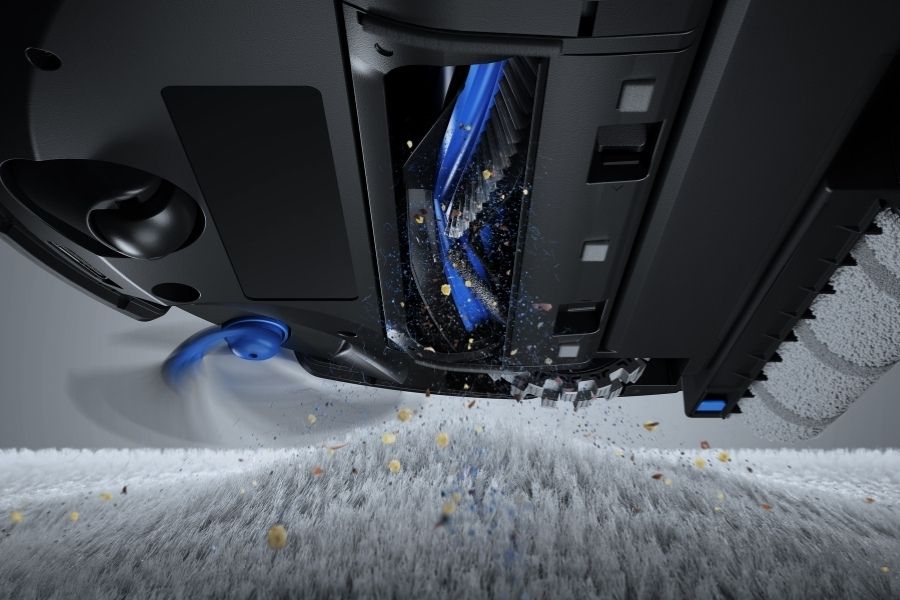
Take a closer look at different functions of a beater bar:
Agitation
Agitation is the main function of a beater bar. As the roller spins, its bristles gently shake the carpet fibres, loosening trapped particles.
One of the main challenges of cleaning carpets is that allergens, dust, and food crumbs often settle deep within the pile. For homes in the Coastal regions like the coastal areas, where fleas thrive in warm, humid weather, this function is particularly useful in vacuuming flea eggs and larvae that may be hidden deep in the carpet.
Sweeping
While the beater bar agitates the carpet, it simultaneously performs a sweeping motion. The rotation gathers loose particles and pulls them into the vacuum’s path. On hard floors, the beater bar can also sweep sand, crumbs, and debris without scratching the surface.
Choose a good vacuum model for carpets with an anti-tangle design that easily sweeps up pet hair from various floor types and saves you from removing hair from the roller afterward.
Suction
While not a function of a beater bar itself, it mostly works hand in hand with suction features. Once dirt is lifted and swept into the path, suction takes over: the vacuum’s motor pulls debris up through the inlet and into the dustbin.
Robot vacuums work by adapting suction levels based on floor type, for instance, higher settings on carpets and lower settings on hardwood floors. This is a valuable function, as most Australian households have mixed floor types.
Read more: How Do Vacuum Cleaners Work?
How to Use Your Beater Bar to Get the Best Results?
To get the most from your beater bar, you need to understand the needs of different floors and use it with the right suction power and cleaning settings. Generally, carpets require more agitation and airflow, while hard floors need gentler contact to avoid wear. Smart vacuums like DEEBOT feature carpet detection and auto suction boost to make cleaning more efficient.
Carpet detection
Proper carpet cleaning starts with precise carpet recognition. DEEBOT robot vacuums use advanced sensors to tell the difference between plush rugs and thin mats, then adjust the settings accordingly. With the ECOVACS HOME app, you can easily set the detection to "Standard Mode" for shag carpets or "Sensitive Mode" that works best on ultra-thin rugs.
DEEBOT also features auto suction boost. When it detects carpet, suction power increases instantly and lifts dirt and hair from deep within the fibres. It will lower the suction when the machine comes off the carpet.
Carpet first strategy
A beater bar cannot be used on a wet carpet because it poses a serious safety risk and causes cross-contamination. Hence, for those who choose a robot vacuum and mop combo, it’s ideal to vacuum all carpets with a dry mop first, before switching to the vacuum and mop cleaning task on hard floors.
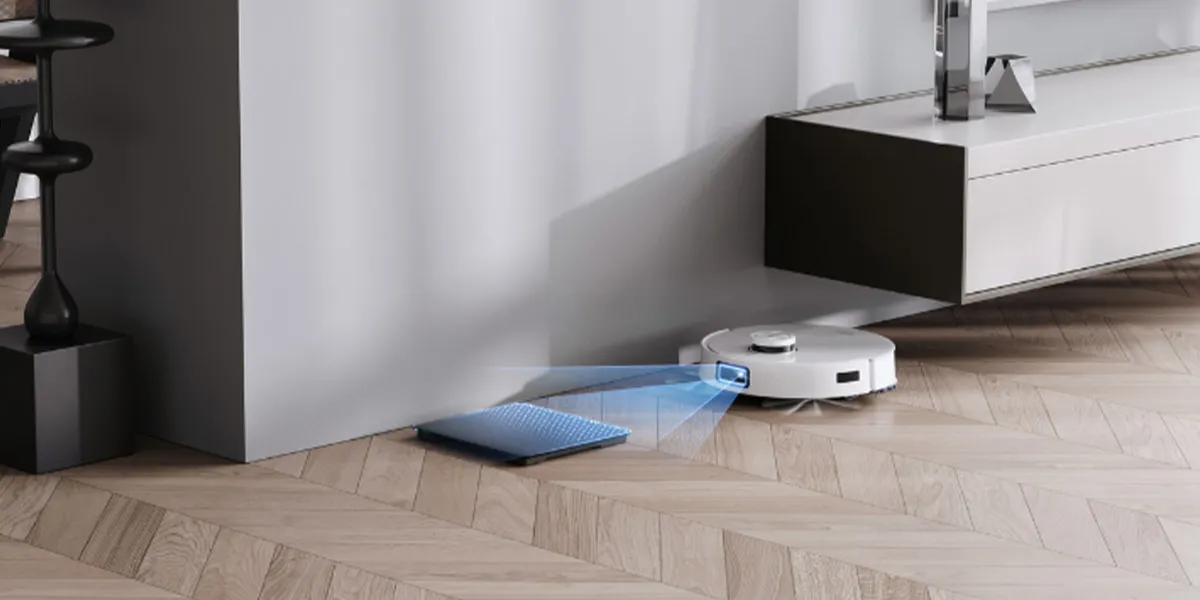
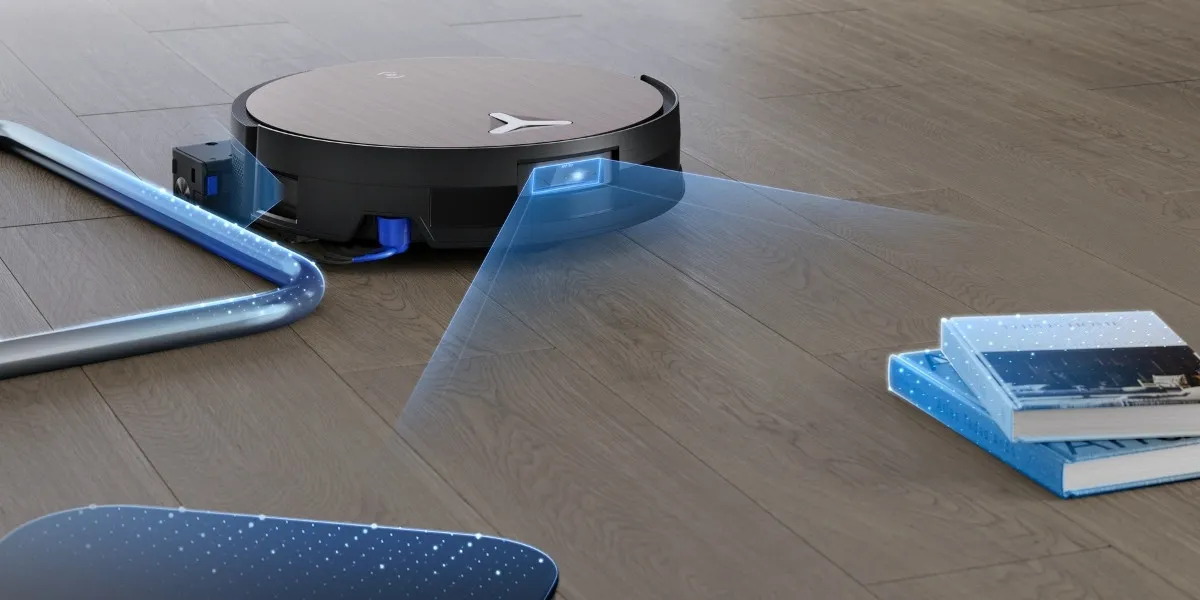
DEEBOT X8 PRO OMNI features a "Carpet First" mode, where the TruEdge 3D Edge Sensor accurately traces carpet edges and automatically vacuums all carpets before mopping begins.
Read more: How To Use A Vacuum Cleaner?
Carpet Deep Cleaning Mode
Even though the beater bar helps loosen embedded dirt within long carpet fibres, it may occasionally miss some areas when the cleaning direction leaves dirt hidden on the other side. For deeper, more thorough cleaning, the robot vacuum needs to move in different directions.
For DEEBOT users, the Carpet Deep Cleaning mode enables the machine to clean high-pile rugs in a cross pattern, moving in different directions to ensure that no area is left untouched.
Strong Suction
When vacuuming, a beater bar should pair with strong suction for a thorough clean. The brush rolls release fine dust and particles from the carpet, and the suction pulls them directly to the dustbin.
A great example is DEEBOT X11 OmniCyclone’s BLAST Technology. With a high-torque motor, larger fan blades, and enhanced airflow design, it offers up to 19,500Pa suction1 and 18L/s airflow, boosting up to 140% more fine dust and 262% more pet hair from carpets.
Read more: How To Fix A Vacuum Cleaner With No Suction & What Are The Causes?
Spill Management
Hard floors, like hardwood and tile, don’t require agitation to lift dirt, but beater bars can cause problems when they run over spills, such as juice or coffee. Instead of cleaning the mess, the rotating brush may spread the liquid, creating an even bigger mess.
As a solution, DEEBOT’s Triple Lift system intelligently adjusts to different surfaces. The AI-powered feature in models like the DEEBOT X11 OmniCyclone raises both the main brush (beater bar) and the side brush when it detects spills. It also supports precise dry/wet separation by raising the mop on carpets and lifting the side brush when encountering large particles, like used tissues.
Beater Bar vs. Brush Roll: How Vacuum Technology Evolved
A beater bar is an older, often metal or stiff-bristle design that was primarily used to agitate and loosen dirt from carpets. The modern beater bar combines a brush roll with flexible bristles, silicone fins and a motor to improve efficiency.
|
Feature |
Beater Bar |
Beater Brush Roll |
|
Design |
Stiff bristles or metal |
Flexible, motorised roller |
|
Best for |
Thick, high-pile carpets |
All carpet types, gentle on hard floors |
|
Floor Compatibility |
May scratch hard floors |
Gentle on both carpets and hard floors |
|
Cleaning Effectiveness |
Great for deep dirt in carpets |
More efficient, tangle-free cleaning |
DEEBOT robot vacuums take this further with ZeroTangle anti-tangle brush technology. For instance, DEEBOT X11 OmniCyclone features ZeroTangle 3.0, which the Cyclone-Directed Roller Brush has a Triple-V structure and spiral-comb integration to actively repel and untangle hair strands, reducing maintenance.
FAQ
How do I clean or maintain a beater bar?
To clean your beater bar, remove any tangled hair or debris that stops the brush from spinning using scissors or a cleaning tool. Wipe the bar with a damp cloth and let it dry completely before reassembling. This should be done regularly as you clean the vacuum.
Do all robot vacuums have a beater bar?
Yes, most robot vacuums have a beater bar in the form of brush rolls, often featuring motorised, soft rollers or silicone fins to cater to various floor types.
Can I replace a broken beater bar myself?
Yes, if the beater bar is removable, you can replace a broken beater bar yourself. Check your vacuum’s manual for instructions and order the correct replacement part from the manufacturer.
Disclaimer(s):
- 19,500 Pa: This data comes from ECOVACS laboratory. The suction power of DEEBOT X11 OmniCyclone can reach 19,500 Pa.
Related Products