
From the Sydney Town Hall in Sydney to the Lincoln Memorial in Queensland Parliament House in Brisbane, stone floors are a timeless choice found everywhere from historical landmarks to modern homes. While granite, limestone, sandstone, and quartzite floors are strong and durable, many types are also porous or naturally textured, which means they can collect dirt or absorb spills if not cleaned carefully.
To keep your stone floors looking their best, discover safe cleaning methods, what to avoid, and how to keep stone floors clean and well-maintained.
What’s the Best Way to Clean Stone Floors?
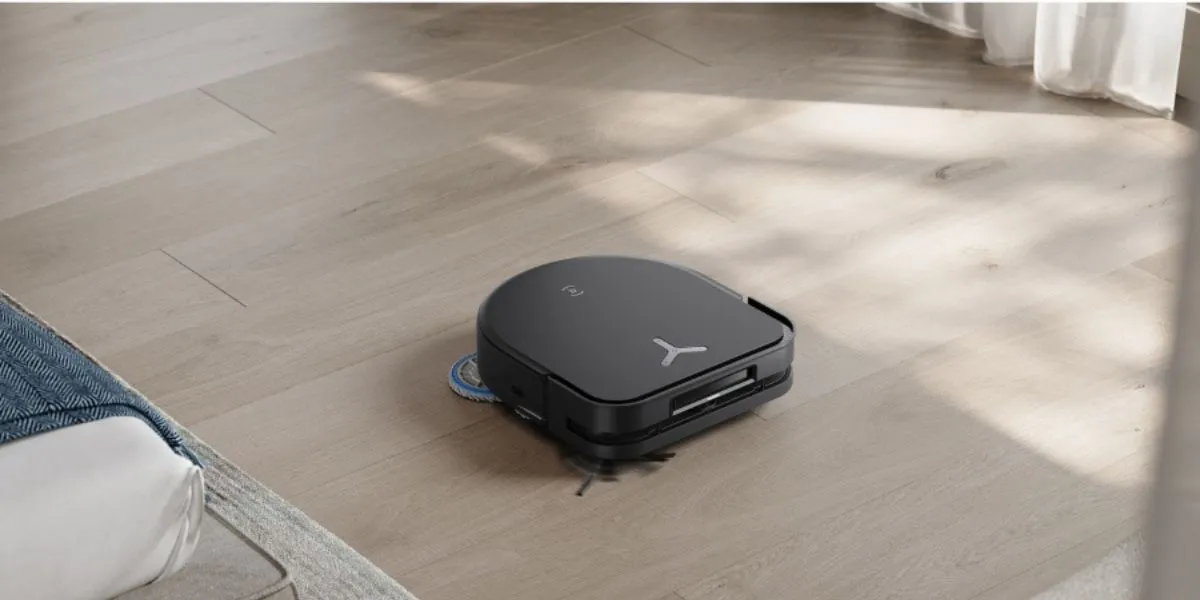
The best way to clean stone floors is to clear dirt from the surface first and then mop with a stone-safe cleaner. It is important to avoid harsh chemicals, abrasive tools, and excess water, as these can damage polished, honed, flamed, or brushed finishes. You can also use a robot vacuum and mop to automate cleaning for added convenience.
Can You Mop Stone Floors?
Yes, you can mop stone floors. Use a slightly damp mop and a pH-neutral cleaner made for natural stone. Avoid vinegar, bleach, ammonia, or any acidic solution, as these can break down the surface and weaken the sealant. Afterward, clean up any streaks and marks.
Some stone types, such as sandstone, limestone, and travertine, absorb moisture more easily, so avoid soaking the floor or leaving standing water. Steam cleaners should also be avoided because heat can weaken or strip sealers.
If you are still learning how to mop your floors, take it slow and use minimal water. Hard water can also leave mineral buildup on porous stone, so be mindful when cleaning.
Read more: How to Clean Laminate Floors?
Should You Vacuum or Sweep Stone Floors?
Yes, you can vacuum or sweep stone floors, and vacuuming with a robot vacuum is a safe and efficient option. Sweeping works well for removing larger debris, while vacuuming lifts fine dust and grit from textured stone and grout lines.
Use a broom or a robot vacuum with soft bristles to reduce the risk of scratching when vacuuming the tiles. A DEEBOT robot vacuum is particularly helpful for those still figuring out how to vacuum floors properly, since it allows customizable suction and water levels.
Read more: How to Clean Travertine Floor?
What Tools Should You Use to Clean Stone Floors?
To clean stone floors, use gentle tools only: a broom or robot vacuum with soft-bristle brushes for dry cleaning, and a microfiber mop for wet cleaning. Pair warm water with a specialized stone floor cleaner to protect the surface and finish.
Robot vacuums, such as DEEBOT, use soft brushes to prevent scuffing and can mop using low water settings for daily maintenance. Avoid abrasive scrub pads, stiff brushes, and harsh cleaners that can scratch or dull the stone.
Read more: How to Clean Marble Floors?
How to Clean Stone Floors Step-by-Step?
To clean stone floors, first remove dust and loose debris with a broom or vacuum. Then mop using a mild or stone-safe cleaning solution. Allow enough airflow to help the floor dry promptly. If you notice spills, wipe them up immediately or send your robot vacuum to handle the cleanup.
Step 1: Remove Dust and Debris
Clean the surface to prevent grit from scratching the stone during mopping, focusing on high-traffic areas and hard-to-reach corners. Polished stone floors show scratches more easily because their reflective finish highlights marks, so regular cleaning is helpful.
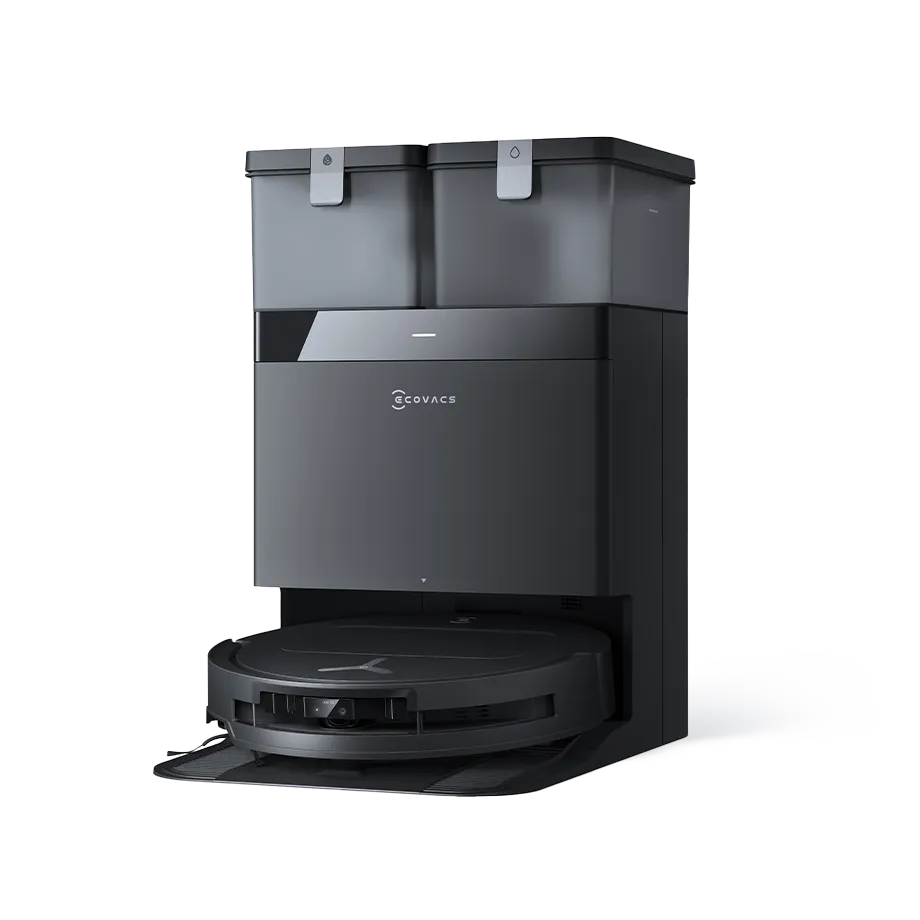
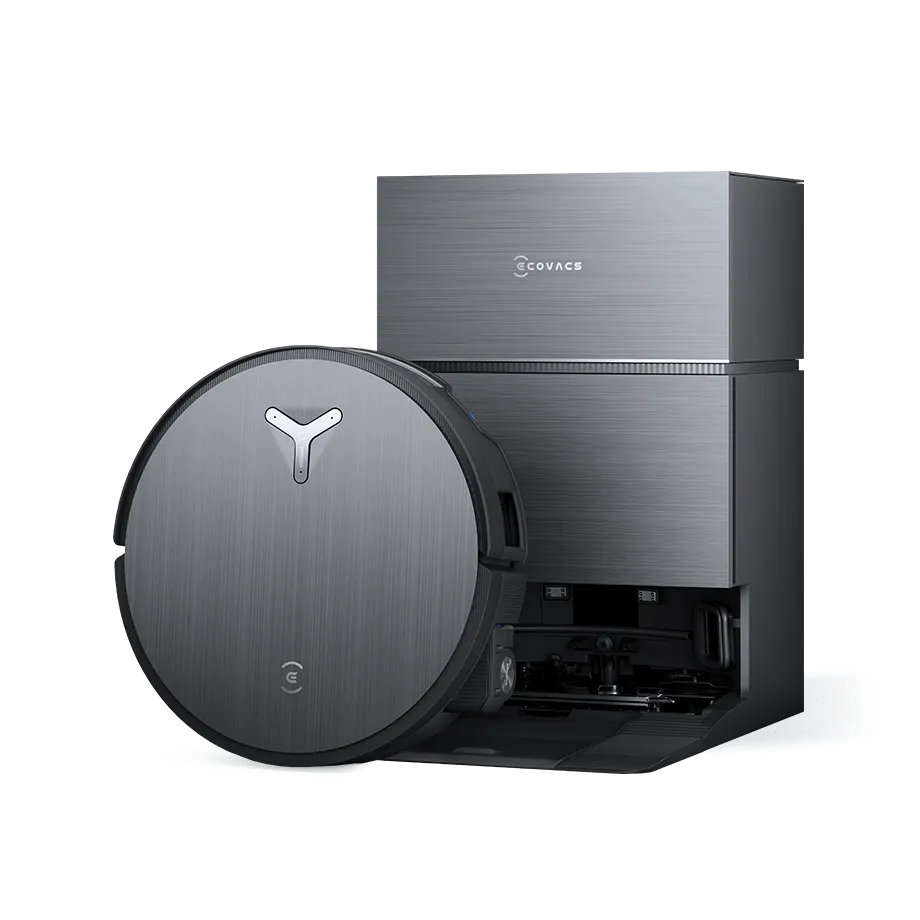
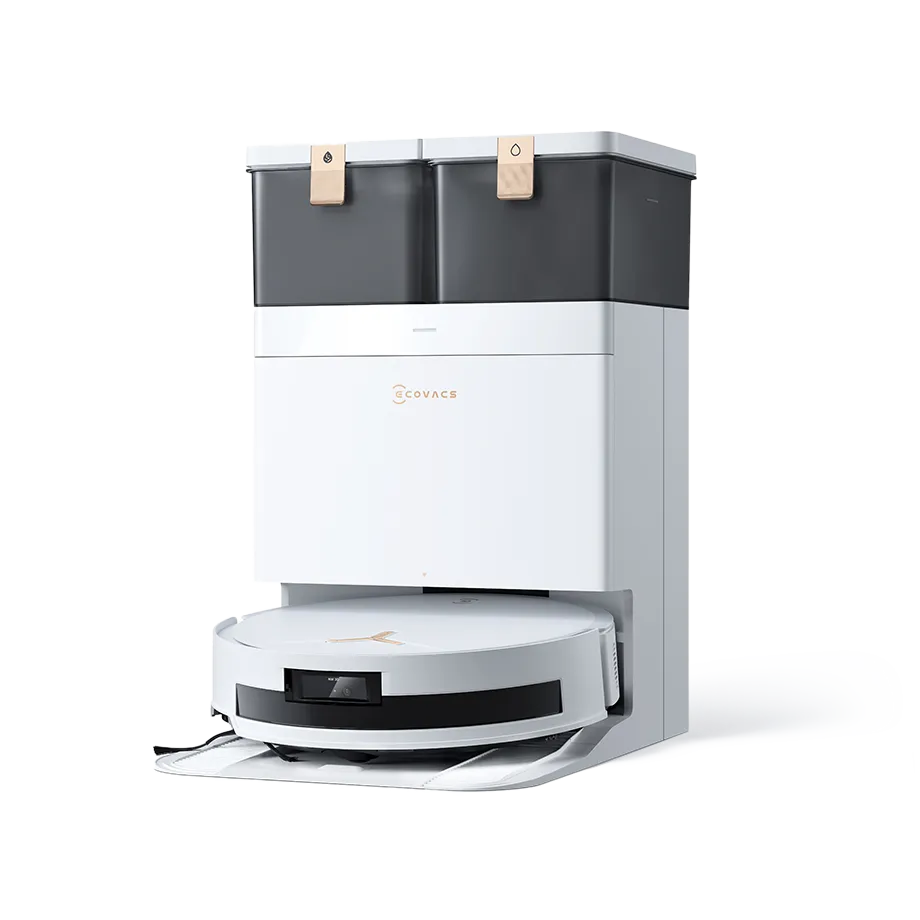
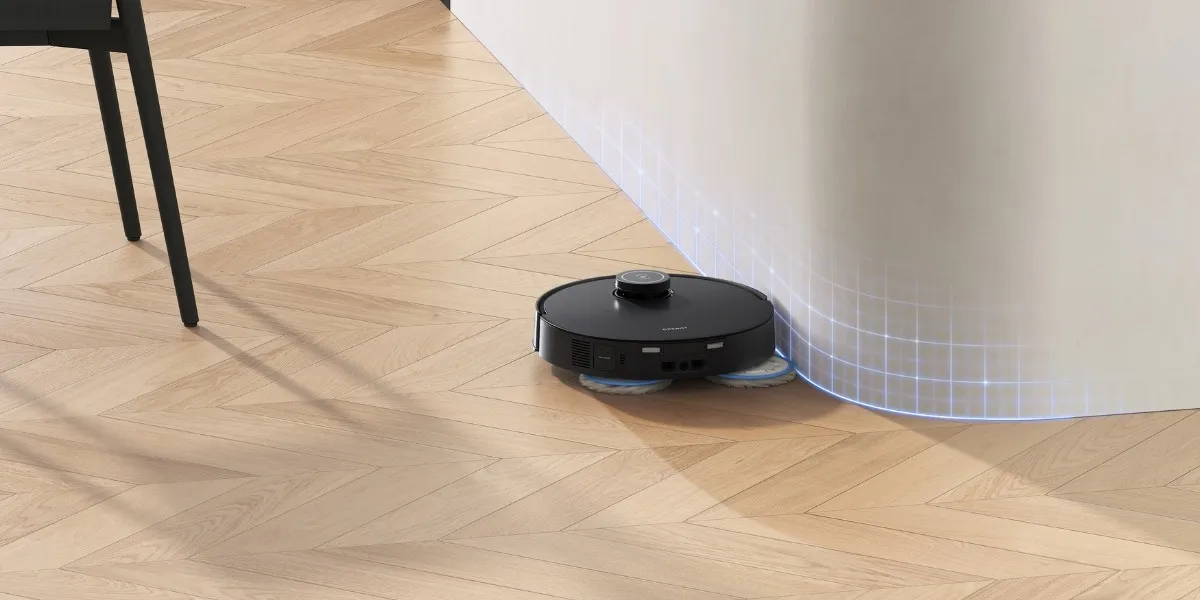
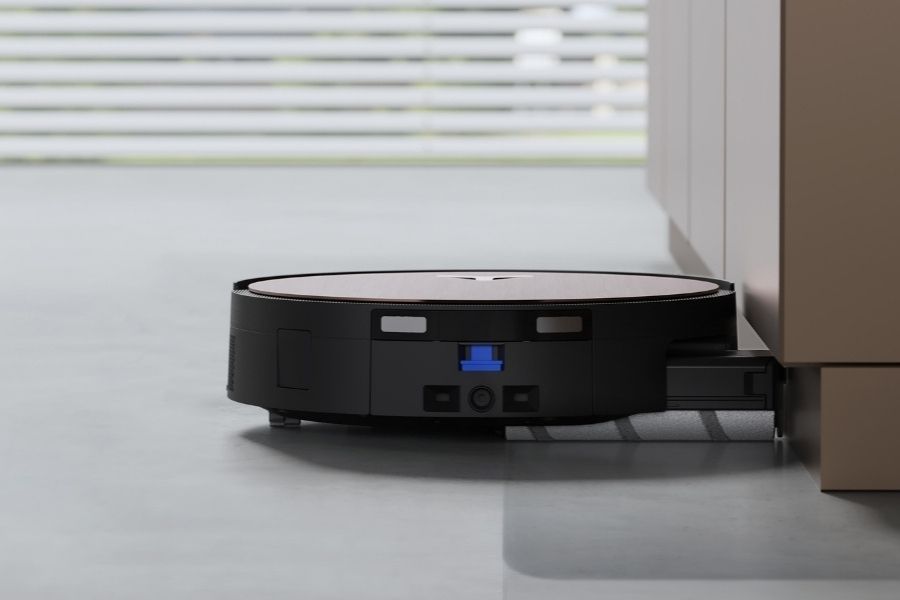
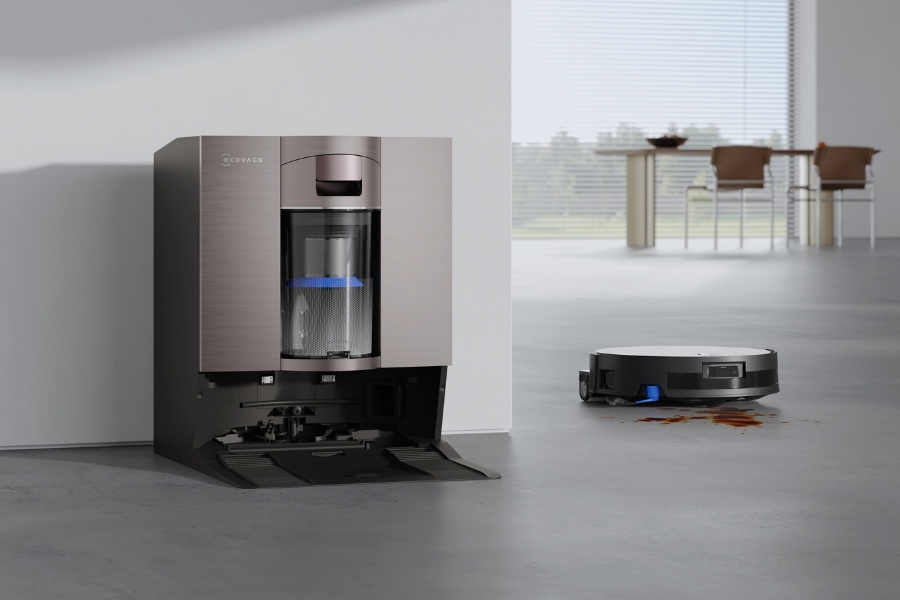
A robot vacuum like DEEBOT X11 OmniCyclone can maintain coverage along edges and corners using TruEdge 3.0 Extreme Edge Cleaning, which features an air-cushion suspended roller with an extended 1.5cm reach, while the fixed side brush captures edge debris. Also, it can clean daily even when you are away. This helps you adjust how often to vacuum your floors as needed.
Step 2: Prepare Your Cleaning Solution
To make a general cleaning solution, add a few drops of pH-neutral stone cleaner or mild dish soap into warm water. For spot cleaning, a baking soda paste works for many stains; alternatively, hydrogen peroxide works well for coffee or mold stains on most stone types except granite.
Robot vacuum and mop users should exclusively use brand-certified solutions for safe performance. Do not use vinegar or other acidic cleaners, and test the solution on a hidden area before applying it to the entire floor.
Step 3: Wet and Wring the Mop
Stone floors are porous, so they should only be damp-mopped, not soaked. Wring the mop or cloth until it is just slightly damp to lower the risk of excess water seeping into the stone and weakening the sealant.
To avoid overwetting, smart models like the DEEBOT X8 PRO OMNI allow you to adjust water output up to 50 levels.
Read more: How to Clean Tile Floors?
Step 4: Start Mopping the Floor
Mopping removes fine particles that vacuuming alone may miss. If possible, follow the natural direction of the stone tiles to help lift dirt embedded in textured surfaces.
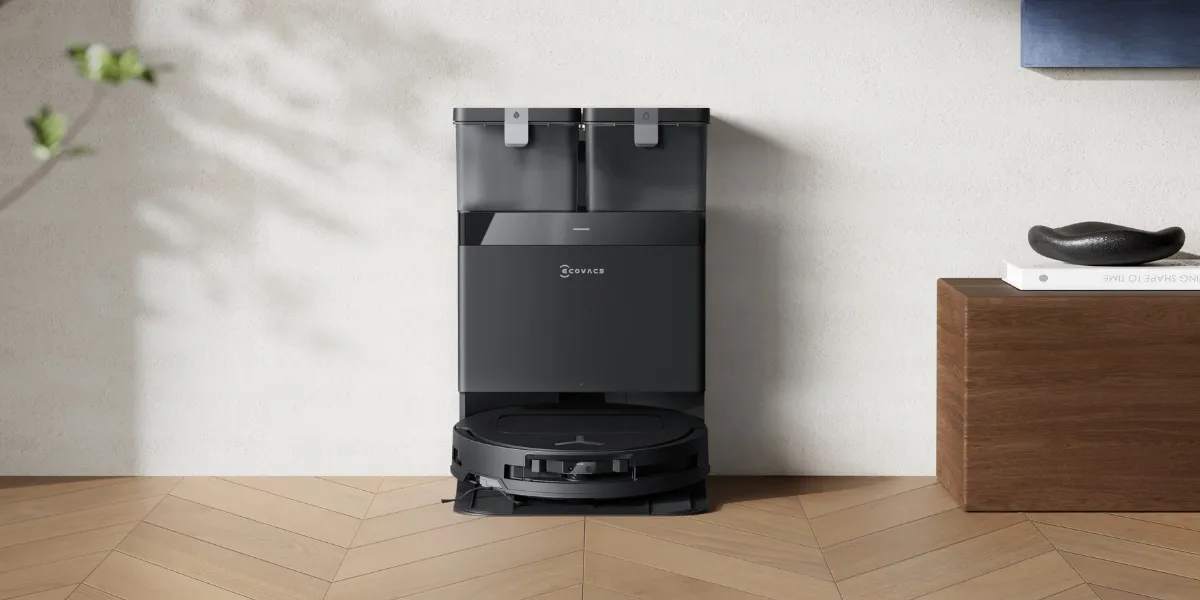
Rinse the mop frequently to prevent contamination. For example, DEEBOT X11 OmniCyclone features OZMO ROLLER 2.0 technology, which removes dirty water from the roller and replenishes clean water with an 8-nozzle spray. Moreover, DEEBOT models with AI Stain Detection can automatically recognise tough spots and perform extra passes when needed.
Step 5: Rinse and Dry
If you notice residue from cleaners or streaks after mopping, rinse the floor with clean water and use a fan to speed up drying. Wait until the surface is fully dry before walking on it or placing rugs.
When paired with the specified cleaning solution, DEEBOT robot vacuums and mops can clean without leaving streaks or water spots, reducing the need for manual rinsing and drying.
Read more: How to Clean Wood Floors?
How Often Should You Clean or Mop Stone Floors?
In most Australian homes, dust or vacuum stone floors every two to three days and mop them weekly should be sufficient. Pet owners may need to clean more often to remove dog hair or cat litter, focusing on high-traffic areas like kitchens and feeding areas. Between cleaning sessions, spot clean coffee spills before they settle and become stains.
You can also take the stone floor finish into consideration. Rough or honed finishes require more frequent cleaning because dust can collect in the texture, while polished finishes resist staining but can show smudges and muddy paw prints more easily.
If you are still deciding how often to mop your floors, a premium model like DEEBOT X11 OmniCyclone can set a routine through the ECOVACS HOME app and send remotely to clean up spills.
Read more: How to Clean Vinyl Floors?
What to Avoid When Cleaning Stone Floors?
To protect the finish of stone floors, avoid using acidic cleaners, abrasive pads, and too much water. Strong cleaners like vinegar, lemon juice, or bleach can etch the stone by dissolving minerals in the surface. Abrasive tools may scratch and dull the finish, while too much water can weaken sealants. Steam cleaners can also damage the finish over time.
Common mistakes to avoid when cleaning stone floors includes:
- Avoid strong cleaners: Vinegar, bleach, ammonia, or any acidic solution can break down the calcite in stones like marble or limestone, leaving a rough, discoloured spot.
- Avoid abrasives: Harsh scrubbing brushes, scouring pads and even high-pressure cleaners can scratch the stone and remove its natural sheen, even if used lightly.
- Avoid oversaturation: Using too much water or leaving puddles can cause moisture to seep into porous stone, weakening the surface and encouraging mildew growth.
- Avoid steam or high heat: Heat can weaken or strip the protective sealant on stone floors, leading to dull patches and more staining over time.
Read more: How to Clean Concrete Floors?
How ECOVACS Can Help Clean Stone Floors?
Whether it’s limestone, quartzite, or granite floors, DEEBOT robot vacuums clean stone surfaces safely by lifting debris with soft brushes that do not scratch. Through the ECOVACS HOME App, you can adjust suction, set water levels for mopping, create cleaning schedules, and set no-go zones to match different cleaning needs.
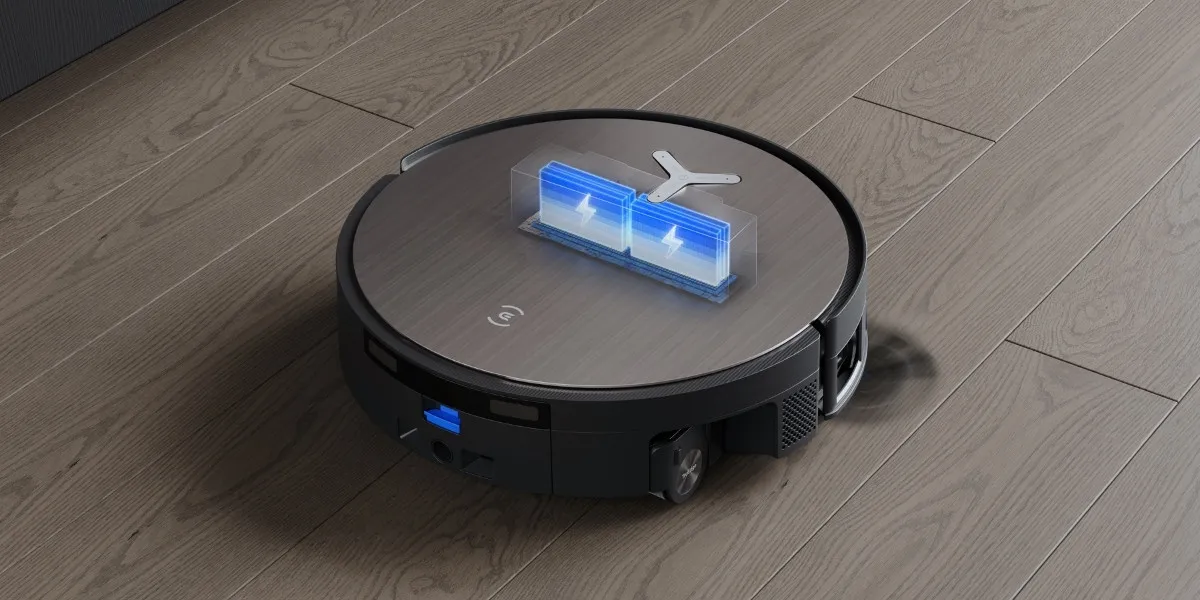
The DEEBOT X11 OmniCyclone is a good example. It uses BLAST Solution to generate up to 19,500 Pa1 of suction, which helps lift dust and debris from stone floors with textured surfaces or open pores. Its OZMO ROLLER 2.0 system scrubs at 200 rpm and continuously refreshes the mop with clean water, removing buildup without grinding dirt into the stone. With AIVI 3D 3.0 obstacle recognition, it navigates around furniture without bumping into stone edges. The self-cleaning model further cleans the roller mop with 75°C hot water at the OmniCyclone Station at each session.
FAQ
What kind of mop is best for stone floors?
A microfiber mop is best because it is gentle on the stone surface and absorb minimal water, lowering the risk of moisture damage.
Why are my floors still dirty even after mopping?
If dust is not removed first, the mop can spread dirt instead of lifting it. Vacuum or sweep before mopping, use clean water, and replace dirty mop water as needed.
How do I clean grout on stone flooring without harming the stone?
Use a pH-neutral cleaner like baking soda paste and a soft brush to gently scrub the grout line. Avoid bleach or acidic cleaners, which can discolour grout and damage natural stone surfaces.
Disclaimer(s):
- 19,500Pa: This data comes from ECOVACS laboratory. The suction power of DEEBOT X11 OmniCyclone can reach 19,500Pa.
Related Products