
Did you know that travertine floors have been used for centuries? One famous example is the Art Gallery of New South Wales, which features 1,600 square meters of Italian travertine flooring in the John Kaldor Family Gallery.
This natural stone surface is durable yet porous, meaning it can absorb stains and show wear if not cleaned with care. Harsh chemicals, abrasive pads, or too much water can damage finishes, whether it’s polished, honed, tumbled, or brushed.
To prevent etching, dullness, discolouration, learn about daily cleaning strategies, what to avoid, and how to keep travertine floors beautiful at all times.
What’s the Best Way to Clean Travertine Floors?
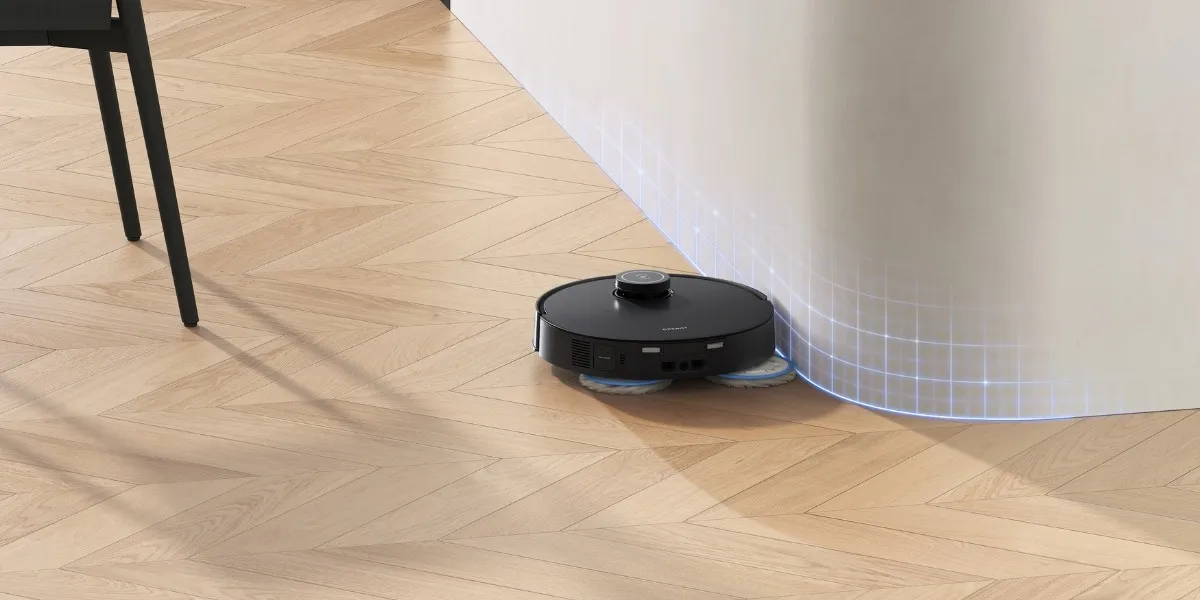
The best way to clean travertine floors is to clear loose dirt from the surfaces first, mop with a mild, stone-safe cleaner, then dry the surface completely. Travertine is sensitive to acids and moisture; thus, it is recommended to mop using a damp microfibre mop or use a robot vacuum and mop with controlled water levels for maintenance.
Can You Mop Travertine Floors?
Yes, you can mop travertine floors, but it should be done with a damp mop. Use plain warm water or a pH-neutral cleaner made for natural stone instead of vinegar, bleach, or ammonia, as they can react with the stone and cause etching. After mopping, make sure the surface is dry without streaks and water spots.
Even though travertine is durable, too much water can seep into the stone and weaken its surface, while steam cleaners can also break down the sealant layer.
If you are still figuring out how to mop your floors, remember that regular resealing, typically once every one to four years, helps the floor stay resistant to moisture and staining over time.
Read more: How to Clean Laminate Floors?
Should You Vacuum or Sweep Travertine Floors?
Yes, you can vacuum or sweep travertine floors with gentle tools. Use a soft broom or a robot vacuum with a soft-bristle brush that is effective in getting rid of pet hair and loose dirt without scratching the stone. A robot vacuum can automate a regular routine for those who struggle with how to vacuum floors properly.
Just like vacuuming tiles, loose grit can act like sandpaper on natural stone, especially if dust builds up quickly in your home. Sweeping works well for quick cleanups, while vacuuming helps pull debris from grout lines and textured areas.
What Tools Should You Use to Clean Travertine Floors?
To capture loose dirt, use a soft-bristled broom or a robot vacuum. When you switch to mopping, choose a microfibre mop and a pH-neutral cleaner designed for natural stone. Avoid abrasive scrub pads, steel wool, or acidic cleaners that can cause damage.
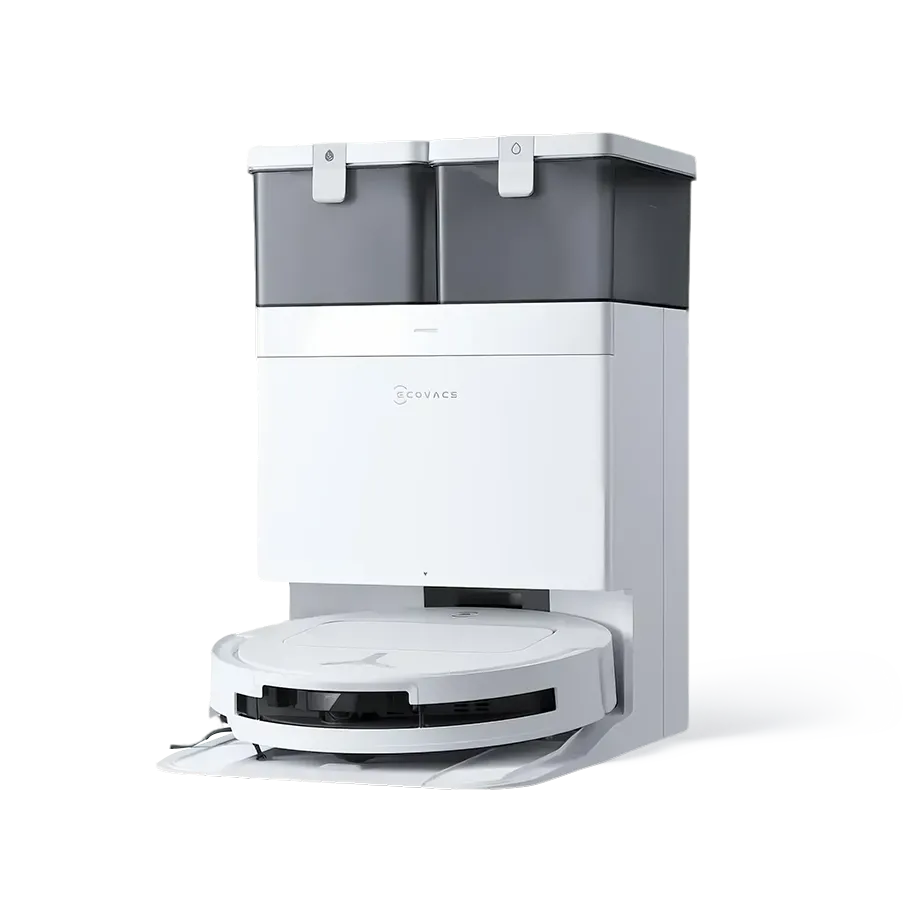
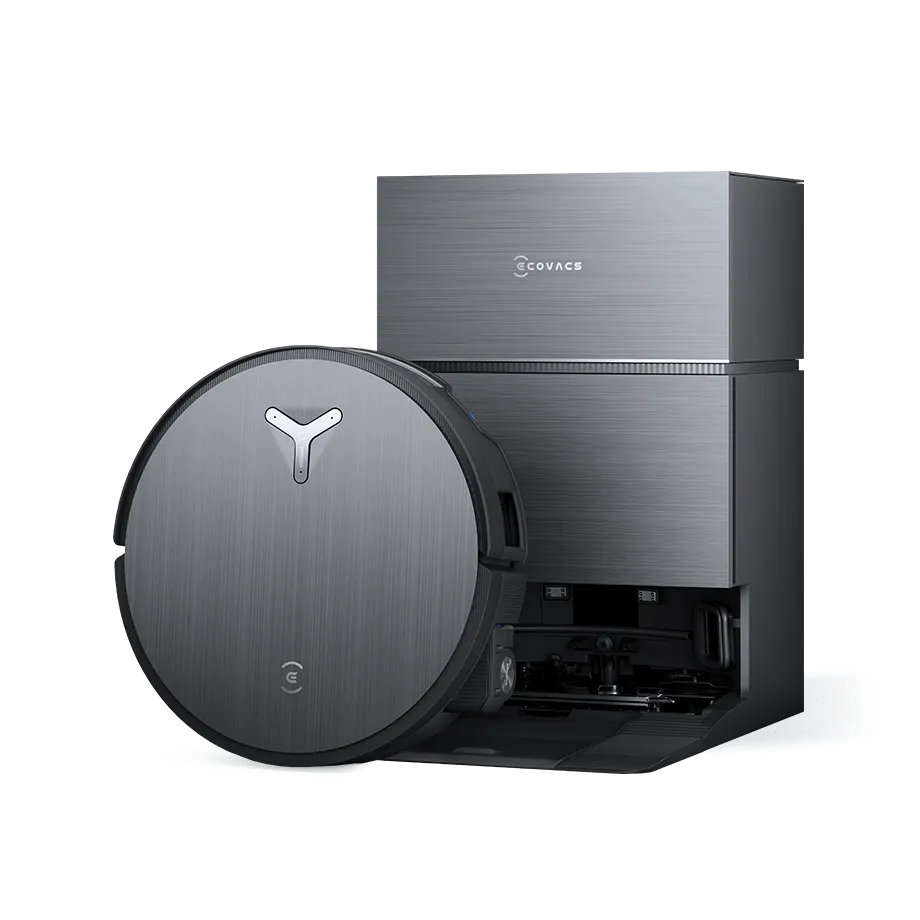
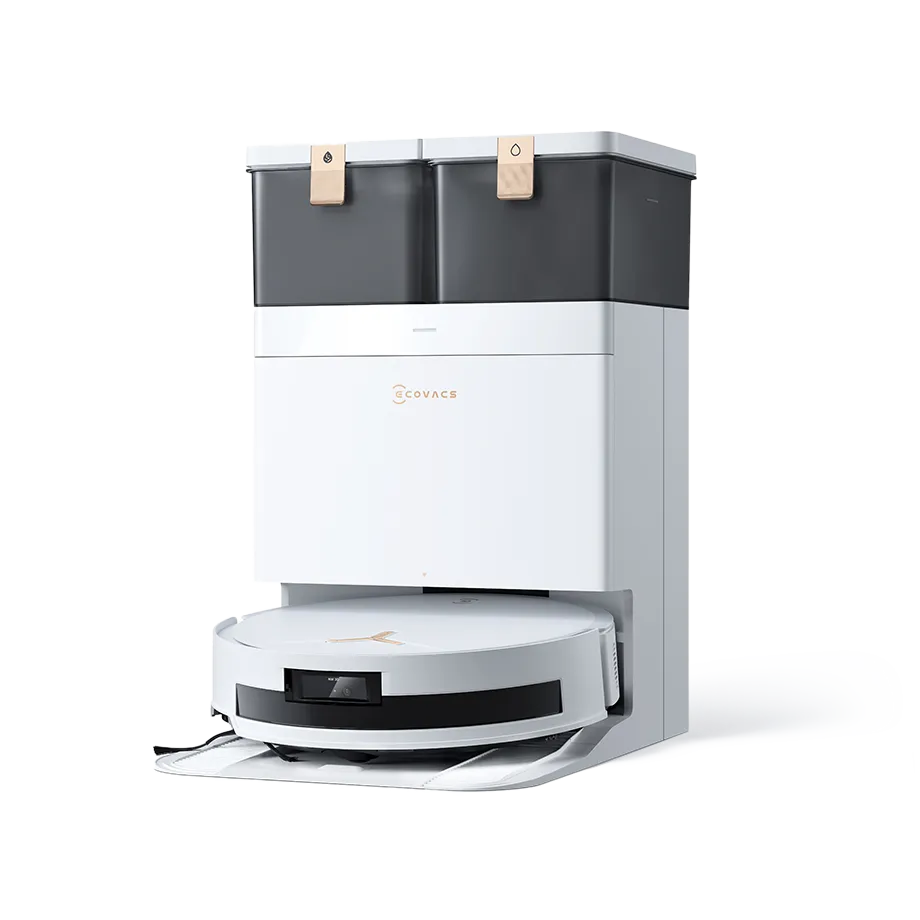
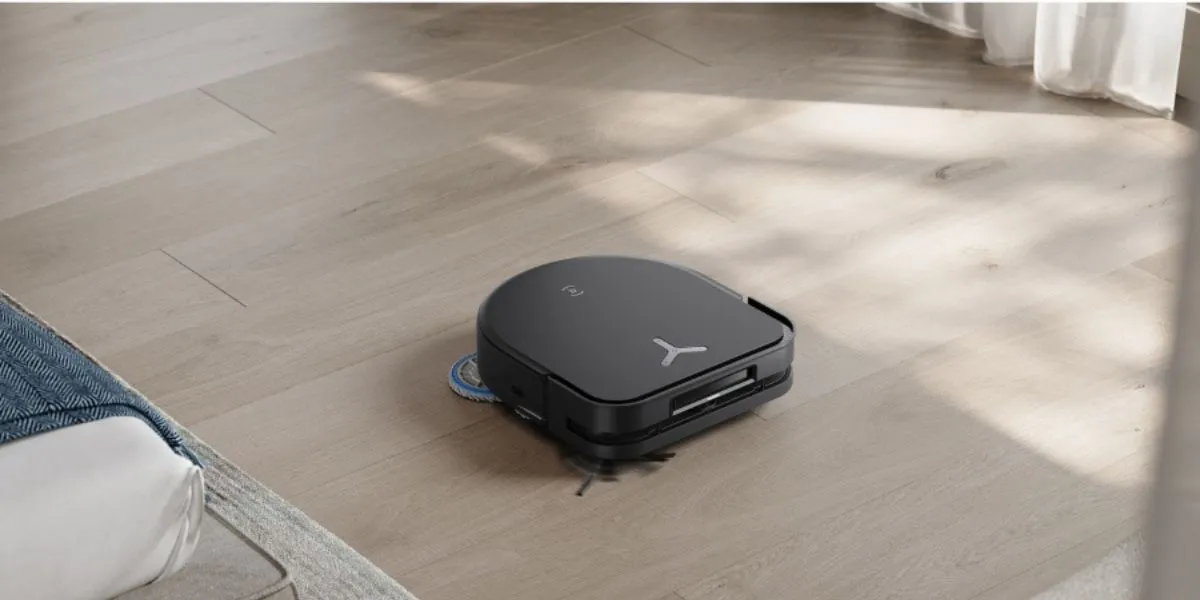
To make your cleaning routine easier, you can choose a DEEBOT robot vacuum and mop that automates cleaning and navigation. Its soft brushes glide gently across stone surfaces and can lightly mop using low-water settings so the surface dries quickly without streaks.
Read more: How to Clean Concrete Floors?
How to Clean Travertine Floors Step-by-Step?
The first step of cleaning travertine floors always begins with removing dirt and fine particles using a sweep or vacuum. Spills should be wiped away right away. Once done, prepare the cleaning solution and mopping material, and gently mop the entire area. Clean up any streaks or water spots; robot vacuum users can skip this step.
Step 1: Remove Dust and Debris
Sweep or vacuum the floor first to keep grit from scratching the stone surface when mopping. Pay attention to corners, baseboards, and the area under furniture, where fine dust tends to collect.
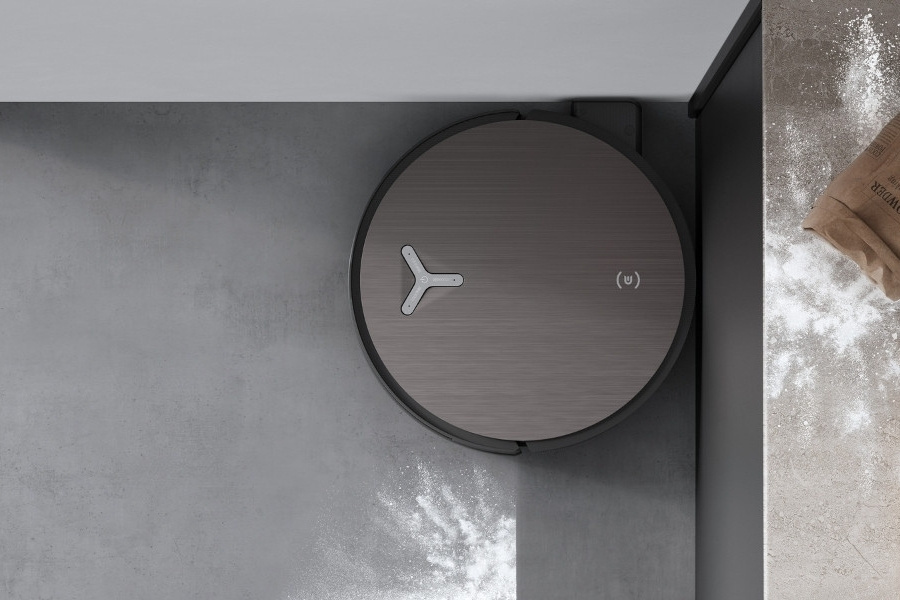
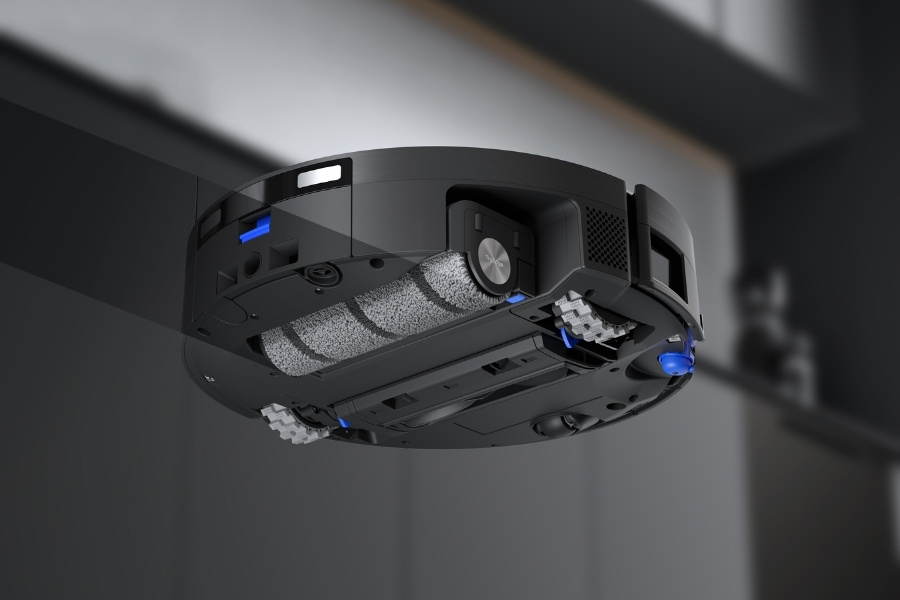
Other than providing a customisable virtual map, a DEEBOT robot vacuum allows you to decide how often to vacuum your floors. It moves across the room on an optimised path and collects dust with a soft brush, replacing the traditional beater bar, which helps lower the risk of scratching your floors.
Read more: How to Clean Tile Floors?
Step 2: Prepare Your Cleaning Solution
If you want to DIY your cleaning solution, fill a bucket with warm water and add a small amount of mild cleaner, such as dish soap or a commercial stone-safe cleaning product.
Do not use vinegar or citrus-based products, as acids dissolve the calcium carbonate in travertine and can leave a rough, permanent mark on the surface. The corrosive action can also erode the finish over time, making the stone more porous and more likely to absorb stains.
Test your solution on a small hidden area first to confirm that the finish remains intact.
Robot vacuum and mop users should use brand-approved cleaning solutions, such as the Double-Effect Clean Solution for the DEEBOT X11 OmniCyclone.
Step 3: Wet and Wring the Mop
Travertine has natural pores and fissures that readily absorb liquids. For this reason, the floor should only be damp-mopped; otherwise, excess moisture can compromise the structure of the stone and build an environment where mold, mildew, and bacteria may thrive.
Dip the mop into the solution and wring it thoroughly until it is no longer dripping. As a smart alternative, advanced robot vacuums such as the DEEBOT X8 PRO OMNI let you fine-tune water output with up to 50 adjustable levels.
Read more: How to Clean Vinyl Floors?
Step 4: Start Mopping the Floor
When you start mopping the travertine floor, mop in straight, overlapping lines or follow the natural direction of the tiles, and rinse the mop often to prevent streaks. The OZMO ROLLER 2.0 in the DEEBOT X11 OmniCyclone scrubs and rinses the high-density nylon roller at 200 times per minute.
In kitchens or other spill-prone areas, use a soft sponge to remove small marks instead of abrasive pads. The DEEBOT X11 OmniCyclone features AI Stain Detection that adjusts cleaning strength: light stains get a quick re-mop, while tougher messes trigger a deep re-mop pattern for better results.
Step 5: Dry the Floor Properly
If you notice that the cleaning solution is leaving residue on the surface, rinse the floor with clean water and allow good airflow to air-dry, or use a soft cloth to dry the surface completely. Those using DEEBOT robot vacuums and mops with their dedicated cleaner can skip this step. Make sure the floor is fully dry before walking on it or placing rugs back down.
Also, be mindful of hard water. It tends to leave behind white, chalky, or cloudy mineral deposits when it evaporates; once these deposits settle, they can become very difficult to remove without professional help.
Read more: How to Clean Wood Floors?
How Often Should You Clean or Mop Travertine Floors?
Consistent light maintenance, such as sweeping or vacuuming travertine floors, can be done one to two times a week, and you can mop them on a weekly basis. High-traffic areas, kitchens, and entryways may need more frequent cleaning, particularly paying attention to spills. Pet owners or those living near a desert like Mount Isa in Queensland, can also shorten the cleaning intervals.
Another factor to note is the finish. Tumbled and honed surfaces are more textured and porous, so they trap dust more easily and need more consistent cleaning and sealing. Polished finishes, on the other hand, are more resistant to staining but show smudges and small scratches more easily.
If you are still figuring out how often to mop your floors, a DEEBOT robot vacuum and mop can help by running on a schedule or being sent remotely for quick spill cleanup through the ECOVACS HOME app.
What to Avoid When Cleaning Travertine Floors?
Regardless of the colours and finishes of your travertine floors, the first rule is to avoid acidic and harsh cleaners such as vinegar, lemon juice, and ammonia. These harsh chemicals can etch the stone and damage the finish. Meanwhile, do not use abrasive scrubbers, steam cleaners, or generic floor cleaners that can scratch the surface and weaken the sealant layer.
Here are the most common mistakes to avoid:
- Avoid acidic cleaners: Vinegar, lemon, bleach, and ammonia react with the calcium carbonate in travertine and cause etching, dull marks, and permanent damage.
- Avoid abrasives: Scouring pads, stiff brushes, and gritty powders can scratch the surface and remove the natural sheen from the stone.
- Avoid oversaturation: Soaked mops and standing water can seep into pores. Moisture buildup can weaken the stone and create conditions for mould or mildew.
- Avoid steam or high heat: Steam and strong heat can break down the sealant layer, leading to muddy spots and making the material more vulnerable to staining.
Read more: How to Clean Marble Floors?
How ECOVACS Can Help Clean Travertine Floors?
DEEBOT robot vacuums automate safe and effective vacuuming and mopping on travertine floors. Before you begin, open the ECOVACS HOME app to control cleaning paths, adjust suction, and set the appropriate water level for mopping on stone surfaces.
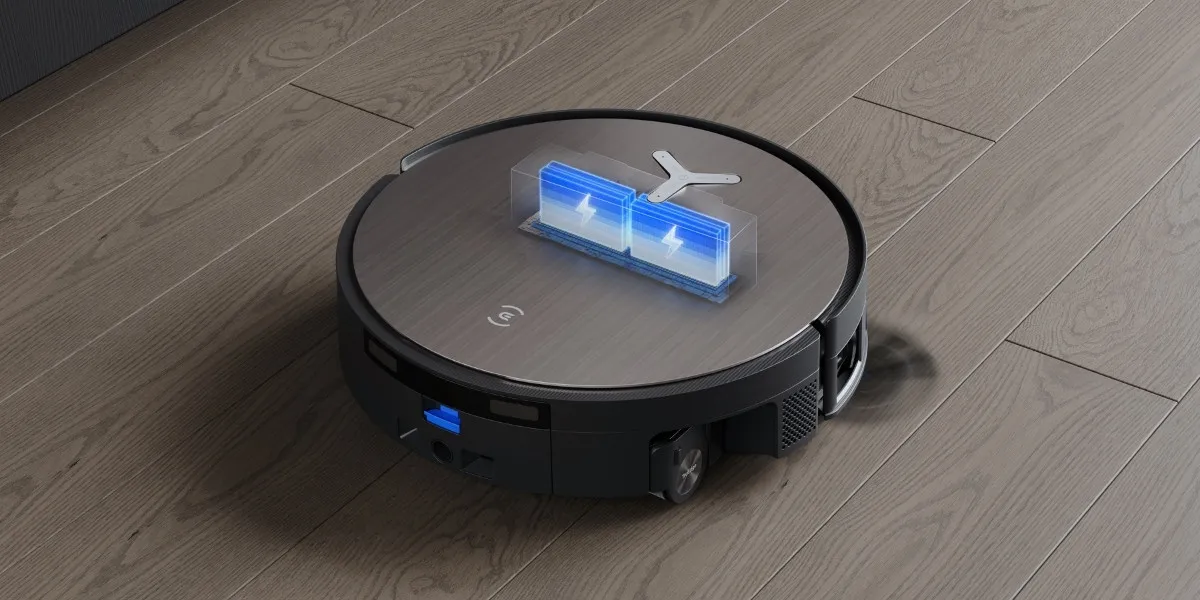
For example, the DEEBOT X11 OmniCyclone features strong suction up to 19,500 Pa1 powered by BLAST, along with precise navigation that helps it reach hard-to-access corners. The OZMO ROLLER 2.0 system cleans fine particles with controlled water output. You can also set no-go zones to prevent the device from entering risky areas.
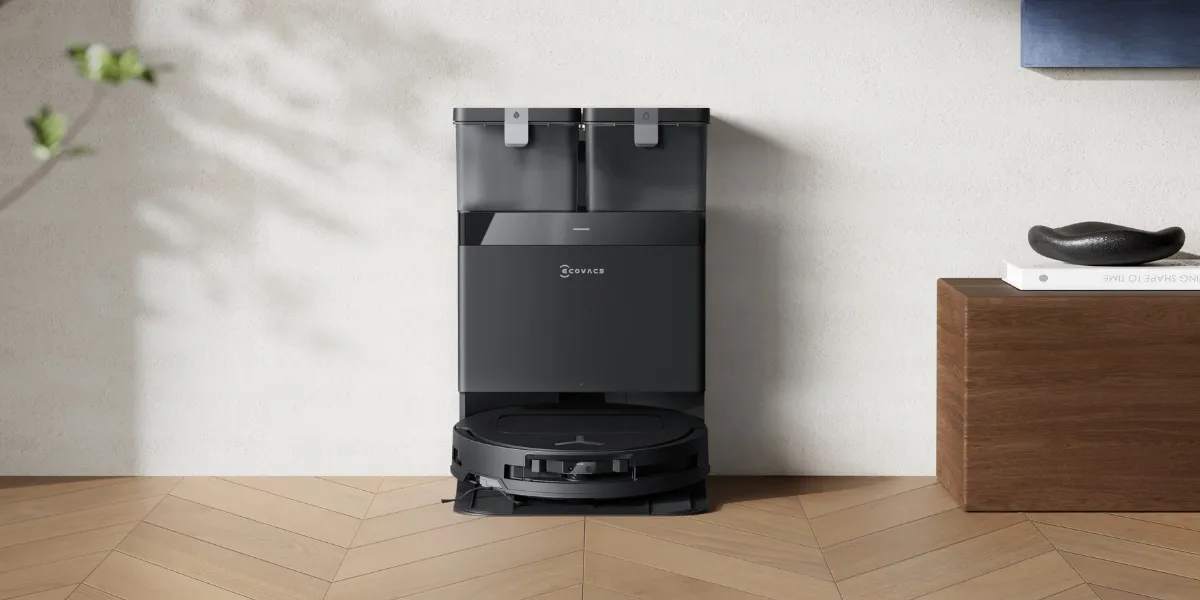
You can schedule cleanings, trigger spot cleaning for spills, and rely on the self-emptying system. The DEEBOT X11 OmniCyclone pairs with the OmniCyclone Station, which washes the roller mop with 75 °C hot water to dissolve and lift stubborn grime.
FAQ
Do travertine floors need to be sealed?
Yes. Travertine is porous and absorbs liquids. Sealing helps reduce staining and makes daily cleaning easier. Reseal every one to four years depending on use and finish.
How to prevent scuff marks on travertine floors?
Use soft furniture pads under chair and table legs. Sweep or vacuum regularly to remove grit that can scratch the surface.
How to get travertine to shine again?
Clean with a pH-neutral stone cleaner and dry the floor after mopping. If the surface looks dull, consider having it professionally polished to restore its sheen.
Disclaimer(s):
- 19,500Pa: This data comes from ECOVACS laboratory. The suction power of DEEBOT X11 OmniCyclone can reach 19,500Pa.
Related Products