
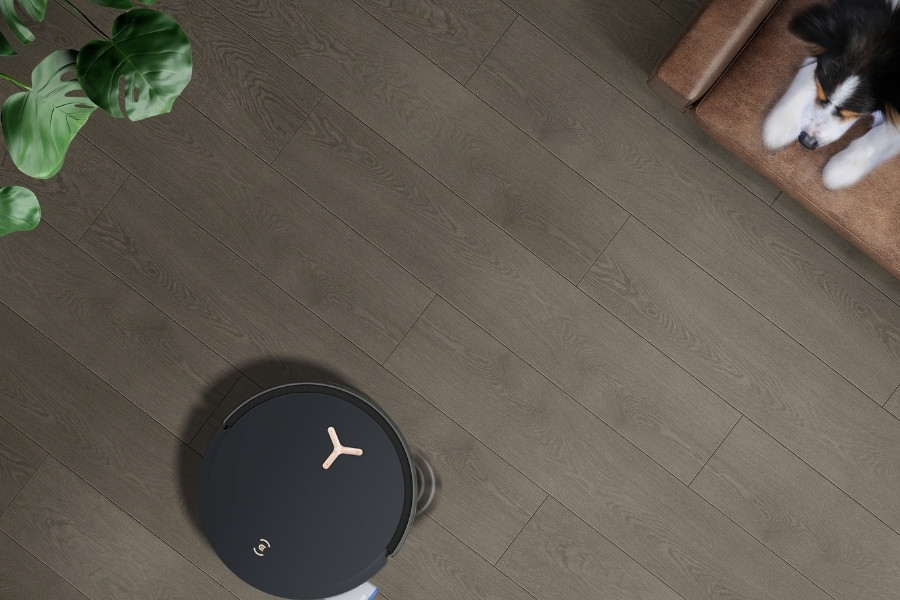
Scientific studies have found that bonding with animals can lower blood pressure and cortisol levels, a hormone linked to stress. We love them so much that, according to the Animal Medicines Australia, nearly two in three households in Australia currently own a pet1.
While we all enjoy the company of pets, keeping them as part of our family also means battling with pet hair. Fur makes them oh so fluffy to cuddle, but shedding can quickly become overwhelming without proper cleaning. Having vacuum cleaners nowadays is useful, and learning how to vacuum pet hair effectively helps us maintain a healthy home.
Why Is Vacuuming Pet Hair Important?
Vacuuming pet hair is important for keeping your home clean and hygienic. Even if you groom your pets regularly, the bacteria, pollen, dust mites, and skin flakes hidden in their fur can create dust in your house. Without regular vacuuming, these particles may trigger allergy reactions or become airborne and affect indoor air quality.
By vacuuming, you can help get rid of and trap these common particles that are hidden in pet hair.
- Bacteria: Pet hair can carry germs from saliva, outdoor walks, litter boxes, or dirty paws, risking infection.
- Dander: Microscopic skin flakes trigger cat allergies and may cause respiratory issues.
- Pollen: Outdoor pollen clings to fur and spreads indoors, causing seasonal symptoms.
- Dust mites: Thrive in carpets and pet beds, worsening asthma and congestion.
- Fleas and ticks: Hide in fur, causing bites or spreading disease.
- Mould spores: From damp ground, aggravating allergies and lung irritation.
- Saliva and urine residue: Contribute to odours and allergen spread.
- Chemical residues: Fur can pick up pesticides, cleaners, or exhaust, risking rashes or toxic exposure.
1 – Groom Pets Regularly to Reduce Hair Buildup
To relieve the stress of vacuuming pet hair, you can start with the “root cause” and groom your pets on a regular basis. Whether it is to use a deshedding tool, give your dog a bath, or even vacuum your pet with a special model, less loose hair means less work for your vacuum cleaner and fewer allergens floating around your home.
2 – Set a Regular Cleaning Routine
No tip will be helpful unless you maintain a consistent vacuuming routine. Pet hair builds up quickly, so sticking to a schedule is the best way to manage it. Start by vacuuming two to three times a week and adjust it down the road; you can also vacuum high-traffic areas daily, like the living room, pet beds, and feeding areas. Those who choose a robot vacuum for allergies can easily schedule cleanings through the companion app.
3 – Use a Robot Vacuum to Sweep and Mop Daily
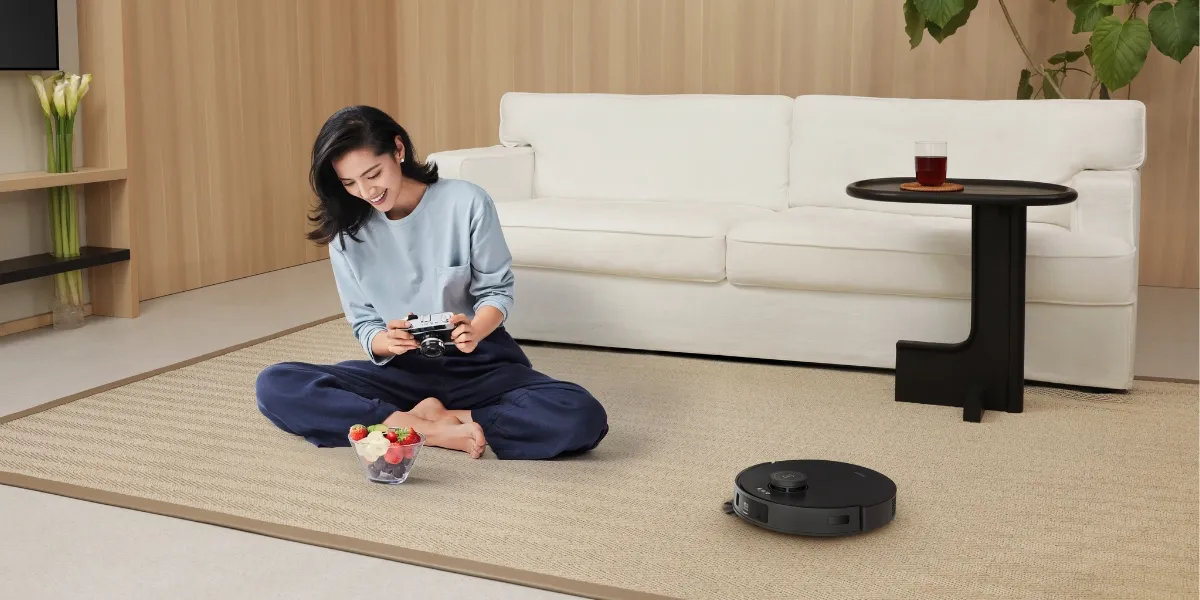
Keeping up with pet hair manually can be a daily chore, especially during shedding seasons or in households with multiple pets. Whether sweeping or using a traditional vacuum, this task takes time and effort, yet the fur quickly returns. A robot vacuum for pet hair helps manage this constant buildup without eating into your day.
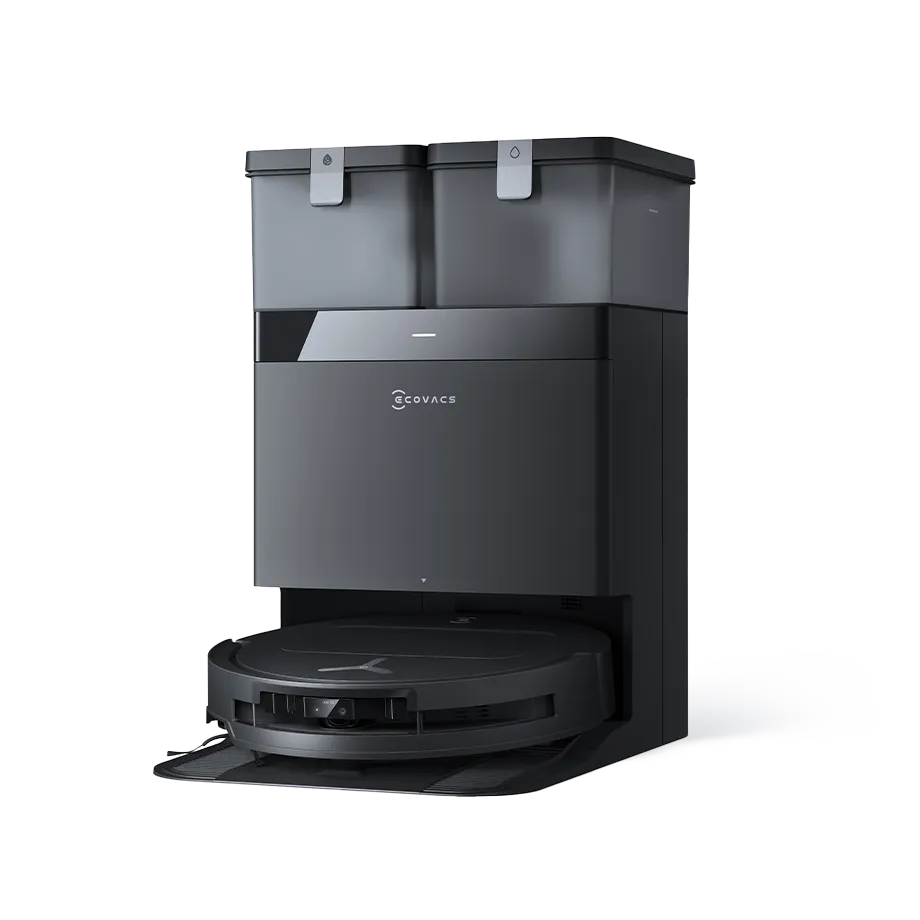
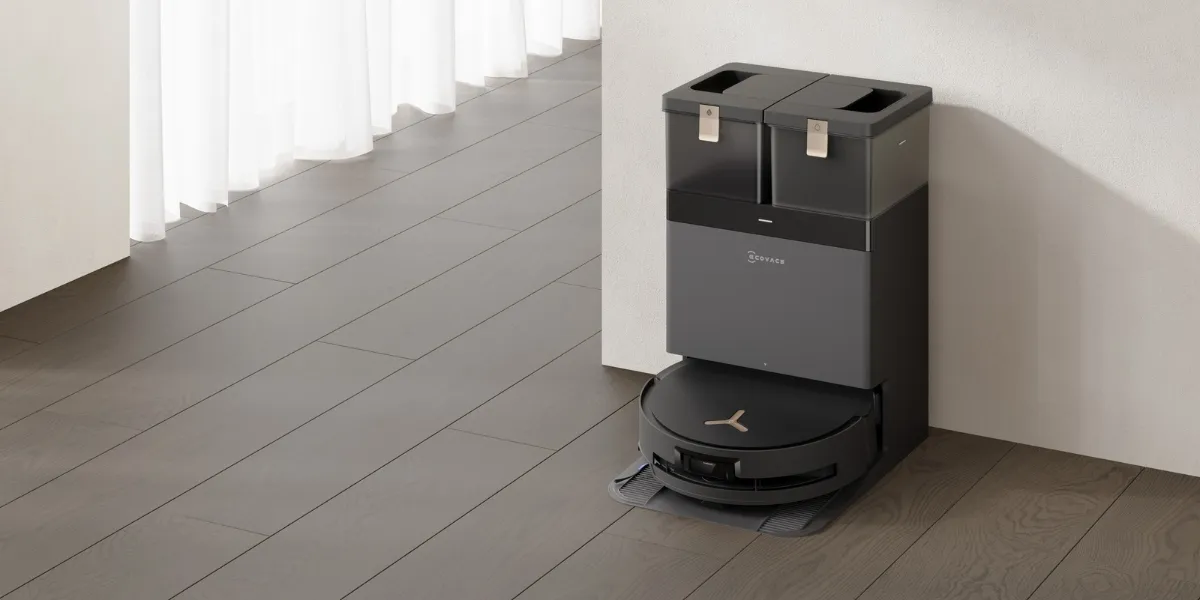
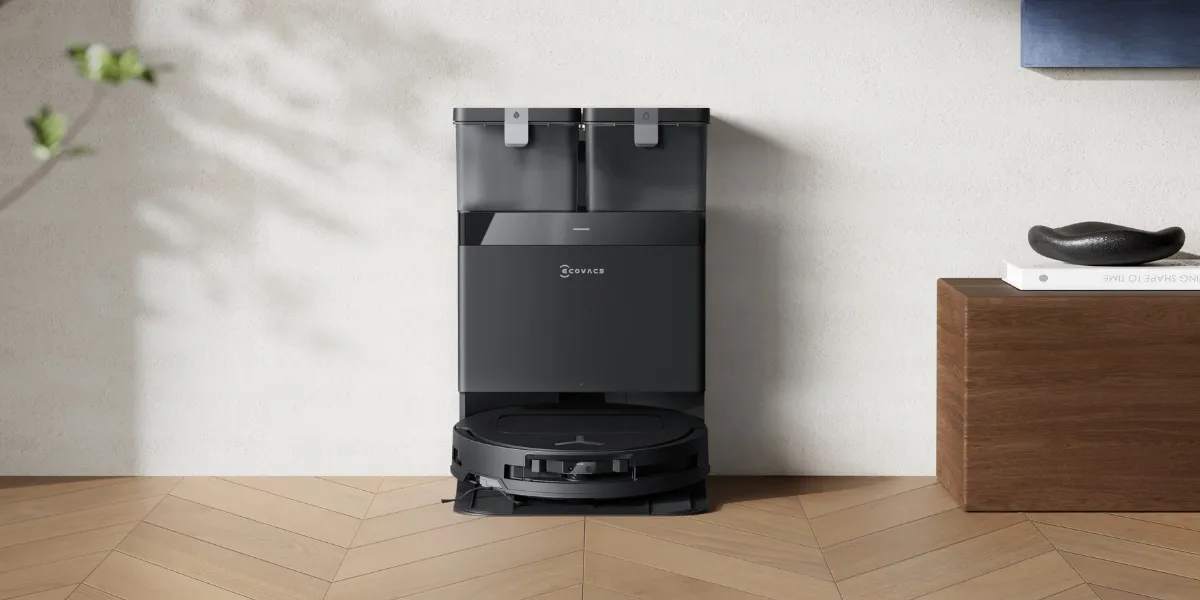
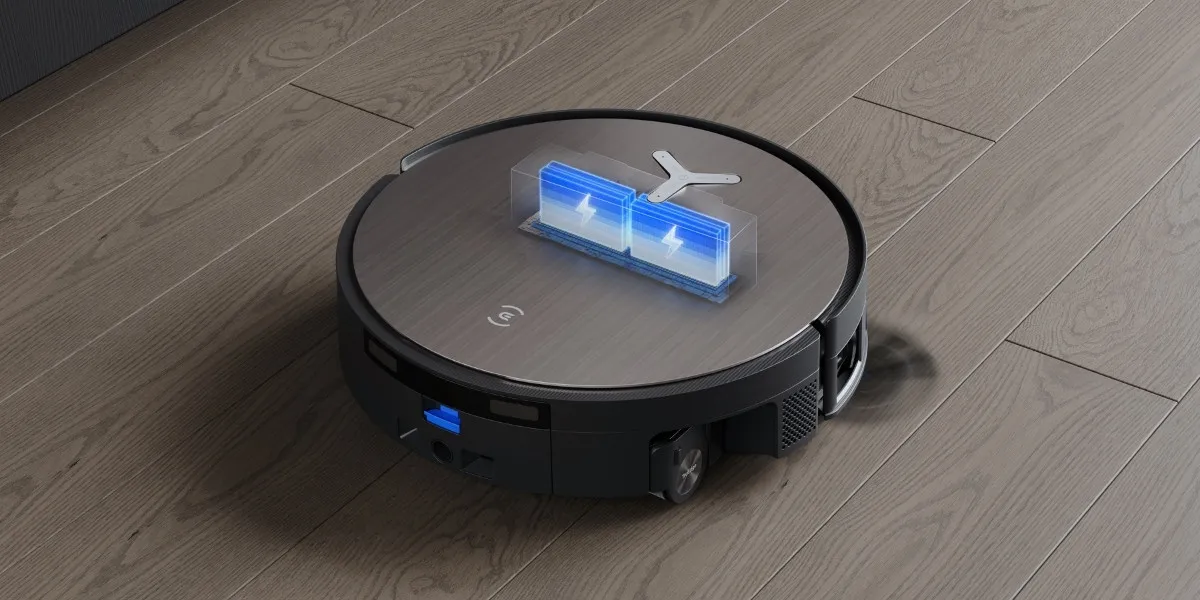
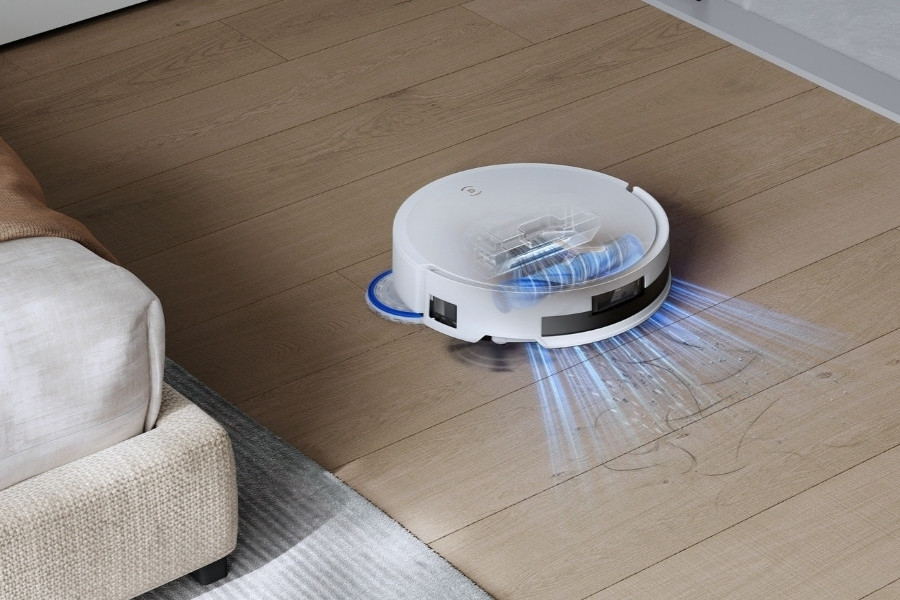
Premium models such as the DEEBOT T50 Max Pro Omni feature Boosted Large-Airflow Suction Technology (BLAST), which achieves a 100% pickup rate for large debris, like pet hair piles, while also excelling at extracting fine dust. Controlled remotely via the ECOVACS HOME app, you can easily schedule cleanings and send the vacuum to spot clean areas your dogs or cats frequent, while you go about your day.
4 – Adjust to Strong Suction for Pet Hair
The stronger the suction, the more effectively the vacuum gets rid of dog hair, which tends to cling to fabric fibres. Set a good suction power when cleaning high-traffic pet areas, upholstered furniture, and rugs.
A robot vacuum for carpet can automatically detect carpeted floors and activate optimal modes; for example, the DEEBOT T50 MAX PRO OMNI features a “Carpet First” function that removes pet hair trapped between carpet fibres before mopping to avoid cross-contamination.
5 – Use Advanced Filters to Trap Pet Allergens
Pet hair often carries microscopic allergens like pollen, dander, and dust mites, which can aggravate allergies. Standard filters may allow these particles to pass back into the air; instead, choose a vacuum with a high-grade filter. Other than HEPA filters, other advanced filtration systems can also trap these allergens effectively, helping keep your home cleaner and reducing allergy symptoms.
6 – Clean or Replace Filters for Optimal Suction
When you vacuum, the filtration system traps allergens and tiny particles. When clogged, it can block airflow and result in suction loss, or worse, spitting dust out into the air. For example, if you vacuum cat litter, you might risk clogging filters.
To improve the air quality, clean the vacuum’s filter frequently and replace it as signs show.
Smart models like DEEBOT send alerts to your smartphone when it’s time to change the filters. Users can also check the filter usage status at any time through the ECOVACS HOME app.
7 – Empty the Dustbin Often to Manage Pet Hair
If you live with Huskies, Golden Retrievers, or Maine Coons and Persian cats, you know how fast pet hair can fill the dustbin. To lower the risk of clogging, change the vacuum bag before it gets too full.
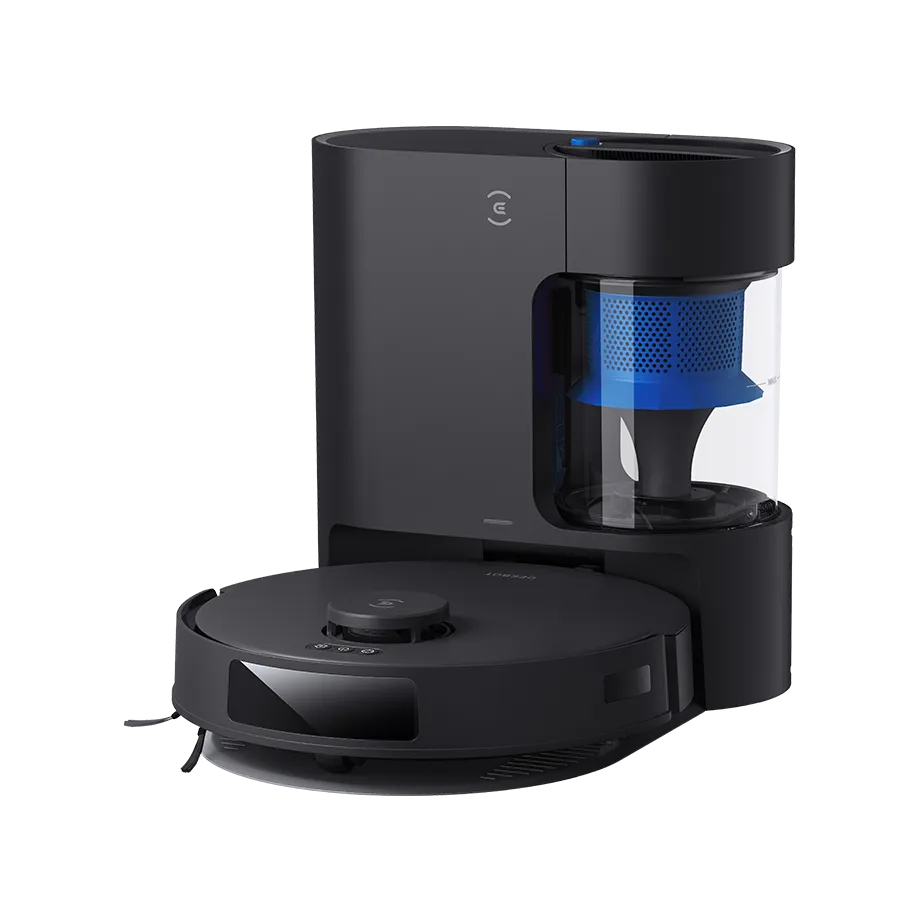
Smart vacuums with auto-empty stations provide extra convenience by storing debris in a large dust bag, extending the time between manual emptying.
For the DEEBOT T50 MAX PRO OMNI, you can empty the dustbin up to 90 days.
8 – Remove Hair from Brushes to Maintain Performance
Hair can wrap around the brushes and limit their capability to pick up new fur. Removing hair from the brush roll regularly can keep it spinning freely. Alternatively, many ECOVACS robot vacuums feature an anti-tangle design in their brushes, for instance, a V-shaped spiral design and V-shaped bristles, to prevent pet hair from tangling.
9 – Vacuum Upholstery First to Avoid Spreading Pet Hair
If your four-legged friend loves to watch TV from the sofa, you should know that soft surfaces like carpets, sofas, and curtains naturally trap more fur than hard floors. Start with these areas first using an upholstery tool or a vacuum with the appropriate attachments.
10 – Vacuum Pet Bedding and Play Areas
Where do your furry friends spend most of their time? Pet beds, blankets, and play areas tend to collect hair, dander, and lingering odours faster than other spots in your home.
Hence, it is best to vacuum these areas more frequently than others, using an upholstery or mini power brush attachment. The goal is to remove embedded fur and allergens before they spread to other surfaces and keep your pet’s favourite places fresh.
11 – Tackle Pet Hair on Stairs and Corners
Pet hair is light, and as your whiskered pal runs around the house, it can be lifted into the air and settle into the edges of stairs or hide in tight corners where standard vacuum heads struggle to reach. Use a crevice tool to target these tricky spots.
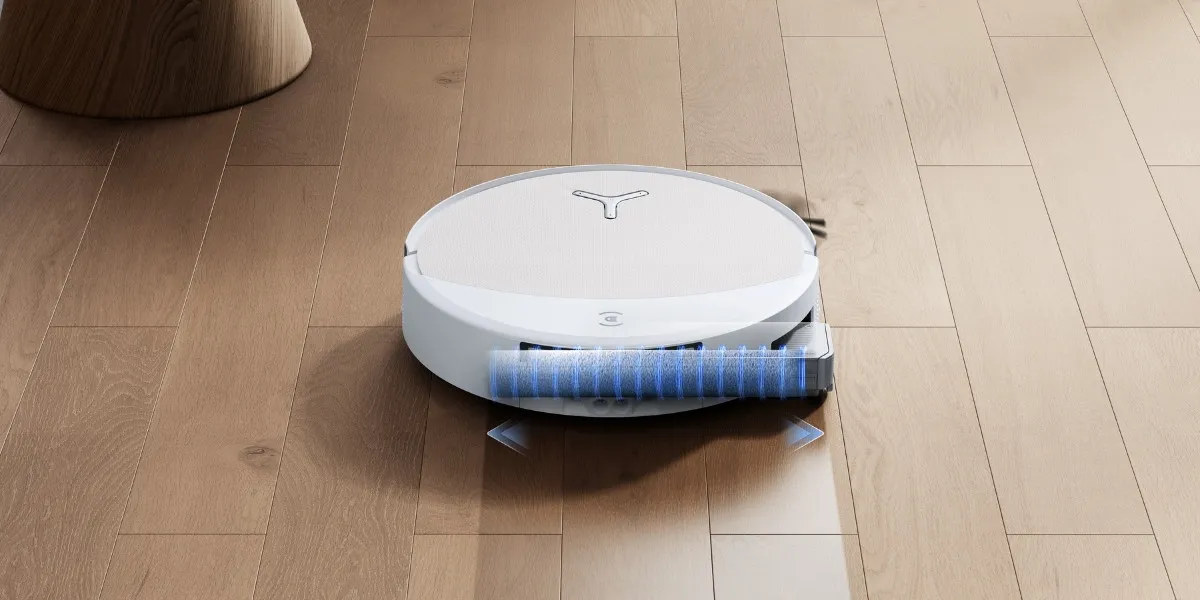
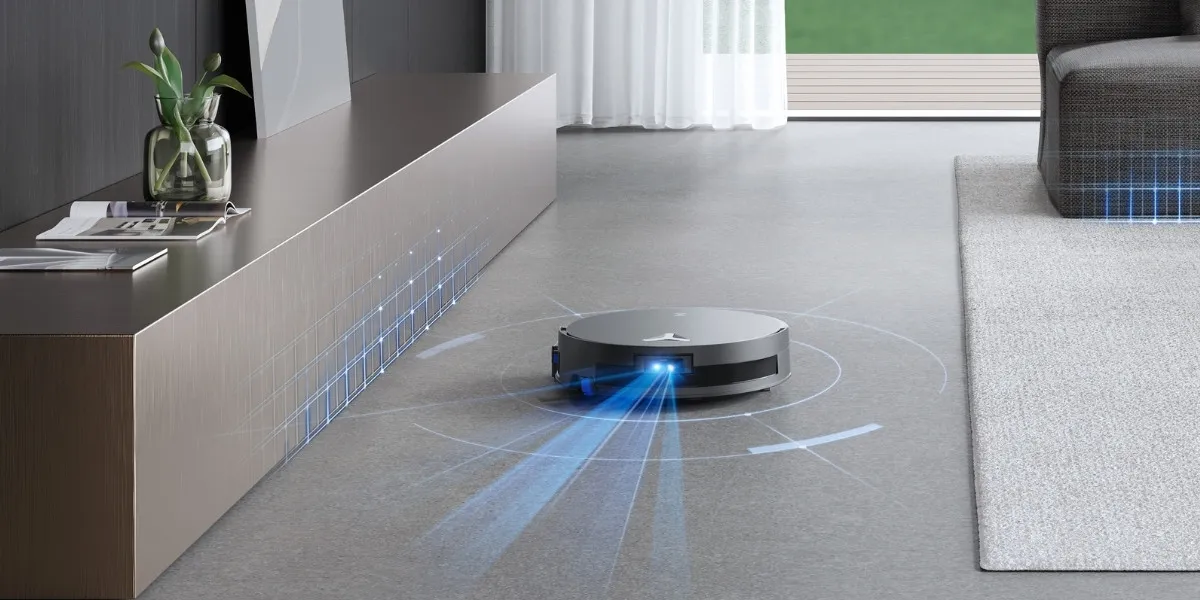
Advanced robot vacuums with edge-cleaning technology, like TruEdge 2.0 in the DEEBOT T50 MAX PRO OMNI, feature an extendable side brush at the front and a continuously variable mop plate at the back to clean along the edge, while a side brush extends automatically to reach deep into tight corners.
FAQ
Why won't my vacuum pick up my pet hair?
If your vacuum has weak suction, a clogged filter, or a tangled brush roll, it may struggle with picking up fur. Check for blockages, clean or replace the filter, and use the dedicated attachments for upholstery or carpets.
Why are dogs scared of vacuum cleaners?
Vacuum cleaners are noisy and unpredictable, which can scare dogs. Consider using a quieter robot vacuum, such as the DEEBOT T50 MAX PRO OMNI that produces only 65 dBA. You can also run it while your dog is in another room.
How to prevent a vacuum from smelling like a dog?
To prevent lingering dog pee smells, clean the dustbin often, wash or replace the filters, and check if the hose has any pet urine or saliva residue. If the smell persists, consider cleaning the interior parts as well.
Reference(s):
- Pets in Australia: A national survey of pets and people - https://animalmedicinesaustralia.org.au/resources/pets-in-australia-a-national-survey-of-pets-and-people-2/
Related Products