Love the look of hardwood or marble floors? If budget is a concern, vinyl floors are a great alternative that gives the realistic look and feel of natural materials without the price tag.
Despite resisting stains and moisture better than most other materials, vinyl floors still shouldn’t be neglected. To prolong their lifespan, avoid using the wrong cleaning products or too much water, which can lead to warping, dullness, or streaks.
Preserve their charm by finding out the safest way to clean vinyl floors, what to avoid, and how to keep them looking new for years to come.
What’s the Best Way to Clean Vinyl Floors?
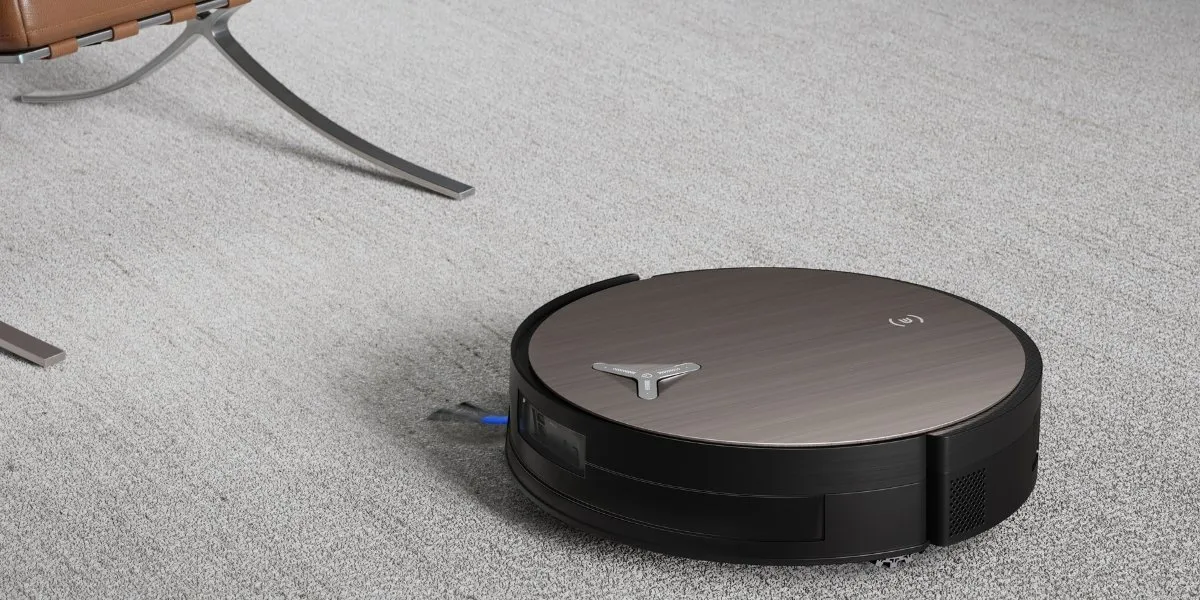
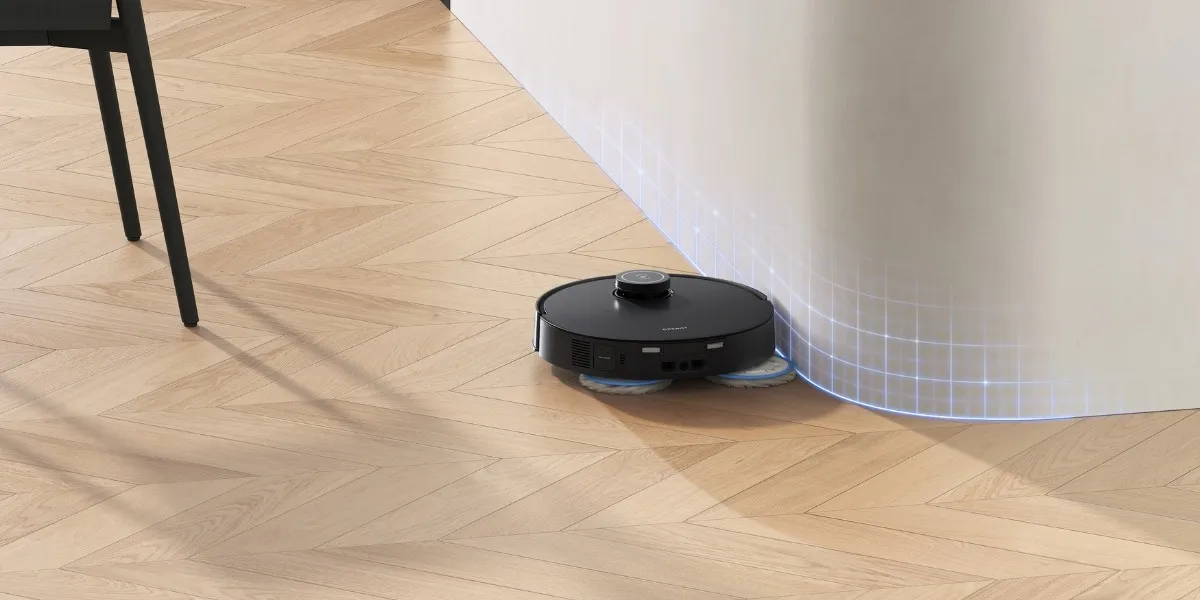
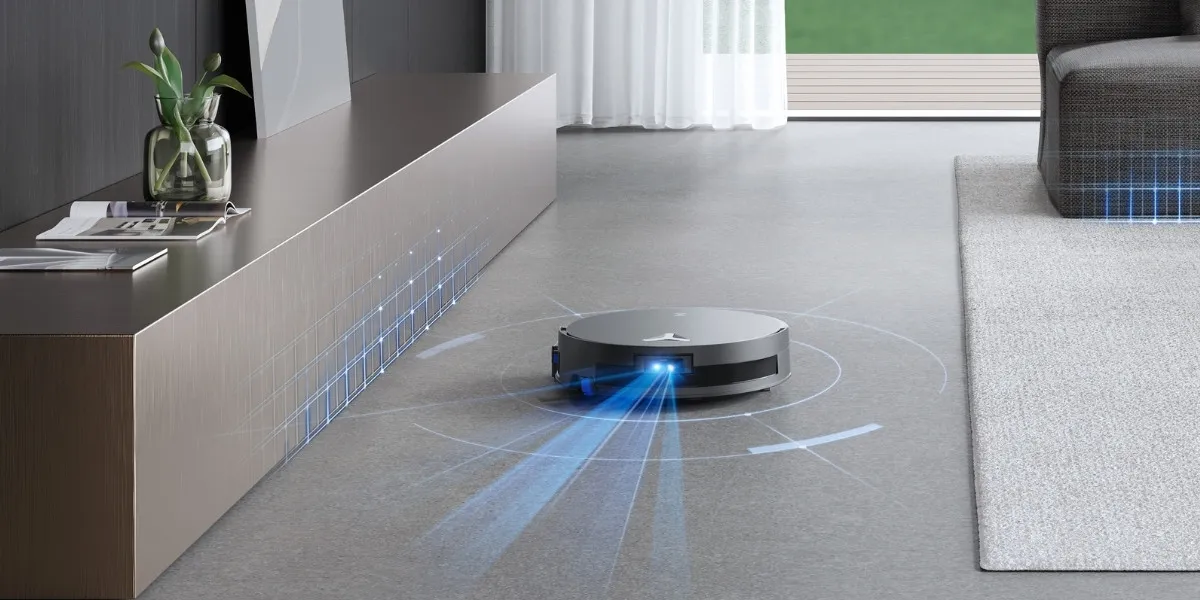
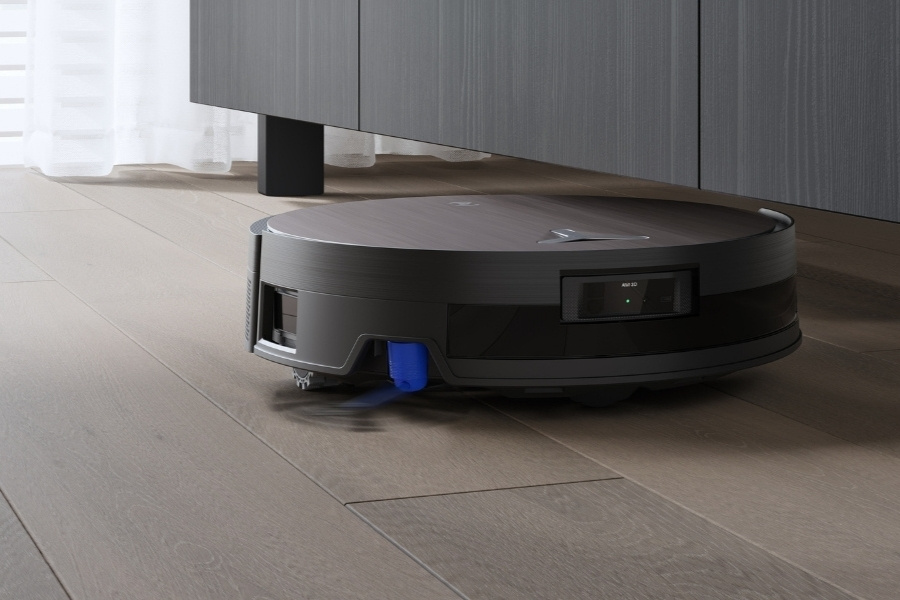
Vinyl floors are easy to maintain. You can start by sweeping or vacuuming dust and debris, then mop the entire surface. Be aware of excessive water. Finish by drying with a clean cloth to prevent streaks. While the cleaning task is not difficult to do yourself, for a smart solution, a robot vacuum and mop can automate the process.
Can You Mop Vinyl Floors?
Yes, you can mop vinyl floors as long as you use a damp mop, not a soaking wet one. Also, choose a mild cleaner to avoid damaging the surface. Before mopping, remove loose debris and grit that could scratch the floor. Keep away from steam mops, as the heat can cause vinyl planks to warp or buckle.
If you’re not sure how to mop your floors, as a general guideline, vinyl floors are water-resistant but not completely waterproof, so moisture control is a must. When shopping for floor cleaners, remember that harsh chemicals like ammonia, bleach, or vinegar can strip away the protective top layer.
Read more: How to Clean Concrete Floors?
Should You Vacuum or Sweep Vinyl Floors?
Yes, you should vacuum or sweep vinyl floors to clear away dirt and debris and make mopping easier. For pet owners, vacuuming is better than sweeping in getting rid of pet hair, cat litter, and allergens. Similar to vacuuming tile floors, it’s best to use a broom or robot vacuum with soft bristles to prevent marks.
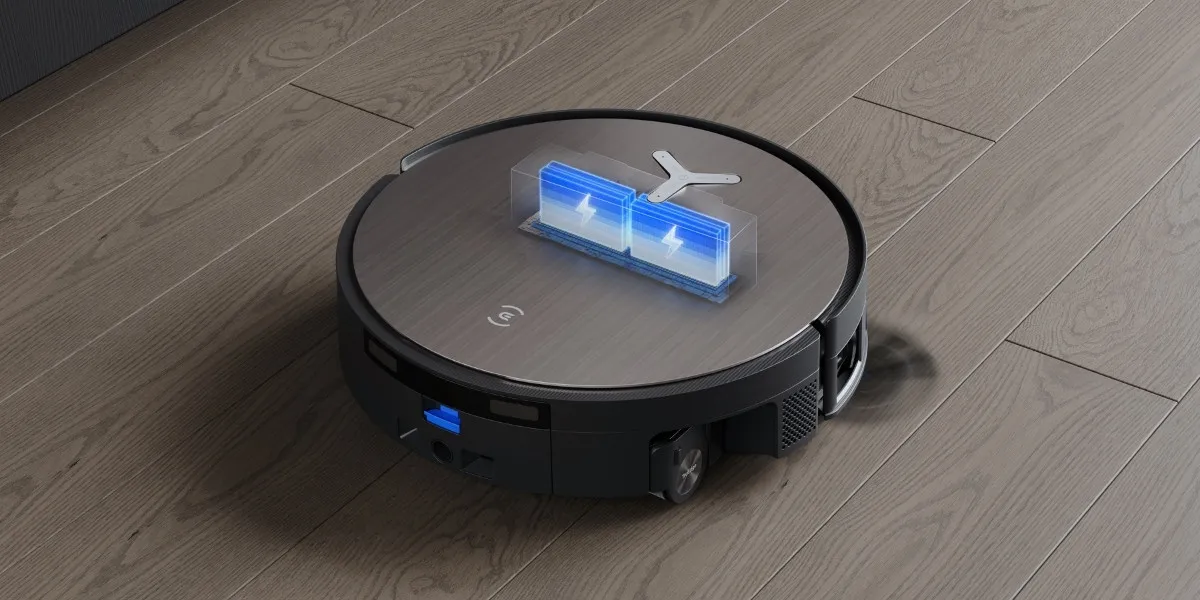
Keeping your floors clean doesn’t require much effort; it just requires you to know how to vacuum floors properly. Otherwise, you can choose a robot vacuum like DEEBOT, which intelligently recognises floor types and uses optimised cleaning settings to handle different surfaces, including vinyl, effectively.
What Tools Should You Use to Clean Vinyl Floors?
To clean vinyl floors, prepare a soft-bristle broom for sweeping, a robot vacuum with soft brushes for gentle debris removal, and a microfibre mop with a mild, pH-neutral cleaner for mopping. These tools help keep the floor spotless without scratching or leaving streaks while maintaining proper moisture levels.
Choose a soft-bristle broom made from natural or synthetic materials like nylon, polyester, or polypropylene. The same applies to the robot vacuum’s brushes: make sure they are soft and vinyl-friendly. Meanwhile, a microfibre mop is preferred since it holds less water. Make a gentle cleaner out of vinegar, soap, and water, or opt for a specialised cleaner. For example, DEEBOT robot vacuums and mops work best with their official cleaning solution.
Read more: How to Clean Tile Floors?
How to Clean Vinyl Floors Step-by-Step?
Cleaning vinyl floors is easy and only takes a few simple steps. First, sweep away large debris or let a robot vacuum help remove fine dust, even in hard-to-reach areas. Then, prepare the cleaning solution and mop away allergens that vacuuming alone may miss. Don’t forget to go over the floor with a clean cloth to wipe out excess moisture.
Step 1: Remove Dust and Debris
Clear away loose dirt, for instance, during the holiday season, sweep up pine needles first to prevent them from chipping the surface. If you have pets, vacuuming works better for reaching corners and areas under furniture where pet hair and dust tend to build up.
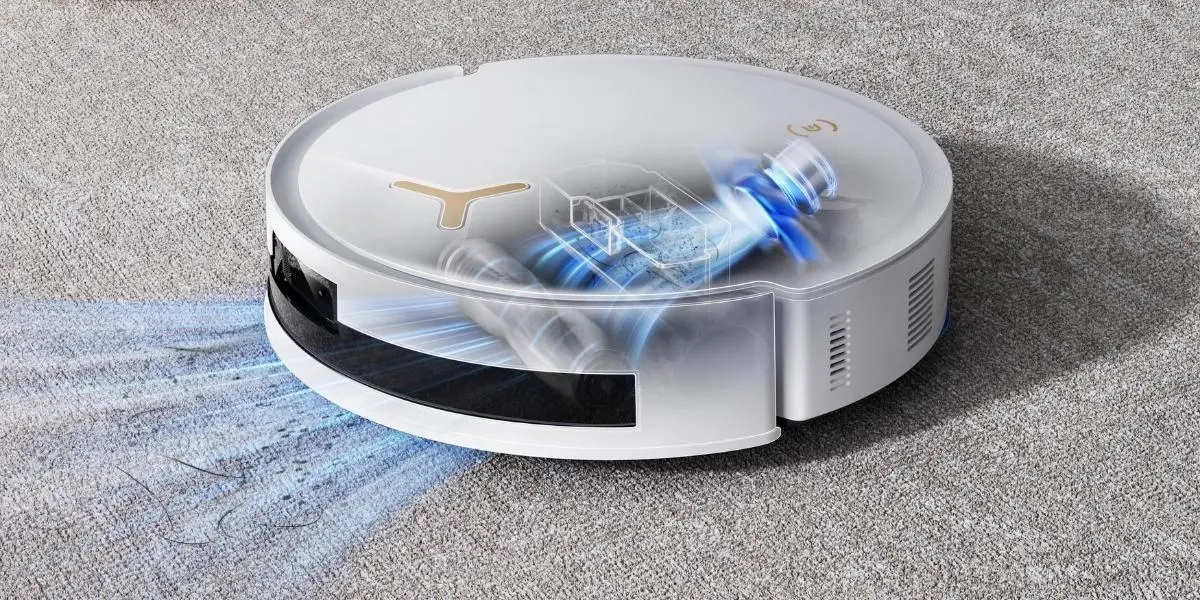
Today, many Australian homes have mixed flooring, making a robot vacuum a convenient choice. By replacing the traditional beater bar with a roller brush, it lifts embedded dirt while keeping it gentle on vinyl and other surfaces. You can also schedule cleanings to decide how often to vacuum your floors.
Read more: How to Clean Wood Floors?
Step 2: Prepare Your Cleaning Solution
Use only a mild cleaner on vinyl floors. Typically, a cleaner with a neutral pH of around 7 is considered safe and easy to rinse off vinyl flooring. You can mix warm water with a small amount of vinegar, or get a specialised one.
Avoid harsh or wax-based cleaners that could leave residue or cause discolouration. Test the cleaner on a small, hidden area to make sure it is safe.
Step 3: Wet and Wring the Mop
Despite the fact that most vinyl floors have a certain level of water resistance, they’re not waterproof. Water can still seep into the seams and cause bubbles or warping. Therefore, mop vinyl floors with a damp mop that is fully wrung out, not a wet one.
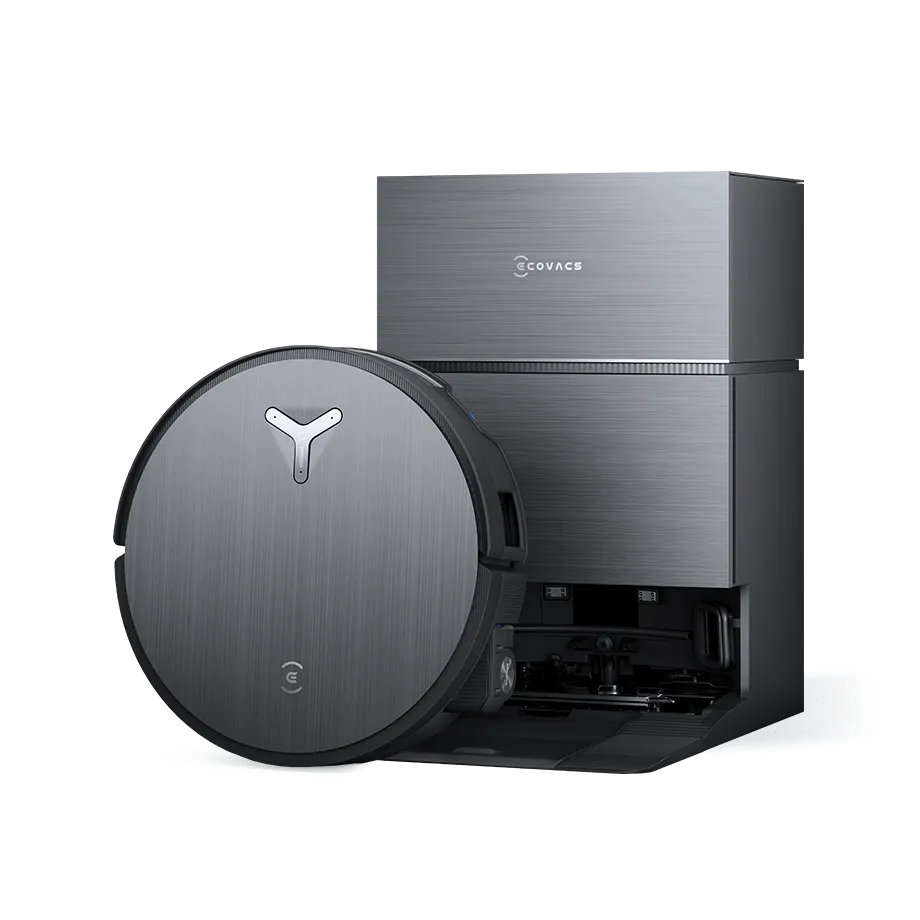
Premium smart vacuums add convenience by automatically regulating water output based on the detected floor type. The DEEBOT X8 PRO OMNI, for instance, supports up to 50 adjustable water levels.
Read more: How to Clean Bamboo Floor?
Step 4: Start Mopping the Floor
Dirt tends to settle in the grooves of textured vinyl tiles, such as those that mimic hardwood patterns. To deep clean vinyl floors, mop in straight, overlapping lines or along the direction of the planks.
When cleaning high-traffic areas like entryways, kitchens, and hallways, rinse your mop frequently to avoid spreading dirt or leaving streaks. For tough stains or sticky spots, use a soft sponge or cloth instead of metal pads or abrasive scrubbers that can wear out the vinyl.
Step 5: Rinse and Dry
After mopping, rinse the floor with clean water to wash away any cleaner residue. Dry the surface completely using a clean cloth or allow it to air dry.
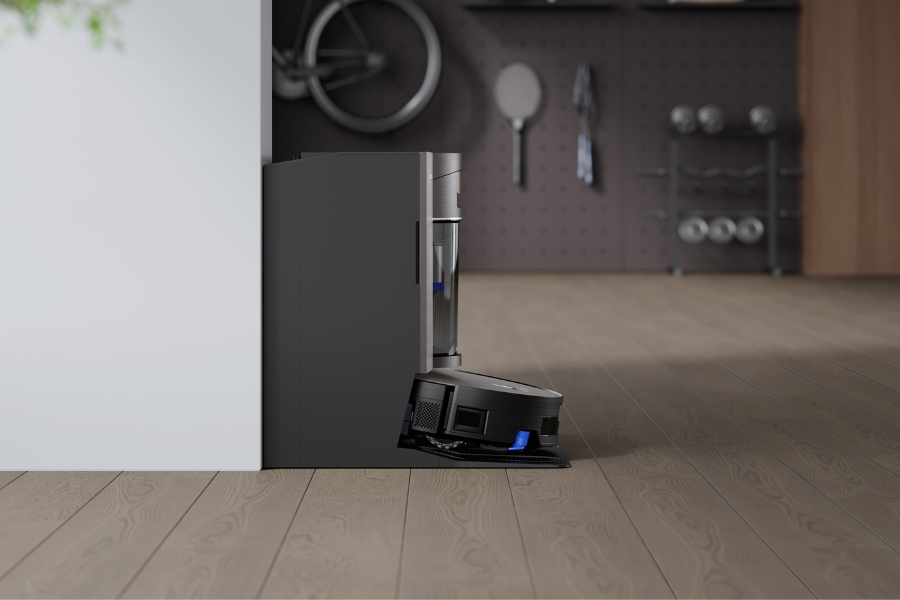
With smart models like DEEBOT X11 OmniCyclone, the OZMO ROLLER 2.0 automatically cleans the mop pads to prevent residue buildup, saving you this step. Wait until it is fully dry before placing rugs or furniture back.
Read more: How to Clean Laminate Floors?
How Often Should You Clean or Mop Vinyl Floors?
Vacuuming vinyl floors at least once a week and mopping every one to two weeks is generally enough to keep dust and debris away. In high-traffic areas, such as entryways and kitchens, a daily quick clean helps prevent dirt from building up. That said, always wipe up spills right away to keep them from settling.
There isn’t a one-size-fits-all answer for how often to mop your floors. Pet owners or families with toddlers may need to clean more frequently, such as every other day, to avoid triggering allergies.
You can benefit from a DEEBOT robot vacuum, which allows you to schedule automated cleaning sessions that fit your lifestyle, for example, start cleaning during your dog walk if your dogs are scared of vacuums.
What to Avoid When Cleaning Vinyl Floors?
The major challenges of cleaning vinyl floors are to stay away from abrasive tools like steel wool and harsh chemicals in cleaners. Heat and moisture can also damage the finish, so avoid steam mops or leaving excess water on the surface. Wax-based products are not necessary for vinyl, and they can create a sticky residue that makes the floor slippery.
To keep your vinyl floors looking new for years, it’s important to know what to avoid and why it matters:
- Avoid harsh chemicals: Cleaners with ammonia, bleach, or strong solvents can strip away the protective layer and leave a dull, sticky film that attracts more dirt over time.
- Avoid abrasive tools: Steel wool, stiff brushes, or rough scrub pads can scratch the vinyl surface, which you need to buff or sand to smooth it out.
- Avoid excess water: Using a soaking wet mop allows water to seep into the seams between vinyl planks, which may cause bubbling, warping, or even structural damage.
- Avoid heat: Steam mops can harm the adhesive under vinyl flooring, causing it to lift or warp while also damaging the protective top layer.
- Avoid wax: Vinyl floors have a finish that does not require waxing, so applying wax-based products can make the surface appear cloudy.
How ECOVACS Can Help Clean Vinyl Floors?
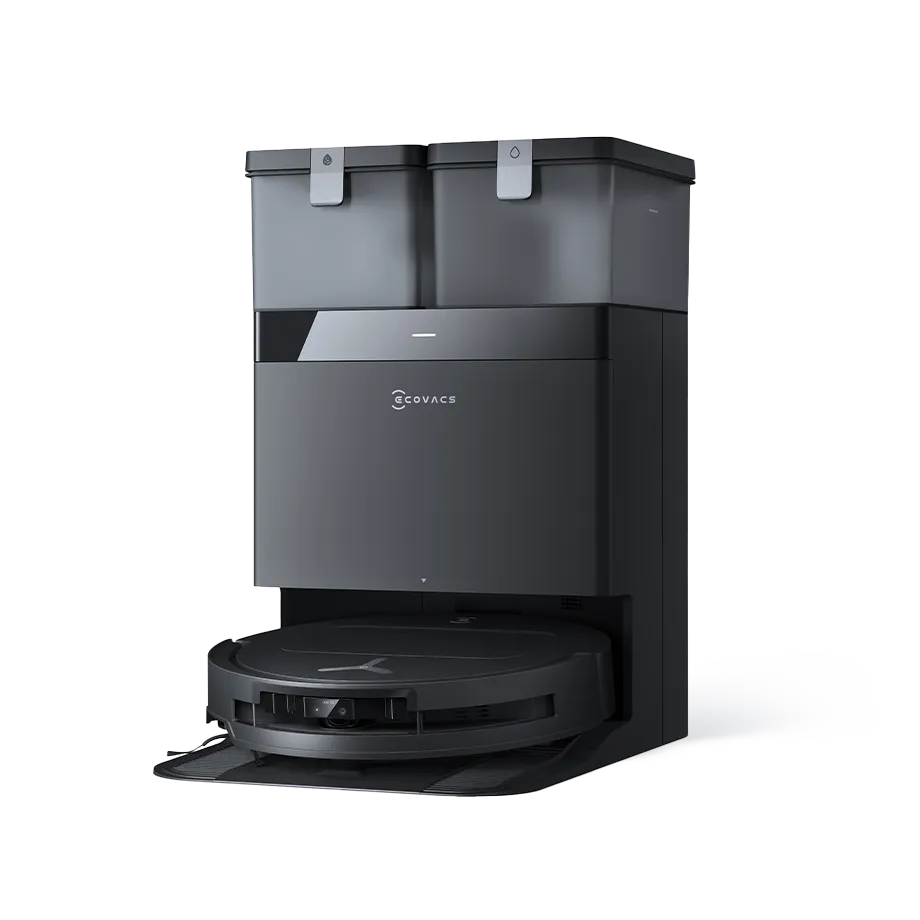
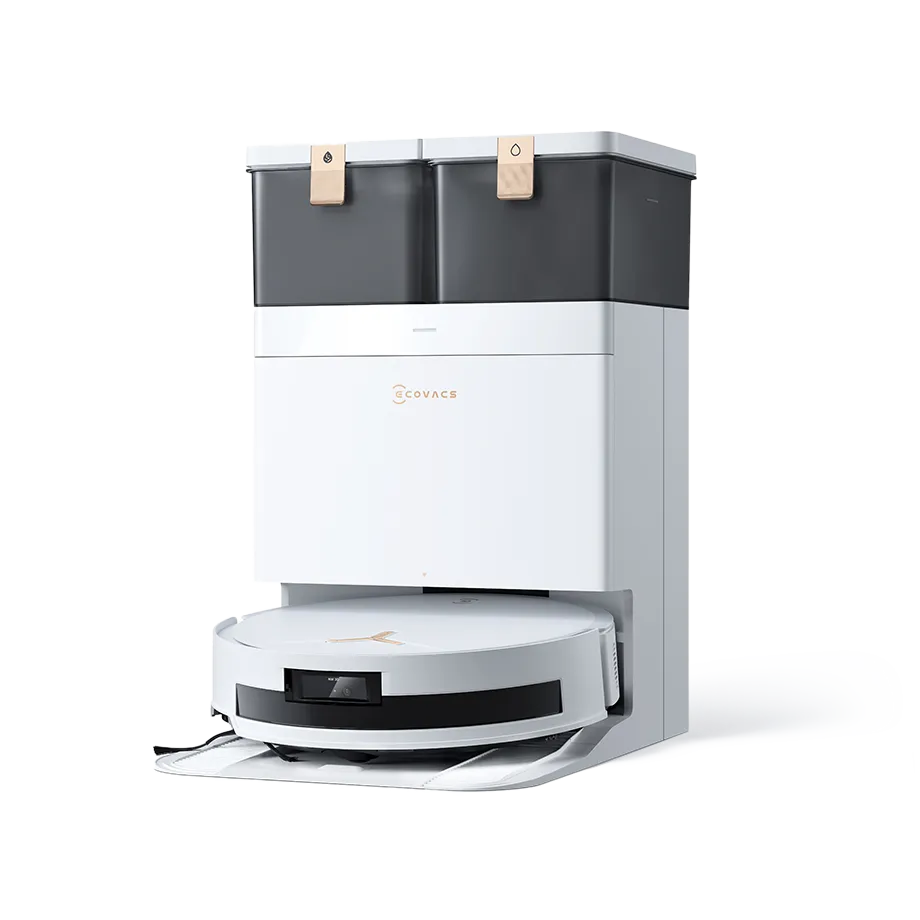
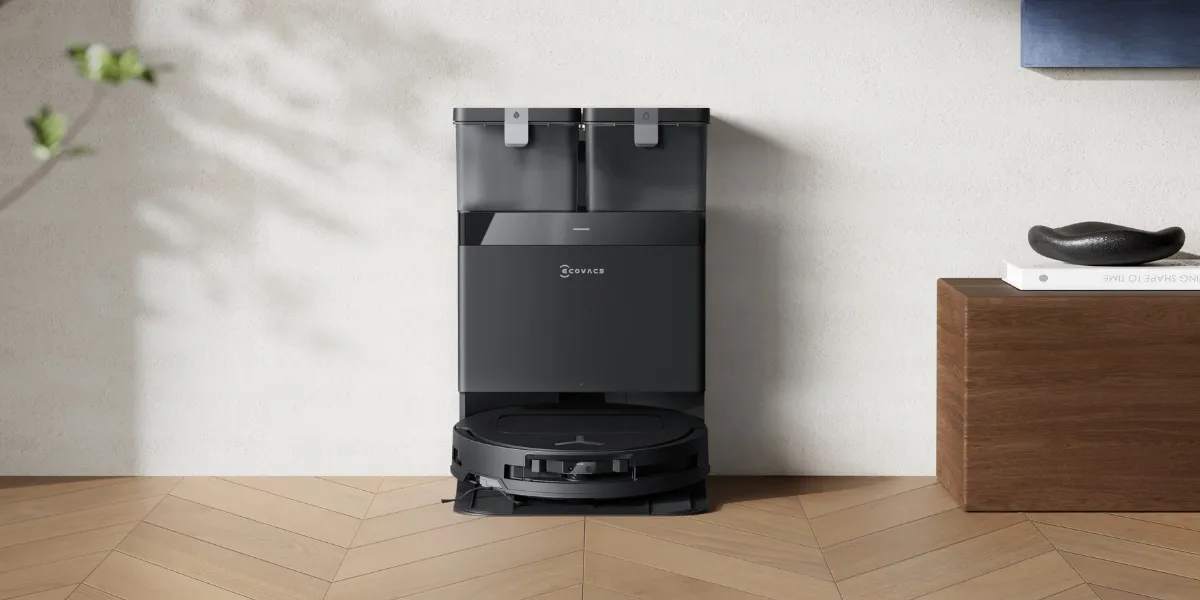
ECOVACS features DEEBOT robot vacuums that clean vinyl floors safely and efficiently while saving you time and effort. Take the DEEBOT X11 OmniCyclone as an example, its BLAST technology provides powerful suction to lift dust, debris, and pet hair, while the roller brush and side brush are gentle enough to avoid scratching the surface.
For mopping, its OZMO ROLLER 2.0 system scrubs the floor at 200 rpm to remove stains quickly, while the high-density nylon mop roller remains gentle on vinyl. The mop is also rinsed constantly to prevent cross-contamination.
Through the ECOVACS Home App, you can manually adjust settings for suction power and water flow to suit different floor types. You can also schedule cleanings, remotely send the machine to clear spills, and enjoy the self-cleaning function that keeps maintenance simple.
FAQ
How Can You Keep Vinyl Floors Clean for Longer?
Sweep or vacuum regularly to stop dirt from scratching the surface. Wipe up spills immediately, use mats at entrances, and avoid walking with dirty shoes to keep vinyl floors clean longer.
How to Prevent Scuff Marks on Vinyl Floors?
Place felt pads under furniture legs and lift heavy items instead of dragging them. Use rugs or mats in high-traffic areas to minimise scuff marks and protect the finish.
How Can I Make Cleaning Vinyl Floors Easier?
Use a robot vacuum like DEEBOT for automated cleaning. It can sweep, vacuum, and mop without supervision, helping you maintain spotless floors effortlessly every day.
How to Restore Shine to Vinyl Floors?
Clean thoroughly with a pH-neutral cleaner and a microfibre mop to remove residue. Avoid wax products and use a vinyl-safe polish or gentle restorer to bring back the shine.
Related Products