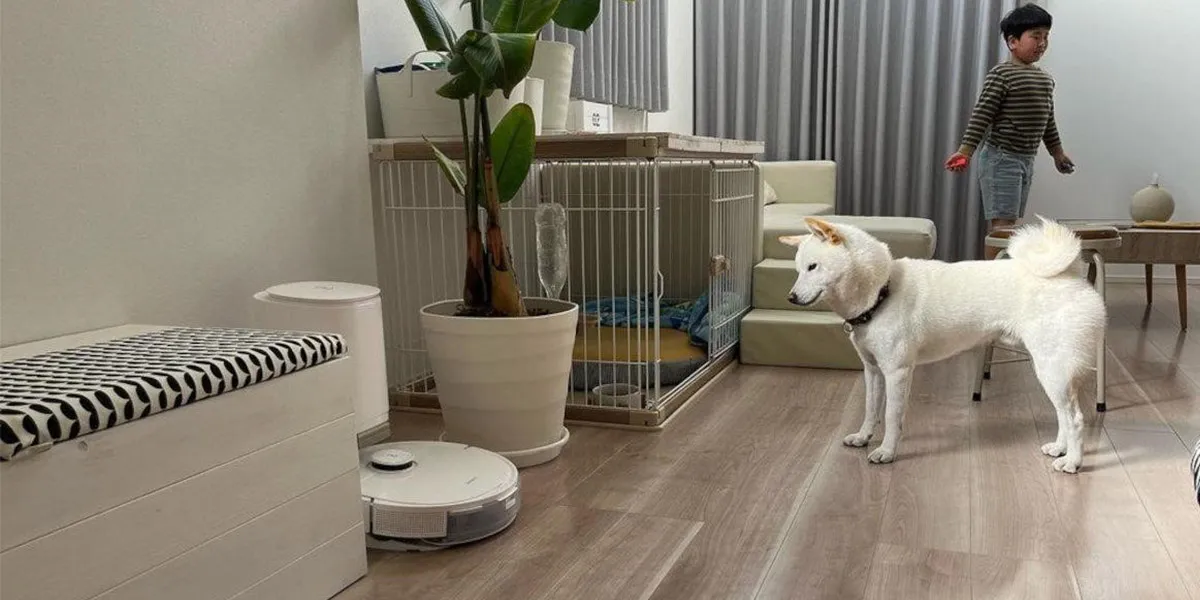

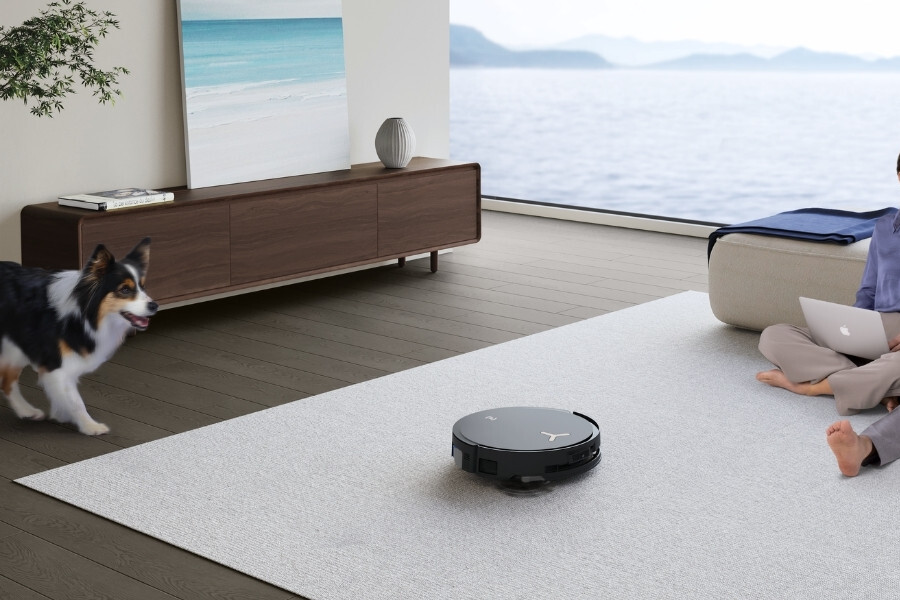
Many dog owners notice their pups are naturally frightened by robot vacuum cleaners. Even though these models are more compact and quieter than traditional vacuums, the noise and movement can still unsettle the most confident dogs. But don’t worry! This reaction is completely normal.
Dogs have incredibly sensitive hearing and strong survival instincts passed down from their ancestors. Breeds like Australian Shepherds and Border Collies may be more likely to feel uneasy because of their herding instincts, while Terriers might see the machine as prey and try to attack it.
To maintain a calm living environment, it's helpful to understand why these smart devices trigger strong reactions in the first place, and learn how you can help your furry friends feel more at ease.
Why Are Dogs Afraid of Vacuum Cleaners?
Dogs are generally afraid of smart vacuum cleaners because they are loud and move unpredictably. When they’re not familiar with the machine, their acute hearing picks up on frequencies we barely notice, and they interpret the sudden movement as a potential threat.
Here are the main reasons why your dog might hate the robot vacuum:
- Loud noises: Smart vacuum cleaners produce a range of high and low-frequency sounds, which can be much more intense for dogs than for humans. When debris blocks the airflow, the loud noise can feel overwhelming or even painful to them.
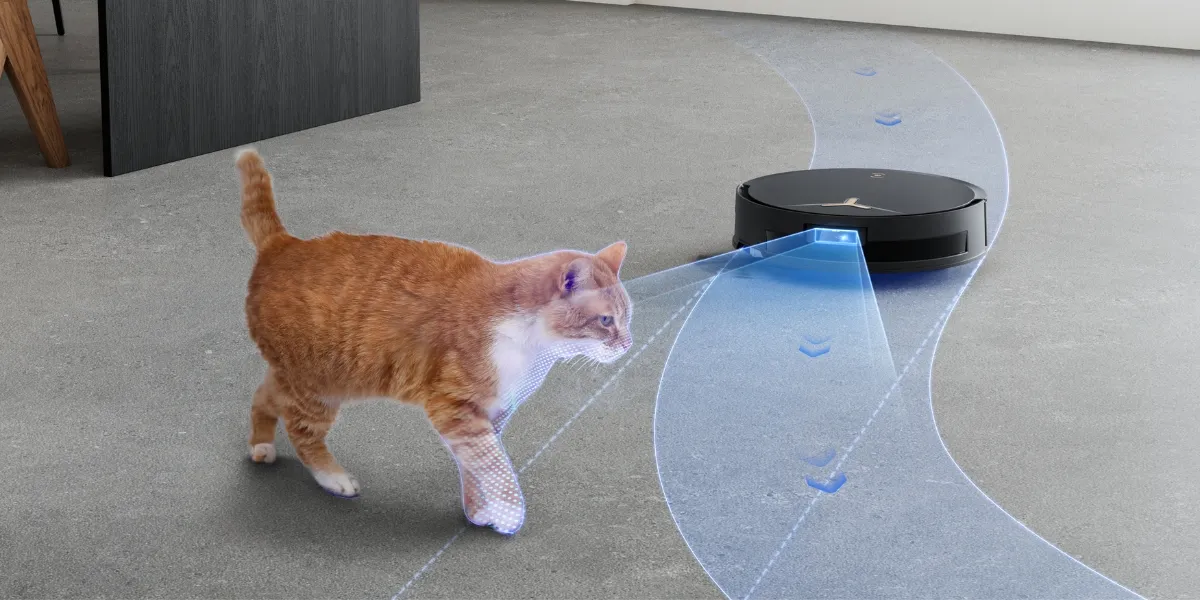
- Sudden movement: Just like how cats are scared of robot vacuums, dogs can be startled when robot vacuums move without warning and change direction quickly. It’s natural for them to avoid or confront anything that moves in a way they can’t predict.
- Perceived threat: The noise and movement can make an auto vacuum seem like a genuine threat that is invading their territory, prompting them to hide, bark, or attack.
- Instinct reaction: Dogs with strong herding or prey instincts are more likely to react intensely and try to control the machine’s path, while others may chase or lunge at it.
- Negative experience: If a puppy has been startled or cornered by a robot vacuum cleaner, they may associate the experience with fear.
Read more: How to Remove Dog Pee Smell from Floors?
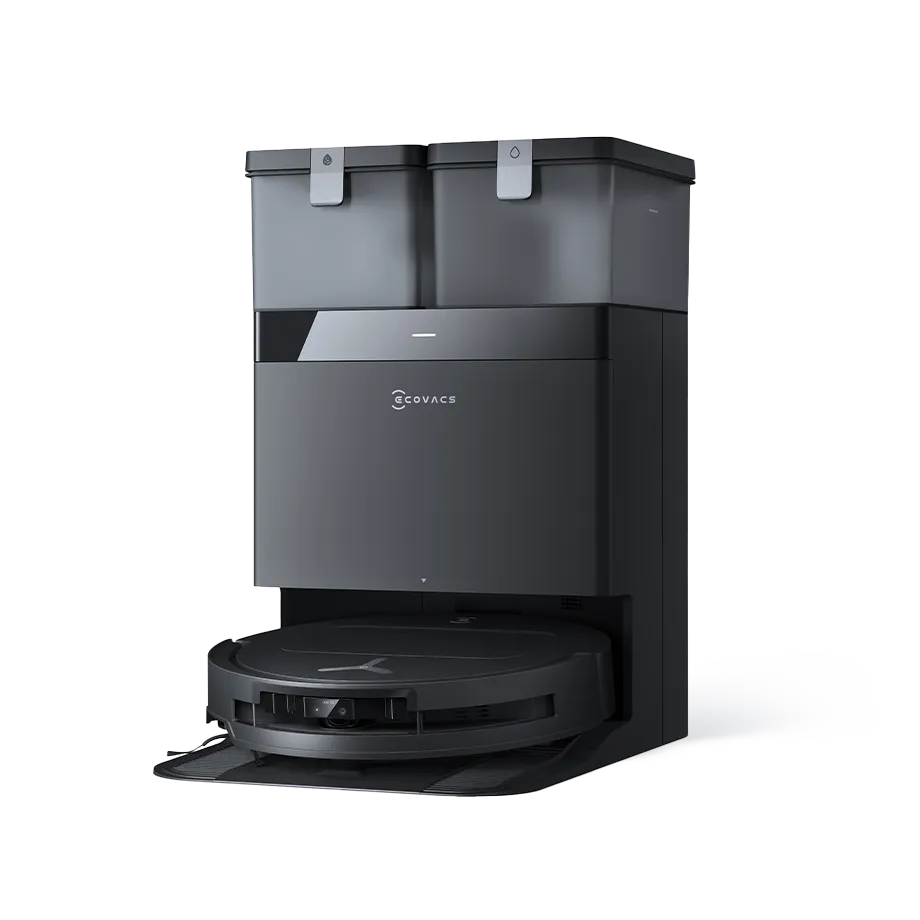
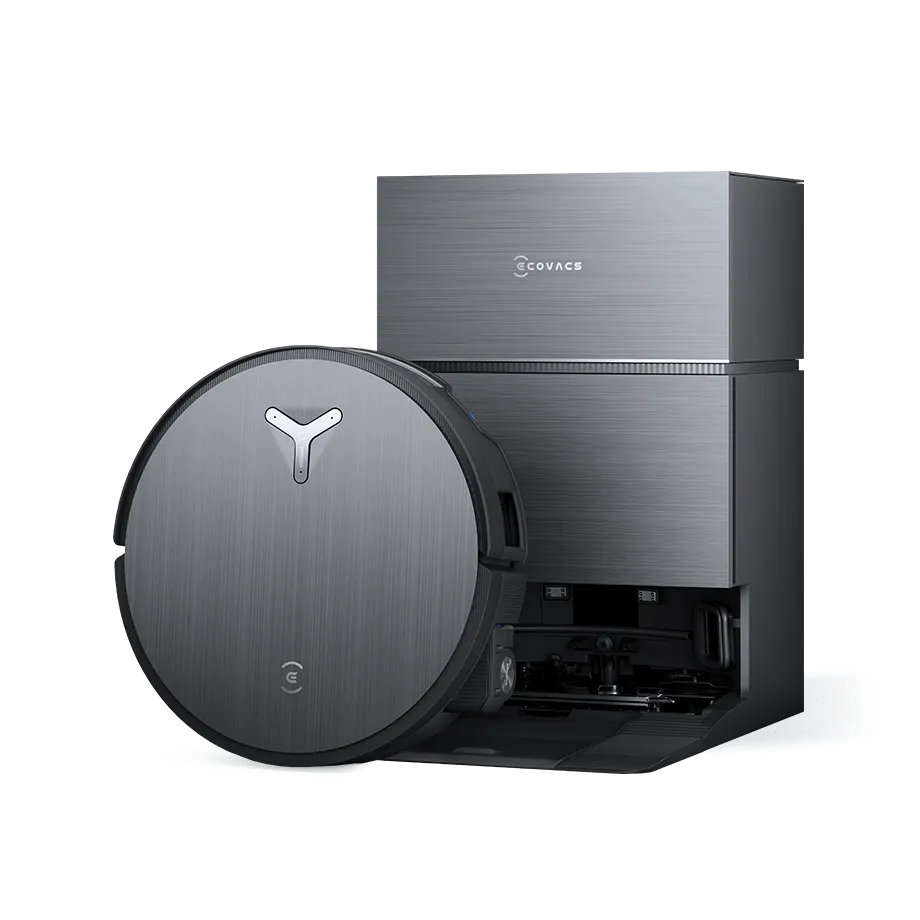
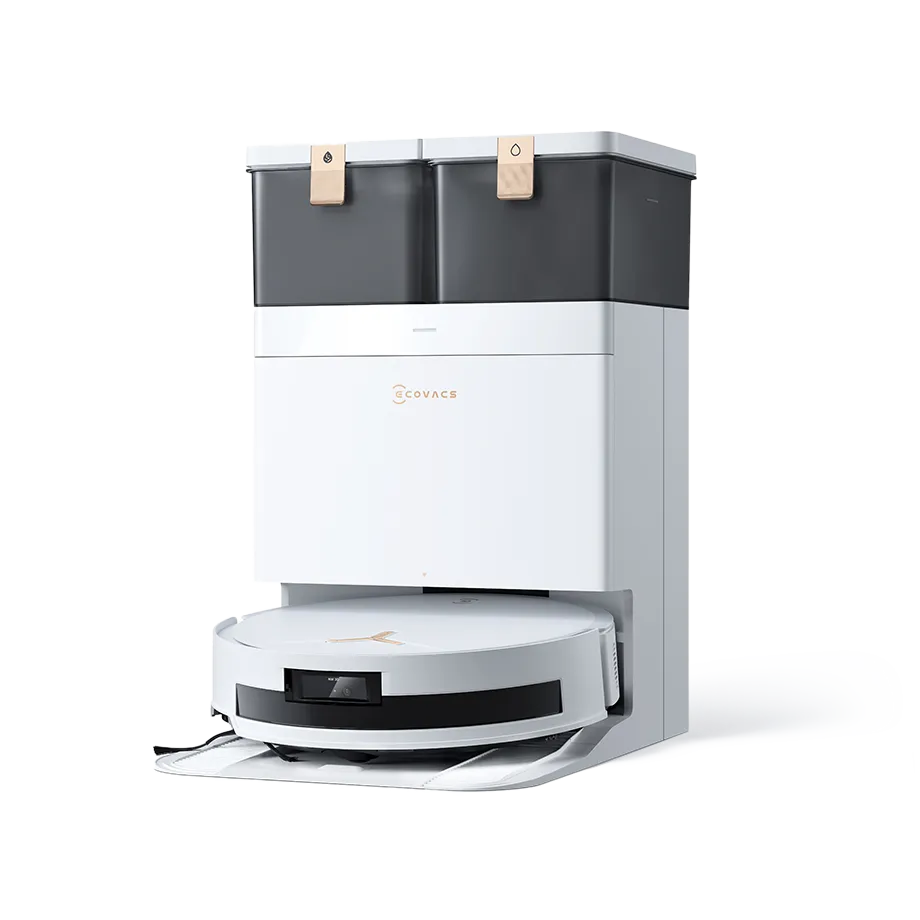
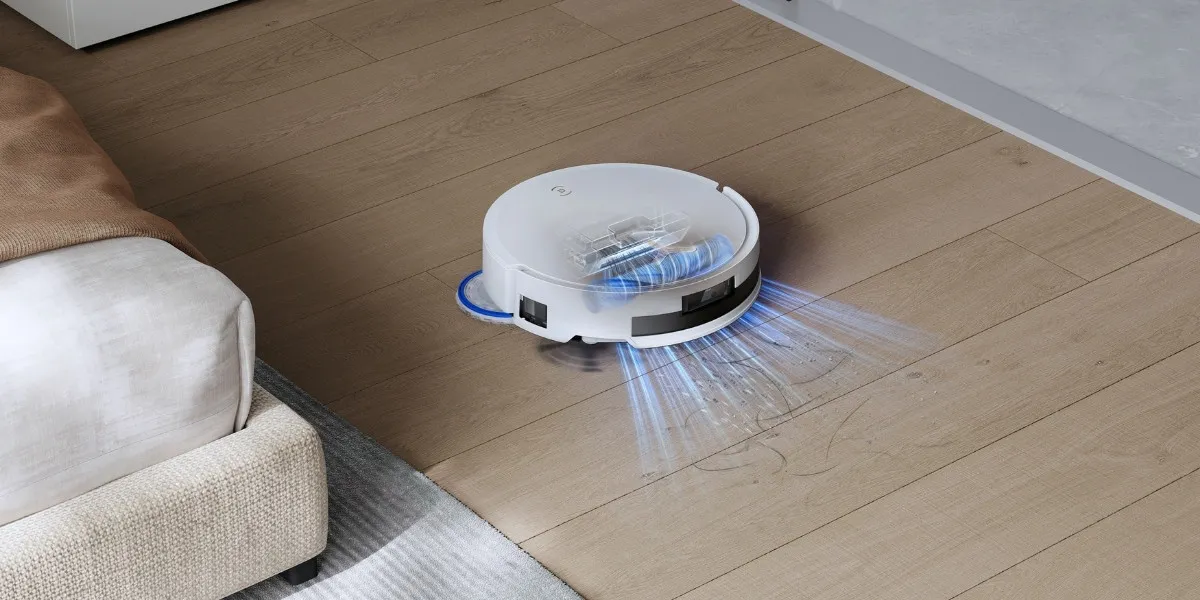
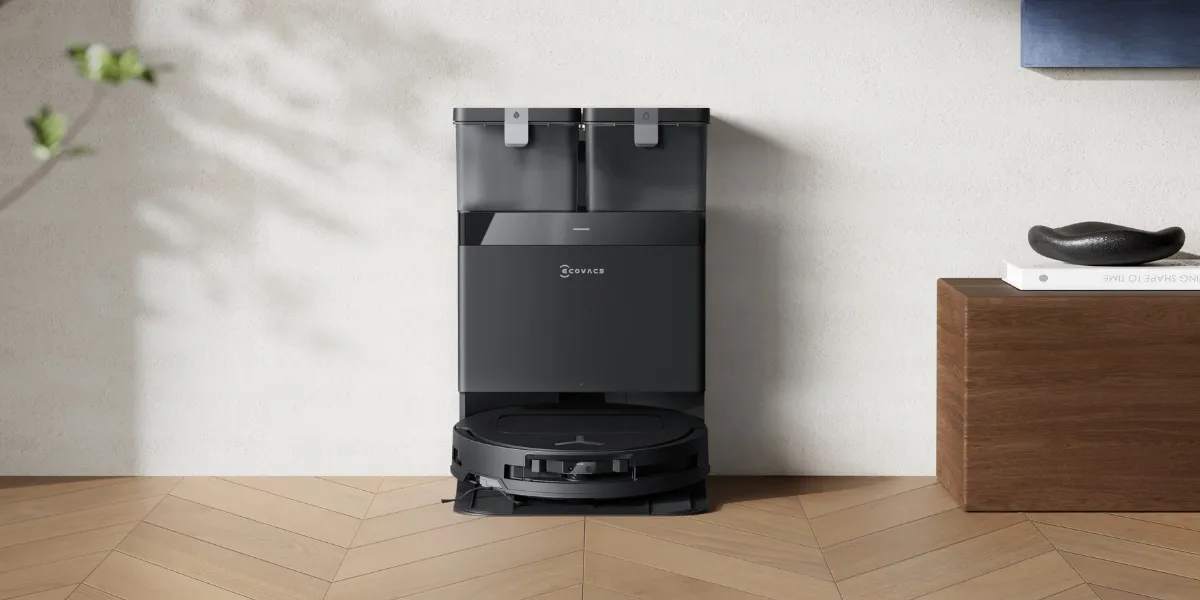
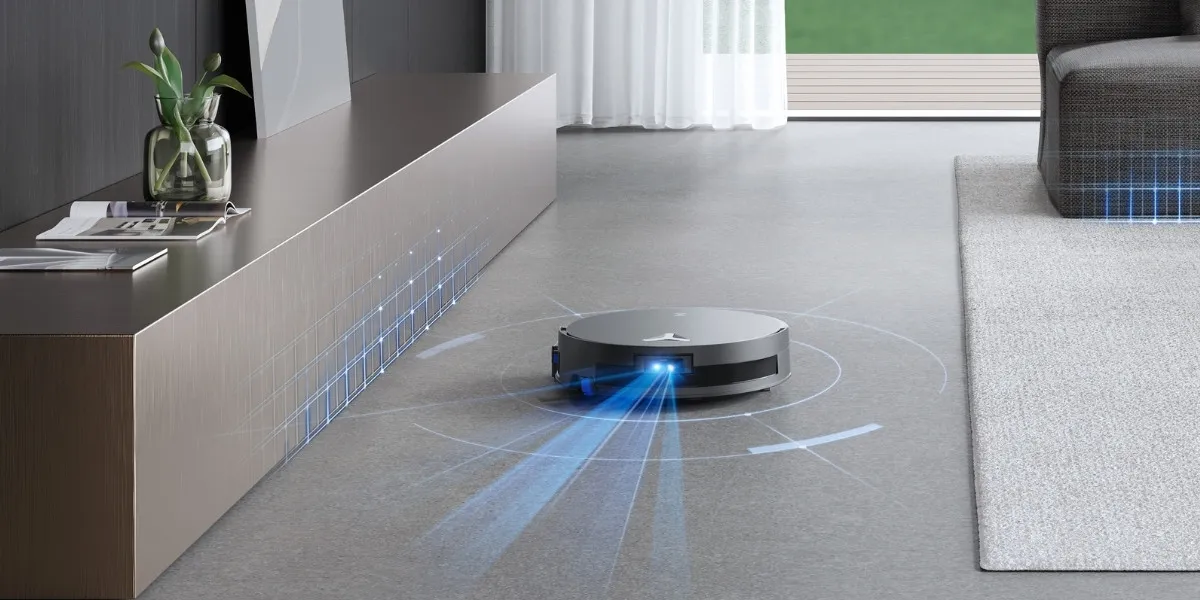
To address common trigger points for dogs, consider a high-end, quiet robot vacuum like DEEBOT. Its quiet mode is gentler on sensitive ears, plus, you can easily schedule cleanings through the app for a consistent routine, reducing anxiety and making cleaning time less stressful for everyone.
How To Help Your Dog Stay Calm Around Vacuums?
Helping your dog stay calm around robot vacuums takes patience and positive reinforcement. Start with the machine turned off and let your pet observe and sniff it. Then, slowly introduce the sound from a distance and reward calm behaviour with treats or toys. Gradually, your companion can learn to stay calm around the noise and movement.
1. Start With the Vacuum Turned Off
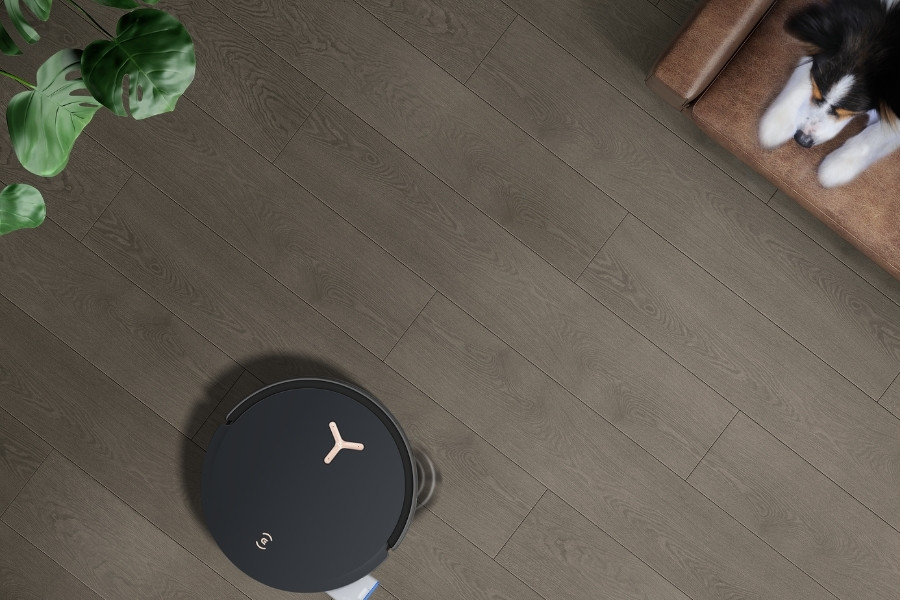
The first step is to help your pup get used to the robot vacuum’s presence. It’s best to let them sniff and explore the device when it’s turned off. Keep the mood relaxed and offer praise or a treat when your dog stays calm. Leave the machine near where your furry friend spends a lot of time so it becomes a normal part of the home rather than a threat.
2. Introduce the Sound Gradually
Once your pet is comfortable with the smart device’s presence, introduce the sound carefully. Start by turning it on in another room at a low setting to avoid overwhelming them with the decibels produced. Continue rewarding calm behaviour with treats or praise. Gradually increase the duration of the sound and bring the smart vacuum closer. Always go at a pace that feels safe and manageable for your pup.
3. Create Positive Associations
Positive reinforcement is a great way to help your dog build a new emotional link with the robot vacuum cleaner, particularly when you’ve brought home a new model. Feeding them treats after cleaning sessions when they remain calm. With consistency, this changes their mindset and associates the device with good things, not panic.
Read more: How to Get Rid of Dog Hair?
4. Give Them a Safe Space
Sensitive pets feel more secure when they have a quiet place to retreat during vacuuming. Set up no-go zones to keep the vacuum away. Those living in suburban homes can leave their dogs in the backyard or on a different floor, while those in small apartments, like in Sydney or Melbourne, can keep them in a separate room with the door shut. Add familiar blankets, favourite toys, or treats to help them feel safer.
5. Gradually Combine Movement and Sound
When your puppy shows confidence around both the sight and sound of the robot vacuum, it’s time to merge the two. Run the robot vacuum at a lower speed and reward calm responses immediately. If you notice signs of stress, such as shaking, hiding, or barking, pause the session and try again later. Consistent, weekly practice helps reinforce trust.
6. Consider Professional Help
If your pet’s fear continues despite training, it might be time to speak with a professional. A certified dog trainer can tailor a plan, while in more severe cases, a veterinarian may suggest short-term anxiety medication to support the desensitisation process.
Read more: How to Get Rid of Cat Allergy?
Are DEEBOT Robot Vacuums Good For Dogs?
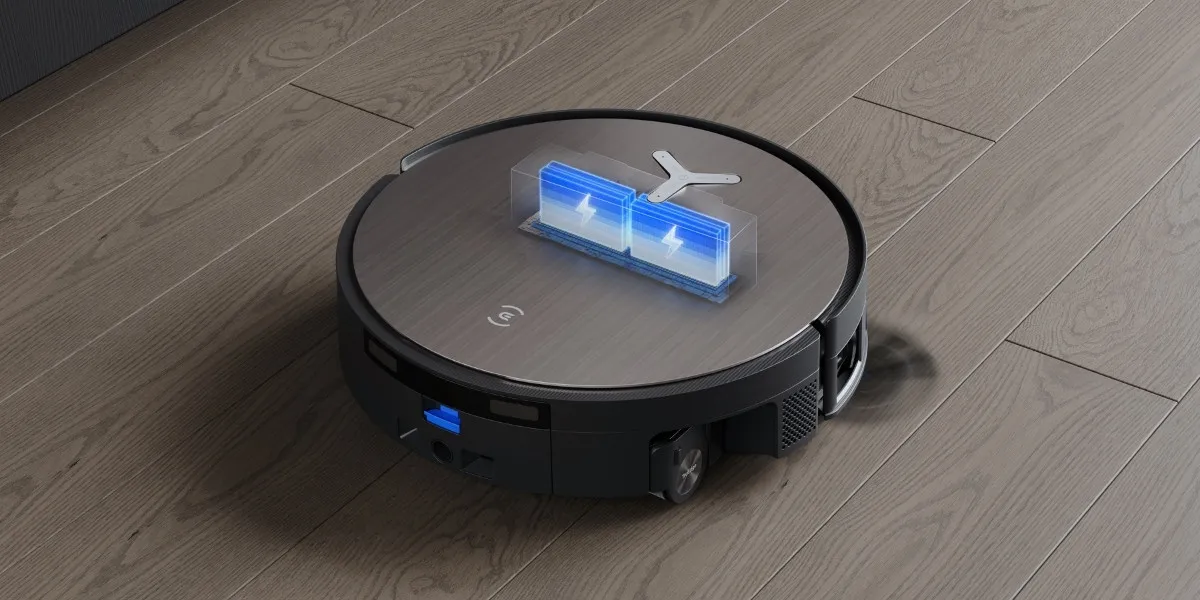
Yes, DEEBOT robot vacuums can be a great choice for homes with dogs, especially those sensitive to noise and movement. When comparing traditional vacuums to smart models, the latter are designed to operate more quietly. For example, the DEEBOT X8 PRO OMNI runs at just 65 dBA in standard sweeping mode, similar to a normal conversation.
Another key benefit is their predictable movement. A good example is the DEEBOT X11 OmniCyclone, its AIVI 3D 3.0 advanced obstacle avoidance technology continuously analyses the surroundings and avoids sudden jerks or random turns, making it less likely to scare your pup. You can also use the ECOVACS HOME app to schedule cleaning so your dog can get used to a regular routine. Alternatively, you can start cleaning remotely when you take your four-legged friend for a walk outside.
Even with a quiet robot vacuum, a gradual introduction is still important for anxious dogs. Let your pet get used to the machine at their own pace, comfort them when they look stressed, and always reward calm behaviour.
FAQ
Can dog ears be damaged by loud vacuuming?
Yes, loud vacuuming can potentially harm a dog’s sensitive ears. Dogs hear higher frequencies than humans, so strong or prolonged noise exposure, such as sounds at or above 85 dB, may damage the hair cells in their inner ear, eardrum, or ossicles.
What is a good vacuum for dog hair?
A good robot vacuum for pet hair should be equipped with strong suction, a high-efficiency filter, and advanced obstacle detection. DEEBOT robot vacuums upgrade the experience with self-emptying features and anti-tangle brush design, helping control the spread of allergens and reducing the need for maintenance.
Can I vacuum fleas off my dog?
No, you should never vacuum fleas directly off your dog. While you can vacuum fleas off the floors, carpets and furniture, when it comes to your pet, use a fine-toothed flea comb to physically remove fleas, clean your dog’s paws after outdoor walks, and bathe them with vet-approved flea treatments.
Related Products