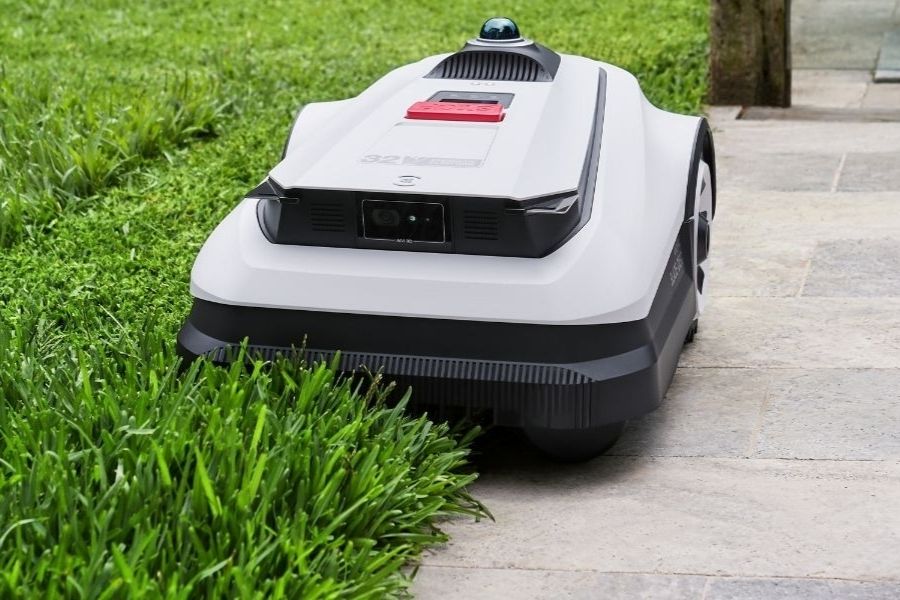
It is no secret that Americans are obsessed with their yards; in fact, 81% of Americans have a lawn to care for1. Yet with travel, busy routines, or moving into a new home, it is easy for grass to grow out of control. An overgrown lawn can encourage weeds and create a favorable environment for pests and debris, putting extra stress on the turf.
While a robot mower can mow on a routine, if your grass has already become too tall, you need to understand how to cut it properly to bring your garden back to a healthy state.
Why Overgrown Grass Is Hard to Cut?
Overgrown grass is difficult to cut because it becomes heavy, tangled, and uneven, requiring more power for the mower to lift and trim, which increases the risk of rough cuts. Tall grass can also clog the machine easily, and the long clippings may hide rocks, branches, or holes that could damage equipment or cause injuries.
When cutting overgrown grass, you may face these common problems:
- Straining the mower: Thick, tangled grass forces the mower to work harder, raising the risk of blade jams and engine issues. Check the manual for the highest cutting height recommended for your robot mower model.
- Removing too much height at once: Cutting more than one-third of the blade can shock the turf and lead to weak regrowth. Trim tall grass gradually across multiple sessions.
- Safety risks: Dense turf can hide rocks or small animals. Always inspect the area and clear debris before mowing to avoid accidents.
How to properly cut an overgrown lawn?
When the grass has grown too tall, you need to start by trimming it to a manageable height before using a robot lawn mower, then mow on the highest setting. Follow the one-third rule at all times and lower the height gradually over several sessions. Rake away clippings. Once you reach your preferred height, return to a regular schedule.
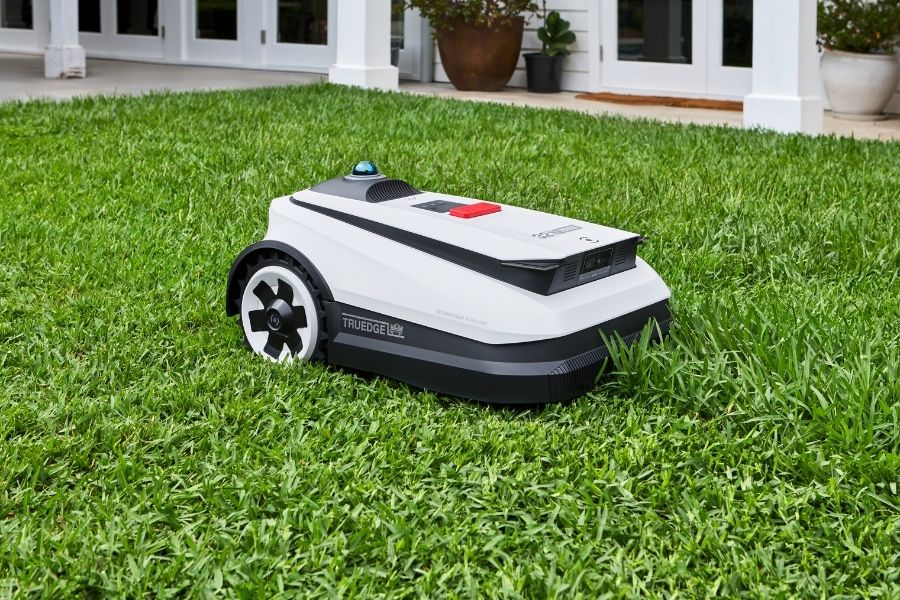
Follow these steps to make how to mow a lawn that has grown too tall easier to manage.
Step 1: Prepare the area
Before cutting any grass, walk through the yard and check for large debris, sharp objects, small animals, and bumpy areas that could cause damage or injuries. Pick a dry day, since cutting wet grass can create unnecessary clumps.
Step 2: Trim the Top Layer First
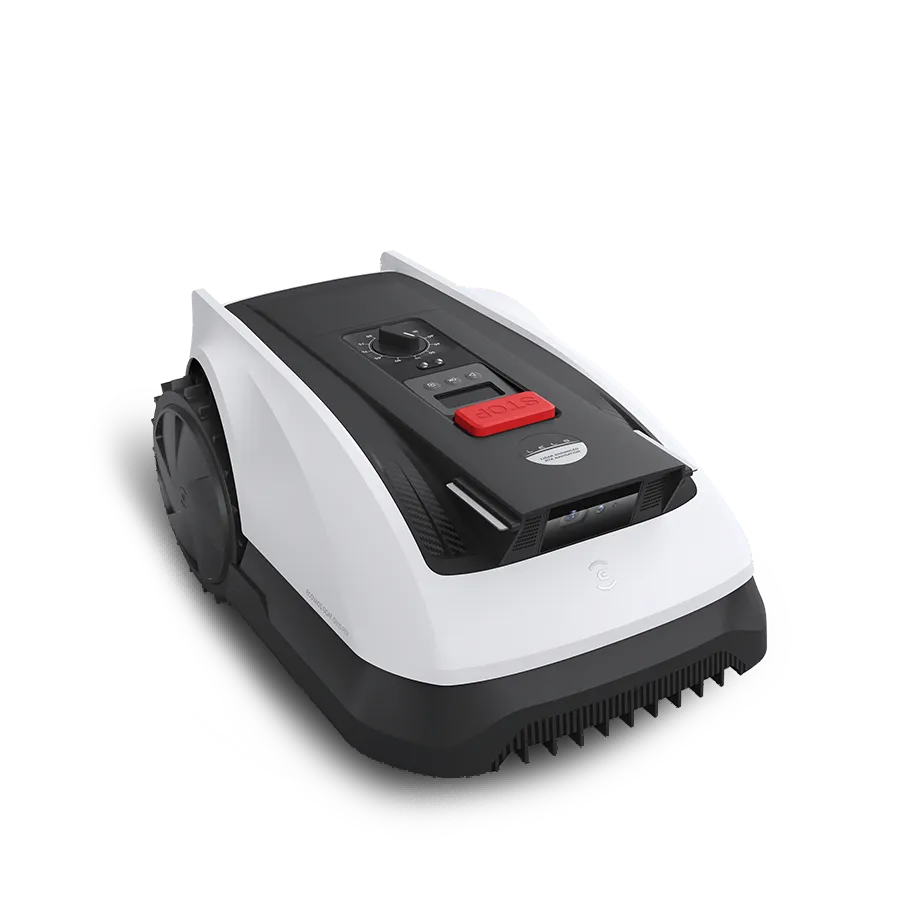
Before applying a robot lawn mower to an overgrown garden, you may need to use a string trimmer to reduce the height of tall grass, because models like GOAT A3000 LiDAR cut no higher than 3.9 inches. If mowing a small lawn, make sure to cut grass along edges, narrow paths, and obstacles where the machine may struggle.
Step 3: Follow the One-Third Rule
Never remove more than one-third of the grass height in a single session. Cutting too much at once can shock the turf and reduce its ability to photosynthesize, leading to yellowing or weakened roots. With the GOAT mower, you can adjust the cutting height through the ECOVACS HOME app.
Step 4: Mow in Stages Over Several Days
Be patient and cut overgrown grass in stages to prevent shock. Ideally, wait 3–5 days between sessions to allow recovery until you reach your goal. The ideal cutting height depends on the grass type, such as cool-season or warm-season varieties, as well as the season and whether you pick the best time to mow the lawn.
Step 5: Manage Grass Clippings After the Session
After the first trim, rake and bag the clippings because they are often too thick for mulching. Compost the clippings or use municipal yard waste services for disposal. Do not burn them unless local regulations permit it. Continue doing so until the clippings are fine enough for mulching.
Step 6: Water and Feed for Recovery
Help the garden recover by watering deeply to support the roots. Use a gentle, slow-release fertilizer to strengthen growth. If you notice any bald or thin patches, overseed those areas to encourage even regrowth.
Step 7: Maintenance
Once your yard returns to the set height, stick to a routine. The best way to learn how often to mow the lawn is to consider the grass type, weather, and growth rate. For example, warm, rainy months require more frequent trimming. Keep the mower blades sharp and clean to avoid damage to the turf.
Can Robot Lawn Mowers Prevent Overgrown Lawns?
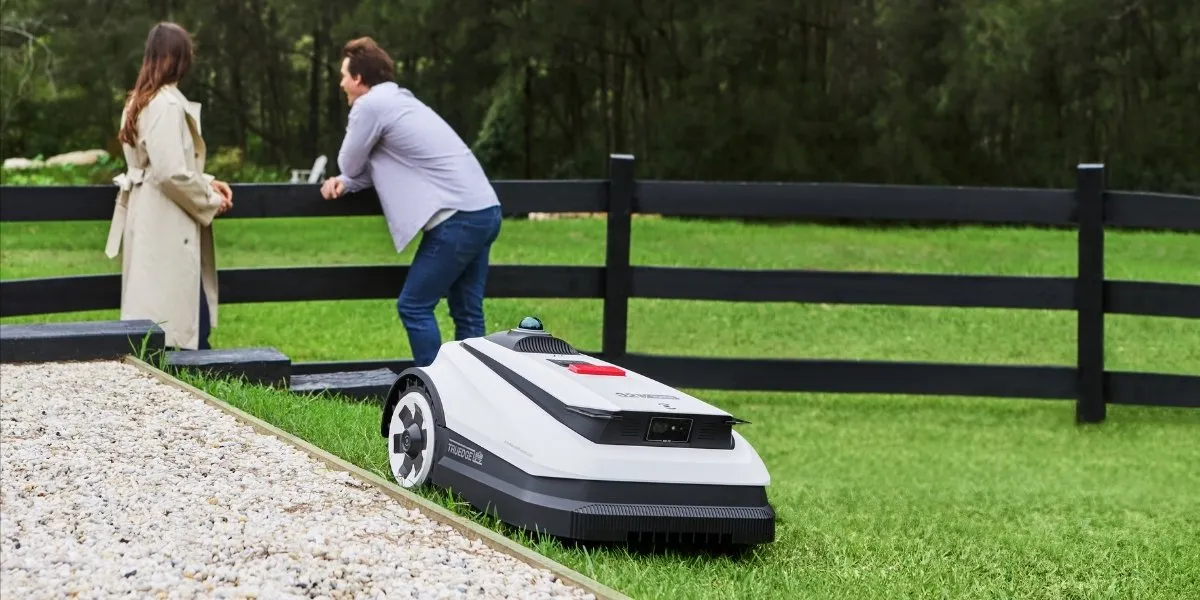
Among the best tips to prevent overgrown turfs, robot lawn mowers work by cutting small amounts of grass frequently, stopping tall or matted patches from forming. Another benefit of a robot mower is that you can customize settings like mowing schedules remotely through the app, giving you full control with minimal effort.
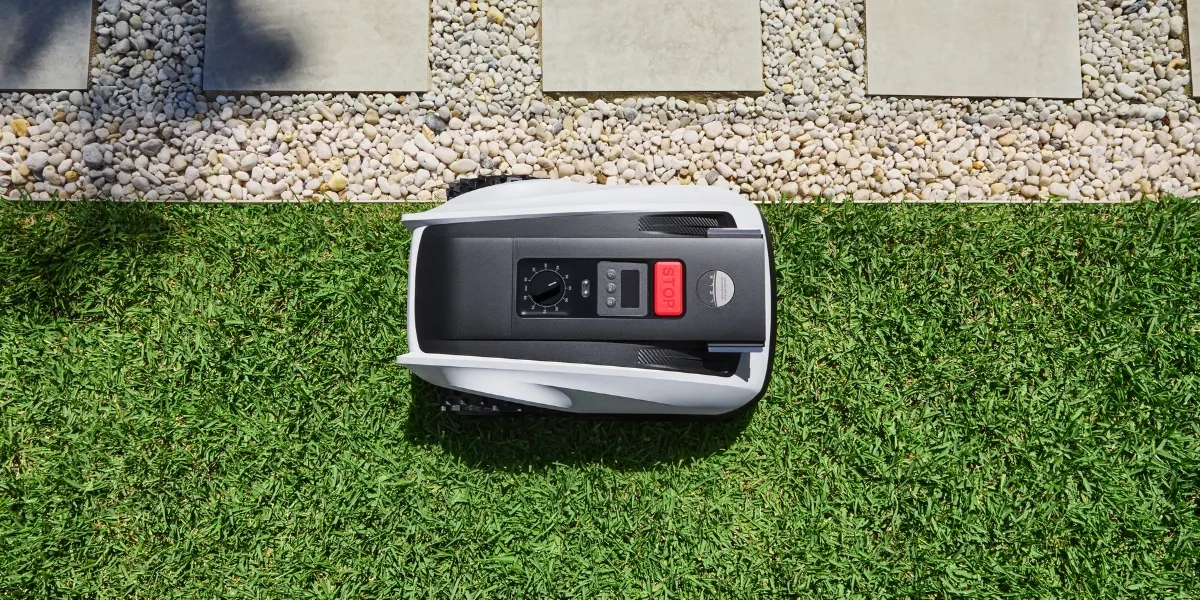
The GOAT A3000 LiDAR, for instance, lets you adjust the cutting height from 1.2 to 3.6 inches in 0.4-inch increments to match your needs. Powered by LELS Pro Dual-LiDAR navigation, its smart Auto-Mapping detects boundaries without wires and works with AIVI 3D Obstacle Avoidance to navigate obstacles accurately. Meanwhile, the 5Ah battery with superfast charging allows the robot to mow large lawns up to 5,382 sqft in just 2 hours2, with TruEdge technology handling edges cleanly.
How Often to Mow To Prevent an Overgrown Lawn?
To prevent the lawn from becoming overgrown, you should mow about once a week during the growing season and every two weeks when it slows down. Cutting grass regularly offers great help in keeping grass from becoming tall or matted and maintaining the turf’s health.
Consider these factors when finding the mowing frequency for your garden:
- Season: Warm, rainy months speed growth and need weekly trimming, while cooler seasons close to winter slow growth and allow longer gaps between cuts.
- Type of grass: Cool-season grasses grow fast in spring and fall, while warm-season varieties peak in summer and grow faster.
- Local weather: Places like Austin, Texas experience hot, humid summers that accelerate growth, while winter is dry and grass growth slows significantly, meaning you can extend the time between sessions.
- Aesthetic goal: Clean, formal gardens require frequent trims; natural styles allow for less frequent mowing without looking neglected.
FAQ
Can mowing long grass damage the lawn?
Yes, cutting long grass too short can greatly reduce its ability to photosynthesize and force it to use energy for recovery instead of growth, which stops root development and causes yellowing.
Should I mow wet, overgrown grass?
No, mowing wet grass can strain the mower and cause uneven cuts. It also creates clumps that clog the machine and increase slipping risks.
How long does grass take to grow back after mowing?
Grass usually takes one to two weeks to grow back after mowing, depending on the grass type, temperature, rainfall, soil quality, and whether the backyard was recently fertilized or stressed.
Disclaimer(s):
- Source: https://www.landscapeprofessionals.org/LP/LP/Media/2019-press-releases/Research_Confirms_Americans_Still_Value_Lawns_and_Green_Spaces.aspx
- 5,382 square feet in only 2 hours: Data from ECOVACS laboratory. The GOAT robotic lawn mowers can mow 5,382 square feet every two hours including charging time. The performance efficiency is based on tests conducted in real lawn scenarios in the laboratory and may vary depending on different actual usage conditions.