
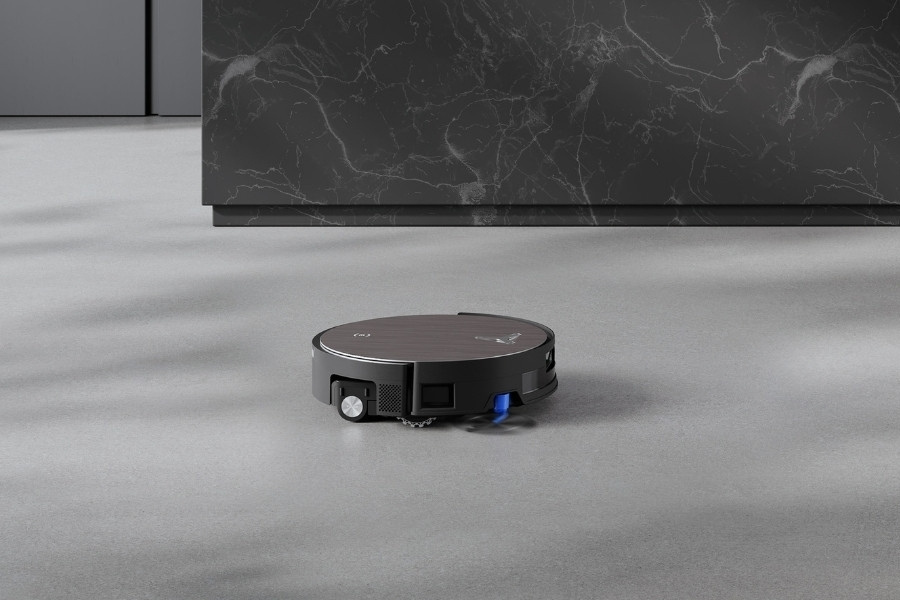
If you are thinking about seamless flooring, epoxy is likely on your list. An epoxy floor is a coating made from epoxy resin, a manmade material widely used in paints and adhesives. Many homeowners choose epoxy floors for garages and workshops because they resist oil, grease, and car fluids.
Epoxy floors are smooth and easy to clean, but they can scratch and do not handle constant humidity well. To prolong their lifespan, find out how to clean safely and what to avoid.
What’s the Best Way to Clean Epoxy Floors?
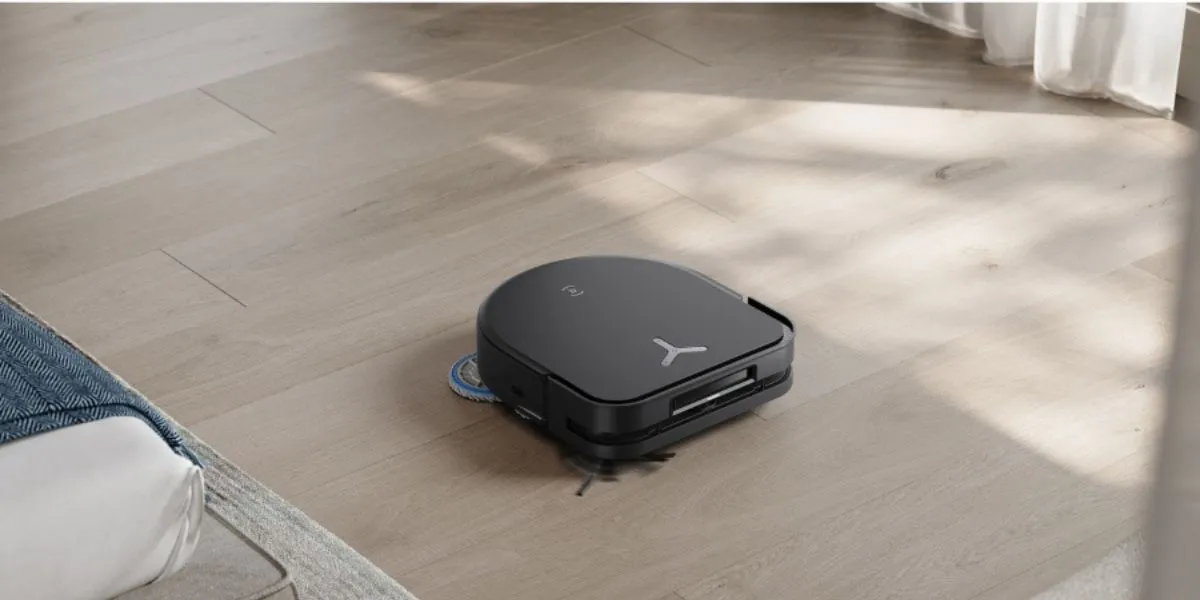
The best way to clean epoxy floors starts with prepping the surface and removing loose dirt and grit. Clean using a gentle solution and soft tools only, and avoid harsh chemicals, abrasive pads, and soap heavy cleaners. A robot vacuum and mop conveniently maintain a routine and allow customisation for you.
Can You Mop Epoxy Floors?
Yes, you can mop epoxy floors to remove fine dirt that can scratch the surface. If you’re not sure how to mop your floors, use a mild solution such as diluted dish soap or a specialised cleaner with a soft mop, like microfibre or synthetic.
Use limited water to stop moisture from becoming a slipping hazard on the smooth surface. However, avoid steam cleaners on epoxy, since heat can damage the finishes.
Should You Vacuum or Sweep Epoxy Floors?
Yes, you should vacuum and sweep on a regular basis to keep epoxy floors clean and protected. Sweeping removes larger debris like broken glass, while vacuuming picks up finer grit that can scratch the surface.
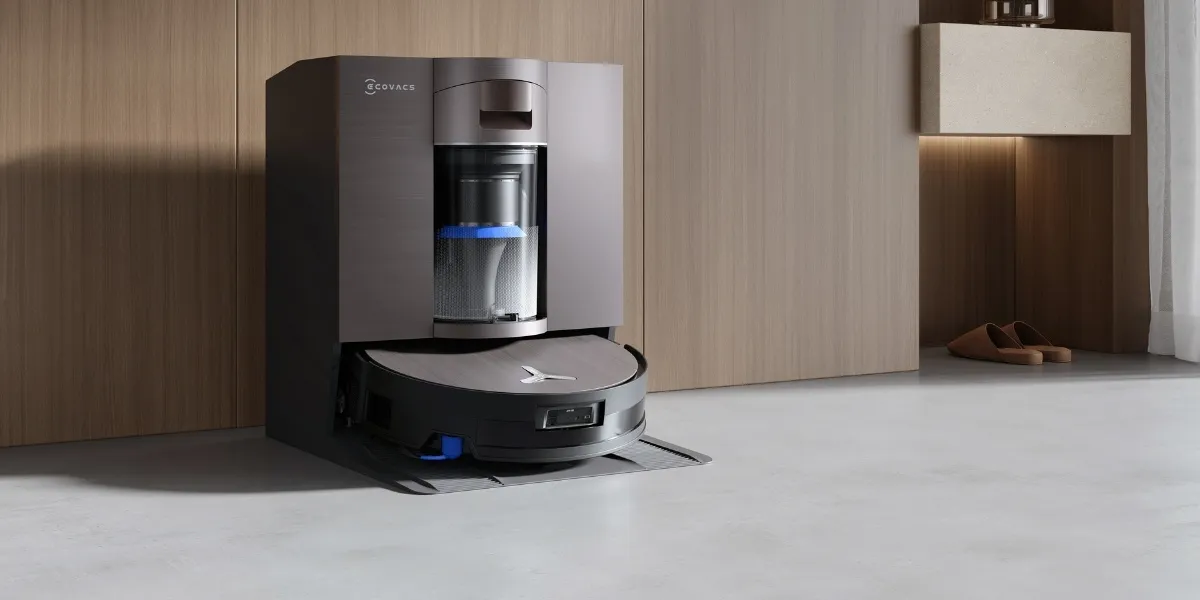
Similar to vacuuming tiles, epoxy floors with high gloss finishes show scratches more easily and require regular cleaning. DEEBOT robot vacuums help vacuum floors properly and lift fine particles with a soft brush attachment and controlled suction.
Read more: How to Clean Stone Floor?
What Tools Should You Use to Clean Epoxy Floors?
When cleaning epoxy floors, you should stick to soft, non-abrasive tools to protect the finish, including microfibre mops, dust mops, and soft bristle brooms. For deeper cleaning, use a foam mop or an auto scrubber.
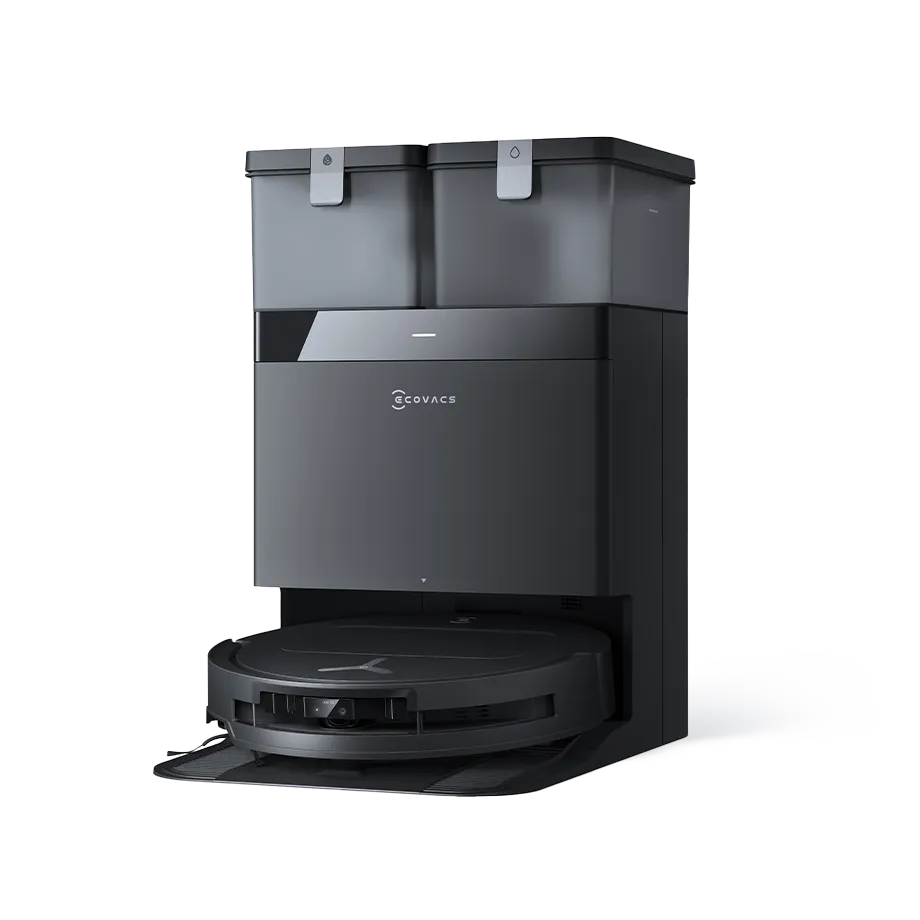
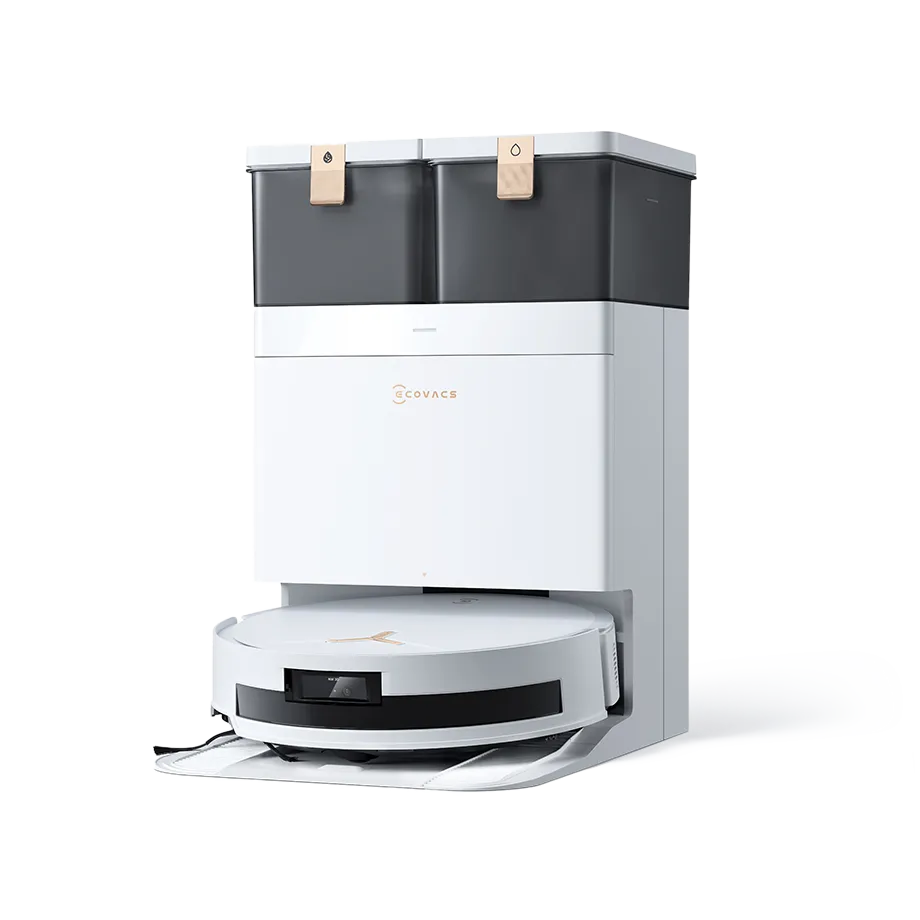
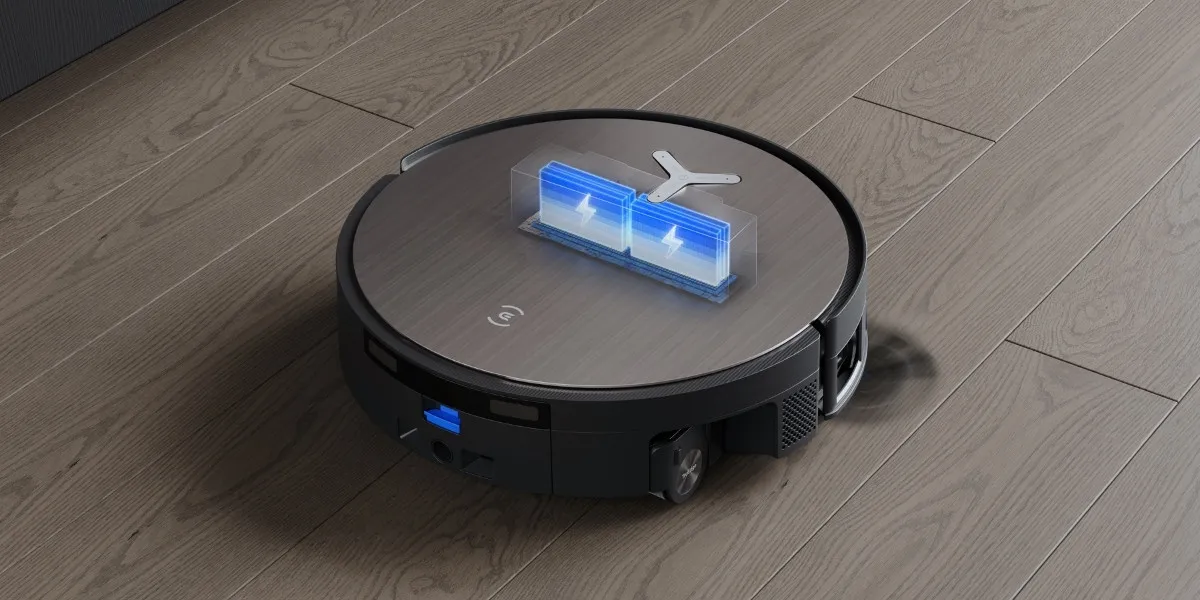
Premium robot vacuums like the DEEBOT X11 OmniCyclone are equipped with a high density nylon roller to tackle tough grime while remaining gentle. Users can further adjust suction and water levels through the ECOVACS HOME app to suit different scenarios.
Read more: How to Clean Tile Floors?
How to Clean Epoxy Floors Step-by-Step?
To clean epoxy floors properly, start by removing loose dirt, then prepare the right tools and a mild, epoxy-safe solution. Pay attention to spills and tackle them early, and mop the entire area, then ensure it’s dry before using again. Following this order keeps the surface clean and protects the coating.
Step 1: Clear Loose Debris
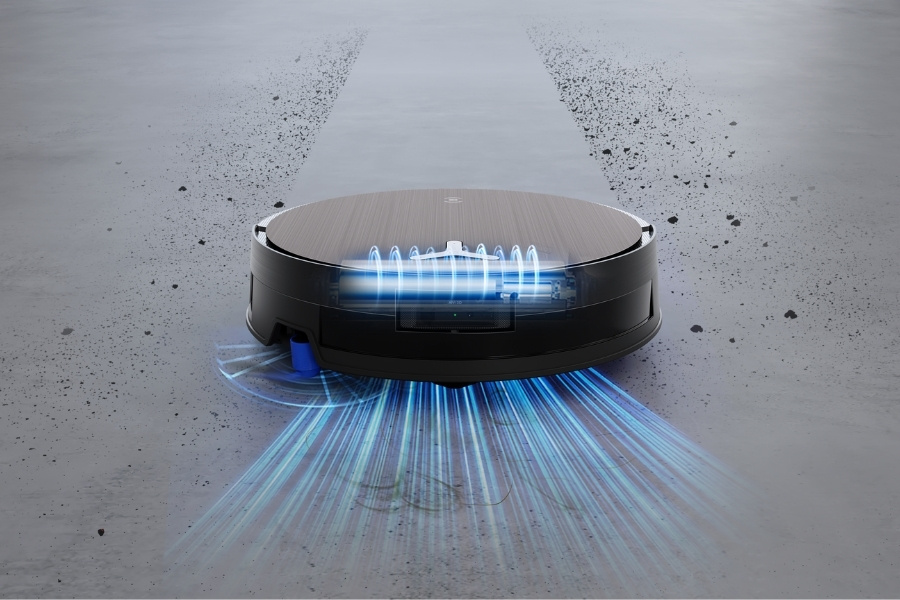
First, sweep or vacuum the floor to remove loose dirt and debris. This step is essential to keep the surface free of fine particles. Otherwise, they can be dragged by the mop in the next step and scratch the epoxy surface.
For those who cannot keep up with how often to vacuum their floors, choosing a robot vacuum like DEEBOT helps support a consistent routine.
Read more: How to Clean Wood Floors?
Step 2: Prepare Your Cleaning Solution
Mix warm water with a pH-neutral cleaner for general cleaning, or prepare a gentle concrete grease remover for removing tire marks or scuffs.
Robot vacuum and mop users should use a brand-certified cleaning solution to protect the machine.
Step 3: Spot Clean Spills Immediately
Although epoxy floors resist spills and stains thanks to their seamless, non-porous surface, you should still blot them right away to reduce slipping risks.
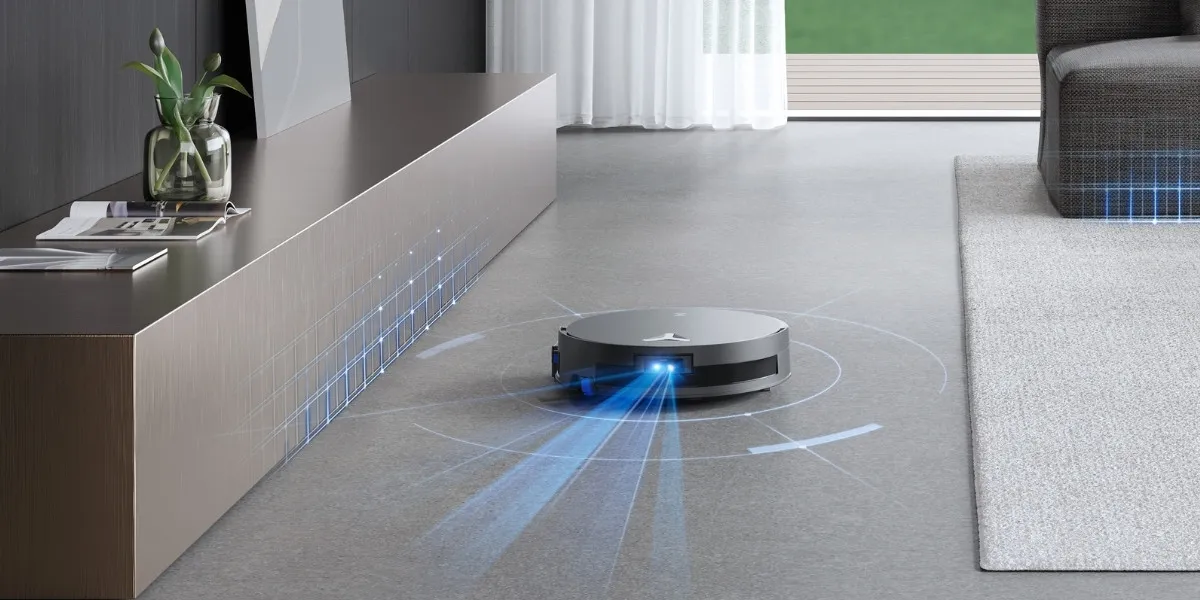
For greasy spots, apply a mild grease remover, and for chemical spills, neutralise them before rinsing. DEEBOT X11 OmniCyclone with AI stain detection further identifies spills and adjusts cleaning patterns accordingly.
Read more: How to Clean Travertine Floor?
Step 4: Wet and Wring the Mop
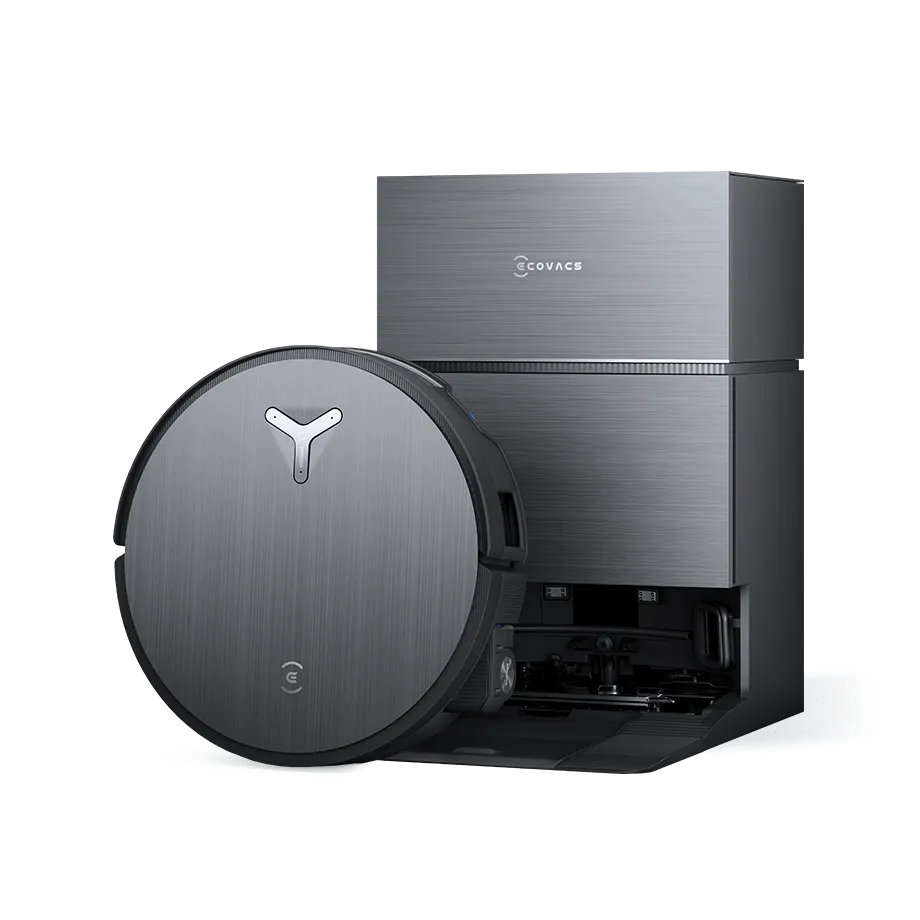
Keep the mop damp, not wet, since excess water can create slipping hazards on epoxy floors’ polished finishes. To make moisture control easier, advanced robot vacuums such as the DEEBOT X8 PRO OMNI allow you to fine-tune water output across 50 levels through the ECOVACS HOME app.
Step 5: Start Mopping the Floor
Work in a strategic pattern to cover the entire area without overworking or missing a spot. Allow extra time for high traffic areas like kitchens or garages.
The DEEBOT X11 OmniCyclone features OZMO ROLLER 2.0, where the machine scrubs and rinses 200 times per minute while continuous water infusion keeps the mop fresh.
Step 6: Rinse and Dry
If you notice any residue, rinse the floor with clean water, then dry mop or allow good ventilation to prevent streaks.
You can skip this step when pairing your DEEBOT robot vacuum with its dedicated cleaning solution, which is designed to avoid streaks or visible residue.
Read more: How to Clean Laminate Floors?
How Often Should You Clean or Mop Epoxy Floors?
Vacuuming epoxy floors two to three times per week and mopping once per week is usually enough, but you should adjust the frequency based on foot traffic, pet ownership, allergies, air pollution, and more. Heavily used spaces, like garages, may need more frequent cleaning to protect the surface.
Textured epoxy finishes require more frequent cleaning because small grooves trap dirt and debris. Smooth finishes, by contrast, show scratches more easily, so regular vacuuming is important.
Smart models like DEEBOT robot vacuums allow you to schedule how often to mop the floors and initiate sessions remotely through the ECOVACS HOME app.
Read more: How to Clean Concrete Floors?
What to Avoid When Cleaning Epoxy Floors?
To protect epoxy floors, avoid cleaners and tools that can damage the coating. Acidic solutions, harsh chemicals, abrasive tools, and residue leaving products can dull the finish or even create slippery films. Abrasive tools can also create unnecessary marks on the surface.
- Acidic Cleaners: Vinegar and citrus-based cleaners can break down the epoxy coating and lead to dull spots.
- Harsh Chemicals: Bleach, concentrated ammonia, acetone, and enzymatic soaps can strip the finish and trigger peeling.
- Soap-based Cleaners: These leave slippery residue that attracts dirt and increases slipping risks.
- Aggressive tools: Avoid steel wool, stiff brushes, and scouring pads that scratch epoxy easily.
Using gentle products and proper tools that are safe for epoxy helps preserve the coating and extend the lifespan of epoxy floors in your home.
Read more: How to Clean Vinyl Floors?
How ECOVACS Can Help Clean Epoxy Floors?
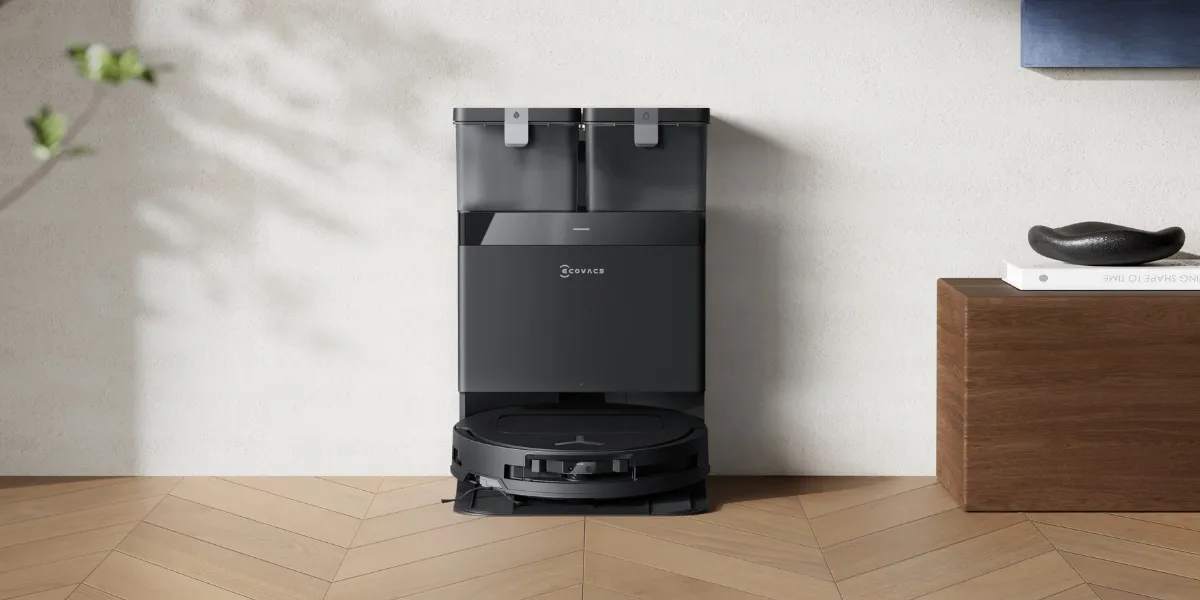
DEEBOT robot vacuums automate epoxy floor cleaning with smart features. A good example is the DEEBOT X11 OmniCyclone. It removes debris with up to 19,500 Pa strong suction1 and cleans edges precisely with TruEdge 3.0.
Besides, its OZMO ROLLER 2.0 mopping system scrubs and rinses 200 times per minute without scratching the surface. Once done, the 75°C hot water soak washing dissolves and lifts grime at the station. Through the ECOVACS HOME app, you can schedule how often to run your robot vacuum and adjust settings even when you are away.
Disclaimer(s):
- 19,500Pa: This data comes from ECOVACS laboratory. The suction power of DEEBOT X11 OmniCyclone can reach 19,500Pa.
Related Products