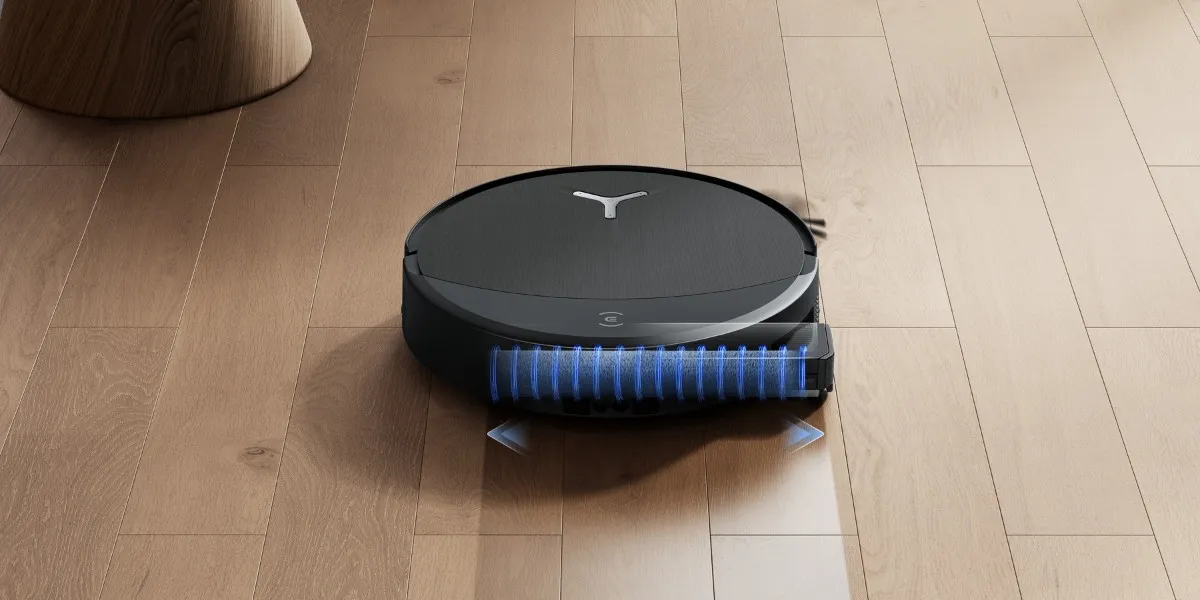
Robot Vacuum With Mop Vs Regular Vacuum: Can Robot Vacuums Replace The Traditional Model?
2026-03-13
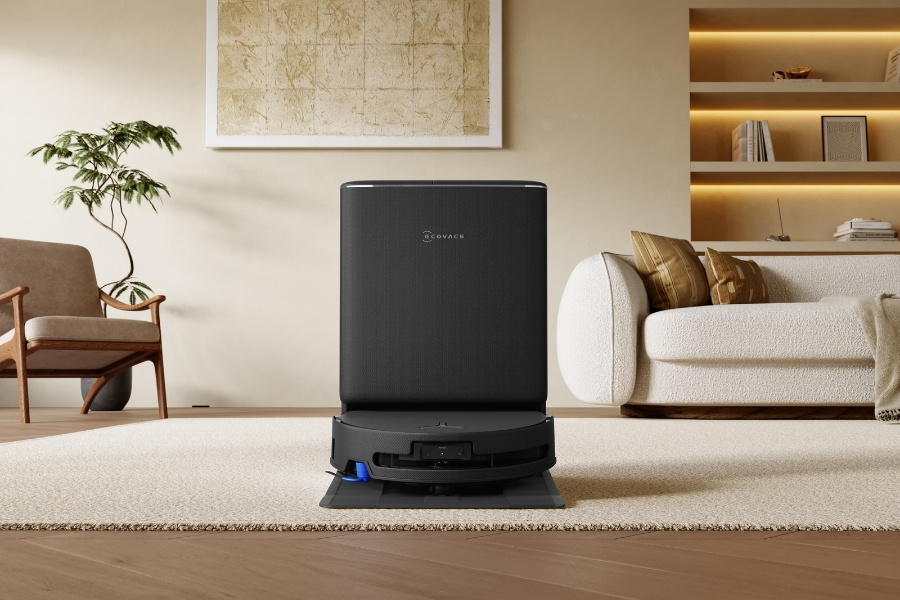
When it comes to cleaning floors, the time spent varies by lifestyle. Full-time workers, homemakers, and full-time parents in America actually spend around 11 minutes more per week than retirees and unemployed people. That helps explain why robot vacuums have become such a popular choice for busy homes.
But can a robot vacuum with a mop really replace a traditional vacuum? The ultimate choice depends on what you clean most: daily dust or deeper mess, hard floors or thick carpet, one level or stairs, and whether pet hair is part of the job.
What is a Robot Vacuum?
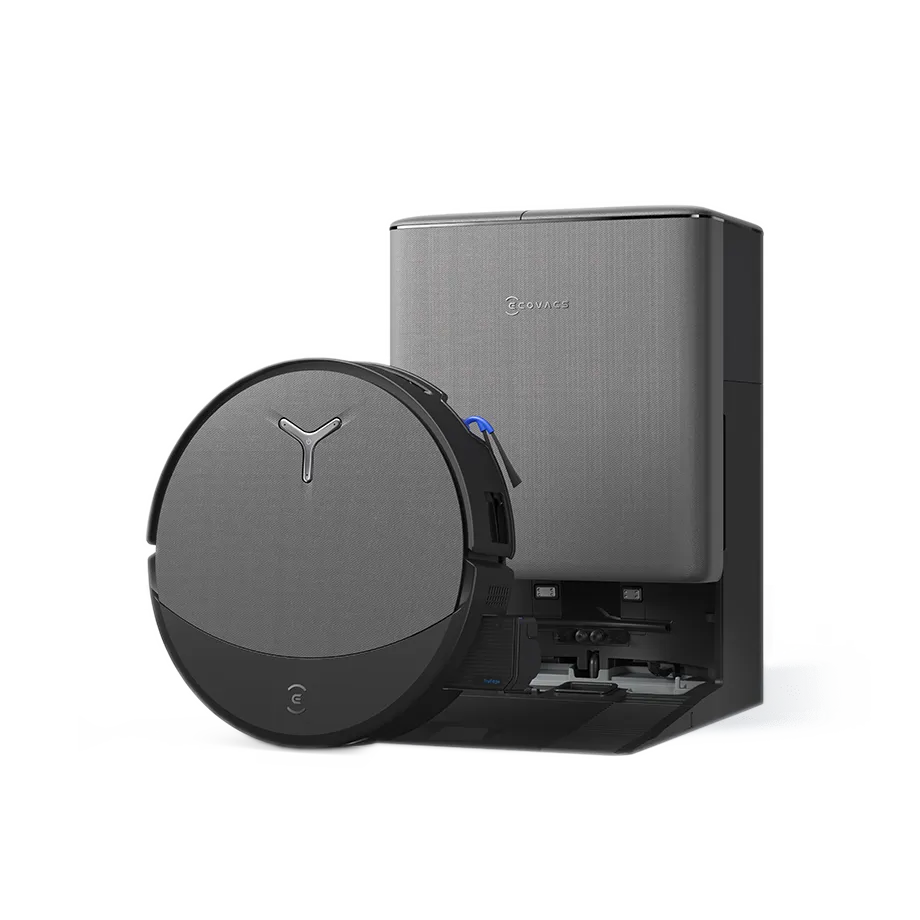
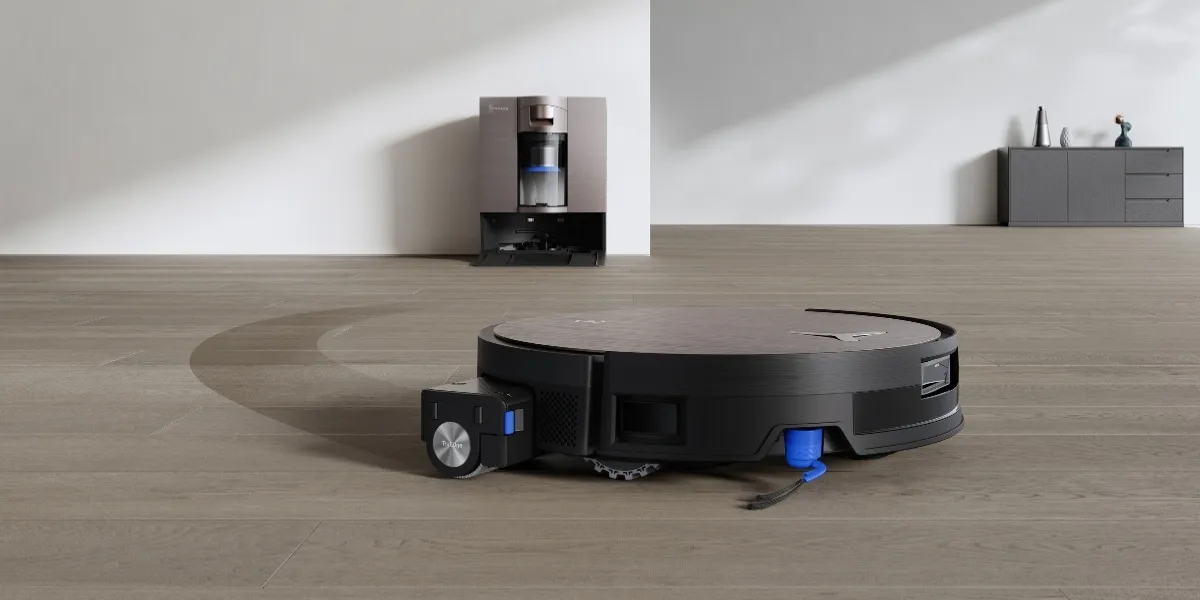
A robot vacuum is a compact, autonomous cleaning device that navigates your home and cleans floors based on settings you choose in the app or on the device. Unlike a regular vacuum, it can work on its own while you focus on other tasks. Some robot vacuums and mops further add a mopping function for extra cleanliness.
The main advantages of a robot vacuum and mop come from the way it fits into your daily routine:
- Automatic cleaning: A robot vacuum cleans on a set schedule, which helps you stay on top of daily dust, crumbs, and pet hair without needing to vacuum every room yourself.
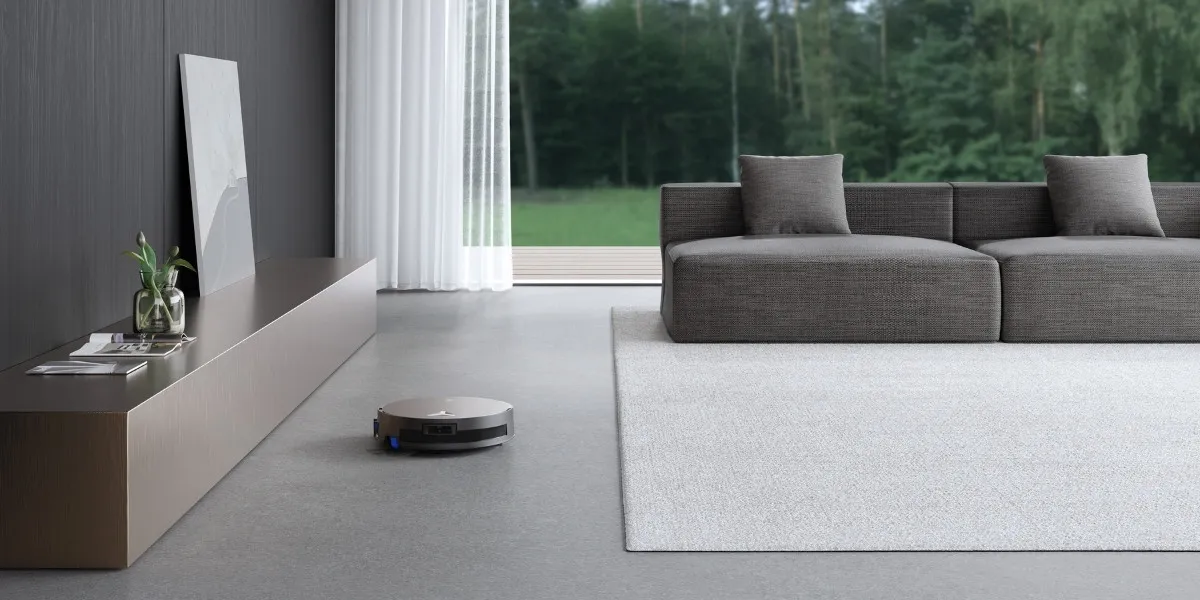
- Compact shape: A slim robot vacuum helps it move under sofas, beds, and cabinets more easily than many regular vacuums, so it can reach areas that are harder to clean manually.
- Dust and allergen control: Many models can reduce the circulation of dust and allergens by picking up dirt regularly before it builds up, which can help your floors feel cleaner.
- Hard floor maintenance: Robot vacuums and mops work well for routine upkeep on tile, wood, and laminate, and self-emptying robots can return to their station for self-maintenance and charging.
There are also a few cons to keep in mind before choosing one:
- Cords and clutter: Basic robot vacuums may struggle with loose cords or small objects. Models with advanced sensors, like DEEBOT, show that robot vacuums can avoid cords and obstacles more accurately.
- Stairs: Most robot vacuums cannot climb stairs because they are designed for flat floor surfaces. However, most cleaning robots do not fall down stairs thanks to fall sensors.
- Thick carpet: Performance on thicker rugs or high-pile carpet can be less consistent than with a regular vacuum. Choose a robot vacuum for carpet, like DEEBOT models, that come with powerful suction and carpet detection for efficient cleaning.
An Overview of Regular Vacuum Cleaners
A regular vacuum cleaner is a manual cleaning device that uses suction to remove dirt and debris from floors, stairs, upholstery, and other surfaces around your home. Common types of vacuum cleaners include upright, canister, stick, and handheld models; understanding these differences is the first step in learning how to choose a good vacuum cleaner for your space.
Regular vacuums still appeal to many households because of these pros:
- Strong suction: A regular vacuum usually provides good suction power for a vacuum cleaner, which helps lift embedded dirt, heavy debris, and fine dust from hard floors and deeper carpet layers.
- Carpet cleaning: Traditional vacuums are usually better for vacuuming a carpet, since they can handle thicker rugs, plush pile, and larger messes more effectively than many robot vacuums.
- Flexible cleaning: Upright, canister, and handheld models let you have more direct control over where you clean, including stairs, corners, furniture, car interiors, and other areas that may be difficult for a robot to reach well.
- Spot cleaning: A regular vacuum works well when you need to clean a sudden mess right away, without waiting for a cleaning schedule or app command.
There are a few drawbacks of regular vacuums to keep in mind:
- Manual effort: A regular vacuum needs to be pushed, carried, and moved from room to room, which takes more time and effort than automated counterparts.
- Storage space: Many traditional vacuums take up more closet or utility space than robot models, which can matter if you live in a smaller apartment.
- Less convenience: Corded vacuums that need to be plugged and unplugged, while cordless models with limited battery runtime need manual recharging.
- Heavier handling: Some models can feel bulky to carry up stairs or between floors in multi-level homes.
How Do Robot Vacuums Compare to Traditional Vacuums?
Generally, robot vacuum cleaners are a convenient option for automated cleaning. They are useful for managing allergens and pet hair on different floor types through scheduled cleaning and personalized settings. Traditional vacuums, meanwhile, are better for deeper cleaning on surfaces above ground, quick spot cleaning, and areas with more clutter.
|
Feature |
Robot Vacuum |
Regular Vacuum |
|
Cleaning Efficiency |
Best for daily upkeep and light debris |
Better for deep cleaning and heavy messes |
|
Ease of Use |
Automated cleaning with little effort |
Requires manual operation |
|
Maintenance and Durability |
Less daily effort. Regular maintenance required |
More hands-on upkeep after each use |
|
Noise Level |
Usually quieter during routine cleaning |
Usually louder when the high setting is turned on |
|
Storage |
Compact and easy to store |
Bulkier and needs more space |
|
Versatility & Reach |
Customized settings; slim design for accessing narrow paths |
Better for stairs and targeted cleaning on above-ground surfaces |
|
Suction Power |
Strong suction for routine cleaning on various surfaces |
Stronger suction for deep cleaning |
|
Allergy & Filtration System |
Helps manage everyday dust and allergens |
Usually stronger filtration performance |
|
Cost |
Higher upfront cost, less time and effort for operation |
Budget-friendly options available, more time and effort for operation |
Cleaning Efficiency
Cleaning efficiency depends on the surface and the type of mess. A robot vacuum for wood floors or a smart vacuum for tiles is best for handling dust, crumbs, pet hair, light stains, and everyday grime on hard floors.
Meanwhile, robot vacuums for rugs such as the DEEBOT X11 OmniCyclone feature OZMO ROLLER 2.0 to scrub away stubborn stains with a high-density nylon mop roller at 200 rpm while keeping the mop constantly refreshed to help prevent cross-contamination.
Traditional vacuums are better for deep, targeted cleaning on high-pile carpet, larger debris, and heavier messes that need stronger pickup performance.
Ease of Use
Robotic vacuums help create a smart home with convenient remote control through apps such as the ECOVACS HOME app for DEEBOT models. Other than scheduling and customization, you can use a robot vacuum with no-go zones and control where the robot vacuum navigates.
Advanced mapping and sensors also help show how robot vacuums can avoid obstacles more accurately.
In comparison, while traditional vacuums are still simple to use, they require more physical effort. You need to carry, push, and guide them yourself, which takes more time than automated cleaning.
Maintenance and Durability
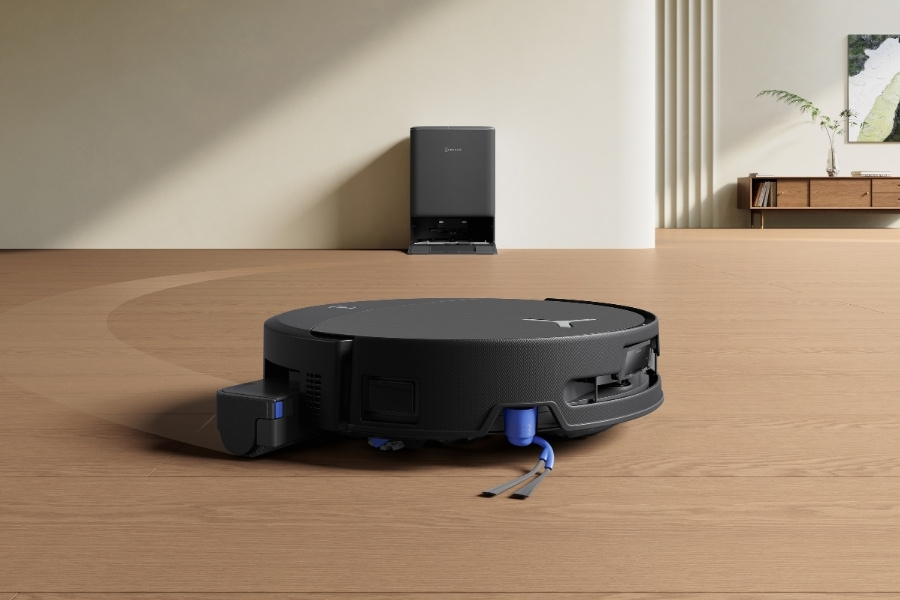
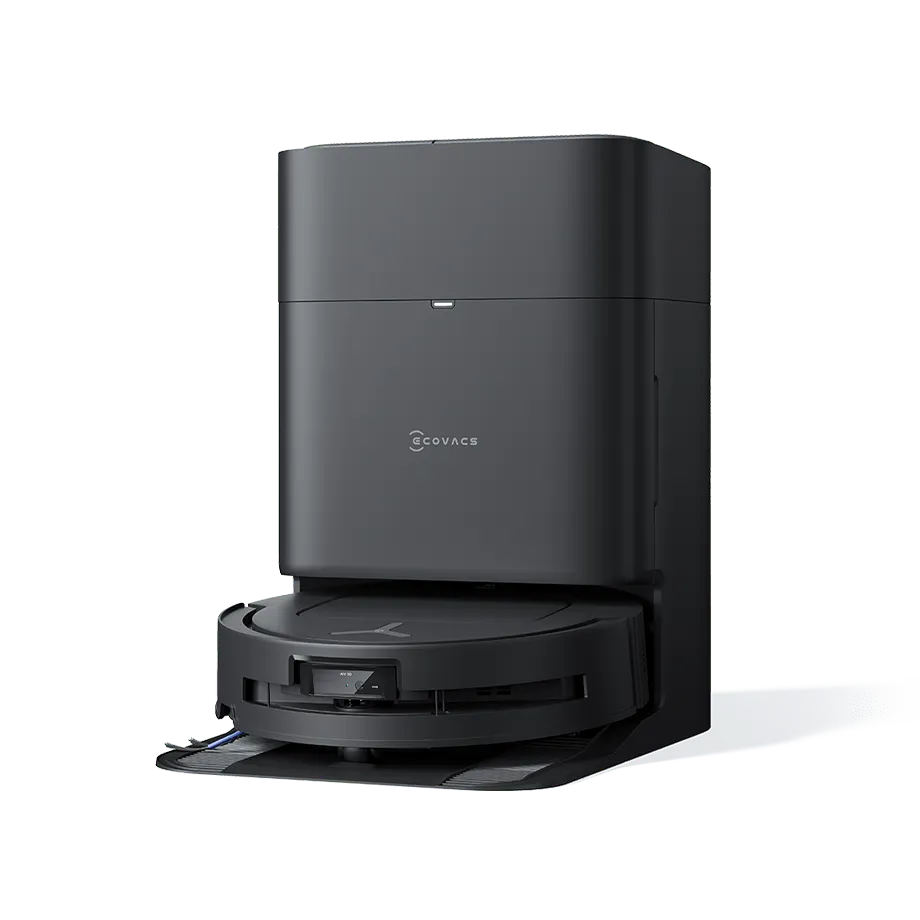
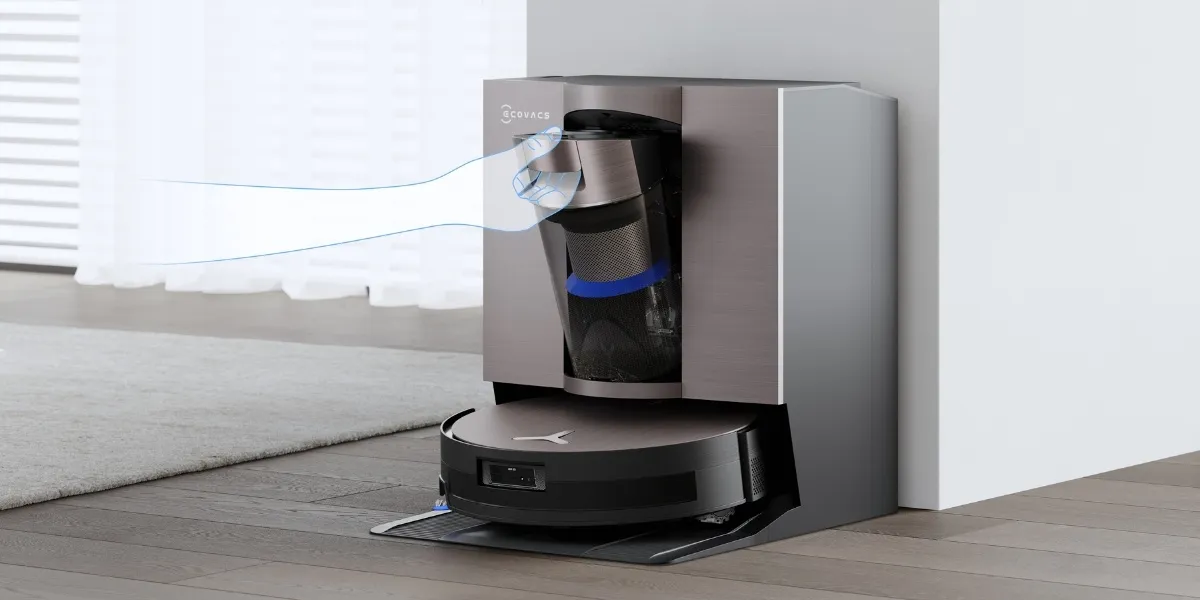
Maintenance is easier with a self-cleaning robot vacuum. Take the OMNI Station in the DEEBOT T90 PRO OMNI. It can auto-empty for up to 90 days1. The Fresh-Flow Power Washing System delivers clean water at up to 167°F to loosen deep-seated dirt on the roller mop, while the straight-down drainage design in the self-cleaning wastewater system keeps wastewater away from the mop.
That said, it is still important to clean a robot vacuum regularly, including emptying the dust bag of a robot vacuum, untangling the brushes, and cleaning the robot filters to help extend the smart vacuum’s lifespan.
Traditional vacuums need more hands-on upkeep, and if a vacuum smells bad, the bin, filter, or brush may need cleaning. In general, it also costs more to repair a robot vacuum.
Noise Level
The noise level of a vacuum cleaner can make a big difference in daily use. Traditional vacuums are typically louder at high suction settings, which can be disruptive.
In contrast, a silent robot vacuum is better for those with babies or who work from home. For example, DEEBOT T90 PRO OMNI uses All-Dimensional Noise Reduction to lower noise up to 3 dBA during dust collection and 5 dBA during suction, while maintaining strong suction.
Another advantage is timing. You can schedule cleaning when you are out or asleep, and a robot vacuum can work in the dark, which makes routine cleaning easier to fit into your day.
Storage
Regular vacuum cleaners are larger and bulkier than their robotic counterparts, so they can collect more debris in one session. However, this also means they require more storage space in closets, laundry rooms, or garages.
Meanwhile, it is easier to store robot vacuums thanks to their compact design, such as the DEEBOT T90 PRO OMNI with an ultra-slim body. For storage, leave enough ventilation and clearance around the station for easy access.
Versatility & Reach
When it comes to versatility and reach, upright and other traditional vacuums give you more manual control. Using attachments like crevice tools and upholstery brushes, you can promptly target and clean stairs, furniture, shelves, corners, and other above-floor areas.
Robot vacuums are more focused on floor cleaning, but their low profile helps them clean under beds, sofas, and cabinets, while features such as edge mode help a robot vacuum clean corners and along baseboards more effectively.
Suction Power
A regular vacuum is usually better for deep cleaning thick carpets, lifting embedded dirt from the crevices, and picking up heavier debris in one pass.
Robot vacuums, on the other hand, deliver strong suction to meet different surface needs. For example, DEEBOT X11 OmniCyclone uses BLAST technology that generates 18L/s airflow and 19,500Pa suction power2, which helps improve fine dust removal, hair pickup, and large particle collection rates.
You can also set suction boost in the app when carpet is detected, which makes daily cleaning on mixed surfaces more effective.
Allergy & Filtration System
Traditional vacuums often come equipped with strong filters that trap allergens such as pollen, dust mites, and pet dander, which helps improve indoor air quality and is useful for allergy sufferers. These filters should be cleaned or replaced regularly to maintain consistent performance.
For smart vacuums for allergies, you can compare not only the filtration system but also the dust container in the self-emptying stations, since sealed bag systems can help keep allergens contained during disposal. This design also reduces dust exposure when cleaning robot vacuum filters or emptying debris.
Robot Vacuum vs Regular Vacuum: Which Should You Choose?
A robot vacuum is the better choice for convenience and efficiency, while a regular vacuum remains a useful tool for deeper, targeted tasks. Robot vacuums work best on keeping a consistent routine on various surfaces. Regular vacuums give you stronger suction and more flexibility for stairs, upholstery, cars, thick carpet, and hard-to-reach corners.
Generally, consider the following when deciding between a robotic and traditional vacuum cleaner:
- Choose a robot vacuum if you have a busy schedule and want automated daily cleaning, your home has mostly hard floors or low-pile rugs, you want regular help with pet hair, dust, and crumbs, and you need a vacuum that can clean under furniture.
- Choose a regular vacuum if you need to clean stairs regularly, your home has high-pile carpet or thicker rugs, you want to clean upholstery, corners, or your car, and you need stronger suction for deep-clean sessions.
Best DEEBOT Robot Vacuum with Mops
These DEEBOT robot vacuum with mops feature advanced features that automate floor care:
DEEBOT T90 PRO OMNI
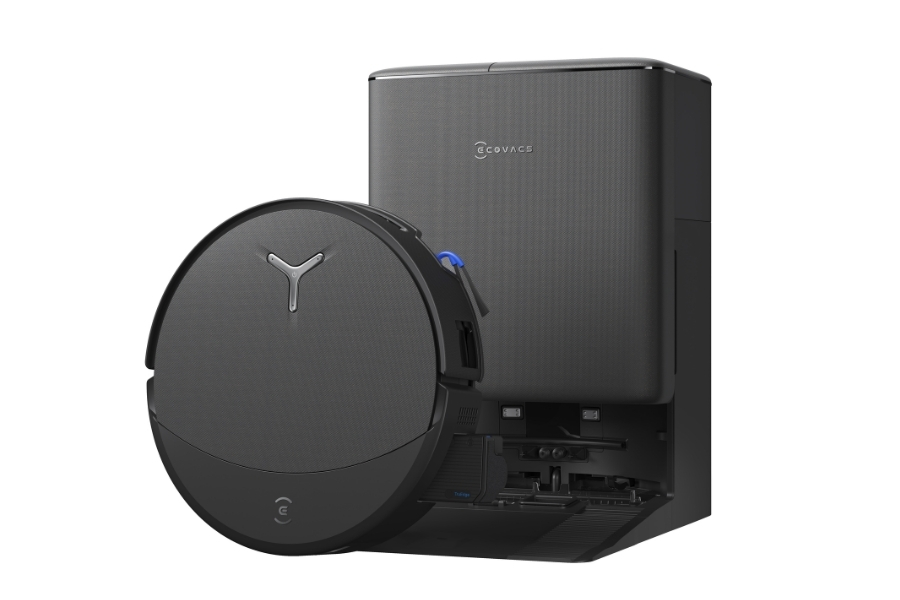
The DEEBOT T90 PRO OMNI combines an upgraded BLAST Solution that delivers up to 30,000Pa suction3 with 16L/s airflow and the OZMO ROLLER 3.0 mopping system, which uses a longer 27 cm roller and an instant self-washing system to scrub deeply and stay clean.
Powered by the VLM model and deep learning, AIVI 3D 4.0 obstacle avoidance cleans extra close to furniture bases while keeping a safe distance from unstable objects such as cords.
Shop DEEBOT T90 PRO OMNI NowDEEBOT X11 OmniCyclone
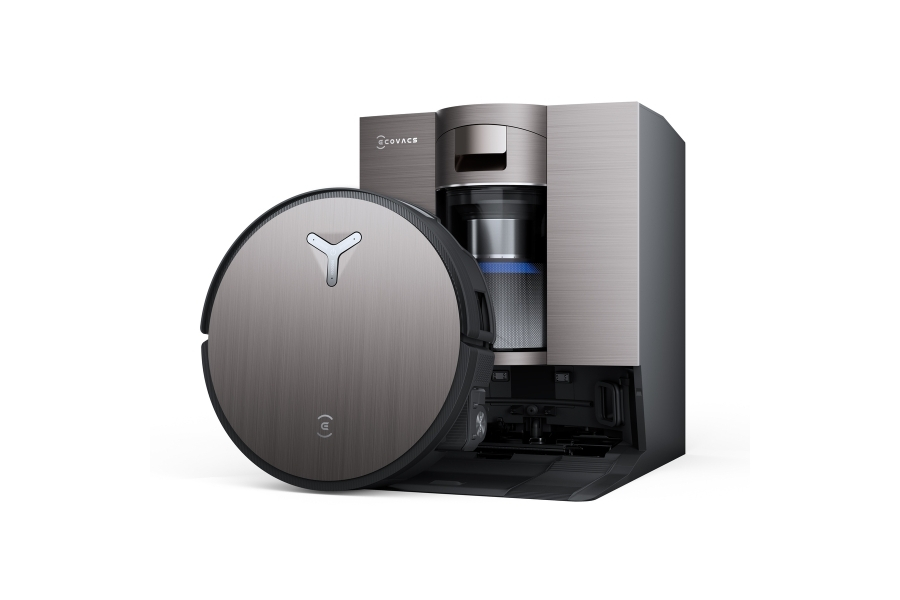
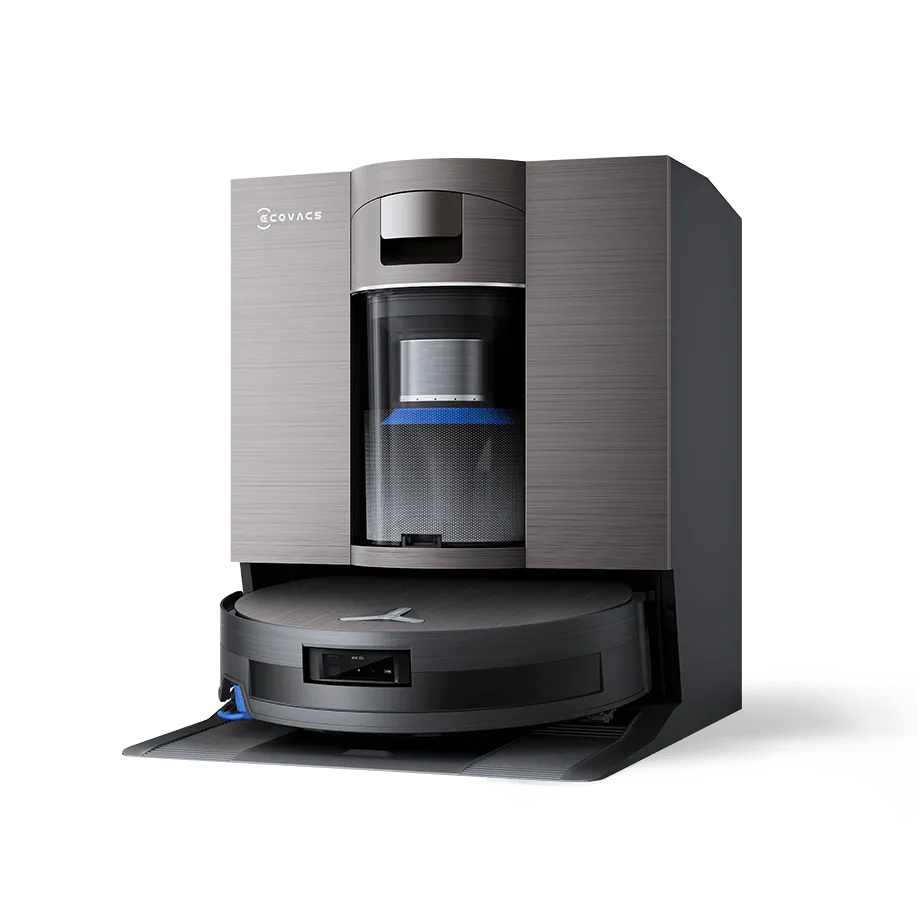
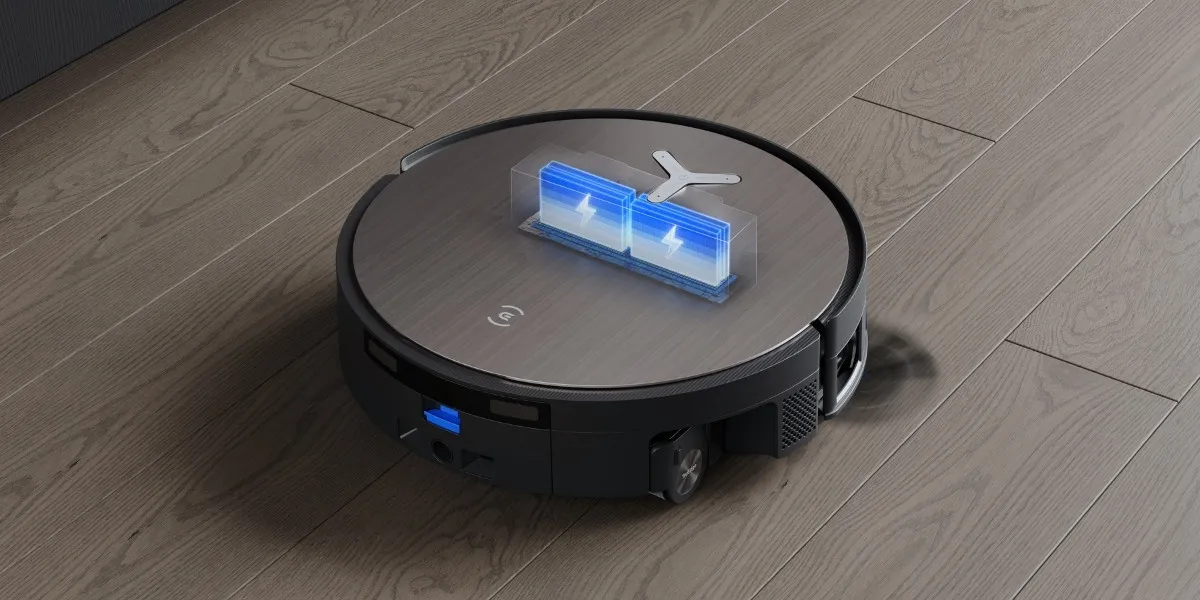
The DEEBOT X11 OmniCyclone robot vacuum features PowerBoost Technology, which lets it recharge during mop washing and recover 6% battery in just 3 minutes, helping it cover large homes up to 10,764 sqft at maximum cleaning settings.
For cleaning efficiency, its BLAST technology delivers 19,500Pa suction2 and pairs with ZeroTangle 3.0 brush design to help prevent hair wrap. Meanwhile, the OZMO ROLLER 2.0 mopping system scrubs at 200 rpm to tackle stubborn stains and keep the roller constantly refreshed to help prevent cross-contamination.
Shop DEEBOT X11 OmniCyclone NowDEEBOT T80 OMNI
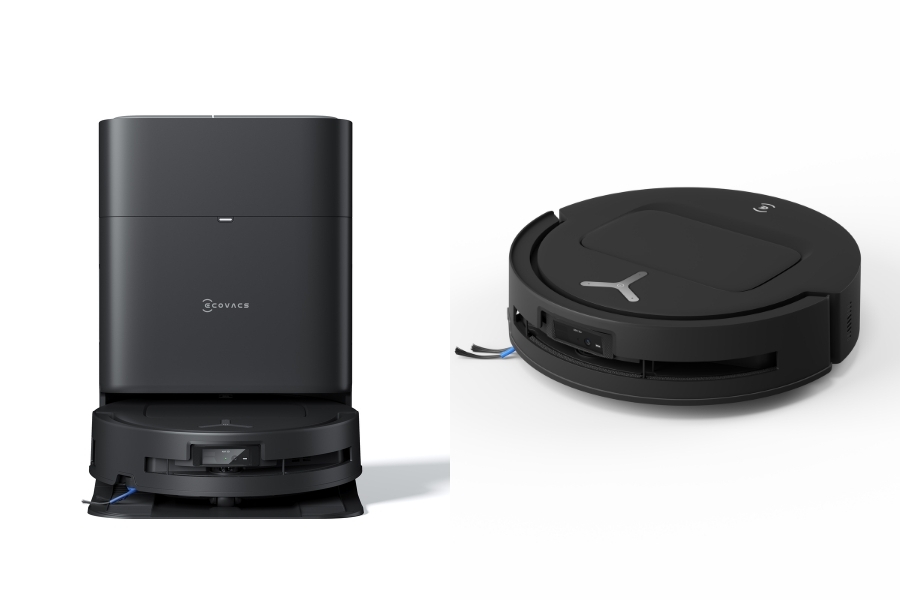
The DEEBOT T80 OMNI handles mixed-floor homes with extra care for carpets. Its Carpet First function vacuums carpets before mopping, while automatic carpet recognition supports modes like Vacuum Only and No Entry for better surface protection.
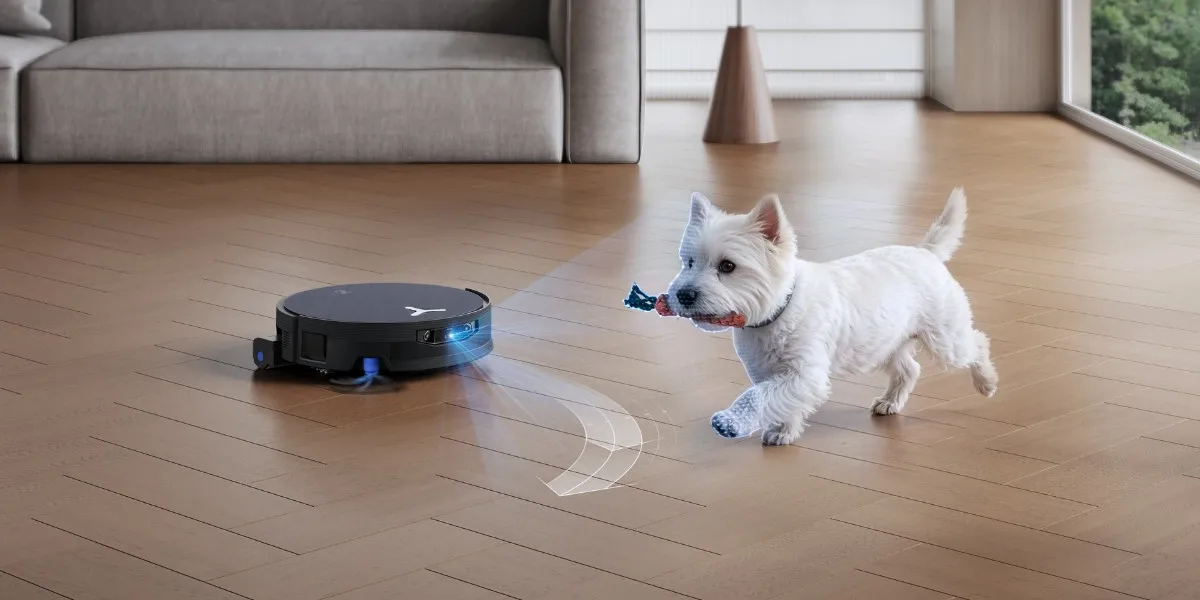
AIVI 3D 3.0 obstacle avoidance, powered by the VLM model, helps it clean close to edges and react quickly to people, pets, and other moving obstacles. After each run, the station supports temperature-controlled mop washing and 113°F hot air drying to keep the roller fresh.
Shop DEEBOT T80 OMNI NowFAQ
Can a Robot Vacuum Replace a Normal Vacuum?
A robot vacuum can replace a normal vacuum for daily maintenance on hard floors, low-pile rugs, dust, crumbs, and pet hair. A regular vacuum is useful for deep cleaning surfaces above ground, including stairs, upholstery and desktops that need more manual control.
Robot Vacuum vs. Regular Vacuum: What’s Best for Pet Hair?
A robot vacuum is a strong choice for pet hair, with the capability to schedule frequent cleaning sessions that stop hair from building up on floors. Moreover, a tangle-free brush design helps reduce maintenance by making it easier to remove hair from the roller brush. A regular vacuum is better for deep cleaning a big pile of pet hair gathered in hard-to-reach corners.
Are robot vacuums more expensive than regular vacuums?
Robot vacuums usually cost more upfront because of smart features and self-emptying stations, but their automated operation saves time and effort. In contrast, regular vacuums suit a wider range of budgets, though they require more time and physical effort to use.
Disclaimer(s):
- 90 days: This data comes from ECOVACS laboratory, which is based on the statistics of the number of times users disposed of traditional dustbins. The actual performance is subject to change due to frequency and cleaning area.
- 19,500Pa: This data comes from ECOVACS laboratory. The suction power of DEEBOT X11 OmniCyclone can reach 19,500Pa.
- 30,000Pa: This data comes from ECOVACS laboratory. The suction power of DEEBOT T90 PRO OMNI can reach 30,000Pa.
Related Products