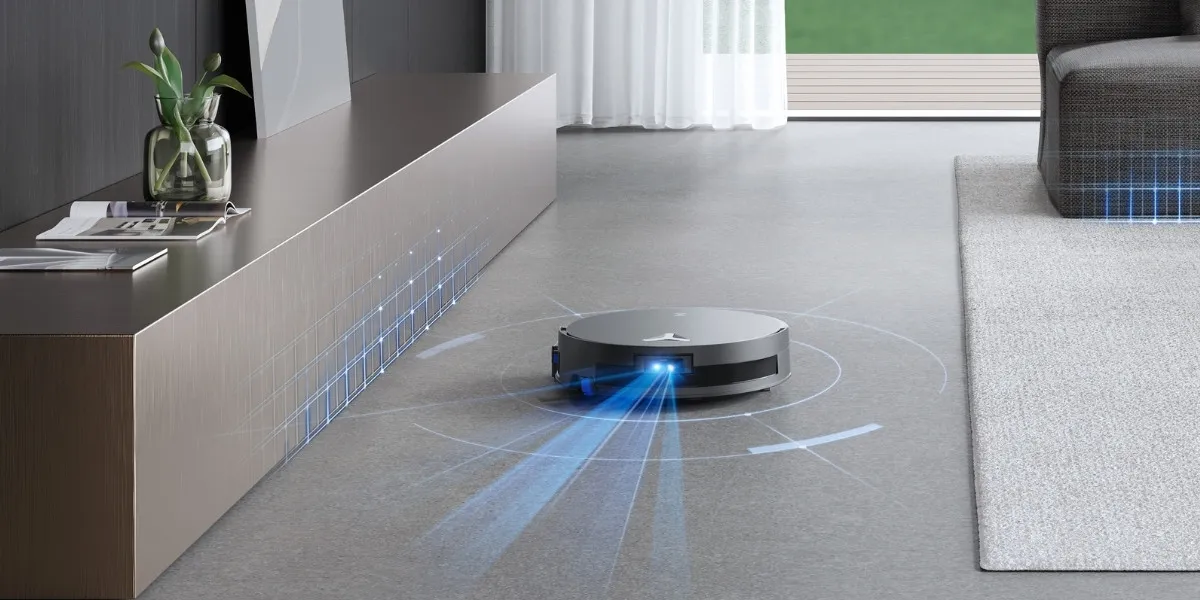

If you’ve tried “tidying up” by pushing things aside instead of actually cleaning, you’re not alone. It’s not uncommon to have charging cables, shoes, and clothes scattered around the home, let alone the extra mess from kids and pets.
So how well do robot vacuums handle this reality? If you’re considering one, learn about the main challenges, the smart features that help in messy spaces, and simple tips to get better cleaning results.
Do Robot Vacuums Work in Cluttered Houses?
Yes, robot vacuums can work in cluttered houses with limited space and obstacles, thanks to advanced navigation, AI-powered obstacle detection, and smart mapping. However, heavily cluttered homes with loose cables, socks, toys, or obstacles can still reduce coverage and cause interruptions.
To navigate smoothly in crowded environments, robot vacuums rely on smart navigation technology. When comparing LiDAR and vSLAM, which are commonly used in smart vacuum cleaners, the former precisely measures distances with lasers, while the latter is camera-based and understands surroundings using visual data. Generally, LiDAR can work better in complex, cluttered spaces. Obstacle avoidance systems are also essential for dodging objects without causing damage.
Usually, robot vacuums and mops face these challenges when cleaning packed spaces:
Getting Stuck on Floor Items
While some robot vacuums can avoid power cords, shoelaces, wires, slippers, and other small objects may block the smart vacuum and stop it from mapping properly. Sharp items caught in the machine can scratch the floors and ultimately require repairs.
Skipped or Avoided Areas
Large piles of clothes can force robot vacuums to reroute their cleaning paths and skip certain areas of your home. In other cases, obstacles may create uneven surfaces for smart vacuums, which they may find too high to climb over. As a result, the robot may keep going in circles, and the overall coverage can be affected.
Low Clearance and Tight Spaces
Even with slim designs, smart vacuum cleaners may get stuck when couches are too low, leaving the robot to start making weird noises. Narrow walkways can also make navigation harder for robot vacuums in small apartments.
How Do Robot Vacuums Work in Cluttered Houses?
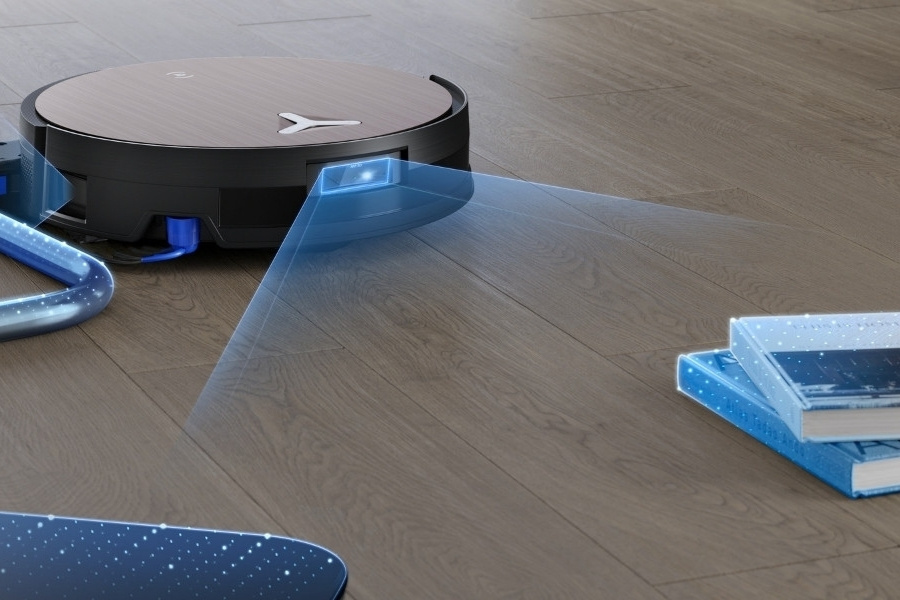
When robot vacuums clean crowded spaces, they use LiDAR, infrared sensors, and cameras to map rooms and detect obstacles. Models powered by AI can accurately identify objects and plan efficient routes. They also allow users to set virtual no-entry zones for hazardous areas through the app.
LiDAR Mapping
LiDAR helps the robot vacuum to understand room layouts and detect furniture locations by using laser to scan and build a detailed floor map, which helps to plan cleaning paths.
Camera-aided Navigation
When navigating packed rooms, the cameras provide visual data to identify walls, chairs, and objects on the floor. This supports the robot vacuum to detect corners in real-time and helps the robot adjust its route.
Smart Path Planning Algorithms
By combining data from sensors, the algorithms in the robot vacuum with mapping act as the “brain” and calculate optimised cleaning routes that limit repeated passes or missed spots.
AI Obstacle Recognition
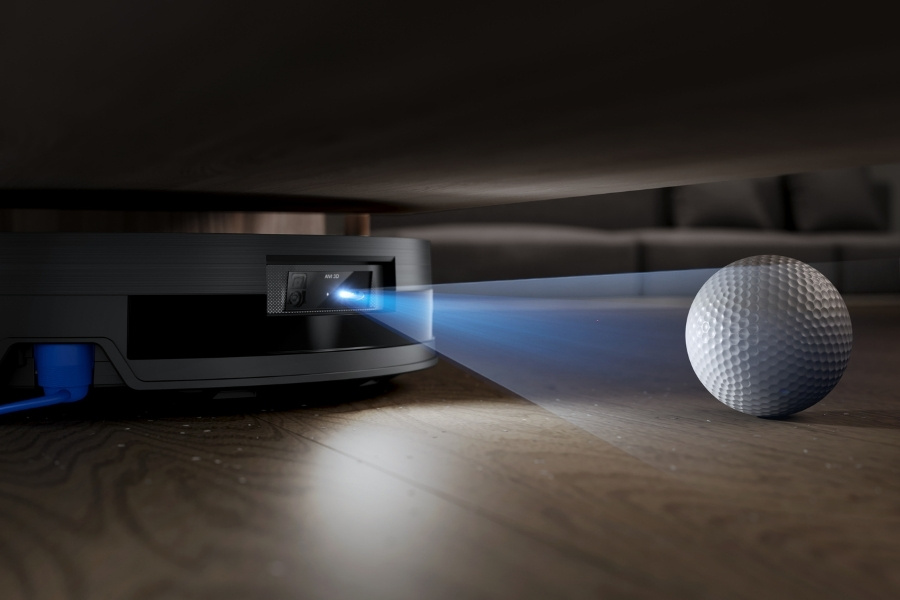
AI helps robot vacuum cleaners recognise a wide range of household items, such as shoes, toys, laptops, and pet bowls. Advanced versions further analyse object shapes and spatial data, helping the robot avoid obstacles more accurately without being restricted to predefined objects.
Real-Time Obstacle Avoidance
Robot vacuums with obstacle avoidance features utilise sensors to continuously monitor for hazards. If a door opens suddenly, for example, the robot can pause and change direction, helping to extend its lifespan.
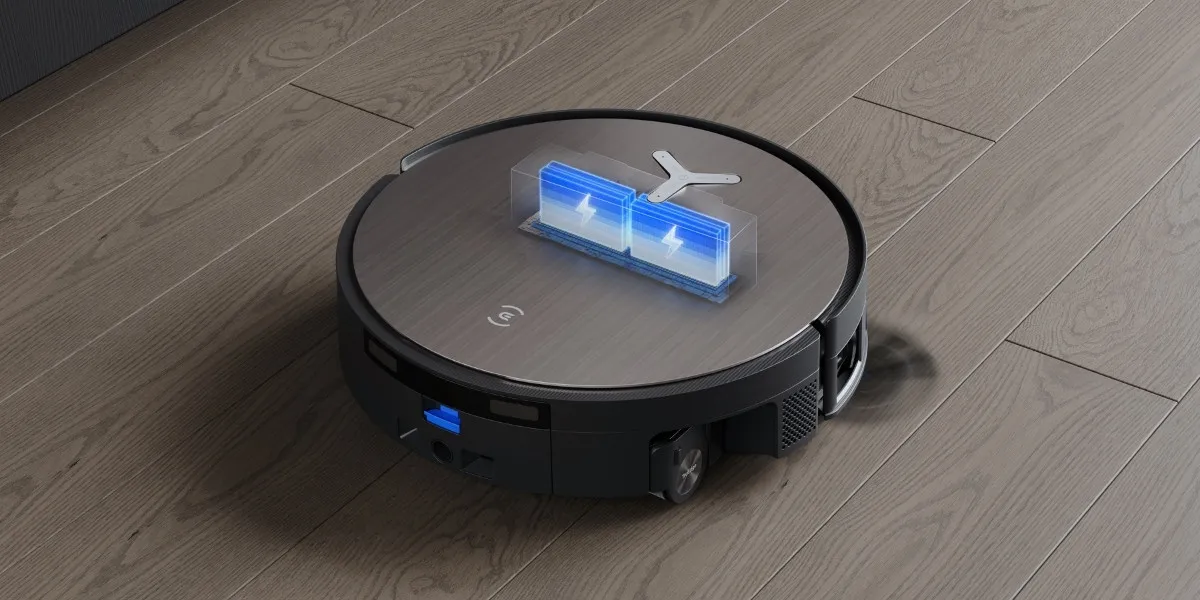
Slim Body Design
Slim robot vacuums allow easier movement under beds, couches, and cabinets. In messy rooms, dust and debris often gather in tight spaces where a lower profile provides better accessibility.
Threshold Climbing Ability
Threshold climbing capability helps the robot vacuum cross transitions such as door bars and thick rugs, allowing the robot vacuum to navigate smoothly between rooms.
Set No-Entry Zones
Sometimes an area may be too risky for a robot to clean, such as broken glass in the kitchen. The no-go zones function in smart vacuums let you block access to these spaces.
Remote Controls
Even when you are away from home, the companion app lets you remotely control the robot and monitor cleaning sessions. You can adjust cleaning demands and schedules without being present.
Best Tips to Use Robot Vacuums in Cluttered Houses
To help your robot vacuum perform better in cluttered homes, follow these quick tips to make space easier to navigate.
- Prep the Floor Before Cleaning: Remove large obstacles that are blocking the paths, as well as small, loose items on the floor, to minimise the risk of getting jammed.
- Use Smart App Controls: When setting up the robot vacuum, set no-go zones and virtual boundaries to guide it away from hazardous spots.
- Schedule Frequent Runs: Run the robot vacuum regularly to manage dirt buildup better.
- Store the Robot Properly: Place or hide the robot safely with sufficient clearance to prevent overheating and accidental damage.
- Periodic Manual Maintenance: Clean surfaces above the floors and tight corners that the robot vacuum cannot enter.
Can DEEBOT Robot Vacuums Work in Cluttered Houses?
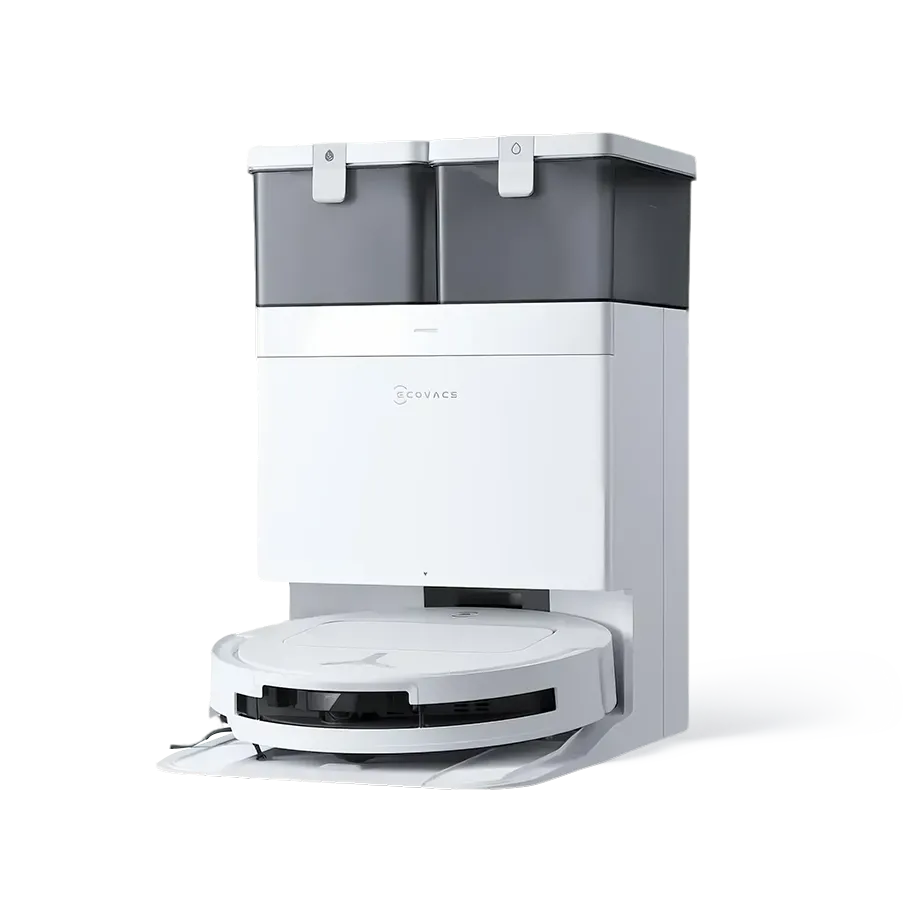
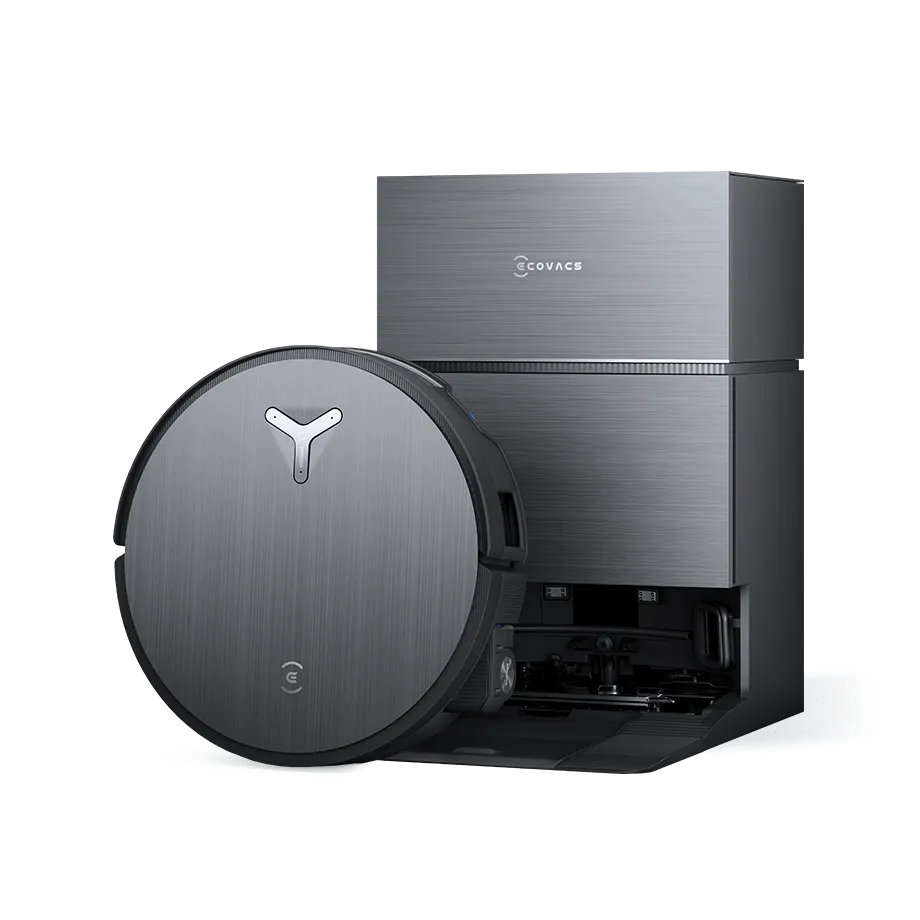
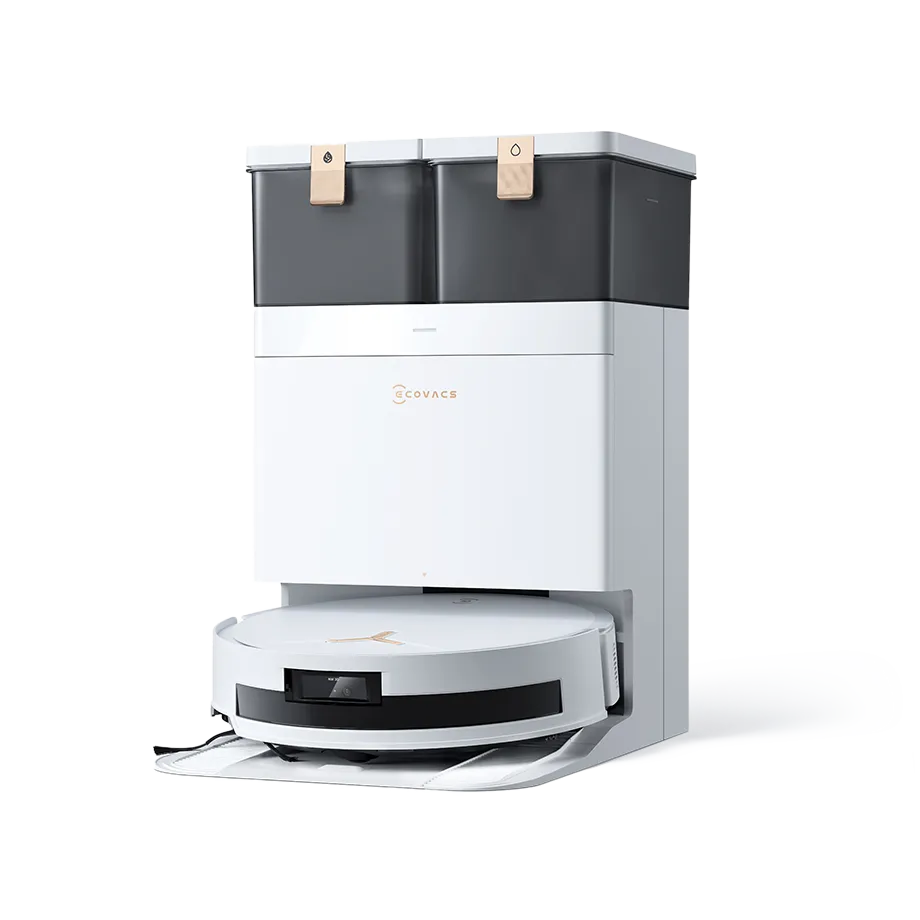
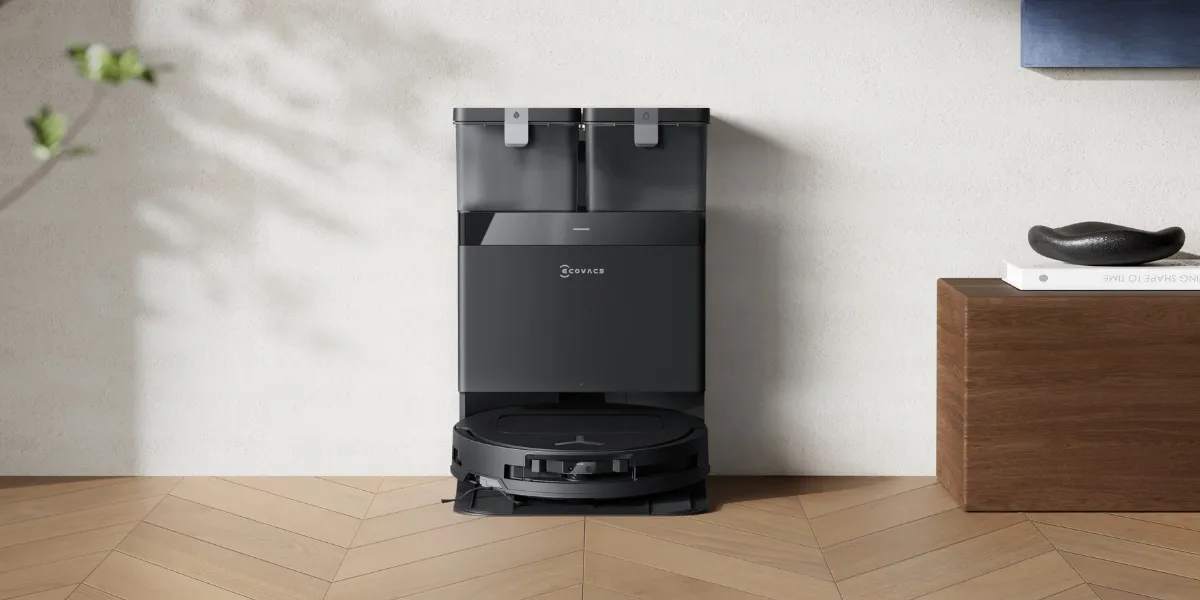
Yes, DEEBOT robot vacuums are well-equipped for the daily upkeep of crowded homes. For example, the DEEBOT X11 OmniCyclone navigates with dToF laser ranging to create accurate maps and plan optimised routes between obstacles. This is paired with AIVI 3D 3.0 Omni-Approach Technology, which identifies obstacles in real time and cleans closely around objects.
Meanwhile, the TruePass System helps the robot cross door tracks up to 4cm and thresholds as high as 2.4cm. With AGENT YIKO and the ECOVACS HOME app, you can control cleaning remotely, set no-entry zones, and adjust schedules anytime for packed spaces.
Related Products